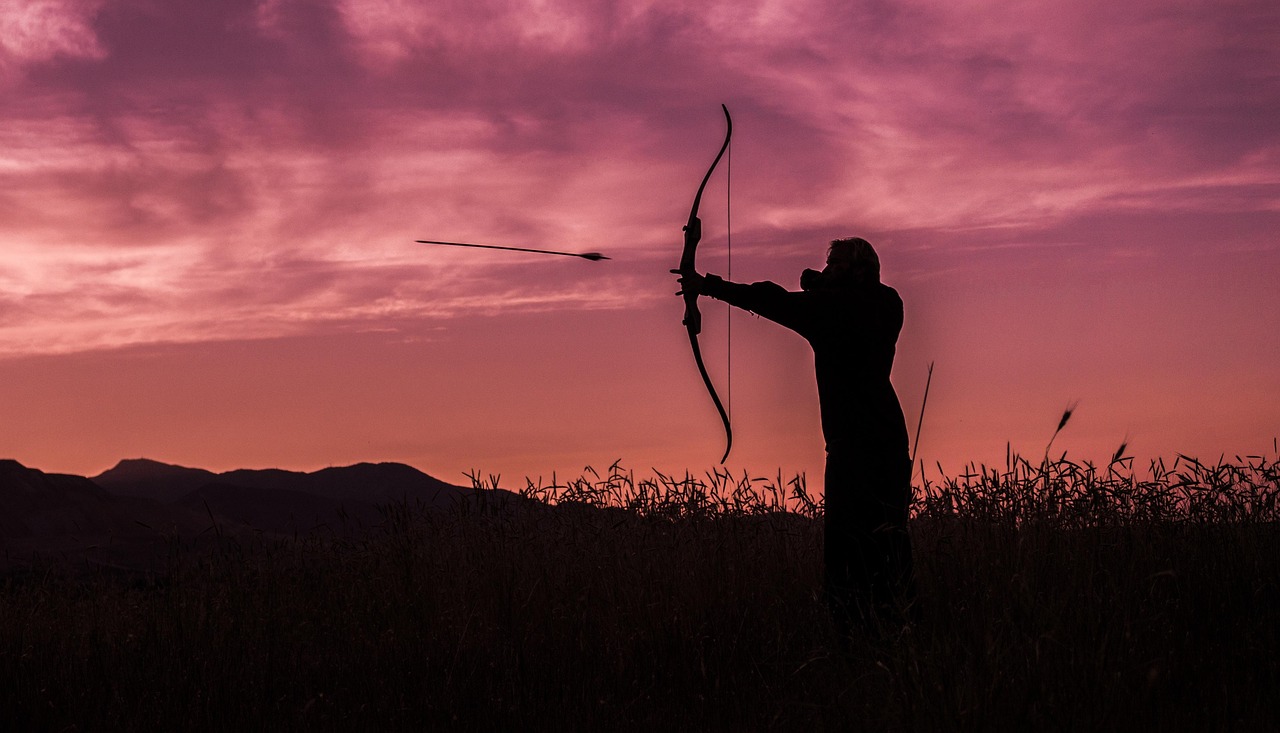
In a time when everything is available at the tap of a screen, patience often feels like a forgotten virtue. Primitive hunting, however, reminds us of the deep value found in slowing down, staying alert, and trusting the rhythm of nature. Long before modern tools or technology, hunters relied on their instincts, observation, and endurance to survive. Their ancient practices reveal lessons that remain profoundly relevant, especially for mastering patience, sharpening focus, and rediscovering balance in a distracted world.
The Power of Stillness
Primitive hunters learned early that movement often betrayed them. To get close to their prey, they had to master complete stillness, not just physically, but mentally. They observed every sound, shadow, and shift in the wind with calm precision. This deep stillness trained them to quiet restless thoughts and heightened their senses. In modern life, adopting that same discipline helps us tune out noise, manage impulses, and fully focus on the moment instead of rushing through it.
Learning to Read Nature’s Language

For early hunters, nature spoke through tracks, scents, and subtle signs. A broken twig, a bird’s sudden silence, or a shift in the breeze could mean everything. Learning to read these clues required more than skill; it demanded patience and deep observation. Each detail told part of a larger story, teaching hunters to stay grounded in awareness. Translating that mindset today helps us develop focus in chaotic environments, teaching us to notice patterns and make thoughtful, informed decisions.
Embracing the Wait
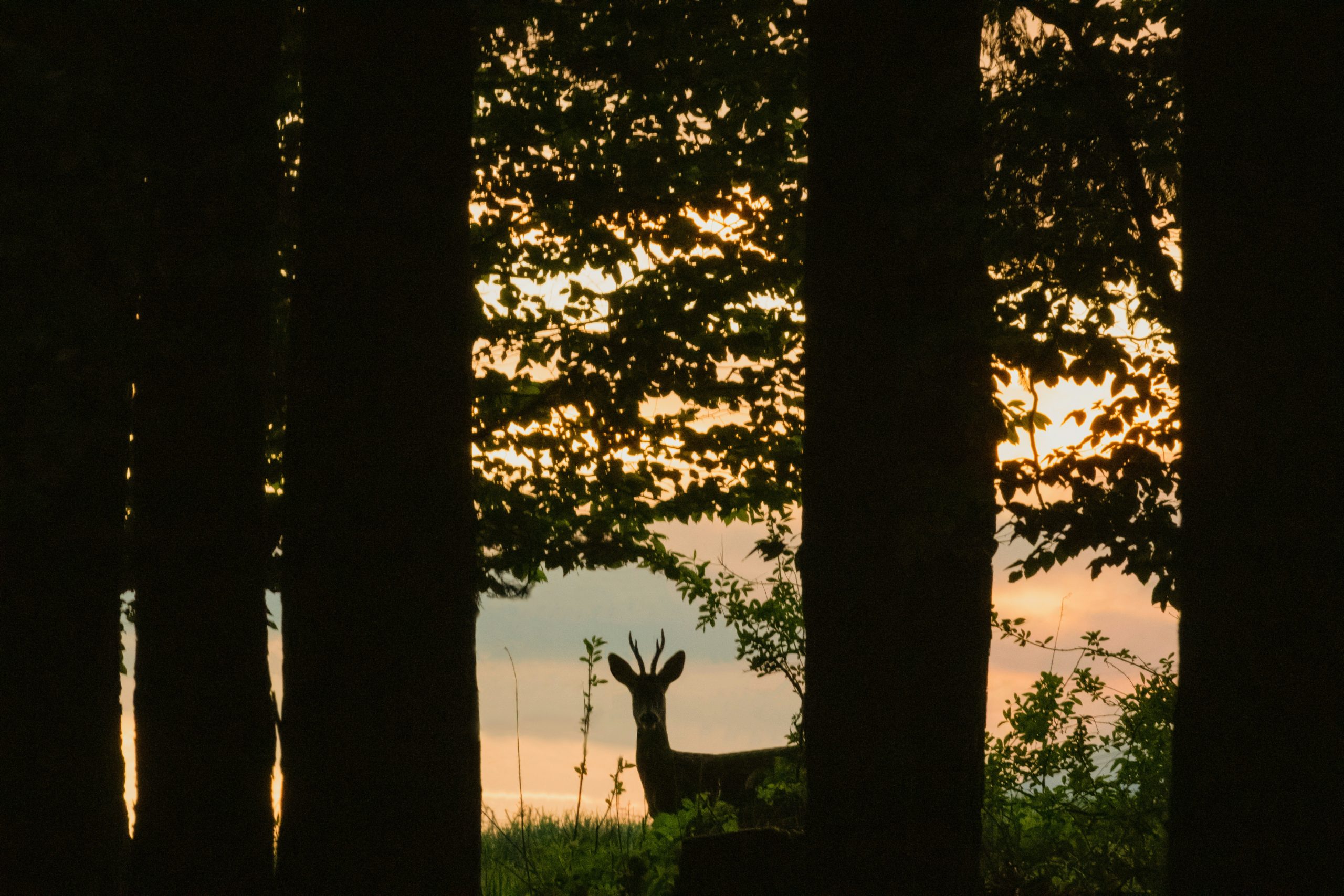
In primitive hunting, success wasn’t instant; it could take hours, days, or even weeks. Waiting wasn’t wasted time; it was a vital part of the process. Hunters had to stay mentally sharp, not passive, during long stretches of silence. They learned endurance, control, and the art of conserving energy until the perfect moment arrived. This lesson applies perfectly to modern challenges, whether in business, relationships, or self-improvement. Patience allows precision and prevents mistakes born from haste.
Honing the Senses
Survival in the wild meant depending on finely tuned senses. Hunters developed an acute awareness of their surroundings, noticing the faintest sounds, the direction of the wind, or distant movements. Each sense worked together, building focus through instinctive mindfulness. In a world flooded with digital distractions, retraining our senses through intentional awareness, whether during a walk in nature or a focused task, can restore clarity and sharpen our ability to concentrate deeply.
Respecting the Process

Primitive hunters didn’t expect instant results. They respected every step, tracking, stalking, waiting, and sometimes failing. This respect for process built patience through repetition and reflection. Each experience, successful or not, added to their wisdom. Today, embracing that same respect for growth teaches us resilience. Progress often happens slowly, and understanding that the journey itself builds strength helps us appreciate effort rather than chase quick gratification.
Accepting Uncertainty
Nothing about primitive hunting was guaranteed; weather could change, prey could vanish, or conditions could shift without warning. Hunters learned to adapt calmly to uncertainty rather than fight it. This acceptance fostered patience and emotional control. In modern life, uncertainty remains a constant companion. Whether waiting for outcomes or adjusting to setbacks, learning to stay grounded through unpredictability allows us to focus on what we can control and let go of the rest.
Mastering Discipline Over Impulse
Hunting successfully meant controlling every urge, the instinct to rush, the frustration of failure, or the temptation to act too soon. Hunters who let emotion lead often went hungry. Discipline, not desire, was their survival tool. Practicing this kind of restraint today helps us manage stress, resist distractions, and stay focused on long-term goals. True patience isn’t passive; it’s the active mastery of impulse and the commitment to thoughtful, deliberate action.
Strengthening the Mind-Body Connection
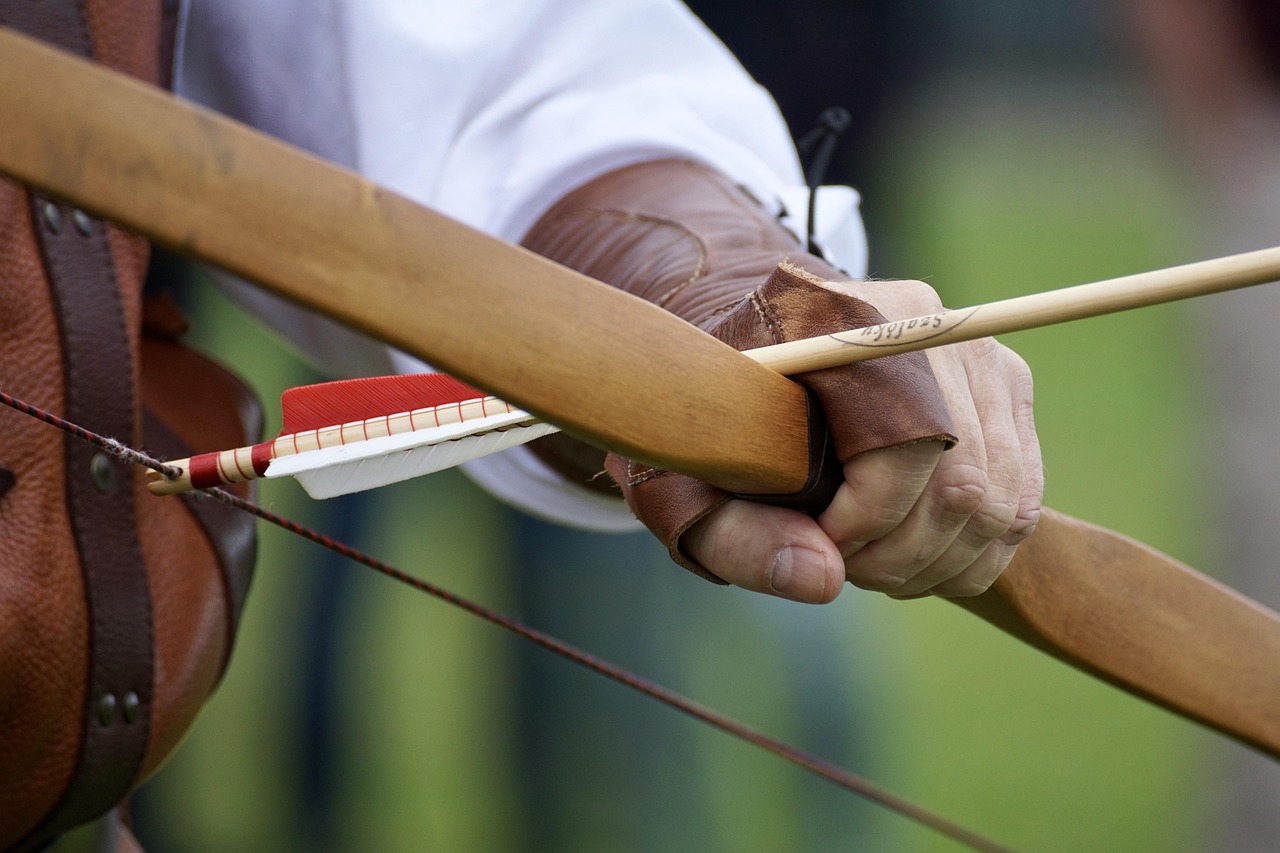
Every movement in a primitive hunt mattered. A misplaced step or breath could ruin hours of effort. Hunters learned to move with purpose and synchronize mind and body. This awareness strengthened coordination and mental calm. Practicing mindfulness in motion through breathing, exercise, or quiet observation builds the same synergy. It teaches focus through physical control and helps the body reinforce the patience the mind strives to maintain.
Finding Presence in Simplicity
Primitive hunting wasn’t about tools or technology; it was about presence, listening, feeling, and acting in harmony with nature. The simplicity of those moments brought clarity and purpose. In today’s fast-paced world, returning to simplicity helps reset our focus. Whether it’s slowing down a morning routine or spending quiet time outdoors, simplicity allows us to reconnect with patience, finding peace in being rather than constantly doing.
Gratitude Through Effort
Every successful hunt was followed by gratitude not just for the catch, but for the lessons learned through endurance. Hunters respected the balance of nature and valued what they earned. That gratitude came from patience and effort, not luck. Applying this perspective to our own lives reminds us to appreciate progress, however small. Patience teaches us to find fulfillment in the journey itself, turning effort into gratitude and focus into peace.