Long before GPS devices, modern camping equipment, and outdoor survival gadgets became everyday conveniences, people relied on practical knowledge to manage life outdoors. Many older generations learned how to read the weather, find useful materials, preserve food, and make simple tools from what nature provided. These abilities were often passed down through families rather than learned from books. Although modern equipment makes outdoor adventures easier, several traditional bushcraft skills remain surprisingly useful. Here are 11 practical skills that previous generations understood well and that many outdoor enthusiasts today rarely practise.
1. Reading Weather Patterns Without Modern Forecasts

Before smartphones and weather applications, experienced outdoorsmen paid attention to changes in clouds, wind direction, humidity, and animal behaviour to anticipate approaching weather. Tall, growing cumulus clouds could indicate developing instability, while darkening skies and strengthening winds often signalled an approaching storm. A sudden temperature drop could also suggest a weather front. Grandparents who spent considerable time outdoors learned to combine several observations rather than trust one sign alone. Although this knowledge cannot replace an official forecast, understanding basic atmospheric changes remains useful. Checking conditions every 30 minutes while outdoors can help identify developing weather problems early.
2. Making Natural Cordage From Plant Fibres

Before synthetic ropes became widely available, people made strong cordage using materials such as nettle stems, flax, hemp, and certain tree barks. The process involved separating usable fibres, drying them, and twisting smaller strands together to produce a stronger line. Two-ply twisting was a particularly useful technique because it helped prevent the finished cord from unravelling easily. Depending on the plant, preparation could take several hours or longer. Natural cordage was useful for repairing equipment, tying bundles, and making simple household items. Learning to recognise suitable plants and practise fibre preparation gives modern bushcrafters a better understanding of traditional resourcefulness.
3. Identifying Natural Water Sources
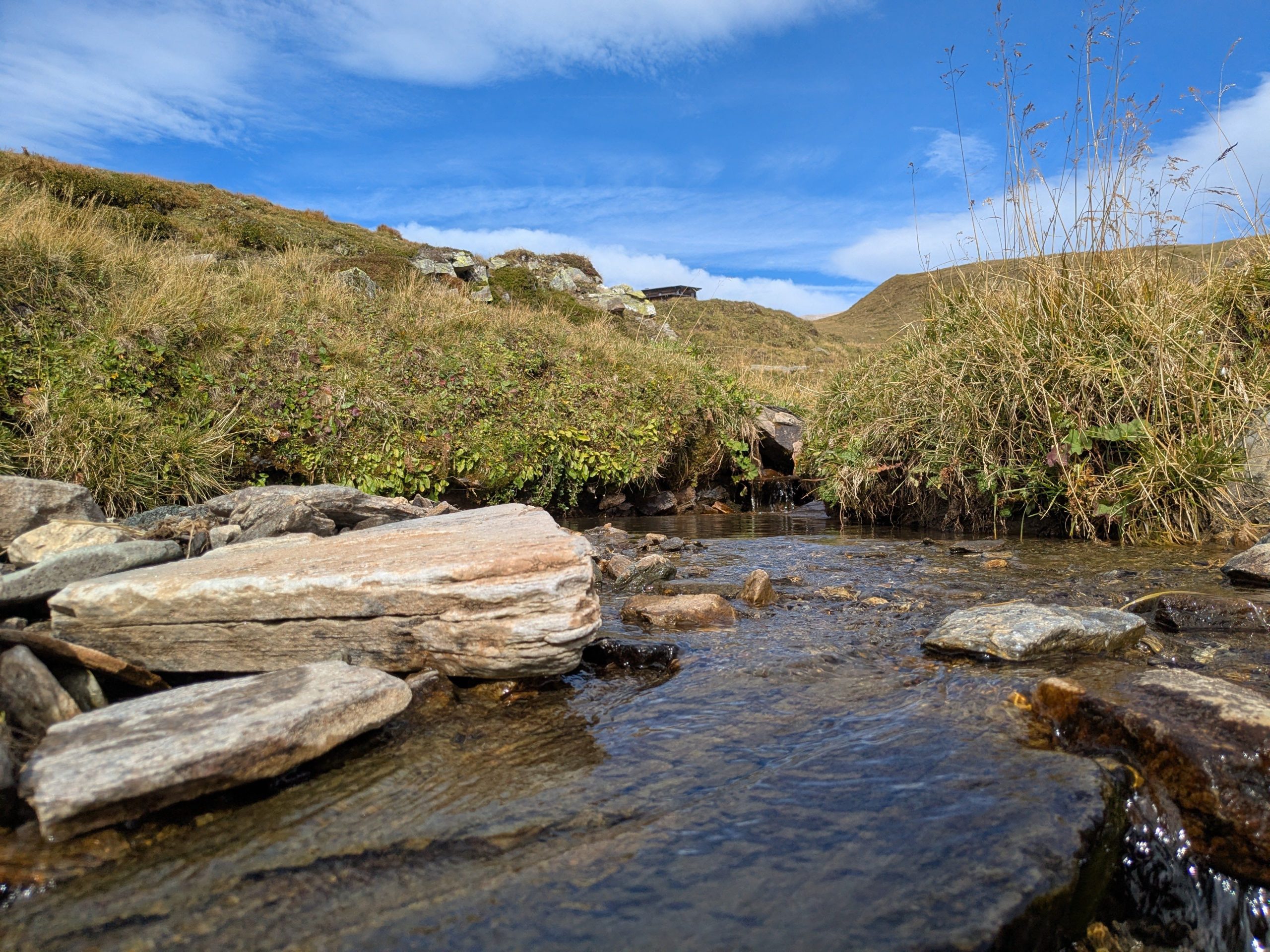
Older generations often understood how landscape features could help locate water when travelling through unfamiliar countryside. Valleys, drainage channels, and low-lying ground sometimes indicated where water collected after rainfall. However, finding water was only the first challenge. Clear-looking streams are not automatically safe to drink because harmful microorganisms may be invisible. Traditional travellers often used boiling as a treatment method, and it remains a dependable approach when performed correctly. At sea level, bringing water to a rolling boil for at least one minute is a widely recommended precaution. Knowing where water may collect, how to assess a source, and how to treat it properly remains an important outdoor skill.
4. Building a Shelter Using Natural Materials
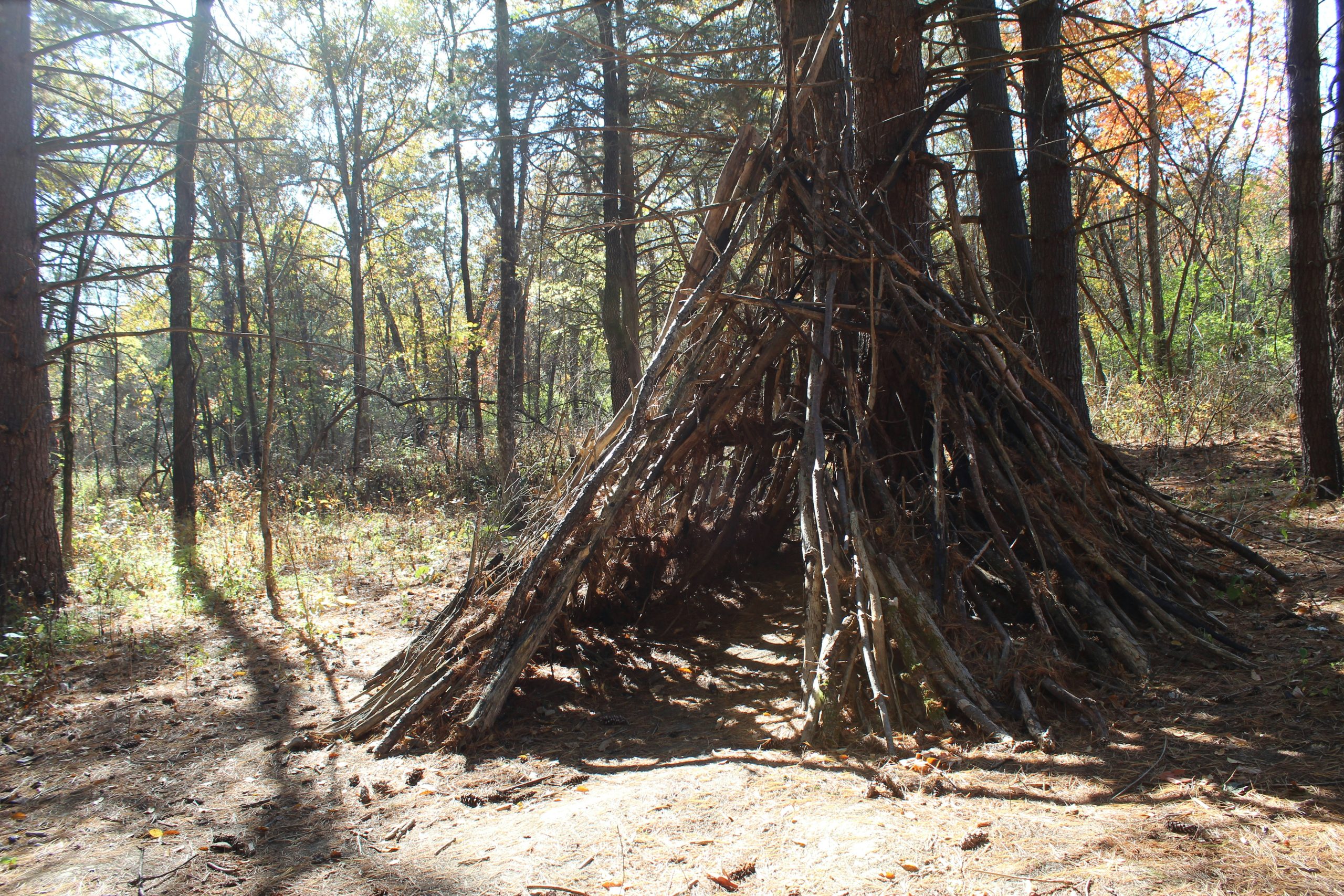
Long before lightweight camping tents became widely available, people constructed temporary shelters using branches, leaves, bark, and other locally available materials. A simple lean-to was one familiar design, with a supporting ridge and sloping sides that helped deflect rain. The shelter’s direction, ground clearance, and protection from prevailing winds all mattered. A useful traditional principle was to select a naturally sheltered location before collecting materials. Even a basic shelter required careful attention to drainage and ventilation. Practising with fallen branches and responsibly gathered vegetation can teach valuable construction skills. Modern bushcrafters still use these principles when learning how to make temporary outdoor shelters.
5. Preserving Food Through Smoking and Drying
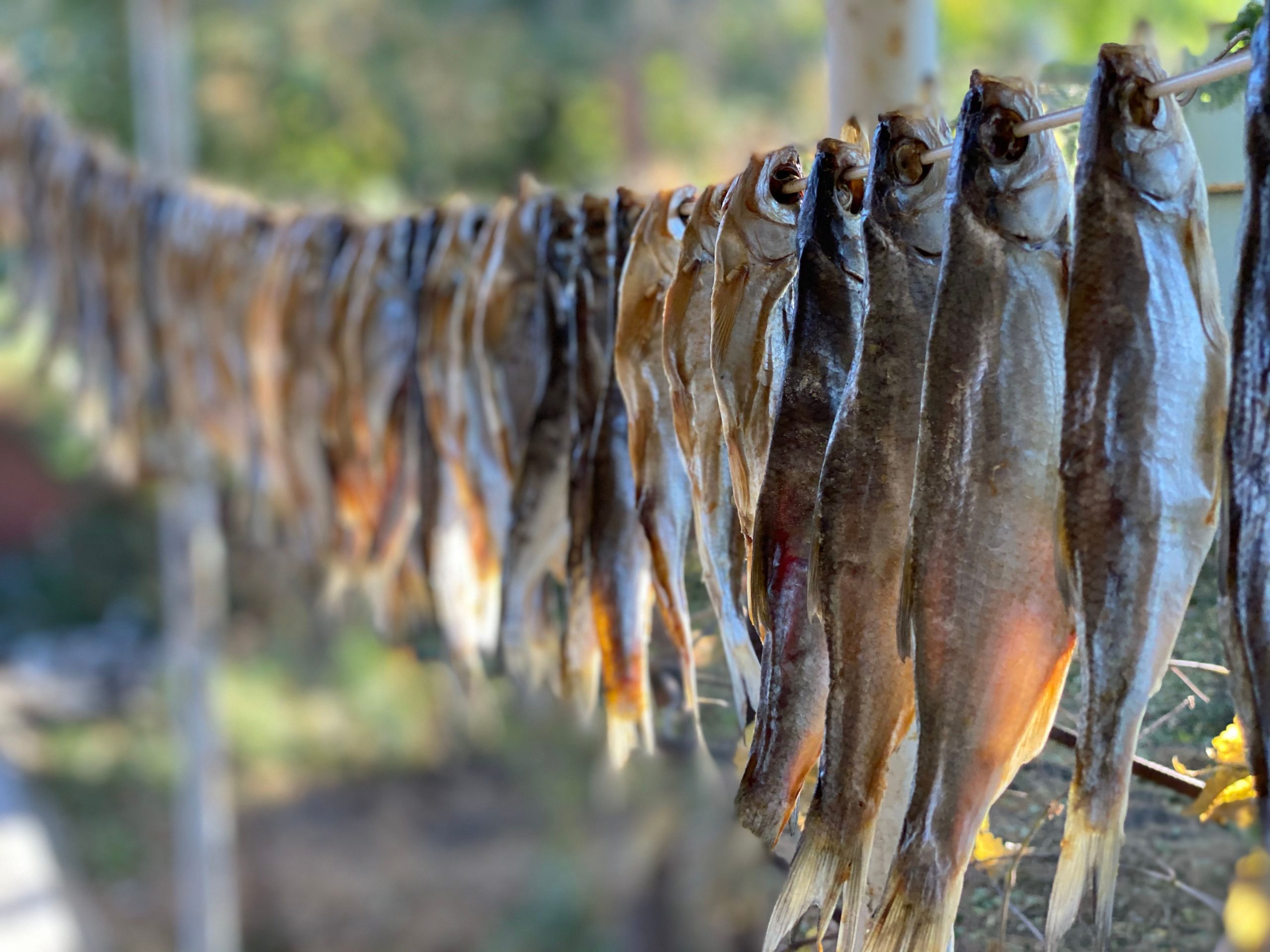
Before refrigeration became commonplace, families relied on techniques such as smoking, air-drying, salting, and fermenting to extend food storage. Smoking was particularly useful because controlled exposure to smoke could help preserve certain foods while adding flavour. Drying removed moisture, making conditions less favourable for many spoilage organisms. Traditional food preservation required patience, suitable weather, and careful preparation. For example, thinly sliced foods generally dry faster than thick pieces because moisture has a shorter distance to escape. However, appearance and smell alone cannot establish food safety. Modern food-preservation guidance should be followed, particularly for meat and fish, because traditional methods do not automatically eliminate dangerous bacteria or toxins.
6. Recognising Edible and Useful Wild Plants

Grandparents who spent time farming, gathering, or travelling through rural areas often developed a detailed knowledge of local vegetation. They could distinguish familiar edible plants, useful fibres, medicinal traditions, and poisonous species. This knowledge came from repeated observation and careful instruction rather than simply tasting unfamiliar leaves. Plant identification requires attention to several characteristics, including leaf arrangement, stem structure, flowers, fruit, and growing location. Even two plants that look similar may have very different safety profiles. Modern enthusiasts can begin with a regional field guide and learn a few common species at a time. Never eat a wild plant unless its identification is certain and independently verified.
7. Using a Flint and Steel Fire-Starting Kit
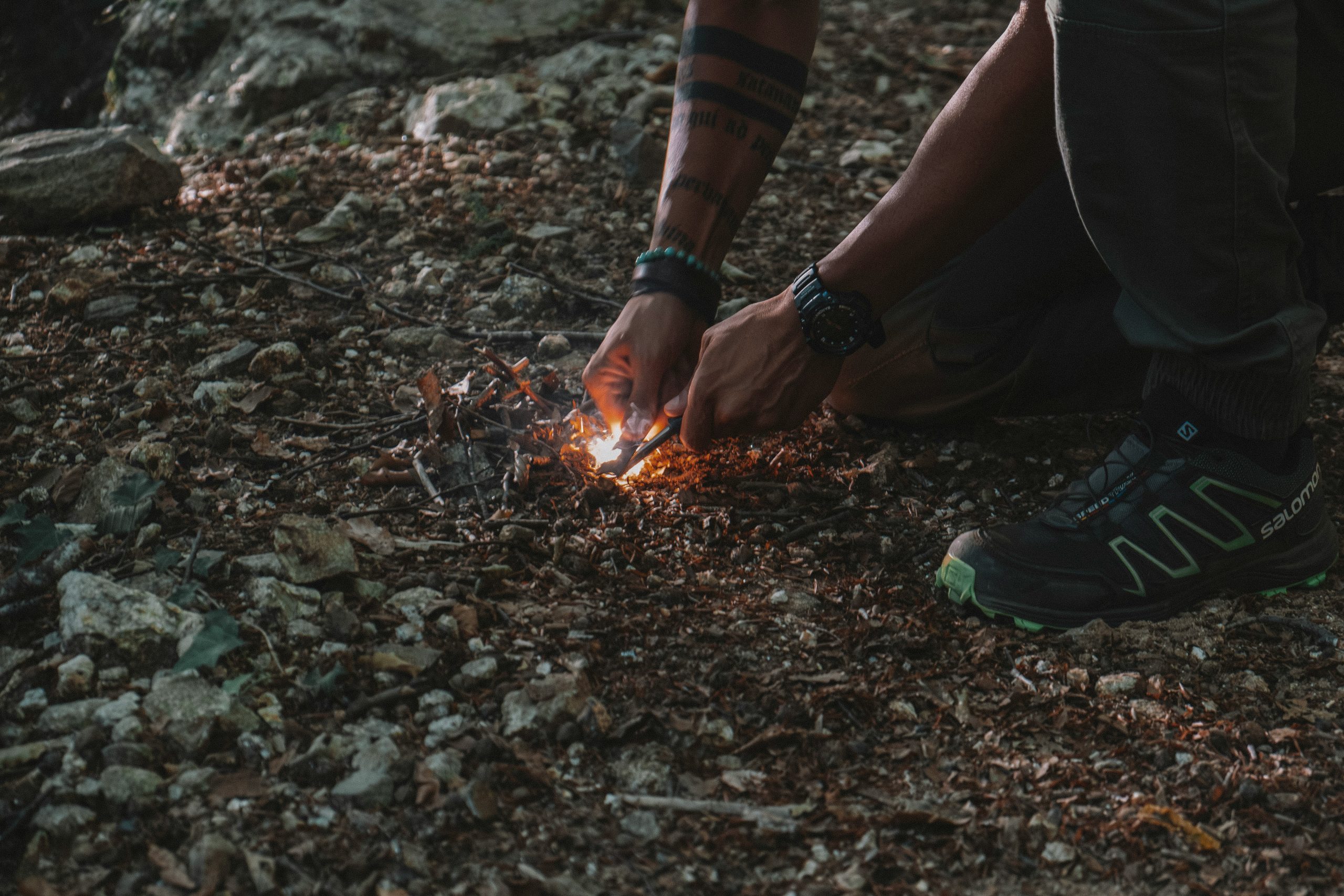
Before disposable lighters and waterproof matches became widely available, flint and steel were familiar fire-starting tools in many regions. Striking steel against a suitable piece of flint produces small sparks that can ignite prepared tinder. Char cloth was especially useful because it could catch a spark and develop a glowing ember. The ember could then be transferred to dry tinder and carefully encouraged into a flame. Successful fire preparation depended heavily on having dry materials ready before attempting ignition. Even today, practising with a traditional kit teaches patience and preparation. Carrying two independent modern fire-starting methods remains sensible during outdoor trips.
8. Repairing Clothing and Equipment Instead of Replacing It
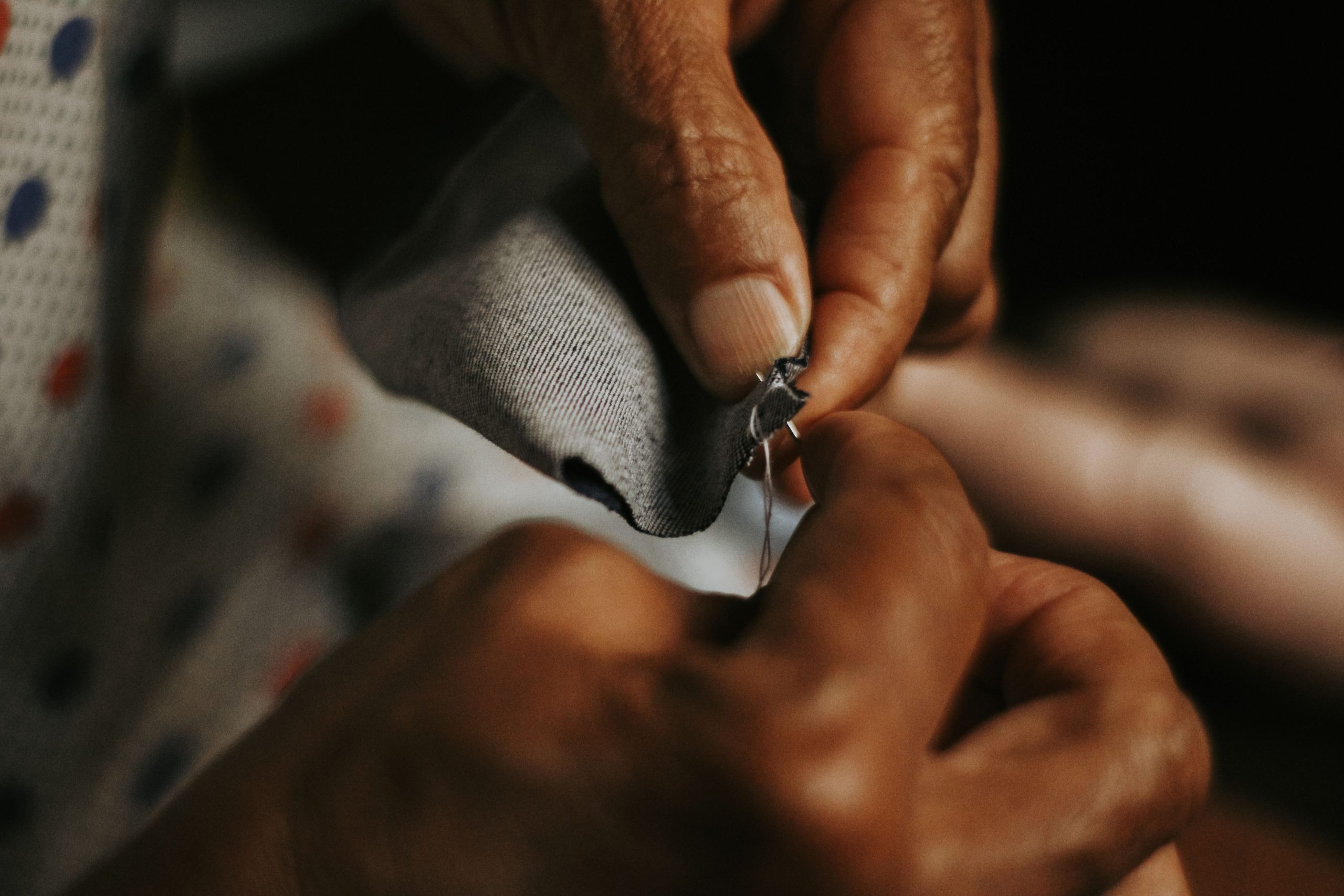
Earlier generations rarely discarded useful equipment simply because a seam split or a strap became damaged. Basic sewing, patching, knotting, and leather repair were everyday practical abilities. A simple running stitch could close a small fabric tear, while a stronger backstitch provided additional durability for certain repairs. People also learned to replace buttons, reinforce worn areas, and maintain footwear before minor damage became serious. These skills were particularly valuable during long journeys when replacement supplies were unavailable. A compact repair kit containing a needle, strong thread, spare buttons, and repair patches can weigh very little while solving several common problems during a camping trip.
9. Understanding Natural Navigation Using the Sun and Stars

Long before handheld GPS receivers, travellers used landmarks, the sun, stars, and landscape features to maintain their direction. During daylight, the sun’s apparent movement provided a broad indication of east and west, although the exact direction depends on location and time of year. At night in the Northern Hemisphere, Polaris appears close to the north celestial pole and can help identify approximate north. Experienced navigators also remembered distinctive terrain features and the direction of established paths. These methods required observation and practice rather than complicated equipment. Learning basic compass navigation alongside celestial observations provides useful backup knowledge when electronic devices lose power or satellite signals become unavailable.
10. Making Useful Containers From Natural Materials
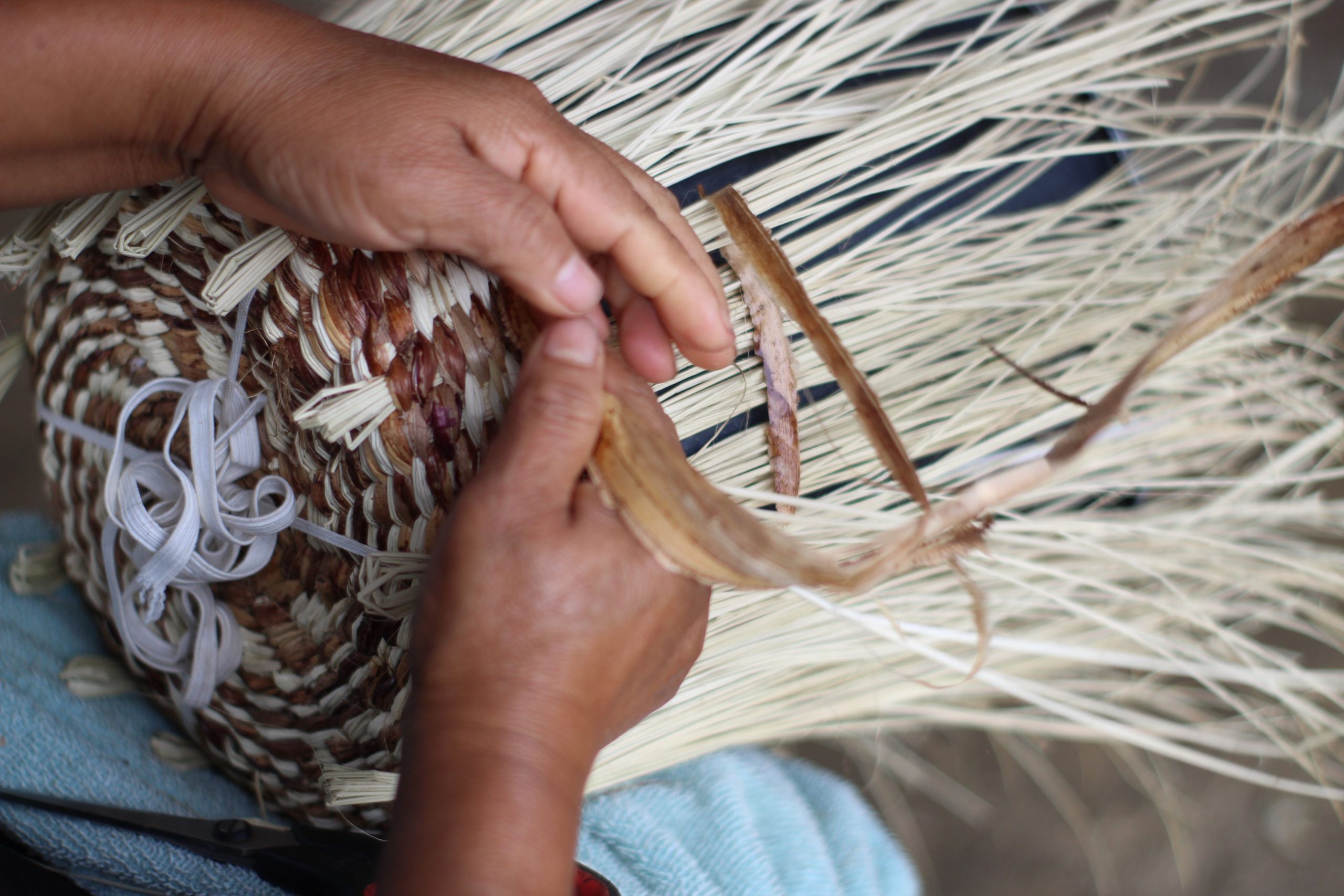
Before inexpensive plastic containers became common, people used wood, bark, gourds, clay, and woven plant fibres to create practical storage items. Traditional basket-making, for example, involved selecting flexible materials and weaving them into a stable structure. Different weaving patterns provided different levels of strength and flexibility. Birch bark was also used in some regions for lightweight containers, while hollowed wood served other household purposes. These objects were shaped according to their intended use, whether carrying gathered food, storing dry materials, or transporting everyday belongings. Learning basic basket weaving can introduce modern bushcrafters to traditional craftsmanship while demonstrating how locally available resources were once put to practical use.
11. Understanding Knots and Traditional Ropework

Knowing how to tie dependable knots was once an essential practical ability for farmers, sailors, travellers, and outdoor workers. The bowline, clove hitch, and square knot each served different purposes. A bowline creates a fixed loop, a clove hitch can secure a line around a suitable object, and a square knot joins two ropes of similar thickness in appropriate applications. Understanding when not to use a particular knot is equally important because some knots can slip or become difficult to untie under load. Practising five to ten common knots with a short length of rope is a manageable starting point. Traditional ropework remains useful for camping, household repairs, and general outdoor activities.