Choosing a first rifle is about finding the right balance between manageable performance, practical design, and long-term value. Few firearms have earned a reputation in this category quite like the Ruger 10/22. Introduced in 1964, this .22 LR semi-automatic rifle has remained popular with generations of recreational shooters. Its distinctive rotary magazine, lightweight sporting-rifle design, and extensive range of configurations have helped it stand out in a crowded market. More than 60 years after its introduction, the 10/22 continues to attract newcomers and experienced enthusiasts alike. Here are seven reasons why this iconic rimfire rifle remains such a compelling first-rifle choice.
1. Its .22 LR Chambering Makes It Approachable
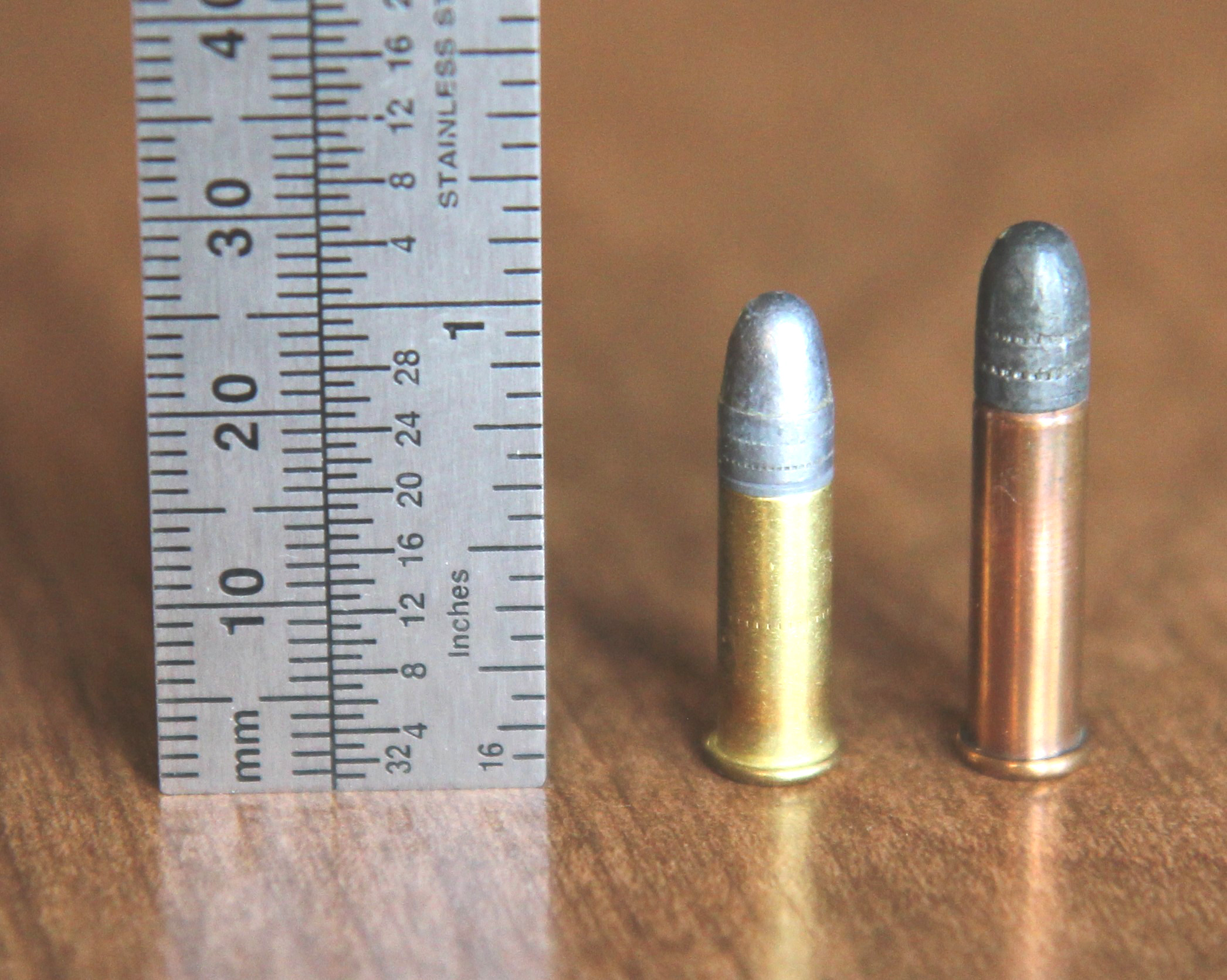
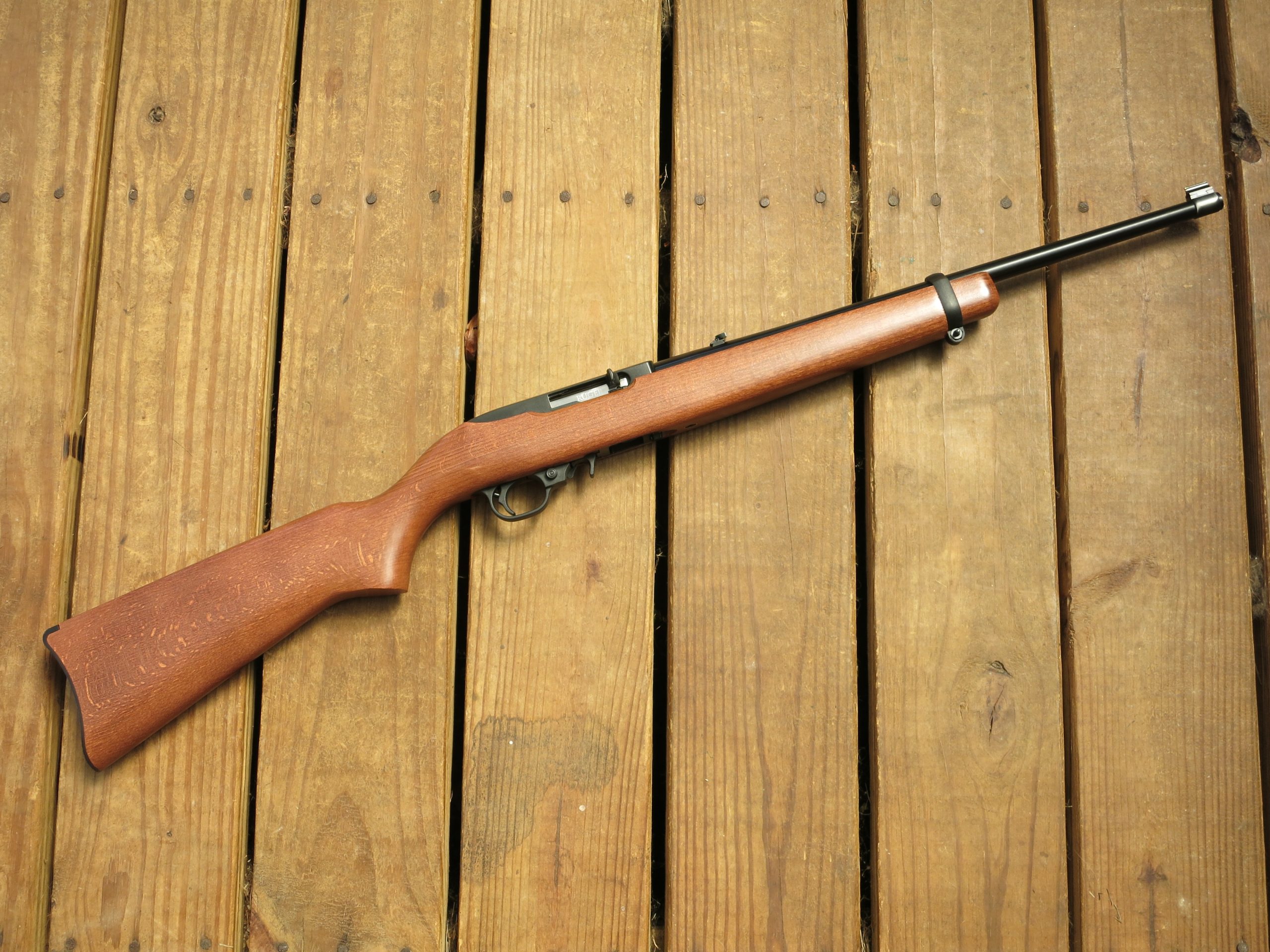
A first rifle should make the fundamentals approachable, and the 10/22’s .22 Long Rifle chambering is a major reason it has filled that role for decades. The cartridge is widely used for recreational target shooting and small-game sporting, while its modest report and recoil are generally less intimidating than those of larger rifle cartridges. That gives a beginner room to concentrate on safe handling, sight awareness, and consistency with qualified supervision. The original model arrived in 1964, and the platform has remained in production ever since. The .22 LR format makes the 10/22 a familiar starting point in sporting-shooting communities.
2. The Famous 10-Round Rotary Magazine
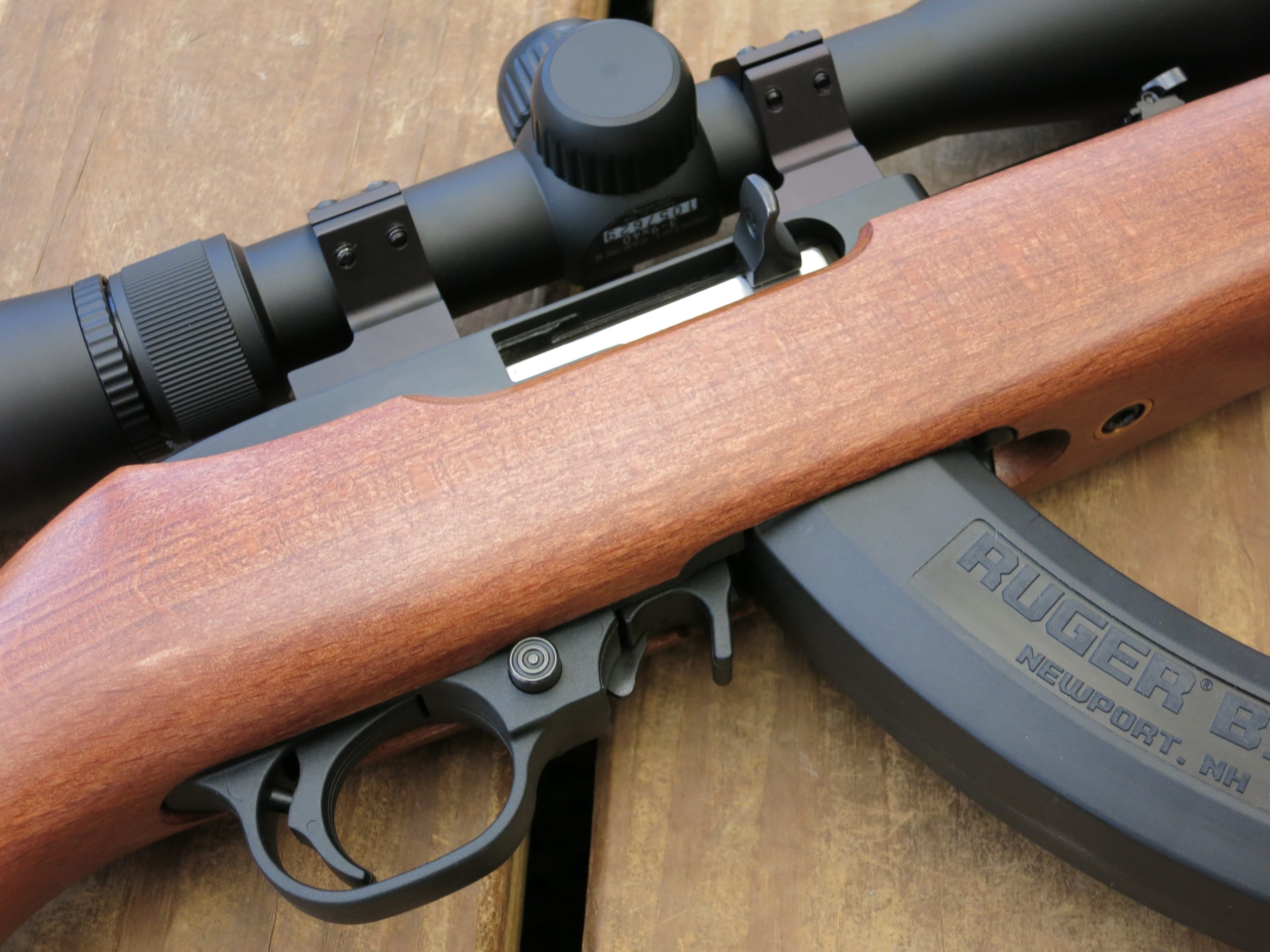
The 10/22’s signature feature is its detachable 10-round rotary magazine, a design introduced with the rifle in 1964. Rather than relying on a conventional straight stack, the magazine uses a rotating internal arrangement to manage rimmed .22 LR cartridges. Ruger describes the magazine as a key part of the rifle’s dependable feeding system, and its flush-fitting shape preserves the carbine’s traditional profile. For a new owner, the appeal is less about capacity than the thoughtful engineering behind a compact, purpose-built component. Magazine rules differ by jurisdiction, and any rifle should be handled and stored in accordance with local law and the manufacturer’s instructions.
3. Lightweight Construction and Manageable Dimensions
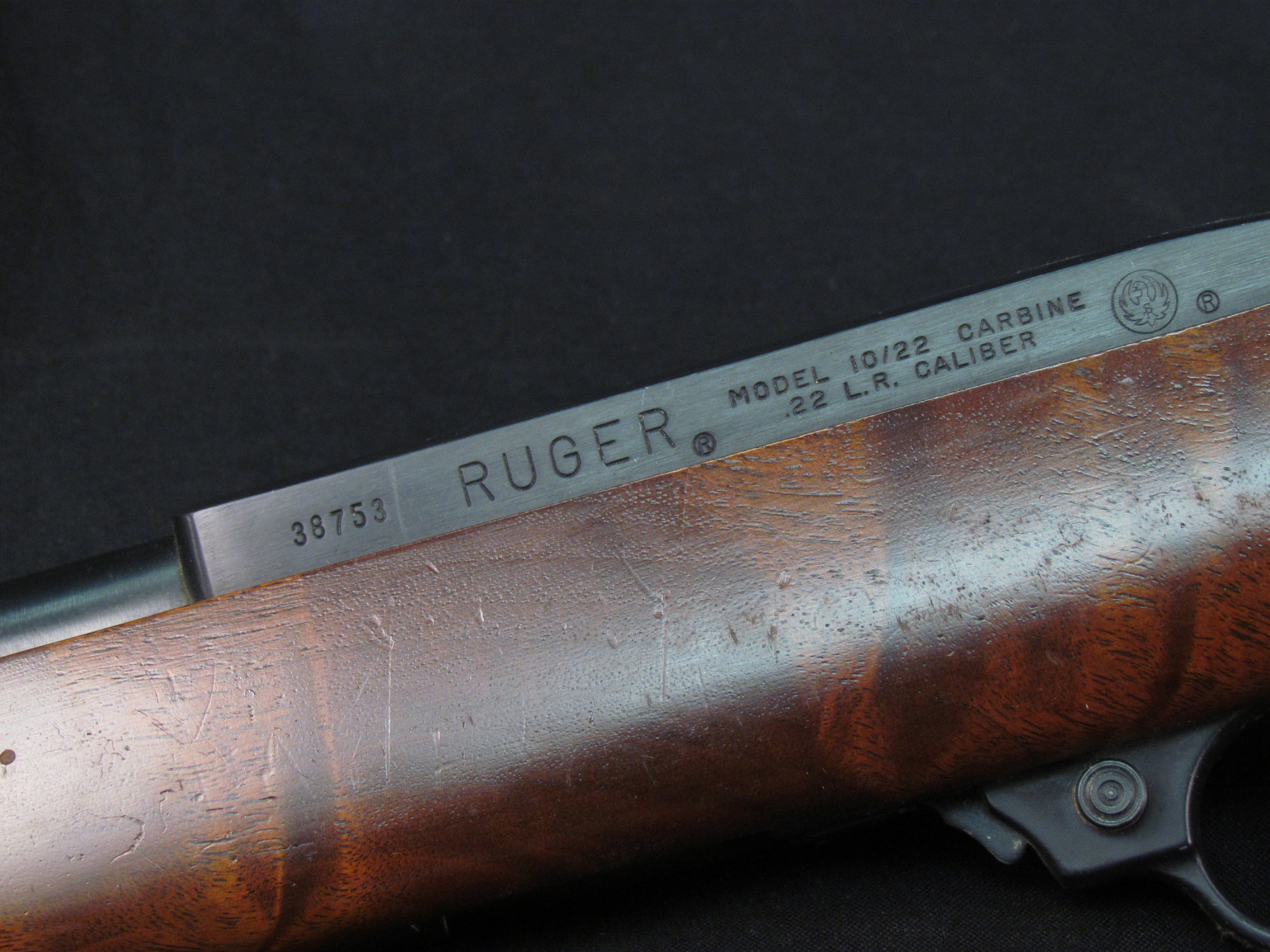
The 10/22’s standard Carbine has traditionally been a relatively light, compact sporting rifle. The original 1964 version weighed about 5.25 pounds and used an 18.5-inch barrel, figures that helped establish its handy proportions. Current versions vary, so those historic measurements should not be treated as specifications for every model on sale today. Its familiar shoulder-stock layout and uncomplicated sporting-rifle form also make it recognizable to generations of owners. Fit is personal, especially for younger or smaller users, so supervised handling and a proper fit check matter more than choosing a rifle based on weight alone.
4. Multiple Factory Configurations to Choose From
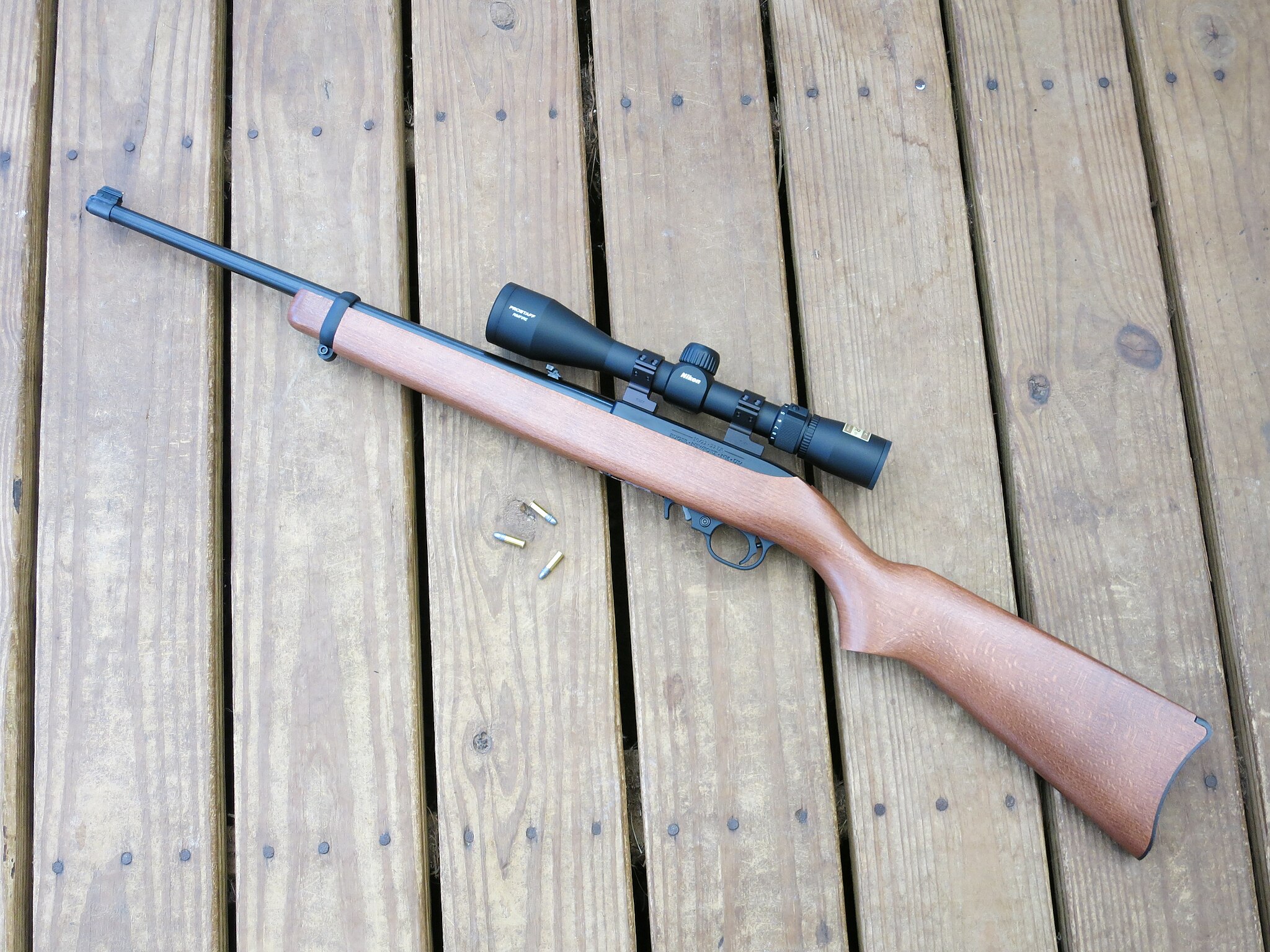
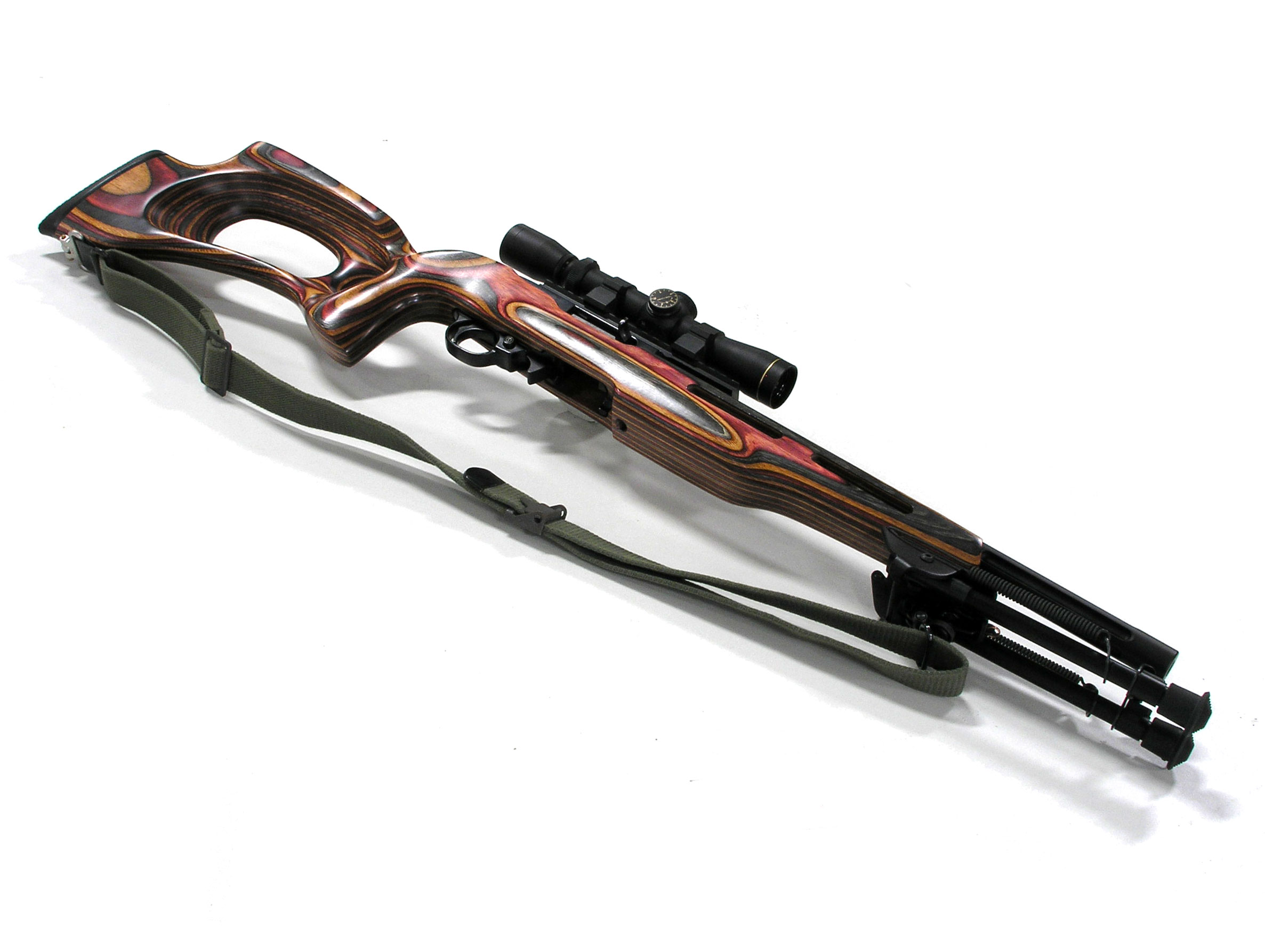
The 10/22 is not limited to one appearance or stock style. The family includes carbine, sporter, compact, target, and takedown versions. Ruger’s 2026 range expansion also highlighted choices such as different barrel lengths, threaded or non-threaded barrels, and wood, polymer, or aftermarket-style stocks. This range offers choices in fit, purpose, and budget. Check the model number and current specification sheet before buying: sights, barrel dimensions, weight, and included accessories can differ considerably between configurations.
5. An Extensive Aftermarket Accessory Community
The 10/22 has a broad ecosystem of factory options and third-party accessories. Its popularity has encouraged many stock, sight, optic-mount, and appearance choices, while Ruger continues to offer multiple factory configurations. The range offers room to compare options over time. That variety can tempt a new owner to spend heavily before learning what they need. Start with a lawful standard configuration and qualified instruction; consider changes only after understanding compatibility and safety. Not every aftermarket part suits every model or jurisdiction. A qualified dealer can verify model-specific fit.
6. More Than Six Decades of Proven History
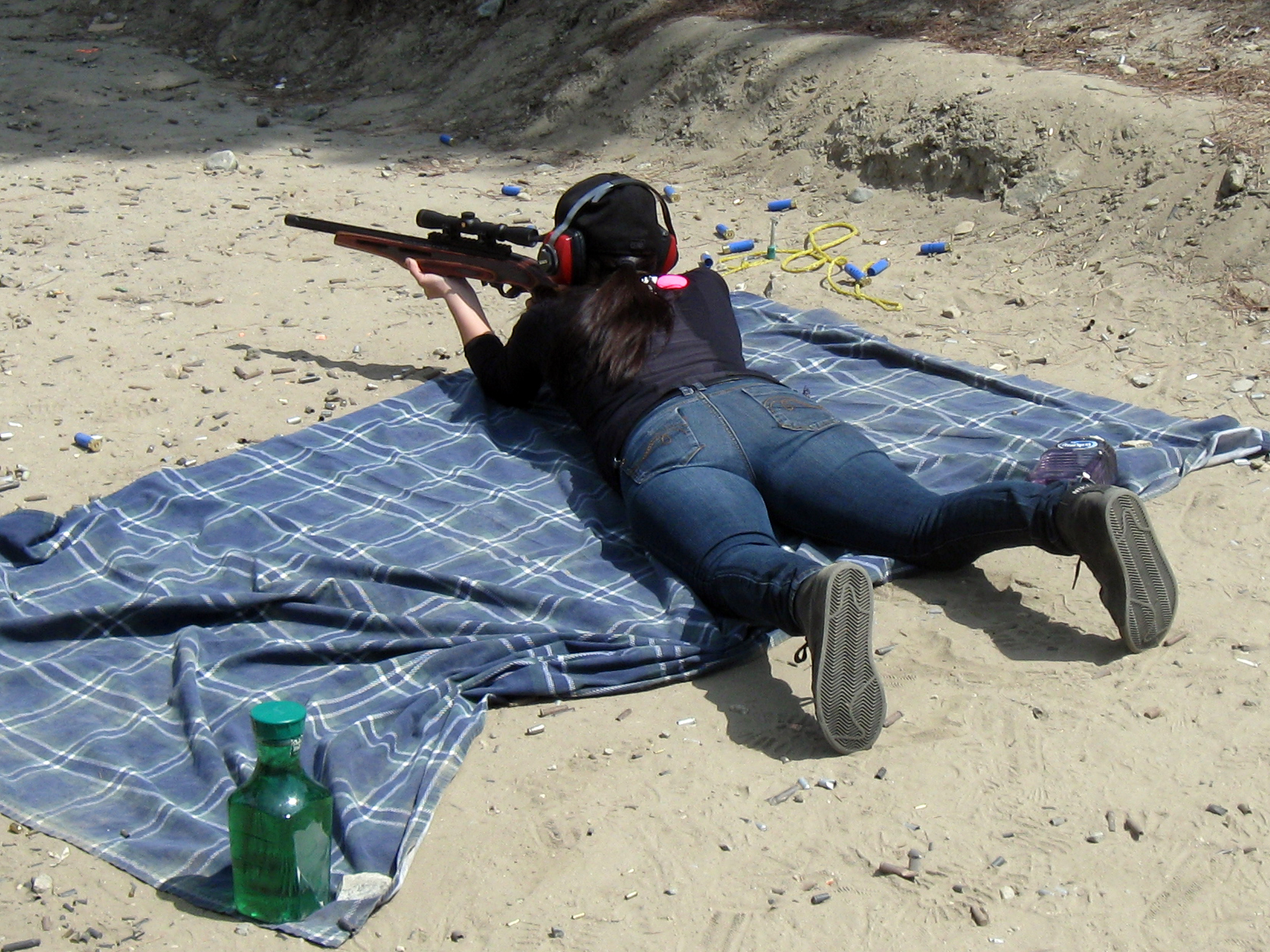
The 10/22 has a track record that few rimfire rifles can match. Ruger introduced it in 1964, and the company reported in December 2025 that production had passed 10 million rifles over 61 years. That longevity is more than a marketing milestone: it means the design has been familiar to several generations of recreational shooters, instructors and sporting clubs. A long production history also gives buyers a substantial base of manuals, model information and owner experience to consult. Still, age and popularity do not guarantee that a particular used rifle is in sound condition; have any second-hand firearm inspected by a qualified professional before use.
7. Long-Term Value Beyond a First Rifle
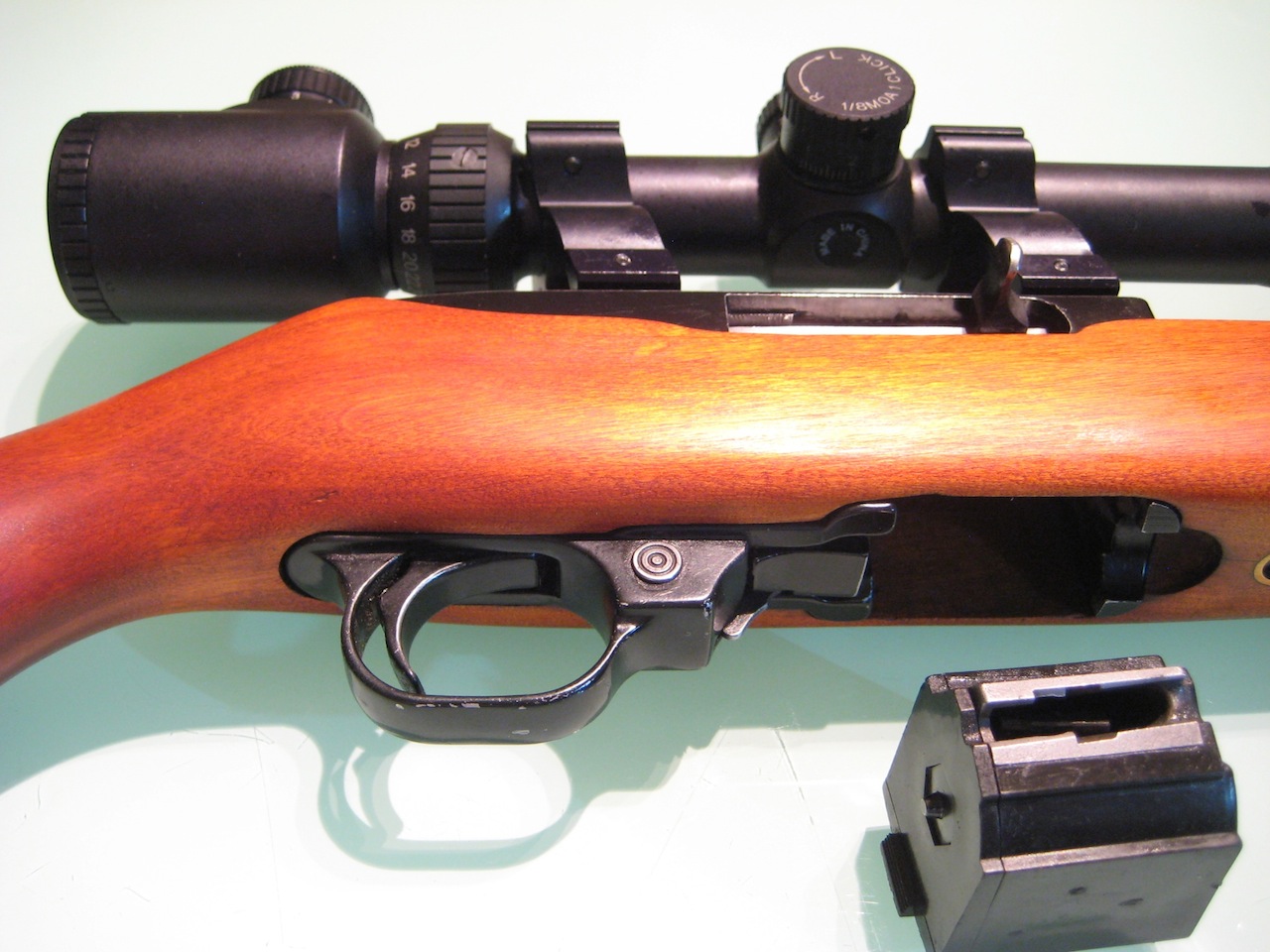
The strongest argument for the 10/22 as a first rifle is not that it suits everyone, but that it combines an accessible rimfire format with a proven sporting design and a wide choice of configurations. Its .22 LR chambering, original 10-round rotary magazine, compact carbine heritage, and decades of production explain its reputation. Yet a beginner’s decision should also account for local firearm laws, secure locked storage, adult supervision where appropriate, formal safety training and the cost of ongoing practice. The right first rifle is one that fits the user, the intended lawful activity and the household’s safety arrangements—not simply the most famous name.