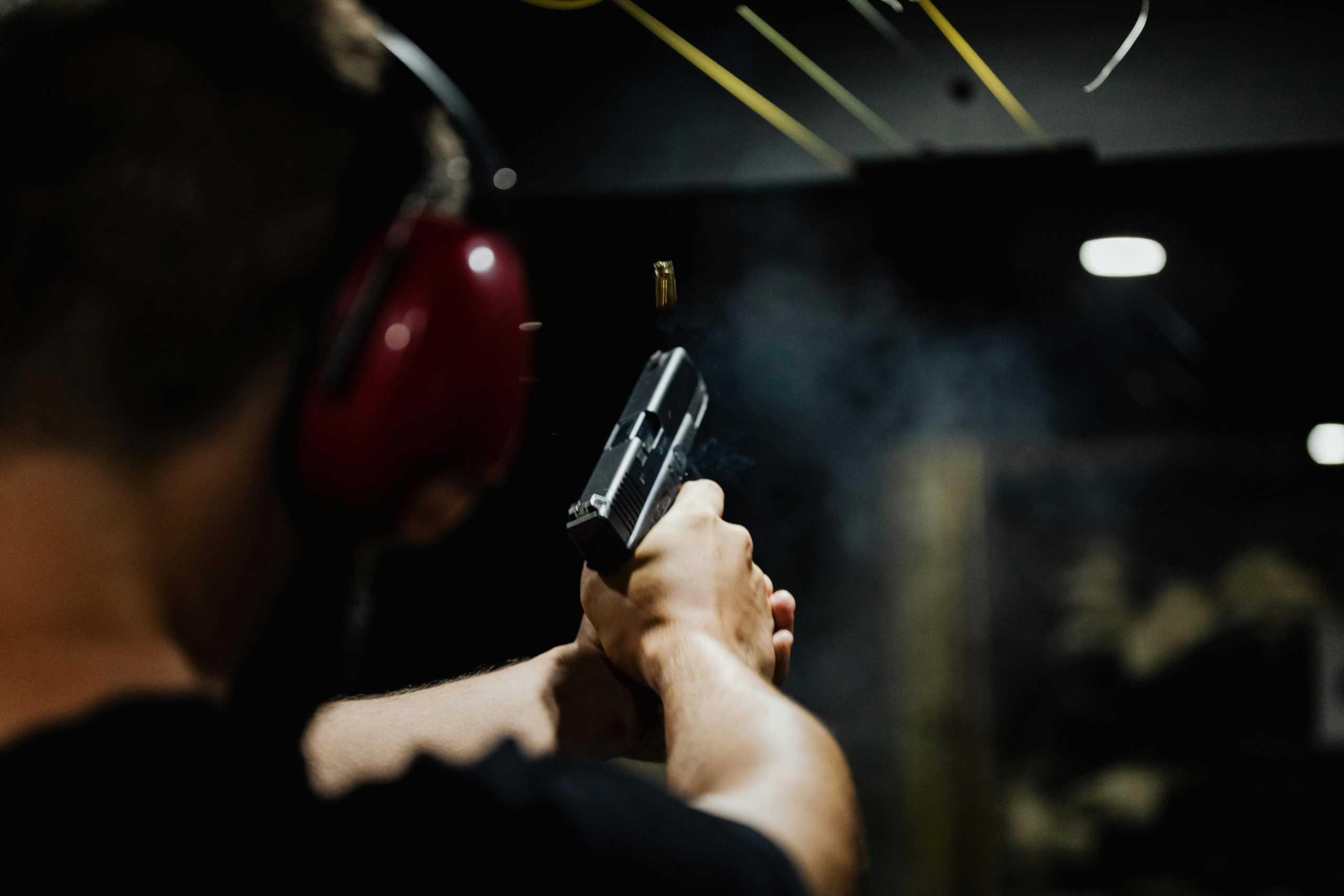
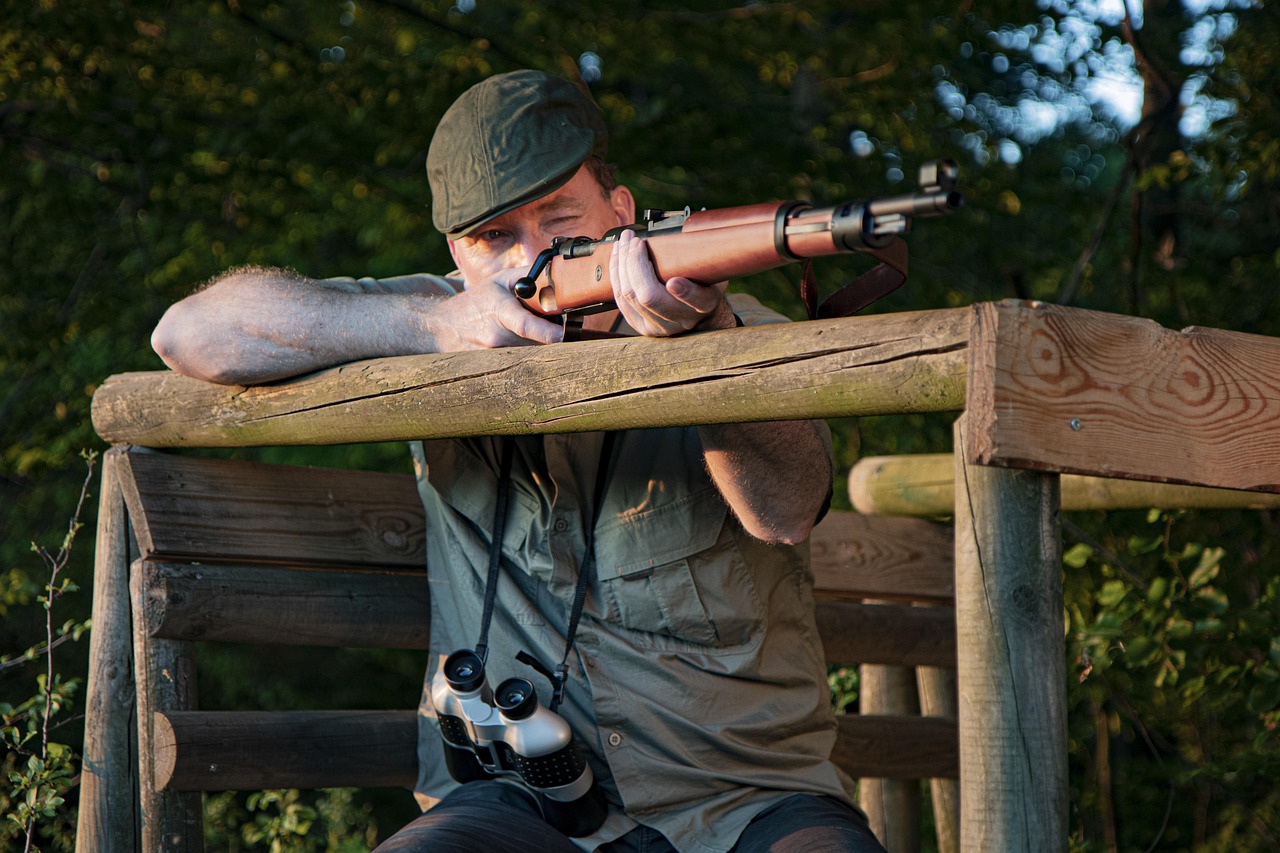
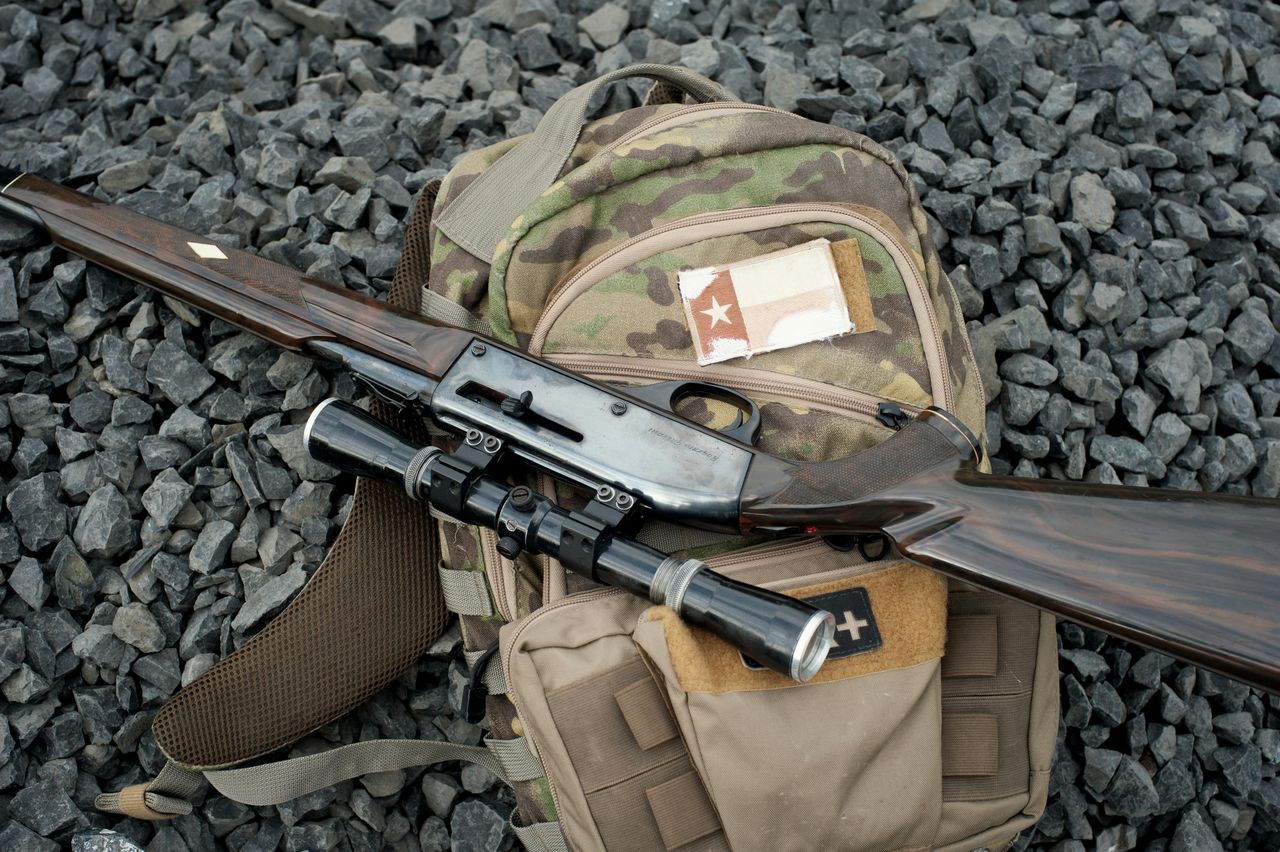
From the outside, a 3-gun match can look like pure adrenaline and polished gear. First-timers quickly learn there is a whole layer of logistics, etiquette, and mental management nobody really explains until you are standing at the start position with a racing heart. Here are the common surprises rookies mention after that unforgettable first match.
You Will Spend More Time Waiting Than Shooting
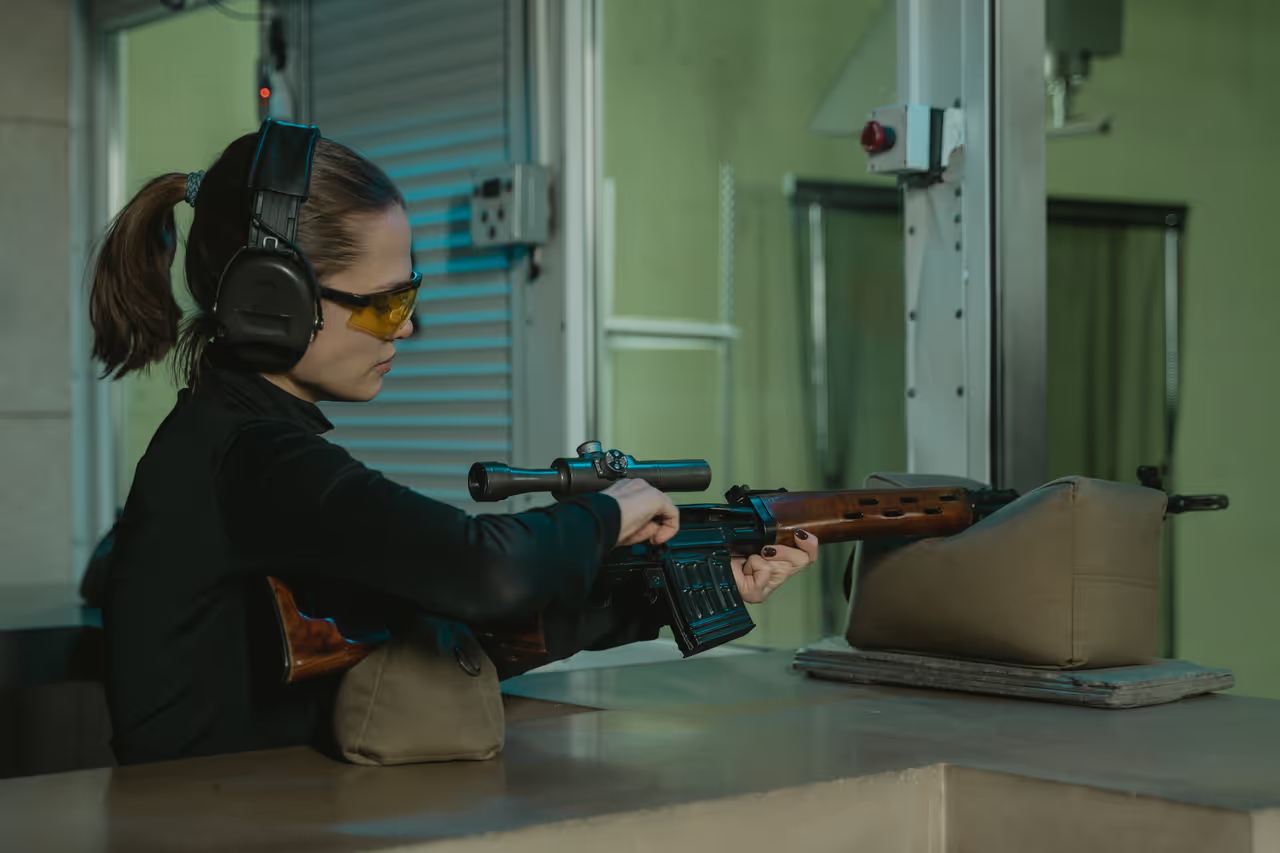
Most new competitors imagine a full day of nonstop action. In reality, a match often includes long stretches of standing with your squad, watching shooters ahead of you, helping reset targets, and waiting for the next stage to open up.
That downtime is not wasted, though. It is when you learn how stages flow, pick up safety habits, and calm your nerves by seeing that even experienced shooters make little mistakes. Veterans know the match is as much about patience and observation as it is about pressing the trigger.
Stage Briefings Matter More Than You Think
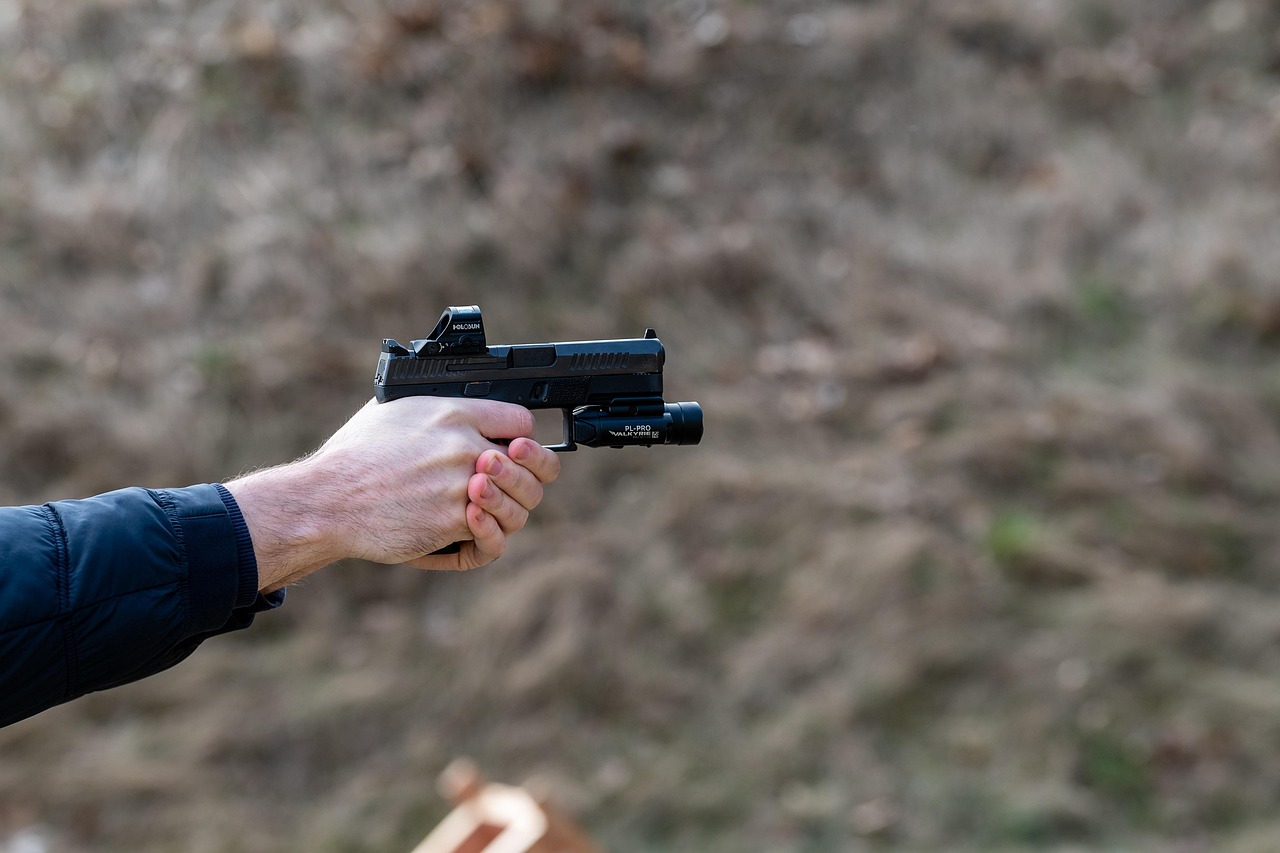
A first-timer often focuses on guns, ammo, and gear, then gets blindsided by just how much information is packed into a stage briefing. Target order, safe muzzle angles, reload zones, and props can all affect both your score and your safety.
Missing one detail can turn a decent run into penalties, procedural errors, or a confused scramble halfway through the course. New shooters quickly discover that listening carefully, asking questions, and walking the stage with intention is not optional. It is one of the most important skills in the entire sport.
Your Gear Setup Feels Different Under Pressure

At home, your belt seems comfortable, magazine pouches feel perfectly placed, and your shotgun caddies look easy to reach. Then the timer beeps, adrenaline spikes, and suddenly every piece of equipment feels slightly less intuitive than it did in the garage.
That is one of the classic first-match revelations. A pouch angle that seemed fine might fight your hand, a sling may snag at the wrong moment, or a shell holder may not cooperate when you rush. Match pressure exposes small setup flaws fast, which is why experienced shooters value practical repetition more than fancy equipment.
Shotgun Reloading Is Its Own Kind of Stress
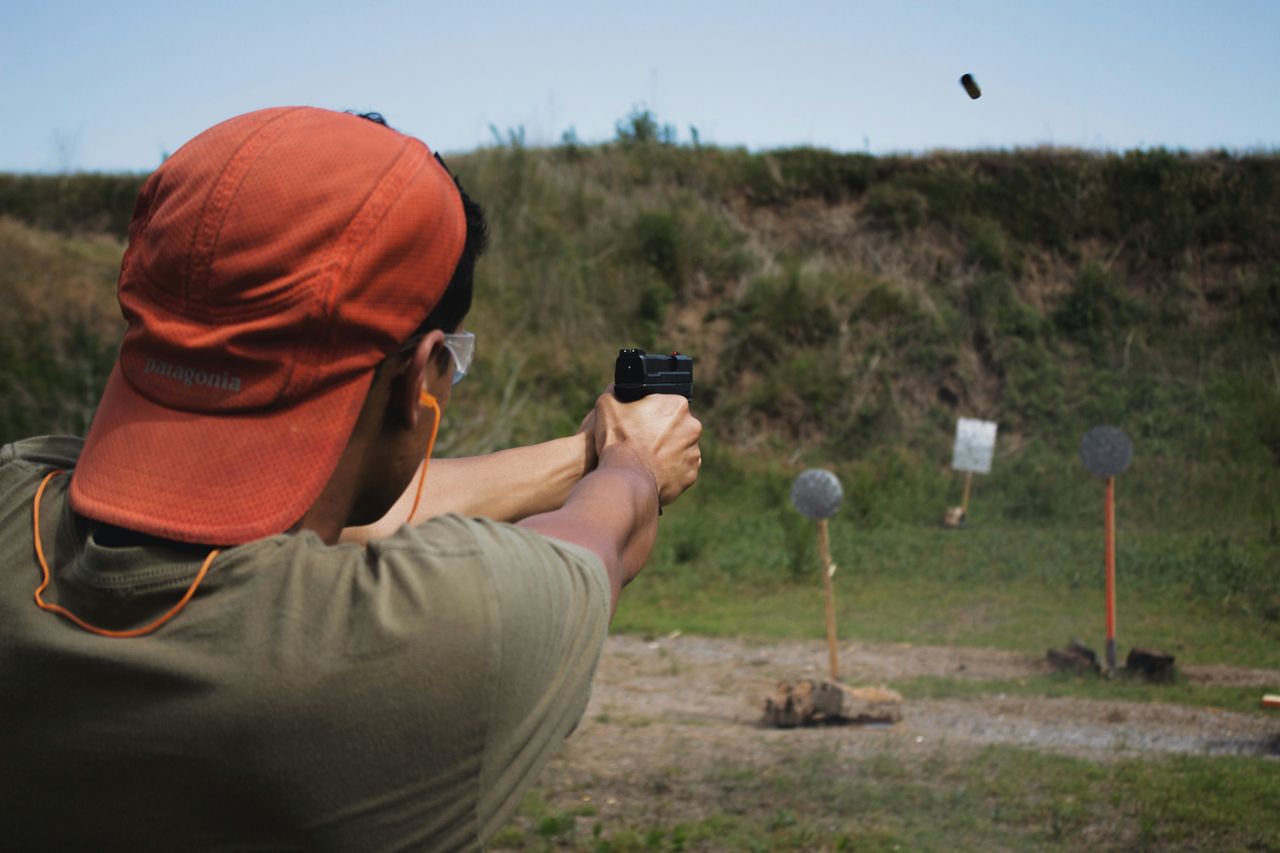
Many beginners arrive worried about rifle transitions or pistol accuracy, only to find that shotgun loading becomes the real heart-rate spike of the day. Feeding shells smoothly under time pressure is awkward, technical, and surprisingly exhausting for untrained hands.
Even simple stages can feel complicated once a shotgun enters the mix. Dropped shells, fumbled grabs, and broken rhythm are common rookie experiences. The good news is that nearly everyone struggles at first, and the sport has a long memory for effort, not perfection. If you keep moving safely, people usually respect the grind.
The Match Is Physical in Sneaky Ways
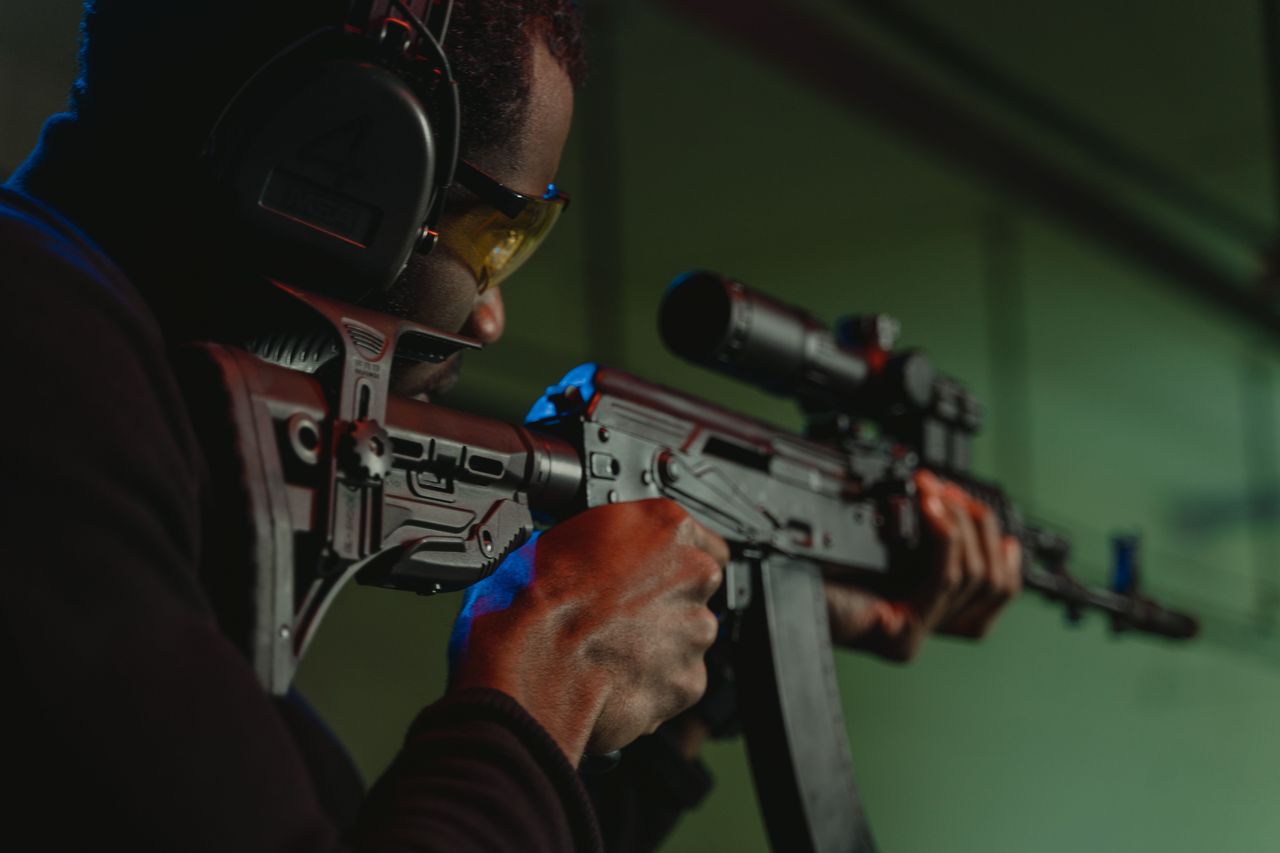
People expect recoil and quick movement, but they do not always expect how tiring the whole day can be. Between carrying guns and ammo, crouching behind barricades, hustling between positions, and standing outdoors for hours, fatigue sneaks up on you.
That matters because tired shooters stop thinking sharply. Footwork gets sloppy, stage plans blur, and little tasks like loading magazines suddenly feel harder than they should. First-time competitors often leave with sore legs, sunburned necks, and a new respect for hydration, snacks, and pacing themselves before the final stage.
Nobody Cares If You Are Slow If You Are Safe

Beginners often assume everyone is judging their time, their reloads, and every awkward movement they make. What surprises them is that most squads care far more about safety, attitude, and following instructions than whether a newcomer posts a blazing run.
That shift can be a huge relief. If you handle firearms responsibly, ask honest questions, and stay coachable, experienced competitors are usually generous and encouraging. A slow but safe first match is considered a solid start. Trying to rush beyond your skill level, on the other hand, is what actually makes people nervous.
You Need a Plan for Every Table, Barrel, and Transition
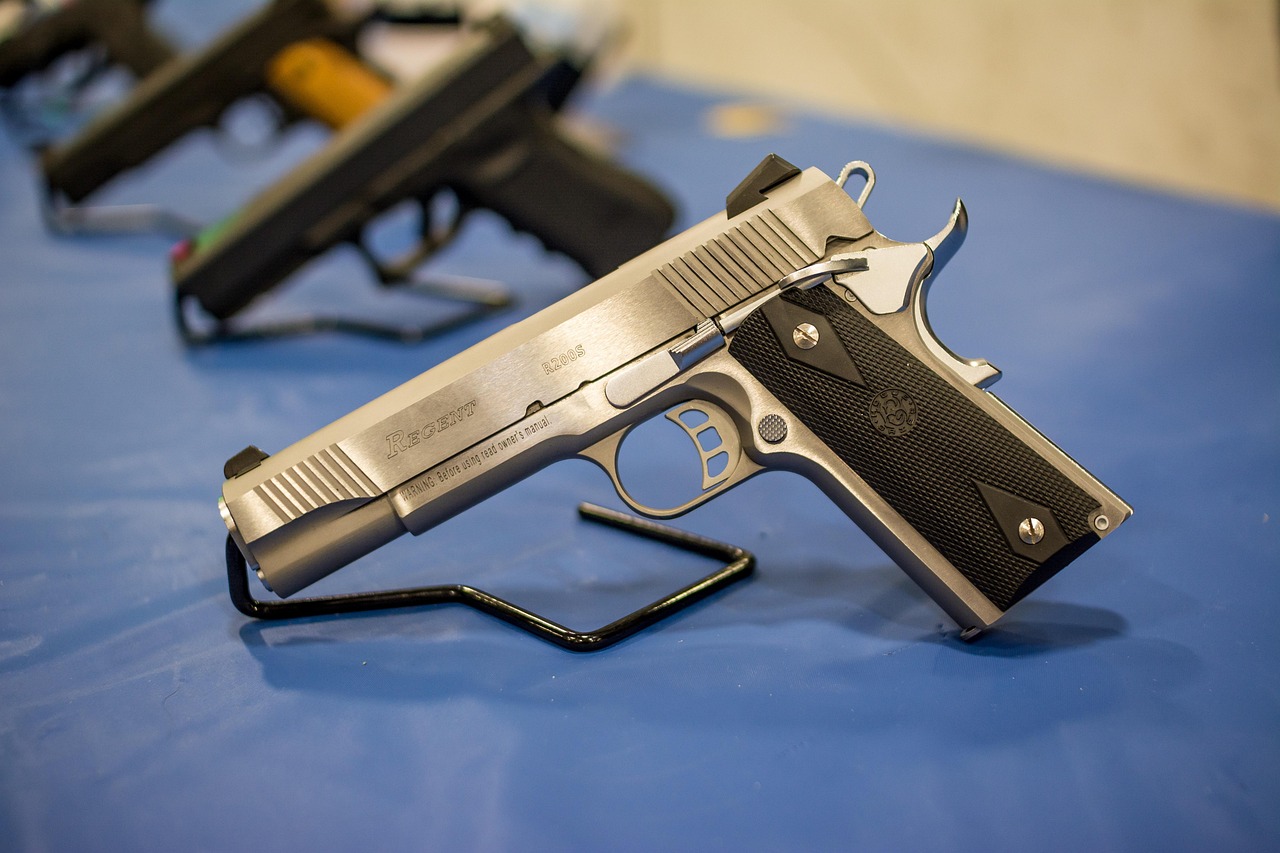
New shooters are often surprised by how much of 3-gun is about management, not just marksmanship. Where you ground a firearm, where you pick up the next one, how you approach a barrel, and when you move can save time or create chaos.
The stage can unravel quickly if you reach the wrong prop from the wrong side or forget where your next gun is staged. Veterans make it look natural because they have rehearsed these details mentally. First-timers learn that clean transitions and a clear movement plan are often worth more than trying to shoot blisteringly fast.
Scoring and Penalties Can Be Brutal
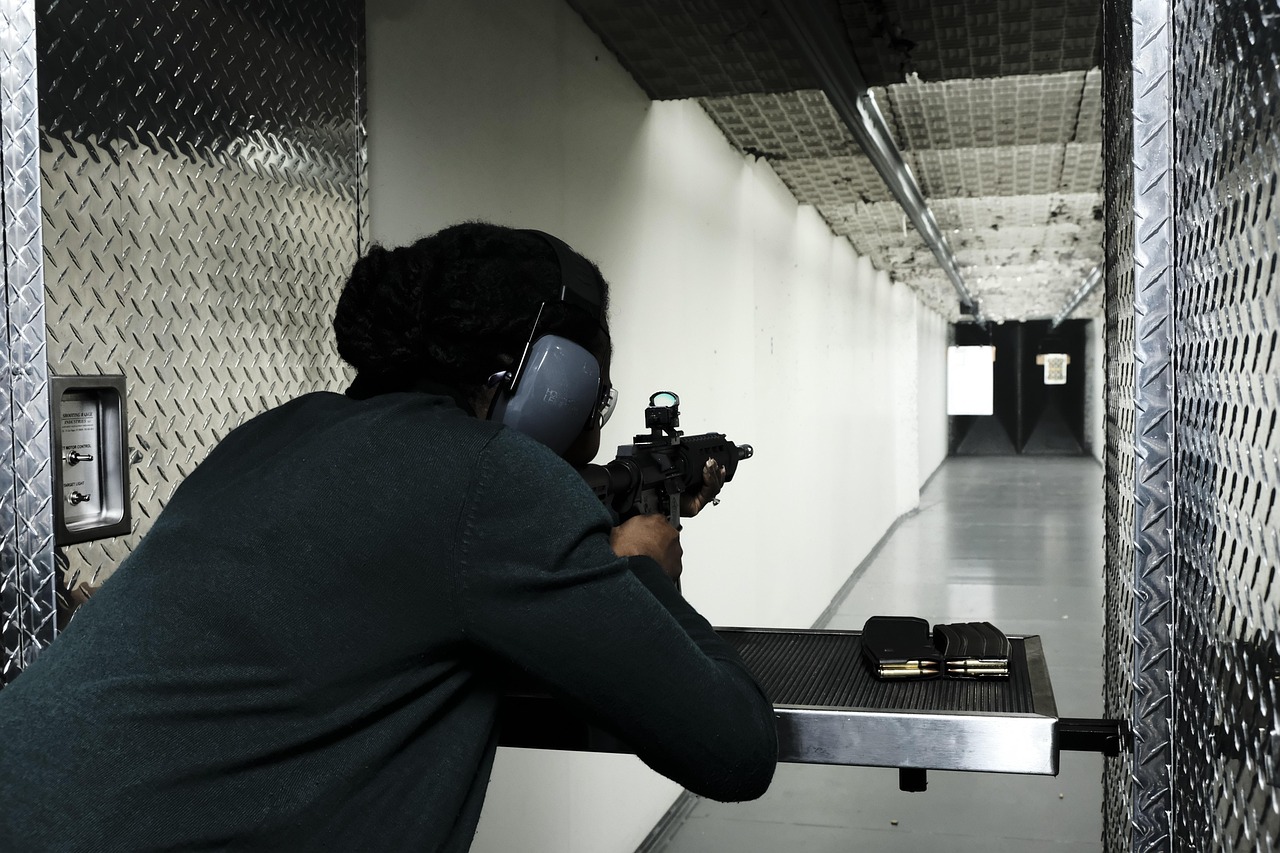
A run that feels pretty good in the moment can look very different once the score sheet comes out. Misses, no-shoot hits, procedural penalties, makeup shots, and stage rules all add up fast, sometimes erasing the satisfaction of a quick pace.
That can be jarring for first-timers who assume speed is everything. In 3-gun, raw time is only part of the story. A smooth, controlled run with fewer mistakes often beats a frantic one that looked exciting but leaked points everywhere. Learning that balance is one of the sport’s biggest early lessons.
The Mental Game Starts Before the Timer

Many rookies expect nerves when the buzzer goes off, but the mental game begins much earlier. It starts while watching other shooters, imagining your own run, second-guessing target order, and trying not to let one small mistake grow into a full stage meltdown.
That internal chatter can be louder than the gunfire. First-match competitors often discover that staying composed, remembering the plan, and recovering from a bobble is a real skill. The shooters who seem calm are not necessarily fearless. They have simply learned how to manage stress without letting it drive the stage.
The Community Is Usually the Best Part
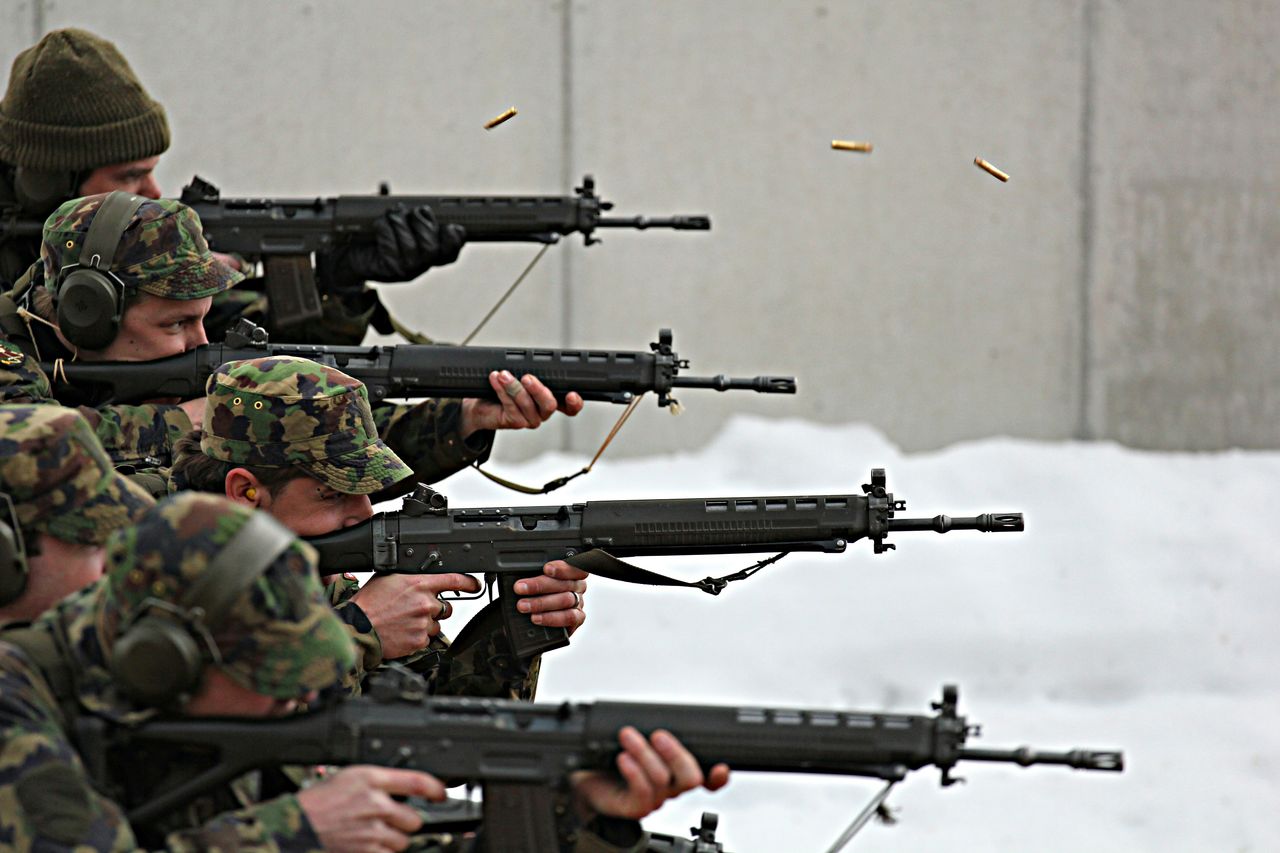
One of the happiest surprises for many beginners is that the sport feels less intimidating once the day starts. People lend tools, explain stage procedures, answer gear questions, and celebrate small wins like a clean load or a safe, confident first run.
That does not mean every match is identical, but the overall culture often rewards effort and sportsmanship. First-time competitors regularly go home tired, humbled, and already planning the next event. The scores matter, of course, but what sticks most is realizing they found a community eager to help them improve.