The difference between a smooth day on the water and a frustrating one often comes down to what happens inside your tackle box. Experienced anglers know that shaving even a few seconds off every bait change adds up fast over a long trip. These organization systems are the ones many fishermen swear made them quicker, calmer, and more efficient from first cast to last.
Technique-Specific Utility Boxes
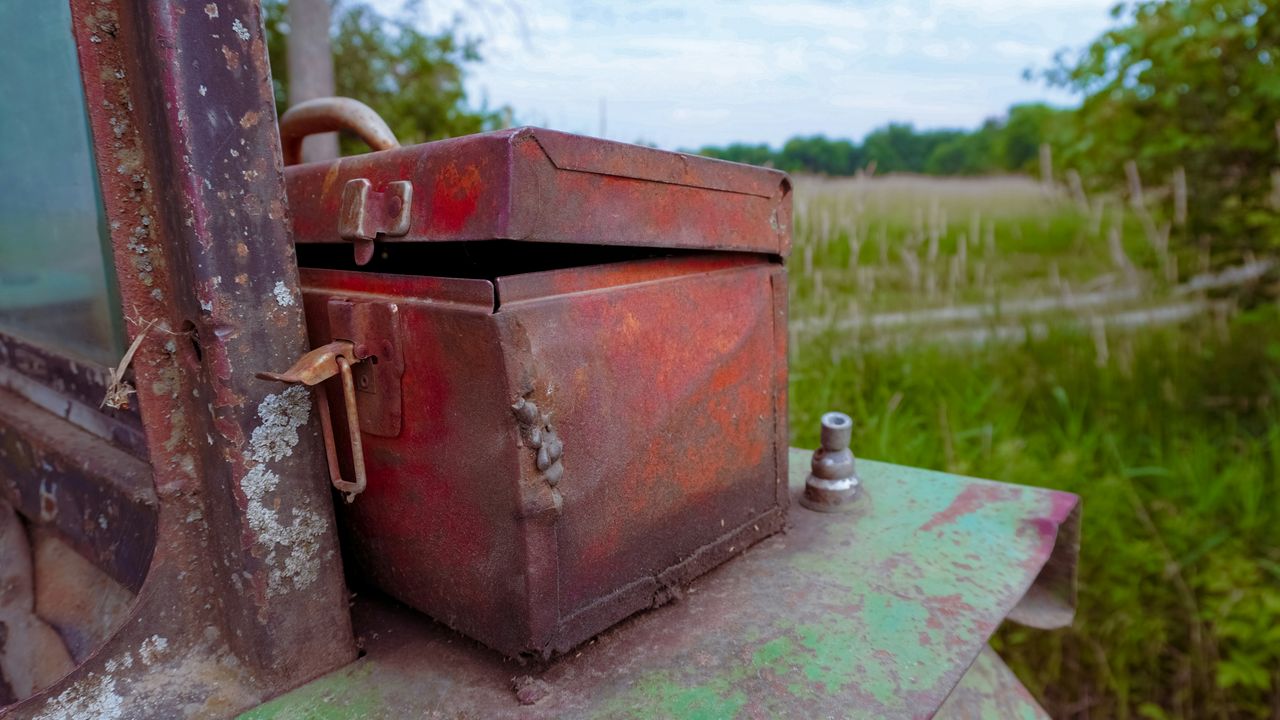
Many experienced anglers stop thinking of tackle storage as one giant box and start treating it like a set of mission-specific kits. One tray is for topwater, another is for finesse plastics, and another is built around flipping or cranking. That simple separation removes a surprising amount of decision fatigue on the water.
Instead of digging past spoons, hooks, and soft baits to find one lure style, they grab the exact box that fits the pattern. It is a system that feels almost obvious once you use it, especially during changing conditions.
The real advantage is speed under pressure. When fish move or weather shifts, anglers can swap approaches in seconds without turning the deck into a mess.
Color-Coded Labels for Instant Recognition
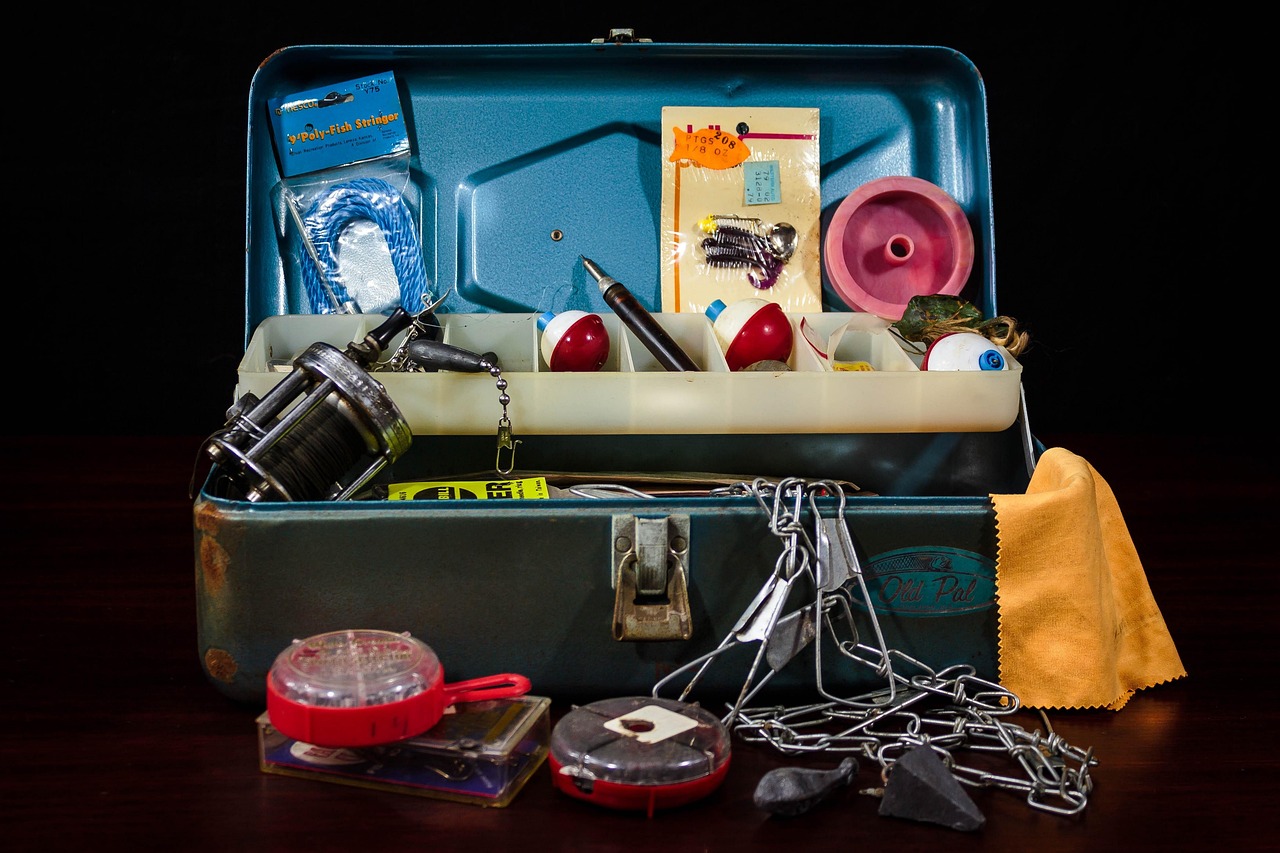
A label sounds basic until you see how much time anglers waste opening the wrong tray. Veterans often add bold color coding to lids, tabs, or handles so they can identify terminal tackle, hard baits, and soft plastics at a glance. It turns a pile of similar boxes into an easy visual map.
The beauty of the system is that it works even in low light, rough weather, or the middle of a hot bite. You do not need to read every word when red means hooks, blue means reaction baits, and green means finesse gear.
That kind of quick recognition keeps hands moving and attention on the water. It is one of the simplest upgrades, but many anglers say it changes everything.
Terminal Tackle in Small Compartment Cases
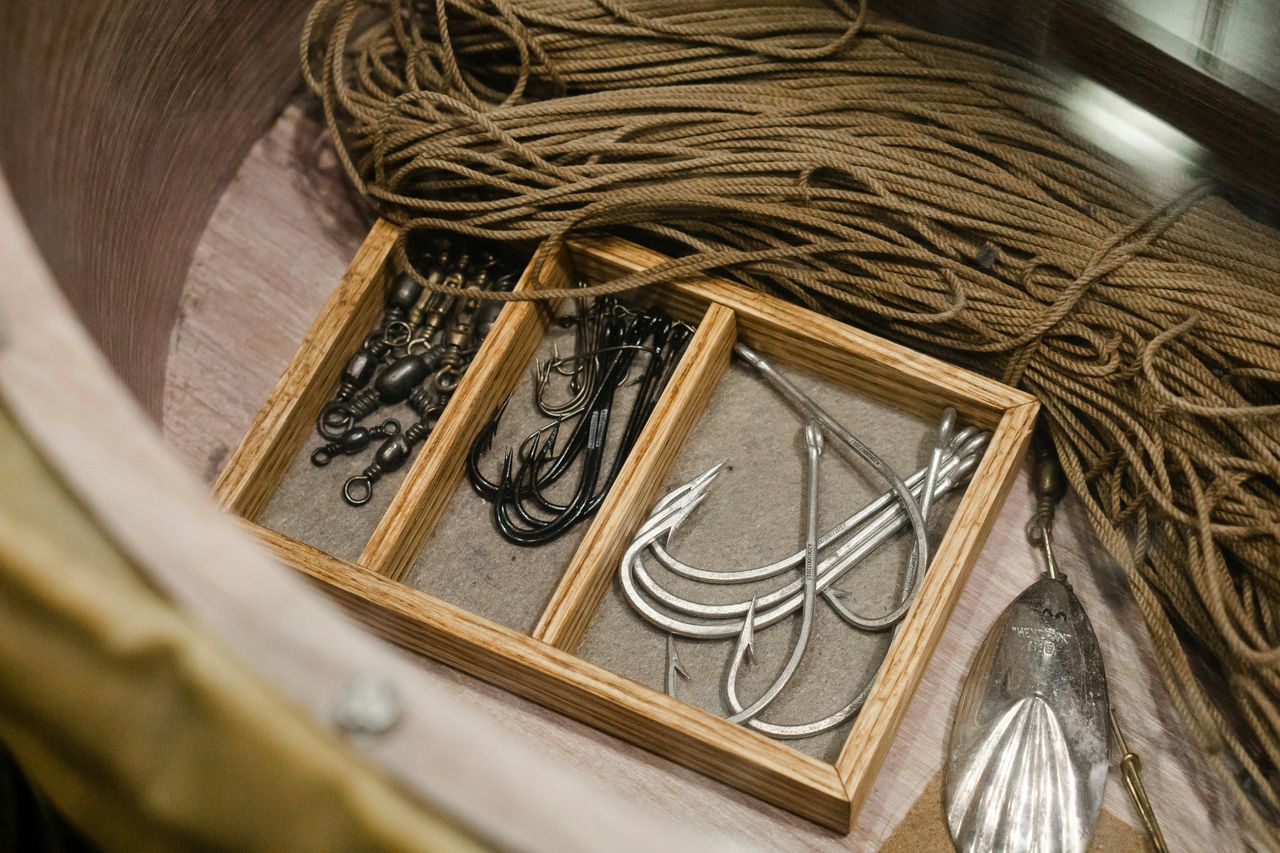
Hooks, weights, swivels, beads, and snaps can create the biggest bottleneck in a tackle system because the pieces are tiny and easy to mix. Experienced anglers often solve that by moving terminal tackle into compact compartment cases with secure lids and clearly separated sections. The result is less fumbling and fewer accidental spills.
This setup shines when you need to re-rig fast. Instead of searching through assorted bags, you can reach for one small case and have every critical piece in front of you in seconds.
It also protects expensive hooks from rust and keeps odd sizes from getting lost in the shuffle. On busy fishing days, that tidy little box can feel like a secret weapon.
Soft Plastics Stored by Style and Size
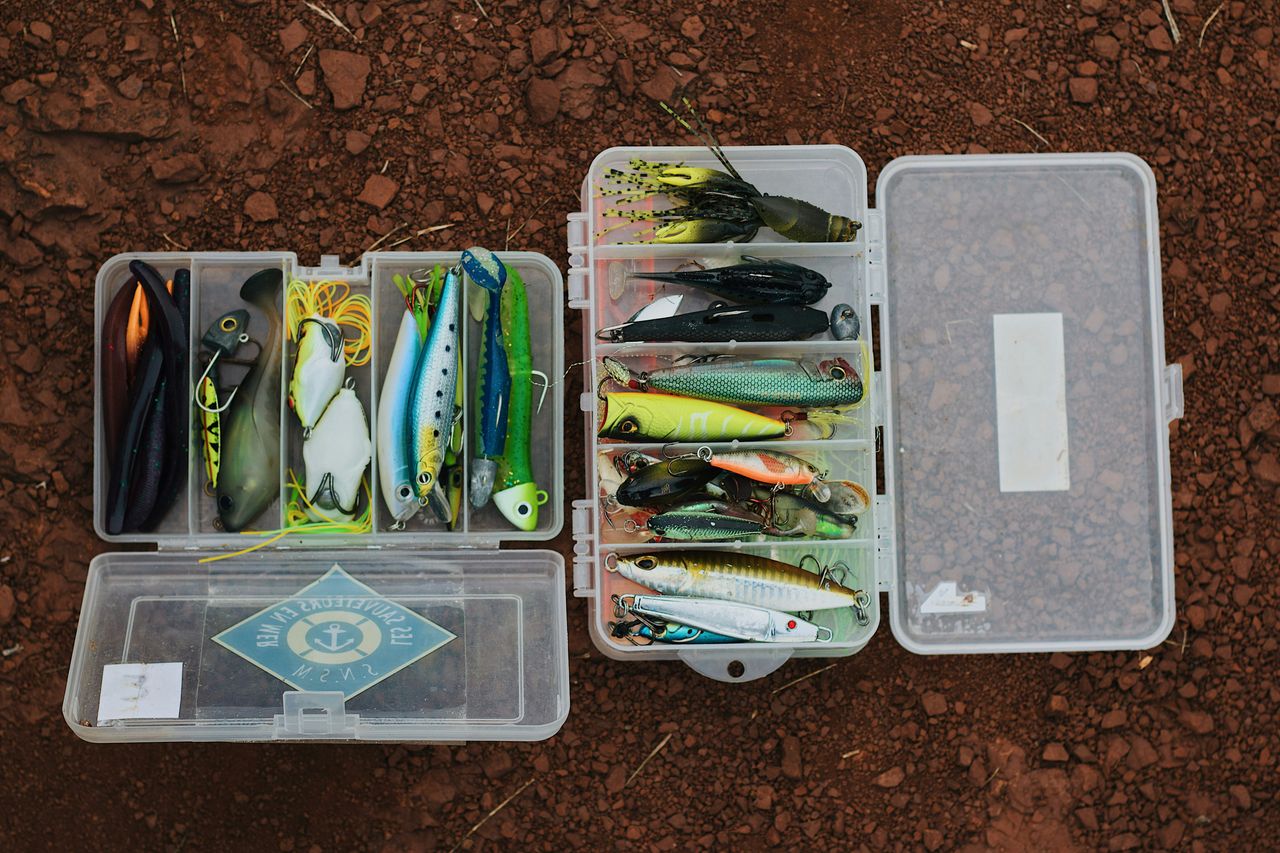
Soft plastics can become a wrinkled, leaky disaster when they are tossed together without a plan. Anglers who fish efficiently usually separate worms, craws, swimbaits, creatures, and trailers by style, then sort again by size or intended technique. That way, they know exactly where to reach when the bite gets specific.
Some keep baits in original bags to preserve scent and prevent material reactions, while others group those bags inside larger sleeves or binders. The key is consistency, not a fancy container.
When every category has a home, restocking gets easier and duplicates are easier to spot. It saves time in the garage and even more time on the water.
Vertical Jig and Spinnerbait Racks
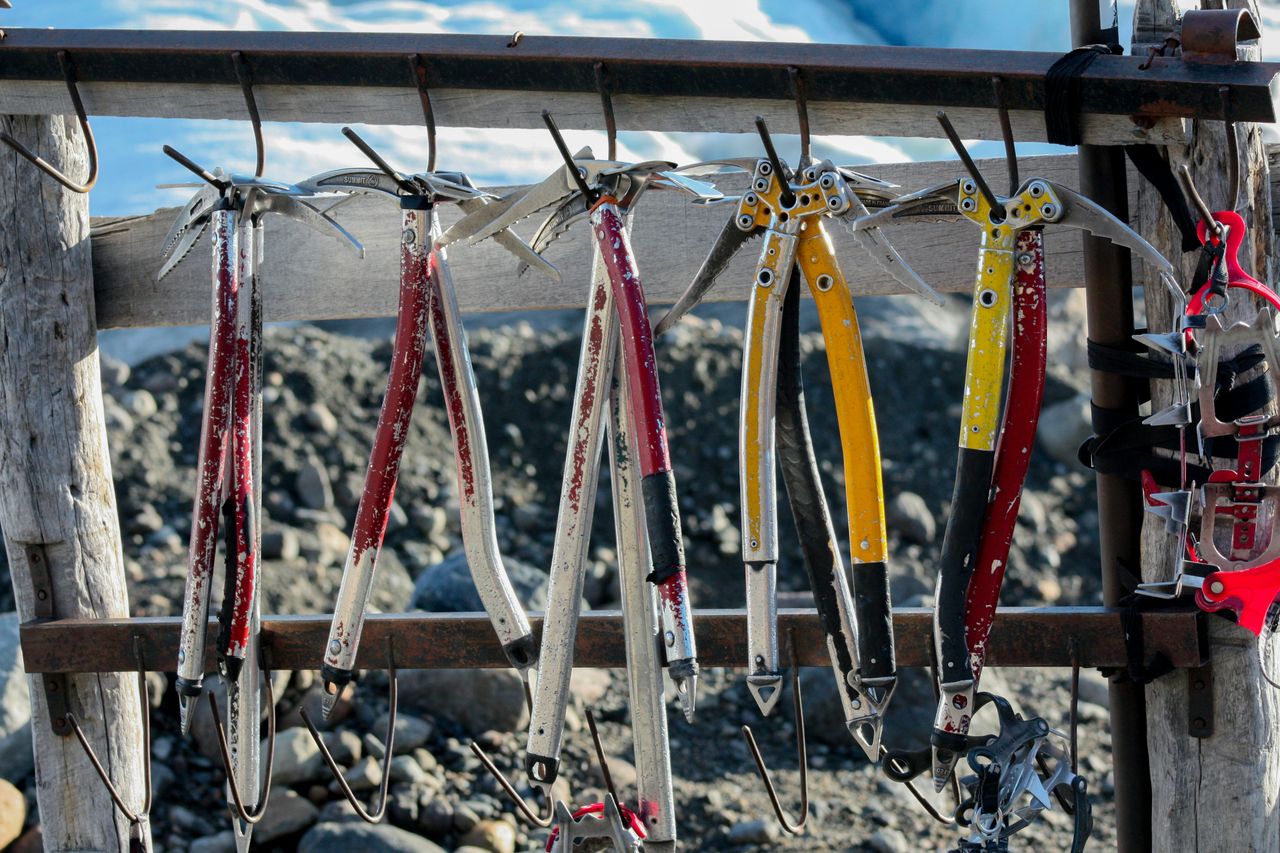
Jigs and spinnerbaits are notorious for becoming a tangled metal knot at the bottom of a tackle tray. Seasoned anglers often switch to vertical hanging systems or slotted racks that keep each bait separated, visible, and easy to grab. It is a cleaner approach that makes a cluttered category suddenly manageable.
The biggest gain is that skirts stay in better shape and wire arms do not warp as easily. You can scan colors, blade styles, and head weights without touching every bait in the box.
That means fewer delays when you want to change profile or depth quickly. For anglers who rely on moving baits, this system often becomes a permanent upgrade almost immediately.
A Day Box for the Most-Used Baits
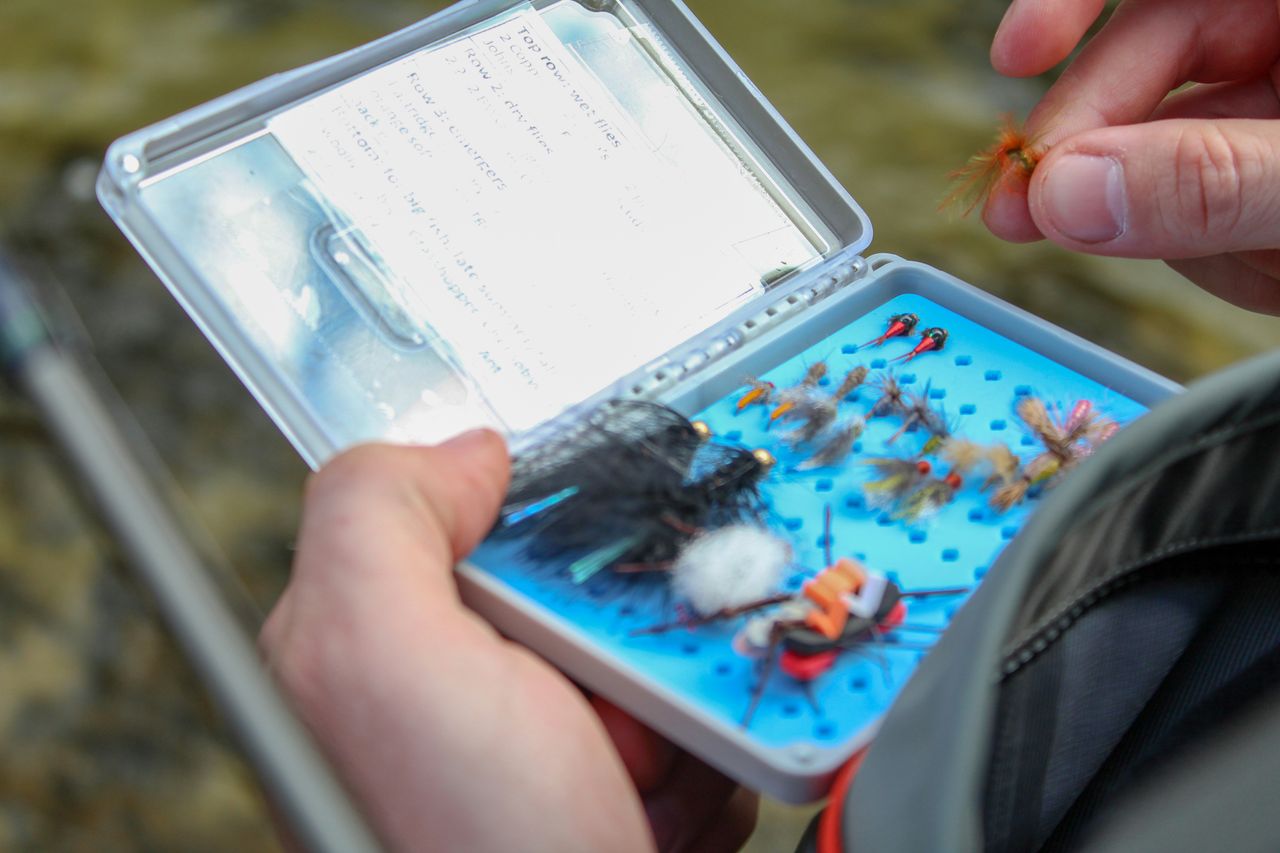
One of the smartest systems many anglers adopt is the dedicated day box, a single tray or compact bag loaded only with the lures and terminal tackle most likely to get used on that trip. It is not meant to carry everything. It is meant to keep the essentials close and the clutter out of the way.
This approach forces a useful kind of discipline. Before leaving the ramp, anglers narrow their options based on season, water clarity, and target species instead of hauling a floating tackle store.
On the water, the benefit is immediate. Fewer choices mean faster adjustments, cleaner decks, and much less time spent hunting through backup gear that never gets touched.
Boat-Side Bags for Frequent Re-Rigging

Anglers who re-tie often, especially around heavy cover or toothy fish, tend to keep a small boat-side bag or quick-access pouch within arm’s reach. It usually holds scissors, pliers, leader material, hooks, weights, and a short list of confidence baits. The idea is simple: keep the high-use items where your hands naturally go.
That setup reduces the constant opening and closing of larger compartments. It also keeps the main storage system from getting disrupted every time a knot needs replacing.
In practice, it makes the whole day feel smoother. Fast access to re-rigging gear means less downtime and a much better chance of getting a bait back in the strike zone quickly.
Seasonal Rotation Instead of Carrying Everything
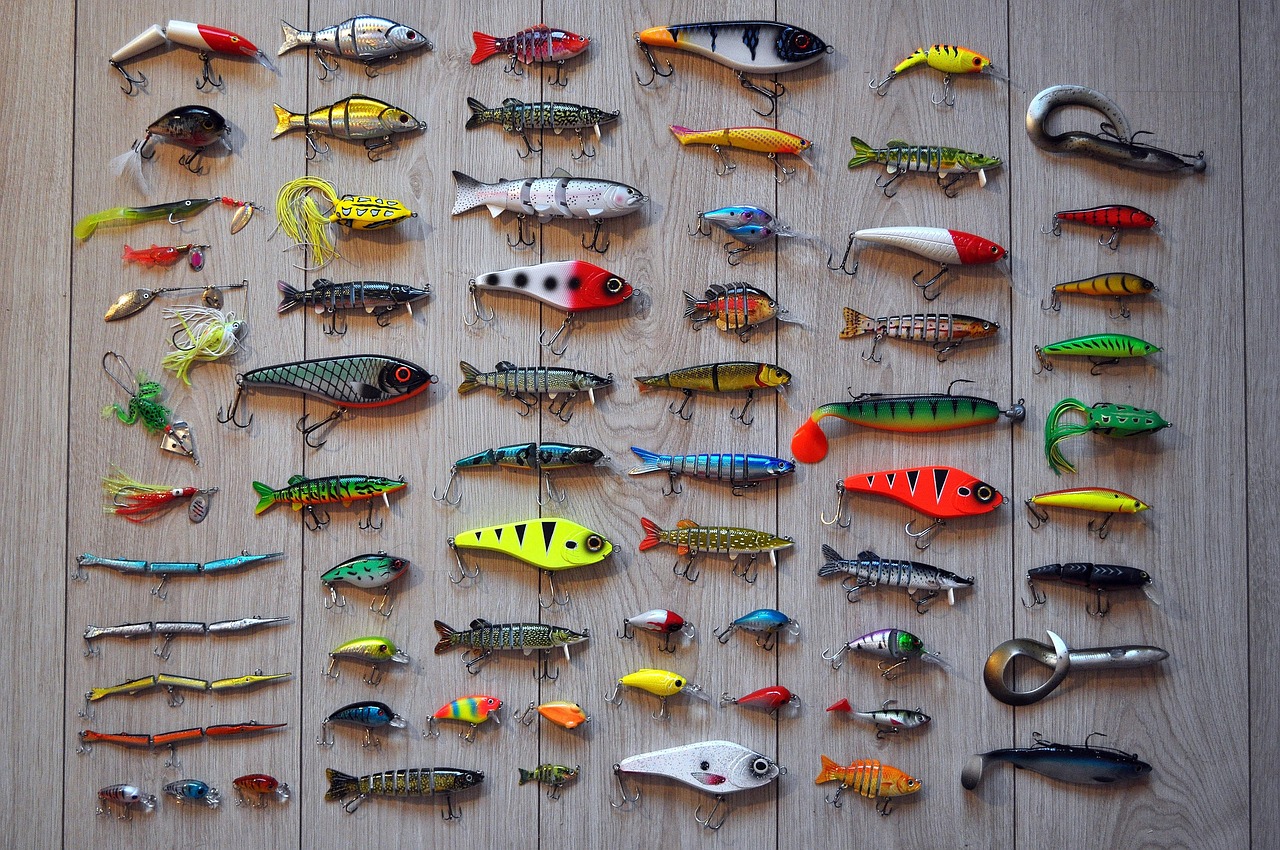
Experienced anglers often say the fastest tackle system is the one that removes gear before the trip even starts. Rather than hauling every lure they own year-round, they rotate boxes by season, region, and target fish. Spring gear gets priority in spring, deep summer patterns take over later, and cold-water boxes return when conditions call for them.
This system shrinks the amount of tackle competing for space and attention. It also makes prep more intentional, which helps anglers think through likely patterns before they ever launch.
The payoff is a lighter load and a cleaner setup. With fewer irrelevant options onboard, finding the right bait becomes much easier and much faster.
Inventory Resets After Every Trip
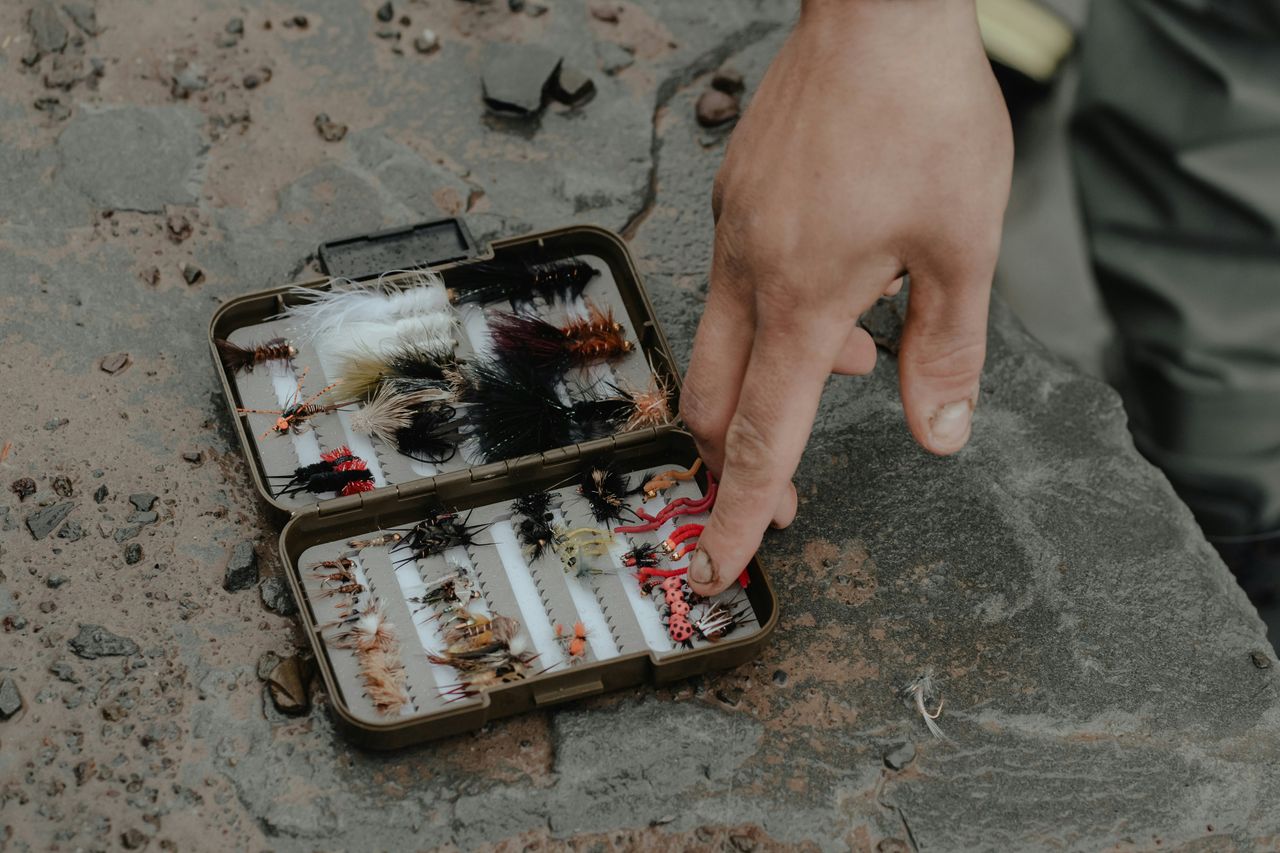
A well-organized tackle box can fall apart fast if nobody resets it. Many efficient anglers build in a quick post-trip routine where used trays are returned to their proper spots, damaged lures are removed, and low-stock items are replaced. It is less glamorous than buying new gear, but it makes the next outing much smoother.
This habit prevents the classic opening-day surprise of empty hook slots, tangled line scraps, and missing favorite baits. It also helps anglers notice what they actually used instead of what they merely packed.
Over time, those little resets create a smarter system. The tackle box stays trimmed, functional, and ready, which is exactly what speed-focused anglers want.
Clear-Lid Storage for Visual Scanning
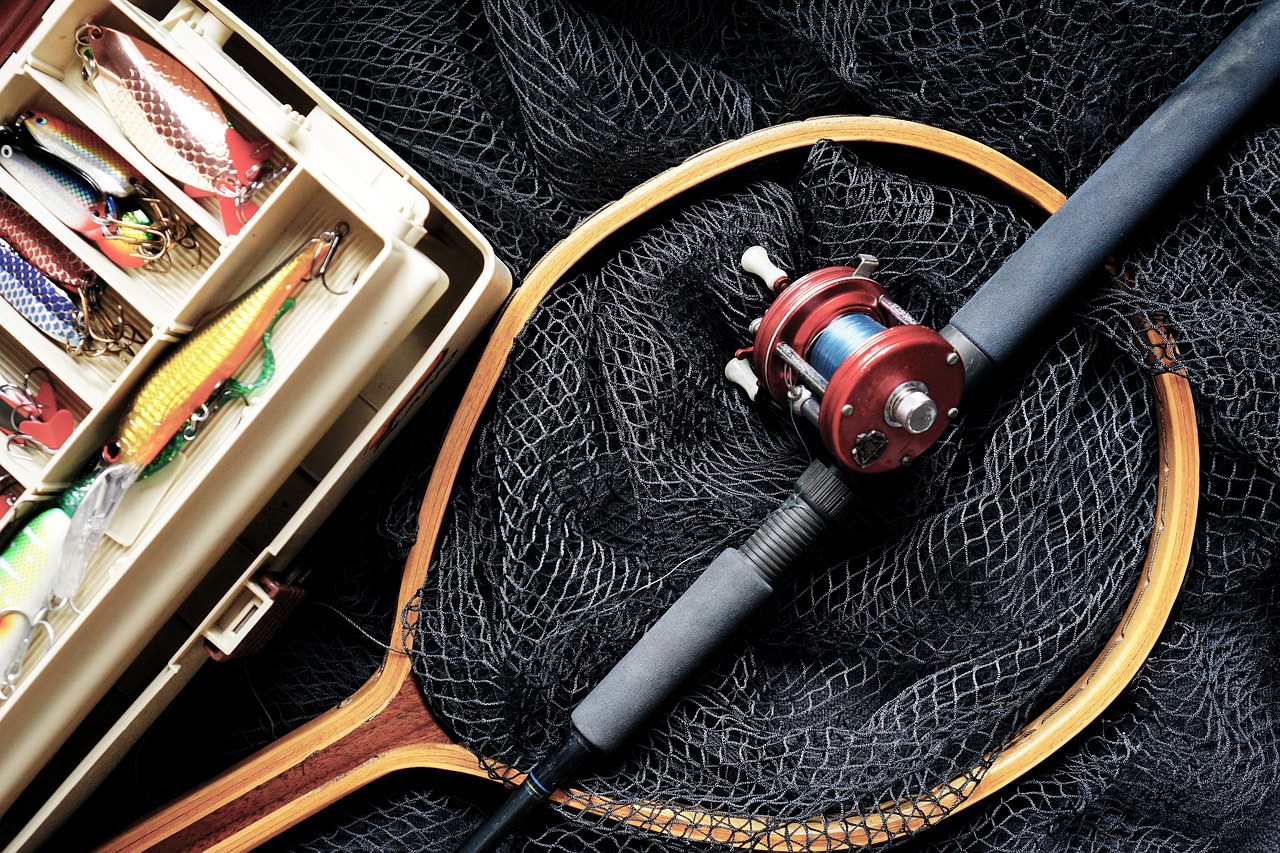
Sometimes the biggest time saver is simply being able to see what is inside. Clear-lid trays let anglers scan lure colors, hook sizes, and bait styles without opening every container. That sounds minor until you are standing on a rocking deck, trying to make a quick adjustment while the fish are feeding.
Veterans like this system because it supports instant decisions. You can compare options visually, spot empty compartments, and avoid wasting time on guesswork.
It also encourages better habits because clutter becomes obvious the moment it starts building. When visibility improves, organization tends to improve with it, and that translates directly into faster fishing from cast to cast.