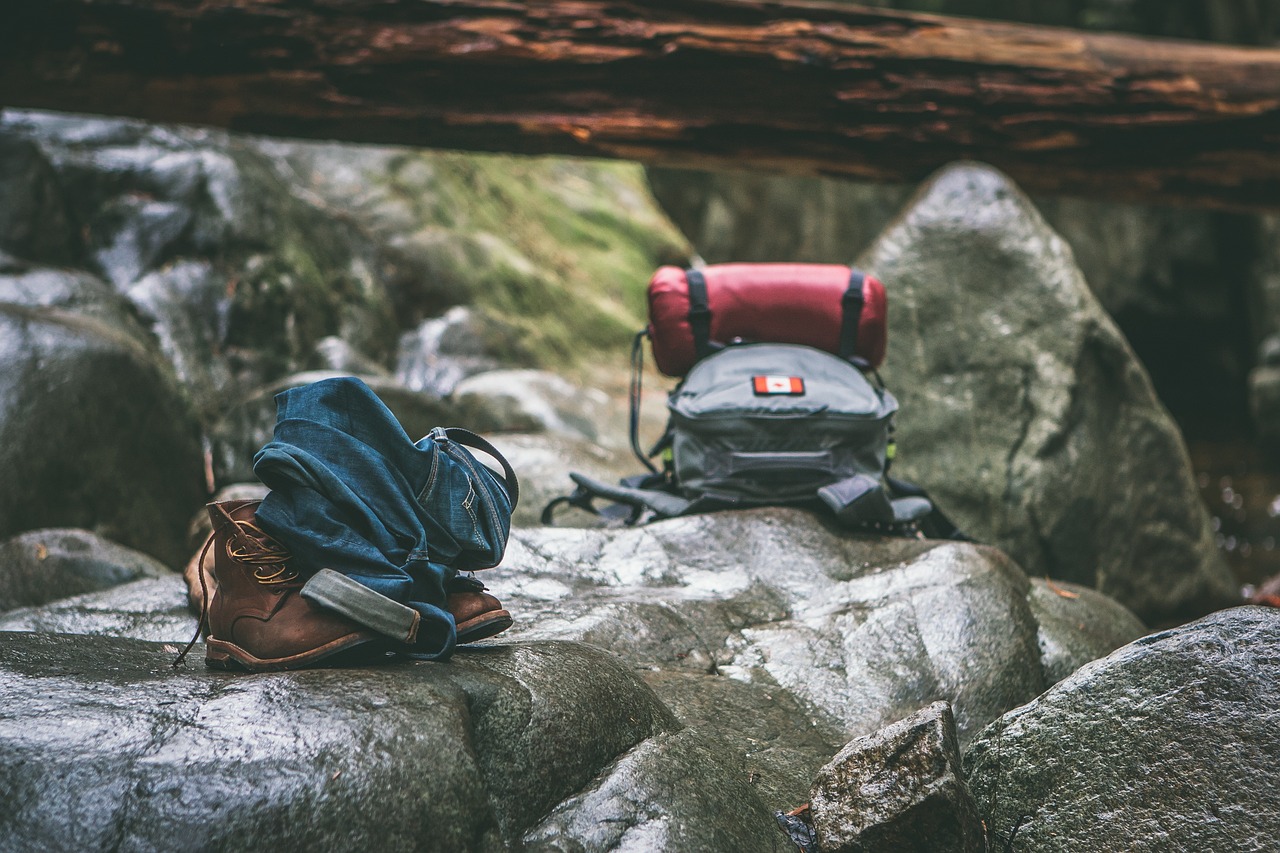
Winter hiking brings a unique sense of calm, but slippery trails require thoughtful preparation and reliable gear that supports stability and comfort. Cold temperatures, packed snow, and icy patches can create unexpected challenges, so hikers often rely on equipment designed specifically for traction, protection, and warmth. Understanding how each essential item functions helps make winter outings feel more manageable, even when conditions shift quickly. The right combination of layers, foot traction, navigation tools, and safety accessories provides support without limiting mobility, allowing hikers to enjoy serene landscapes with confidence. These essentials highlight practical ways to stay grounded and comfortable during winter hikes while appreciating quiet forest paths, frozen viewpoints, and crisp seasonal scenery.
Microspikes for Improved Traction
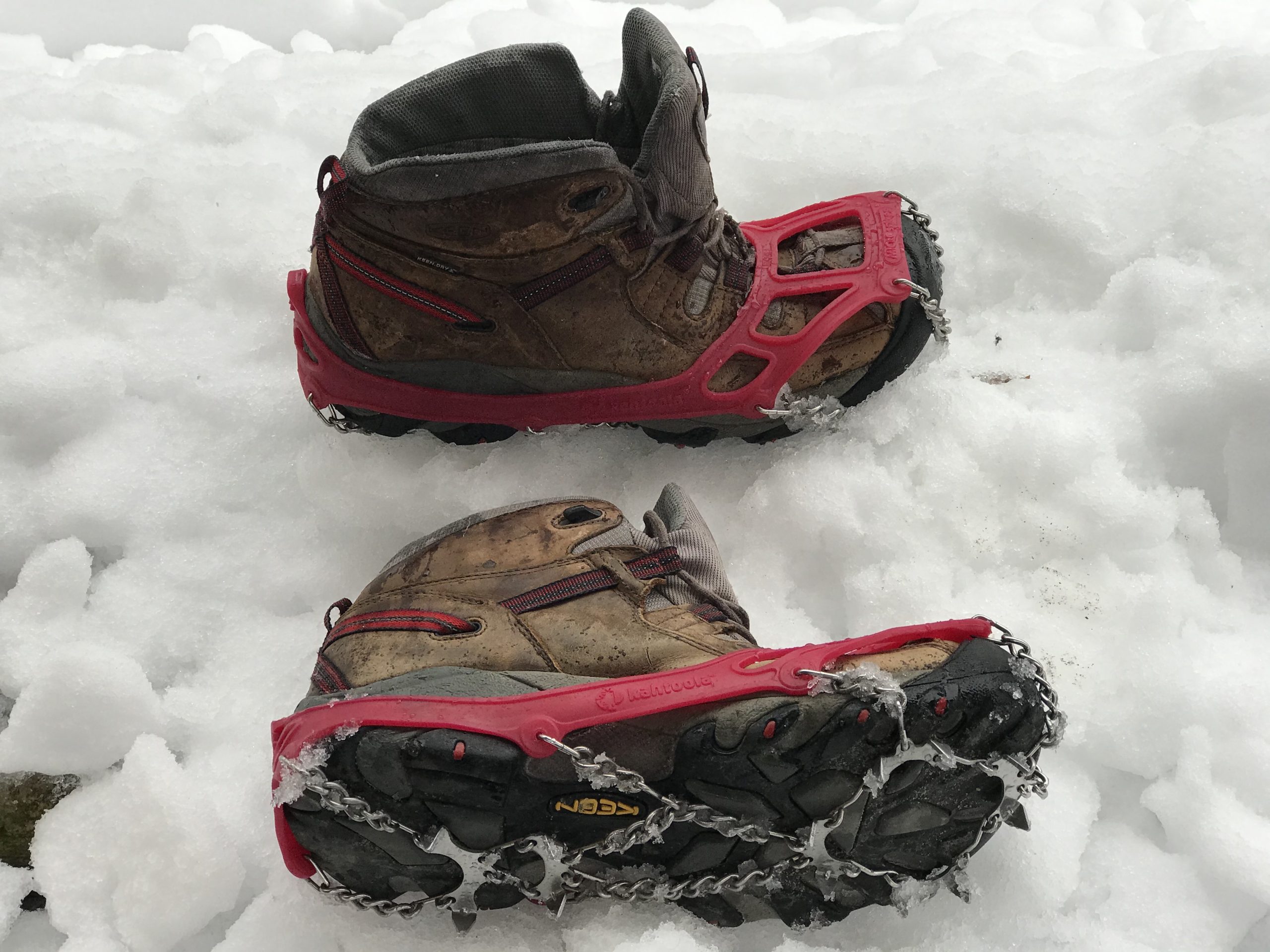
Microspikes offer reliable support on icy trails because their small metal spikes dig into frozen surfaces and reduce the risk of sudden slips. They attach easily to most hiking boots, forming a secure platform that helps maintain balance on packed snow, glazed sections of trail, or steep inclines. This traction aid works best on terrain where ice layers form naturally through repeated thawing and freezing. Carrying microspikes also allows hikers to continue safely when conditions shift mid-hike, eliminating the need to turn back when surfaces become slick. Their lightweight construction ensures minimal strain during long treks, while their design promotes stability without compromising natural walking motion.
Trekking Poles With Winter Baskets
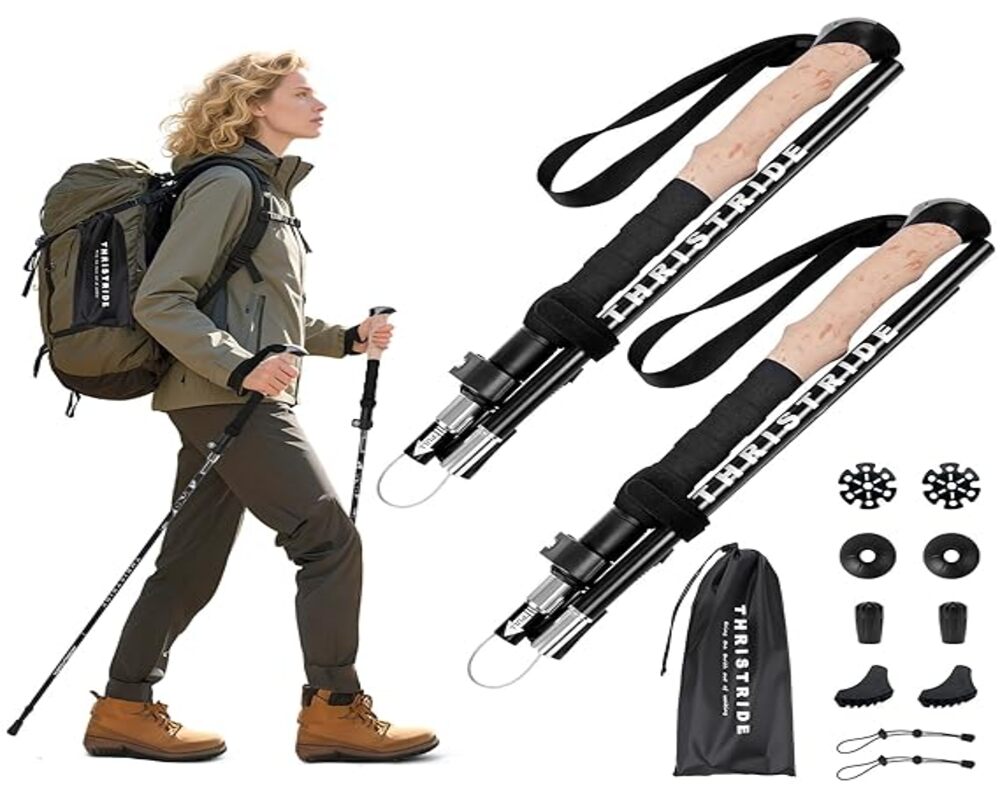
Trekking poles equipped with winter baskets help distribute weight more evenly and prevent the poles from sinking deep into snow. This added stability supports balance on uneven, icy, or powder-covered terrain and reduces stress on knees during steep descents. Adjustable poles accommodate varying trail angles, and the ergonomic grips maintain comfort even when gloves are worn. Winter baskets play a crucial role by widening the contact area, which allows hikers to maintain rhythm and speed with greater control. These poles also assist with testing uncertain surfaces ahead, such as frozen puddles or hidden patches of ice, making each step more deliberate and secure throughout the hike.
Waterproof and Insulated Footwear
Waterproof and insulated footwear keeps feet warm and dry in winter conditions where snow, ice, and meltwater can quickly penetrate regular hiking shoes. High-quality boots feature protective outer layers that shield against moisture while trapping warmth inside. Proper insulation prevents heat loss during long trail sections, while supportive soles maintain stability on cold, compacted surfaces. Many winter boots include deeper tread patterns that add essential grip on slippery terrain. These features allow hikers to maintain comfort throughout the journey and reduce fatigue often caused by cold, wet feet. Durable construction also protects against sharp ice edges or buried rocks that appear along winter routes.
Gaiters to Keep Snow Out
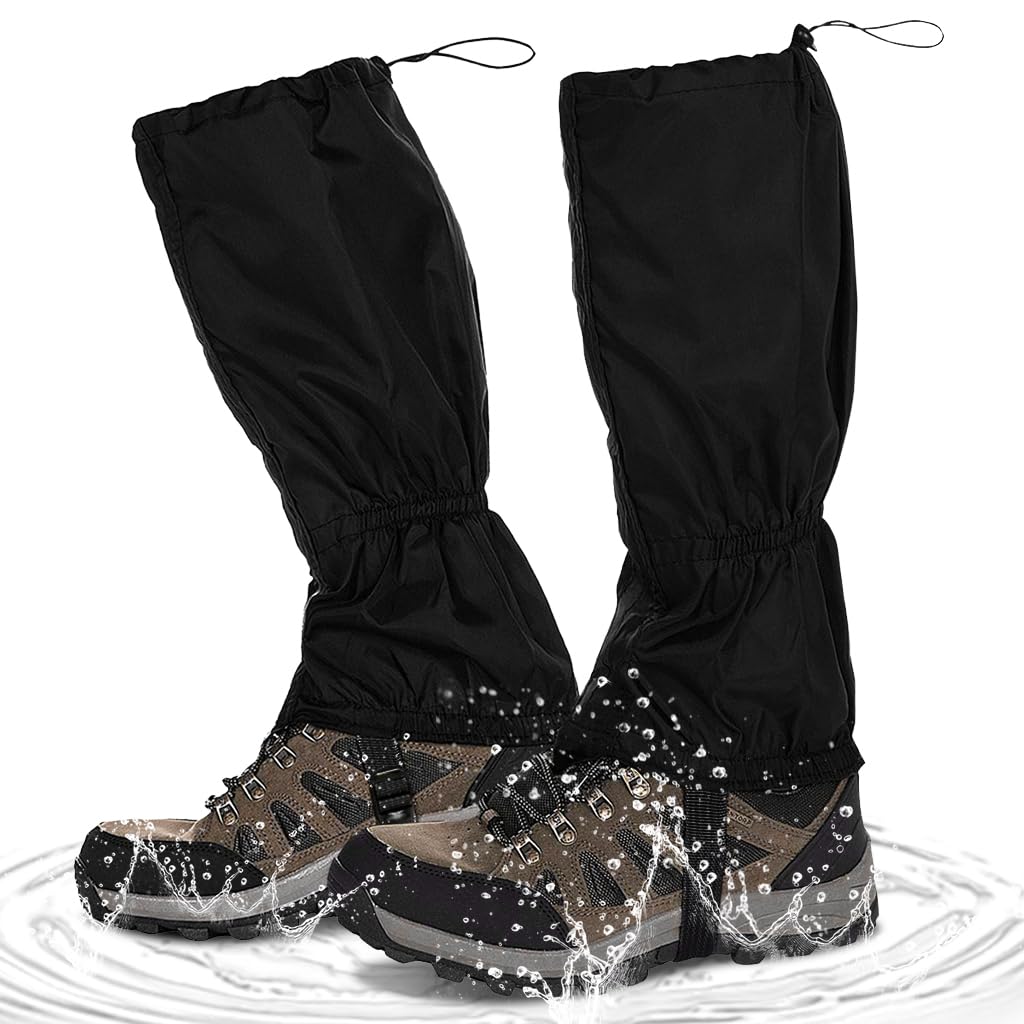
Gaiters help keep snow and slush from entering boots, making them especially useful on trails where drifts and soft powder cover the lower leg. They wrap securely around the ankle and calf, creating a protective barrier that prevents moisture, debris, and cold air from slipping inside footwear. This layer of defense supports warmth by keeping socks dry and reducing heat loss through exposed seams. Gaiters also protect pants from tearing on sharp ice or rough terrain. Their lightweight design ensures flexibility while climbing, descending, or moving across uneven ground. This simple accessory plays a meaningful role in maintaining comfort and consistency on winter trails where conditions can shift suddenly.
Layered Clothing for Temperature Control
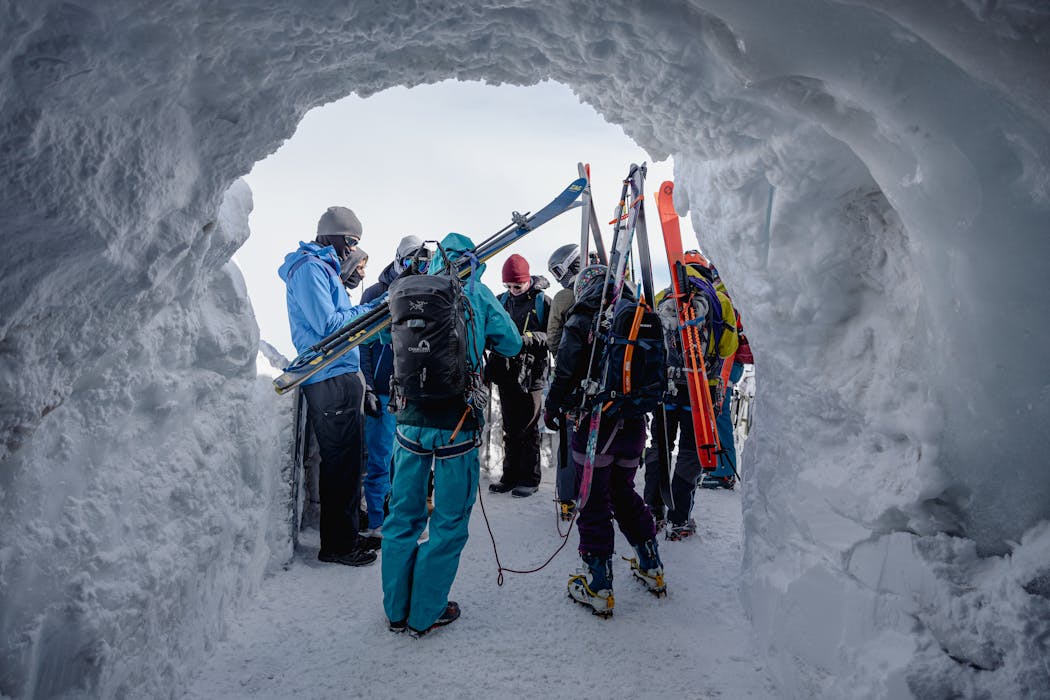
Layered clothing helps manage warmth and moisture during winter hikes by allowing easy adjustments as activity levels or weather conditions change. A reliable system typically includes a moisture-wicking base layer, an insulating mid-layer, and a protective outer shell that blocks wind and snow. This combination supports temperature regulation without causing overheating or excessive sweating, which can lead to chills once movement slows. Quick ventilation options, such as zippers or breathable fabrics, allow hikers to respond to shifting trail demands. Layering also ensures that hikers remain comfortable during rest periods, summit stops, or shaded sections of the trail. Maintaining control over body temperature is essential for staying confident on slippery winter terrain.
Headlamps With Extra Batteries
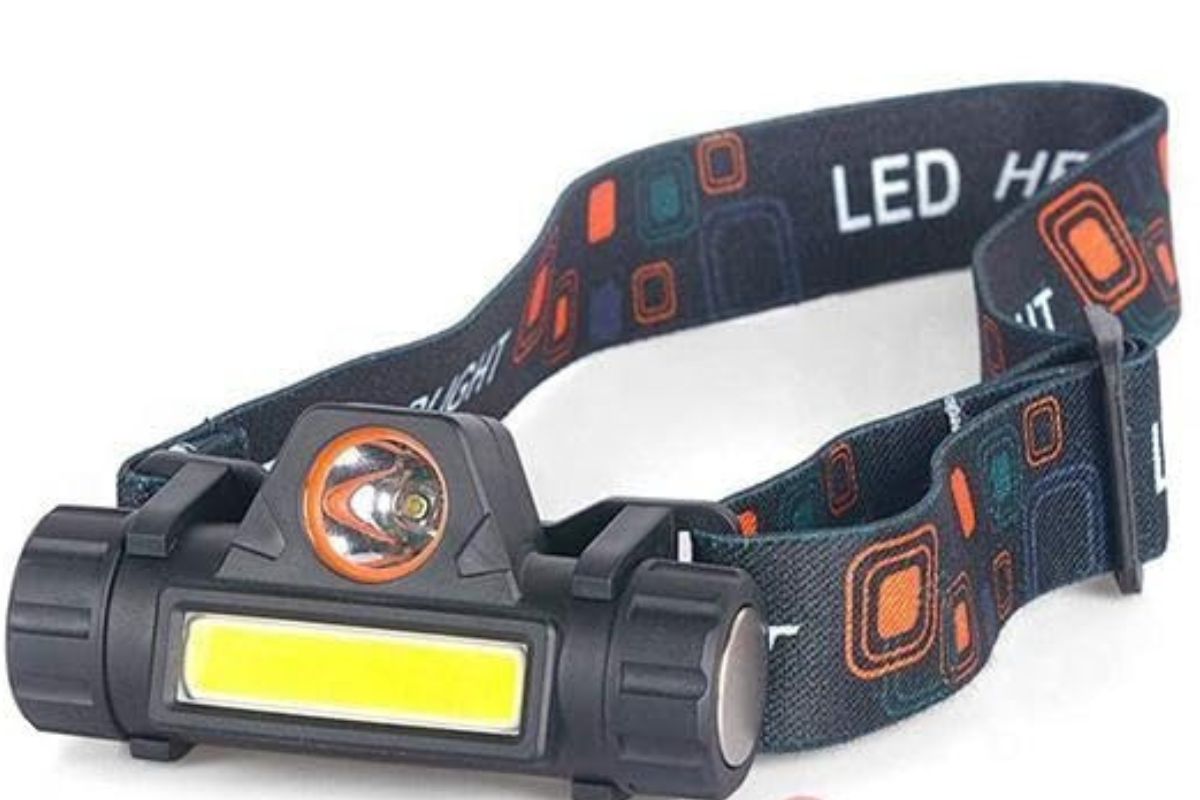
Headlamps provide essential visibility during winter hikes, especially when daylight fades quickly, and trails become shadowed beneath snow-covered trees. Reliable lighting supports safe navigation on icy sections and helps identify obstacles that might otherwise blend into the landscape. Carrying extra batteries ensures that illumination remains steady throughout the journey, reducing the risk of navigating blind in low-light conditions. Headlamps also free both hands, allowing hikers to use trekking poles for stability. Many models offer adjustable brightness settings that adapt to changing terrain, providing focused beams for steep climbs and wider beams for open trails. This simple tool enhances awareness and security during winter excursions.
Navigation Tools for Snow-Covered Trails
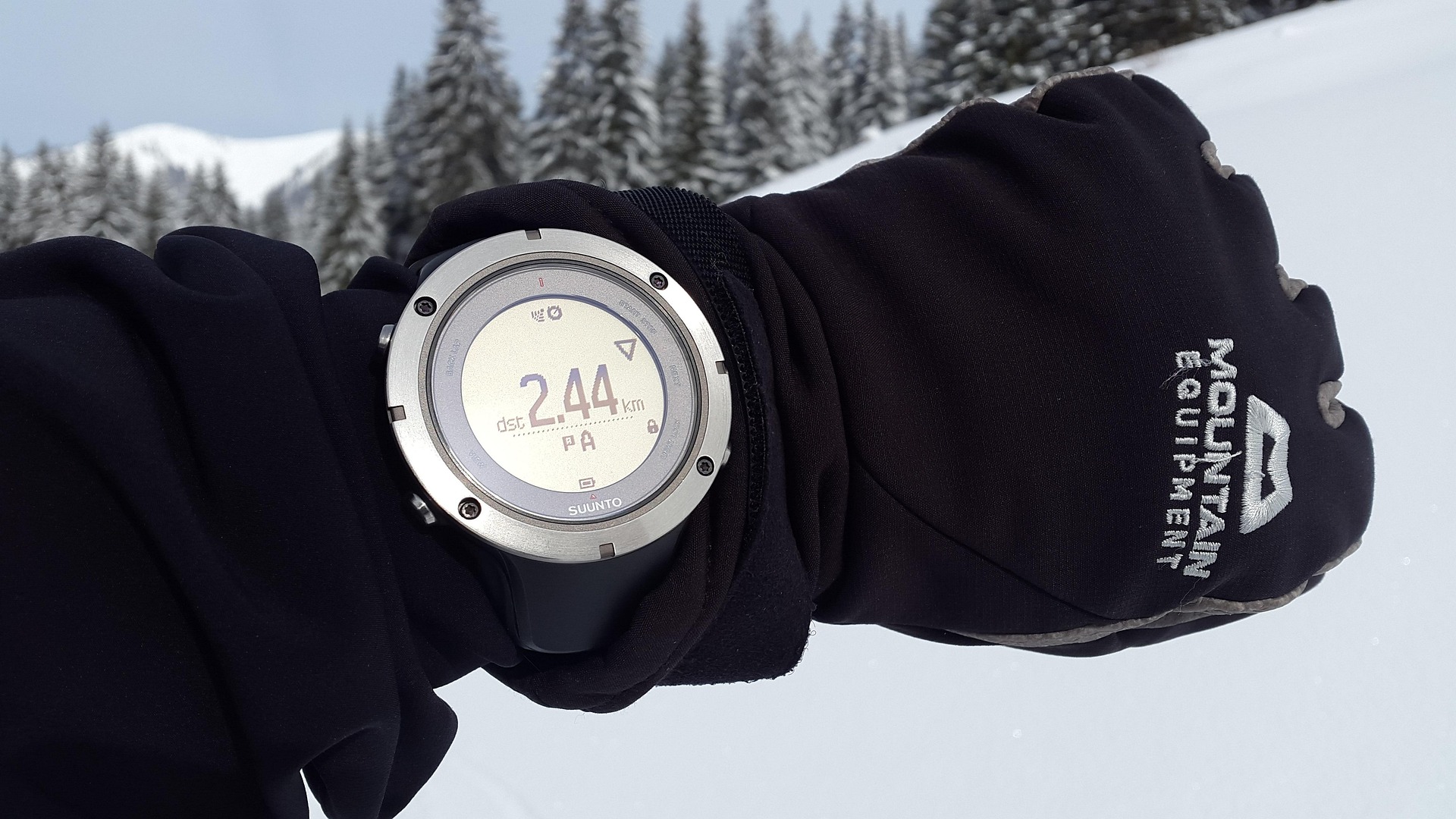
Navigation tools support accurate route-finding in winter when familiar landmarks or trail markings become hidden beneath snow. Maps, compasses, or GPS devices assist with confirming direction and location throughout the trip. Clear navigation reduces the risk of drifting off established paths, particularly in open areas where wind-blown snow obscures footprints. Practicing with these tools ahead of time helps hikers feel confident following contours, identifying safe crossings, and understanding elevation changes. Combined with updated trail conditions, solid navigation skills transform potentially confusing terrain into a manageable route even as visibility shifts. These tools offer dependable guidance that complements physical gear designed for winter traction.
Emergency Blanket or Bivy Sack
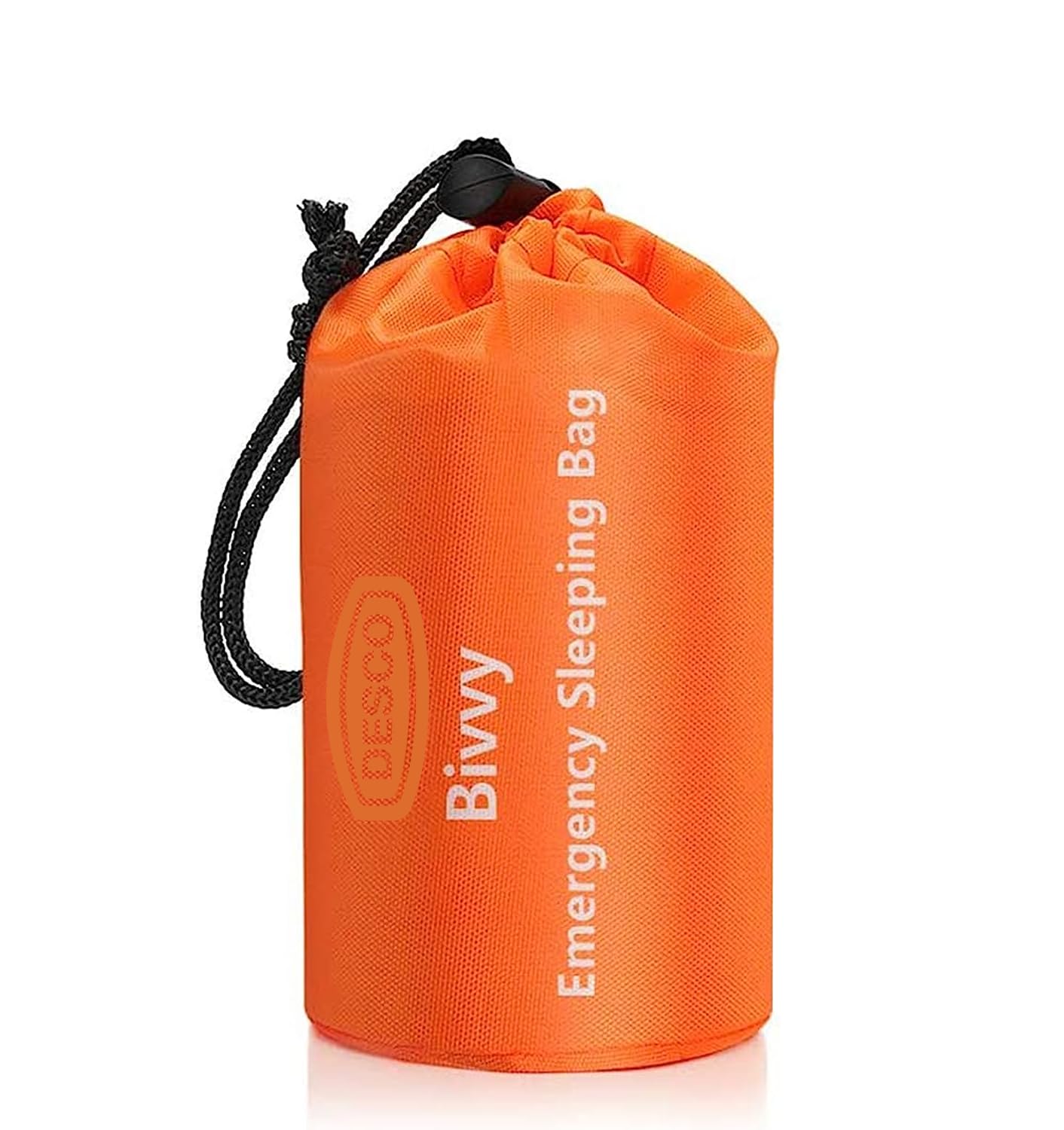
Emergency blankets or lightweight bivy sacks provide an important layer of protection during winter hikes by retaining body heat if unexpected delays occur. These compact items reflect warmth effectively, making them valuable during rest periods or in situations where the weather changes quickly. Carrying one adds minimal weight but offers substantial security in cold conditions. A durable emergency layer also helps shield against wind and moisture, preventing rapid heat loss when hikers stop moving. This simple tool supports preparedness and ensures that small setbacks do not escalate into dangerous situations. When paired with other essentials, emergency blankets contribute to a safer and more comfortable winter hiking experience.