Few gunmakers have influenced military history as deeply as FN Herstal. From John Browning collaborations to Cold War icons and modern squad weapons, the Belgian company repeatedly introduced designs that armies studied, copied, or adopted outright. This gallery explores 11 FN creations that left a lasting mark on how soldiers carried, fired, and thought about firearms.
FN Browning Model 1900
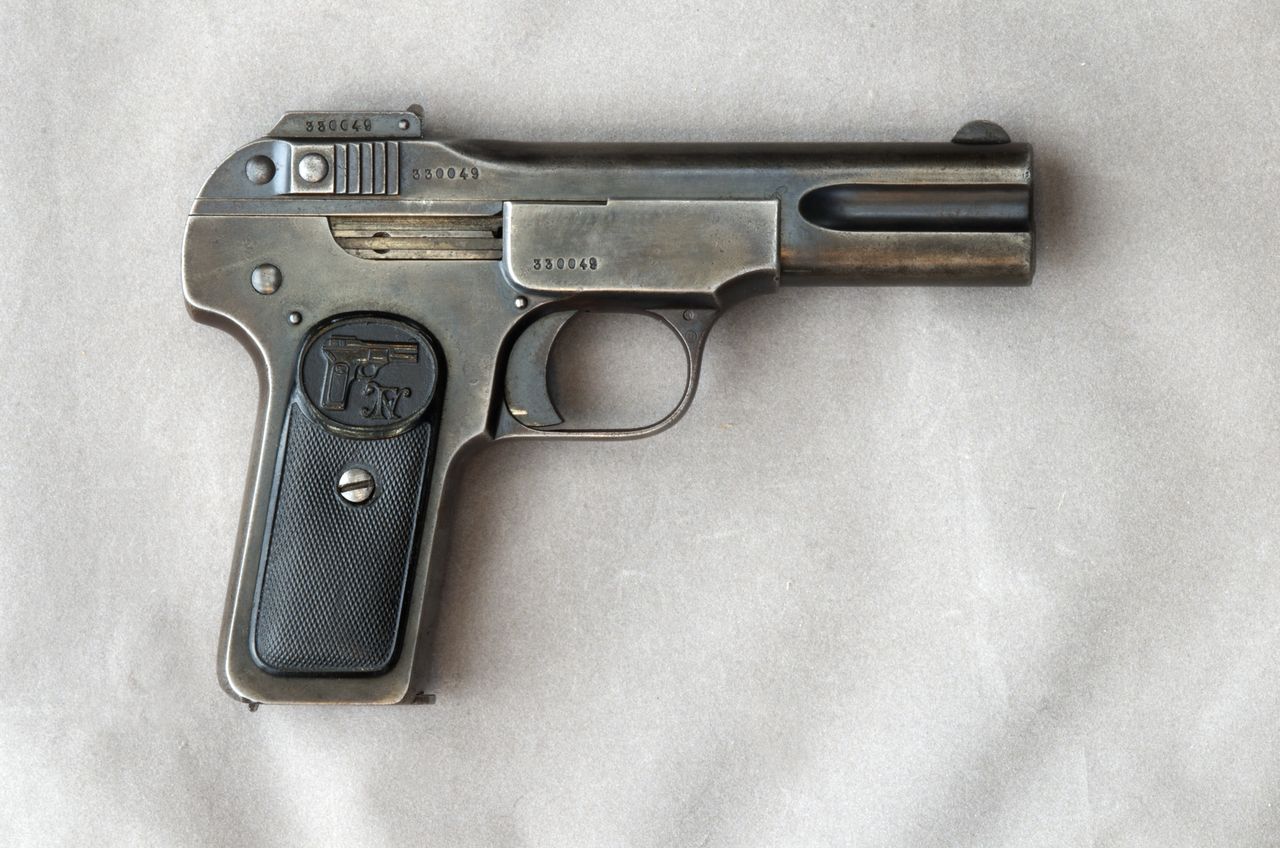
The Model 1900 helped define what a practical self-loading service pistol could be at the dawn of the 20th century. Compact, mechanically clever, and easy to carry, it gave police, officers, and military buyers a real alternative to revolvers at a moment when automatic pistols still felt experimental.
Its influence reached far beyond its sales figures. The pistol spread across Europe and beyond, proving that FN could mass-produce modern handguns reliably and at scale. That success opened the door to a long line of Browning-FN collaborations that would shape military sidearms for decades.
FN Browning Model 1910
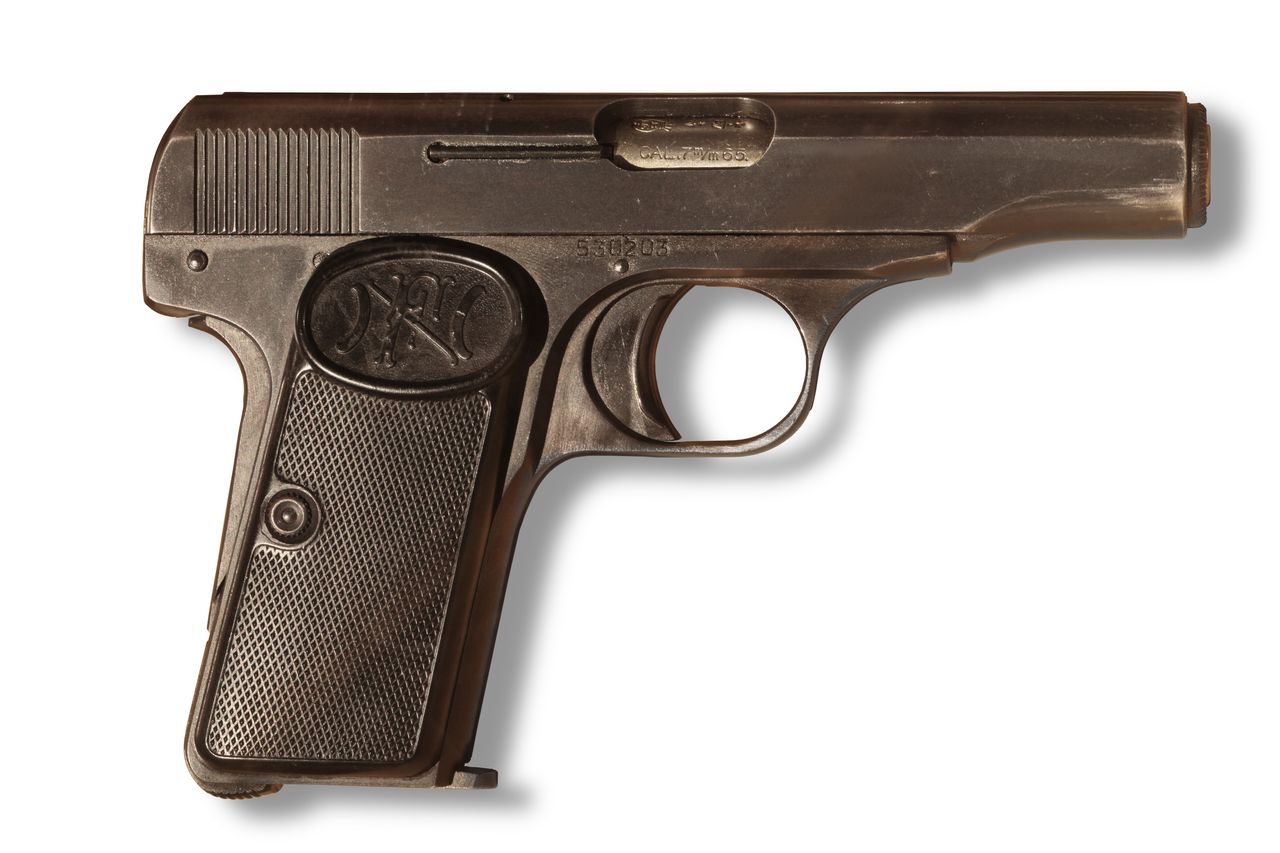
The Model 1910 refined the self-loading pistol into a sleeker, more enclosed package, with a recoil spring wrapped around the barrel and a profile that looked distinctly modern for its day. It was compact enough for officers and plainclothes users, yet robust enough to gain serious military and police attention.
History remembers it for dramatic reasons, but its design story matters more. The Model 1910 showed how FN could pair elegant engineering with mass appeal, and it helped normalize the compact automatic pistol as a standard defensive arm in Europe before the First World War.
Browning Hi-Power
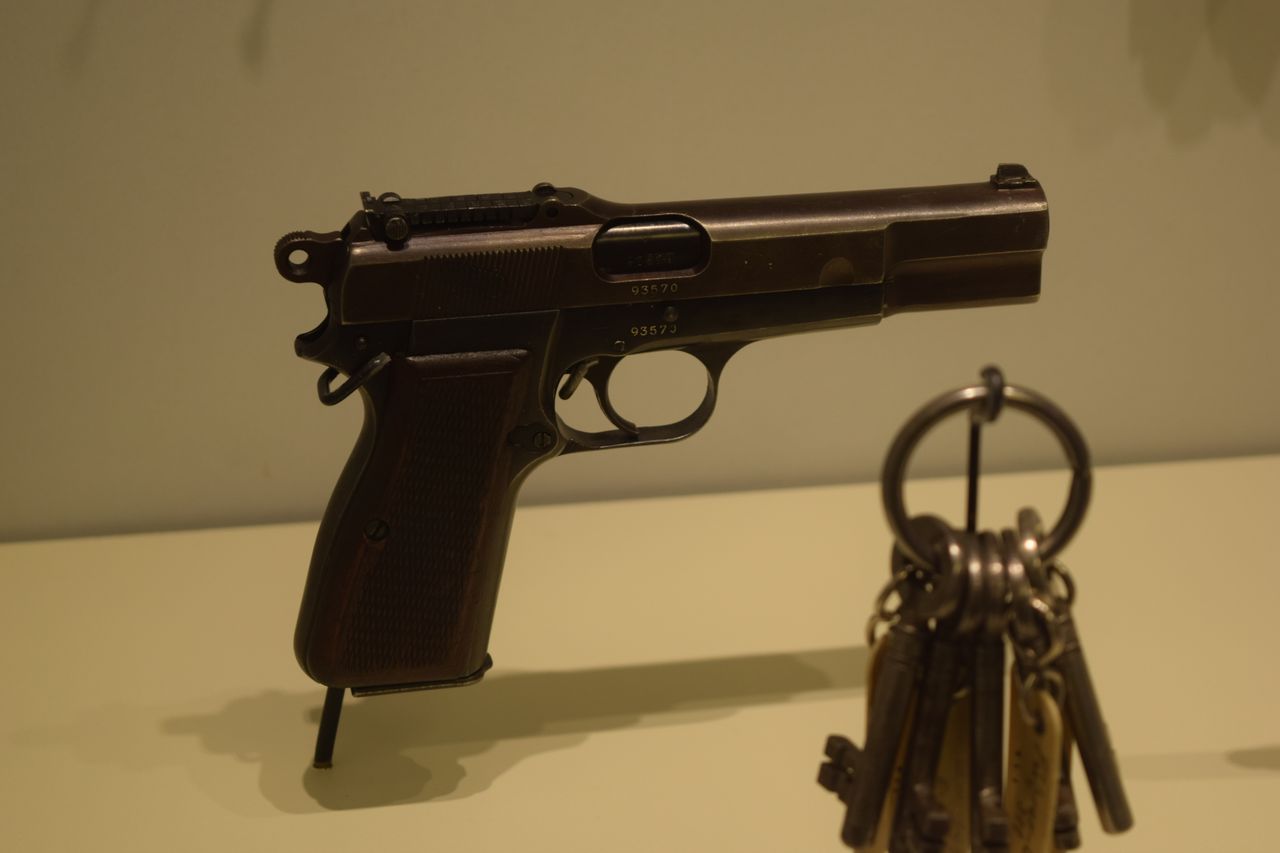
If one FN handgun earned true global immortality, it was the Browning Hi-Power. Finalized by Dieudonne Saive from Browning’s earlier concepts, it combined a high-capacity magazine, excellent ergonomics, and service-grade durability in a package that felt years ahead of many rivals.
Armies on multiple continents adopted it, allies and adversaries alike. That alone says plenty about its reach. The Hi-Power helped make the double-stack 9mm service pistol a military standard, and its layout influenced countless later sidearms that borrowed its balance, capacity, and shootability.
FN Model 1930
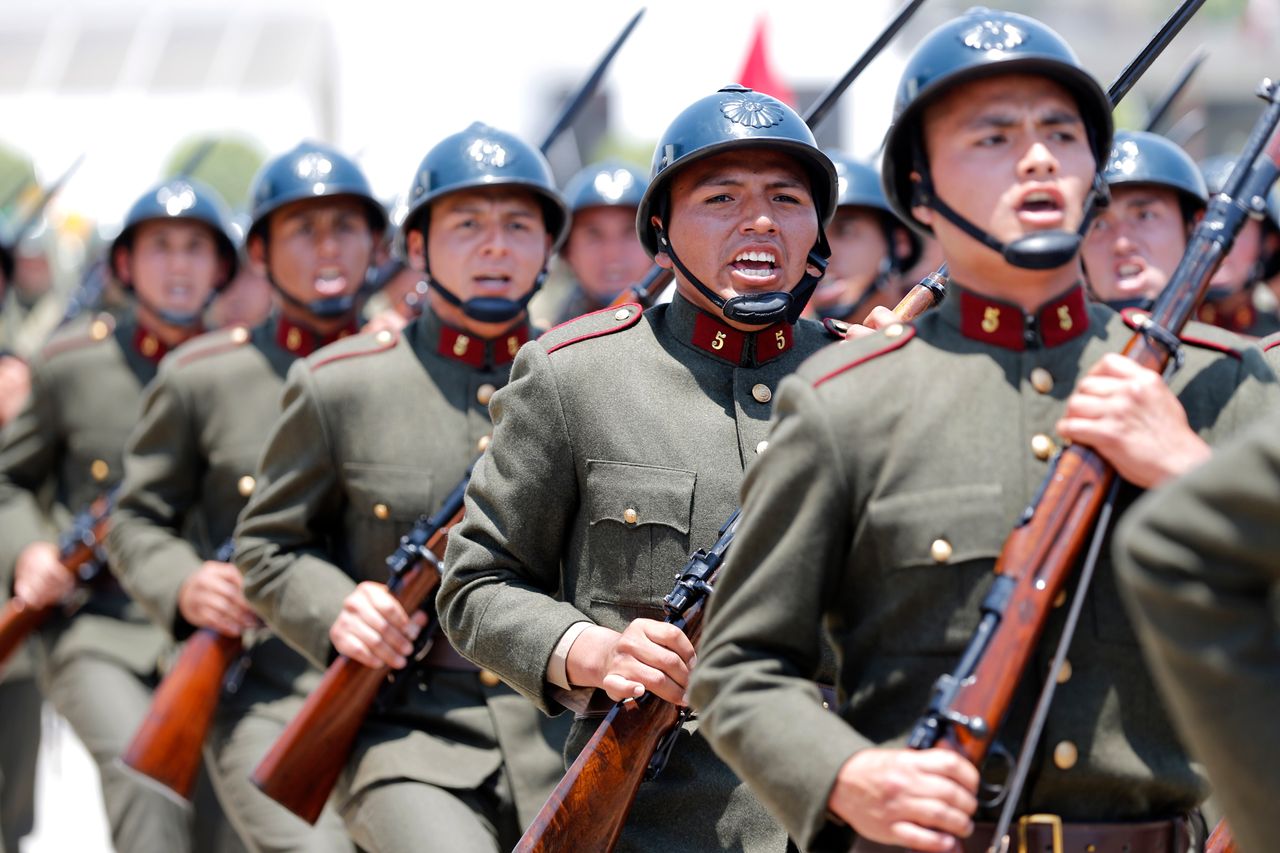
The FN Model 1930 is sometimes overshadowed by more famous names, but it mattered because it translated proven Browning automatic rifle concepts into a widely exported light machine gun. Chambered for several cartridges and sold internationally, it fit the interwar demand for portable automatic fire under direct infantry control.
Its significance lies in timing as much as mechanics. As armies rethought squad tactics between the wars, the Model 1930 embodied the idea that a small unit needed its own sustained-fire weapon. That principle became central to modern infantry doctrine, and FN was right in the middle of the shift.
FN Browning M2 Production

The M2 was a Browning design, but FN’s licensed production helped ensure one of history’s most important heavy machine guns reached allied forces and postwar customers in huge numbers. That manufacturing role matters, because military influence is not only about invention, but also about who can build durable weapons consistently.
The .50 caliber M2 transformed battlefield firepower with anti-materiel punch, long service life, and astonishing adaptability. Mounted on vehicles, aircraft, boats, and fortifications, it became a fixture of modern warfare. FN’s part in sustaining and modernizing M2 production tied the Belgian firm to a true forever weapon.
FN FAL
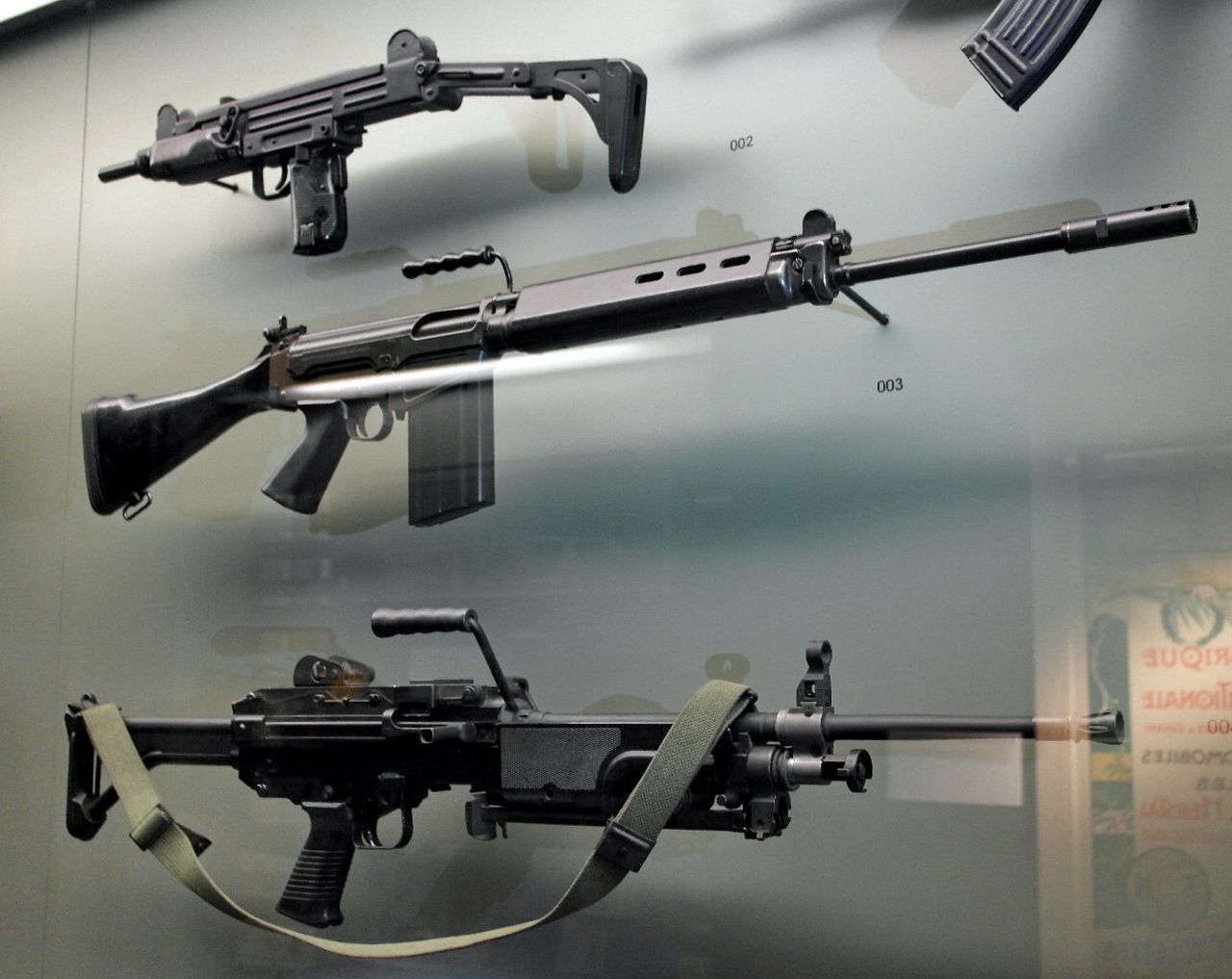
The FAL became known as the right arm of the Free World for a reason. Adopted by dozens of militaries during the Cold War, it gave NATO-aligned and non-aligned forces alike a reliable 7.62×51mm battle rifle that balanced ruggedness, range, and manufacturing practicality.
Its impact was enormous because it standardized expectations for postwar infantry rifles. Adjustable gas operation, dependable function, and strong export support made it a global success story. Even in countries that chose other rifles, the FAL set the benchmark, forcing competitors to answer its mix of power, reliability, and geopolitical reach.
FN Minimi

The Minimi helped define the modern squad automatic weapon. By offering belt-fed firepower in a lighter 5.56×45mm platform, it gave infantry units a way to keep suppressive fire close at hand without the burden of a full-size machine gun. That was a tactical shift with huge consequences.
Plenty of armies adopted it, and many soldiers learned to think of fire-and-movement through the Minimi’s rhythm. It shaped expectations for what a light support weapon should be: portable, controllable, and able to feed from belts for sustained bursts. Entire generations of squad doctrine were built around that idea.
FN P90
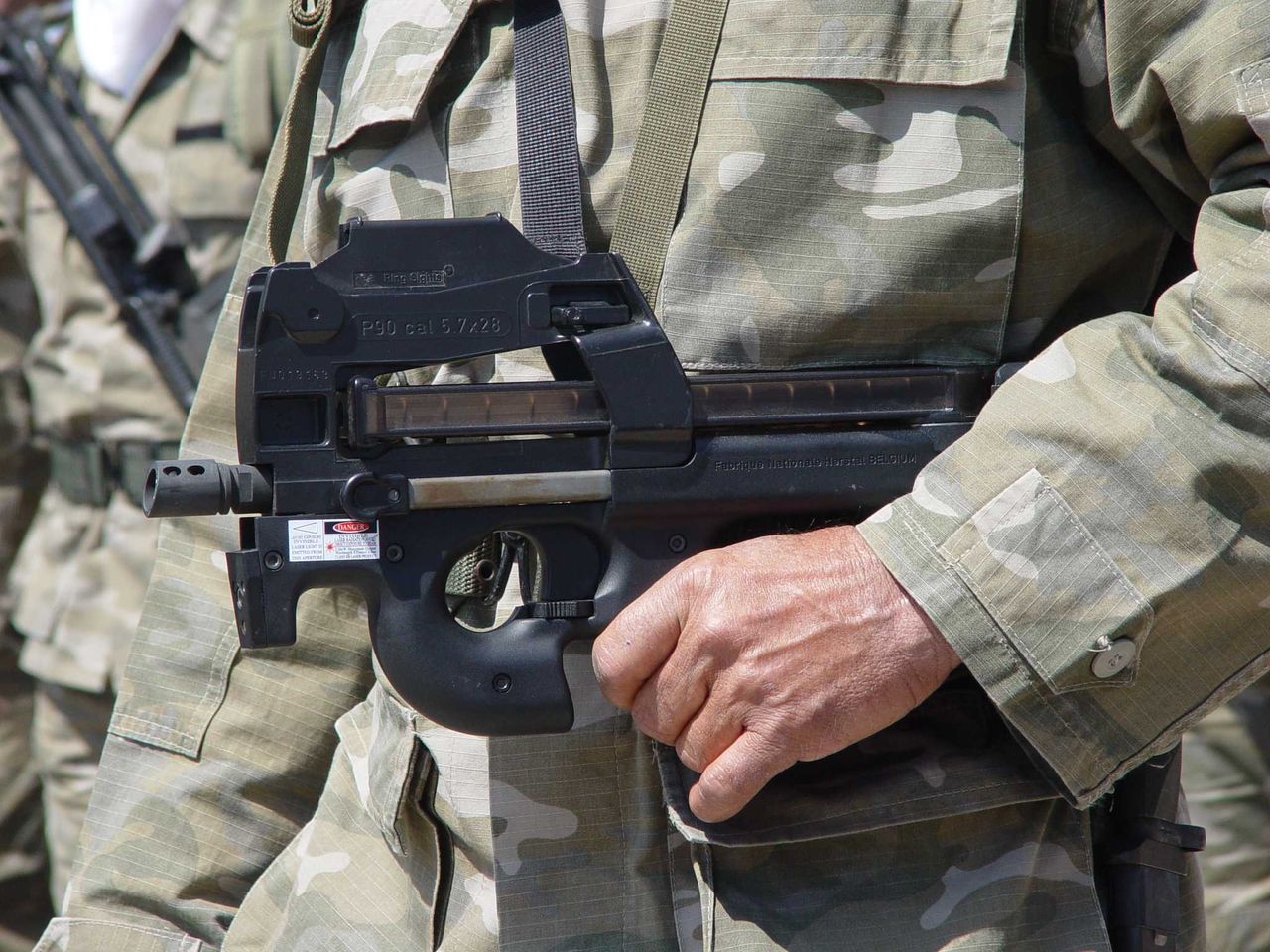
The P90 looked like science fiction when it appeared, but it was responding to a real military problem. Compact enough for vehicle crews and support troops, it paired a bullpup layout with a top-mounted 50-round magazine and the high-velocity 5.7×28mm cartridge for personal defense weapon duties.
Its influence exceeded its adoption numbers. The P90 pushed designers to think seriously about compact weapons for rear-echelon and specialist personnel, not just frontline infantry. It also proved that radical ergonomics and unconventional feeding systems could move from prototype curiosity to practical service weapon with real doctrinal implications.
FN Five-seveN
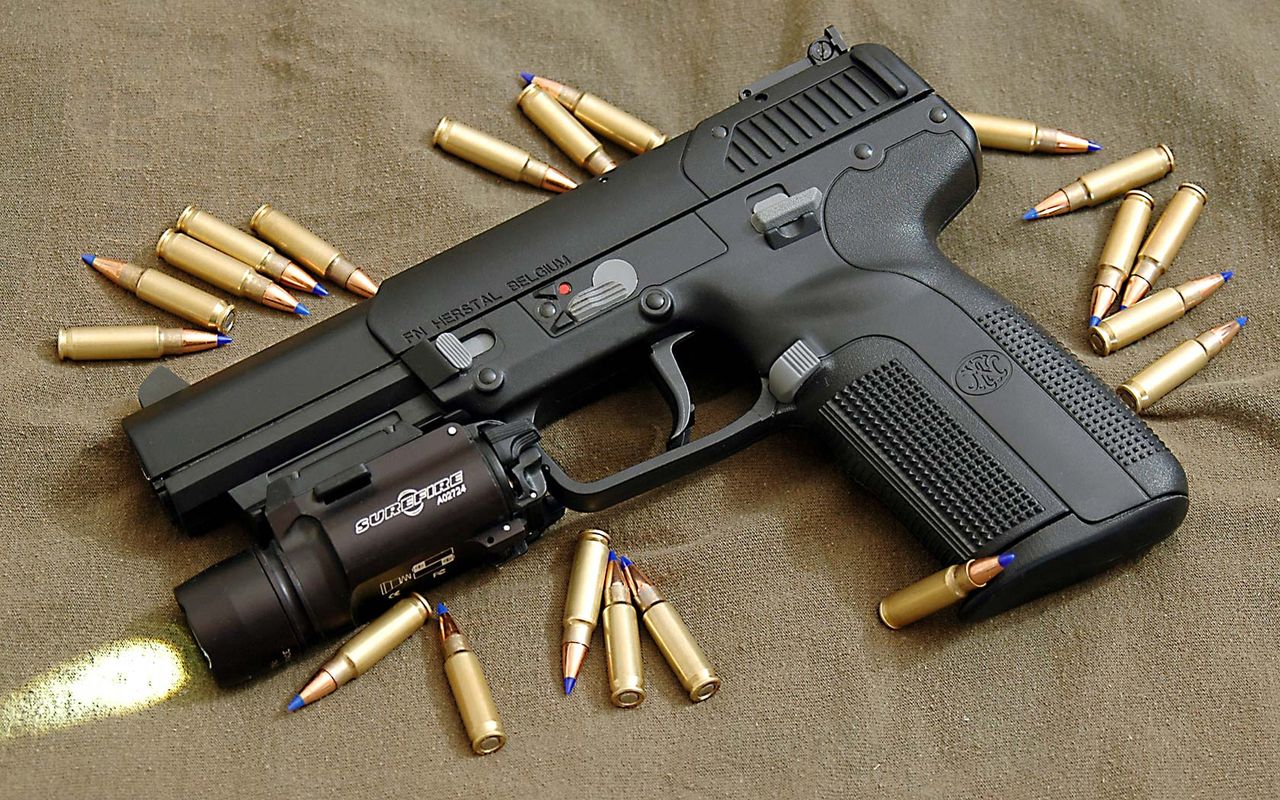
The Five-seveN was designed as the pistol companion to the P90, and together they formed one of the most distinctive paired weapon systems of the late 20th century. Lightweight, high-capacity, and chambered in 5.7×28mm, it challenged assumptions about what a military sidearm cartridge could be.
Even critics had to admit it changed the conversation. The Five-seveN pushed militaries and analysts to revisit questions of armor penetration, recoil management, magazine capacity, and handgun weight. Whether adopted widely or debated endlessly, it proved FN still had the ability to unsettle old categories and force fresh thinking.
FN SCAR
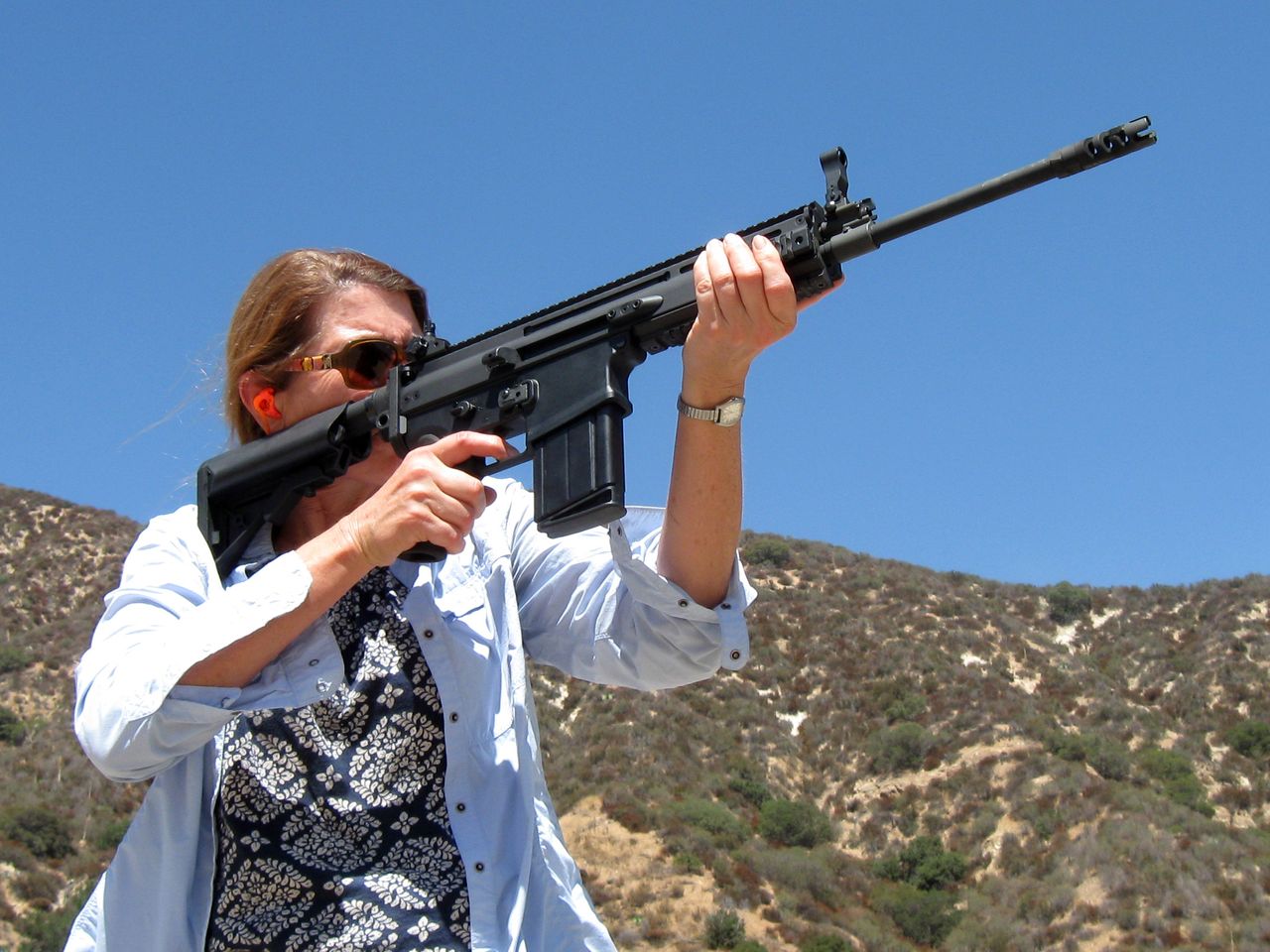
The SCAR emerged from a modern special operations requirement, and it arrived with the modularity that 21st century forces increasingly demanded. With configurable barrels, folding stocks, optics-ready rails, and versions in 5.56 and 7.62, it reflected a world where one rifle family needed to cover many missions.
Its real legacy is conceptual as much as mechanical. The SCAR helped reinforce the idea that military rifles must adapt quickly to suppressors, night optics, varied barrel lengths, and changing roles. In that sense, it became part of a broader shift from fixed-pattern service rifles to flexible weapon ecosystems.
FN EVOLYS
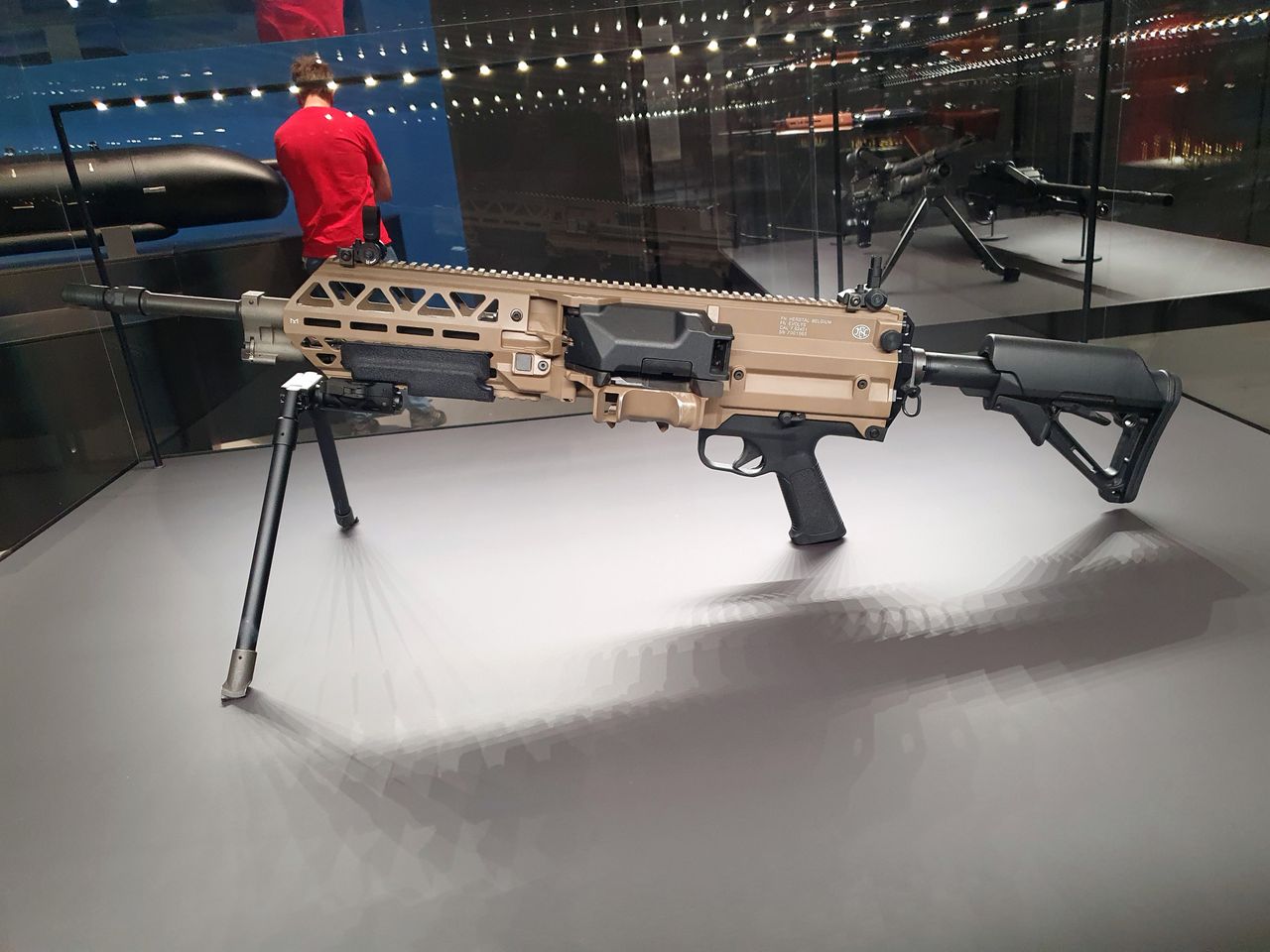
The EVOLYS is one of FN’s newest attempts to reshape infantry firepower, blending machine gun capability with a lighter, more rifle-like handling profile. It reflects a current military appetite for reducing load while preserving suppressive power, especially as soldiers carry more electronics, armor, and mission gear than ever.
Whether it becomes as dominant as the MAG or Minimi remains to be seen, but the design points in a clear direction. Armies want weapons that cut fatigue, speed movement, and stay effective in fast-changing engagements. FN has often been ahead of those transitions, and EVOLYS shows the pattern continues.