Shotguns are usually thought of as simple tubes under a barrel, yet some designers refused to accept that. Over the last 45 years, engineers have tried box magazines, twin tubes, drums, and even rotating cylinders to push capacity far past the usual five or six shells. Capacities in this list run from 7 to 32 rounds, while weights range from about 7 to 12 pounds. Each design solves a different problem, whether that is faster reloads, more ammunition for competition, or a cleaner feed path in a bullpup frame. Some are easy to buy, and a few are heavily regulated. Here are ten magazine setups that earn a second look, each with the numbers that matter.
1. Kel-Tec KSG: The Twin-Tube Bullpup
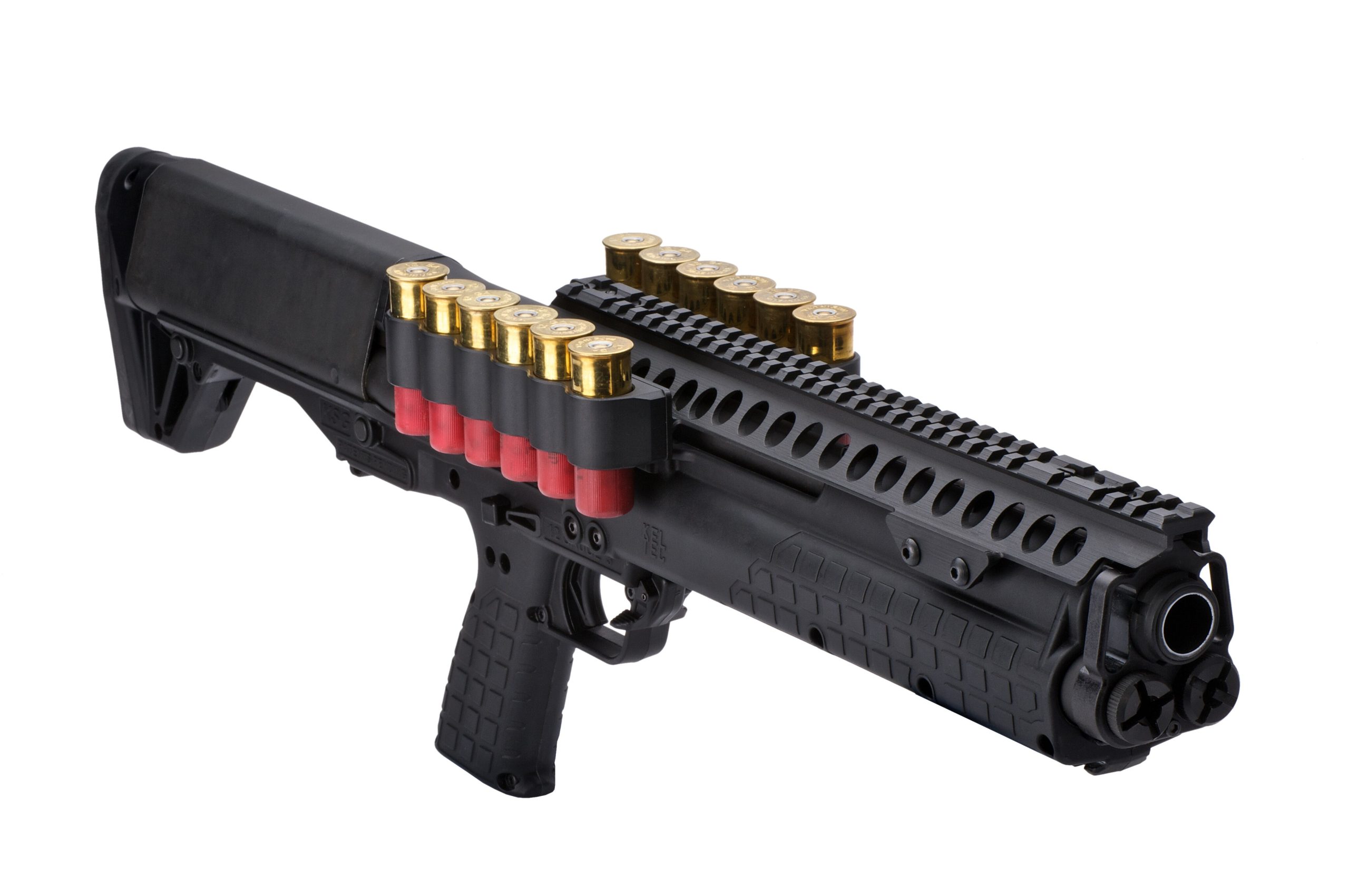
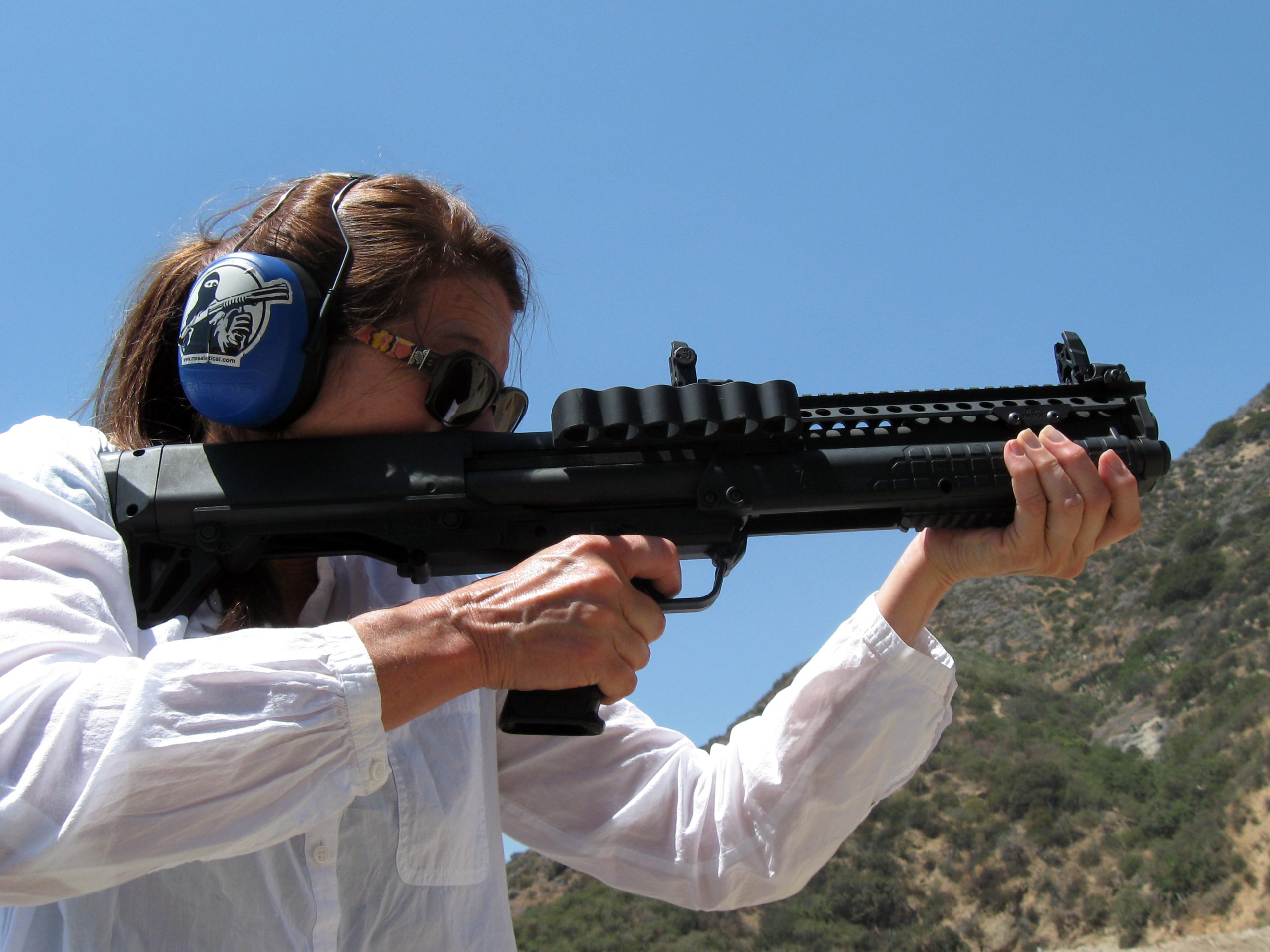
Kel-Tec’s KSG tackled capacity by putting two tubes side by side in a compact bullpup frame. A selector switch above the trigger guard lets the shooter pick which tube feeds, and each holds about 7 rounds of 2¾-inch shells. That gives 14 in the tubes plus one in the chamber, so 15 total, with an 18.5-inch barrel and a weight near 7 pounds. The pump action sits ahead of the grip, which keeps the overall length around 26.1 inches. Loading takes patience, since both tubes fill separately and the selector must be switched between batches. Dropping a mixed buckshot and slug load into each tube is a clever party trick. Retail prices usually run from $900 to $1,100.
2. Standard Manufacturing DP-12: The Double-Barrel Pump
Standard Manufacturing’s DP-12 doubles up on nearly everything, with two barrels and two magazine tubes under a single pump handle. Each barrel pairs with its own 7-shell tube, so the gun holds 14 shells in storage and one in each chamber, 16 in all. The barrels measure about 19 inches, and the loaded weight is close to 10 pounds, which tames recoil more than you’d expect. The overall length is around 31 inches. Both barrels fire alternately, so a single trigger pull sends one shell at a time downrange. Loading is slow, but the payoff is a deep reserve of ammunition without a drum. Rules vary by state, so check local law first. Typical prices run from $1,300 to $1,800.
3. Saiga-12: The Kalashnikov Shotgun
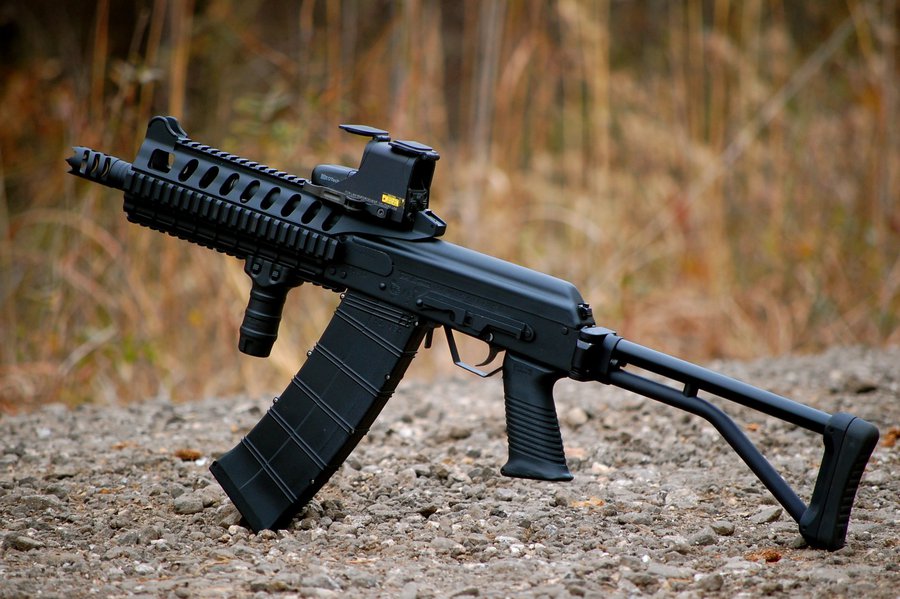
The Saiga-12 borrowed the Kalashnikov layout and made a shotgun that feeds from detachable box magazines. Factory boxes hold 5, 8, or 10 shells of 2¾-inch ammunition, and a swap takes about 2 seconds with practice. Imports came from Russia’s Izhmash plant, usually with a 19-inch barrel and a weight near 8 pounds. The long-stroke gas piston runs reliably on most loads, though light birdshot can cause short-stroking. Reloading with a spare box feels much like handling an AK, which is a big draw for rifle shooters. Many owners add a flash hider and a better trigger. Because imports stopped years ago, used guns now run from $700 to $1,100. Magazines cost about $40 each.
4. Molot Vepr-12: The Heavy-Duty Box-Fed Brute
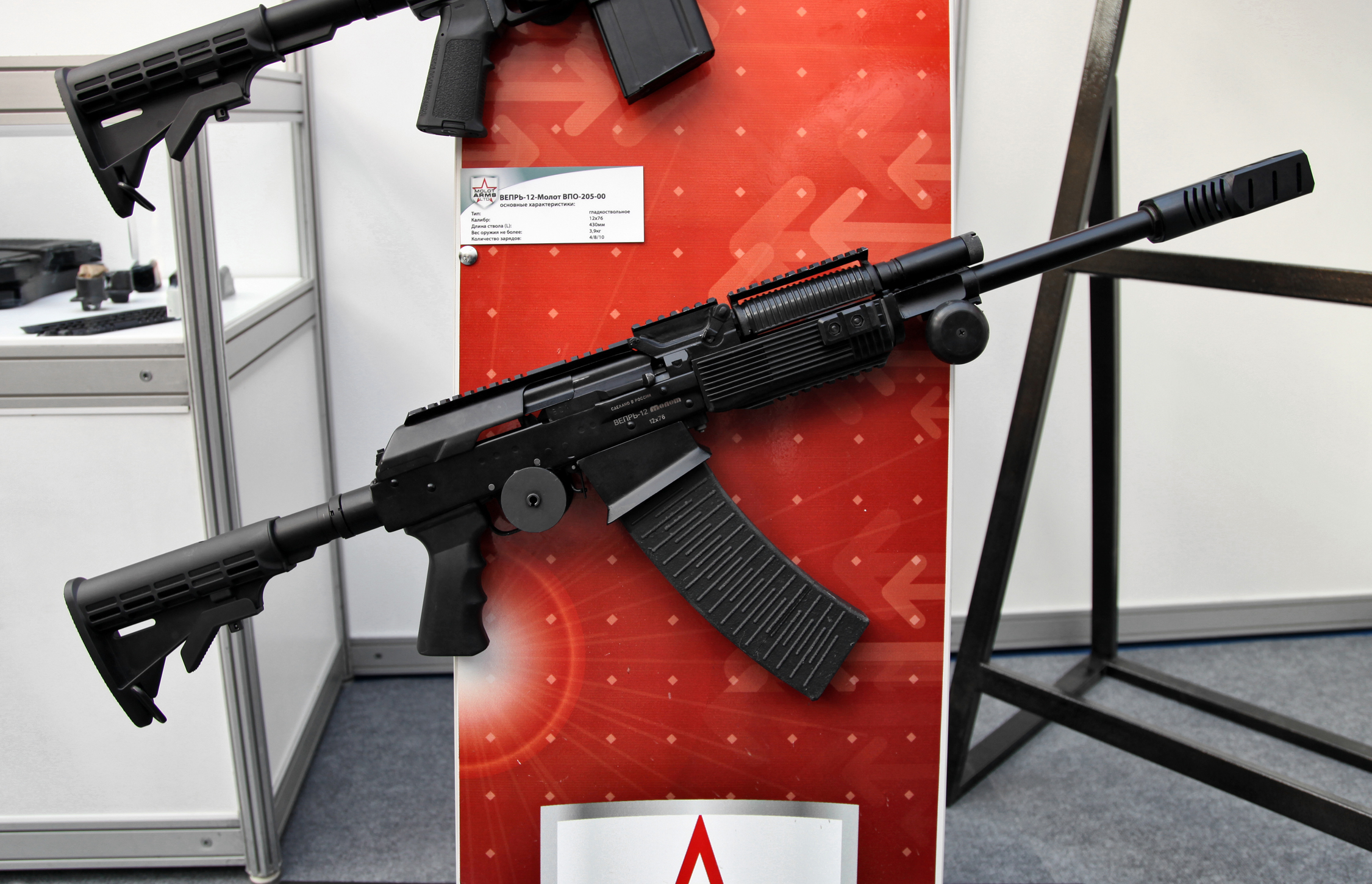
Molot’s Vepr-12 takes the AK-style shotgun concept and builds it on a heavy RPK-type receiver. Detachable boxes hold 5, 8, or 10 rounds, and the 12-gauge chamber accepts 2¾-inch and 3-inch shells. A 22.5-inch barrel is standard, with an overall weight near 9 pounds, making the gun steady and calm during rapid strings. The barrel accepts choke tubes. Reliability is a real strength, since the gas system cycles most loads without fuss. Owners often praise the sturdy folding stock fitted to some variants and its steady feel in rapid strings. Imports have been inconsistent, so shops list them from $1,000 to $1,500 depending on condition. Spare boxes run roughly $45 each.
5. Mossberg 590M: The Pump With a Detachable Box
Mossberg’s 590M answers a pump shooter’s biggest complaint, slow reloads, with a 10-round detachable box magazine. It slides in below the receiver, so a swap takes about 3 seconds. The 12-gauge gun uses a 20-inch barrel with a cylinder bore, weighs around 7.5 pounds, and runs on a familiar pump action with dual slide bars. A translucent window on the polymer box shows how many shells remain, which is handy during long drills. Buyers can also load a single shell through the ejection port, which keeps the gun flexible. The safety remains on the top tang, as with other 500-series guns. Retail prices range from $650 to $800, and spare magazines run about $60 each.
6. SRM Arms Model 1216: The Revolving Carousel

SRM Arms’ Model 1216 takes a completely different path with a revolving four-tube magazine. Four tubes rotate around a central axis, holding 4 shells each, for 16 rounds plus one in the chamber. A rotating plate feeds from each tube in turn, so you can mix slug and buckshot loads. The gun is semi-automatic, with an 18.5-inch barrel and a weight close to 9 pounds. Reloading is done tube by tube through a side port, so quick stocking takes practice. Small gates at each tube end keep shells from falling out as the carousel spins. The gun is popular with 3-gun competitors who value its deep reserve and fast follow-up shots. Typical prices fall between $2,200 and $2,800.
7. Franchi SPAS-12: The Dual-Mode Icon
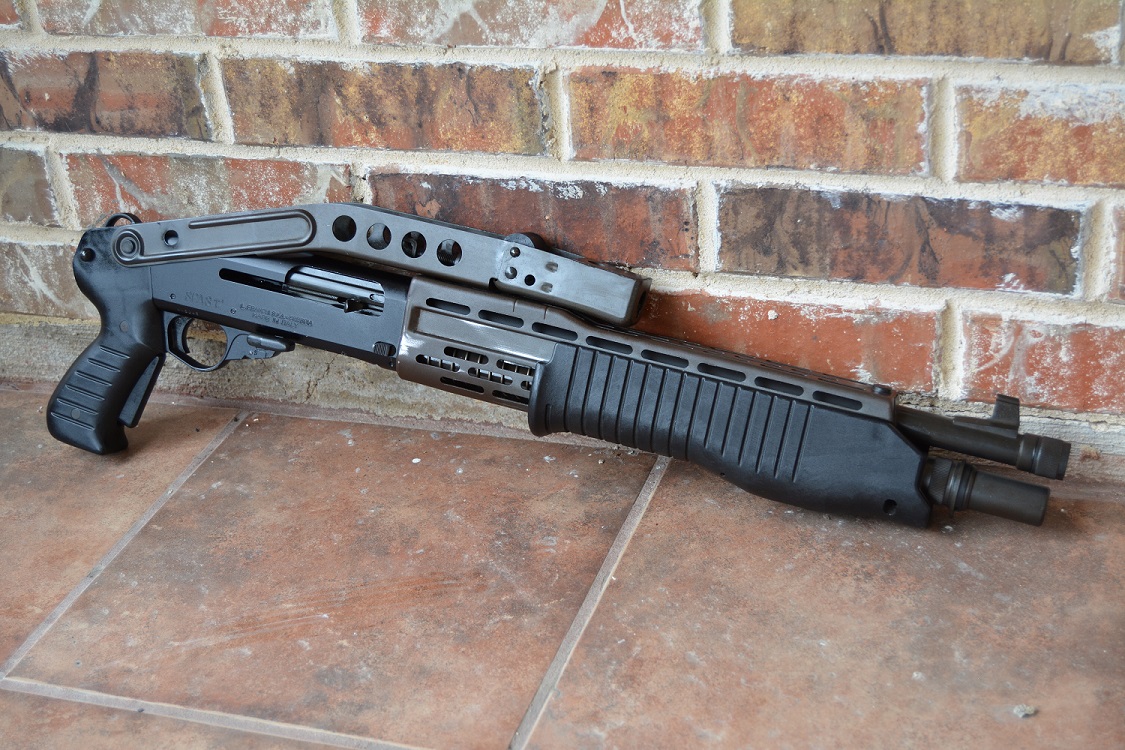
The Franchi SPAS-12 from Italy, introduced in 1979, could switch between pump and semi-automatic modes with a button under the fore-end. A tubular magazine holds 8 rounds of 2¾-inch shells plus one in the chamber, and the barrel measures 21.5 inches. It weighs about 9 pounds, so it feels hefty, and a folding stock with a hooked arm brace is a signature feature. The pump mode handles light loads that confuse the gas system. Hollywood exposure in action films made the gun famous. Its dual-mode design is rare among shotguns. Many collectors prize the Italian build quality. Import restrictions in the 1990s mean used examples often sell between $2,500 and $3,500.
8. USAS-12: The Drum-Fed Heavyweight
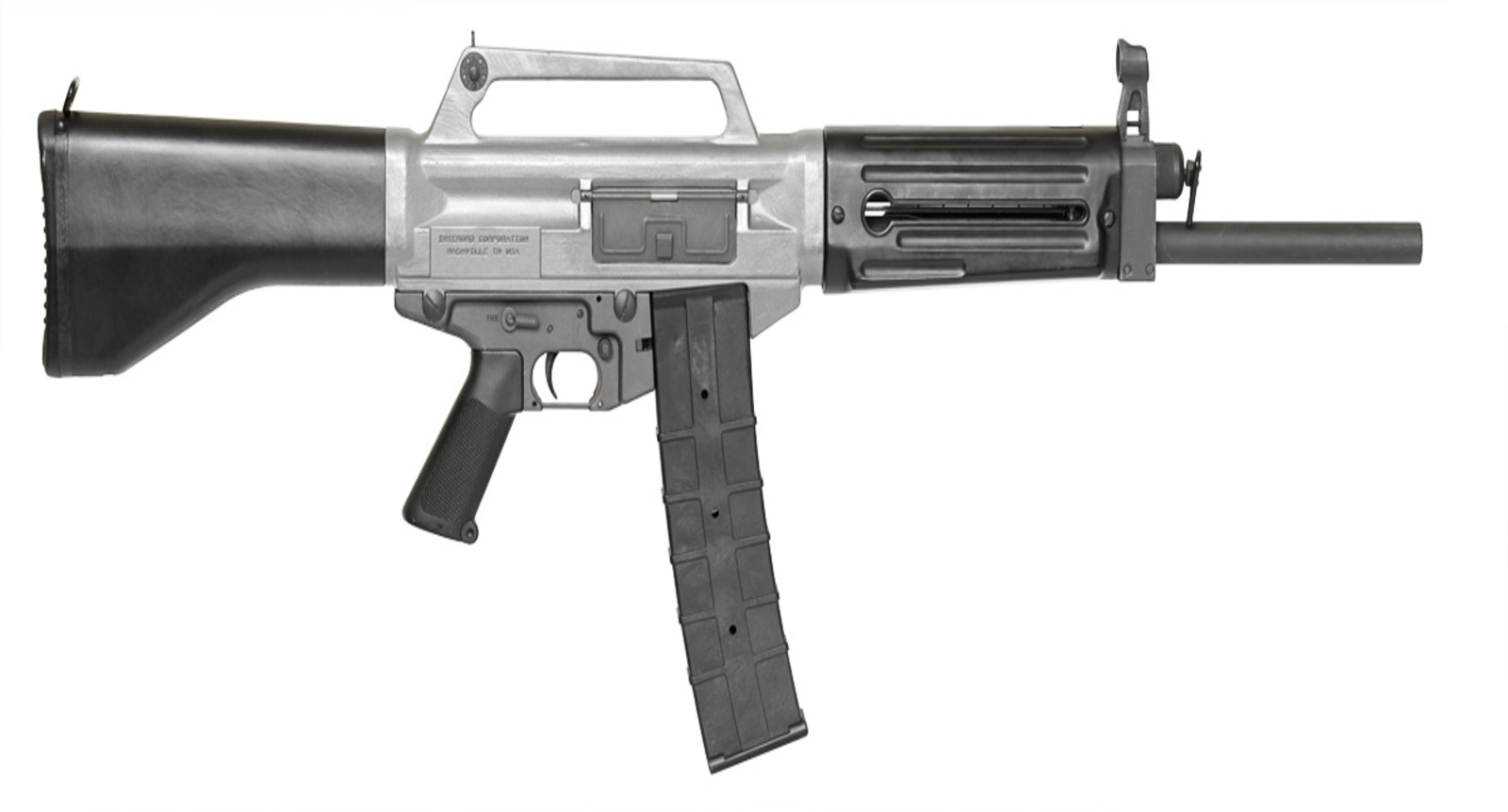
The USAS-12, designed by Maxwell Atchisson and built by Daewoo in South Korea, was a gas-operated shotgun fed by a 20-round drum or a 10-round box. It chambered 2¾-inch shells and carried an 18-inch barrel, and it weighed about 12 pounds, which tamed recoil. Automatic versions fired around 360 rounds per minute, so a drum emptied in just over 3 seconds. Its bulky steel construction looked menacing, and it saw little service. Daewoo made only a limited run before the design faded away. The U.S. classified it as a destructive device in 1994, which makes surviving guns rare. That scarcity makes it a legend. Registered examples often sell for $10,000 or more.
9. AA-12: The Full-Auto Powerhouse
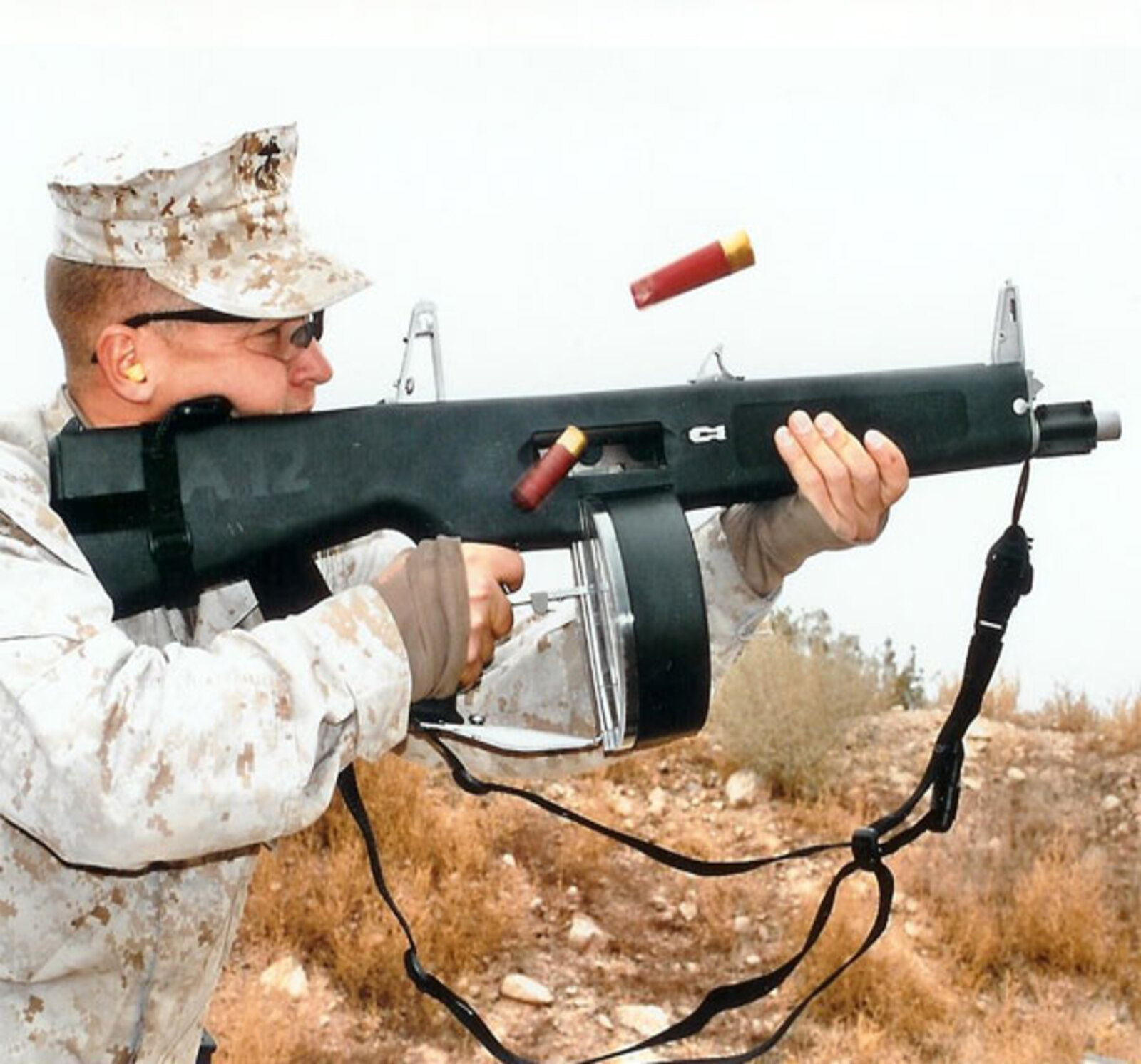
The AA-12 is the heavyweight of the bunch, a full-automatic 12-gauge that began on Maxwell Atchisson’s drawing board. It fires about 300 rounds per minute from a 32-round drum or an 8-round box, and the barrel is roughly 18 inches long. The gun weighs about 11 pounds unloaded, yet recoil is smooth because the gas system cycles an open bolt. Military trials paired it with FRAG-12 high-explosive shells, extending its reach. A full drum empties in around 6.4 seconds, so trigger discipline matters. Because it is a machine gun, civilian ownership is limited to tightly regulated channels, and most buyers are police and defense agencies.
10. Cobray Streetsweeper: The Revolving Cylinder Oddity
The Cobray Streetsweeper, based on South Africa’s Armsel Striker, used a spring-driven revolving cylinder rather than a magazine tube. The cylinder held 12 shells of 2¾-inch ammunition, which was twice the capacity of most pump guns of its era. A double-action trigger rotated the drum with each pull, and the 18-inch barrel kept the gun fairly handy. The weight landed near 9 pounds, so recoil felt manageable. Reloading was awkward, since shells went in one at a time through the rear of the cylinder. The mechanism is simple and surprisingly sturdy. The U.S. classified it as a destructive device in 1994, and registered examples now sell for $3,000 to $6,000.