Red dot optics have become an important feature of modern handguns, giving shooters a compact aiming option without relying exclusively on traditional iron sights. An optic-cut slide allows a compatible red dot to sit directly on the pistol or on a mounting plate designed for that model. However, not all mounting systems are alike. Some handguns use interchangeable plates, while others feature a more specific factory interface. The slide’s dimensions, optic compatibility, iron-sight arrangement, and overall design all influence how effectively a pistol accommodates a red dot. These 10 handguns illustrate different approaches to factory optics integration.
1. Glock 19 Gen5 MOS

The Glock 19 Gen5 MOS combines a compact 9mm platform with a factory slide prepared for a red dot. Its Modular Optic System uses adapter plates to accommodate compatible sight footprints, giving owners more flexibility than a slide cut for just one optic. The pistol has a standard magazine capacity of 15 rounds and a barrel measuring 4.02 inches. Its familiar controls, manageable dimensions, and broad accessory support make it a notable example of a mainstream handgun designed around optics compatibility. The correct MOS plate and screw specifications must be verified for the chosen sight.
2. Smith & Wesson M&P9 M2.0 Optics Ready

The Smith & Wesson M&P9 M2.0 Optics Ready demonstrates how a full-size handgun can integrate a red dot without abandoning conventional slide proportions. Depending on the exact version, its factory optic cut uses a compatible mounting plate to accommodate different footprints. A common full-size configuration features a 4.25-inch barrel and a 17-round magazine, although specifications vary across the M2.0 family. Its textured grip, interchangeable backstraps, and established design make the platform distinctive. Buyers should check the exact model’s factory plate arrangement rather than assume every M&P9 M2.0 slide accepts the same optic directly.
3. SIG Sauer P320 XCarry
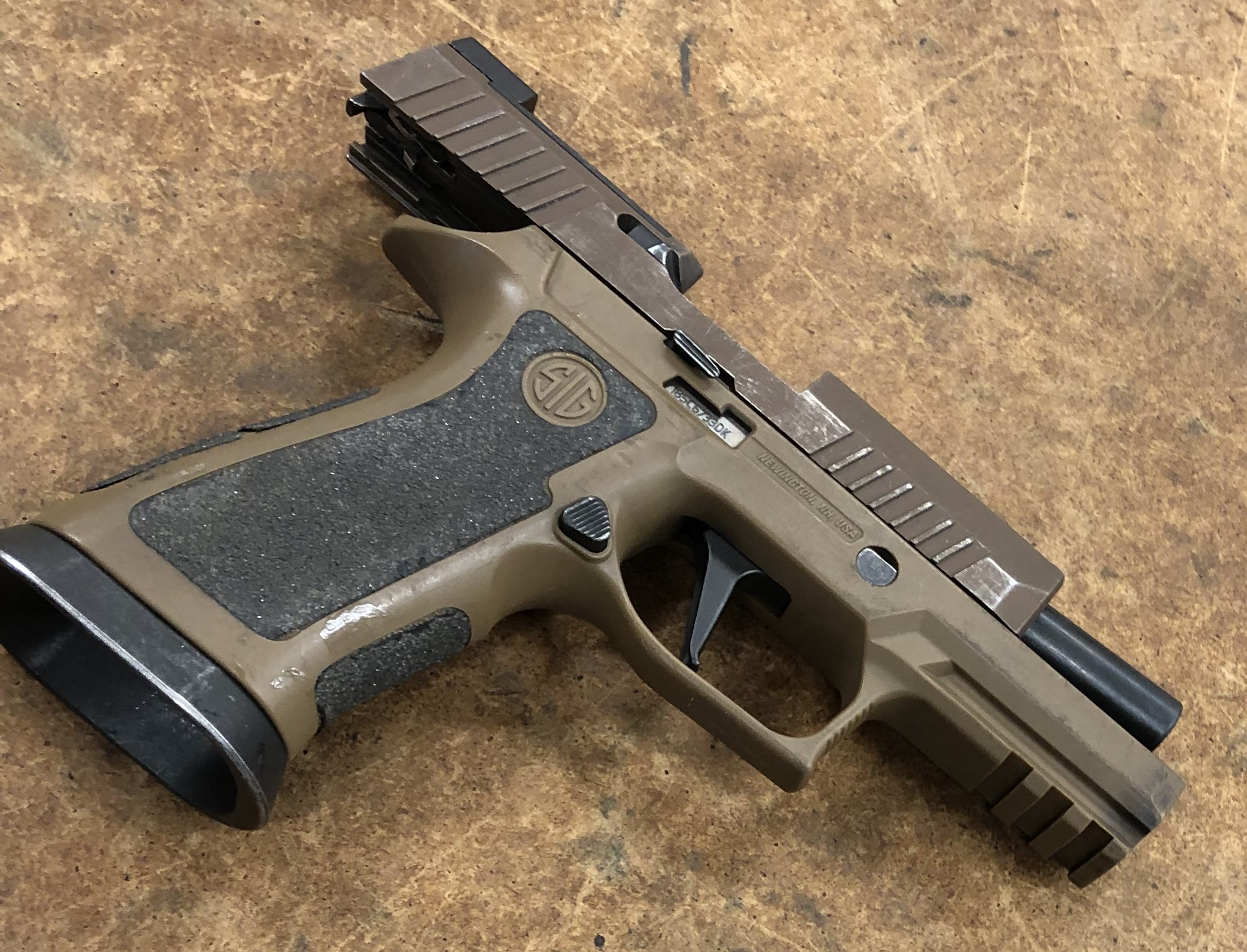
The SIG Sauer P320 XCarry highlights the relationship between an optics-ready slide and a modular handgun design. Depending on its production version, the pistol may use a factory optic interface intended for specific footprints or adapter arrangements, so the exact slide configuration matters. The XCarry is a 9mm model commonly associated with a 3.9-inch barrel and 17-round magazine. Its interchangeable grip modules and removable fire-control unit distinguish it from many conventional striker-fired handguns. For an optic-focused setup, the important detail is whether the particular slide supports the selected red dot directly or requires a compatible factory plate.
4. Springfield Armory Echelon
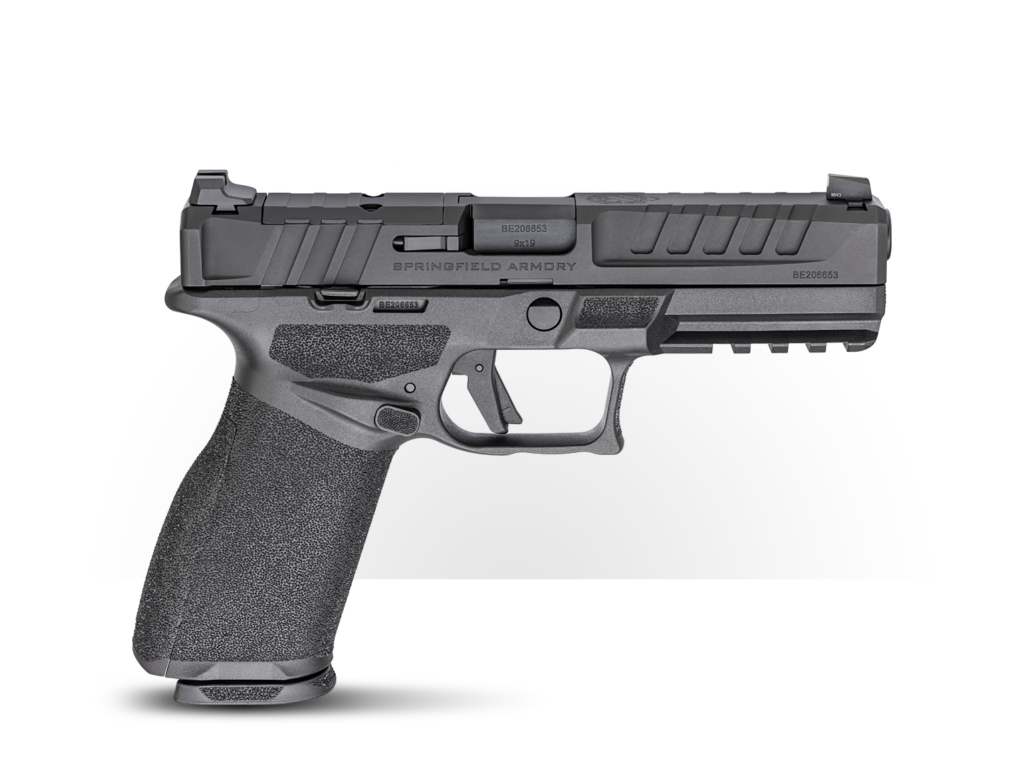
The Springfield Armory Echelon stands out for its Variable Interface System, which uses an array of mounting points and self-locking pins to support compatible optics. This approach differs from conventional systems that depend on a separate adapter plate for every footprint. The original full-size 9mm Echelon features a 4.5-inch barrel and a standard 17-round magazine, with other magazine options available. Its internal Central Operating Group also makes the pistol modular. The combination of a purpose-designed slide interface and a replaceable internal chassis makes the Echelon a particularly interesting example of factory optics integration. Exact compatibility still depends on the optic and model.
5. Walther PDP
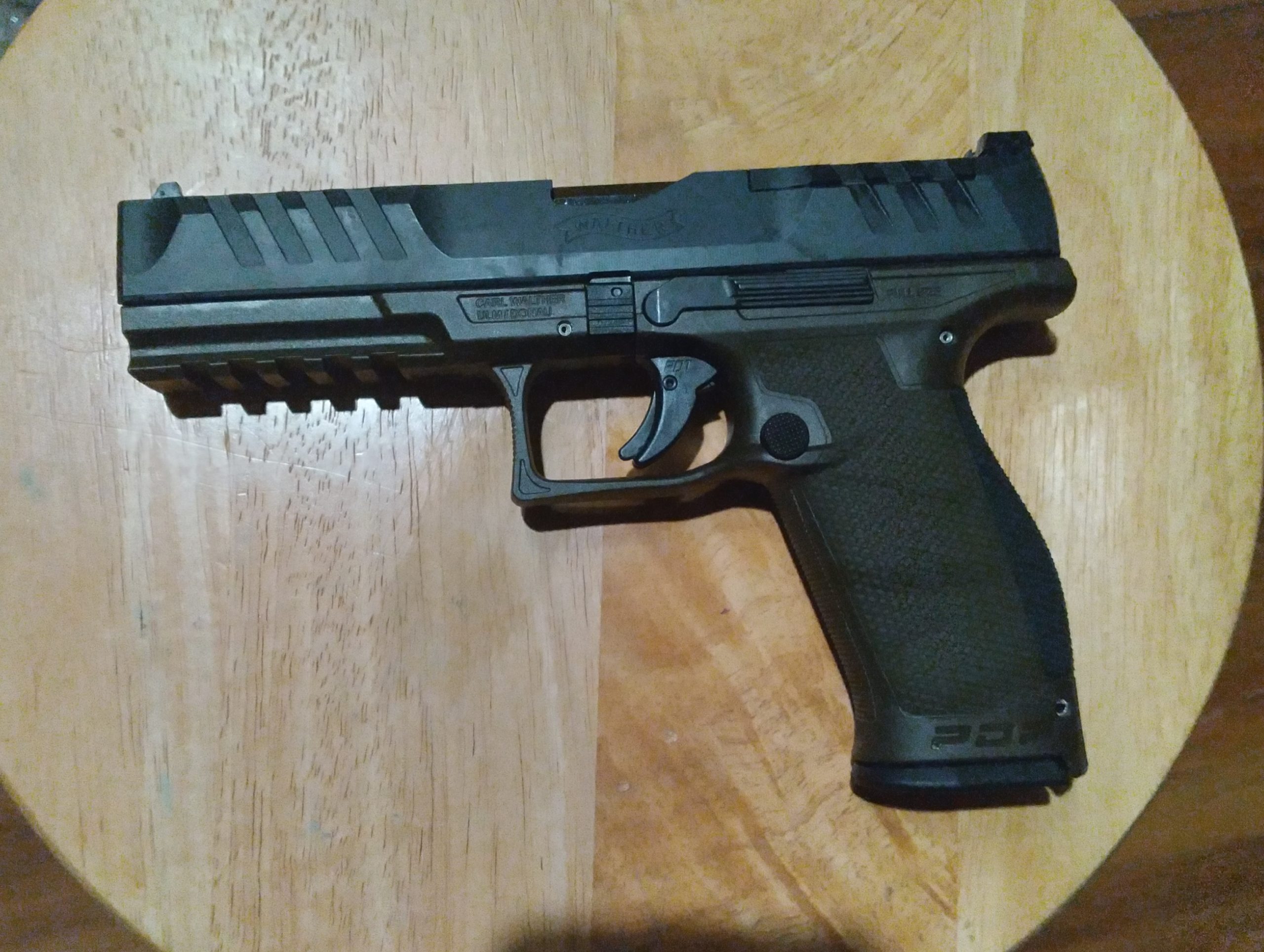
The Walther PDP was developed with modern sighting options in mind, and its optics-ready versions feature a factory-machined slide cut designed for compatible mounting plates. The full-size 9mm model is available with a 4.5-inch barrel and a 18-round magazine, while compact versions offer different dimensions and capacities. Its distinctive slide serrations, ergonomic grip, and Performance Duty Trigger give it an identity beyond its optic provisions. The mounting arrangement depends on the slide generation and exact model, making compatibility checks essential before choosing a red dot. The PDP illustrates how slide design and established handgun ergonomics can work together.
6. FN 509 Tactical
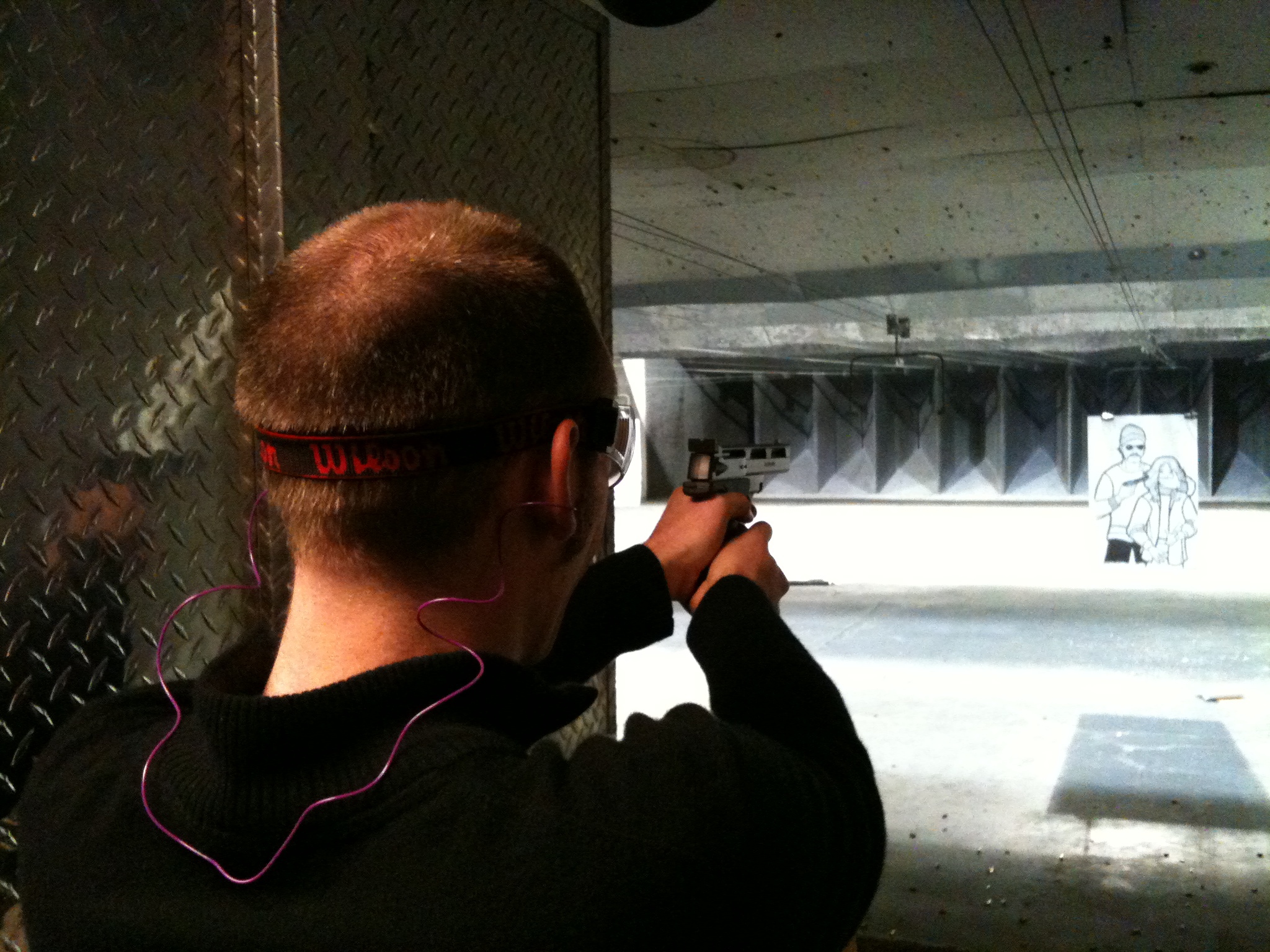
The FN 509 Tactical brings factory optics compatibility to a handgun originally developed around demanding service-pistol requirements. Its Low-Profile Optics Mounting System uses interchangeable plates to accommodate supported red dot footprints, rather than relying on one universal cut. The 9mm Tactical model features a 4.5-inch threaded barrel and typically includes 17- and 24-round magazines, depending on the package and market. Suppressor-height sights and an accessory rail further distinguish its configuration. The slide’s mounting system is central to its appeal, but buyers should confirm the plate number, optic footprint, and screw specifications for their particular model.
7. CZ P-10 C Optics Ready
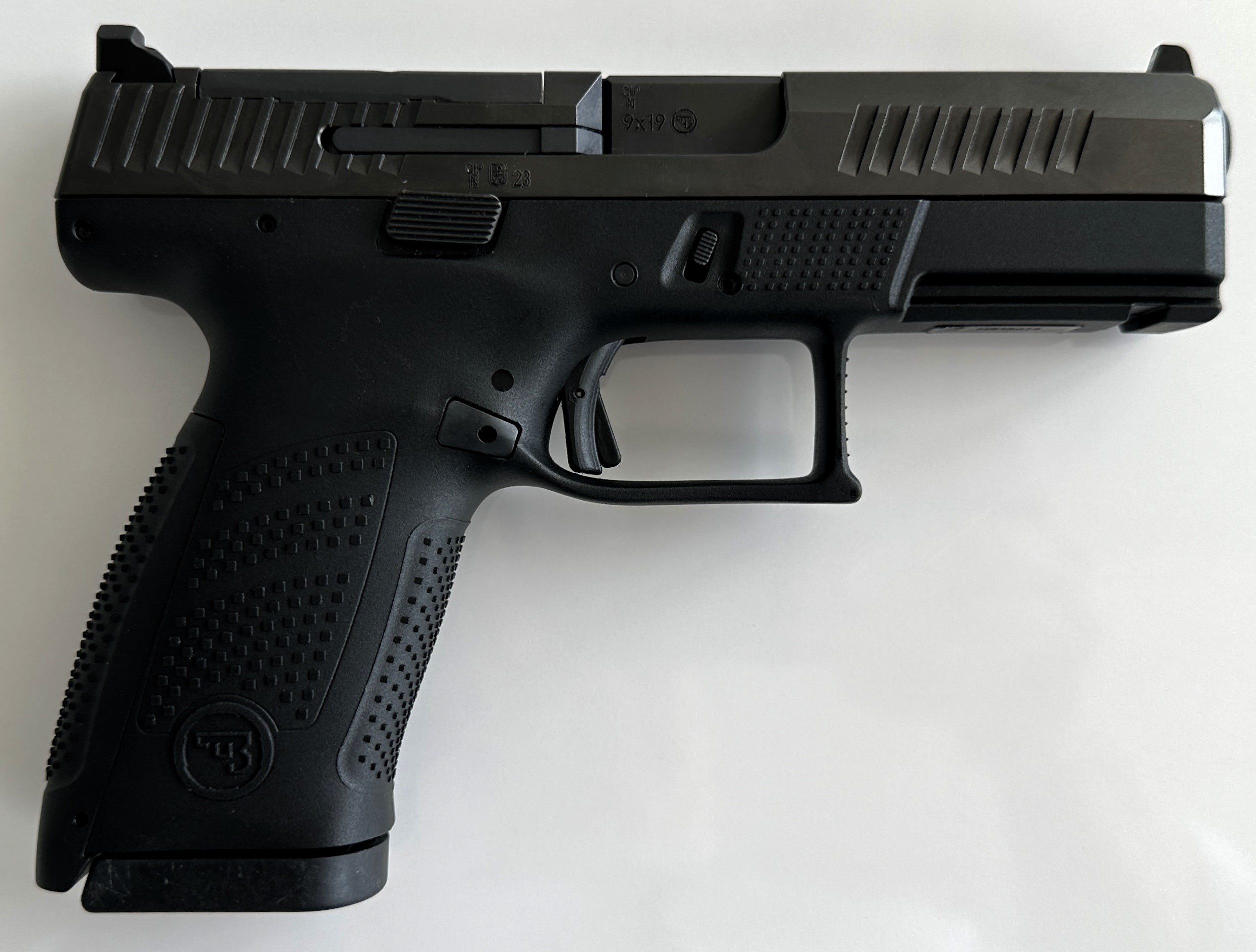
The CZ P-10 C Optics Ready pairs a compact 9mm frame with a factory-prepared slide that supports compatible red dot mounting plates. Its standard configuration has a 4.02-inch barrel and a 15-round magazine, although capacity and features can differ by market. The pistol’s grip shape, relatively low-profile design, and conventional striker-fired operation make it a distinctive option in the compact category. Its optic system is worth examining because an optics-ready designation does not mean every sight attaches directly to the slide. The correct CZ-compatible plate must match the specific slide and chosen footprint.
8. Canik METE SFx
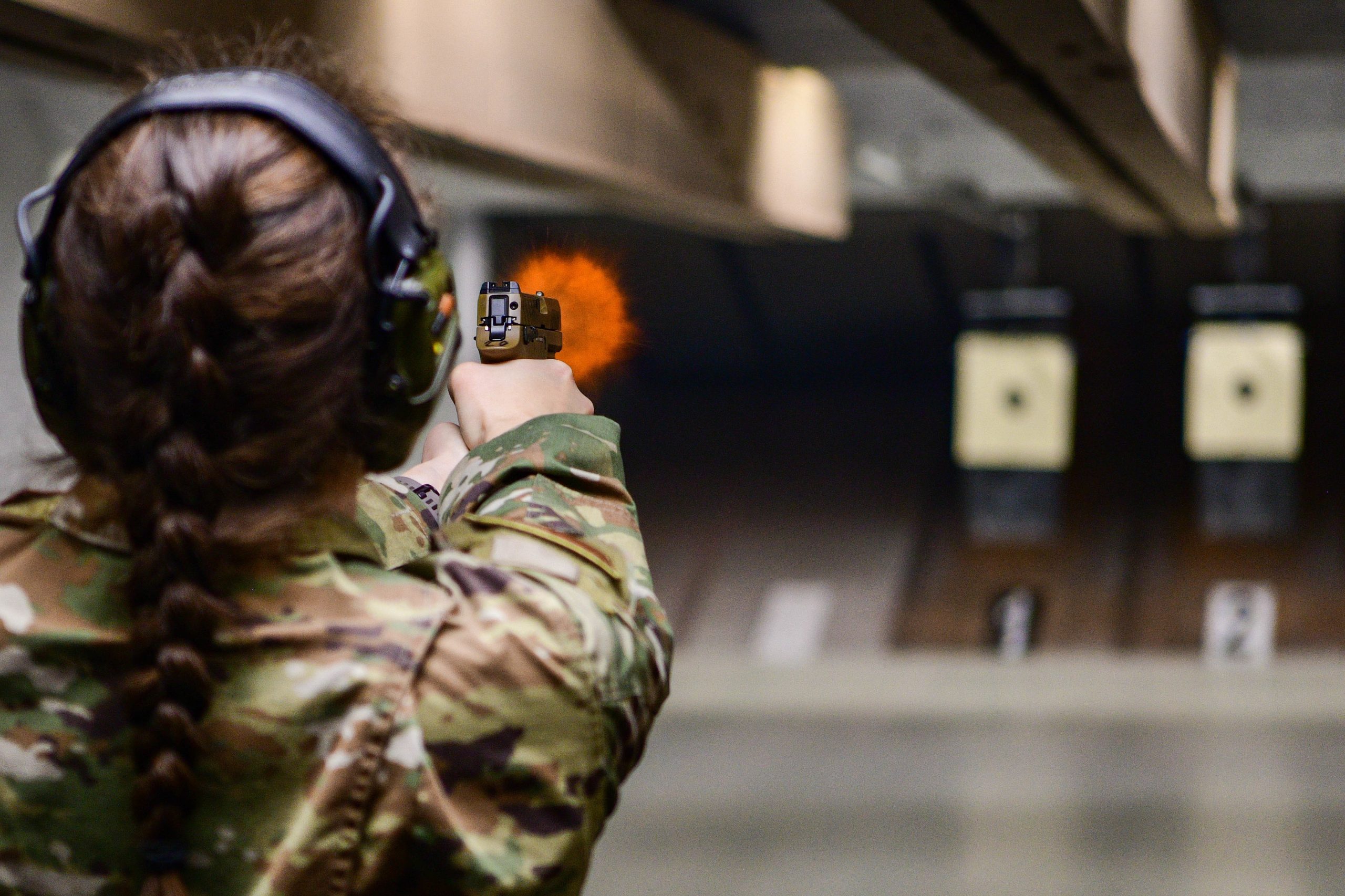
The Canik METE SFx shows how a competition-oriented handgun can incorporate red dot compatibility as a factory feature. Its 9mm configuration includes a 5.2-inch barrel and a standard 18-round magazine, with additional capacity options available in some packages. The factory optic cut is designed for compatible sights and mounting arrangements, while the METE series is known for including useful accessories in many retail packages. Its longer slide gives the model a different profile from compact carry pistols. Buyers should verify which plates, mounting hardware, and optic footprints are included with the specific version, since package contents and compatibility can vary.
. Beretta APX A1 Full Size
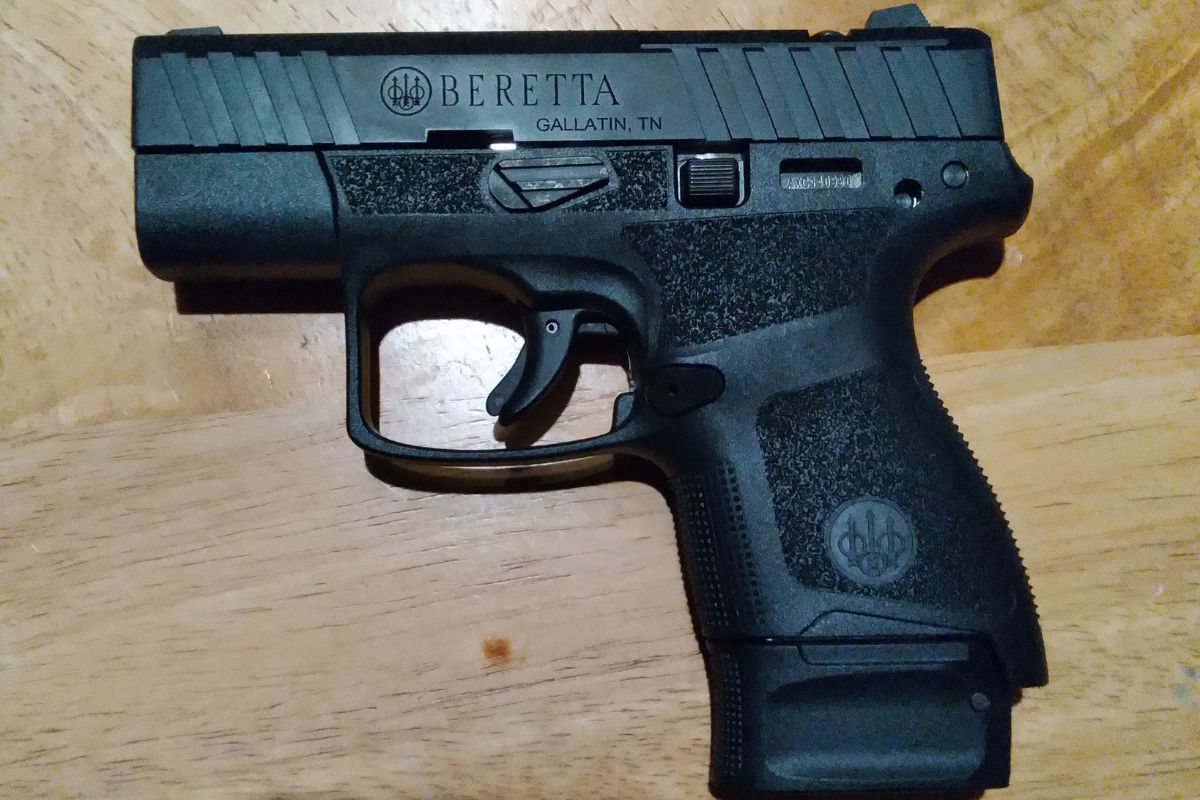
The Beretta APX A1 Full Size brings the Italian manufacturer’s striker-fired design into the factory optics-ready category. Its 9mm configuration features a 4.25-inch barrel and a 17-round magazine, with specifications varying by regional version. The optics-ready slide uses a compatible mounting interface, allowing supported red dots to be fitted through the appropriate plate system. Its pronounced slide serrations and interchangeable grip backstraps provide additional practical design details. The key distinction is that the optic cut must match the sight’s footprint and the pistol’s specific generation. That makes the APX A1 a useful example of factory integration without assuming every red dot fits every APX variant.
10. Ruger RXM
The Ruger RXM takes a modular approach to handgun construction, combining a 9mm platform with a removable internal fire-control unit and a grip module developed with Magpul. Its factory optic-ready slide is designed to support compatible red dots, giving the pistol an important feature beyond its familiar striker-fired layout. The standard configuration uses a 4.5-inch barrel and a 15-round magazine. Unlike a conventional handgun with a permanently integrated frame, the RXM’s modular architecture allows the grip module to be changed while retaining the serialized fire-control unit. Buyers should confirm the specific optic interface and mounting requirements before selecting a sight.