A lot of old guns once looked like clutter in a closet, a farm tool past its prime, or just another hand-me-down nobody wanted to store. Years later, some of those same firearms became prized collector pieces with stories, craftsmanship, and price tags that make former owners wince. This gallery looks at 10 guns people probably wish they had kept, not just for value, but for the history they carried with them.
Colt Single Action Army
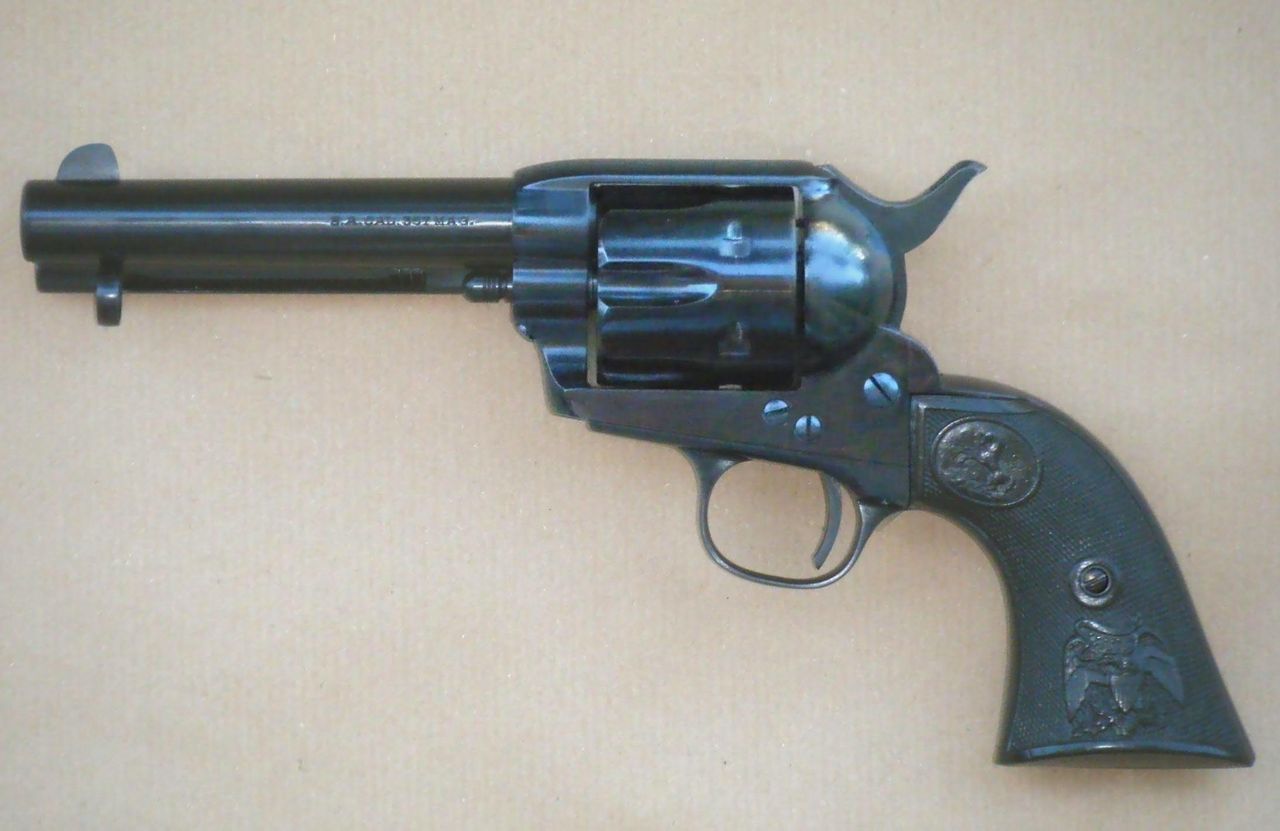
Few handguns carry the same mythic status as the Colt Single Action Army. For decades, plenty of families treated these revolvers like old ranch gear, selling them off cheaply or trading them away with little ceremony. That seemed reasonable at the time, especially when newer handguns felt more practical.
Then collectors pushed values higher, and the revolver’s connection to the American West made it even more desirable. Original finish, matching parts, and military or frontier provenance can change everything.
What makes the regret sting is that even worn examples often have serious appeal. A revolver that once sat forgotten in a dresser drawer can now represent history, craftsmanship, and a surprisingly expensive goodbye.
Winchester Model 1873
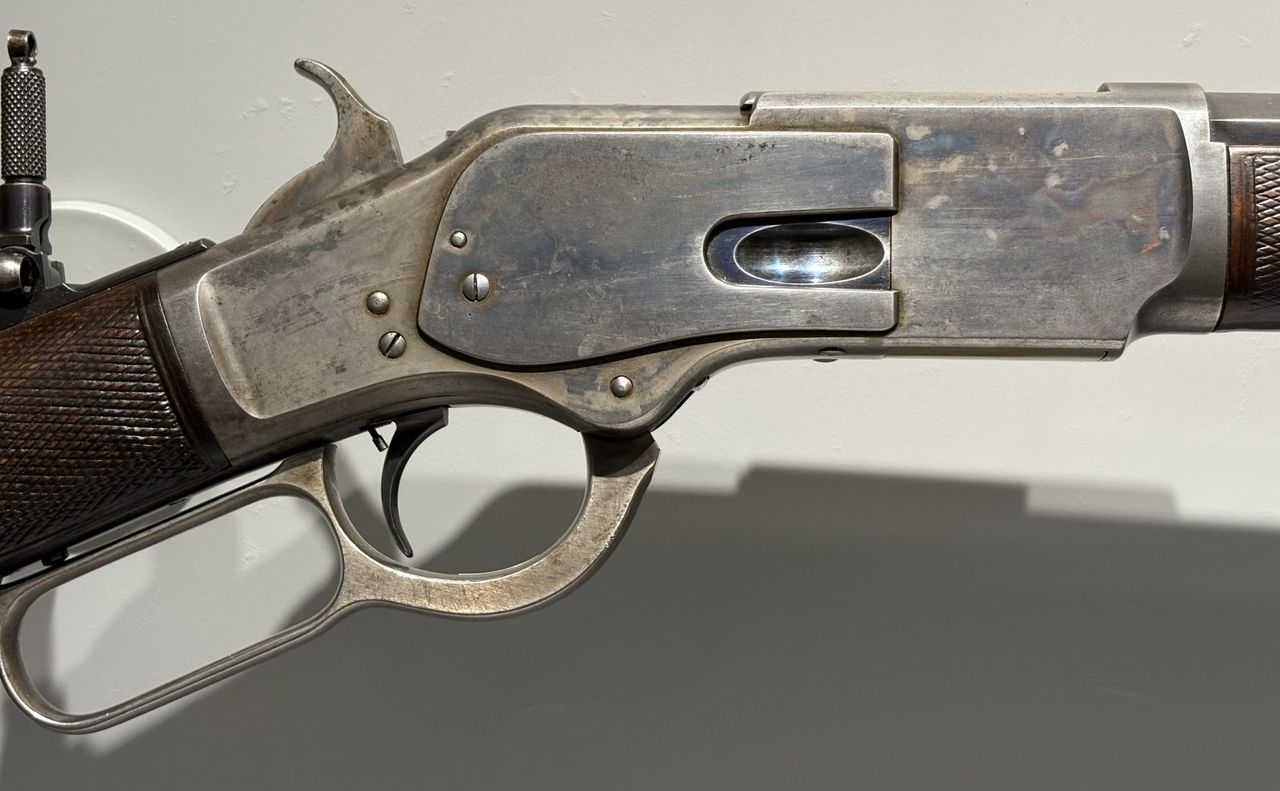
The Winchester Model 1873 earned its legendary reputation honestly. It became one of the most recognizable lever actions in American history, yet many surviving rifles were once treated as everyday utility guns rather than future collectibles.
That is why so many changed hands casually at estate sales, farm auctions, and garage cleanouts. Owners often saw an old rifle with finish wear, not a landmark firearm with strong demand among enthusiasts.
Today, originality matters enormously, and special configurations can command startling prices. Even common examples have a romance attached to them that newer rifles cannot imitate, which makes letting one go feel like giving away a tangible piece of the frontier story.
M1 Garand
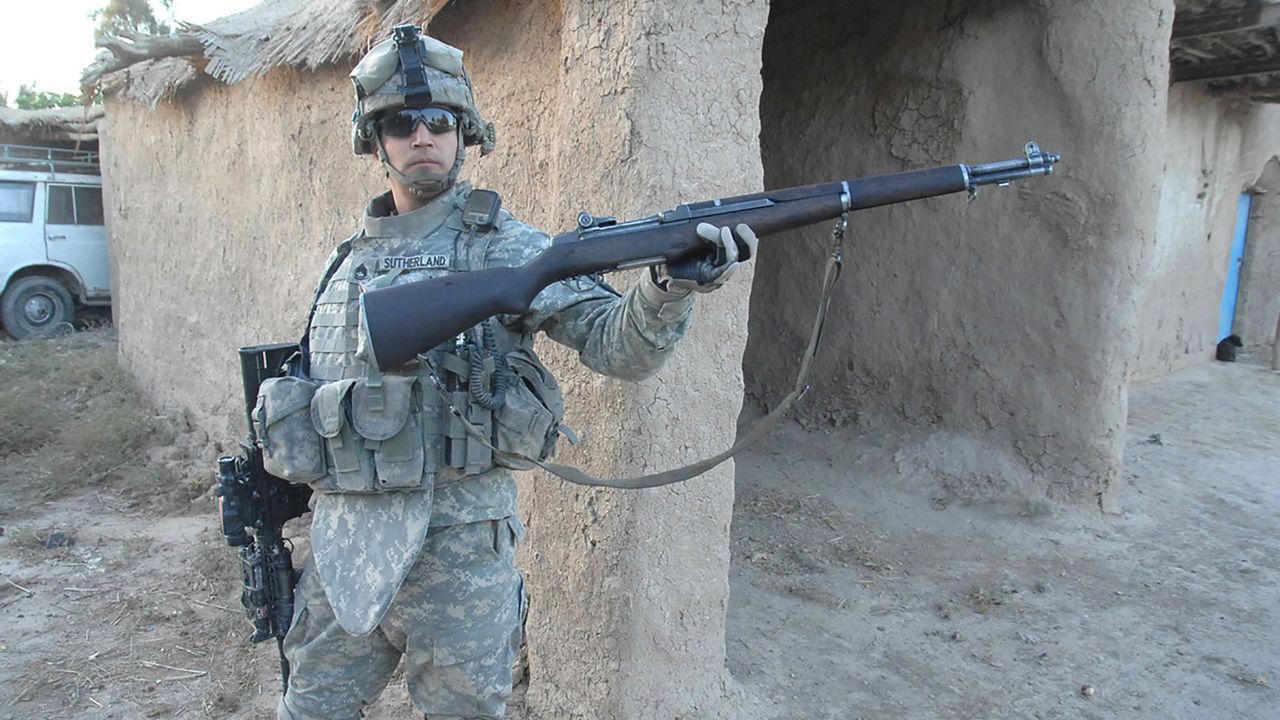
The M1 Garand spent years in that dangerous category of objects people assumed would always be easy to find. Veterans brought them home through legal channels, families inherited them, and some owners later sold them off because they seemed heavy, old-fashioned, or redundant.
That view changed as military history collecting grew and people gained a deeper appreciation for World War II and Korean War artifacts. The Garand is not just another surplus rifle. It is one of the defining service rifles of the 20th century.
Condition, manufacturer, and documented service history all matter, but even standard examples carry emotional weight. Once one leaves the family, it often takes its stories with it, and that is a hard thing to repurchase.
Luger P08
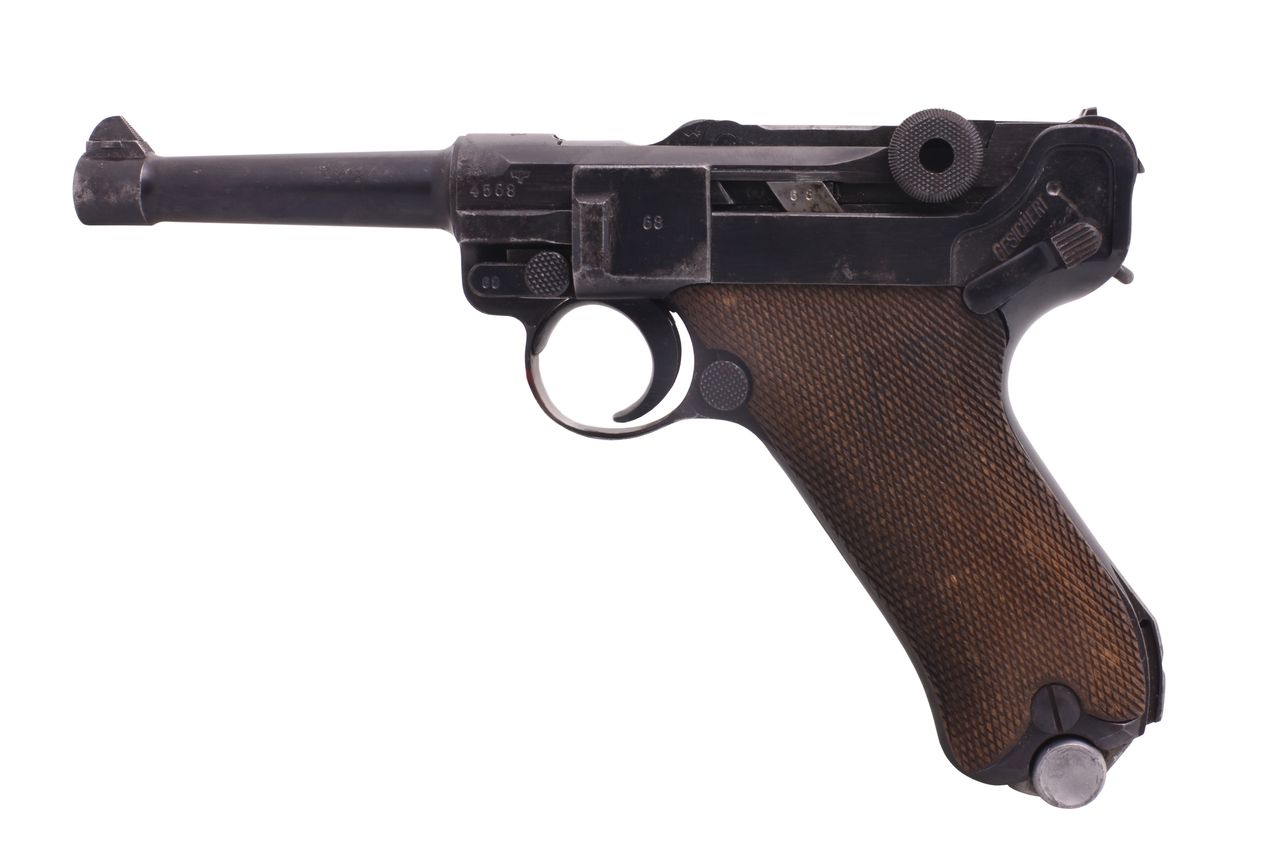
The Luger P08 has a silhouette that instantly signals collector interest. Still, many examples entered American homes as war trophies or inherited keepsakes, and for years they were sometimes sold without much thought beyond clearing space or converting an old item into quick cash.
That casual attitude did not last. Matching numbers, original magazines, unit markings, and wartime provenance can turn an ordinary-looking Luger into a major collectible. Even examples with wear tend to draw attention because of their mechanical design and historic associations.
People who let one go often discover too late that replacing it is neither simple nor cheap. The pistol’s value lives in the details, and those details are easy to underestimate during a rushed sale.
Colt Python
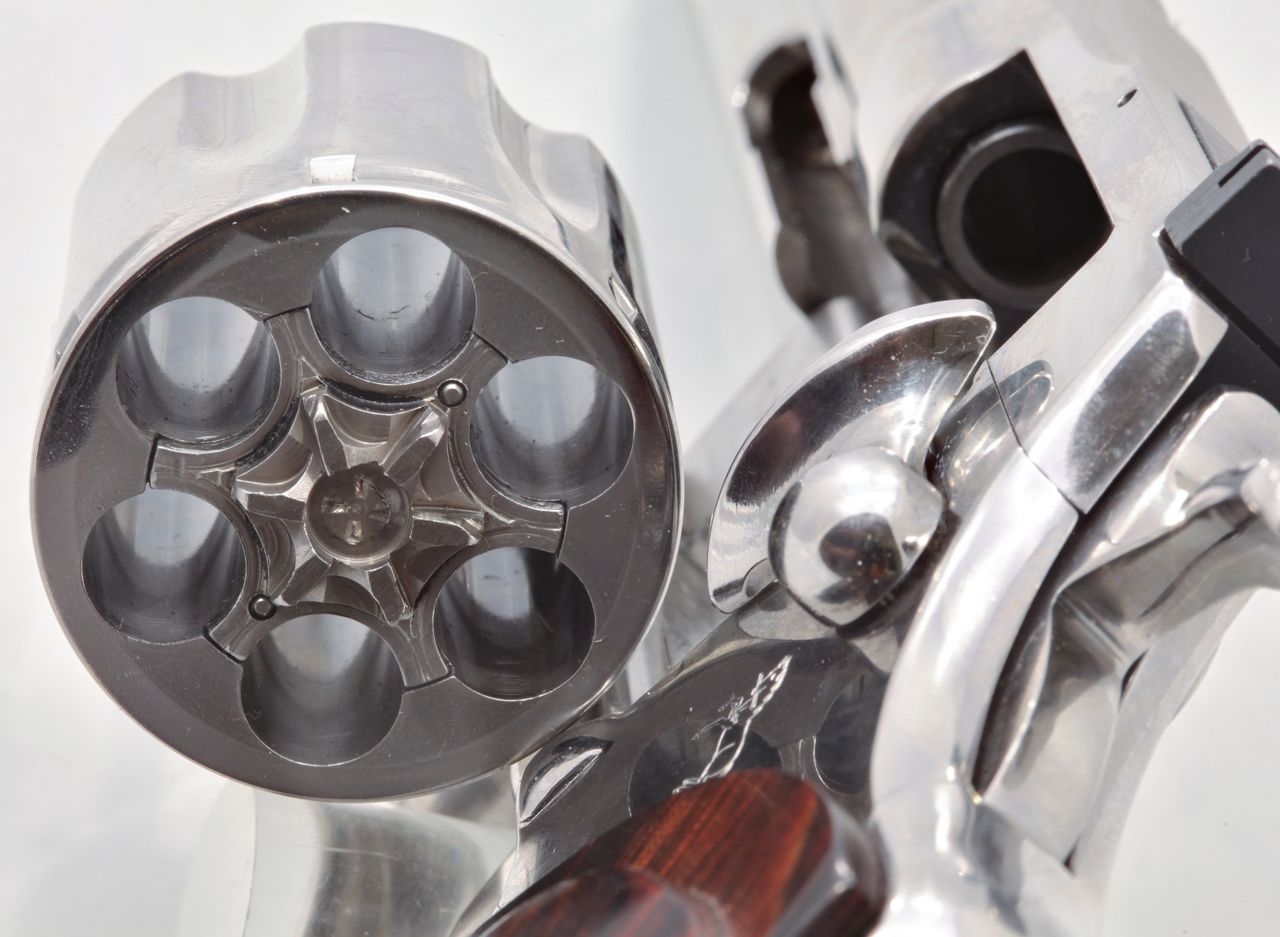
There was a time when the Colt Python was appreciated mainly as a very nice revolver, not the near-mythical collector piece it later became. Owners traded them, modified them, or sold them off to fund newer purchases, assuming another one could always be found down the road.
Then the market changed. Shooters and collectors alike started chasing the Python for its finish, trigger, and overall prestige, especially older examples in strong original condition.
That combination of beauty and scarcity created a wave of regret for people who parted with theirs too soon. A revolver once viewed as merely premium became iconic, and iconic firearms have a way of making former owners replay old decisions in painful detail.
Winchester Model 12
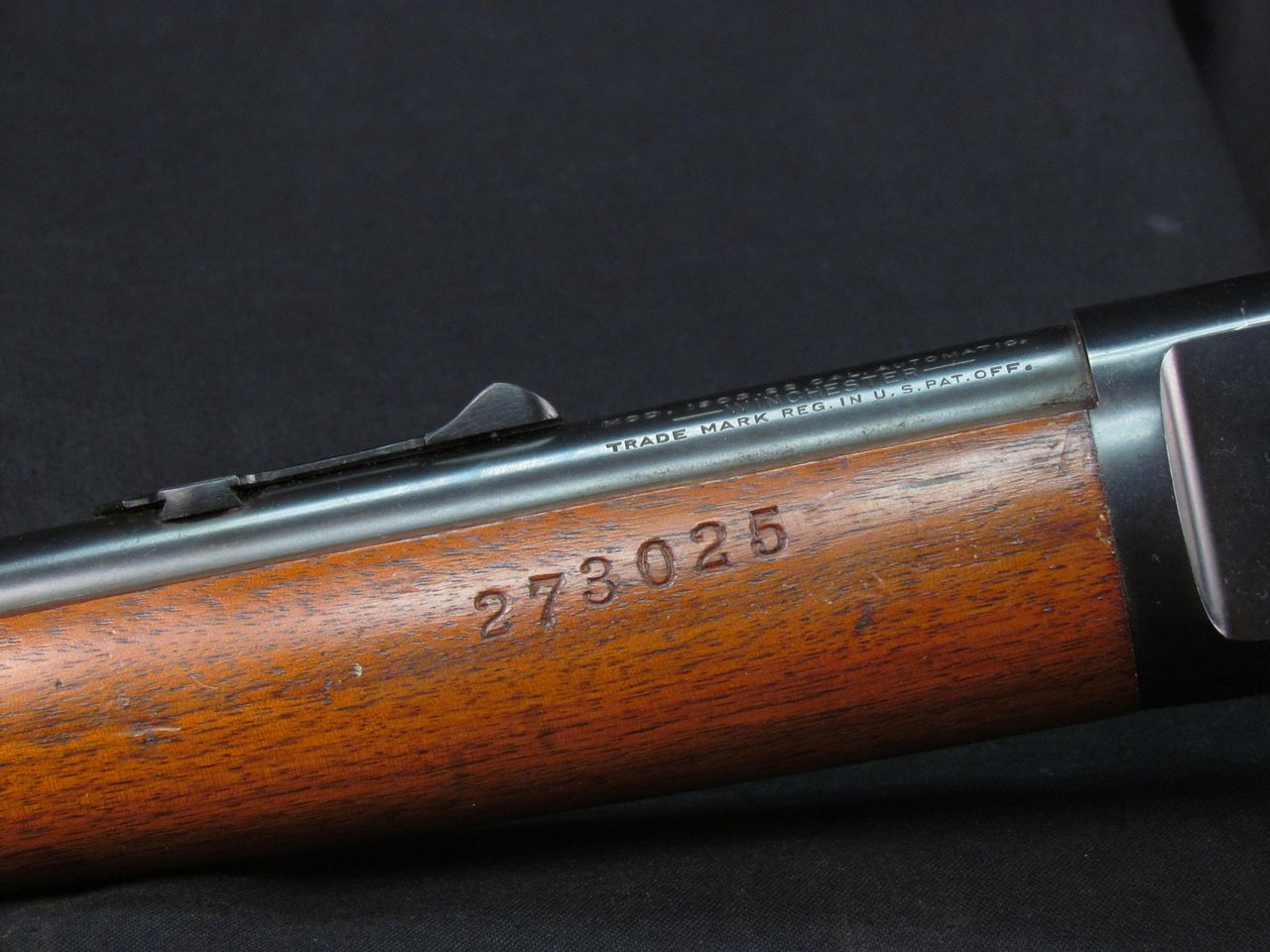
The Winchester Model 12 was so common and so capable that many people never imagined it would become especially cherished. It was a working shotgun, plain and reliable, the kind of gun that rode in trucks, visited duck blinds, and spent years in family closets.
That everyday usefulness is exactly why so many were sold off without much ceremony. But as classic pump guns gained appreciation, the Model 12’s reputation for quality and smooth operation only grew stronger.
Collectors now pay close attention to gauge, barrel length, configuration, and condition. More important, longtime shooters remember how these guns felt in the hands. Giving one away often means losing a shotgun that blended utility, nostalgia, and craftsmanship better than most modern replacements.
Smith & Wesson Registered Magnum
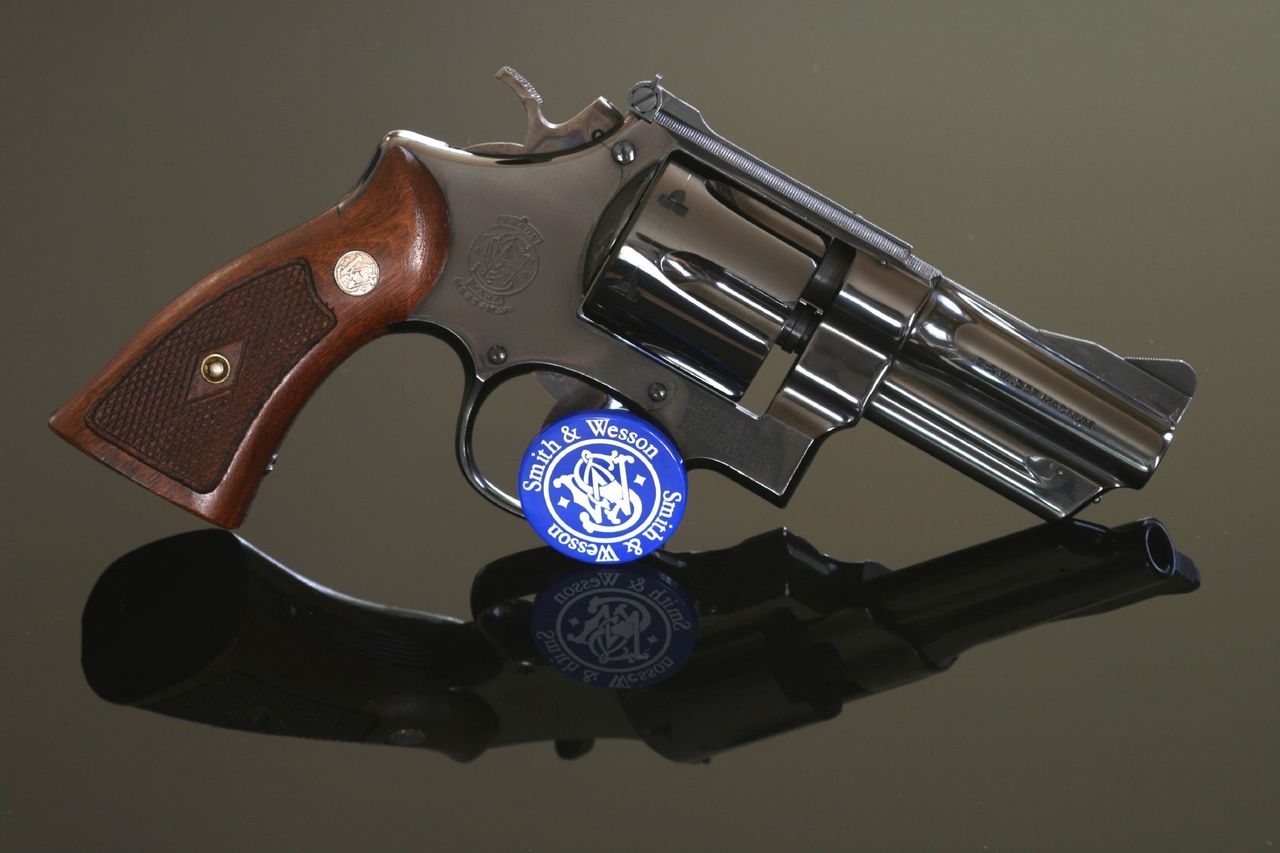
The Smith & Wesson Registered Magnum was never an ordinary revolver, but many people outside collector circles did not fully grasp what made it special. Inherited examples were sometimes mistaken for just another old wheelgun and sold with minimal research.
That is a painful mistake because these revolvers occupy an important place in handgun history. Their early magnum pedigree, custom-order features, and serial-numbered registration all contribute to intense collector interest.
Once documentation is gone and the gun has changed hands, rebuilding the full story can be difficult. Owners who let one slip away often learn afterward that they did not part with a generic revolver at all. They gave up a landmark piece of American firearms development.
Browning Auto-5
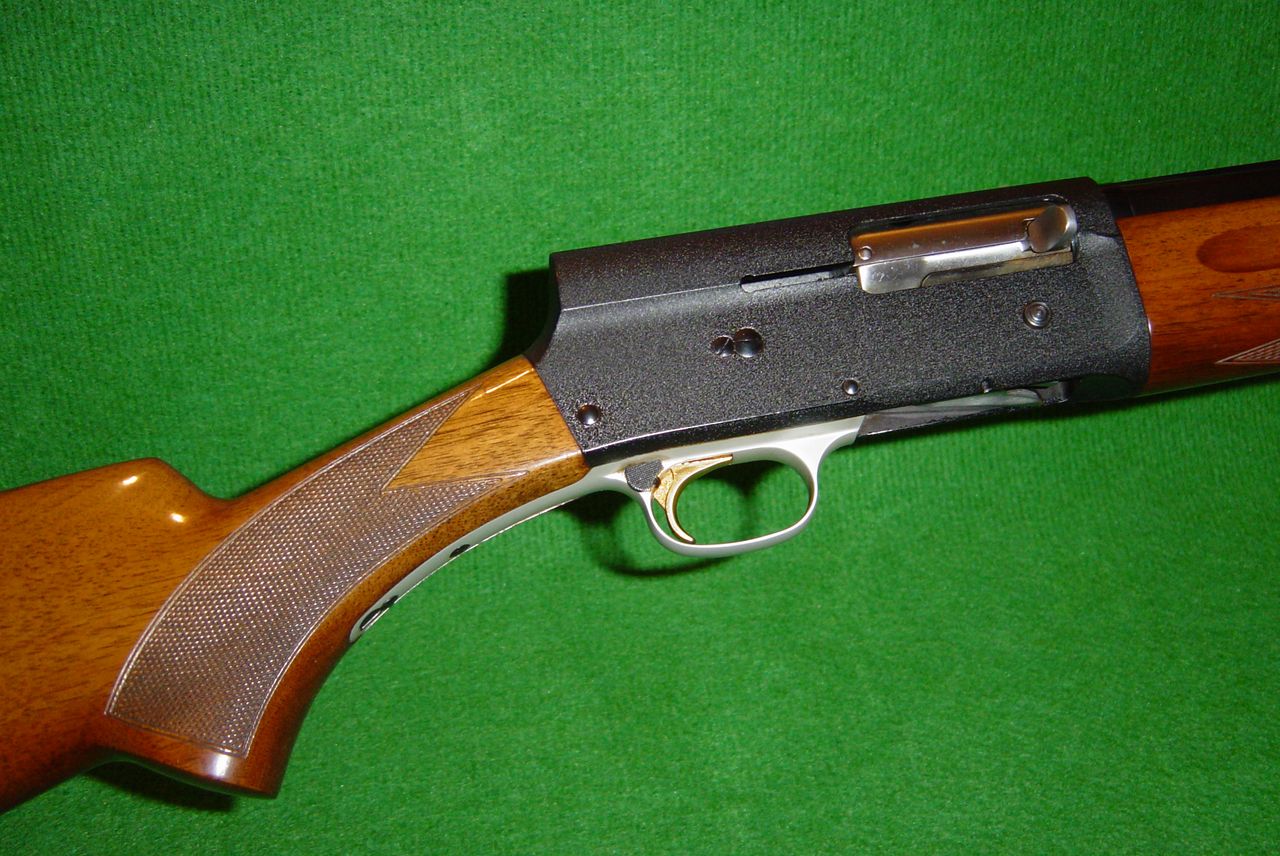
The Browning Auto-5 was one of those guns that lived a long practical life, which made it easy to overlook. Plenty of owners viewed it as an old semi-automatic shotgun from a previous generation and moved it along when tastes shifted to lighter, newer designs.
But the Auto-5 has a devoted following for good reason. Its profile is unmistakable, its history is deep, and John Browning’s influence gives it a design pedigree collectors and hunters still admire.
Belgian-made examples in particular can spark strong demand, especially when condition remains honest and original. People who gave one away often realize later that they parted with more than a shotgun. They gave up a beautifully engineered classic with real staying power.
Springfield 1903
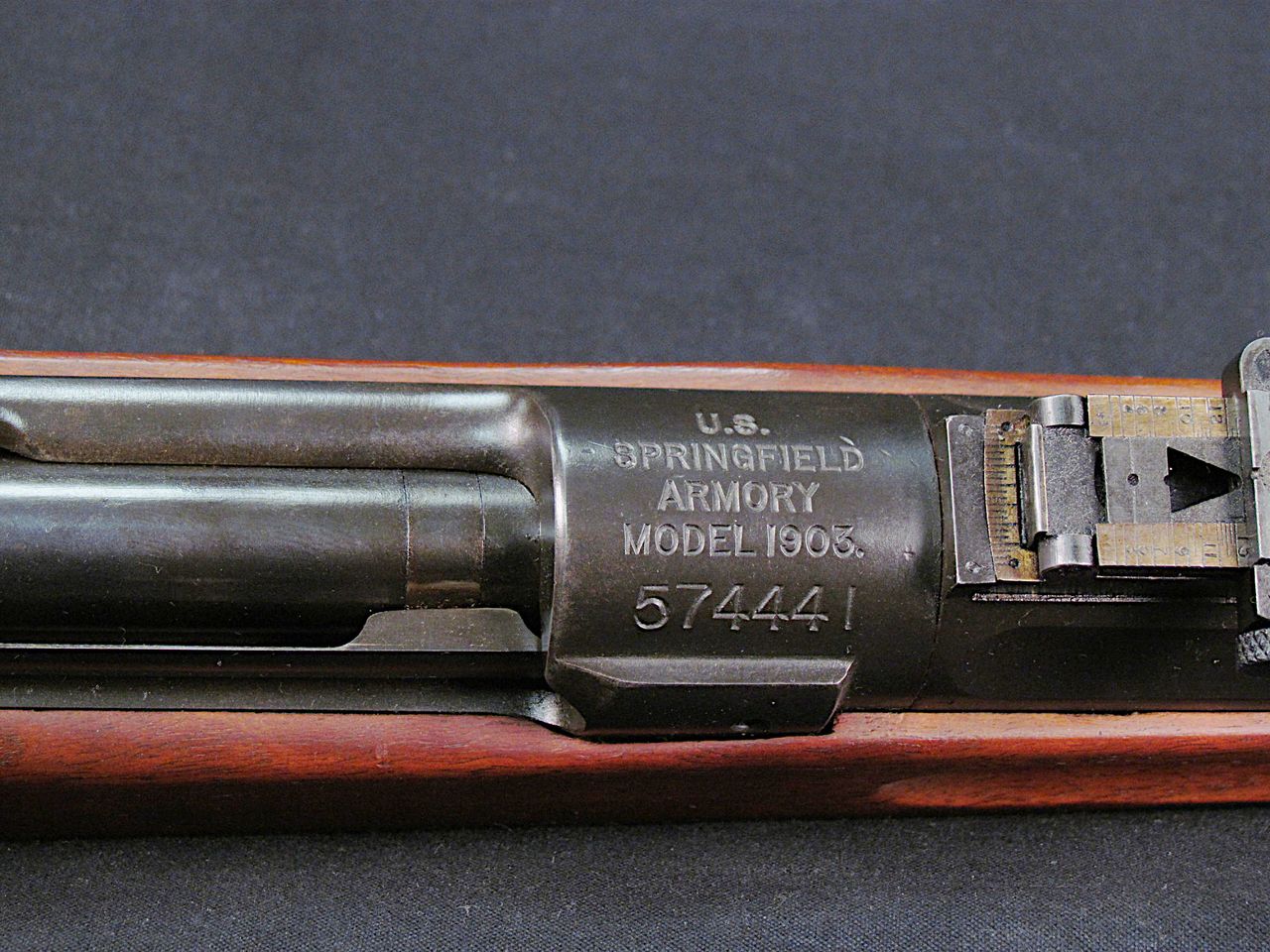
The Springfield 1903 spent years in the shadow of flashier collector favorites, which helped many examples leave families at modest prices. Some were sporterized, some were traded, and some were sold because they looked like surplus leftovers from a distant era.
Today, original military examples tell a very different story. Their role in U.S. service history, especially through World War I and beyond, gives them a gravity that casual sellers often missed.
The details matter enormously here, from stock configuration to barrel date to arsenal markings. A rifle that seemed merely old can turn out to be deeply significant. That is why former owners so often discover that selling a Springfield 1903 was not a cleanup decision. It was a historical loss.
Original Henry Rifle
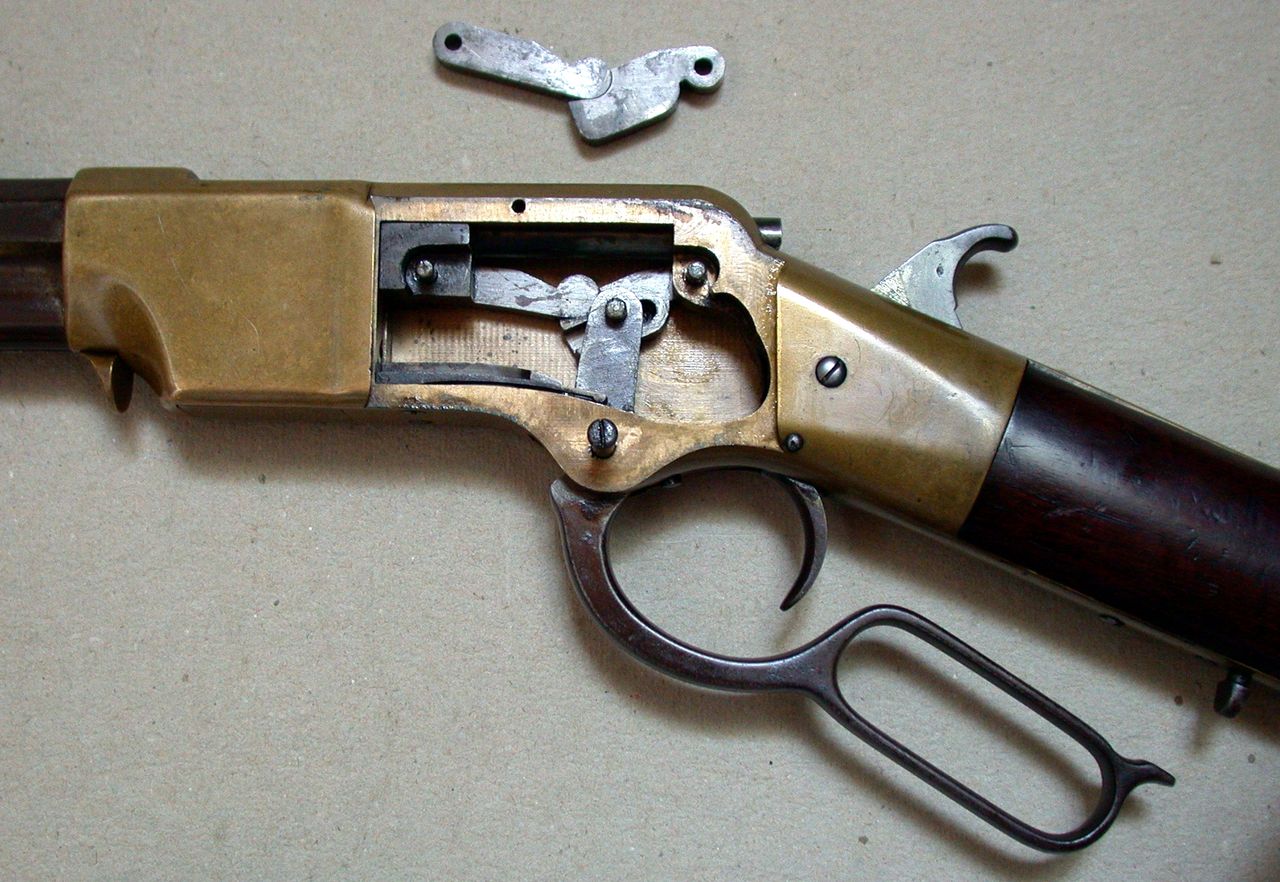
If there is one firearm on this list that practically guarantees regret, it is the original Henry rifle. Even in rough condition, these rifles carry extraordinary historical presence, yet a surprising number once moved through families without anyone fully understanding what sat in the attic or safe.
That ignorance was expensive. The Henry’s Civil War era roots, rarity, and direct link to the development of repeating rifles place it in an elite collector category.
Very few guns combine scarcity, innovation, and visual charisma this effectively. Once an original Henry is gone, replacing it usually means entering a market few people can afford. For the families who sold one too casually, the lesson arrived many years and many dollars too late.