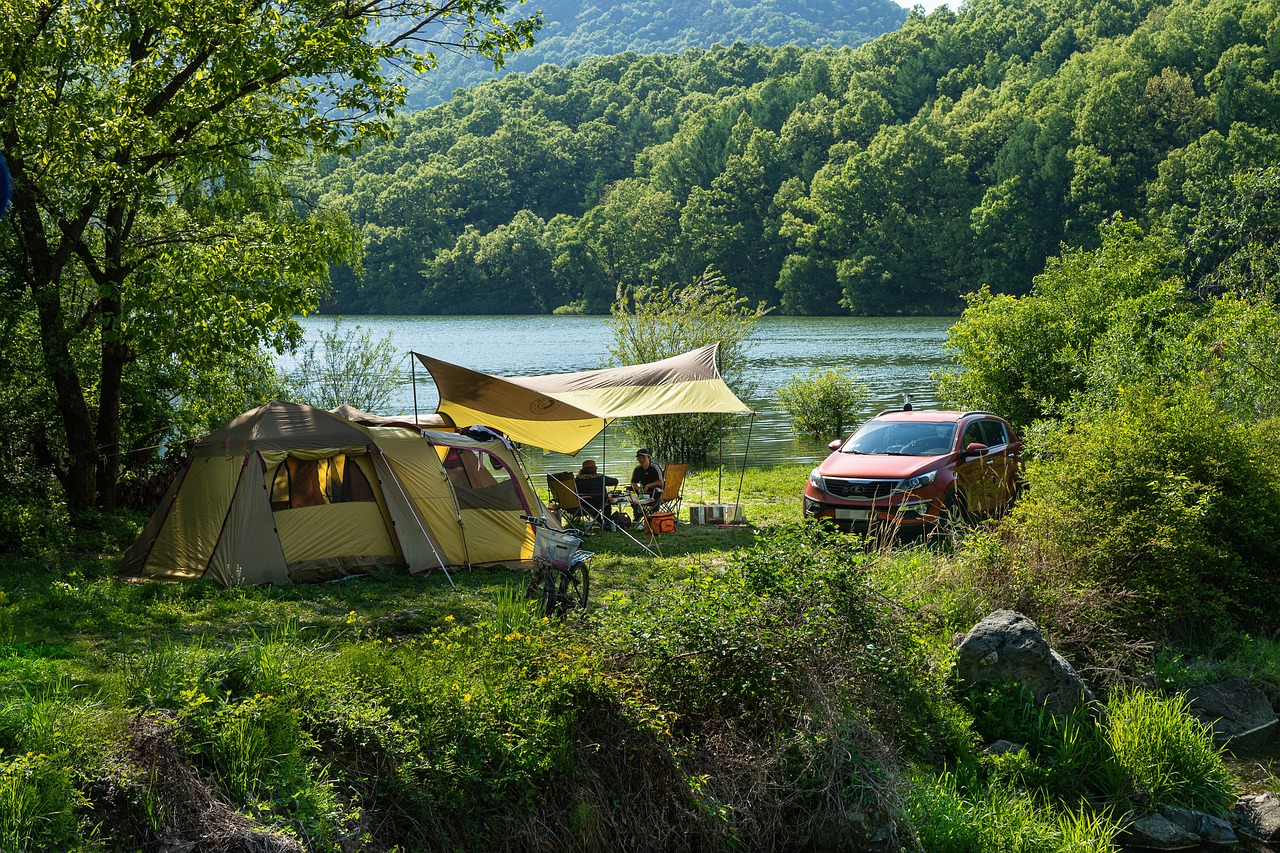
Longtime camp hosts see the best and worst of campground behavior, and many say that simple rules would make everyone’s experience far better. Campgrounds are shared spaces, and many issues come from careless actions that disrupt others or damage the environment. These rules are not meant to limit fun but to keep camps safer, cleaner, and more enjoyable. When visitors understand the work hosts put in and follow basic etiquette, the entire campground feels more welcoming for everyone.
1. Respect Quiet Hours at All Times

Camp hosts often say quiet hours are the most ignored rule, even though they help every visitor sleep well. Loud voices, music, and engines echo easily through campsites, especially at night when the air is still. Hosts constantly remind people that a campground is not the same as a backyard gathering. Keeping noise low after posted hours helps families with kids, early rising hikers, and older campers rest comfortably. Following quiet hours is a simple courtesy that makes a huge difference for everyone.
2. Keep Campsites Clean Before Leaving
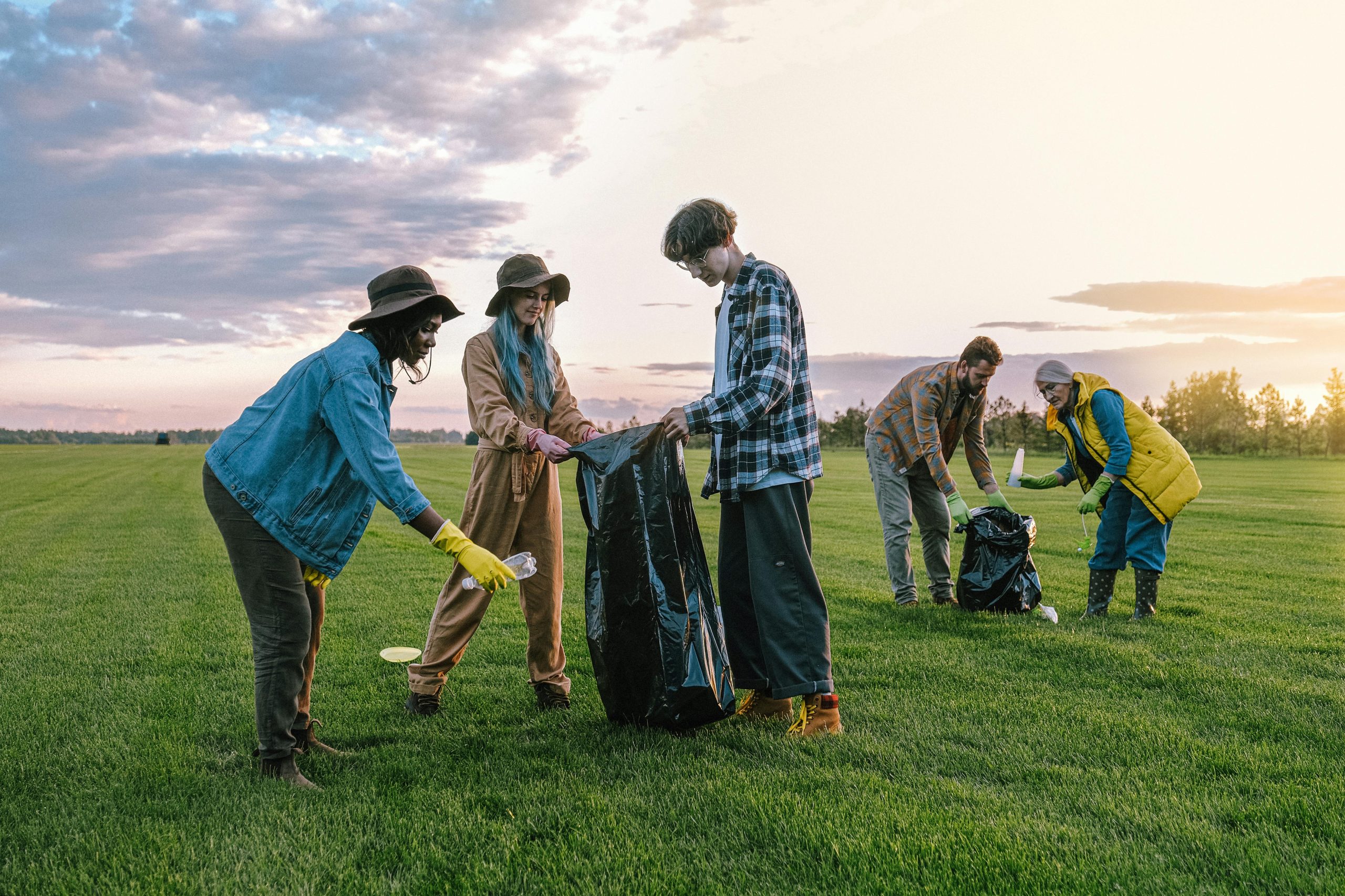
Veteran hosts explain that a surprising number of campers leave behind food scraps, wrappers, and scattered gear. These leftovers attract wildlife and create extra cleanup work that delays check-in for the next visitors. A good rule is to leave the campsite looking better than when you arrived. Hosts appreciate campers who pack out trash, shake out linens responsibly, and wipe down tables. Clean campsites help protect animals, reduce pests, and ensure the campground stays healthy for future visitors.
3. Use Fire Pits Safely and Responsibly

Improper fire use is one of the most stressful issues for hosts who must constantly monitor flames during dry conditions. Many visitors forget that even a small ember can drift into nearby brush or pine needles. Hosts urge campers to build fires only in designated rings, keep water nearby, and never leave a burning log unattended. Fully extinguishing a fire until the ashes are cool to the touch prevents many emergencies. Responsible fire habits protect both the land and fellow campers.
4. Follow Pet Etiquette Consistently
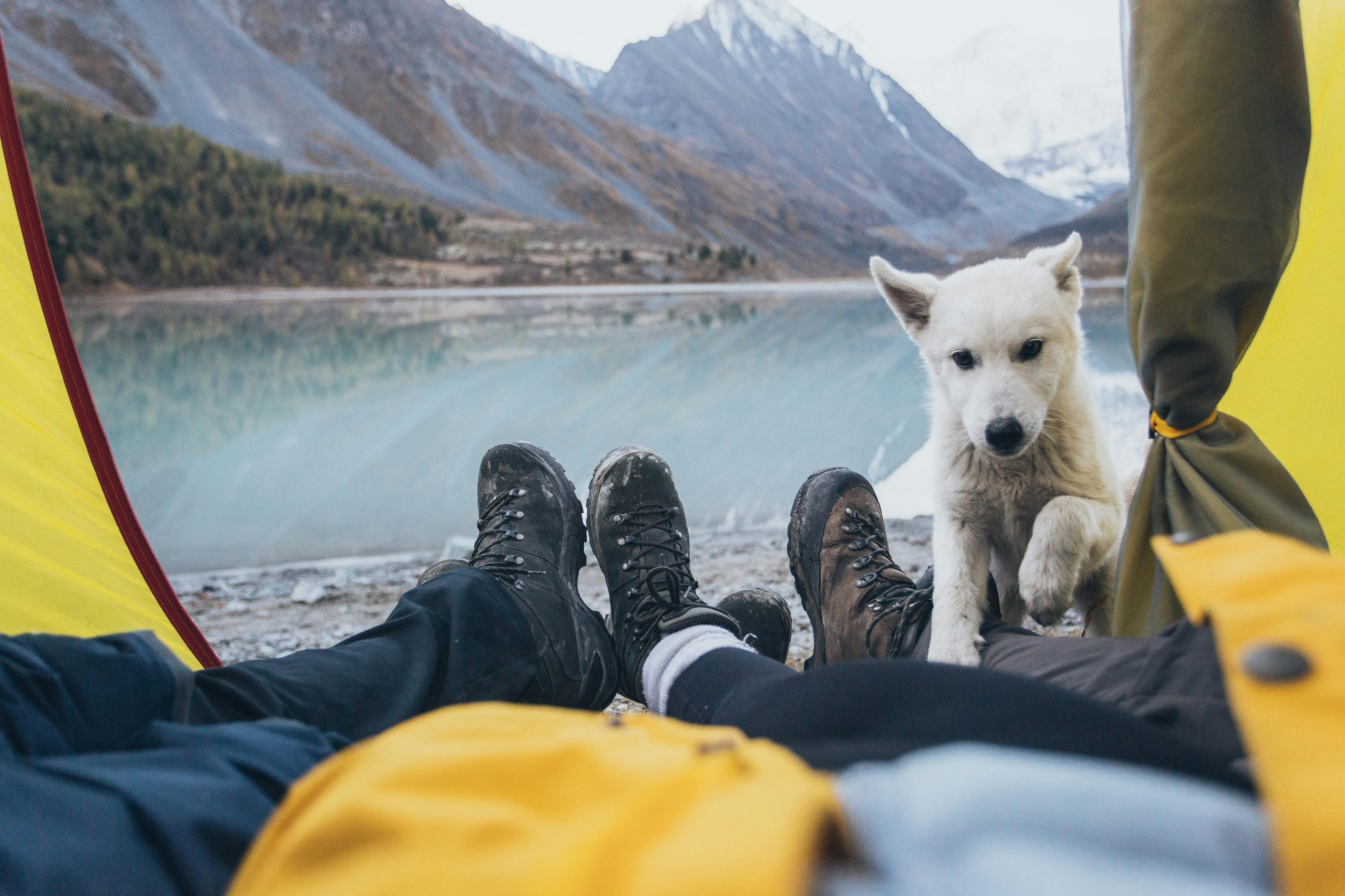
Hosts love friendly dogs but say pet problems are among the most frequent complaints. Barking in the early morning, off-leash wandering, and uncollected waste create tension between visitors. Keeping pets leashed, especially in high-traffic areas, prevents accidents and wildlife encounters. Cleaning up after pets helps maintain sanitary campsites and keeps other guests comfortable. Being considerate with pets shows respect for both the campground rules and the people sharing the space with you.
5. Do Not Cut Trees or Gather Green Wood

Many visitors mistakenly think cutting branches or stripping bark is harmless, but hosts see long-term damage accumulate over time. Green wood does not burn well and injures living trees that the park relies on for shade and habitat. Hosts encourage campers to use purchased firewood or gather only small, dead, fallen sticks when allowed. Protecting trees helps maintain a healthy forest environment so campsites remain natural, scenic, and safe for years to come.
6. Keep Food Stored Properly at All Times

Hosts often deal with animals that learn to expect free meals from careless campers. Improper food storage attracts raccoons, squirrels, and sometimes larger wildlife, depending on the region. Coolers left open or food left on the table create messes that hosts must handle. Using storage lockers or sealed bins keeps everyone safer by preventing animals from associating campsites with easy food. Responsible storage helps preserve natural wildlife behavior and protects visitors from unwanted encounters.
7. Park Only in Designated Areas
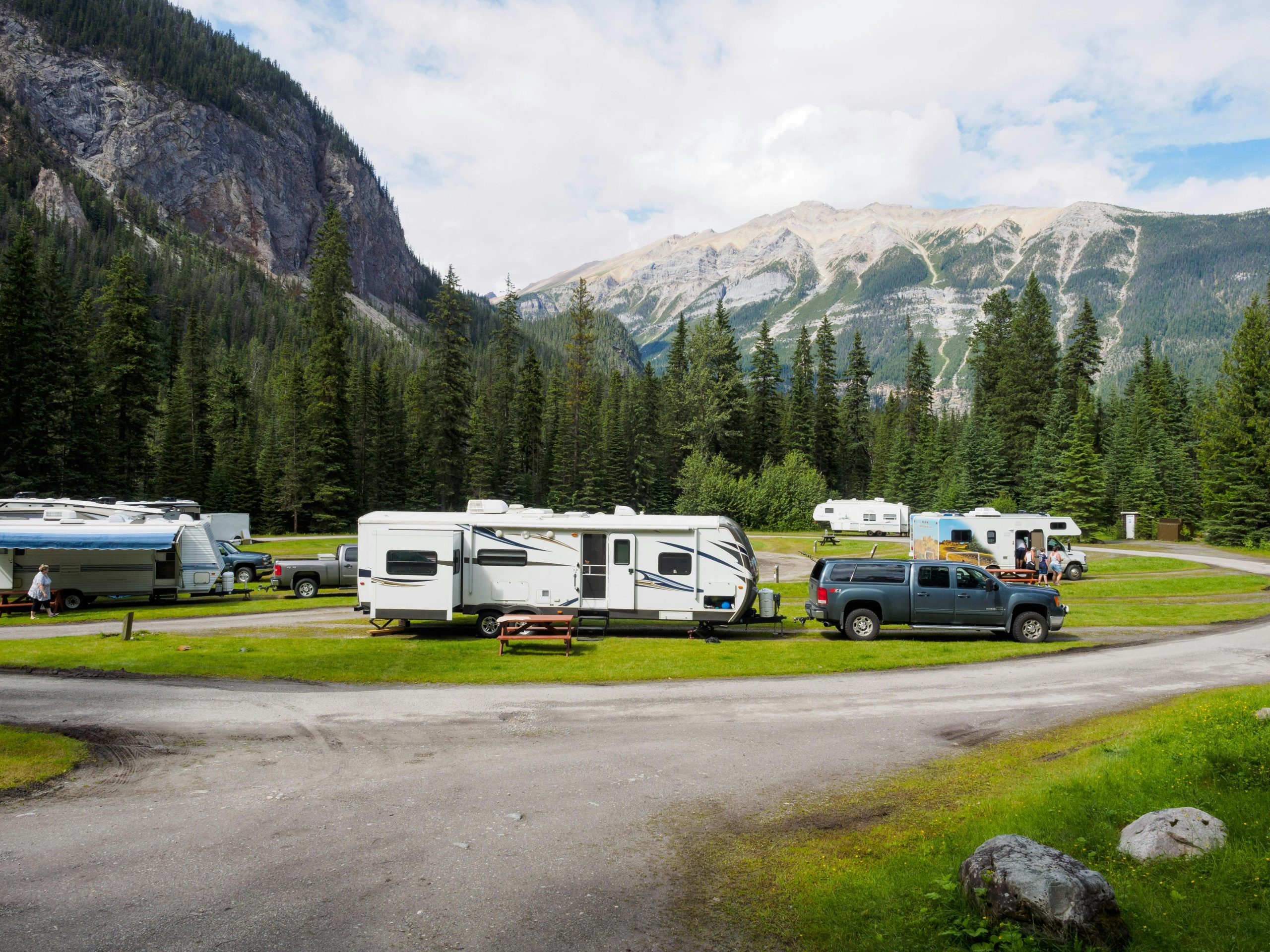
Camp hosts often struggle with visitors who squeeze vehicles into spots that damage vegetation or block access roads. Parking outside designated areas may seem harmless, but it limits emergency vehicle access and creates tripping hazards for other campers. Hosts work hard to maintain clear pathways so campers can move around easily. Choosing the correct parking spot ensures the environment stays protected and the campground remains organized. It is a small action that supports safety and campground order.
8. Respect Boundaries Between Campsites
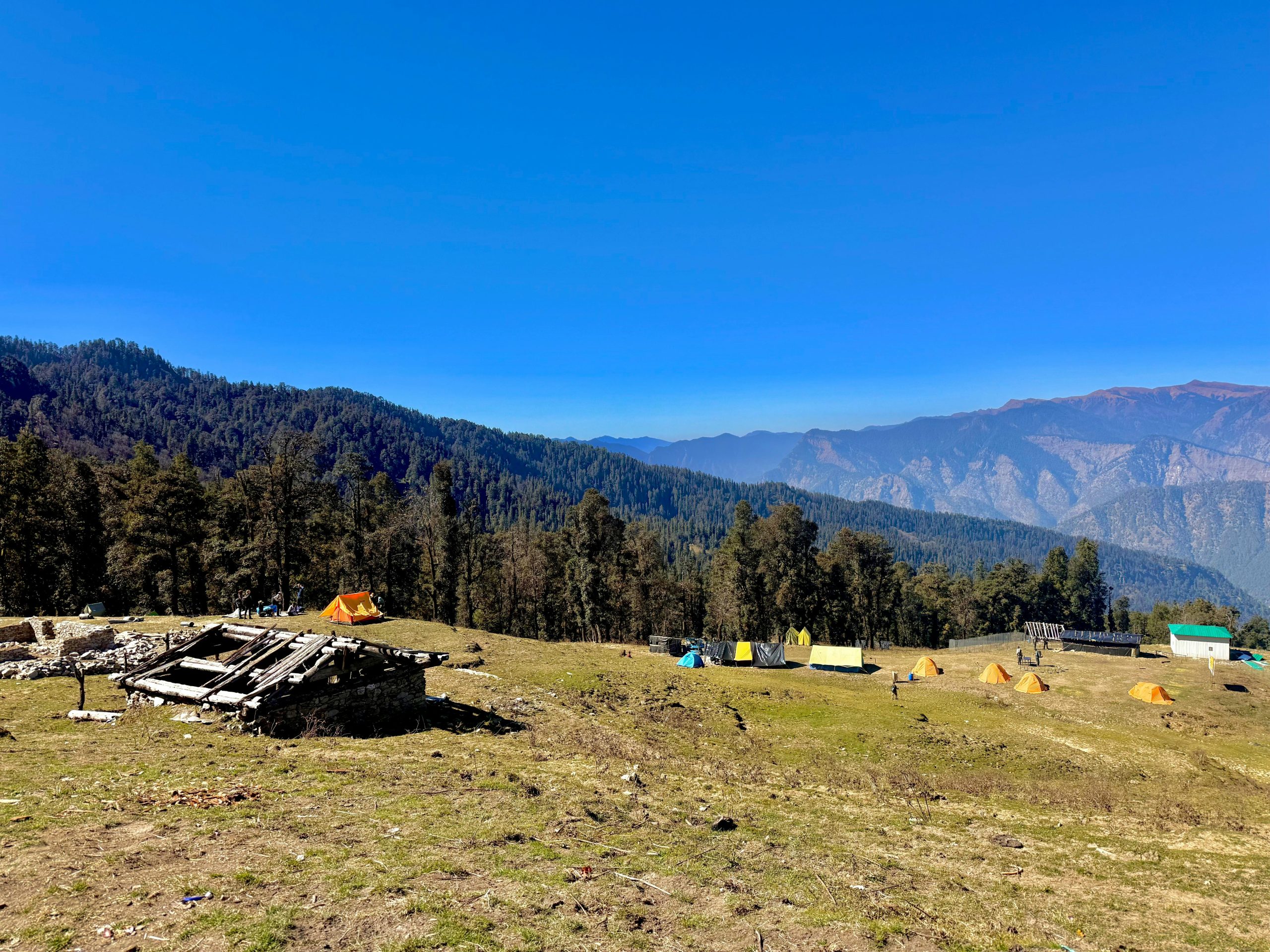
Hosts frequently remind visitors that each campsite is intended to give families a little personal space. Cutting through occupied sites or standing too close to neighboring tents can make others uncomfortable. Respecting these boundaries helps maintain a relaxed atmosphere where every group can enjoy their time without feeling crowded. Hosts appreciate campers who walk on marked paths, keep gear within their own space, and treat neighboring sites with the same courtesy they would expect at home.
9. Follow Check-In and Check-Out Times
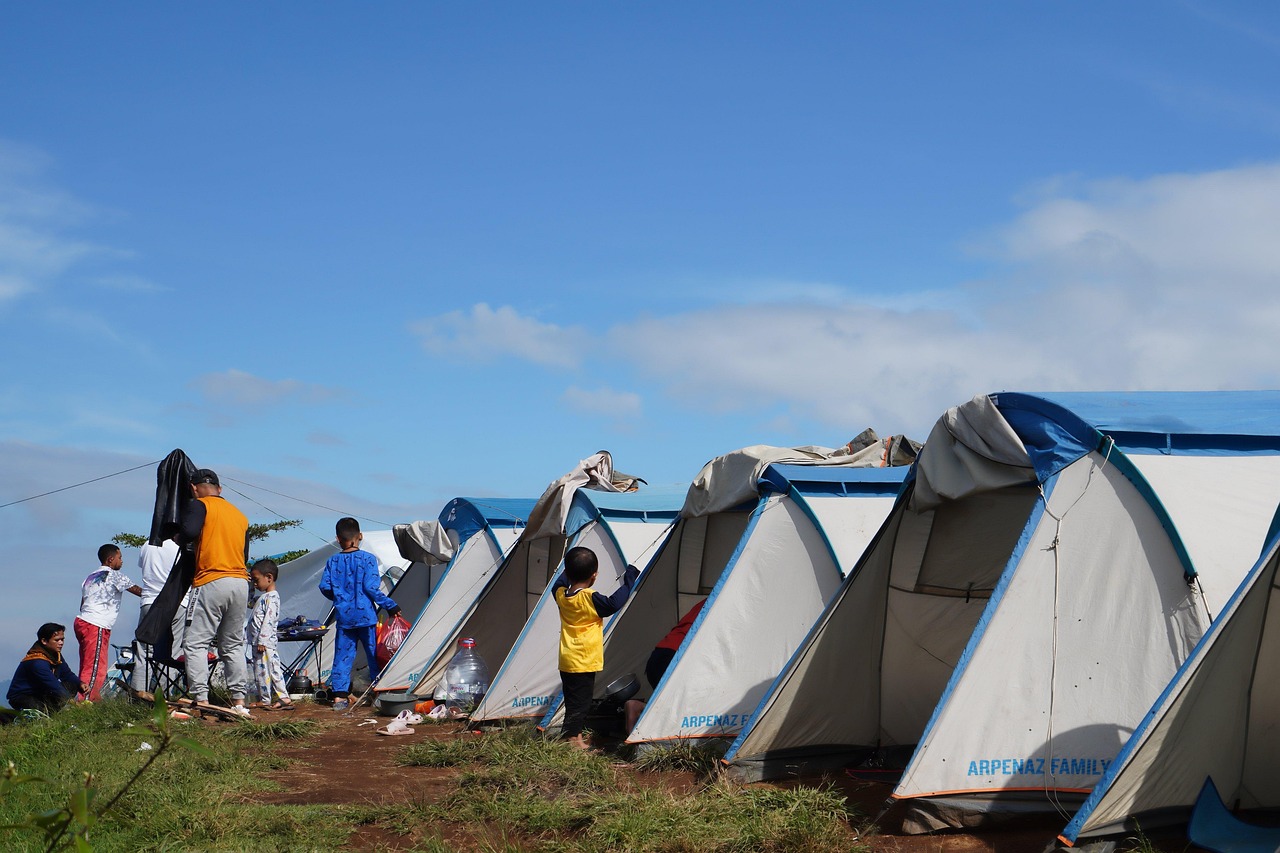
Hosts rely on check-in and check-out times to keep the campground operating smoothly. When campers leave late, it delays cleaning and preparation for the next group. Arriving too early can create backups at the entrance and overwhelm staff. Hosts encourage visitors to plan ahead, pack up on time, and communicate if delays occur. Respecting these time windows helps reduce stress for the staff and ensures an even flow of guests throughout the day.
10. Listen to Hosts When They Give Guidance

Camp hosts want everyone to enjoy their stay, and most of their advice comes from years of experience. Ignoring instructions about fire danger, wildlife activity, or safety concerns puts both visitors and the campground at risk. Hosts appreciate campers who take the time to ask questions and follow posted rules. Being open to guidance helps prevent accidents and creates a more positive experience for every visitor. Showing respect for hosts builds a friendly atmosphere campground-wide.