Some military food is remembered fondly. This one became famous for the opposite reason.
The ration that was supposed to be unpleasant
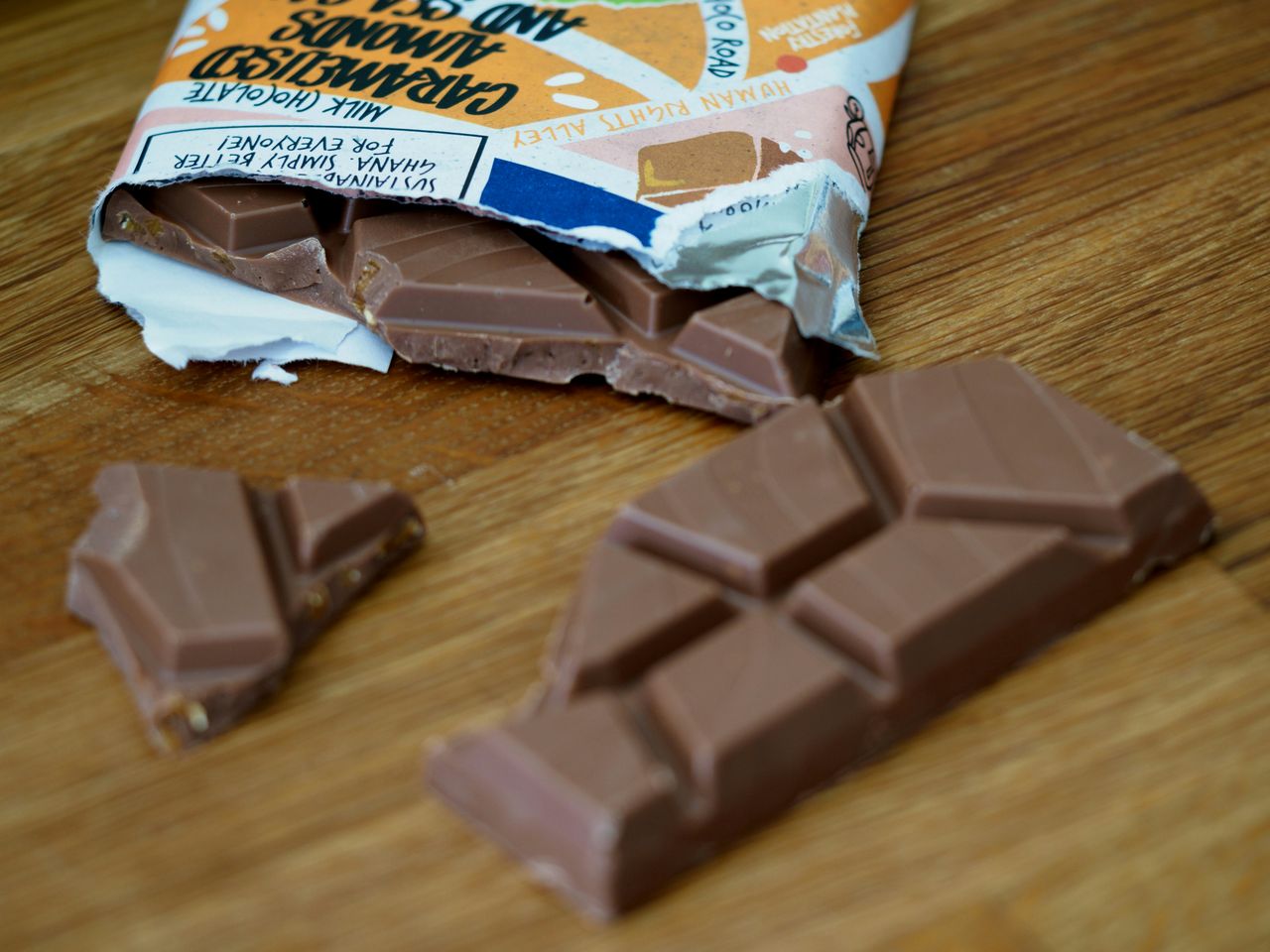
The ration most often linked to GI disgust was the U.S. Army’s Field Ration D, better known as the D-ration bar. According to the U.S. Army Quartermaster Museum, it was an official emergency ration in place as America entered World War II. Three 4-ounce bars could serve as a day’s emergency food, which sounds efficient until you remember efficiency was the point, not pleasure.
That was true by design. Hershey developed the bar to Army specifications, and History reports the military wanted something high in calories, durable, and intentionally not too tasty. The idea was simple: if soldiers loved it, they would eat it too soon instead of saving it for real emergencies.
So the Army asked for a chocolate bar that would survive rough handling, hold up in heat, and resist casual snacking. In pure logistical terms, that was smart. In human terms, it created a legendary morale problem.
Why it tasted so bad

The recipe explains the hatred. History says the D-ration combined chocolate, sugar, cocoa butter, skim milk powder, and oat flour, creating a dense, bitter block that many soldiers compared unfavorably to ordinary food. One famous line collected by History said some men would rather eat a boiled potato, which tells you everything about its reputation.
It was also physically difficult to eat. Because it was made to withstand high temperatures, the bar was hard enough that many troops shaved pieces off with a knife instead of biting into it. That detail matters because bad flavor is one thing; a ration that fights back is another.
The oat flour and reduced sweetness gave it a chalky, stubborn texture. Even hungry men often did not want to touch it unless they had no better option. For a product meant to keep soldiers alive, that reluctance became its defining flaw.
Why soldiers traded it away
Once troops had alternatives, the D-ration lost. Soldiers with access to C-rations, hot chow, local food, or even a better candy bar had every reason to swap the emergency chocolate for something more edible. History notes that despite Army efforts to prevent misuse, some D-ration bars wound up discarded.
That same wartime culture of barter made trading easy. The National WWII Museum describes how American rations and packaged goods often became informal currency in war zones, exchanged for services or local goods. In that world, a disliked chocolate brick was less a treat than a trade chip.
Men did not hate the idea of compact field food. They hated being handed something that felt like equipment masquerading as dessert. Once that happened, the ration’s value shifted from eating value to bargaining value.
The difference between D-, C-, and K-rations
Part of the D-ration’s bad reputation came from comparison. The C-ration, while often criticized for monotony, at least delivered recognizable meal components in cans, and the Defense Department says three daily C-ration meals provided about 3,700 calories. Soldiers complained, but they generally understood it as food.
K-rations were different again. The Quartermaster Museum notes that troops often regarded K-rations as “picnic lunches,” while the Defense Department says they were intended for short missions and offered fewer calories, about 2,830 per day. They had their own problems, especially inadequate energy for extended use.
Against those options, the D-ration looked brutally narrow in purpose. It was not meant to be a meal, a comfort item, or even a pleasant snack. It was emergency fuel, and soldiers treated it accordingly.
A brilliant ration on paper, a miserable one in the field
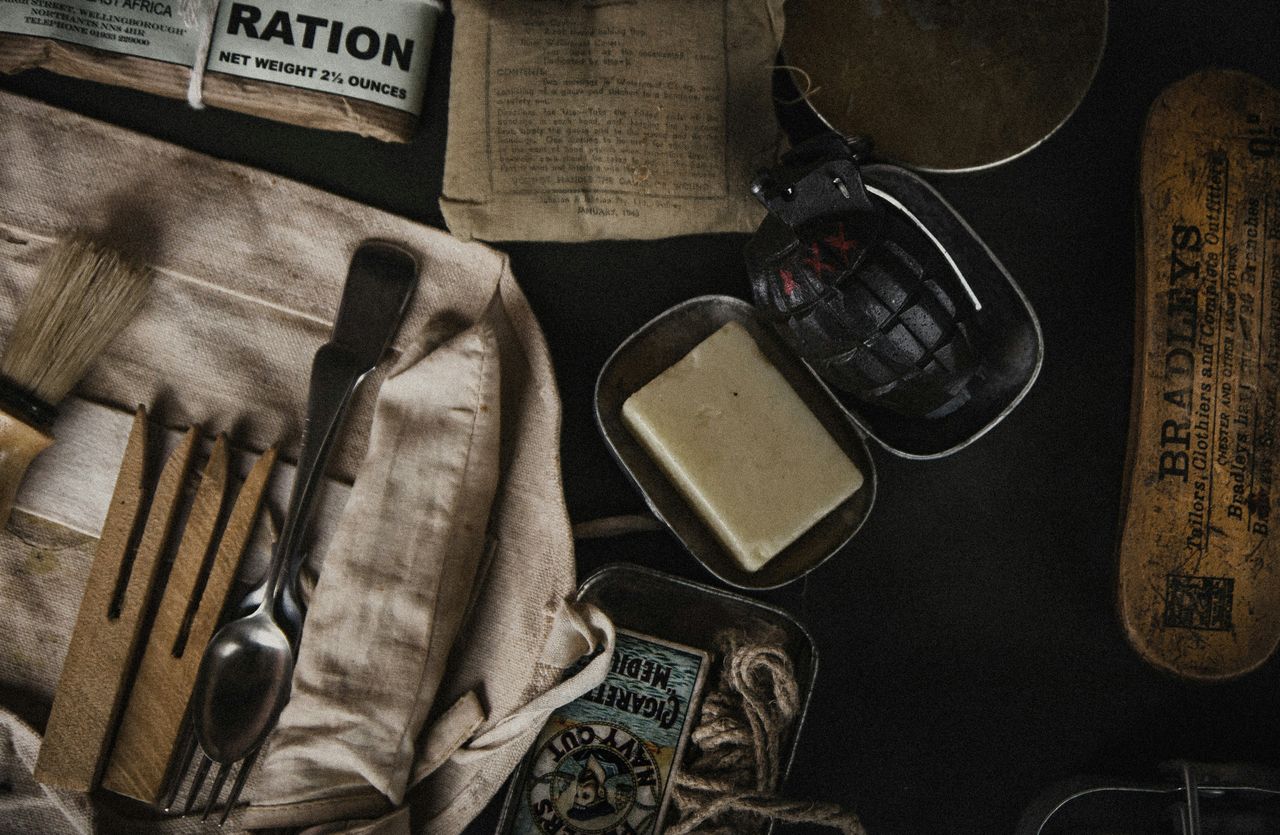
From the Army’s perspective, the D-ration actually solved real problems. It packed concentrated energy into a small form, traveled well, and held up under conditions that would ruin normal chocolate. In a war fought across deserts, tropics, beaches, and broken supply lines, that kind of durability mattered.
But military design can collide with soldier behavior. The Quartermaster record shows ration planners repeatedly had to balance nutrition, transport, climate, and troop acceptance. A ration ignored, dumped, or traded away may still be technically clever, but it is failing part of its mission.
That is what makes the D-ration so memorable. It was not a blunder in engineering. It was a case where engineering won and appetite lost.
How Hershey tried to improve the idea
The bad reputation did not stop development. History reports that later in the war Hershey produced the Tropical Bar, a revised version designed for extreme heat, especially in the Pacific. The goal was to keep the survival benefits while making the product more workable in brutal climates.
Even so, the larger lesson had already landed. Troops would tolerate a lot, but they still judged food by taste, texture, and ease of eating. Quartermaster efforts across the war increasingly reflected feedback about what men actually consumed versus what planners hoped they would consume.
That feedback loop became one of the hidden stories of wartime logistics. Feeding armies was never just about calories. It was also about morale, habit, and whether a soldier would reach for the ration when it counted.
Why the D-ration still fascinates people
People remember the D-ration because it sits at the intersection of survival science and everyday misery. It was chocolate, but not the kind anyone wanted. It promised energy, yet delivered it in a form so stubborn that many soldiers preferred almost anything else.
That tension gives the bar its staying power in military history. It symbolizes how war reduces even familiar comforts into tools, and how troops instantly recognize the gap between official intent and lived reality. A chocolate bar should feel like relief.
For countless World War II soldiers, the D-ration felt more like punishment. That is why they complained about it, joked about it, and, whenever possible, traded it away.