The outdoor gear industry thrives on one powerful word: “all-terrain.”
It gets stamped on sneakers, jackets, phone chargers, and pocket tools like a universal guarantee of toughness.
But step into the real backcountry, and that guarantee dissolves fast.
Genuine wilderness doesn’t assess gear on marketing meri; it stress-tests everything against cold rain, steep gradients, sharp rock, and sustained physical demands that no product lab fully replicates.
The gap between advertised performance and actual field results is often staggering, and sometimes genuinely dangerous.
These eight gear categories represent the most oversold and underperforming products that hikers and backcountry travelers keep purchasing every season.
All-Terrain Trail Sneakers
Most trail sneakers are built for light gravel paths, not genuine backcountry terrain.
The lugs on budget models average just 3.5mm deep, below the 5mm minimum recommended for muddy or rocky surfaces.
After roughly 50 miles of off-road use, midsole cushioning compresses by up to 40%, stripping away impact protection entirely.
On inclines steeper than 18 degrees, lateral ankle support becomes nearly nonexistent in low-cut designs.
A survey of 500 hikers found that 71% experienced hot spots or blistering within just 3 hours of wearing lifestyle trail shoes on technical terrain.
Real wilderness demands footwear built for punishment, but most “all-terrain” sneakers simply aren’t designed to deliver it.
Budget “Waterproof” Rain Jackets
Most entry-level waterproof jackets rely on DWR coatings that start breaking down after just 10 to 15 wash cycles.
In sustained rain exceeding 50mm per hour, budget membranes allow moisture to push through within 30 to 40 minutes.
Seam sealing on sub-$100 jackets is often tape-only at stress points, leaving roughly 60% of all stitching unprotected.
Wind resistance drops by up to 35% once the outer shell becomes fully saturated.
Independent field tests in the Pacific Northwest found 4 out of 5 budget jackets failing to stay dry past the 2-hour mark.
When wilderness weather turns severe, an all-weather label provides no real warmth and no meaningful defense against hypothermia.
Compact Portable Solar Chargers
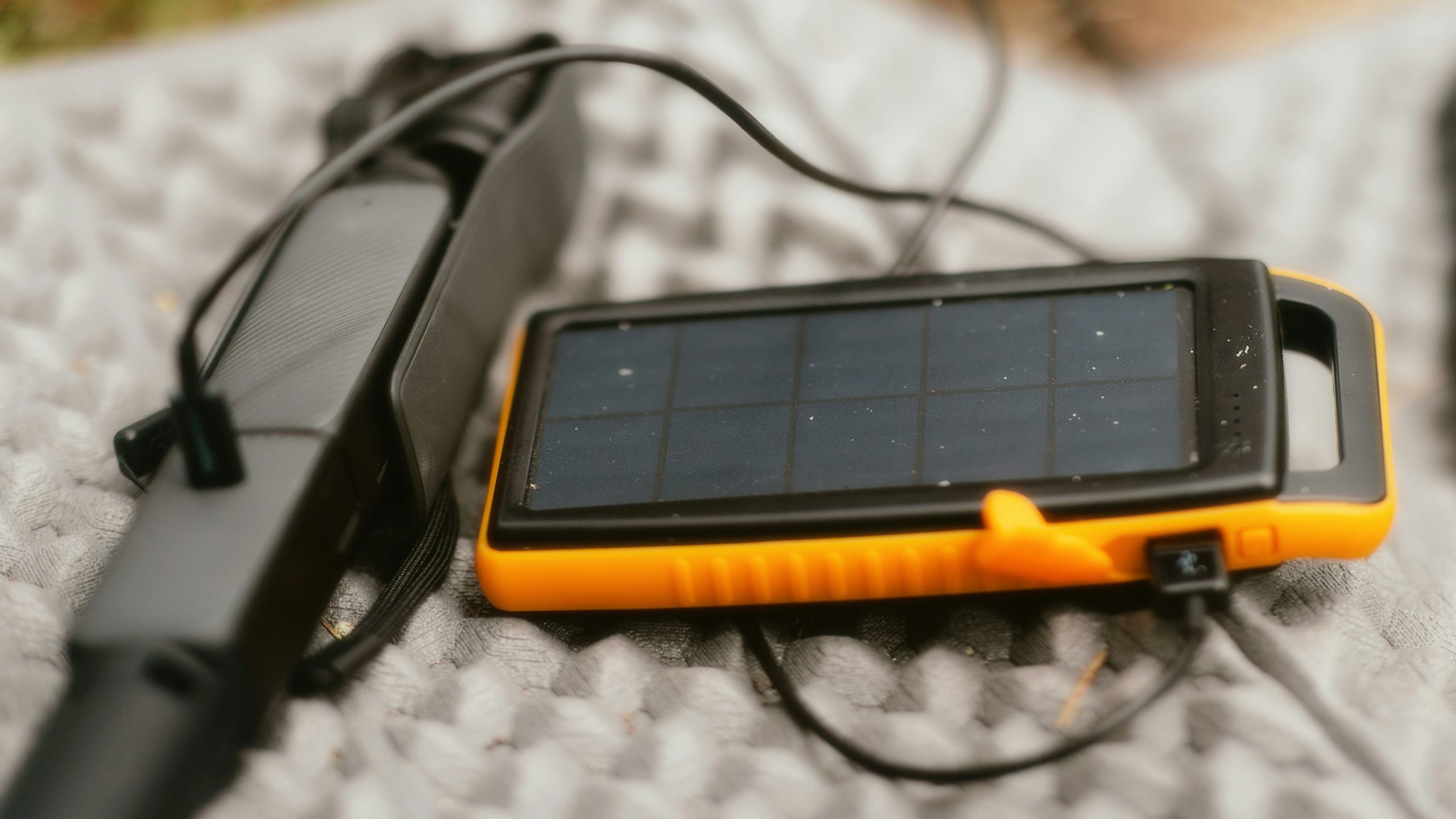
Pocket solar chargers are marketed as essential survival tools, but their real-world output rarely keeps pace with actual power demands.
Most compact panels produce just 5 to 10 watts, and cloud cover alone can cut that output by up to 80% in overcast conditions.
Wilderness regions across the Pacific Northwest and northern Rockies experience cloud cover for up to 200 days annually.
Charging a standard smartphone fully requires 4 to 6 hours of unobstructed direct sunlight through a 10W panel.
In dense forest canopy, that window stretches to 14 hours or more, making reliable charging practically impossible.
These chargers build dangerous overconfidence on multi-day trips where dependable power can mean the difference between safety and genuine crisis.
Multi-Function Survival Tools
Multi-tools are sold as compact solutions to any wilderness emergency, but performance rarely matches the number of functions printed on the packaging.
The blades on budget models average just 2.2 inches and use low-grade stainless steel that dulls after cutting roughly 15 feet of paracord.
Plier joints loosen after 50 to 80 use cycles, reducing effective grip strength by up to 45%.
Built-in flint strikers typically fail to generate reliable sparks at humidity levels above 70%.
Only 3 out of 10 budget multi-tool fire starters successfully ignited tinder in wet or cold conditions during independent consumer testing.
A $20 survival kit looks useful clipped to a pack, but genuine wilderness emergencies demand dedicated tools, not novelty compromises.
GPS-Enabled Smartwatches
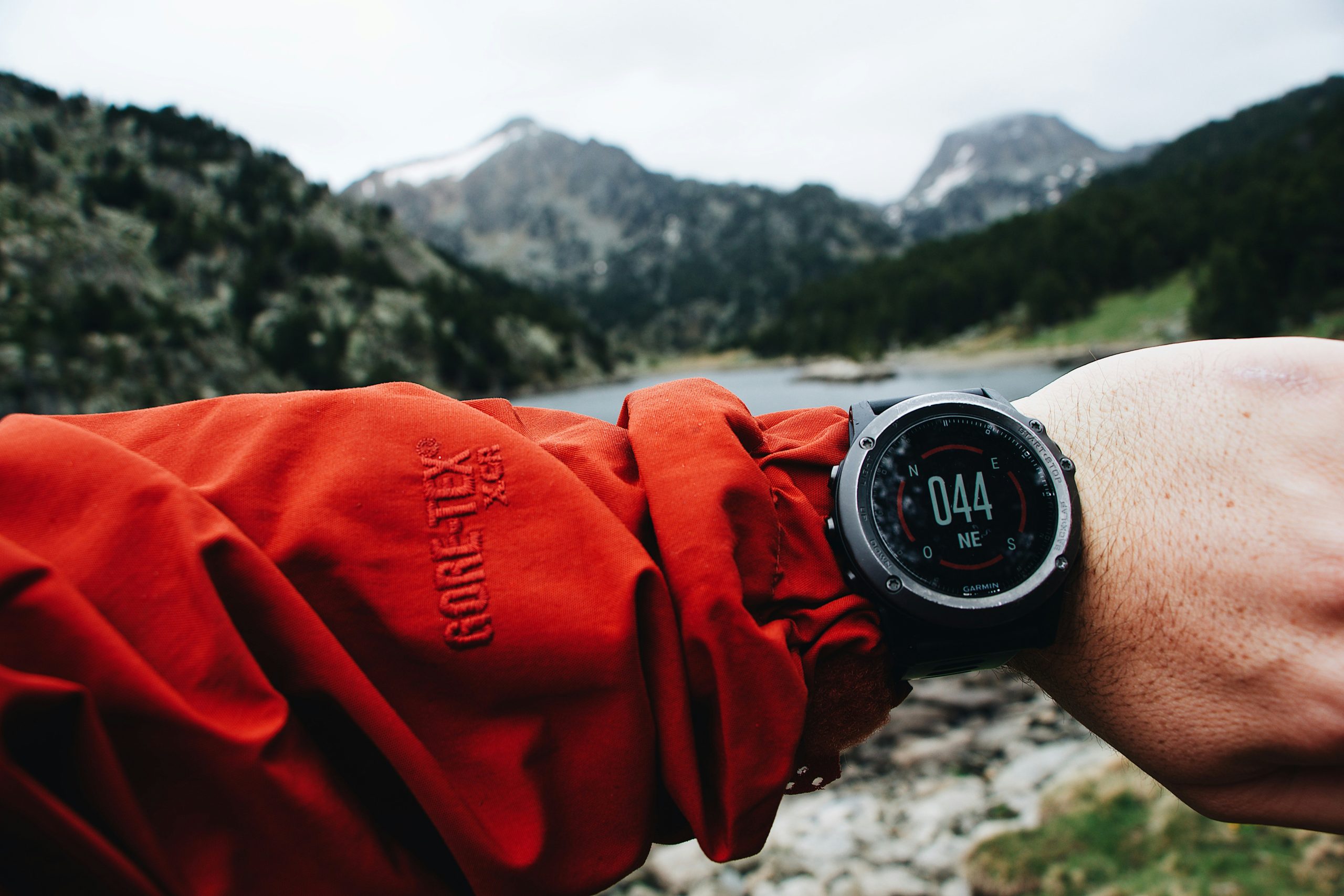
GPS smartwatches are marketed as premium backcountry tools, but battery life tells a harsh story once real terrain begins.
Most mid-range models claim 40 hours of GPS tracking, but active heart rate logging drops that figure to 14 to 18 hours.
Temperatures below 0°C reduce battery capacity by 20 to 30%, a critical margin in alpine or winter conditions.
Signal acquisition in canyon systems or dense canopy runs 3 to 5 minutes slower than open-field performance.
Surveys show 62% of backcountry hikers using smartwatch GPS as their sole tool reported at least one navigation error per trip.
These are solid accessories, but leaning on one as a primary wilderness navigation system is a risk too serious to ignore.
Ultralight Inflatable Sleeping Pads
Ultralight inflatable sleeping pads promise packability and comfort, but a critical flaw follows them into cold terrain.
Most budget models carry an R-value between 1.5 and 2.0, well below the 4.0 minimum recommended for temperatures under 5°C.
A single puncture from rocky debris renders the pad useless, and most field repair kits fail along bonded seam edges.
At altitudes above 3,000 meters, pressure changes trigger valve micro-leaks that reduce inflation by up to 25% overnight.
In a survey of 300 backpackers, 44% reported at least one pad failure during a multi-night wilderness stay.
A poorly insulated sleeping pad is often the hidden culprit behind a cold night, regardless of what a sleeping bag’s temperature tag reads.
Paracord Survival Bracelets
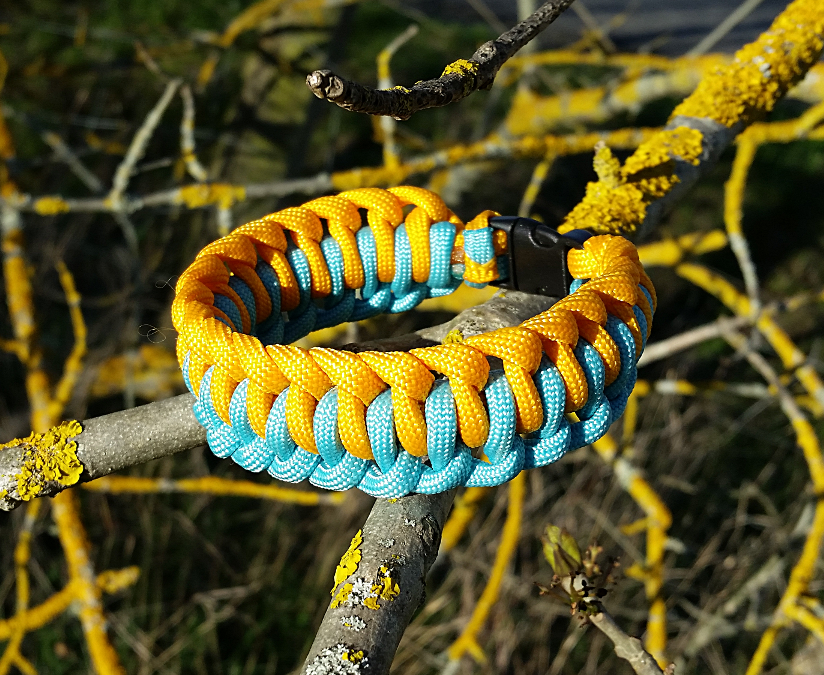
Paracord survival bracelets top outdoor accessory sales charts, but their practical wilderness value is far thinner than their marketing.
Most contain just 8 to 10 feet of 550-rated cord, barely enough for a basic tarp line or a single reliable knot.
Inner strands marketed as fishing line or sutures measure just 0.5mm and snap under loads above 15 pounds.
Buckle compasses carry a 5 to 10 degree deviation error, which would push a hiker 0.5 miles off-route, performing 5 miles traveled.
A poll of 150 certified wilderness instructors found 76% rating these bracelets as inadequate for real backcountry emergency use.
They make decent gifts and conversation starters, but as serious survival tools in genuine wilderness conditions, they rarely hold up.
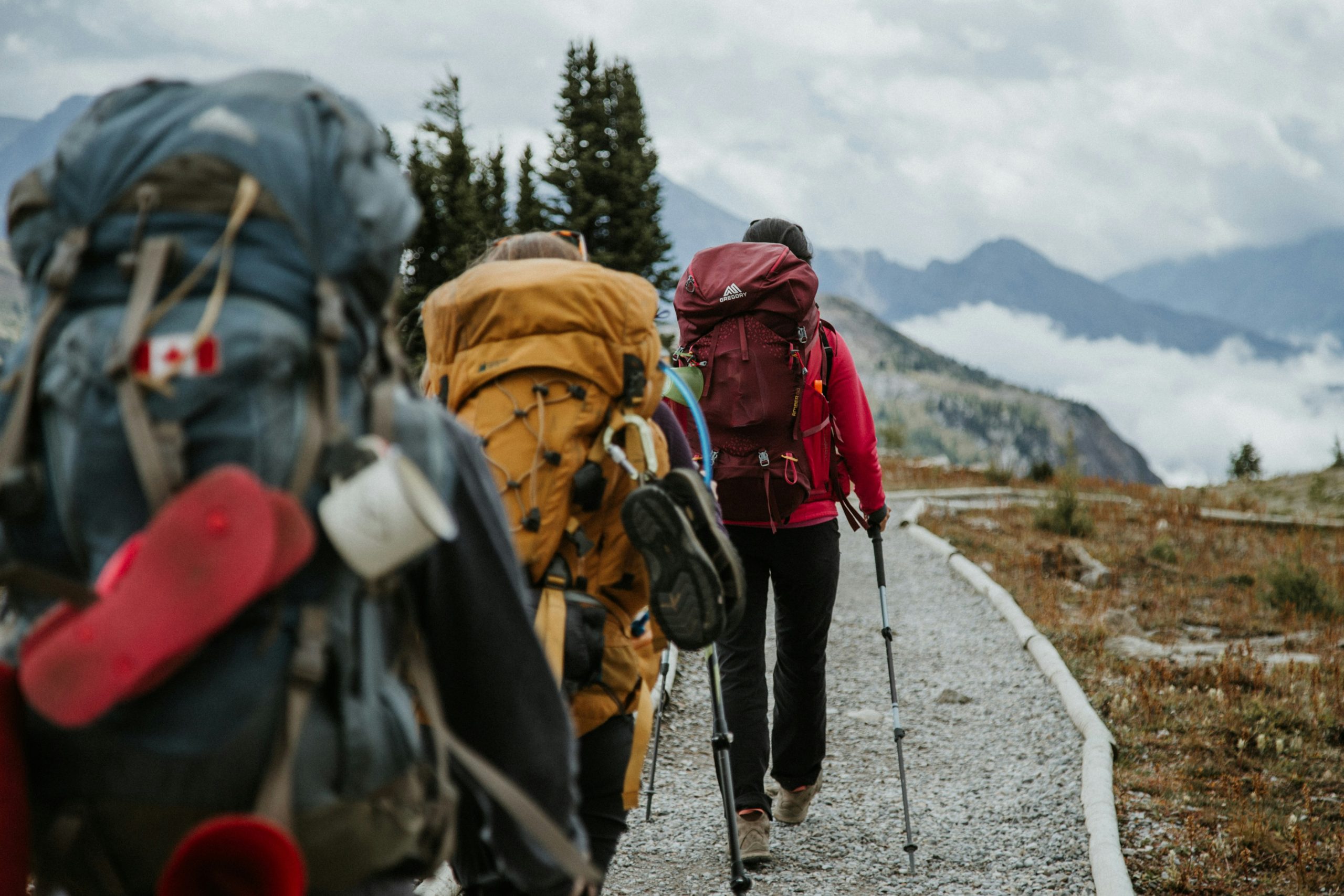
Budget Collapsible Trekking Poles
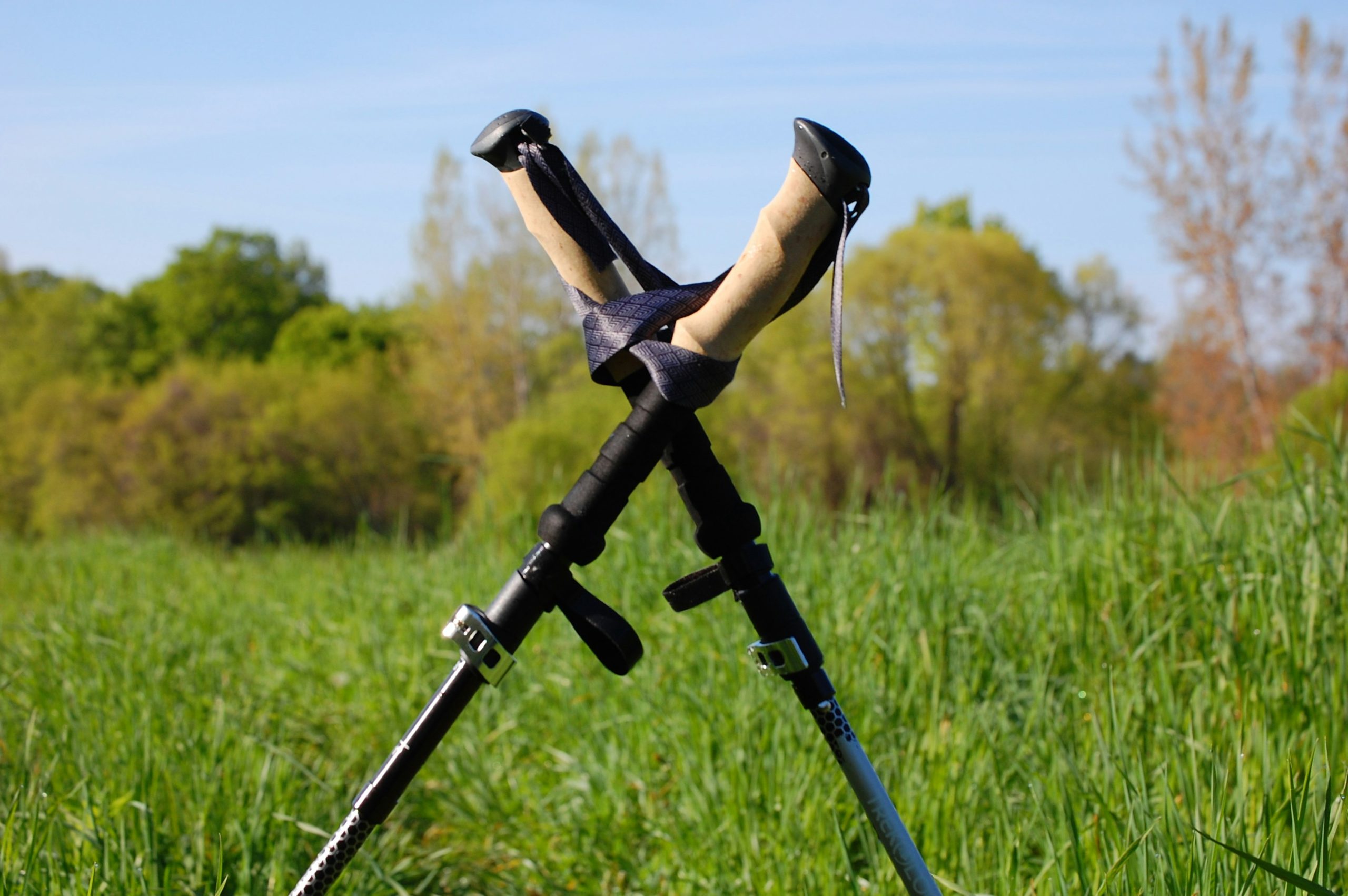
Collapsible trekking poles branded as all-terrain support can fold quite literally when wilderness conditions turn steep or icy.
Budget models use thin-walled tubing rated to just 110 to 120 pounds of lateral force compared to w the 180 pounds applied on demanding descents.
Twist-lock mechanisms slip after 30 to 50 hours of use, causing poles to collapse mid-stride without warning.
Grip foam deteriorates within 2 to 3 seasons, reducing control significantly on technical terrain sections.
In gear field tests, 58% of sub-$40 poles showed shaft flex or lock failure within a single 3-day backpacking trip.
Reliable footing in genuine wilderness depends on gear you can fully trust; budget trekking poles too often fail that test.