Some rifles fade into footnotes. The M1 Garand did the opposite and became an icon twice.
It started as a military breakthrough
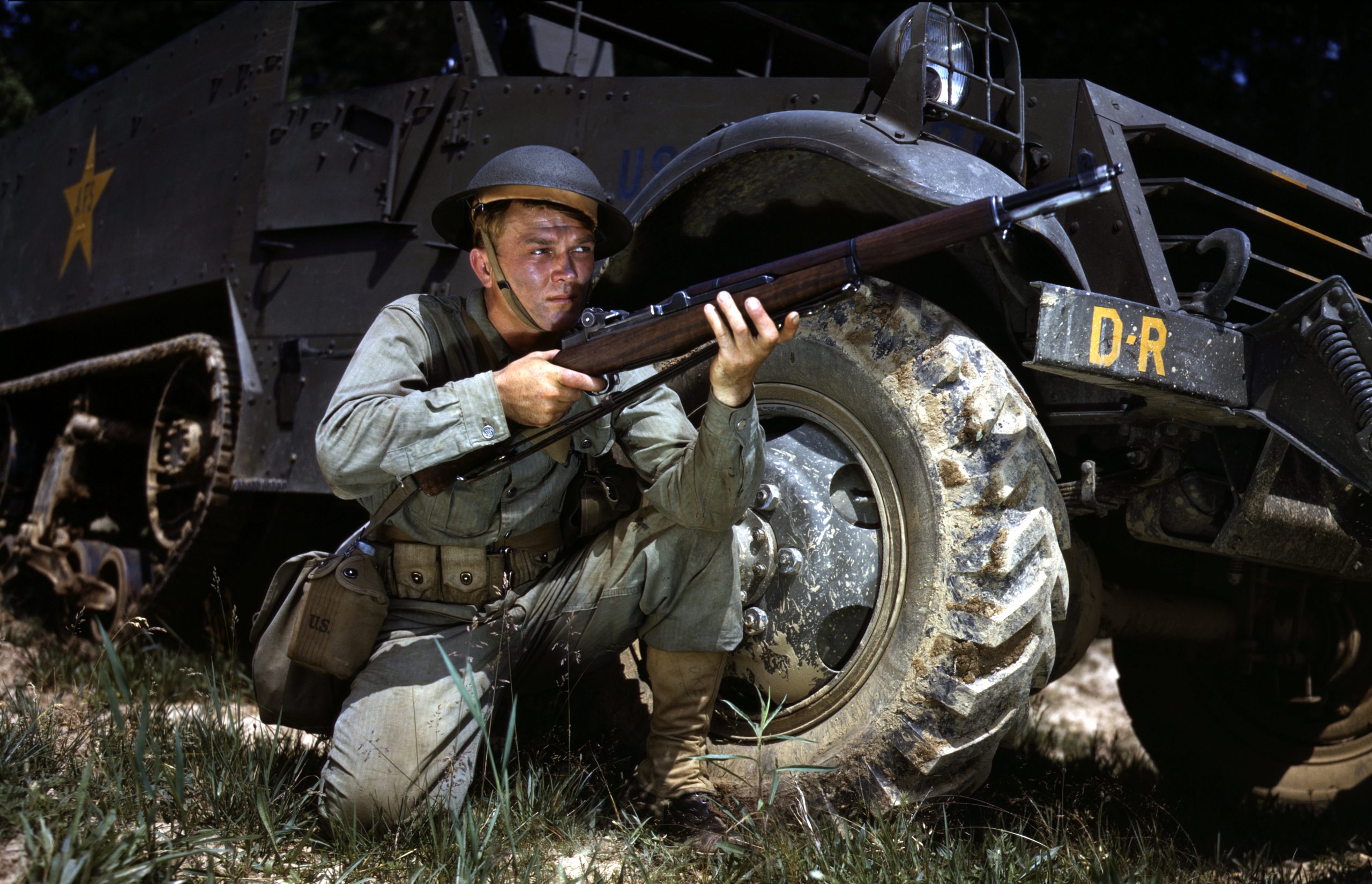
When the U.S. Army adopted the M1 on January 9, 1936, it was a major leap forward. According to the U.S. Army and Springfield Armory National Historic Site, it became the first semiautomatic rifle generally issued to infantry on that scale. That alone separated it from the bolt-action world it replaced.
The rifle gave American troops faster follow-up shots than the M1903 Springfield. In practical terms, that meant more firepower without changing the basic infantryman’s role. Its 8-round en bloc clip and .30-06 chambering made it powerful, fast, and distinctly modern for its day.
That battlefield edge helped build the rifle’s legend early. By the time the United States was fully engaged in World War II, the Garand had become more than a procurement success. It had become part of the American military identity.
War service gave it a reputation money can’t buy
The M1 Garand earned its standing the old-fashioned way: through hard service in World War II and Korea. The National Park Service notes that more than 4 million were produced, and the rifle remained the standard U.S. Army rifle through the Korean War. That kind of service record gives any object historical gravity.
Collectors are rarely chasing steel and walnut alone. They are chasing association with real events, and few U.S. military arms are more tightly tied to the nation’s mid-20th-century wars. The Garand was there in Europe, the Pacific, and on frozen Korean hillsides.
That combat pedigree matters because it feels tangible. A Garand is not an abstract artifact sitting behind glass. It is a rifle many people can connect directly to parents, grandparents, and family stories of military service.
It was replaced for practical reasons, not because it failed

The Garand’s exit from standard issue did not happen because it was suddenly obsolete junk. By 1957, the U.S. military had adopted the M14 to replace it, as official Army history and Springfield Armory records show. The change reflected evolving doctrine and technology, not a collapse in the Garand’s reputation.
Military planners wanted a detachable box magazine, select-fire capability, and a common 7.62 mm NATO cartridge. The M14 was meant to modernize the infantry rifle while preserving some of the Garand’s strengths. In other words, the M1 became yesterday’s rifle because armies kept changing.
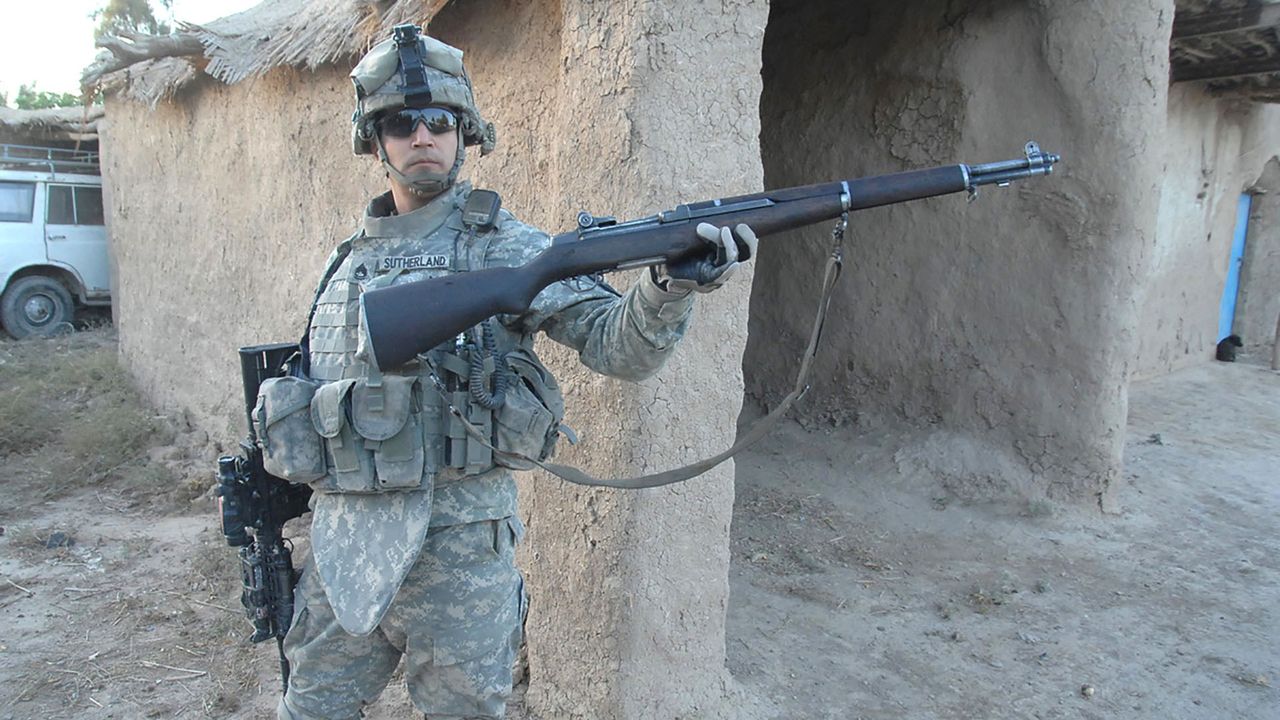
That distinction matters to collectors. A rifle pushed aside by progress often retains dignity; one discarded as a failure usually does not. The Garand left the front line with honor intact, which helped preserve its aura.
Surplus sales turned veterans’ hardware into civilian treasure
The next chapter came through surplus and marksmanship programs. The old Director of Civilian Marksmanship, followed by the Civilian Marksmanship Program, moved many former service rifles into civilian hands. That created a rare bridge between military history and ordinary American gun ownership.
Unlike many collectibles, the Garand remained accessible for decades. People could buy one, shoot one, compete with one, and learn its history firsthand. That hands-on connection gave the rifle a living collector culture instead of a purely museum-bound reputation.
Demand also grew because supply was never endless in collector terms. Condition, manufacturer, original parts, wartime production dates, and documented history all began to matter. Once buyers started distinguishing a mixmaster shooter from a correct-grade example, prices and prestige naturally climbed.
Collectors love rifles that still do something well

Part of the Garand’s appeal is that it is not just historically important; it is still satisfying to use. Even now, shooters admire its balance, sights, and robust action. It feels like a serious service rifle from an era when durability and practical accuracy mattered more than gadgetry.
That shootability separates it from many military collectibles that are interesting but awkward. The Garand is heavy, yes, but it is also famously manageable and rewarding on the range. For many owners, the value lies as much in the experience as in the serial number.
There is also the unmistakable personality factor. The profile, the walnut stock, and even the famous clip ejection sound make it memorable. Collectors tend to pay premiums for objects that are instantly recognizable, and the Garand has that quality in abundance.
Why it remains a prize today
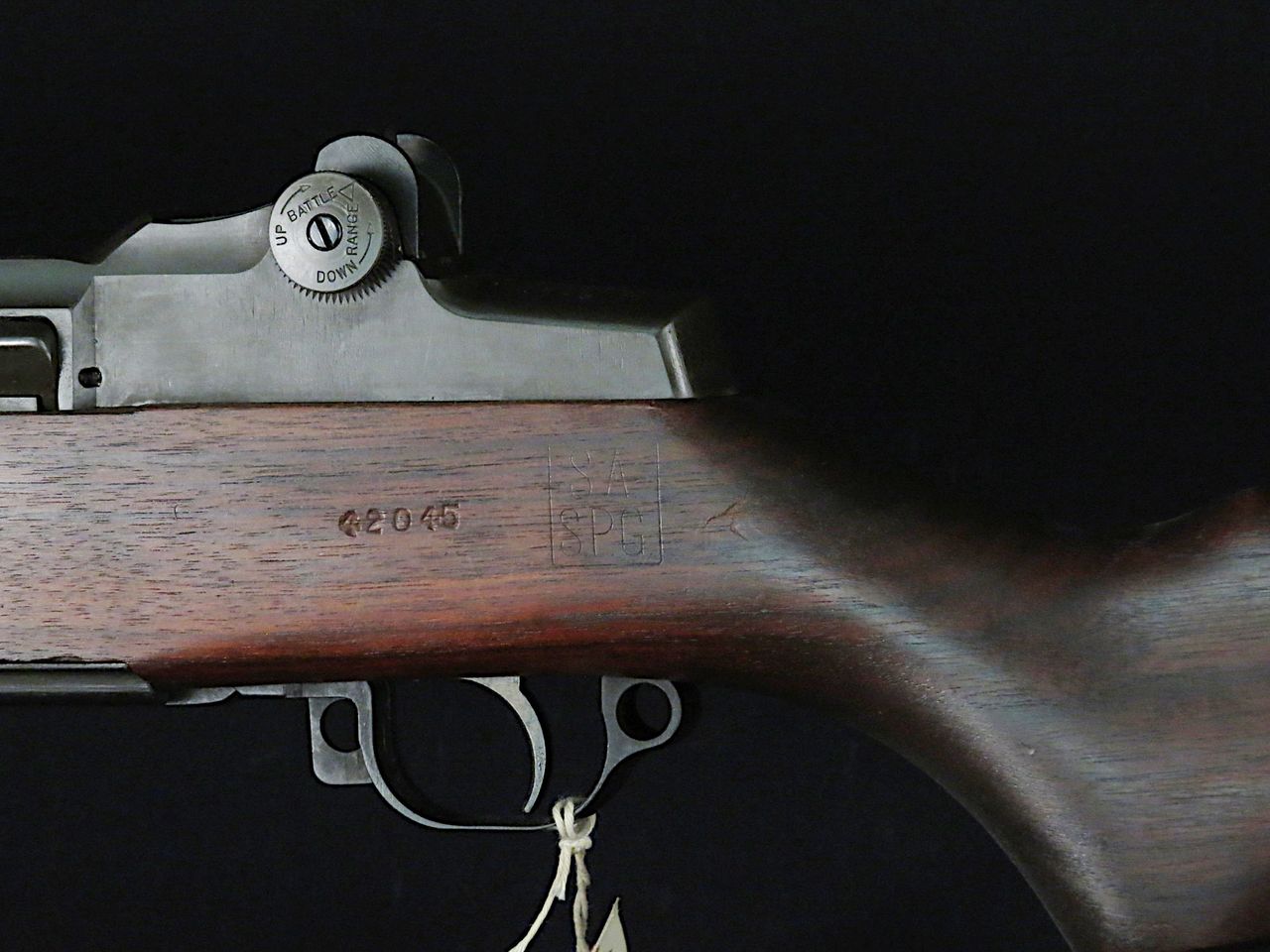
Today, the M1 Garand sits at the intersection of history, craftsmanship, and national memory. It represents U.S. industrial power, wartime service, and a period when standard infantry arms were built from wood and forged steel. That emotional and historical weight is hard to duplicate.
It also benefits from strong institutional memory. The Army, the National Park Service, the Civilian Marksmanship Program, and generations of collectors have all helped keep the rifle’s story alive. When a firearm stays visible in museums, matches, memoirs, and family lore, demand tends to outlast fashion.
That is why the Garand made the unusual jump from standard issue to collector’s prize. It was important when it was new, respected when it was replaced, and cherished once civilians recognized they could still own a real piece of that history.