A rifle barrel’s shape is never random. When you see one that stays fat near the front, or even appears to gain visual heft toward the muzzle, that contour is usually solving a very specific performance problem.
Barrel contour is really a stiffness and balance decision
Barrel contour is the outside shape of the barrel from chamber to muzzle, and that contour has a huge effect on how the rifle feels and shoots. Christensen Arms notes that outside diameter and taper influence weight, stiffness, balance, and heat capacity, which is why barrel profile matters far beyond looks.
Most traditional hunting rifles taper steadily toward the muzzle to save weight. That makes the rifle easier to carry in the woods, but it also leaves less steel at the point where muzzle movement matters most. A thinner front end is handier, yet it usually gives up some rigidity.
That is the first reason some barrels are made heavier out front. More diameter near the muzzle resists bending and reduces how much the barrel tip can move during firing, which can make the rifle less sensitive to small changes in hold, load, or support.
Why the muzzle area matters so much for accuracy
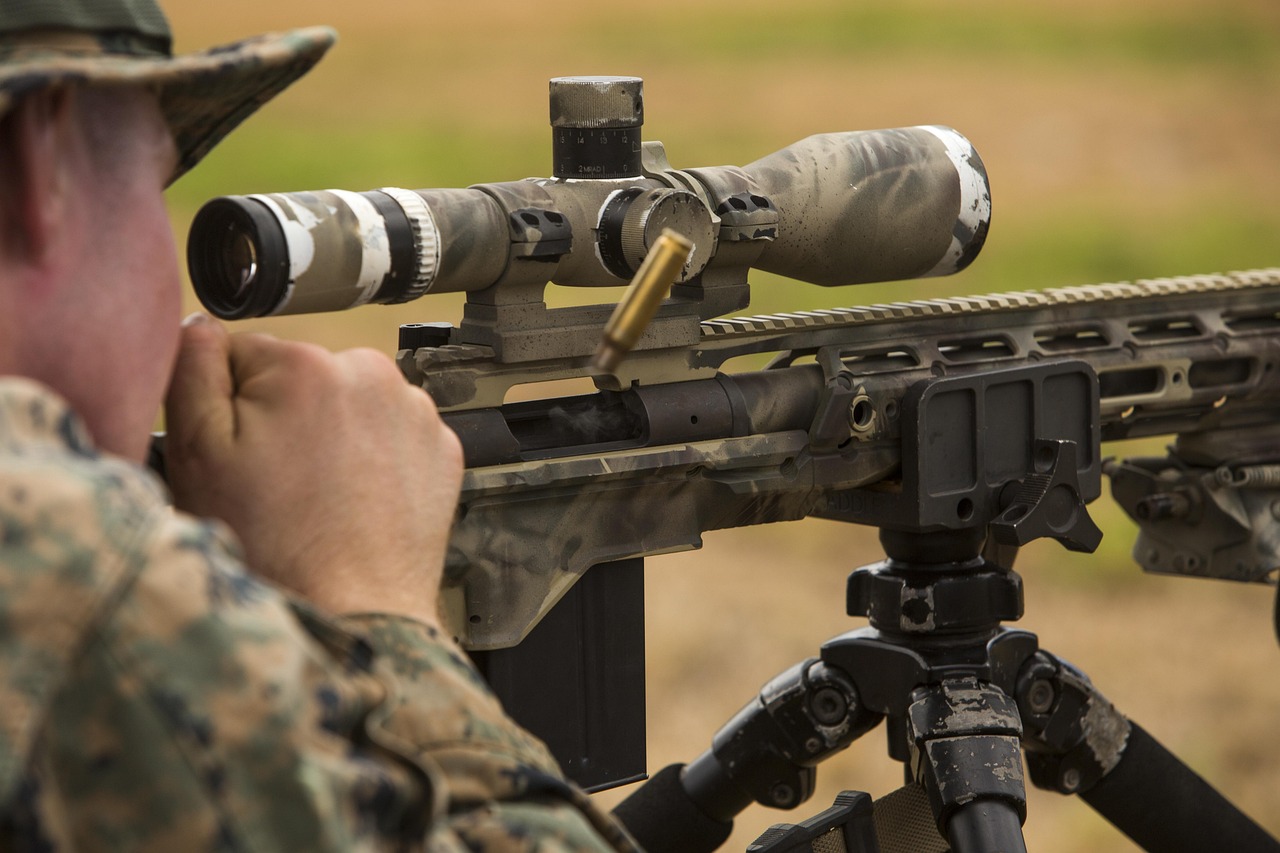
The bullet exits at the muzzle, so tiny movement there matters disproportionately. Para Bellum Arms explains that a thicker profile reduces barrel flex and lowers harmonic amplitude, meaning less muzzle whip at the exact moment the bullet leaves the bore.
This is why competitive shooters often favor heavier contours. A small change in muzzle position can open a group at distance, especially in centerfire rifles. Even when the bore quality is excellent, the external contour can still influence how repeatable the rifle is shot to shot.
Lilja has also written that contouring a barrel changes stress and dimensions, and barrel makers pay close attention to how outside shaping affects performance. The simple version is easy to understand: if the front of the barrel moves less, the exit conditions for the bullet are more consistent.
Some “thicker at the muzzle” barrels are really optimized tapers
In many cases, the barrel is not literally swelling at the front like a trumpet. Instead, it may use a very slow taper, a stepped contour, or a profile that preserves unusually large muzzle diameter compared with a standard sporter barrel.
That shows up clearly in match and target patterns. PrecisionRifleBlog’s survey of pro-level custom rifles highlighted heavy contours with muzzle diameters around 0.93″ on 26″ barrels, and Lilja contour data likewise shows how many premium profiles are designed to keep substantial diameter all the way forward.
Palma, varmint, and heavy-target contours are good examples. They are built to carry enough steel near the muzzle to improve stability without necessarily making the entire barrel a full bull profile from breech to crown.
Heat control is part of the story, but not the whole story
Shooters often assume a thick muzzle section exists mainly for cooling. Heat does matter, because more steel adds thermal mass and generally slows how quickly temperature spikes during strings of fire, especially compared with very slim hunting barrels.
But heat alone is not the full explanation. Rebarreling’s technical write-up makes the important point that contour is always a tradeoff among weight, stiffness, and thermal behavior, and no profile magically gives bull-barrel stiffness at featherweight mass.
So when a barrel stays thick near the muzzle, the bigger benefit is usually consistency under firing, not just slower heating. A stiffer front section can help a rifle maintain point of impact better as conditions change, particularly in varmint, benchrest, and prone target use.
Front-heavy barrels can also improve how a rifle settles

There is another practical effect many shooters notice immediately: balance. A barrel with more weight forward shifts the center of gravity toward the muzzle, which can calm the sight picture and make the rifle feel steadier from bags, bipods, or supported field positions.
Pyramyd Air, discussing bull barrels, notes that added barrel mass pushes the balance point forward. In real use, that can reduce wobble and help the rifle track more predictably during recoil, which is one reason heavy-barreled rifles remain common in precision disciplines.
Of course, the downside is portability. A mountain hunter climbing all day usually does not want a muzzle-heavy rifle. A prairie dog shooter, F-Class competitor, or range shooter may gladly accept the extra weight because the rifle is expected to sit still more than it is expected to be carried far.
It is always a tradeoff, not a universal upgrade
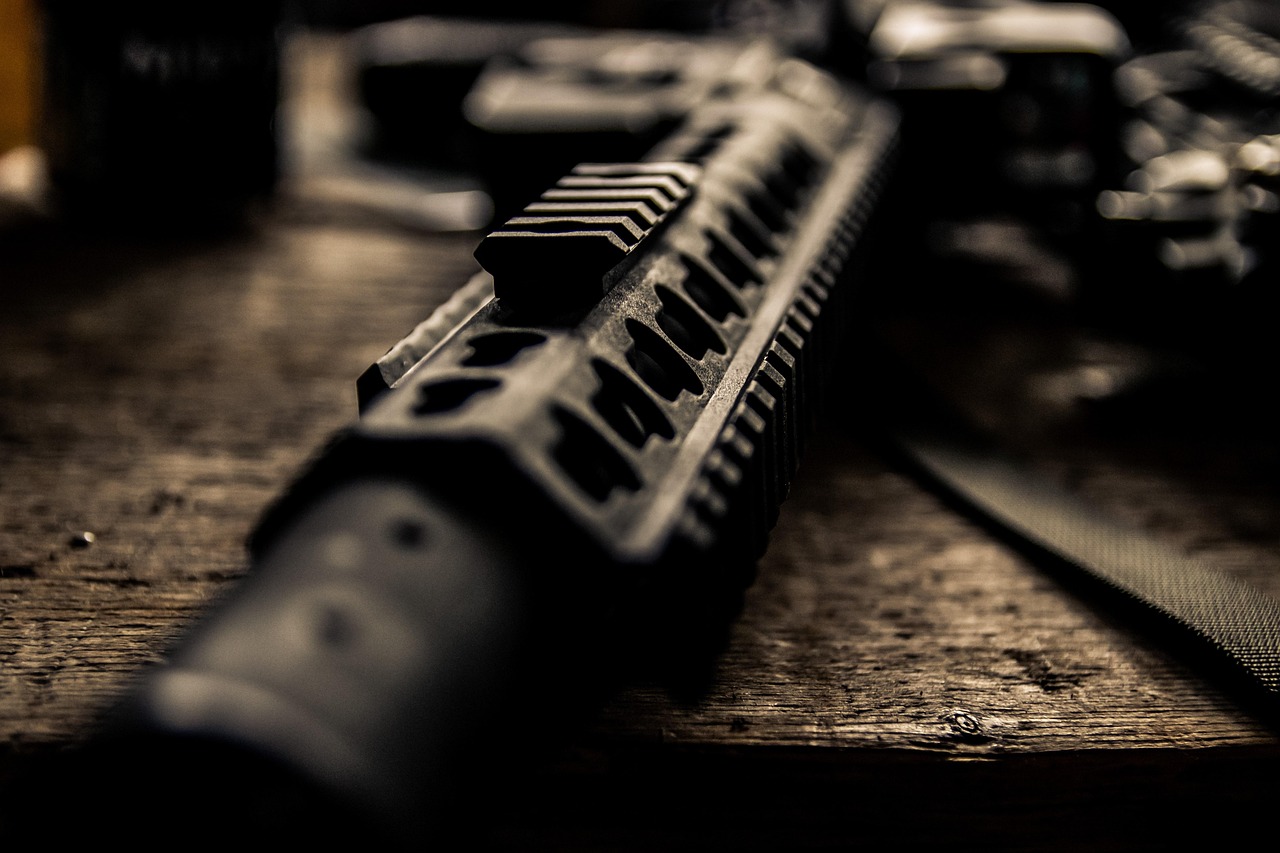
A thicker muzzle section is not automatically “better.” It is better for certain jobs: long strings, supported shooting, precision work, and setups where stability matters more than ounces. That is why you see these contours most often on varmint rifles, target rifles, and specialized rimfire match guns.
Anschutz, for example, specifically markets heavier target-barrel options for shooters who want range performance, while lighter sporter shapes remain popular for field carry. Across the industry, the pattern is consistent: intended use drives contour.
So the big takeaway is simple. When a rifle barrel is designed to stay thick toward the muzzle, the maker is usually chasing stiffness, harmonic control, balance, and repeatable accuracy. It may look unusual at first glance, but from an engineering standpoint, it is a very deliberate choice.