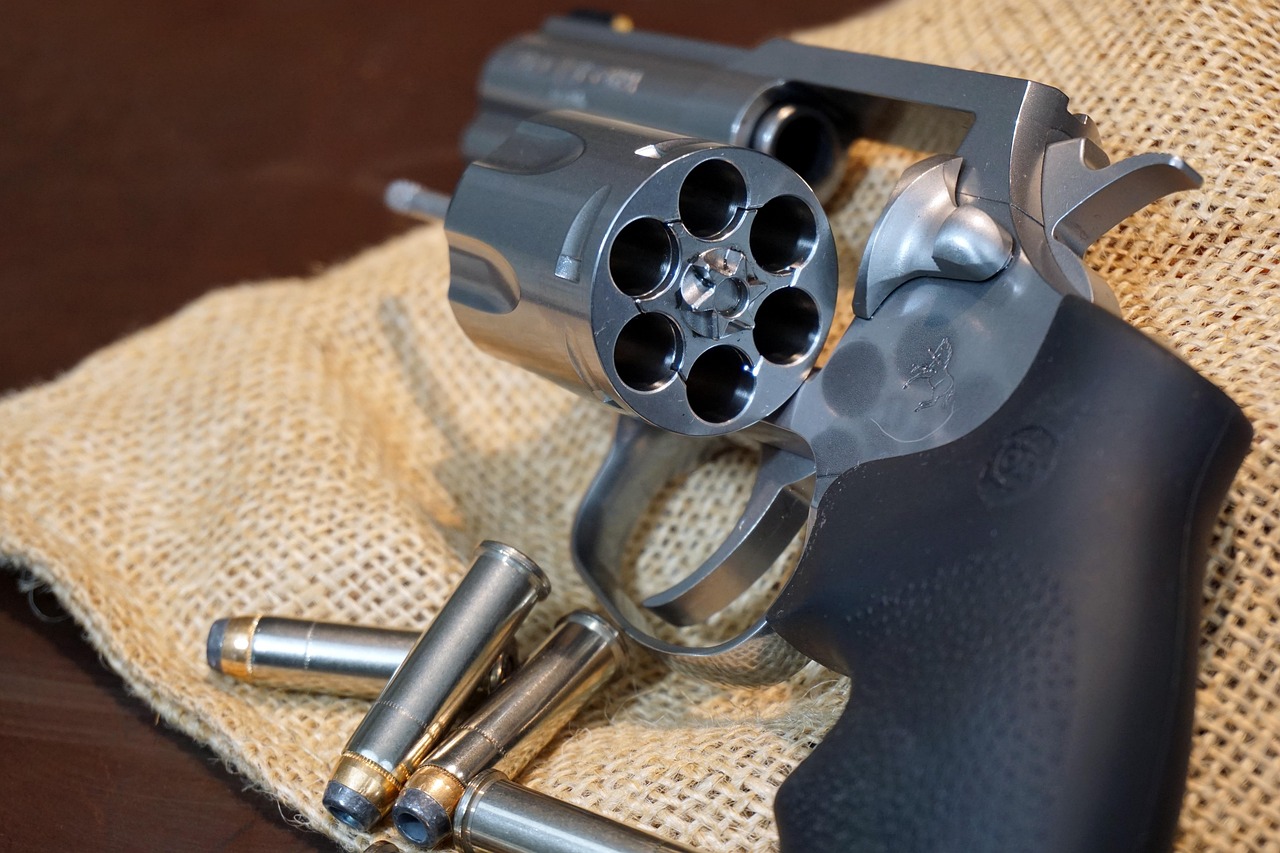
Some revolvers wear deep grooves in the cylinder, while others look like solid steel drums. That difference tells you a lot about what the gun was designed to do.
What cylinder flutes actually are
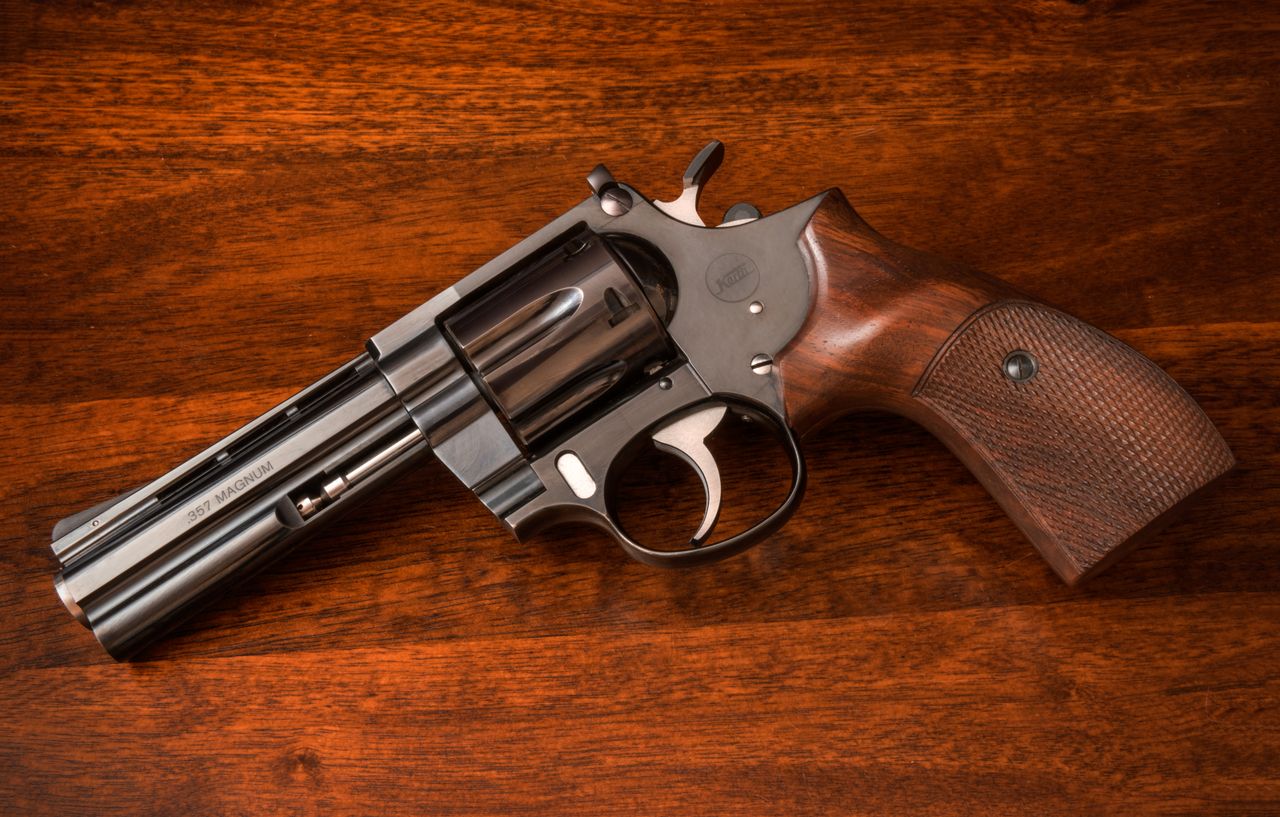
A fluted cylinder has lengthwise grooves machined into the outside surface between the chambers. A smooth, or unfluted, cylinder leaves that outer surface mostly round and uninterrupted.
The key point is that the chambers themselves hold the cartridge pressure. The flutes are cut in the metal between chambers, so they do not create the pressure vessel in the same way the chamber walls do. That is why you can find both styles on perfectly serviceable revolvers from major makers.
Ruger, for example, highlighted an extensively fluted cylinder on the original LCR as part of its lightweight design. On the other end of the spectrum, heavy hunting and performance revolvers have long appeared with smooth cylinders when designers wanted more mass or a different visual statement.
Why flutes became popular
The biggest practical reason for fluting is weight reduction. Removing steel from the cylinder trims ounces, and in a handgun every ounce affects how it carries and how quickly the cylinder rotates during double action fire.
That matters a lot on compact carry guns. Ruger specifically promoted the LCR’s fluted stainless cylinder as part of a 13.5 oz package, showing how valuable those weight savings can be on a revolver meant to ride in a pocket or waistband.
Flutes also became traditional very early. According to American Rifleman, some early Colt Model 1860 Army revolvers used fluted cylinders, although durability concerns eventually pushed changes in cylinder design. So part of the answer is pure history: shooters got used to seeing flutes, and the look stuck.
Why some revolvers skip the flutes
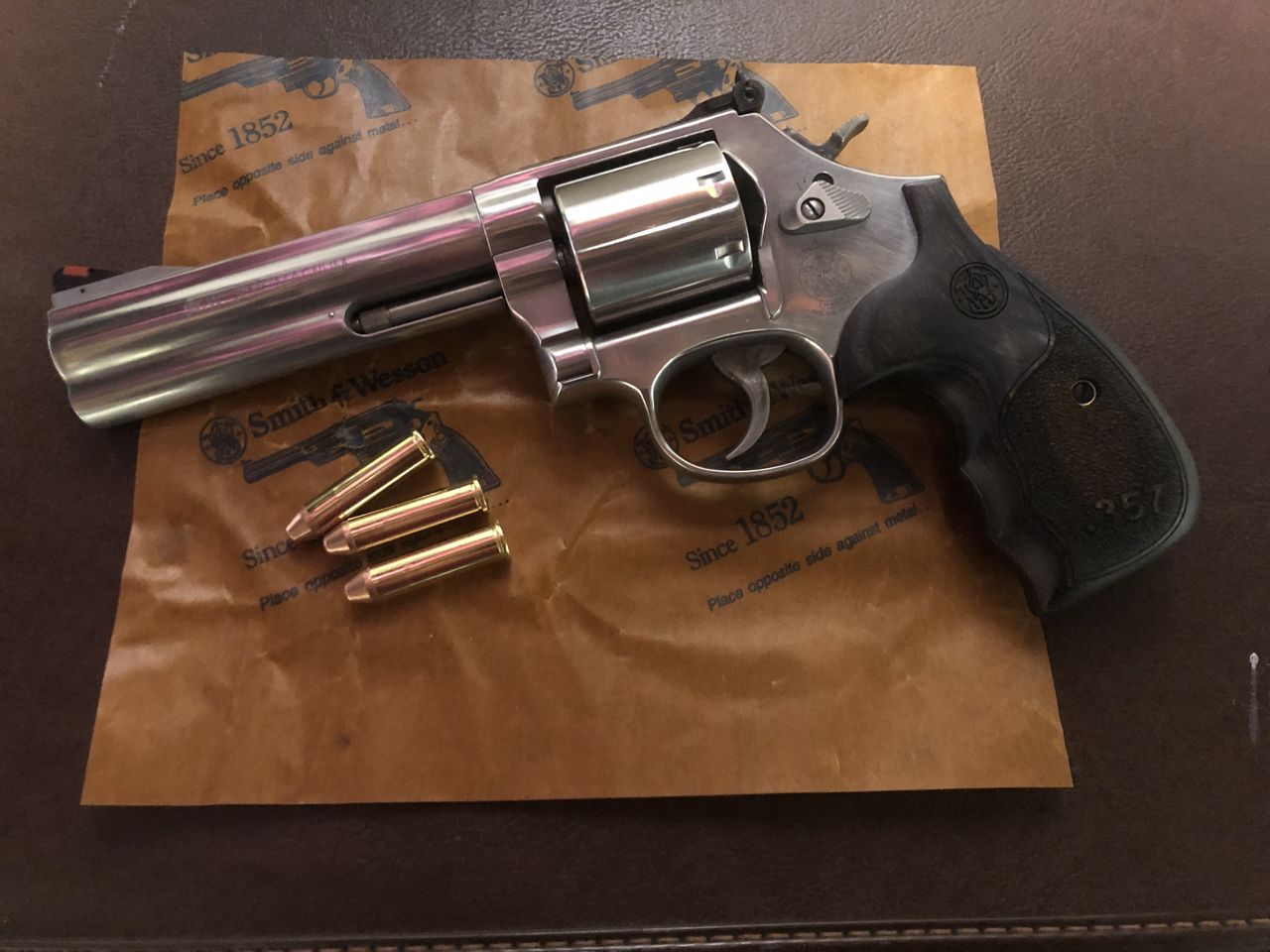
A smooth cylinder keeps more exterior steel in place. That does not automatically make every unfluted cylinder stronger in every dimension, but it can give designers more material to work with when they are building around powerful cartridges or very specific engineering goals.
That is why unfluted cylinders often show up on big bore hunting revolvers and custom guns. American Rifleman noted that Dick Casull’s early .454 Casull revolver lacked fluting, a detail that fits the cartridge’s reputation for extremely high performance and the cautious engineering mindset behind it.
There is also a balance issue. Some shooters like the way a slightly heavier cylinder changes handling. Reviews of unfluted Smith & Wesson Performance Center revolvers have noted that the added cylinder mass can shift weight back into the hand and change the gun’s feel in a useful way.
Strength, pressure, and the common myth
A common claim is that flutes are there for cooling, like fins on an engine. In practice, that is not the real reason they exist on revolvers. Cylinders do get hot during sustained firing, but flutes are primarily about weight, geometry, and sometimes manufacturing convenience or tradition.
Another myth is that smooth cylinders are always stronger, full stop. Real design is more complicated than that. Steel type, heat treatment, chamber spacing, wall thickness, lockup, and frame support all matter, and they matter more than the simple presence or absence of flutes.
American Rifleman, discussing Smith & Wesson’s Model 350, even noted that flutes were incorporated there as a manufacturing expedient. That is a good reminder that gun design is often a package deal, not a one-variable contest.
Appearance matters more than people admit
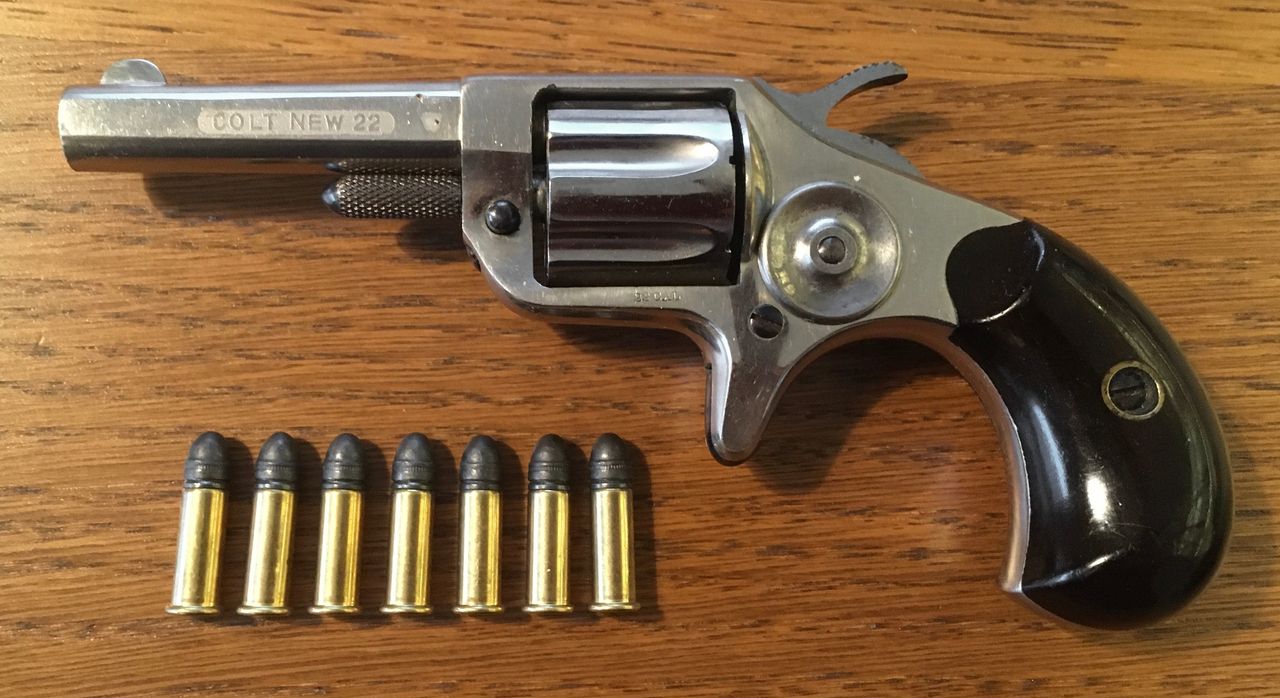
Gunmakers know buyers care about looks. Fluted cylinders break up the profile, catch light well, and give a revolver that classic sixgun appearance many people expect.
Smooth cylinders send a different message. They tend to look heavier, tougher, and more modern or purpose built, especially on large frame magnums and performance models. That visual mass is one reason unfluted cylinders are so popular on revolvers marketed as serious hunting, competition, or powerhouse defensive guns.
Neither choice is automatically better looking, but each creates a distinct identity. In the revolver world, identity sells almost as much as engineering.
So which style is better
For most shooters, a fluted cylinder is the more practical everyday answer. It saves weight, preserves the familiar revolver look, and works perfectly well on the vast majority of standard defensive, trail, and sporting handguns.
A smooth cylinder makes more sense when a designer wants extra mass, a certain balance, or a conservative approach around high performance applications. It can also be chosen simply because the maker wants a bolder appearance.
So the honest answer is simple: fluted cylinders exist because they save weight and became traditional, while smooth cylinders exist because some revolvers benefit from extra mass, different engineering choices, or a cleaner visual style. Neither is gimmicky. Both are deliberate.