Some buyers are no longer starting at the gun counter. They are starting at the parts shelf.
The appeal starts with control, not just cost

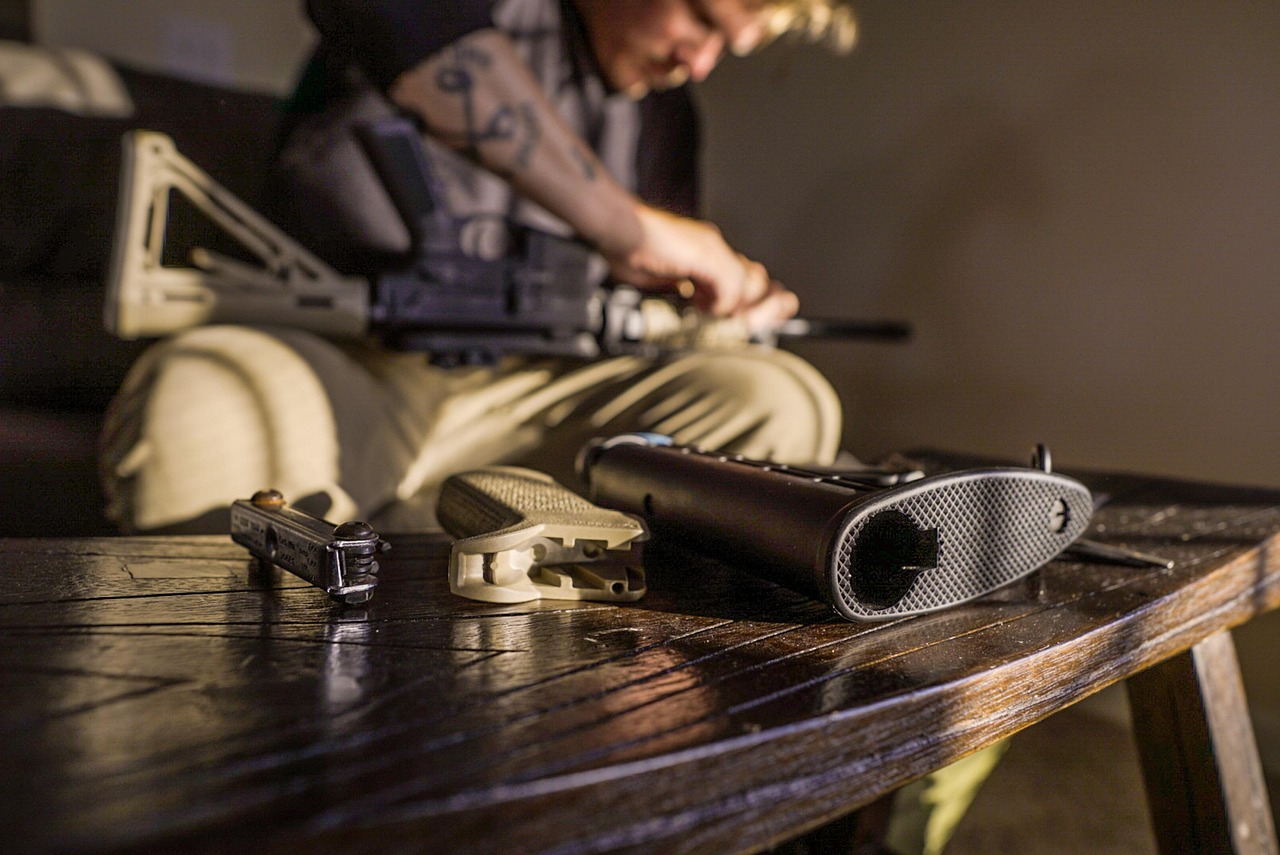
For a lot of buyers, parts kits represent something complete firearms do not always offer right out of the box: control. A factory rifle or pistol is a finished answer to a question the buyer may not have asked. A kit, by contrast, lets the owner choose the trigger feel, furniture, barrel profile, optic setup, and overall balance from the beginning.
That matters because the modern gun buyer is more informed than ever. After years of online reviews, range content, and product comparisons, many shoppers already know which components they would swap on a stock gun. In that situation, buying a complete firearm and immediately replacing parts can feel wasteful.
Price still matters, but not always in the simplistic way outsiders assume. Sometimes a parts build is about spreading cost over time rather than spending less in total. A buyer might purchase a lower today, an upper next month, and accessories later, which makes the financial hit easier to manage in a market where discretionary spending has tightened.
That strategy fits a broader retail backdrop. According to NSSF, adjusted NICS background checks tied to retail gun sales reached more than 15.2 million in 2024, showing demand remained substantial even after the pandemic-era surge cooled. NSSF also reported that same-store new firearm unit sales in 2025 fell from 2024 levels, suggesting buyers have become more selective and value-conscious rather than simply disappearing from the market.
Customization culture has become a market force
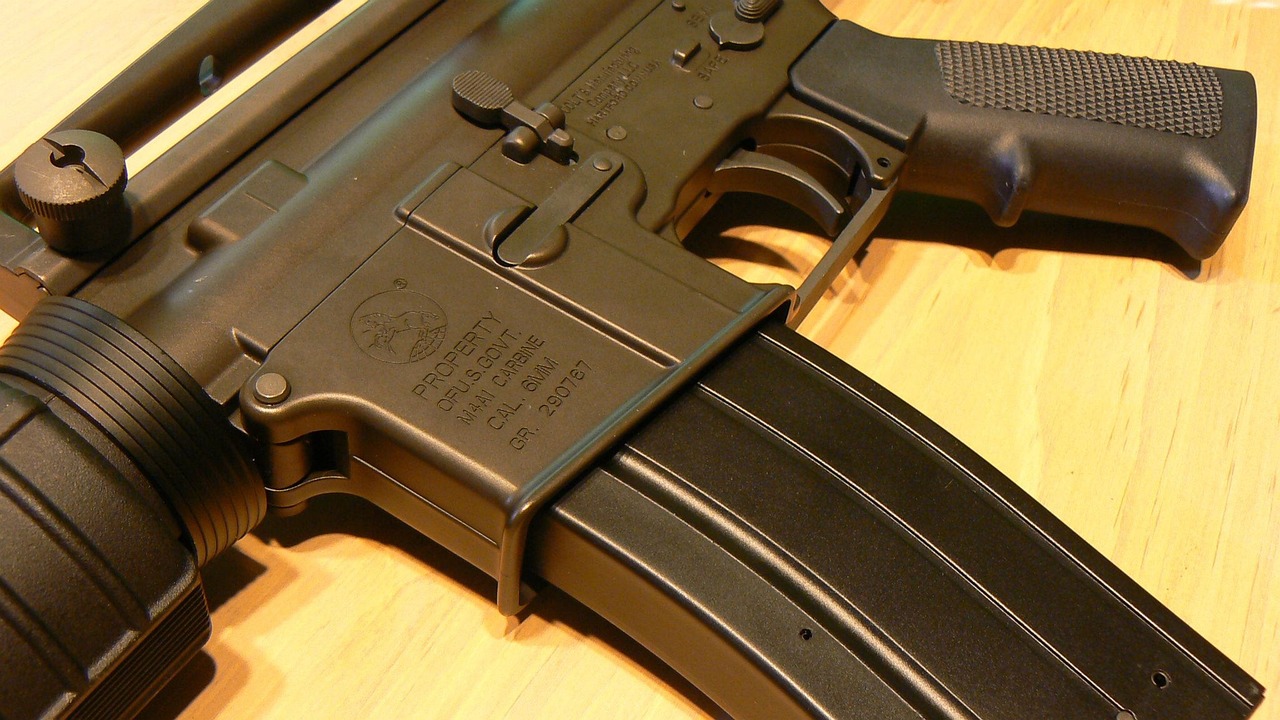
The rise of parts kits also reflects a cultural shift in gun ownership. More buyers now think like builders, tuners, and hobbyists. That mindset has long existed in the AR-15 world, where modularity is practically the product’s core selling point, but it has spread into handguns, precision rifles, and even some hunting setups.
Instead of asking, “Which gun should I buy?” many people ask, “Which platform should I build around?” That is a different consumer behavior, and it changes what sells. It favors compatible ecosystems, standardized dimensions, and brands that can plug into a larger aftermarket rather than stand alone.
This is one reason the AR platform remains such a powerful commercial engine. The lower, upper, handguard, stock, trigger, and optics package can all be tailored to a specific purpose, from home defense to coyote hunting to weekend range use. A complete firearm may be convenient, but a parts-based approach feels personal in a way mass production often does not.
There is also a satisfaction factor that should not be underestimated. People who camp, hunt, reload ammunition, or maintain their own gear often enjoy mastering equipment. Building from parts fits that temperament. It turns a purchase into a project, and in a crowded market, projects often create stronger loyalty than off-the-shelf products.
Regulation changed the conversation around kits
The parts kit story cannot be told honestly without discussing regulation. In 2022, ATF’s frame or receiver rule took effect and expanded how federal regulators evaluate partially complete frames, receivers, and some kits that can be readily converted into functioning firearms. ATF has said sellers and regulators may consider not just a single component, but the surrounding materials, tools, and marketing when deciding whether an item qualifies as a firearm under federal law.
Then came an even bigger legal marker. On March 26, 2025, the U.S. Supreme Court in Bondi v. VanDerStok upheld ATF’s ability to regulate certain weapon parts kits and unfinished frames or receivers under the Gun Control Act. The Court noted that some kits can be completed with limited time, expertise, or specialized tools, which reinforced the government’s position that at least some kits belong inside the same regulatory framework as traditional firearms.
That ruling did not end every dispute, but it did reduce the fantasy that all kits exist in a legal gray zone. Buyers are now operating in a market where some kit pathways are plainly more regulated, more scrutinized, and less friction-free than they once appeared to be. That has pushed interest toward clearly lawful, serialized, and mainstream component purchases.
In other words, regulation did not kill the build culture. It redirected it. Many consumers still want to assemble firearms, but they increasingly want to do it through well-understood channels, using compliant parts from established brands rather than chasing loophole-driven products.
The market is separating hobby builders from shortcut seekers
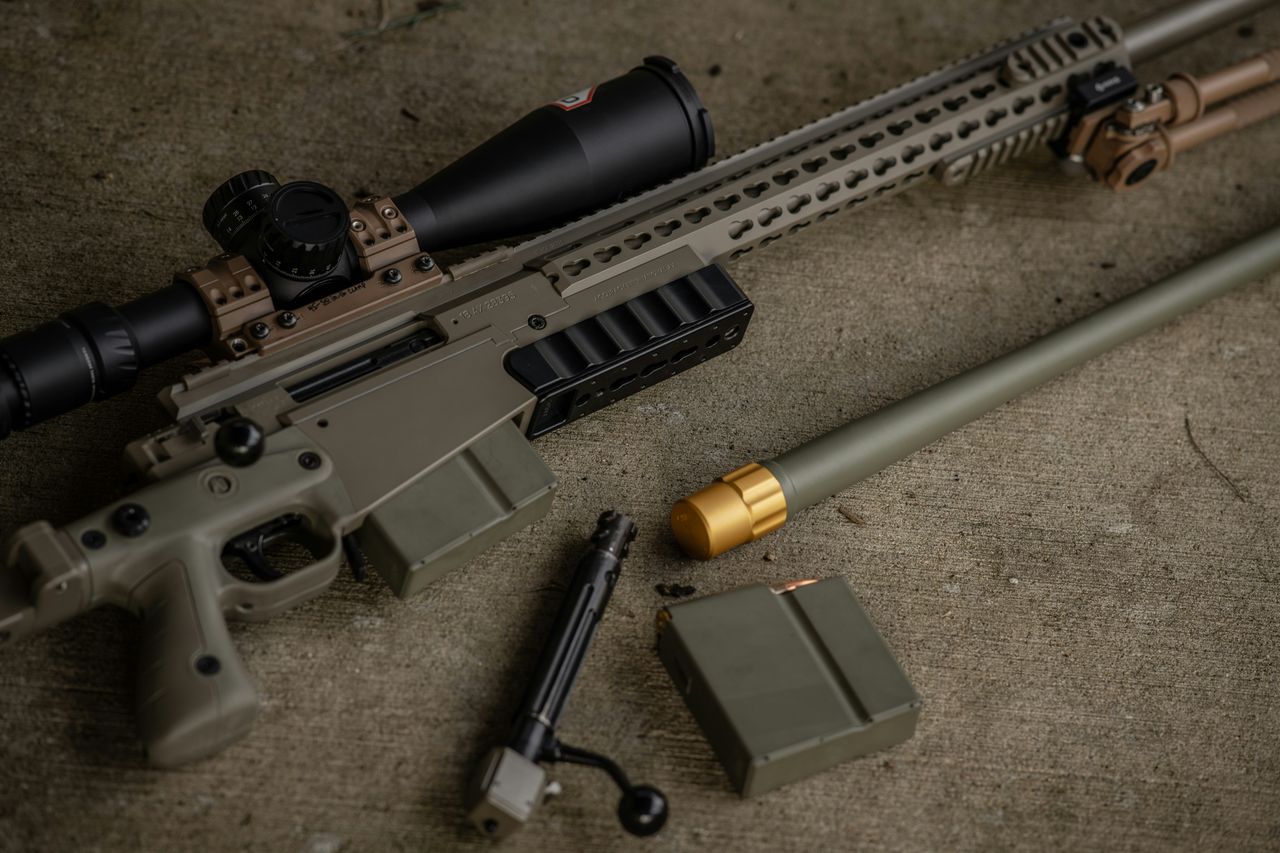
That distinction matters because the phrase “parts kit” covers very different things. On one end, it can mean a lawful collection of components for a serialized, traceable build purchased through normal commercial channels. On the other hand, it can refer to products historically marketed around unfinished receivers and the promise of bypassing ordinary retail controls.
Those categories used to blur together in public debate. They are separating now, both legally and commercially. The hobby builder wants quality, compatibility, and performance. The shortcut seeker has been drawn by convenience, anonymity, or the idea of skirting normal procedures. The market is increasingly rewarding the first group and squeezing the second.
That shift is visible in industry fallout. Companies tied closely to the unserialized build boom ran into legal and financial trouble, and Polymer80 ceased operations and began liquidating assets in 2024 after years of lawsuits and regulatory pressure. Whether one views that as overdue enforcement or market distortion, the practical effect is the same: the center of gravity has moved toward conventional brands and serialized components.
Law enforcement pressure also shaped the environment. The Justice Department said in 2024 that between 2017 and 2023, 92,702 suspected privately made firearms were recovered and reported. That kind of growth changed how courts, regulators, and mainstream retailers looked at the category, making it harder for the old “it is just parts” argument to carry the same weight.
Economic pressure is making buyers more strategic

Another reason buyers are turning to parts kits is straightforward economics. In a softer retail environment, consumers look for ways to maximize value. If they already own magazines, optics, slings, lights, or a preferred lower, building around those existing assets can be smarter than buying a whole new gun package that duplicates gear they do not need.
A parts-based purchase also creates flexibility in timing. Someone who cannot justify a full rifle purchase this month might still pick up a quality upper or trigger when it goes on sale. That piecemeal approach keeps people active in the market even when household budgets are tighter and inflation has made every hobby purchase feel more deliberate.
Retailers have noticed. Accessory-rich ecosystems often hold up better than pure firearm sales during slower periods because enthusiasts keep upgrading even when they postpone complete gun purchases. NSSF’s 2026 market outlook, drawing on 2025 same-store sales data, pointed to a notable year-over-year decline in new firearm unit sales, reinforcing the idea that buyers are becoming more surgical with spending.
There is a psychological angle too. Spending $250 or $500 at a time can feel easier to defend than spending $1,200 in one transaction, even if the total bill eventually exceeds that amount. For many consumers, a parts kit path is less about bargain hunting and more about cash flow management.
Experience levels are changing what “entry level” means
It would be easy to assume parts kits are mainly for experts, but the market is more layered than that. Today’s buyer often arrives with far more technical knowledge than the average first-time owner did a decade ago. Video tutorials, range forums, manufacturer support pages, and armorer classes have lowered the intimidation factor around assembly and maintenance.
That does not mean every new buyer should build. Complete firearms still make more sense for many people, especially those who want immediate reliability, factory support, and a simple buying process. But it does mean the line between beginner and enthusiast has blurred. A first-time AR buyer may already understand buffer weights, gas systems, and red dot mounting options before ever making a purchase.
The firearms business has quietly adapted to this. More brands now market complete uppers, builder sets, drop-in triggers, and compatibility-friendly component lines because they know customers want staged entry points. That approach meets buyers where they are, whether they want to assemble everything themselves or only customize a few core parts.
In effect, the modern “starter gun” is not always a finished gun. Sometimes it is a platform. That says a lot about how education, online communities, and product standardization have raised the comfort level of ordinary consumers.
What parts kit demand says about the future of the market
When buyers choose parts kits over complete firearms, they are signaling more than a product preference. They are saying they want modularity, financial flexibility, and more ownership over the final result. They are also signaling less trust in one-size-fits-all manufacturing and more confidence in their own ability to shape a firearm to a purpose.
At the same time, the market is telling its own story back. It is becoming less tolerant of ambiguity around unfinished receivers and less hospitable to companies built around regulatory edge cases. The legal environment after the March 2025 Supreme Court ruling is clearer than it was, and that clarity favors compliant, established channels over gray-market-style marketing.
So the big takeaway is not that complete firearms are going away. They are not. The real takeaway is that buyers are becoming more intentional. In a mature market with slower unit growth, that kind of intentionality matters because it shifts spending from impulse purchases to researched, modular, purpose-driven buying.
That is usually what happens when a market grows up. Consumers get sharper, regulation gets clearer, and the products that win are the ones that offer real value without asking buyers to guess where the line is. Parts kits, in that sense, are not a side story. They are one of the clearest signals of where the firearms business is headed next.