Bobcats and coyotes may inhabit the same woodlands, fields, and brushy edges, but hunting them presents two very different challenges. Coyotes are adaptable, social animals that often respond to sound and changing conditions, while bobcats tend to rely on stealth, patience, and carefully chosen cover. Their differences affect everything from habitat selection to calling methods and shot opportunities. Understanding these eight distinctions helps explain why a strategy that works for coyotes may be far less effective when pursuing bobcats. Local regulations, seasons, and permitted methods should always guide any hunt.
1. Habitat and Cover
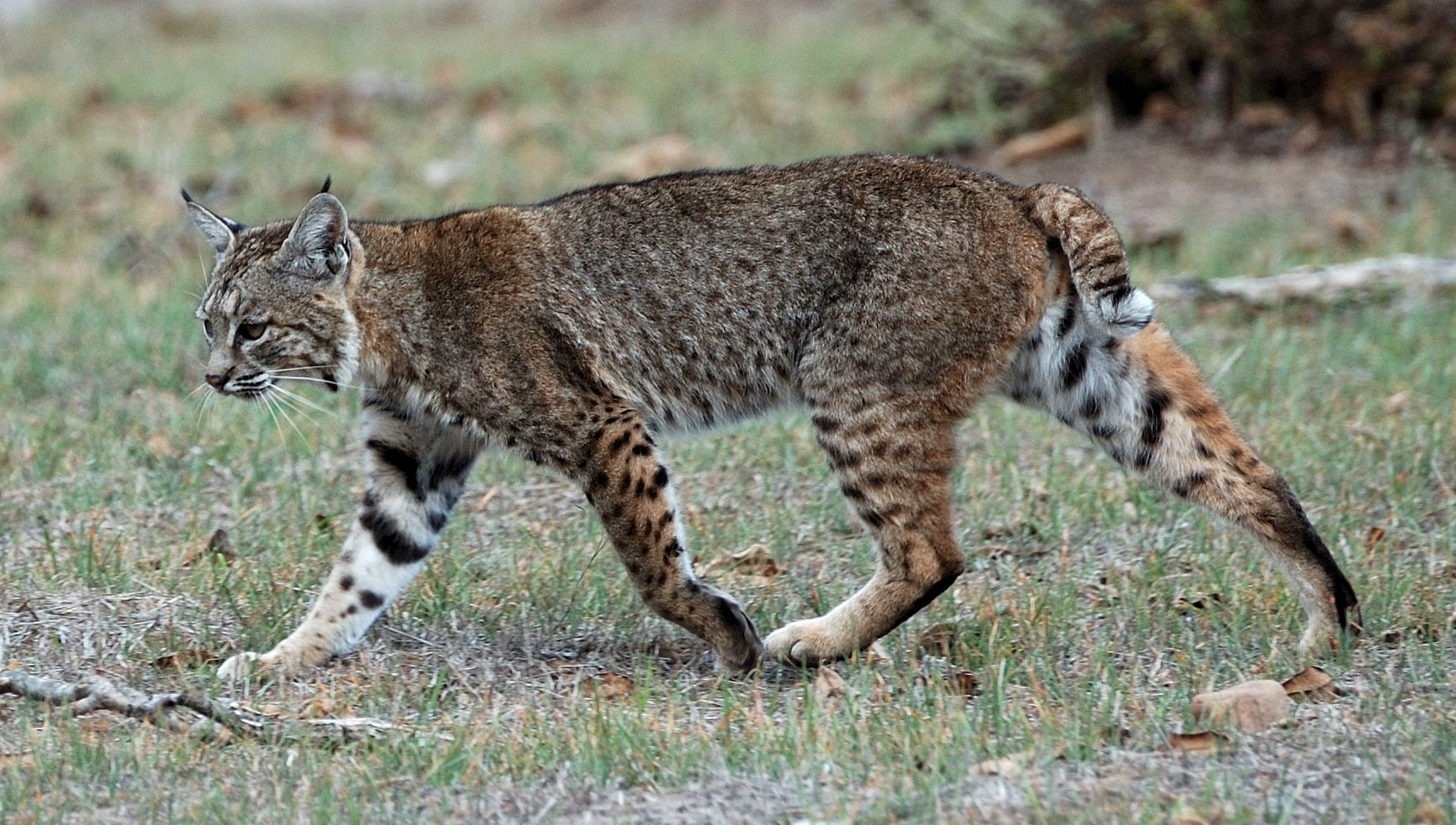
Bobcats are often associated with thick brush, young forest, rocky edges, and places where they can stay concealed while watching for prey. Coyotes use many of those same areas, but they also travel readily through open fields, farmland, and broad grassland. That difference changes what the landscape tells you: bobcat country often offers short, hidden routes and nearby cover, while coyote sign may cross more exposed ground. Neither species is limited to one habitat, so local tracks, camera images, and legal access matter more than a general rule.
2. A Slower, More Secretive Approach
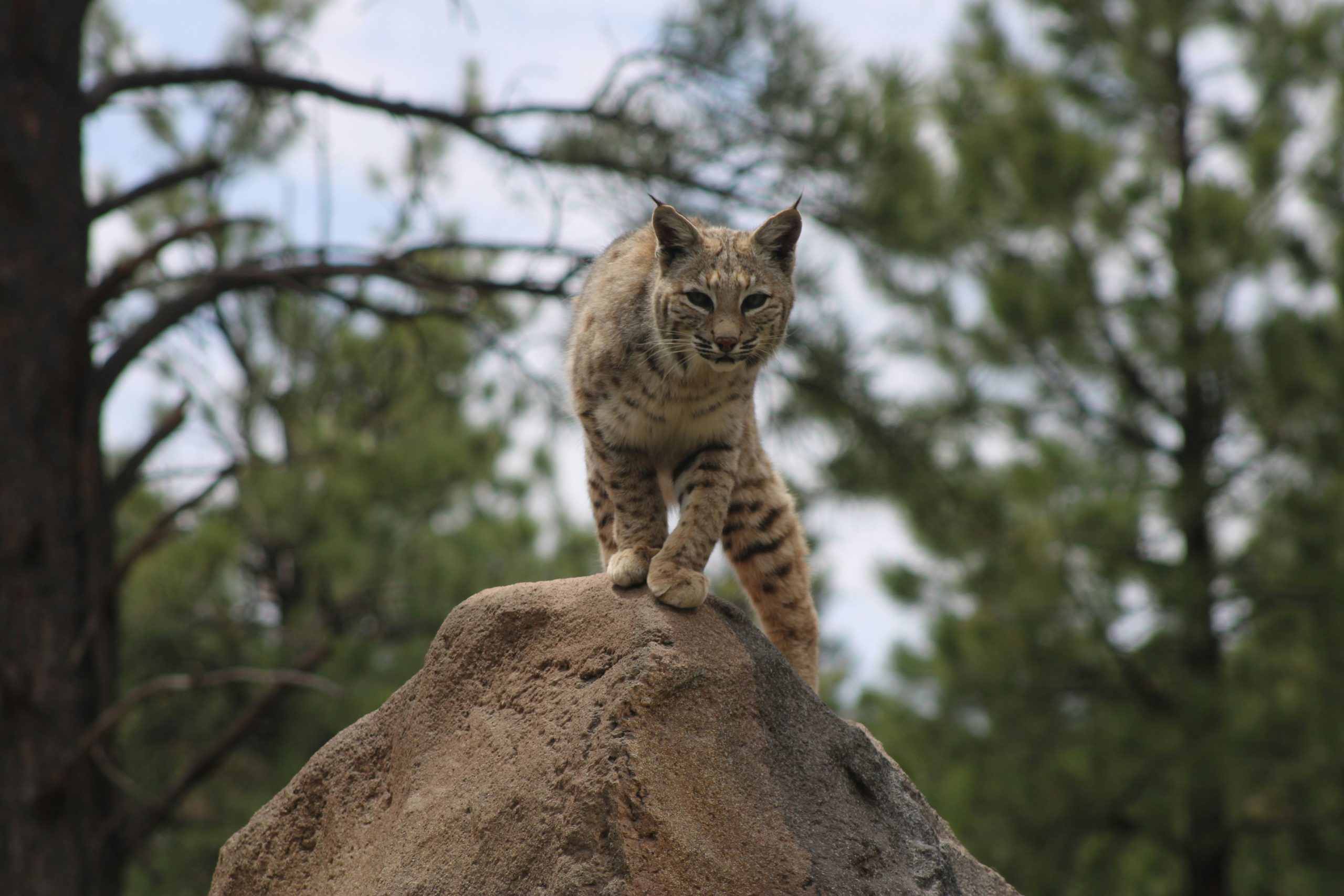
A bobcat may move quietly through cover, pause, and watch before coming closer, making it easy to miss even when it is nearby. Coyotes can also be cautious, but they often cover ground more directly and may approach at a trot or circle to investigate. A 2020 study of nocturnal movements in Texas found that bobcats generally moved shorter hourly distances than coyotes. That is a useful ecological distinction, not a guarantee about an individual animal; terrain, disturbance, prey, and season can change how either predator behaves. Individual encounters can still differ.
3. Different Calling Expectations
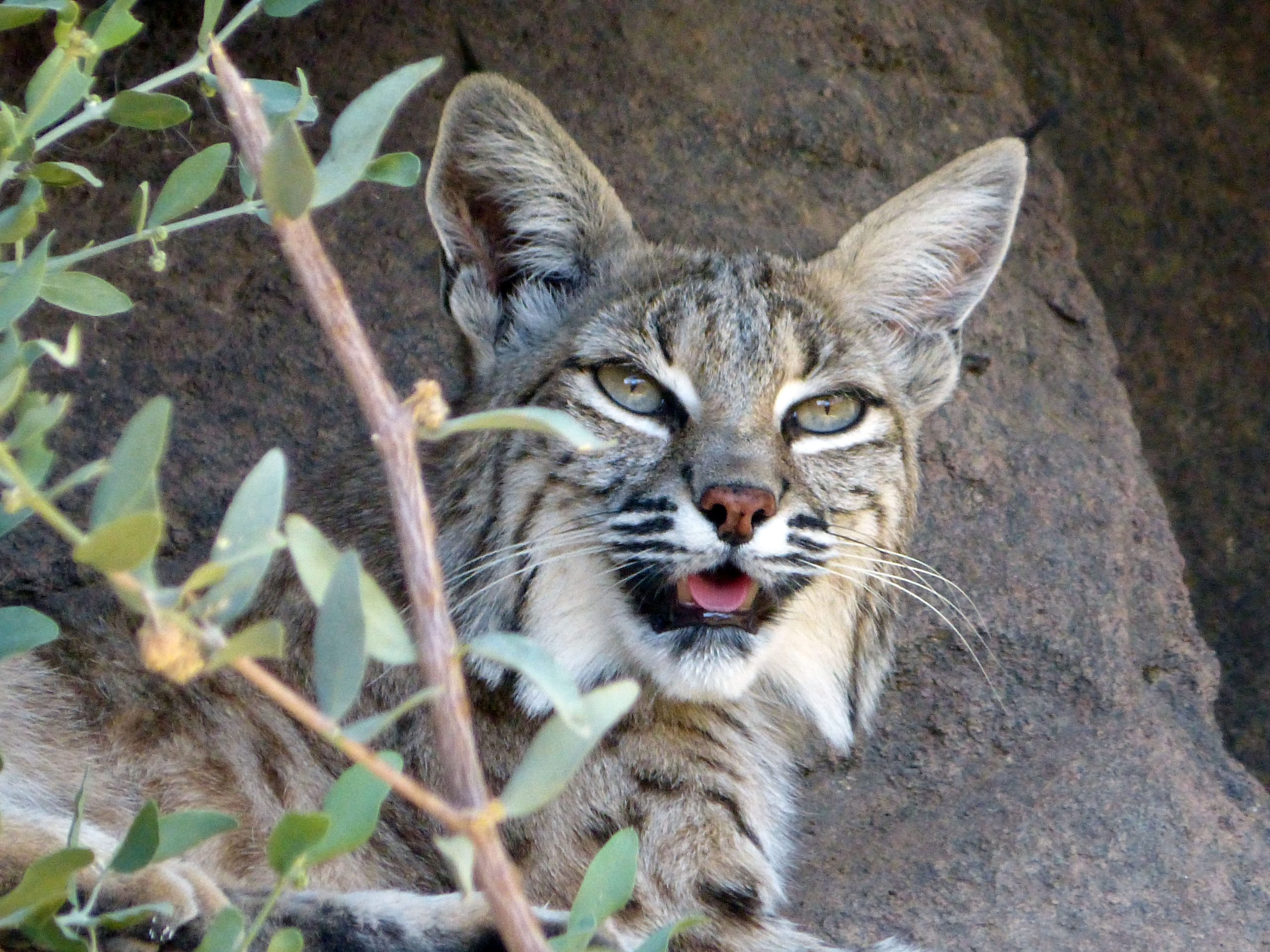
Both predators may respond to prey-distress sounds, including rabbit or rodent calls, but their reactions are not interchangeable. A bobcat may approach slowly and remain partly hidden, while a coyote may answer vocally, arrive more directly, or investigate from another angle. There is no universal call sequence or fixed waiting time that works everywhere. Treat calling as an uncertain way to attract attention, not proof that an animal is present, and follow local rules on electronic callers, sound use, and permitted hunting methods. Results depend on the setting and the animal.
4. Patience and Visual Scanning
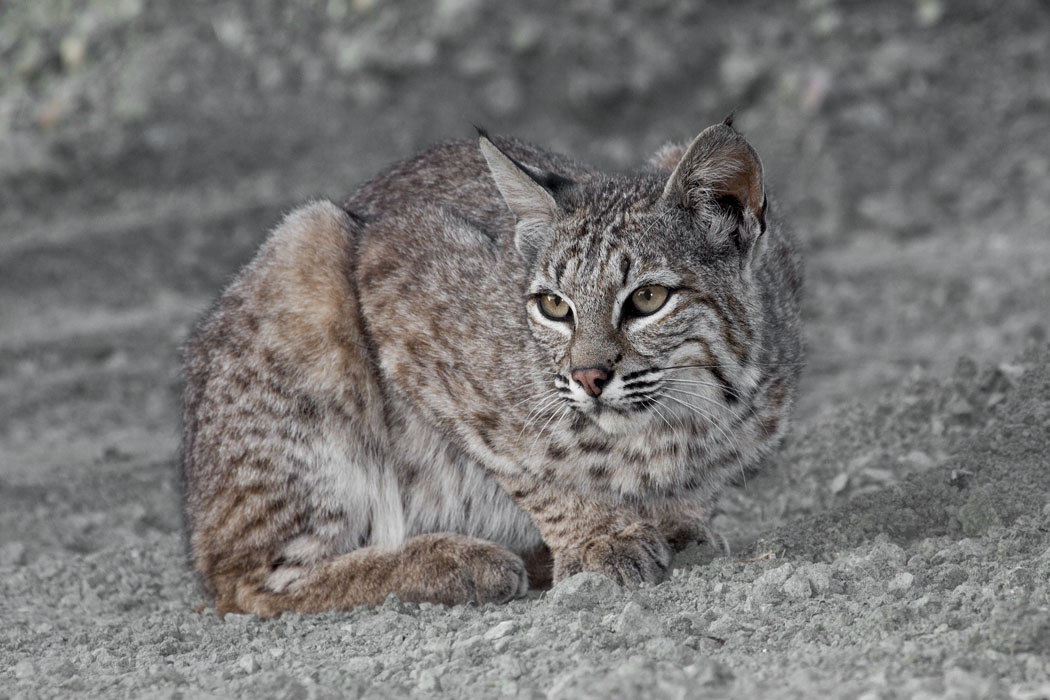
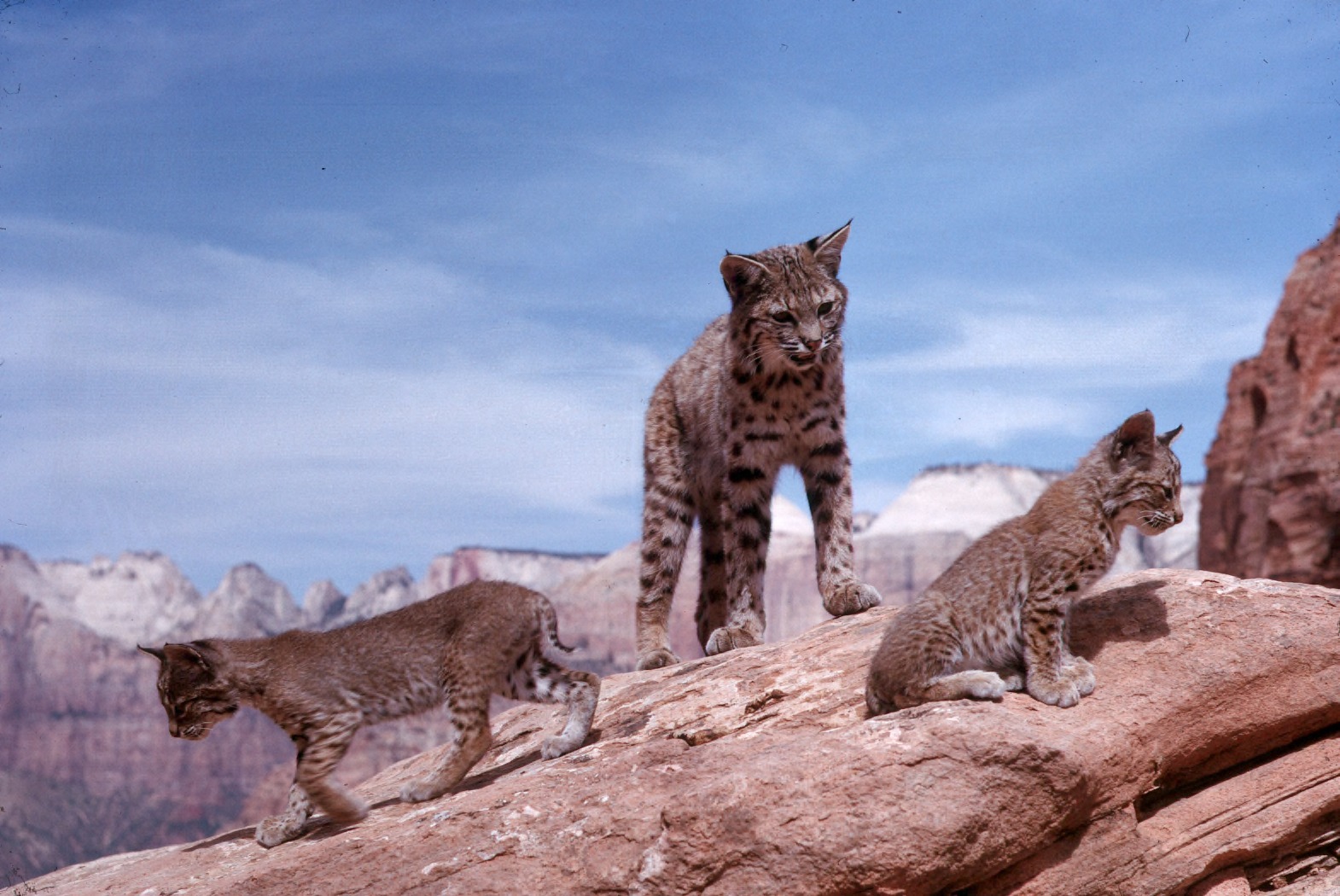
Bobcat hunting often tests a person’s ability to notice small movements in dense cover. Their spotted or mottled coats can blend into leaves, shadows, and broken terrain, and the animal may pause behind vegetation instead of crossing an open space. Coyotes are not always easy to see, but their longer legs and larger overall outline can be more obvious in open country. Even during a 10-minute scan, a bobcat may be visible only in fragments. Move your eyes methodically and never assume a quiet stand means no predator is nearby. Good observation matters more than rushing.
5. Prey and Hunting Style
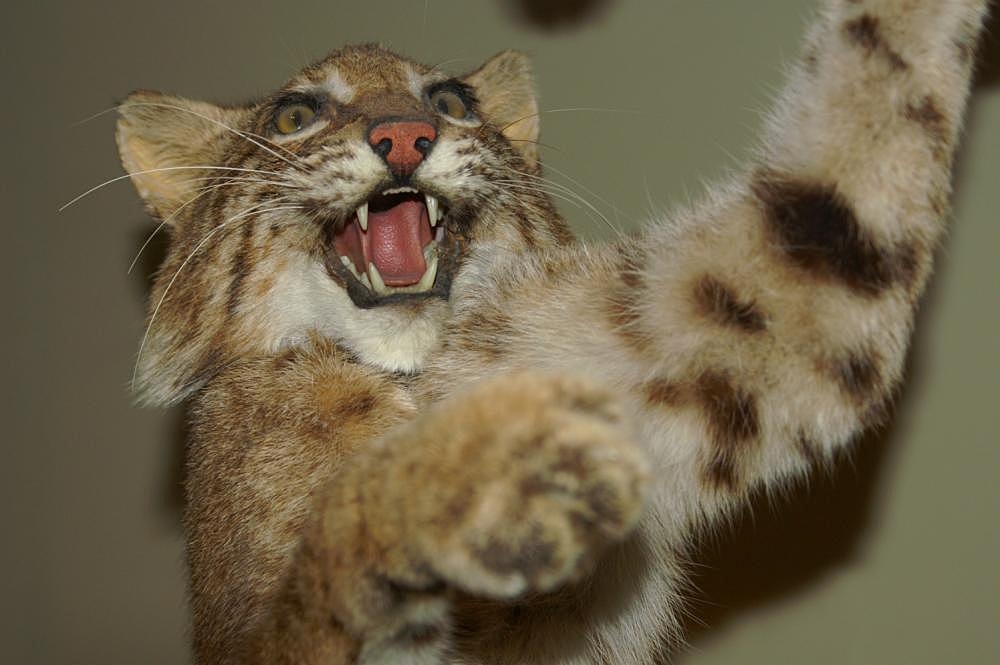
Bobcats rely heavily on sight and hearing when stalking prey, using concealment to get close before making a short rush. Their diet commonly includes rabbits, mice, squirrels, birds, and sometimes young deer. Coyotes are more flexible feeders, taking small mammals, fruit, insects, carrion, and other available food as well as larger prey when opportunities arise. Those different feeding patterns influence where each animal may be encountered, but diet alone cannot identify which predator is using a location. Look for several clues rather than relying on one sign.
6. Tracks and Physical Identification
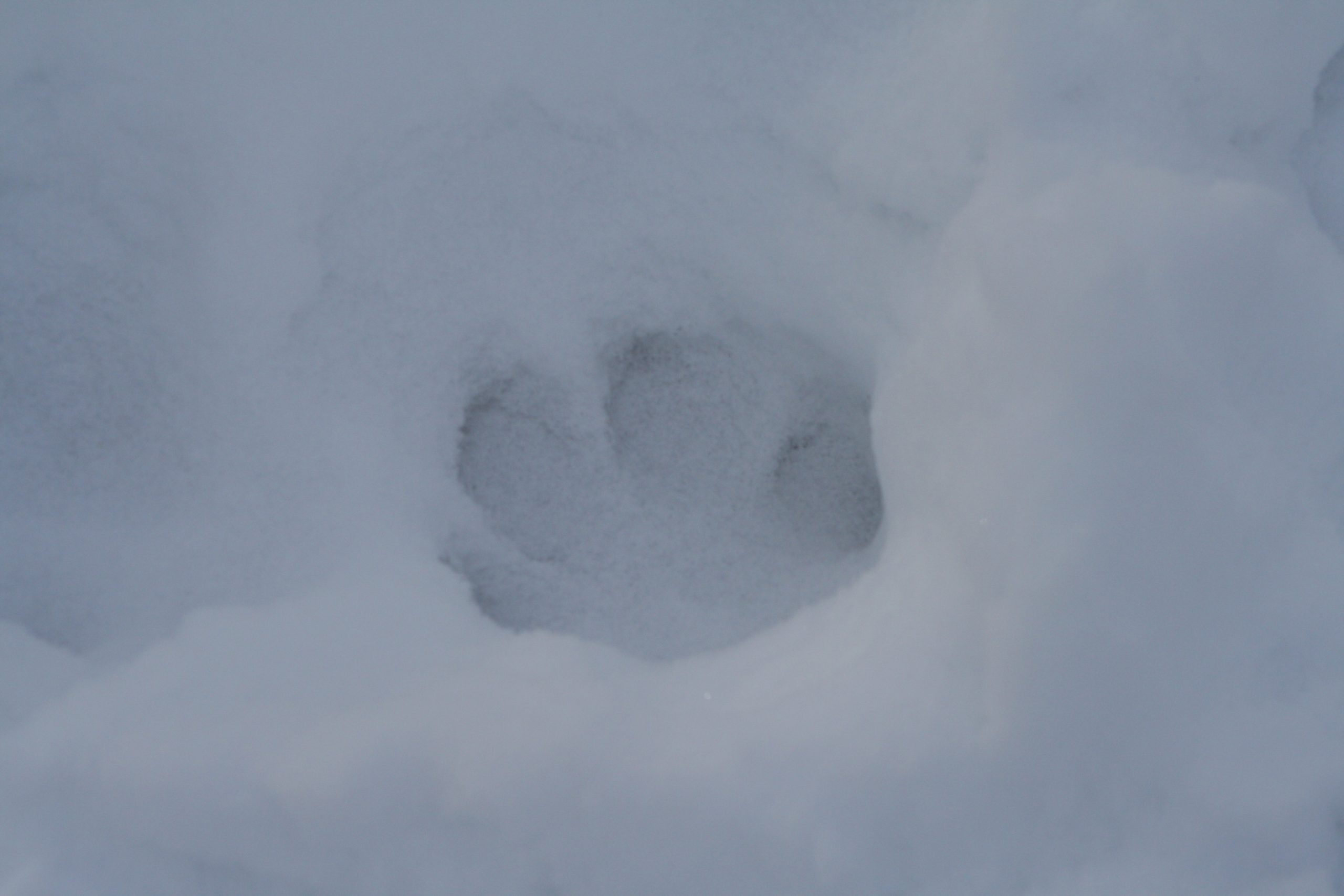
Tracks can help distinguish the species before an encounter. Bobcat prints are generally rounded, with four toes and usually no obvious claw marks; coyote prints tend to be more oval, with four toes and claw marks often visible. A bobcat’s tail is short, while a coyote’s is long and bushy. Mud, snow, substrate, and overlapping tracks can distort these clues, so one print is not always conclusive. Confirm identity using multiple features, and do not make a shot unless the animal is clearly identified and legally eligible. Use a clear view and adequate light.
7. Timing and Activity Patterns
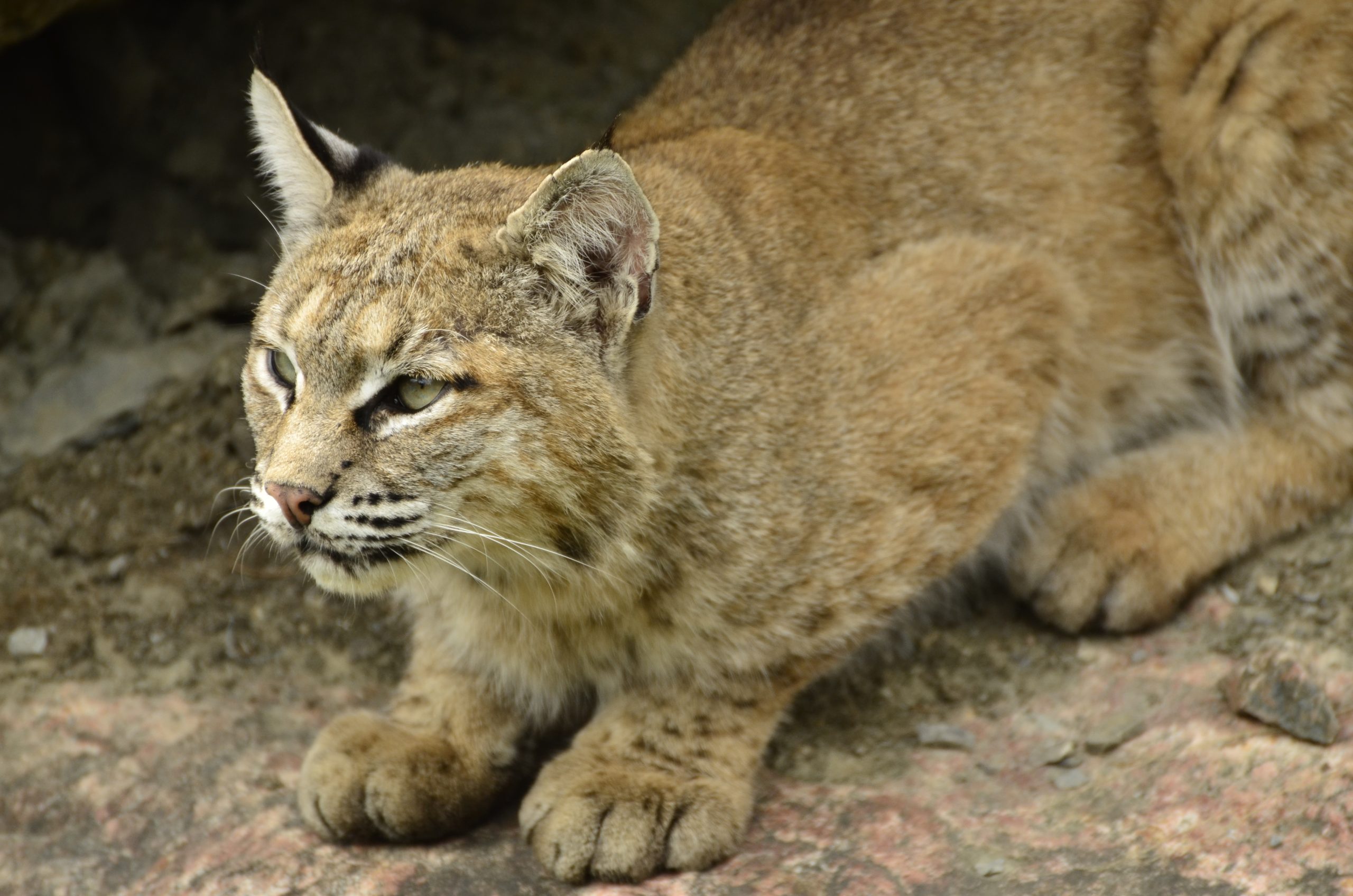
Both species may be active around dawn, dusk, and at night, so a simple claim that one hunts only after dark is misleading. Bobcats are often elusive and can be active during daylight, while coyotes adjust their schedules to food, season, and human activity. Research in Texas found that movement patterns differed with environmental conditions and season, rather than following one fixed timetable. Plan around legal shooting hours and local regulations, and treat time of day as one factor among many, not a promise that either species will appear.
8. Regulations and Responsible Decisions
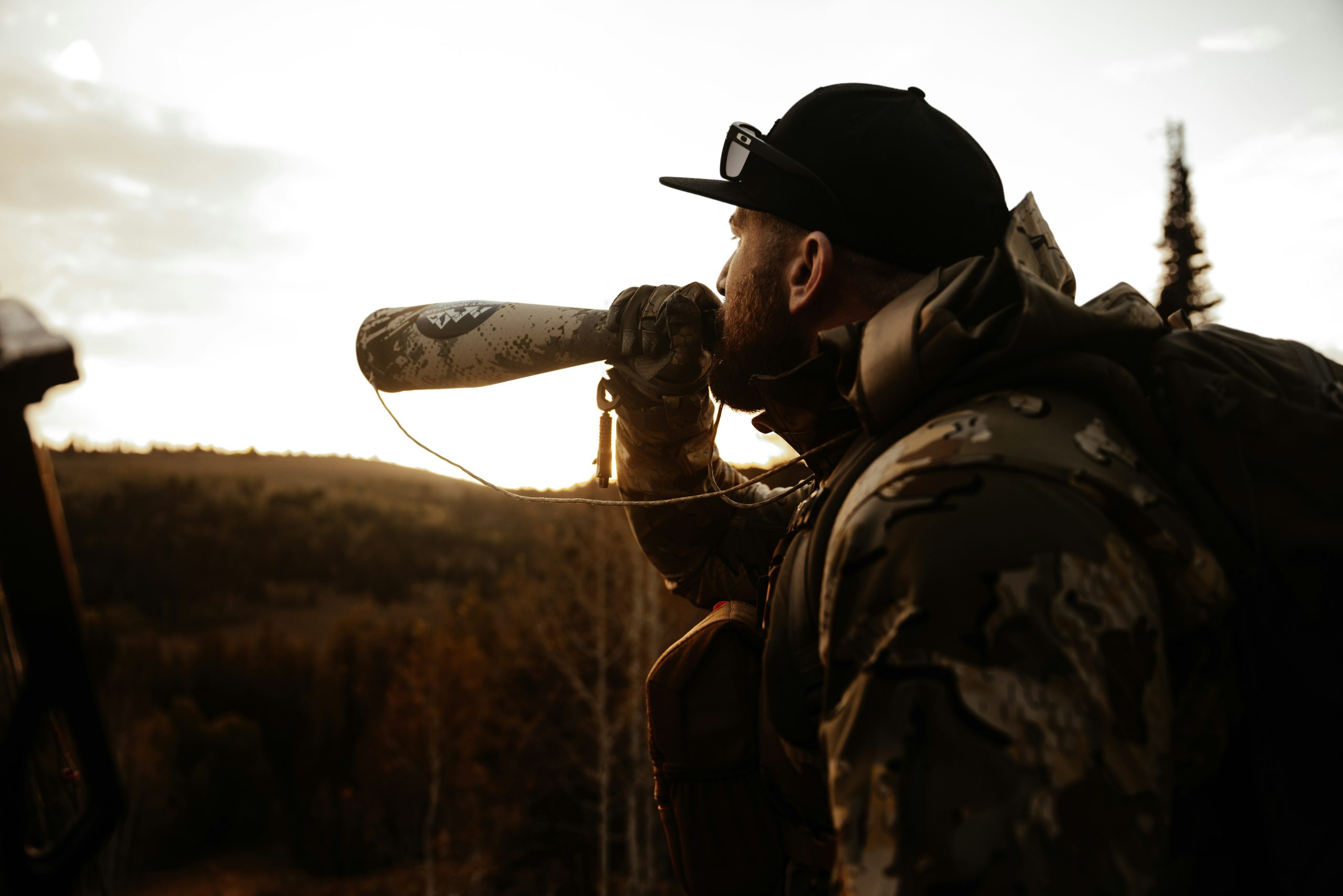
The legal differences can matter as much as the animal behavior. Seasons, bag limits, tagging, legal equipment, night hunting, electronic calls, and reporting rules vary by state and sometimes by management zone. For example, a season that allows coyote hunting may not allow bobcat harvest on the same date. Check the current wildlife agency regulations before each trip, confirm land permission, and identify the animal positively before acting. A responsible hunter should be prepared to pass on an uncertain opportunity rather than risk an illegal or unsafe mistake. Rules may change annually.