It sounds like a myth, but it was very real. The FP-45 Liberator was a pistol built around one brutal idea: fire a single shot, take the enemy’s gun, and move on.
A Gun Designed For A Desperate Kind Of War
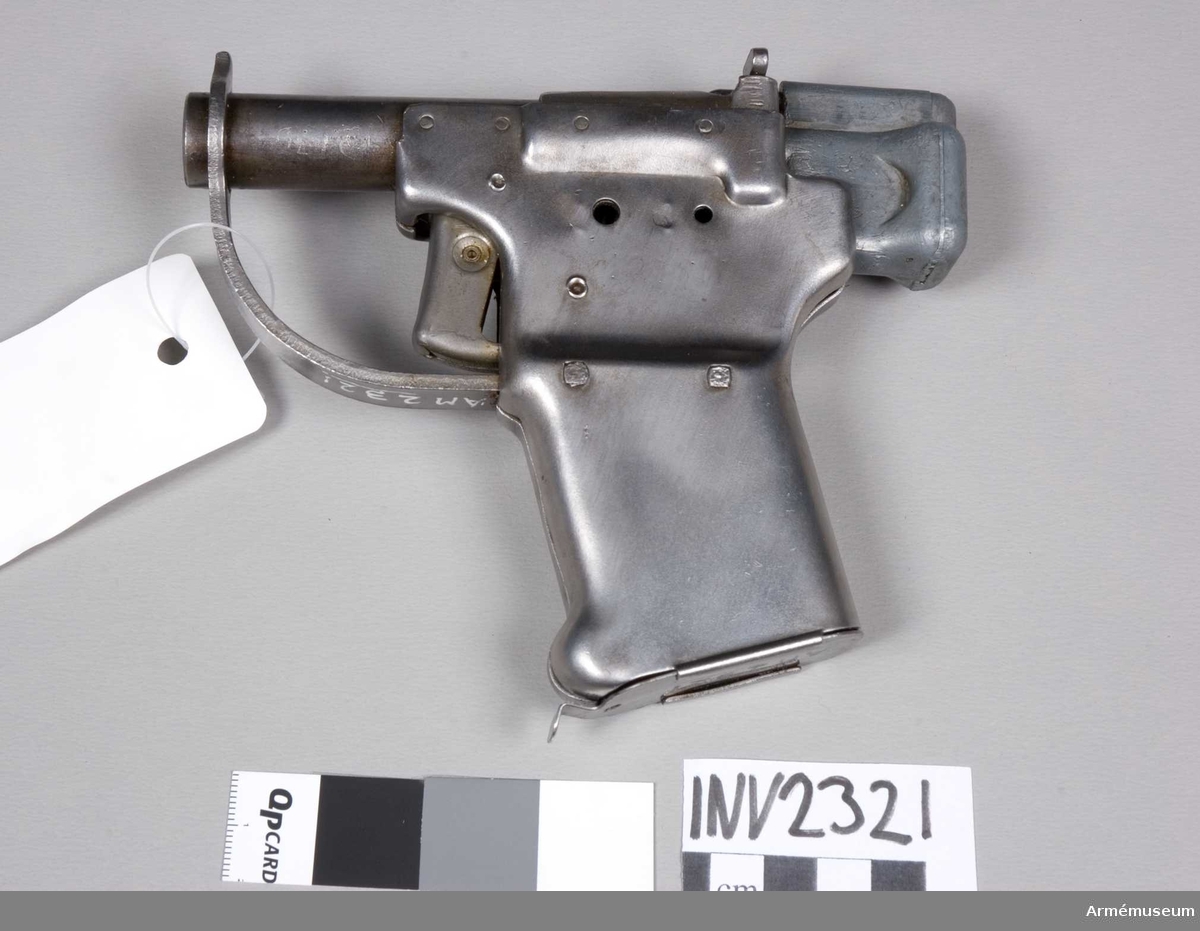
The FP-45 Liberator emerged in 1942, when Allied planners were looking for weapons that could support resistance fighters in occupied territory. This was not a sidearm meant for regular American troops. It was conceived as a crude assassination tool for guerrillas, saboteurs, and civilians behind enemy lines.
According to the National Park Service, the pistol was intended to kill a sentry or isolated enemy soldier so the user could seize a better weapon. That mission explains everything about the gun. The Liberator was never supposed to win a firefight.
Its purpose was psychological as much as practical. A cheap gun dropped in large numbers could suggest that armed resistance was possible anywhere. In theory, that made it a weapon of both warfare and propaganda.
Why The Liberator Was So Cheap
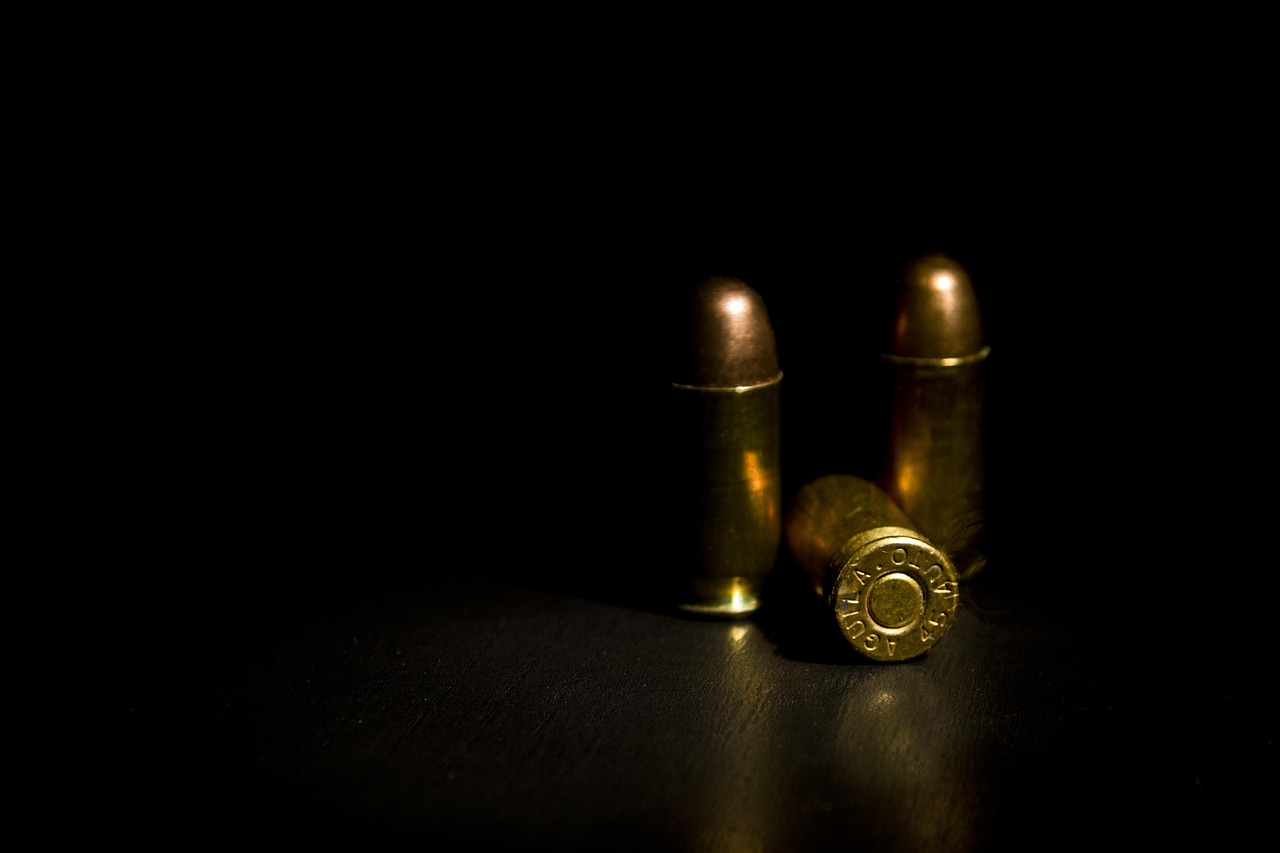
The Liberator was officially designated the FP-45, with the “FP” commonly understood as “Flare Projector” to disguise the project. It fired the hard-hitting .45 ACP cartridge, but almost everything else about it was stripped to the bare minimum. There was no magazine, no rifled barrel, and no effort to make it elegant.
American Rifleman reports that the design was transferred to General Motors’ Guide Lamp Division in Anderson, Indiana. That choice made sense. The division already knew how to mass-produce stamped metal parts quickly and cheaply.
The result looked more like an emergency tool than a conventional handgun. It used a simple smoothbore barrel, a cocking piece at the rear, and a storage compartment in the grip for extra rounds. Even loading and unloading it felt primitive.
Built At Astonishing Speed
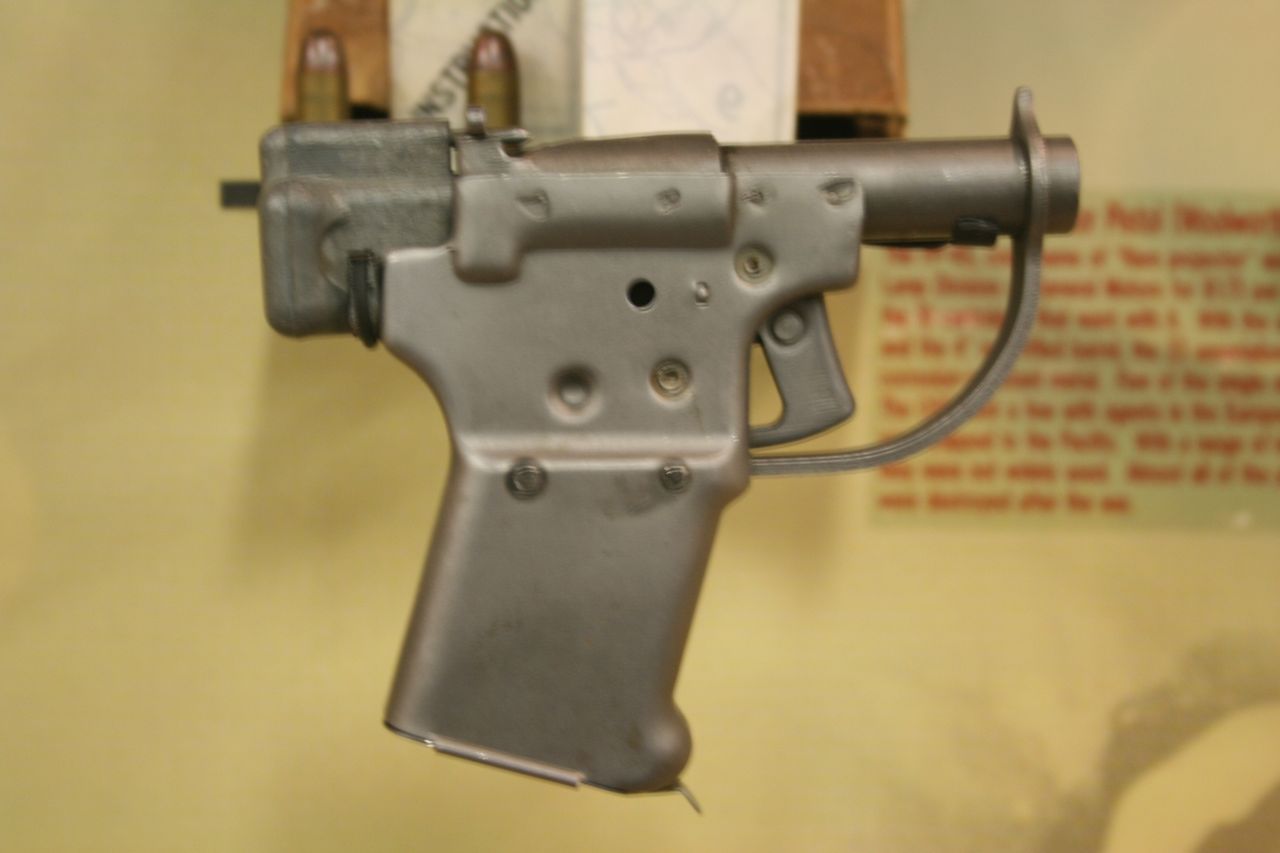
One of the most remarkable facts about the Liberator is how fast it was produced. American Rifleman says Guide Lamp received the contract on May 15, 1942, began production in June, and completed 1 million pistols by August 21 of that year. That is a staggering wartime manufacturing sprint.
Roughly 300 workers, sworn to secrecy, handled the project. The reported average assembly time worked out to just a few seconds per gun. That kind of speed was possible only because the pistol used very few parts and almost no machining compared with standard military handguns.
Cost mattered just as much as speed. Sources place the fully packaged cost at about $2.10 apiece, with the pistol itself even cheaper. For wartime planners, that made the Liberator almost disposable by design.
How It Was Supposed To Be Used
Each Liberator was typically packed in a small cardboard box with 10 rounds of .45 ACP ammunition, a wooden dowel, and pictorial instructions. The dowel was necessary because the fired case had to be punched out manually. That detail alone tells you how unsophisticated the weapon really was.
The ideal scenario was grim and intimate. A resistance fighter would hide, approach at close range, shoot one enemy, and immediately grab that person’s rifle or sidearm. In other words, the Liberator was a bridge to a real weapon.
The OSS distributed the pistol especially for use in places such as China and the Philippines, according to the National Park Service. But historians generally agree that actual battlefield use was limited. The concept was simpler than the realities of clandestine war.
Why Many Military Leaders Doubted It
On paper, the Liberator sounded clever. In practice, it asked an enormous amount from an untrained user. The shooter had one shot, poor sights, crude construction, short effective range, and no quick reload.
That raised obvious doubts inside the military. A one-shot pistol with a smoothbore barrel was inaccurate by normal standards, and getting close enough to use it safely was extremely dangerous. Even if the first shot worked, the user still had to overpower or disarm the target under chaos and stress.
This is why the Liberator has always occupied a strange place in firearms history. It was ingenious from a production standpoint, but deeply questionable as a combat tool. The same features that made it cheap also made it a desperate weapon.
The Liberator’s Lasting Legend
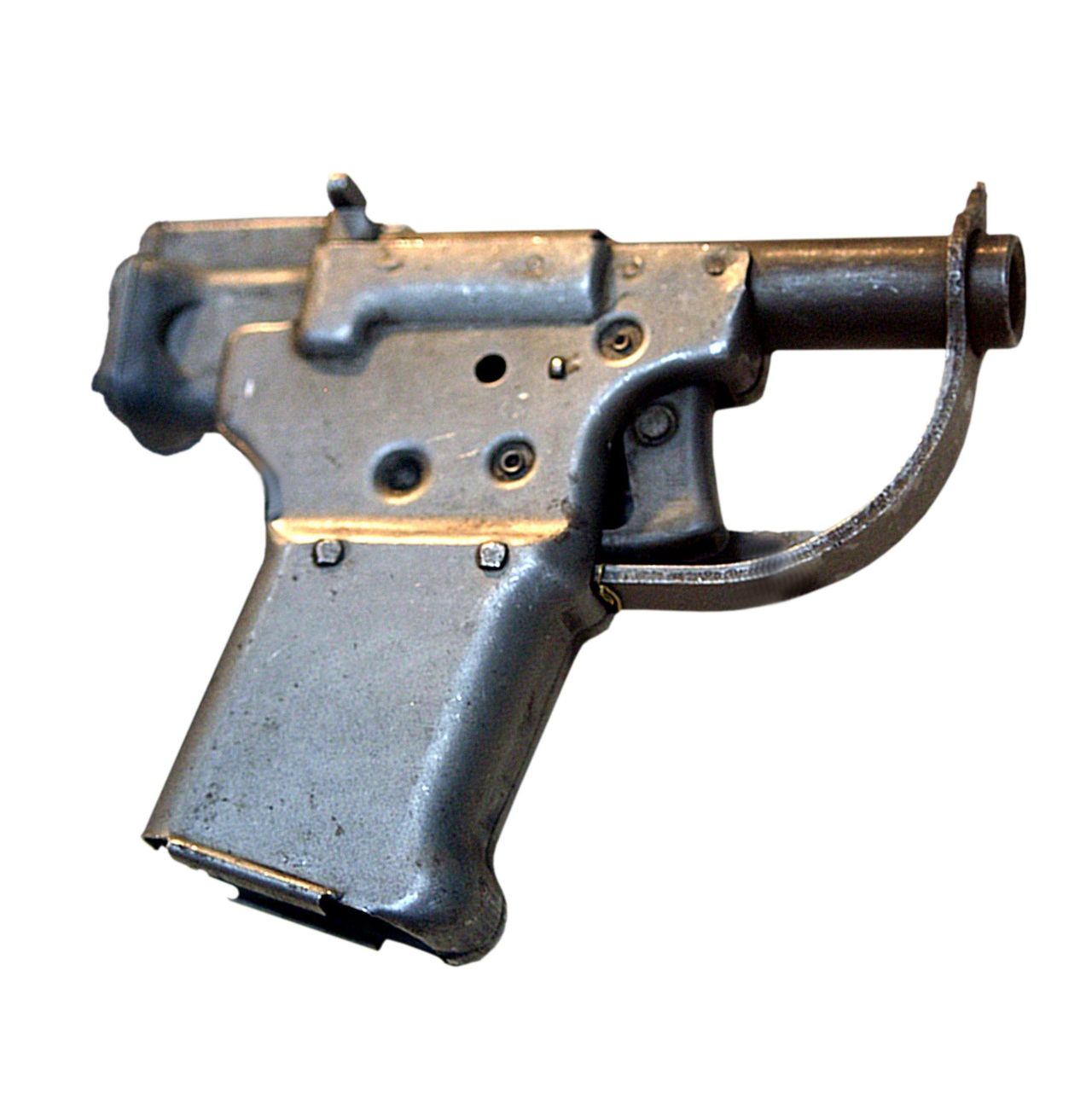
Despite limited combat impact, the Liberator became famous because it captured the ruthless improvisation of World War II. It represented a moment when industrial power, covert strategy, and psychological warfare all collided in one ugly little handgun.
Collectors and historians remain fascinated by it today. Genuine examples are prized because they tell a larger story about how far governments will go when conventional weapons and conventional tactics are not enough. It is less admired as a shooter than as an artifact.
There is also a symbolic reason it endures. The Liberator was built on the belief that even a badly armed person could still alter an occupation, one ambush at a time. That is a powerful idea, even if reality proved far messier.
A Disposable Pistol That Refused To Be Forgotten
The FP-45 Liberator may be the clearest example of a firearm designed around a single moment rather than a lifetime of service. It was not durable, refined, or especially effective in broad military terms. It was a shortcut weapon built for the narrowest possible mission.
And yet that mission makes it unforgettable. Few pistols have ever been so bluntly honest about what they were for. The Liberator was meant to be hidden, fired once, and replaced by whatever the victim had been carrying.
In that sense, it was both a weapon and a wager. It bet that one shot, at the right time and place, could change everything.