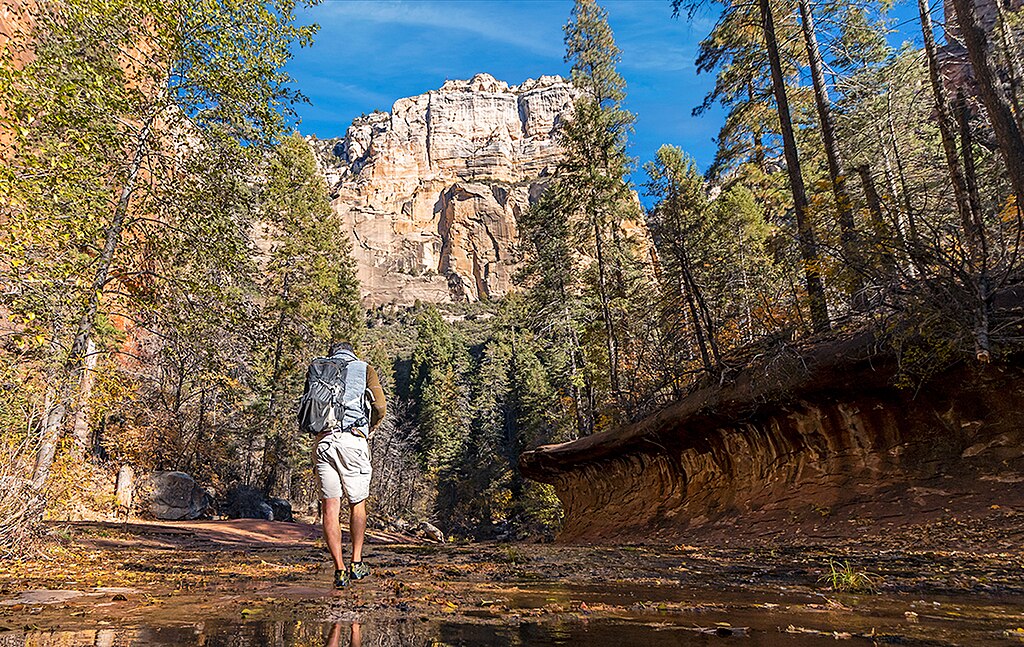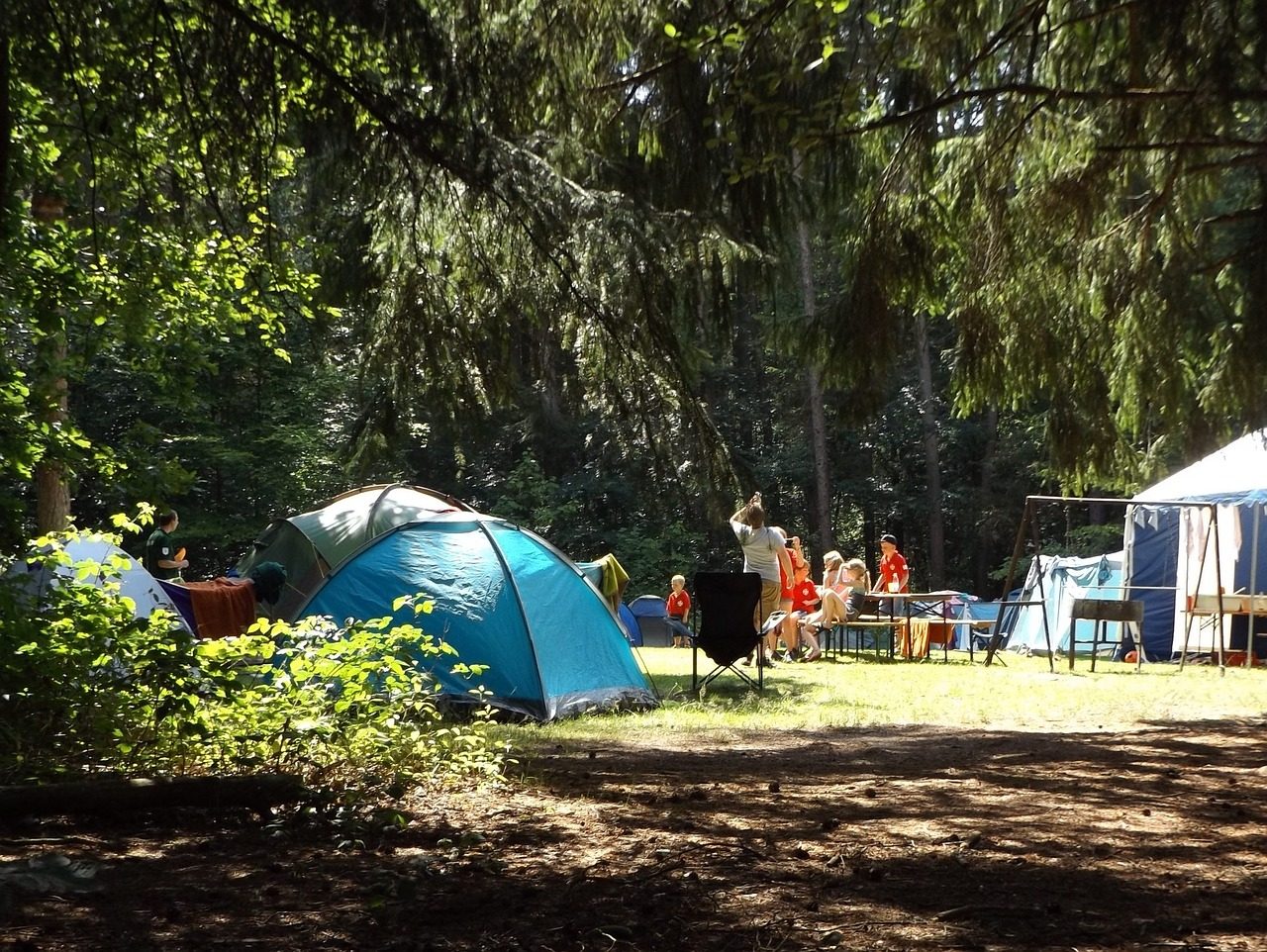
Camping brings you closer to nature, but sometimes nature gets a little too close. Curious or hungry animals often wander into campsites in search of food, shelter, or simply out of habit. While many encounters are harmless, some can become stressful or even dangerous if you are unprepared. Knowing which animals to expect and how to deter them helps you enjoy a peaceful trip while keeping both you and the wildlife safe.
Raccoons
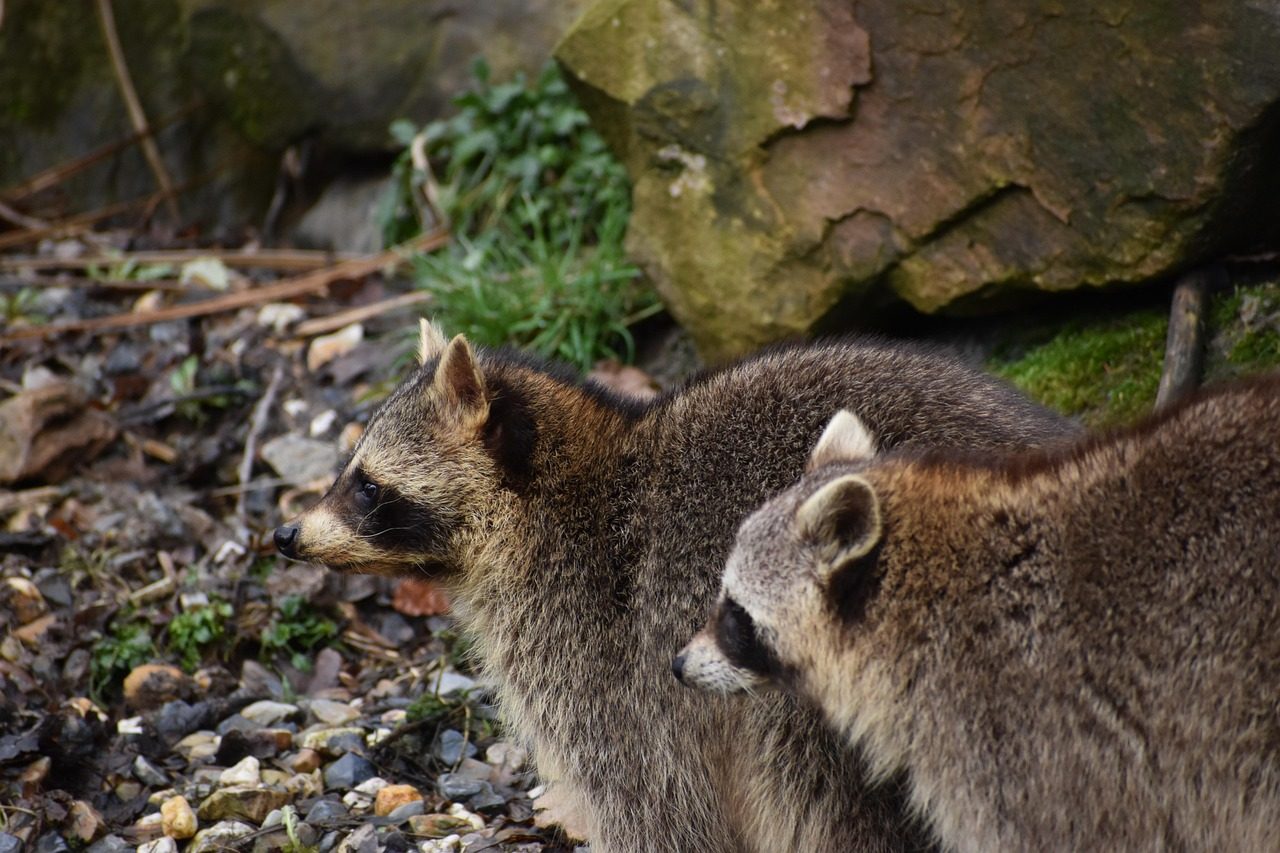
Raccoons are notorious for raiding coolers and food bags with surprising dexterity. They are smart, persistent, and unafraid of rummaging through your supplies. To keep them away, store all food in sealed containers and never leave leftovers unattended. Hanging food bags high or using bear-proof boxes is also effective.
Bears
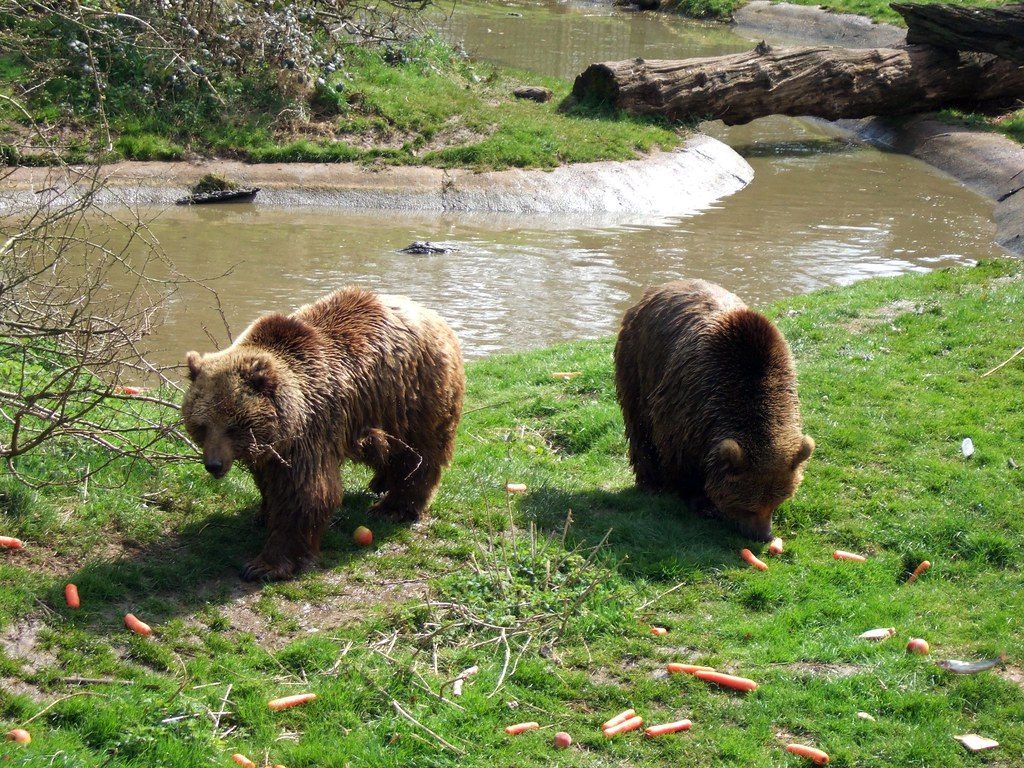
Bears are powerful and drawn to the smell of food, even from miles away. A curious bear wandering into camp can be dangerous if not managed properly. Always cook and eat away from your tent, and store food in bear-proof canisters or lockers if available. Keeping a clean campsite is your best defense.
Mice

Mice may be small, but they can chew through bags and contaminate food. They are quick to invade tents or vehicles if crumbs are left behind. Keeping food sealed tightly and avoiding snacks inside your sleeping area can deter them. A tidy camp discourages these little intruders from moving in.
Ants
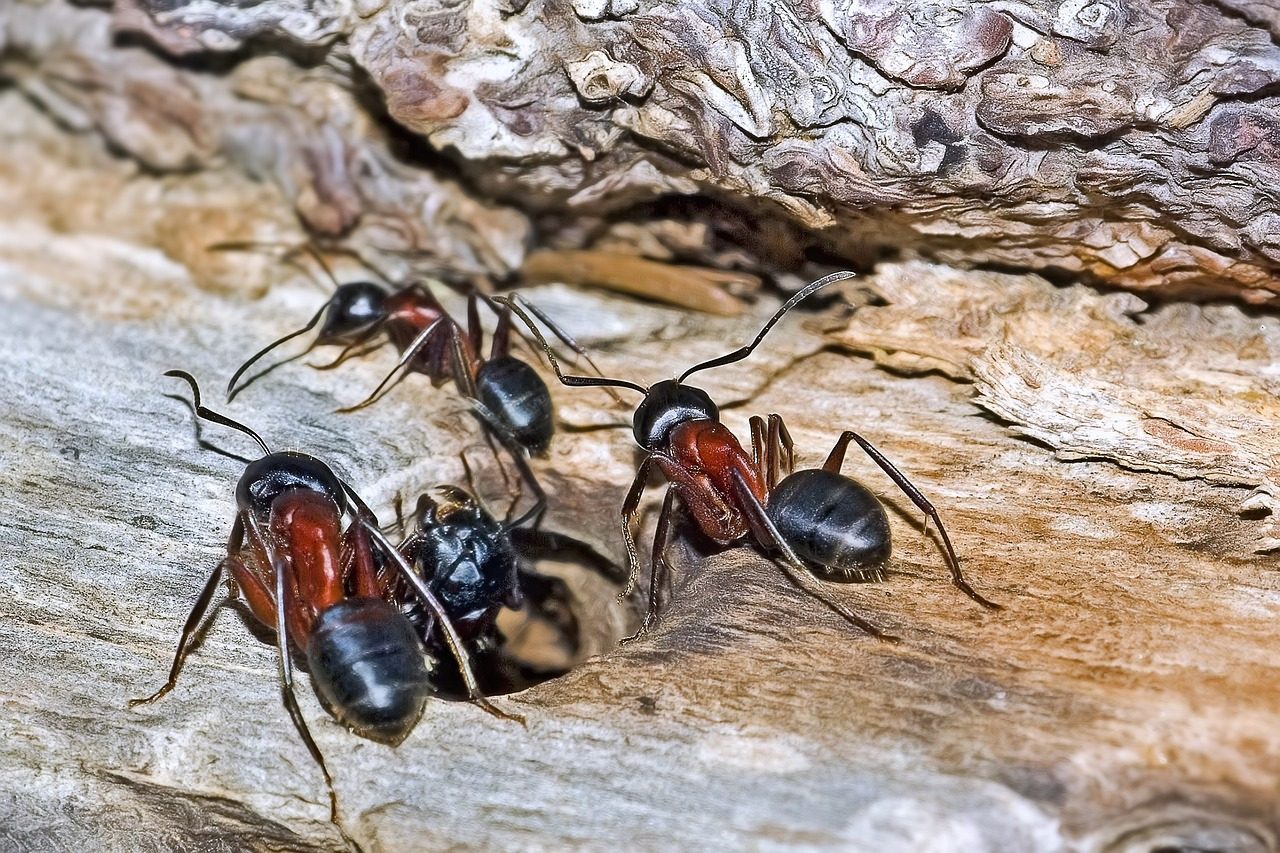
Ants are easily attracted to sugary drinks, snacks, and even the smell of food packaging. Once they find a source, they arrive in large numbers and are difficult to stop. Wipe down surfaces, seal containers tightly, and dispose of trash far from camp. A clean campsite reduces your risk of an ant invasion.
Squirrels
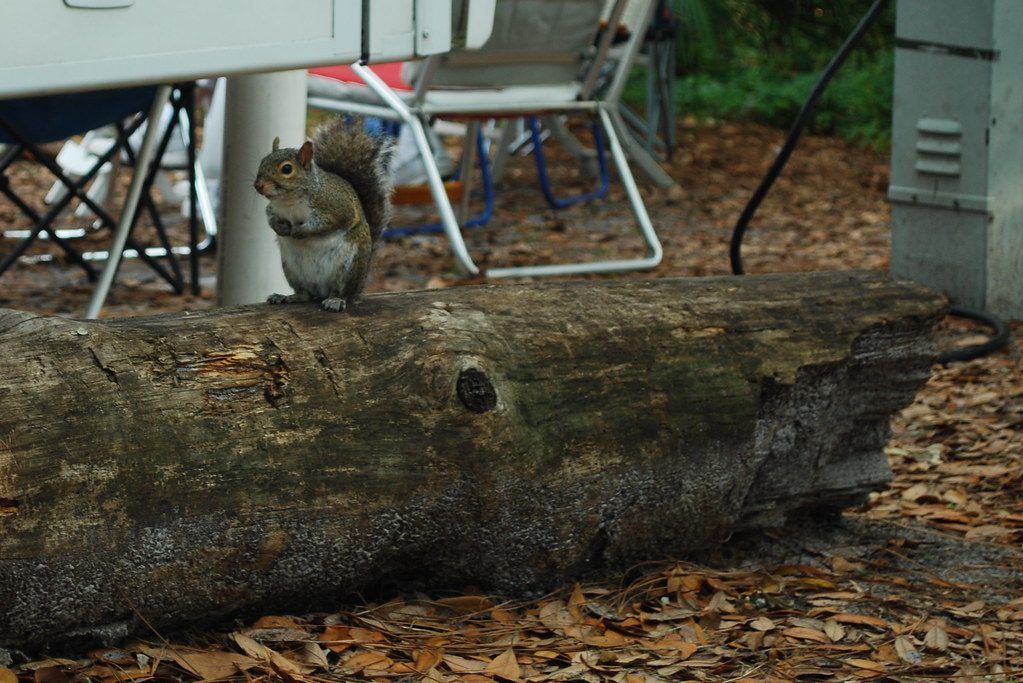
Squirrels are bold enough to snatch food right from picnic tables. They can chew through packs or containers if they catch a scent. To keep them away, avoid feeding them and secure snacks out of reach. Squirrels may look harmless, but their persistence can become a big nuisance.
Skunks
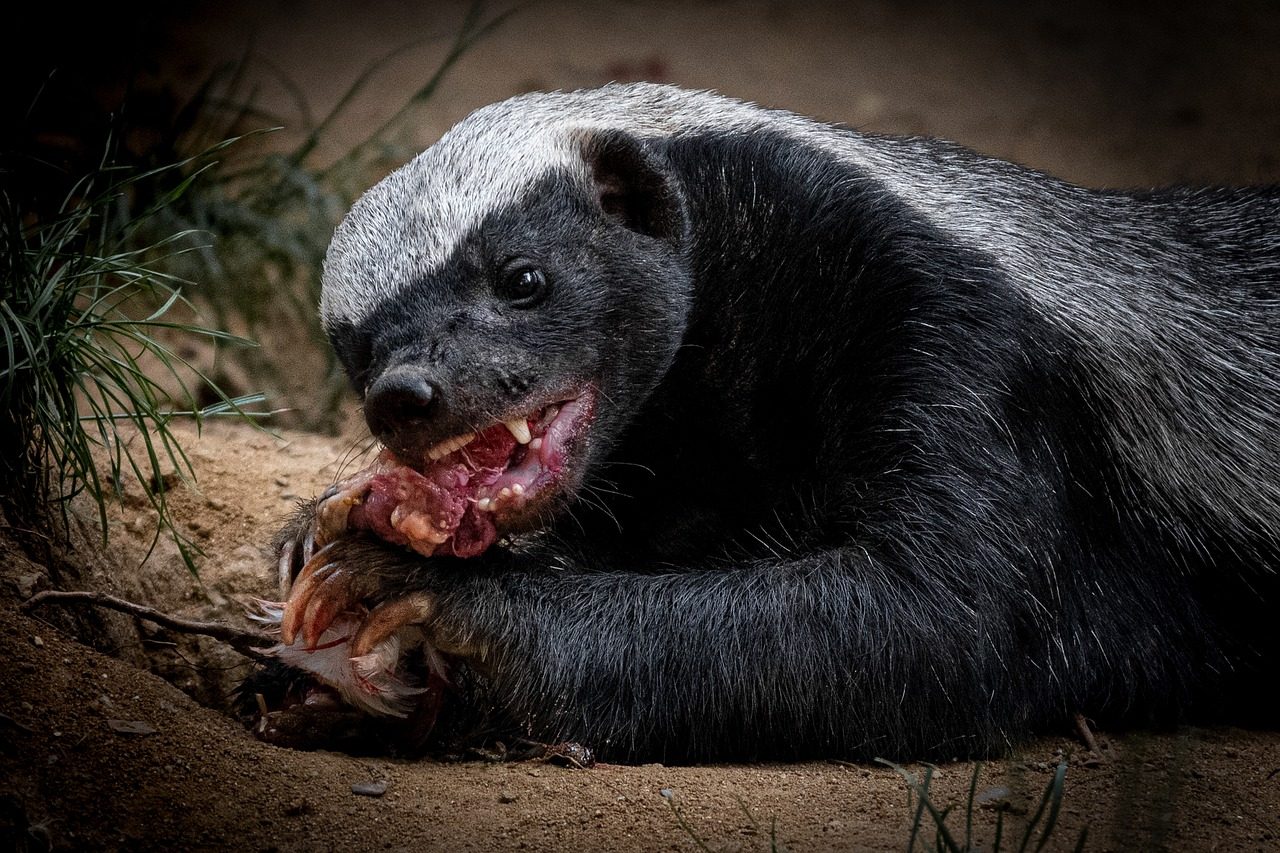
Skunks are best known for their defensive spray, which can ruin any camping trip. They are scavengers and will explore campsites for scraps. Prevent encounters by securing trash and avoiding food scraps near your tent. If you see one, remain calm and give it space to avoid startling it.
Foxes
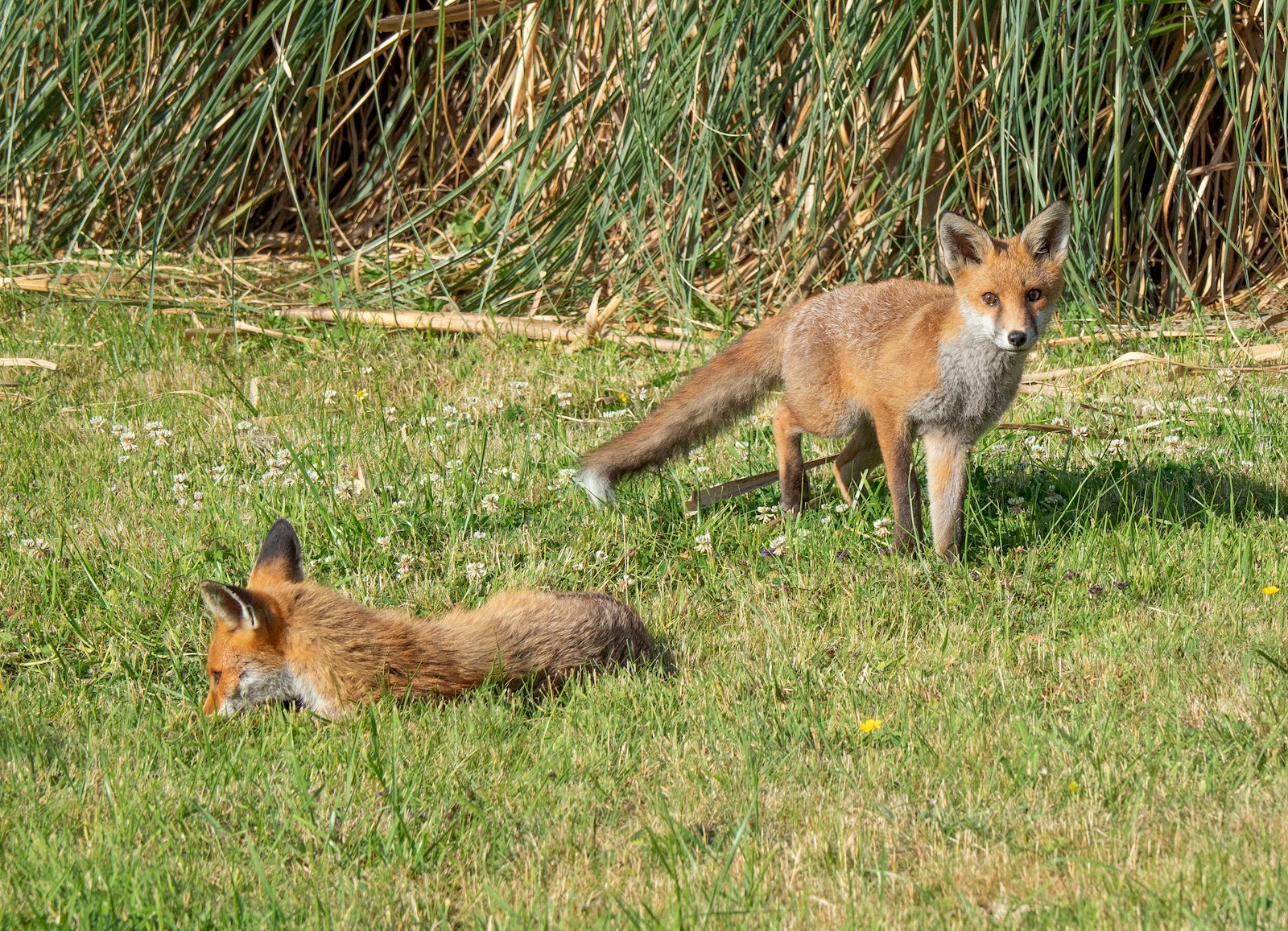
Foxes are clever animals that sometimes sneak into campsites at night. While they are less aggressive than larger predators, they can still cause trouble by stealing food. Store all supplies securely and avoid leaving anything with strong odors outside. A secure camp discourages foxes from investigating.
Coyotes
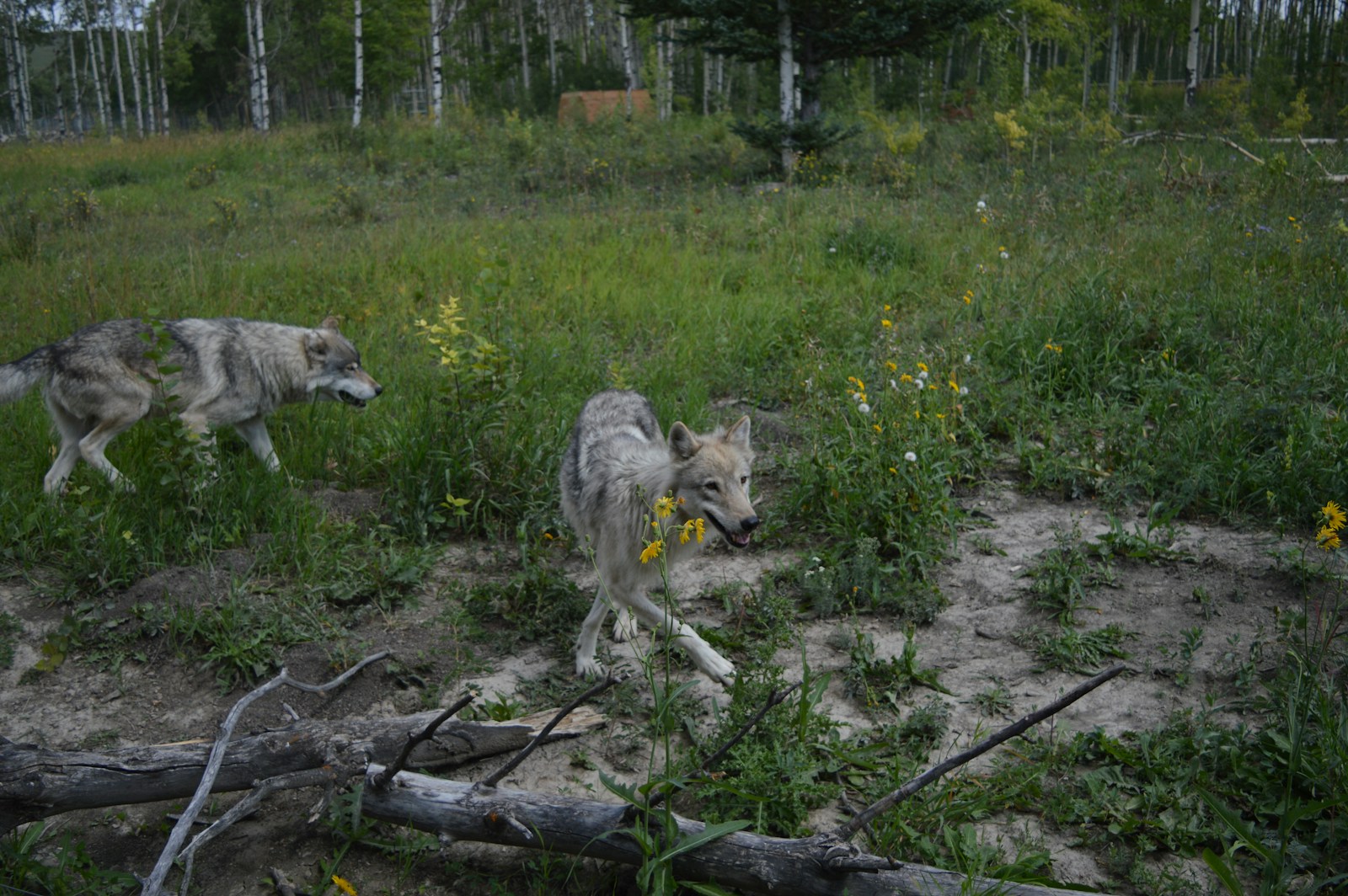
Coyotes may approach campsites, especially if they have been fed by humans before. They are opportunistic scavengers and can become bold if they find food lying around. Keeping a strict food-storage routine and avoiding cooking smells near tents helps keep them at bay. Making noise also discourages coyotes from lingering.
Birds

Birds may swoop down to grab snacks, especially in busy campgrounds where they have learned to scavenge. They can tear into food packaging and scatter trash. To deter them, never leave food unattended and always clean up spills quickly. Hanging shiny objects like foil strips can also discourage them from coming close.
Insects

Mosquitoes, flies, and gnats can make your camp unbearable if not managed. They are attracted to food, drinks, and body heat. Use insect repellent, keep food covered, and set up citronella candles or coils to reduce their presence. Wearing long sleeves in the evening also helps keep biting insects away.
Opossums
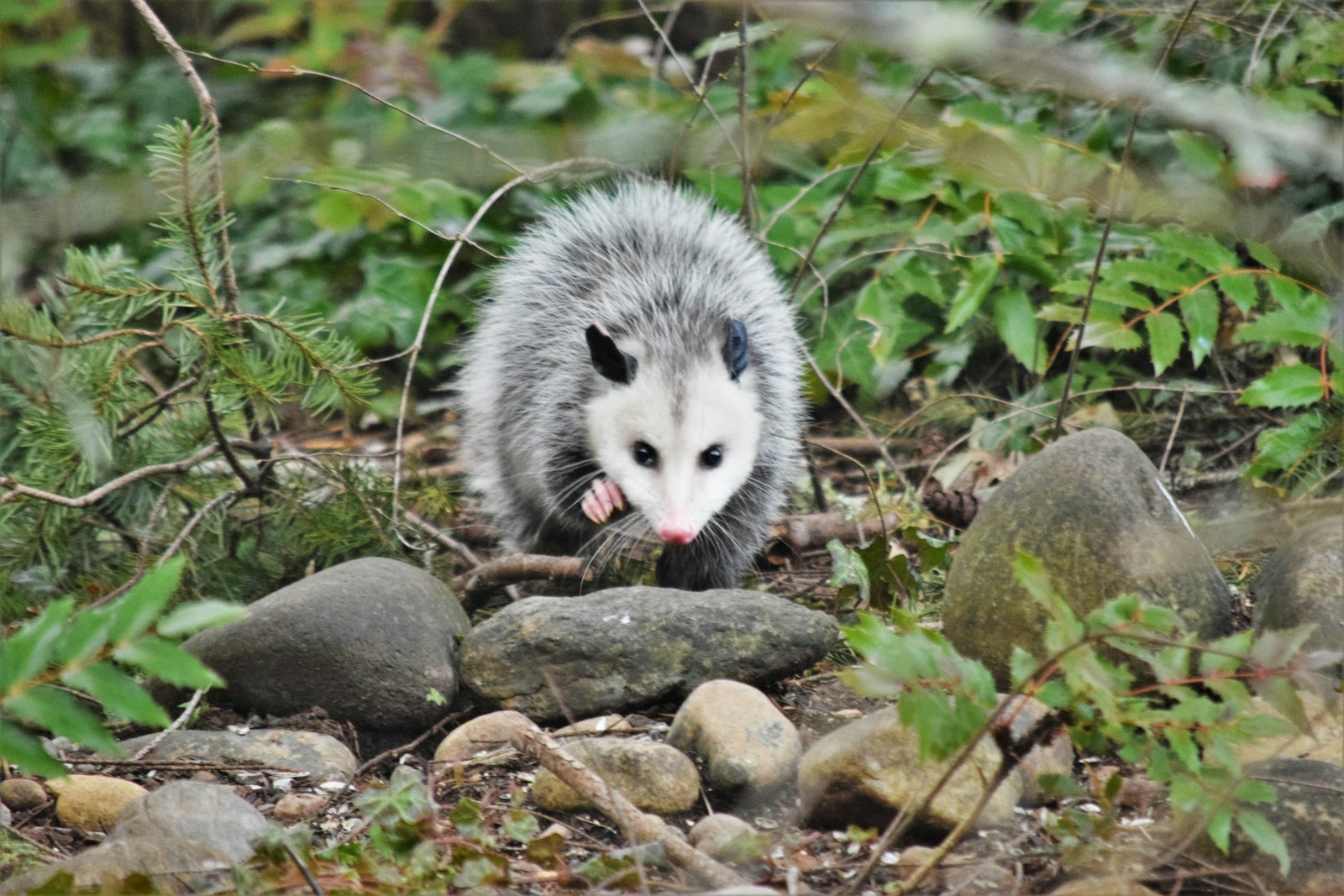
Opossums are nocturnal scavengers that may visit your campsite in search of easy meals. While not aggressive, they can make a mess if they get into your trash. Secure your garbage in sealed bags and place it away from your sleeping area. Keeping a tidy camp makes it less inviting.
Snakes
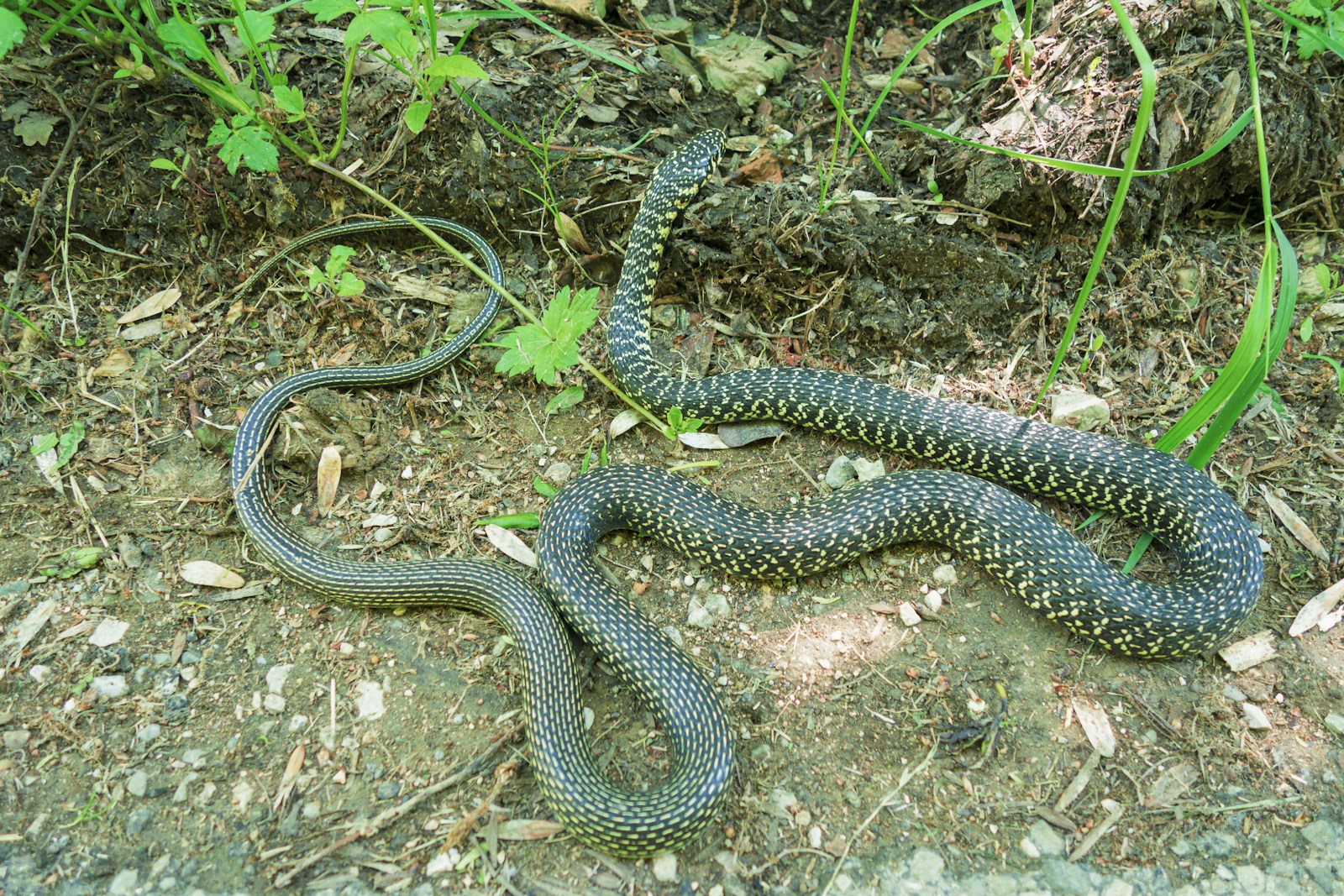
Snakes are usually more interested in rodents than campers, but they may still wander through your site. Avoid leaving food scraps that attract mice, as this can bring snakes closer. Shake out shoes and sleeping bags before use, and keep your tent zipped tightly. Awareness and caution minimize the chance of encounters.
Wild Boars

In some areas, wild boars are known to root around campsites looking for food. They can be aggressive if threatened and cause damage to gear. Avoid camping in areas with signs of boar activity, and never leave food exposed. Making noise around camp can sometimes discourage them from approaching.
Stray Dogs
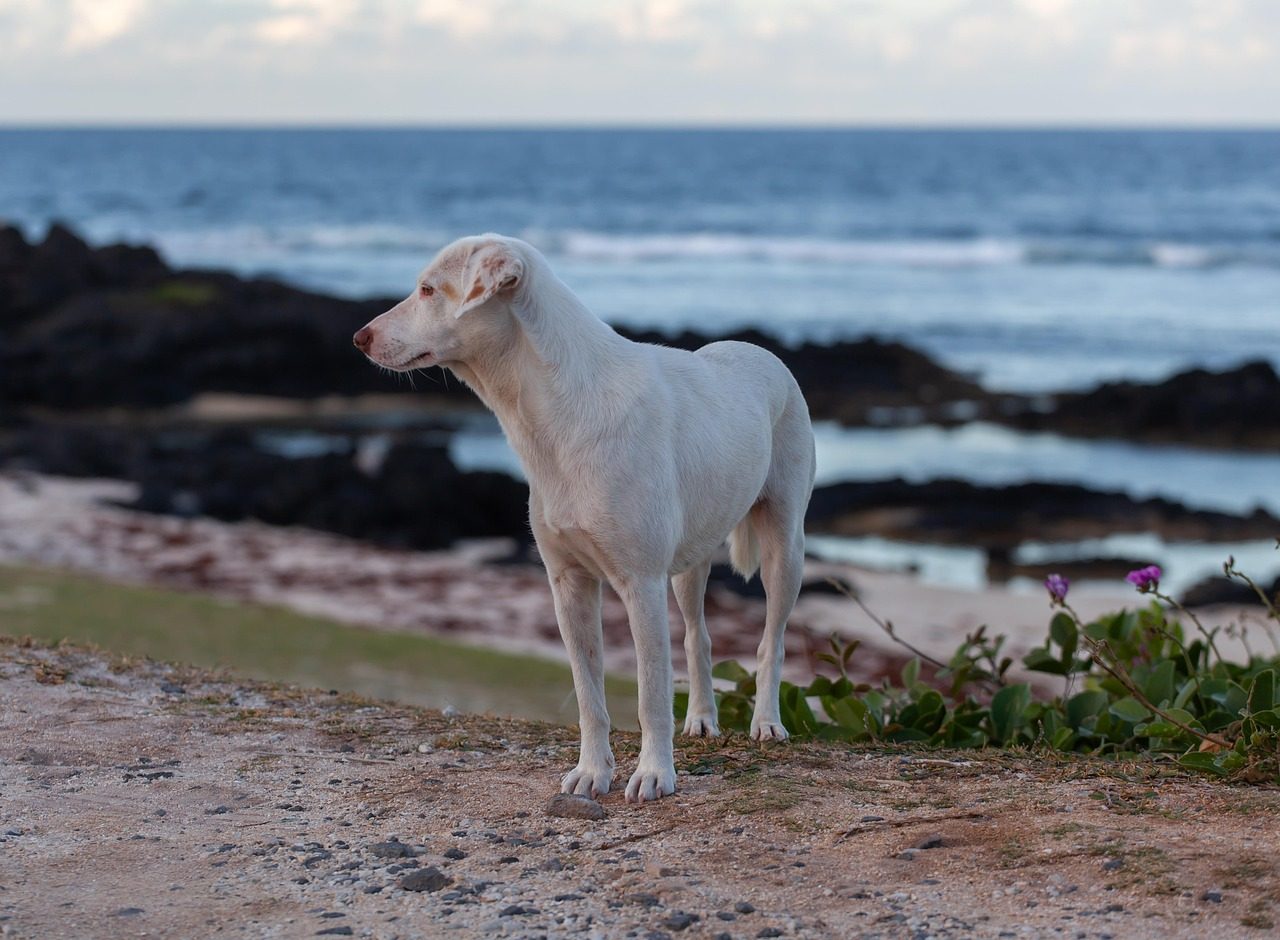
Stray dogs may show up at campsites, drawn by the smell of food. While some may be friendly, others can act unpredictably. Do not feed them, and keep food securely stored to avoid attracting more. If you encounter one, remain calm and avoid direct confrontation.
Cats

In some campgrounds, feral or stray cats are known to wander through. They may dig through trash bags or snatch food left out. While they may seem harmless, they can spread fleas or diseases. Keeping trash secure and avoiding feeding them helps prevent regular visits.