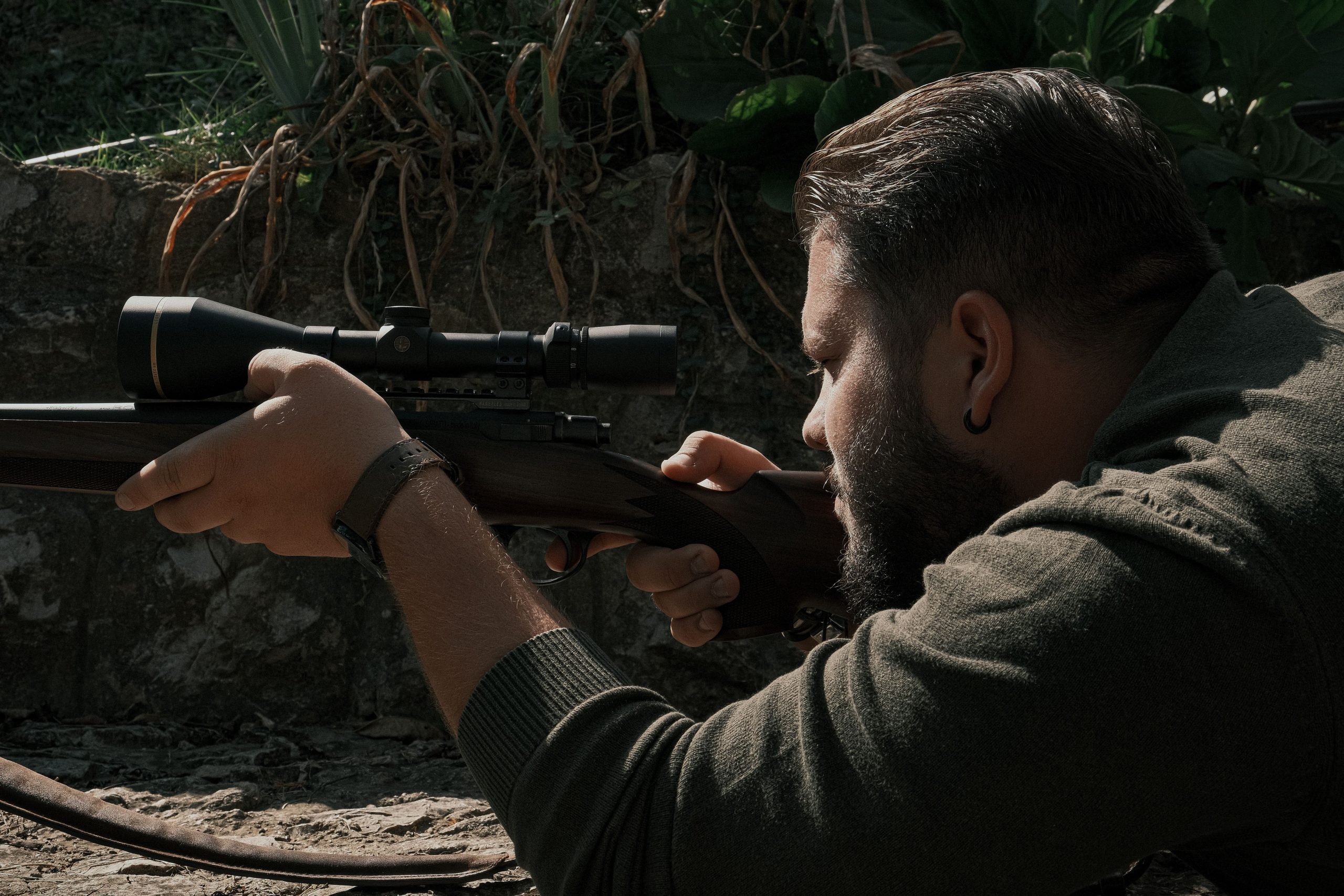
For a lot of Ohio hunters, this felt like an overnight switch. One day you were operating on last season’s assumptions, and the next the 2026-27 rules were the rules that matter.
It felt sudden because the calendar finally caught up

The reason Ohio’s brand new 2026-27 hunting regulations seem to have taken effect overnight is simple: the approval happened earlier, but the real-world impact begins when the new season window opens. The Ohio Wildlife Council approved the 2026-27 hunting and trapping seasons during its April 29, 2026 meeting, according to the Ohio Department of Natural Resources Division of Wildlife. For many casual hunters, though, spring approval barely registers.
What hunters notice is the practical start line. As dove, archery, and early migratory bird activity ramps up, the regulation booklet stops being background information and becomes a field document. That creates the impression of a sudden change, even when the framework was adopted months ago through the normal state process.
This is common in wildlife management. Agencies finalize rules well ahead of opening day so licenses, printed guides, enforcement training, and public notices can all align. By the time hunters start checking dates, bag limits, and weapon restrictions in earnest, the regulatory machine has already done its work.
In other words, “overnight” is more about public attention than government speed. The rules were not improvised. They were scheduled, voted on, and slotted into the 2026-27 season structure in the usual way, but they only feel urgent once opening days are close enough to matter.
Deer hunters will see the biggest real-world impact

The deer structure is where most Ohio hunters will immediately feel the new season. ODNR says the 2026-27 deer seasons are broadly similar to last year, but similar does not mean identical, and small rule changes matter when you are planning tags, travel, freezer space, and land access.
Statewide, deer archery runs from Saturday, September 26, 2026 through Sunday, February 7, 2027. Youth deer gun is set for November 21-22, 2026. The regular deer gun season runs November 30 through December 6, 2026, with the extra weekend on December 19-20, and muzzleloader season follows January 2-5, 2027.
Ohio kept a core rule that remains easy to overlook but crucial in practice: only one antlered deer may be harvested, regardless of where or how it is taken. Hunting hours also remain 30 minutes before sunrise to 30 minutes after sunset. Those details shape everything from stand timing to whether a hunter keeps looking for a buck after tagging one earlier in archery.
For experienced hunters, that means preseason strategy matters more than ever. If you fill your one antlered-deer opportunity early, the rest of your deer season becomes strictly about antlerless management. That is not a small planning detail. It changes how aggressive hunters may be during September and October scouting and early movement.
County bag limits changed for very specific biological reasons
The biggest reason regulations can seem abrupt is that some of the most important changes are highly localized. Ohio approved increased deer bag limits of three in Defiance, Paulding, and Warren counties. Meanwhile, Athens, Meigs, and Washington counties were set at a season bag limit of two deer, with no more than one antlerless deer, because those areas were affected by an unprecedented 2025 outbreak of Epizootic Hemorrhagic Disease.
That split tells you exactly how modern wildlife regulation works. It is not one-size-fits-all. It is county-by-county, disease-by-disease, and population-by-population. Where deer numbers or habitat pressure support more harvest, the state can open room for it. Where disease impacts have stressed the herd, managers can pull back to avoid compounding the damage.
This kind of targeted management frustrates hunters who want cleaner, statewide simplicity. But biologically, it makes sense. A county hammered by disease should not be treated the same as a county where deer numbers remain strong and agricultural conflicts are higher.
The lesson for hunters is clear: old habits are not enough. You cannot assume your county still matches the next county over, or that last year’s bag limit survived untouched. The details now matter more than the headline.
Disease control is driving some of the fastest changes

If one force explains why hunting rules can change quickly, it is disease management. Ohio expanded its Chronic Wasting Disease surveillance area for 2026-27 to include all of Allen County, Van Buren Township in Hancock County, and Holmes Township in Crawford County. In that surveillance area, the season bag limit is six deer.
Hunters there also get additional opportunities. ODNR approved an early deer archery season in the surveillance area starting Saturday, September 12, 2026, running through February 7, 2027. An early deer gun season was also approved for October 10-12, 2026. Those are significant opportunities, and they exist for a reason.
When wildlife agencies identify a disease surveillance need, timing becomes part of the management toolbox. More harvest opportunity can support sampling, population control, and closer monitoring of potentially affected herds. That means hunters are not just participants in recreation. In a surveillance zone, they become part of the state’s response system.
That is why these rules can feel unusually urgent. Disease does not wait for a leisurely rollout. Once a surveillance boundary expands, regulations often need to align immediately with the management goal. To hunters outside those counties, it may look sudden. To wildlife officials, it is a direct response to a biological problem.
Not every change is about deer, and that matters too
A lot of attention falls on deer, but Ohio’s 2026-27 regulations also affect waterfowl, small game, migratory birds, furbearers, and fall wild turkey. Most season dates remain similar to previous years, according to ODNR, but a few non-deer changes are exactly the sort that can catch hunters off guard if they rely on memory instead of the new digest.
One example is ruffed grouse. Hunting will be limited to controlled hunting on four designated areas, and hunters may apply for those limited permits in July. That is a major access and planning issue for upland hunters who may have been expecting broader opportunity.
Another notable rule is fall wild turkey equipment. Ohio approved fall turkey hunting only with shotguns using shotshells. No fall turkey hunting with archery equipment will be allowed. That is the kind of equipment-specific regulation that can create real confusion if someone shows up assuming last season’s setup still applies.
Waterfowl hunters also need to pay attention because seasons remain split into three zones with boundaries approved in 2025. Zone maps are not glamorous reading, but they directly affect legal hunting dates. A hunter in the wrong zone on the wrong assumption can turn a routine morning into a citation.
The speed reflects process, not chaos
There is a tendency to hear “new rules” and assume a rushed bureaucratic scramble. In Ohio, that is not what happened. The Wildlife Council is an eight-member board that approves Division of Wildlife proposed rules and regulations, and its meetings are open to the public. In other words, the process is structured, formal, and not especially mysterious.
What creates the sense of speed is the handoff from approval to public awareness. Most people do not track council agendas in April. They start paying attention when they buy a license, pull trail-camera cards, or hear a buddy mention a county bag-limit change in late summer or early fall.
That disconnect is especially strong in hunting culture, where tradition plays a huge role. Hunters often carry a mental rulebook built from the prior season. When the official booklet differs in even a few key places, it feels like the state changed everything overnight, even if only targeted provisions actually shifted.
So the better explanation is not that Ohio blindsided hunters. It is that regulation awareness tends to lag regulation adoption. The state’s timeline and the average hunter’s timeline are rarely the same thing, and that gap produces the surprise.
What should Ohio hunters do before heading afield?

The smart move now is not to argue with the feeling that this happened fast. It is to treat that feeling as a warning sign and double-check every assumption before opening day. County bag limits, disease surveillance boundaries, deer permit use, turkey weapon rules, and controlled hunt requirements are exactly the kinds of details that can trip up even experienced outdoorsmen.
Start with your county and any county you plan to hunt, especially if you cross property lines, visit family land, or travel for public ground. A hunter who spends half the season in one county and a weekend in another can easily miss a limit difference or a disease-zone rule if he is working off memory.
Then look at season timing with a calendar in hand. The 2026-27 structure includes multiple deer segments, plus added opportunities in the CWD surveillance area. Missing a date is not just inconvenient. It can mean wasting vacation days, burning travel money, or hunting under the wrong rules.
Most of all, remember what these regulations are trying to do. They are balancing opportunity, herd health, disease response, habitat pressure, and long-term conservation. That balance can produce changes that feel abrupt in the moment, but in Ohio’s case, the new 2026-27 rules did not come out of nowhere. They just became real the minute hunters started needing them.