
North American game animals can be deceptive. Some are enormous but disappear into thick cover, while others look exposed yet possess extraordinary senses and mobility. Habitat, seasonal movement, terrain, weather, and hunting pressure can turn a seemingly simple pursuit into a demanding one. These 12 species illustrate why appearance alone is a poor measure of hunting difficulty.
1. Whitetail Deer
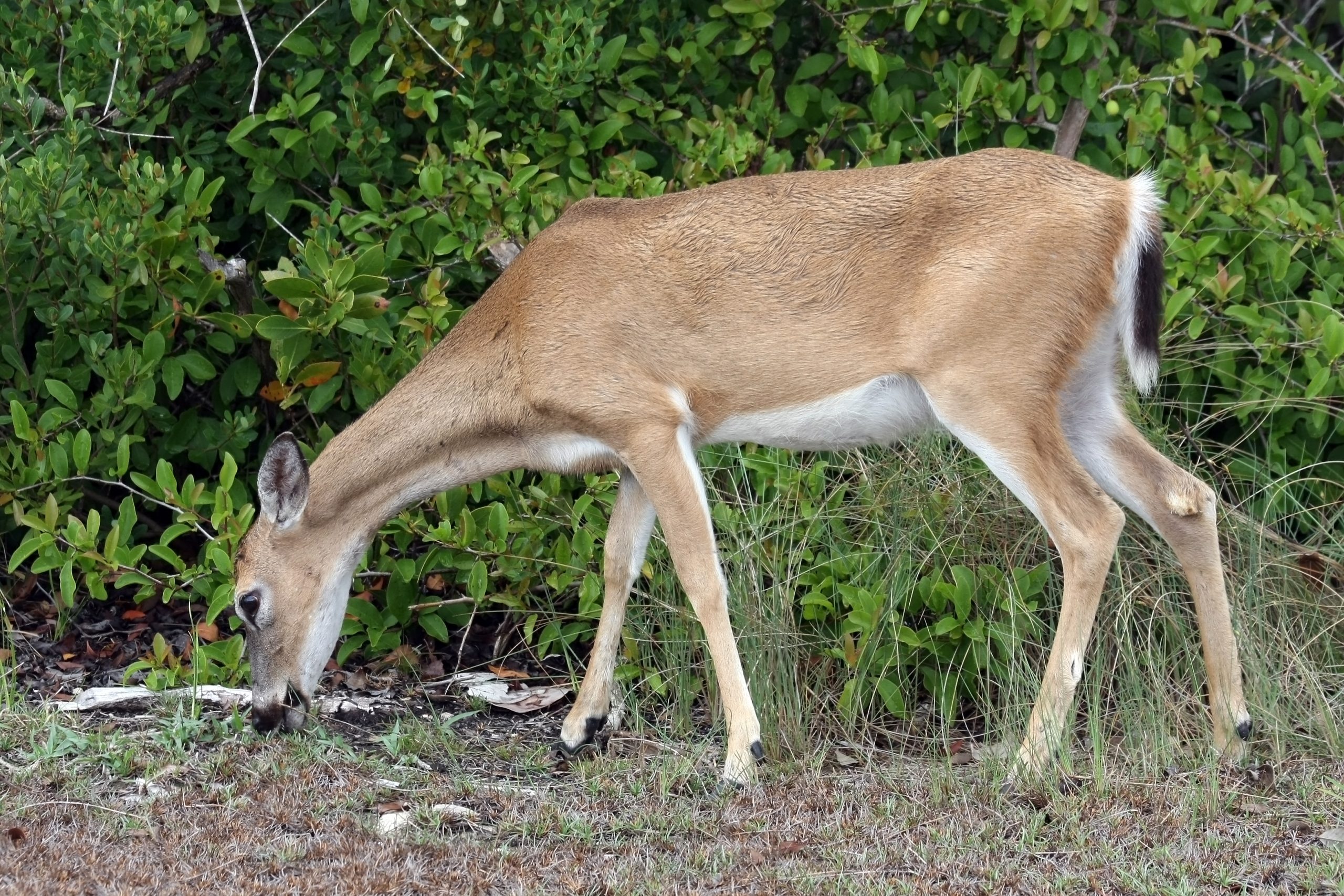
Whitetail deer look familiar, but that familiarity can be misleading. They live across forests, farms, swamps, and suburban edges, using cover so effectively that a large animal can seem to vanish. Their hearing, smell, and reaction to disturbance make small mistakes costly. A mature buck may also change movement after repeated pressure, breaking a pattern that once seemed dependable. In many areas, hunters are working with only 2 peak daily movement periods, around dawn and dusk, making timing and patience important. Their ability to use edge habitat adds another layer.
2. Mule Deer
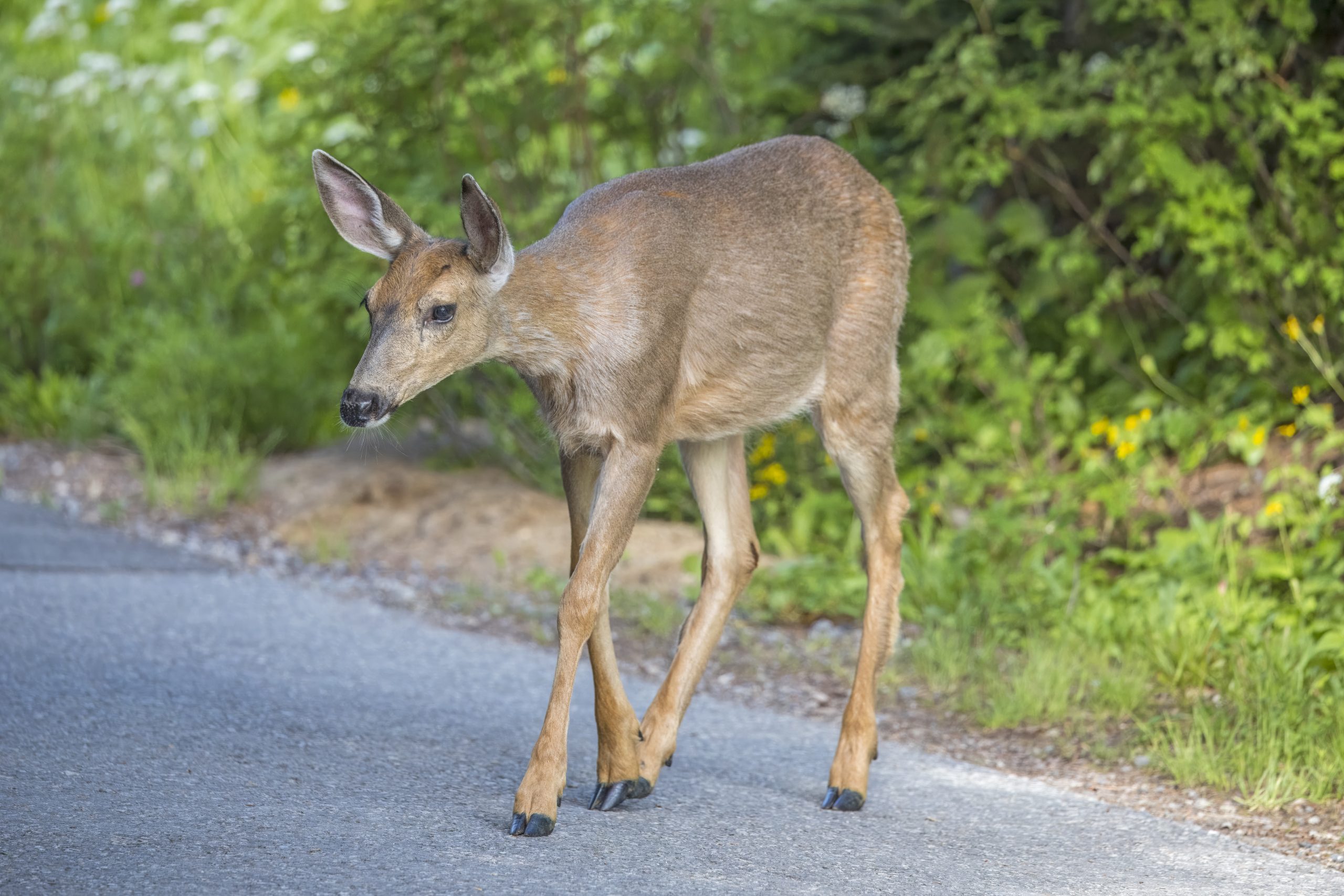
Mule deer often look easier to spot because their large ears and pale bodies stand out in open western country. The real difficulty is judging how the landscape connects. A buck can feed in one basin, bed in another, and use broken slopes as escape cover. Their seasonal movement also changes with elevation, weather, and forage. They are most active around dawn and dusk, so a hunter may spend hours glassing for a brief opportunity. A single ridge can hide several animals from view. Their famous bounding gait can also carry them out of sight in seconds, even when the country seems open.
3. Elk
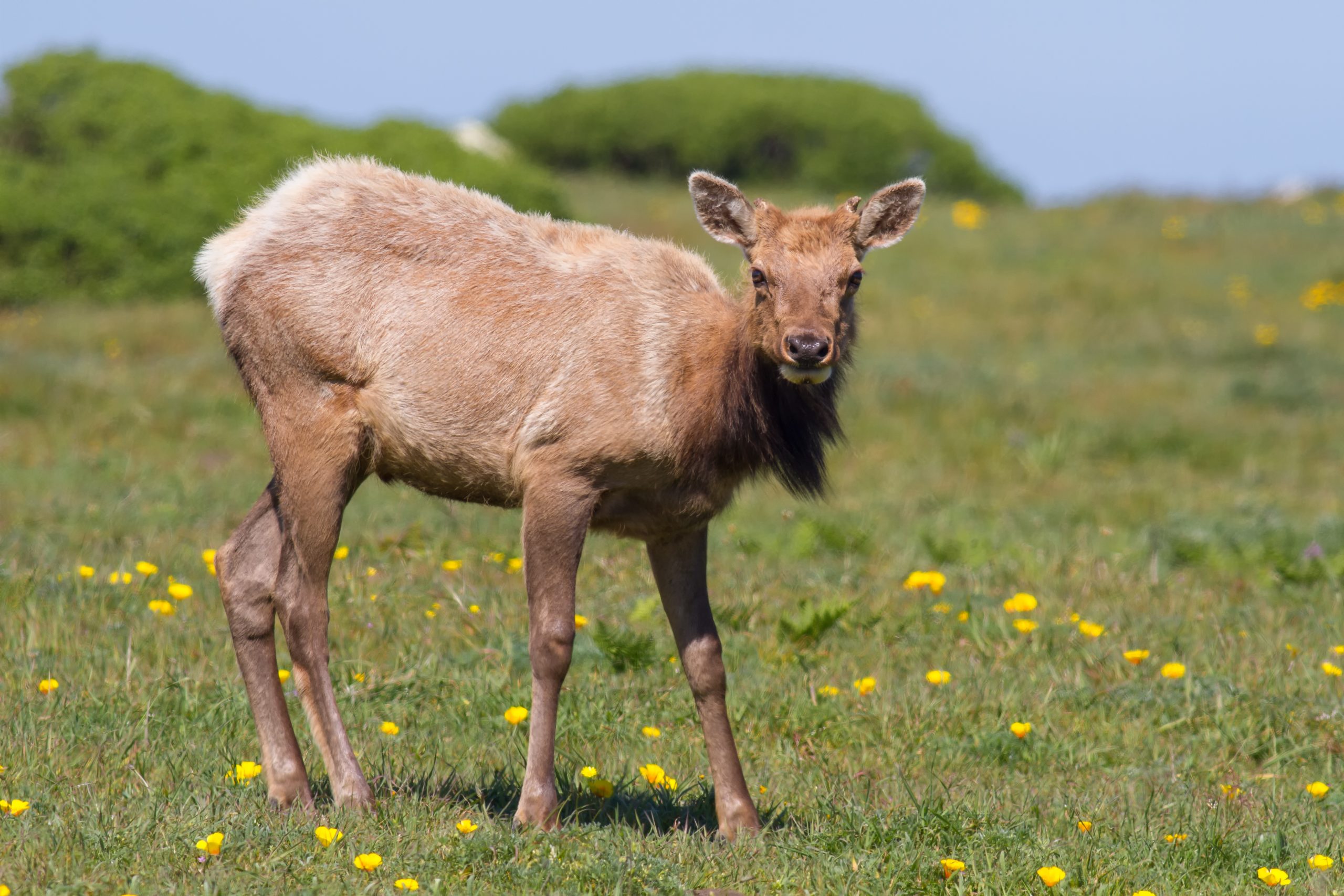
Elk are enormous compared with deer, yet their size does not make them simple to locate. Herds can cover large seasonal ranges and disappear into timber, steep folds, or dark cover. During the rut, bulls may become more vocal, but cows and other animals can still disrupt a hunter’s expectations. An elk hunt can also demand substantial walking in rough country. A mature bull may weigh well over 600 pounds, so finding one is only part of the challenge. Terrain, weather, and herd movement all matter. That scale alone can make one bull surprisingly hard to pick out.
4. Moose
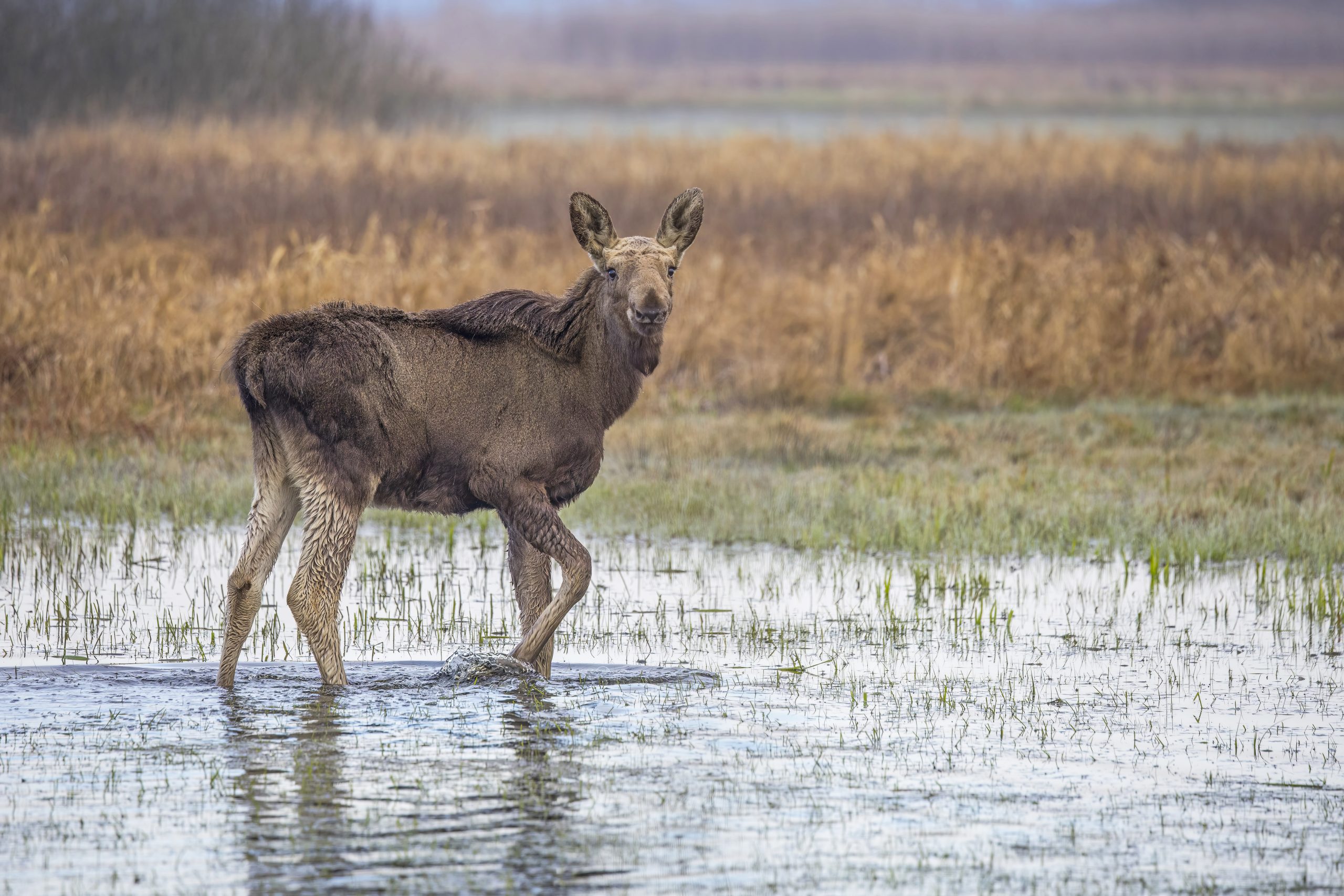
Moose seem almost impossible to miss, but northern forests and wetlands can hide them surprisingly well. Their preferred habitat often includes willow thickets, marsh edges, lakes, and dense boreal cover, where visibility can be poor. Their long legs and huge body can create false confidence because much of the animal remains concealed behind vegetation. A large bull can approach 1,500 pounds in some populations, yet size does not reveal where it will appear. Finding a legal animal can require patience, careful observation, and country knowledge.
5. Pronghorn
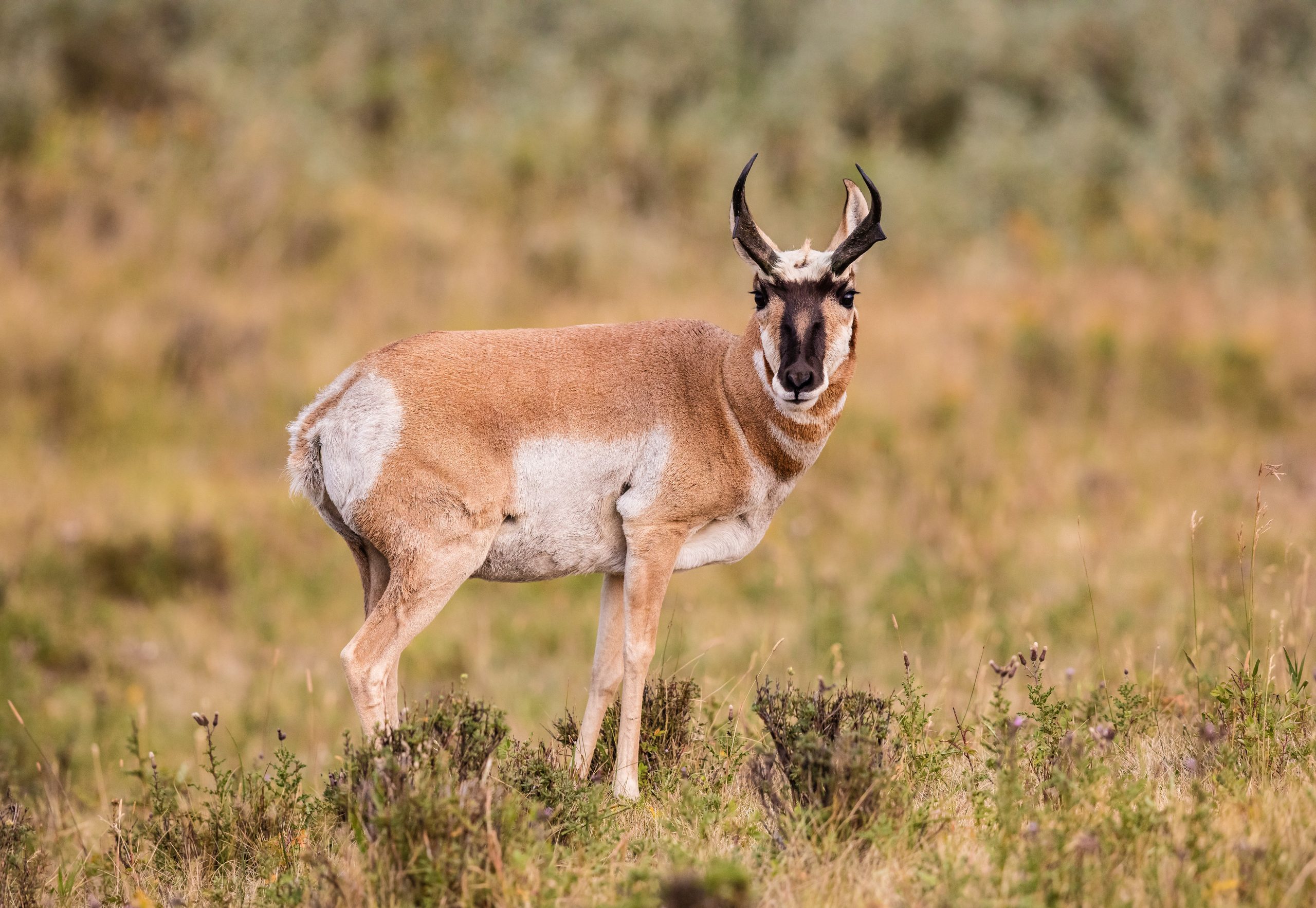
Pronghorn look exposed on open plains, which makes their difficulty easy to underestimate. With little natural cover around them, they rely heavily on exceptional eyesight and rapid movement. Their habitat may appear simple, but shallow terrain changes, folds, and distant ridges can control visibility across miles of country. They can also cover ground quickly when disturbed, turning a promising setup into empty prairie. Speeds near 60 miles per hour are often cited for pronghorn, showing why distance and open terrain create a very different challenge from forest hunting.
6. Bighorn Sheep
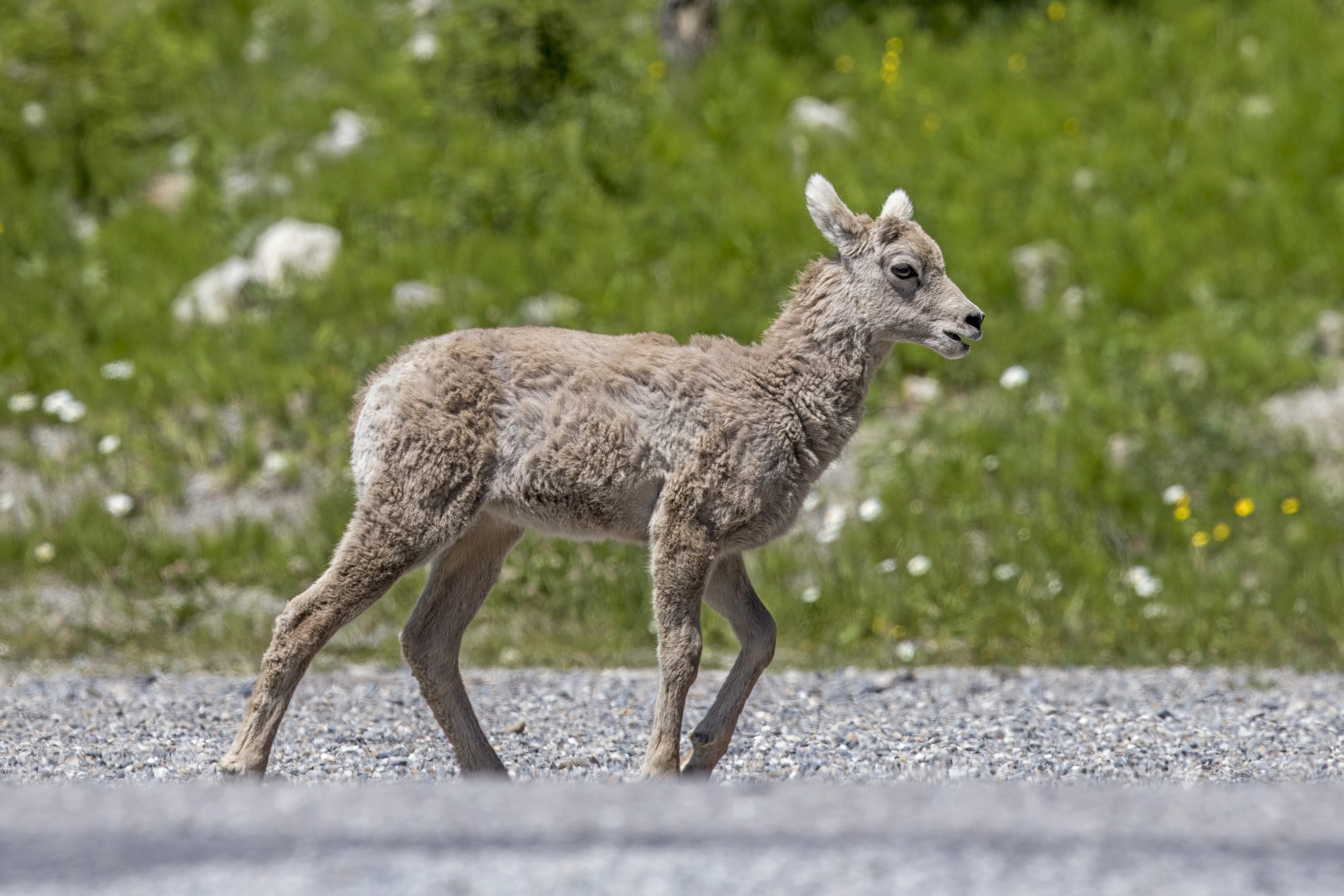
Bighorn sheep combine a relatively compact target with some of North America’s most demanding terrain. Rams are associated with steep, rocky country where cliffs, ledges, and broken slopes provide security. From a distance, a sheep may look clearly visible, yet judging its position and age among layers of rock can be difficult. The physical approach can be equally demanding, especially when elevation changes rapidly. Rams can carry horns with more than 30 inches of curl in some populations, but the impressive headgear does not make the animal easier to find or reach.
7. Mountain Goat
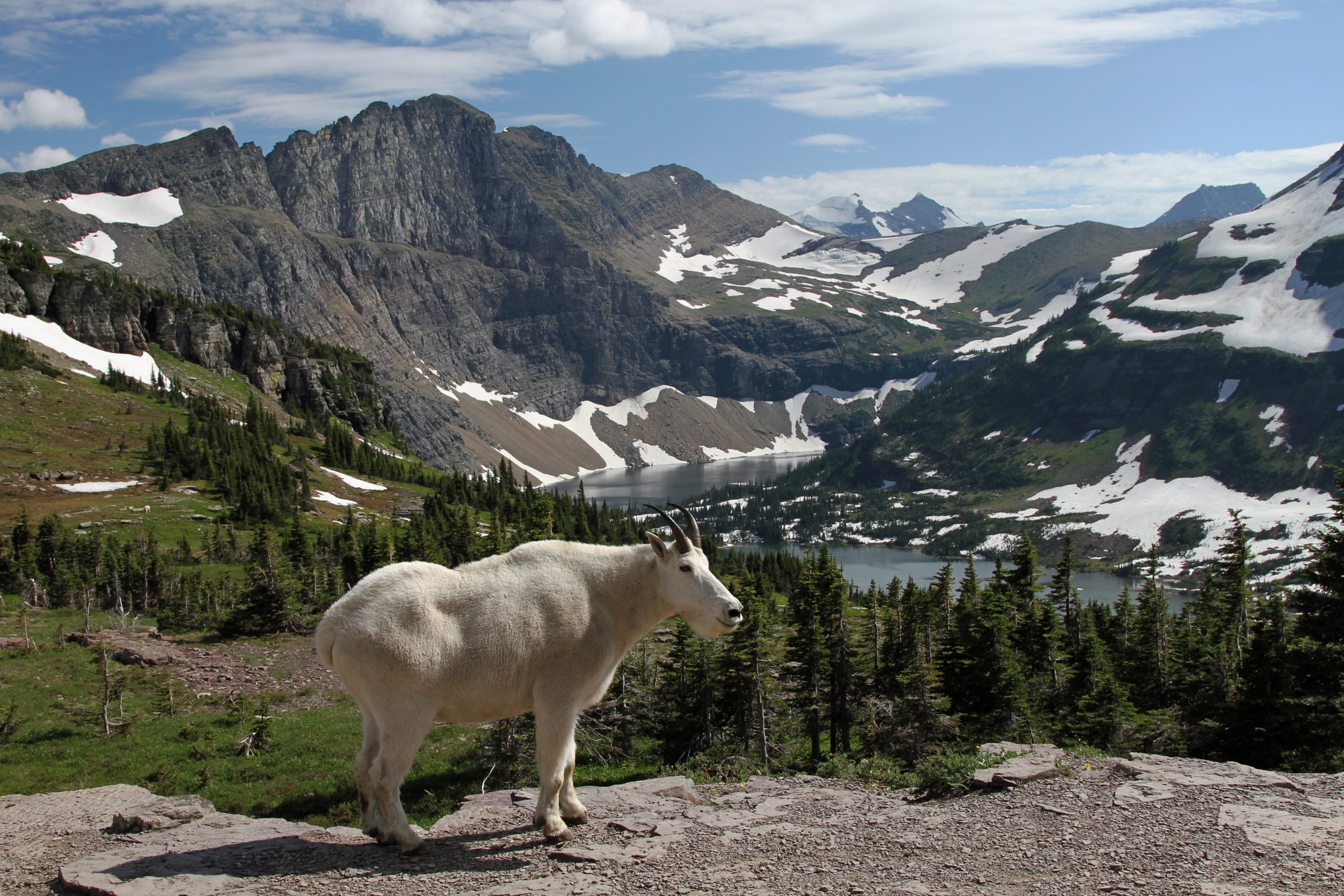
Mountain goats can look almost stationary against a cliff, but reaching them is another matter entirely. They favor rugged alpine country, steep faces, and exposed slopes where ordinary walking becomes slow and deliberate. Weather can change quickly at elevation, adding another layer of difficulty. Their white coat can also blend with snow, pale rock, and bright backgrounds, making distance judgment harder. Adults commonly weigh more than 200 pounds, yet the real challenge is often the terrain around them. A hunt may involve hours of glassing before one usable opportunity appears.
8. Black Bear
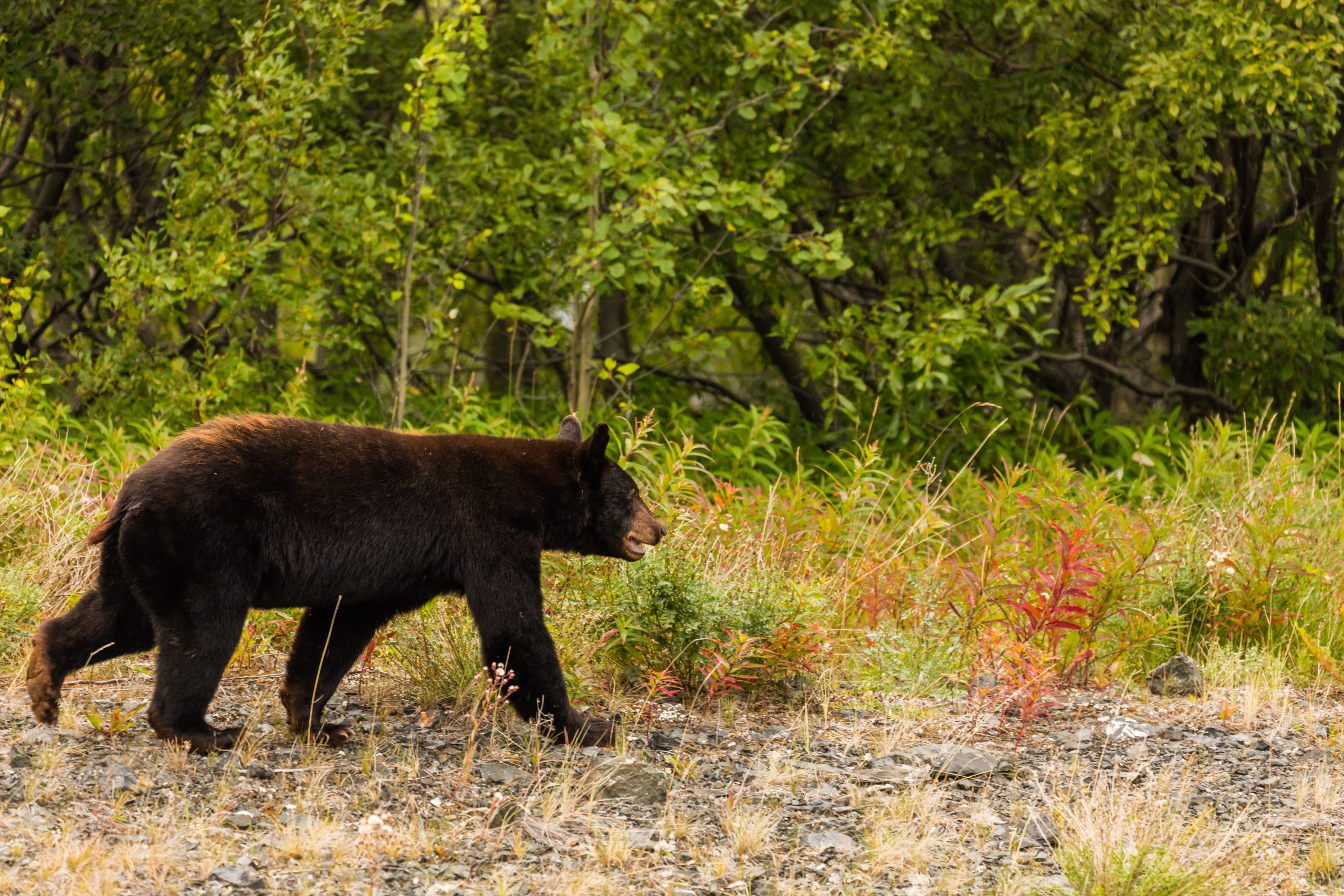
Black bears are adaptable enough to occupy forests, mountains, wetlands, and areas near human development, so their habitat can vary dramatically. Their dark coat may suggest easy identification, but black bears can also appear brown, cinnamon, or blonde. Food availability strongly influences where they travel, and seasonal changes can alter their activity. A bear may also remain hidden in thick vegetation despite its size. Adult males can exceed 500 pounds, although weights vary widely. Legal seasons, identification rules, and local regulations add another important layer to the challenge.
9. Caribou
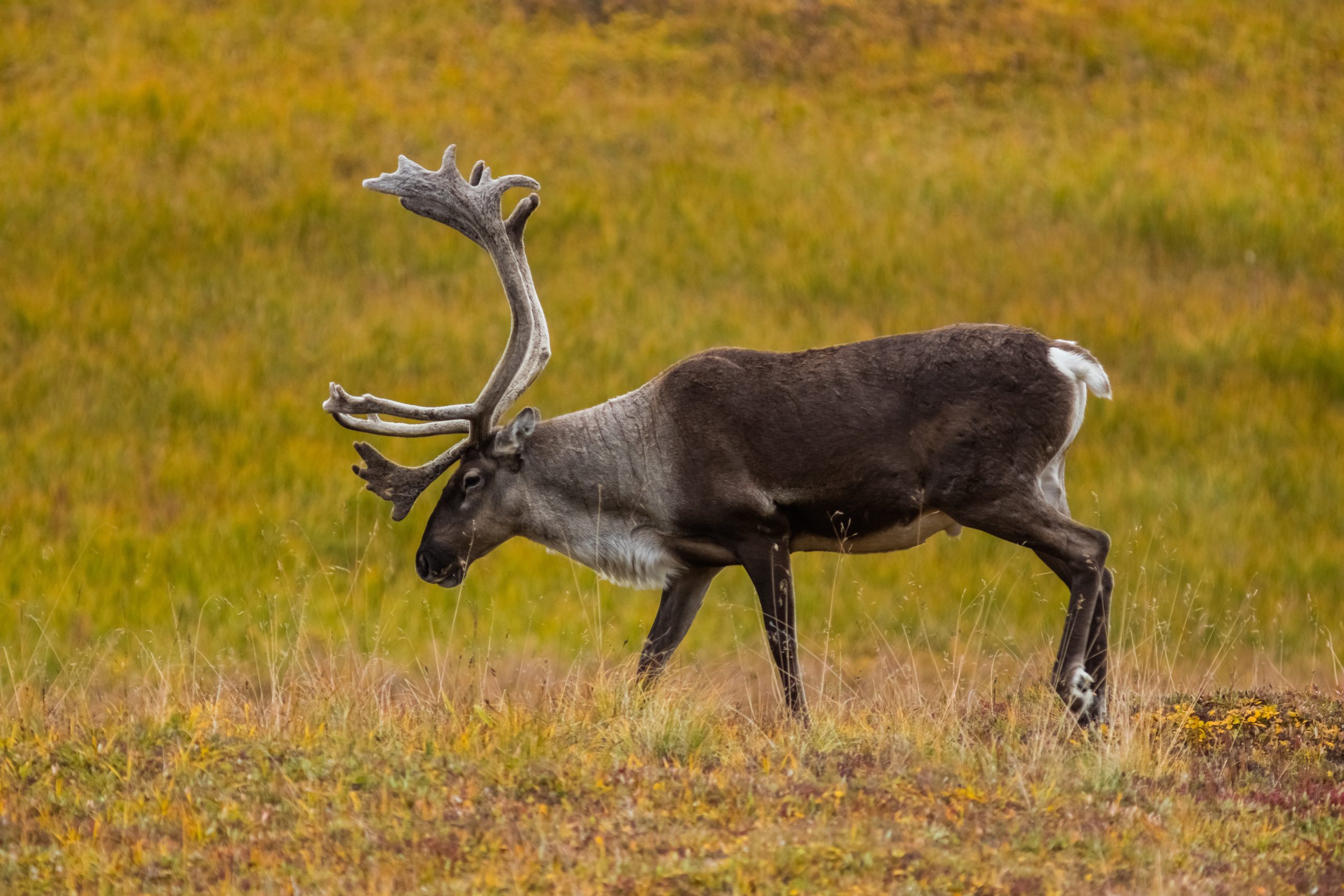
Caribou can seem easier than other large game because they often travel in groups and may occupy open tundra. The catch is movement. Herds can shift direction, spread out, or cover substantial ground, making yesterday’s location irrelevant. Their northern habitat also brings weather, distance, and limited landmarks into the equation. Some migratory herds number in the tens of thousands, creating an impressive spectacle while making individual animals harder to predict. A hunter must read the landscape and herd behavior rather than assuming that a large group will remain in one place.
10. American Bison
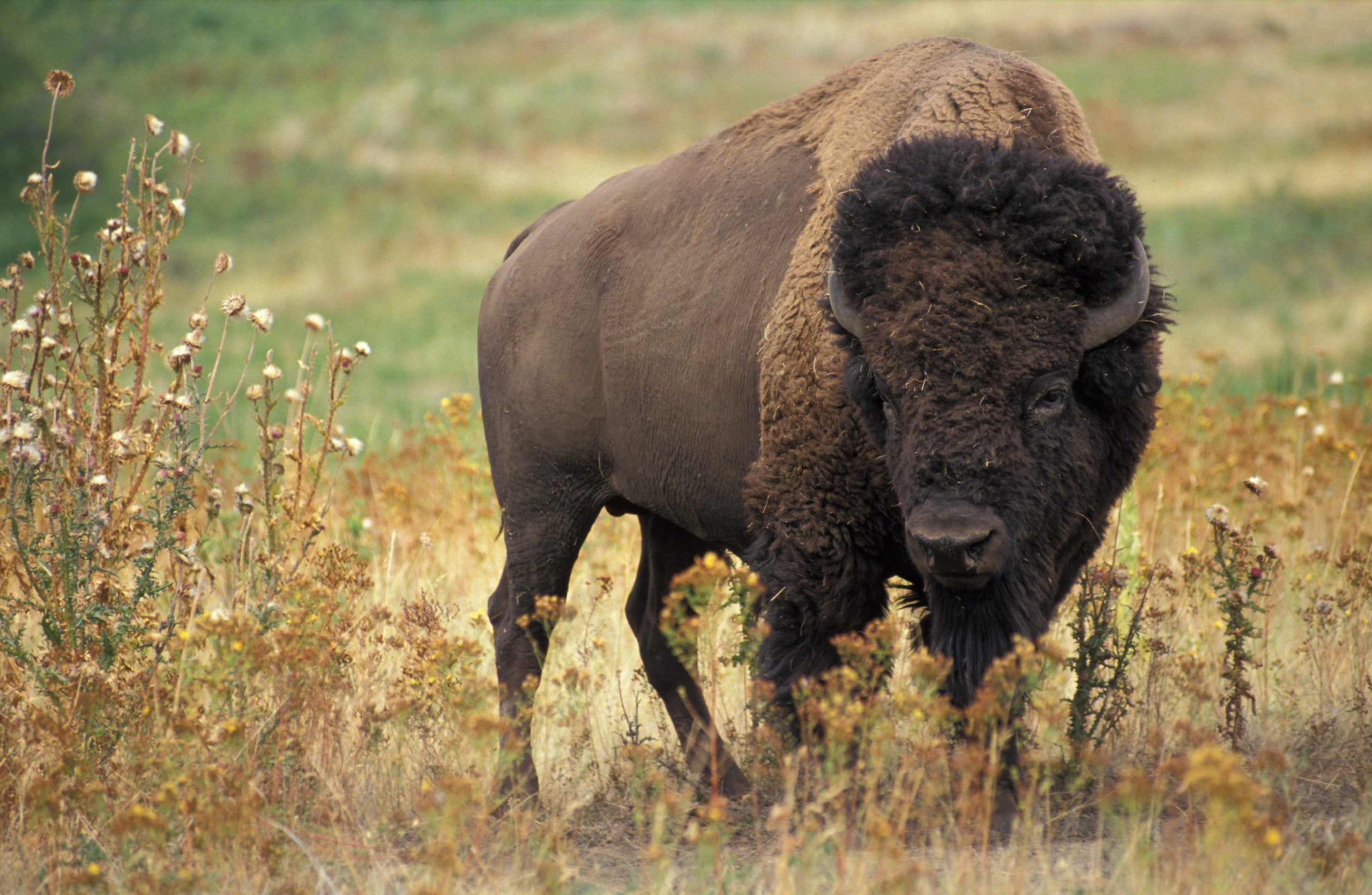
American bison look slow and predictable because of their massive bodies, but wild animals can be difficult to locate and approach in open or broken country. Their size can also distort distance, making them appear closer than they really are. Herds may occupy broad grasslands, rolling terrain, or wooded areas depending on location and season. Adult bulls can weigh more than 1,500 pounds, giving them an imposing presence. Legal bison hunting is highly regulated in many places, so tags, seasons, boundaries, and local rules are part of the challenge before the hunt even begins.
11. Muskox
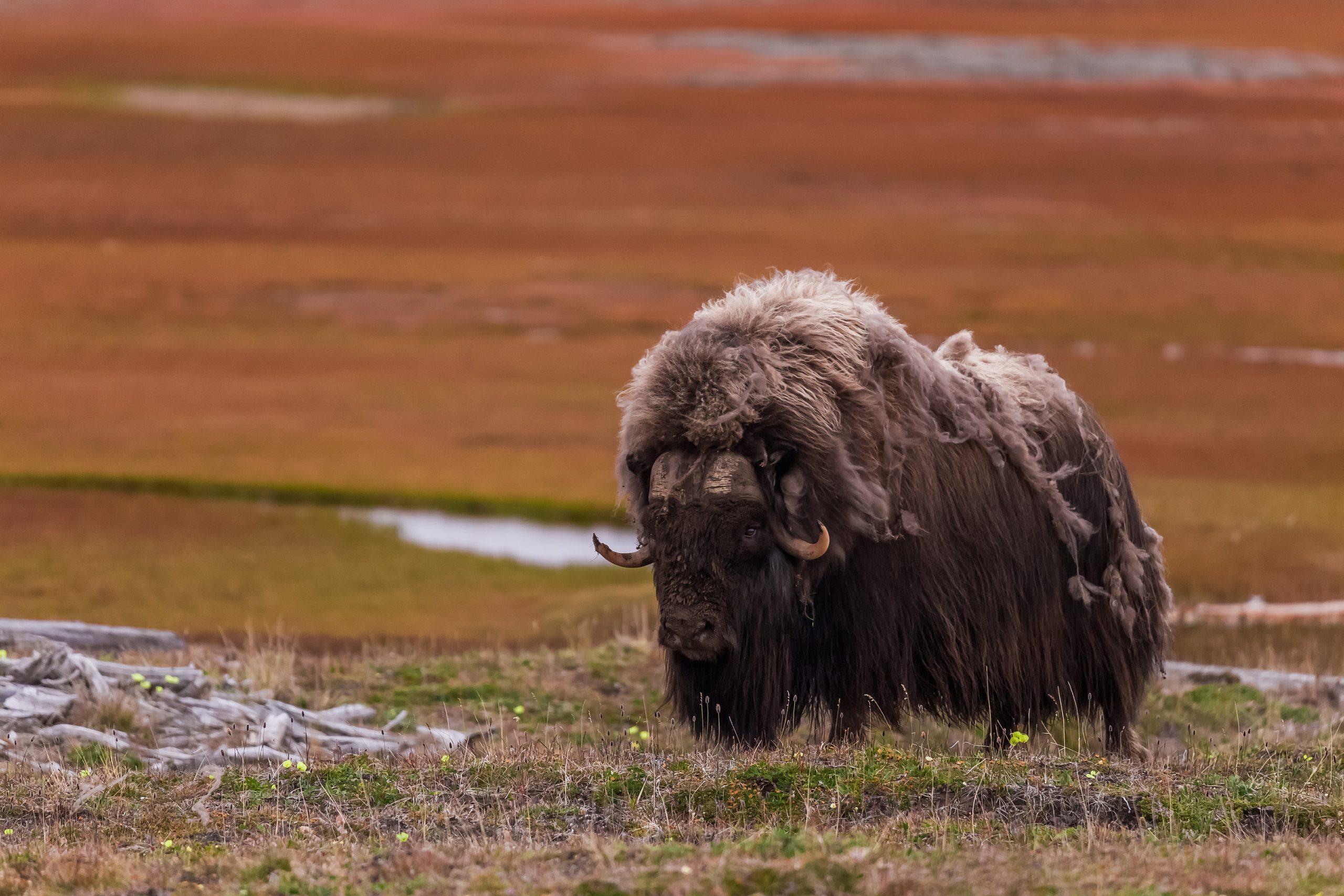
Muskoxen appear built like living fortresses, and their compact shape can make them seem easier to approach than they are. They inhabit northern tundra and other remote environments where weather, distance, and limited shelter can dominate a hunt. Their long hair and heavy build also make judging the animal’s true outline surprisingly difficult. Adult bulls may weigh more than 600 pounds, while groups can form defensive circles when threatened. Remote terrain is often the biggest obstacle, with long travel and rapidly changing conditions turning a seemingly simple hunt into an endurance test.
12. Coues White-tailed Deer
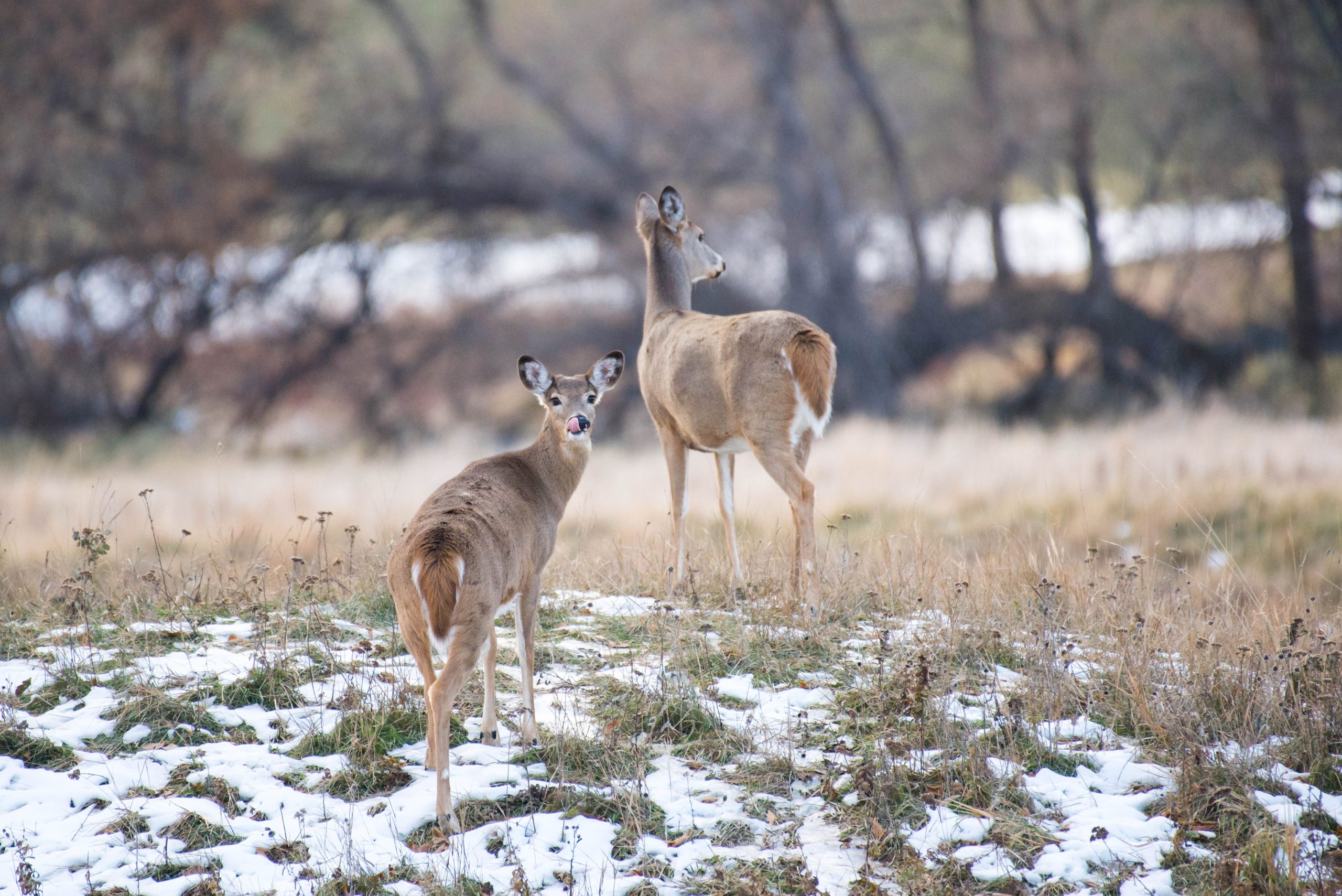
Coues white-tailed deer are small compared with many North American game animals, which is why they can be deceptive. They live in rugged, brushy, and mountainous country where their gray-brown coats disappear against rock, shadow, and vegetation. Even a mature buck can look tiny through binoculars, making careful observation essential. Adult bucks may weigh roughly 90 pounds, far below many western deer, yet the combination of small body, broken terrain, and sharp senses makes them notoriously difficult to locate. That is the catch here.