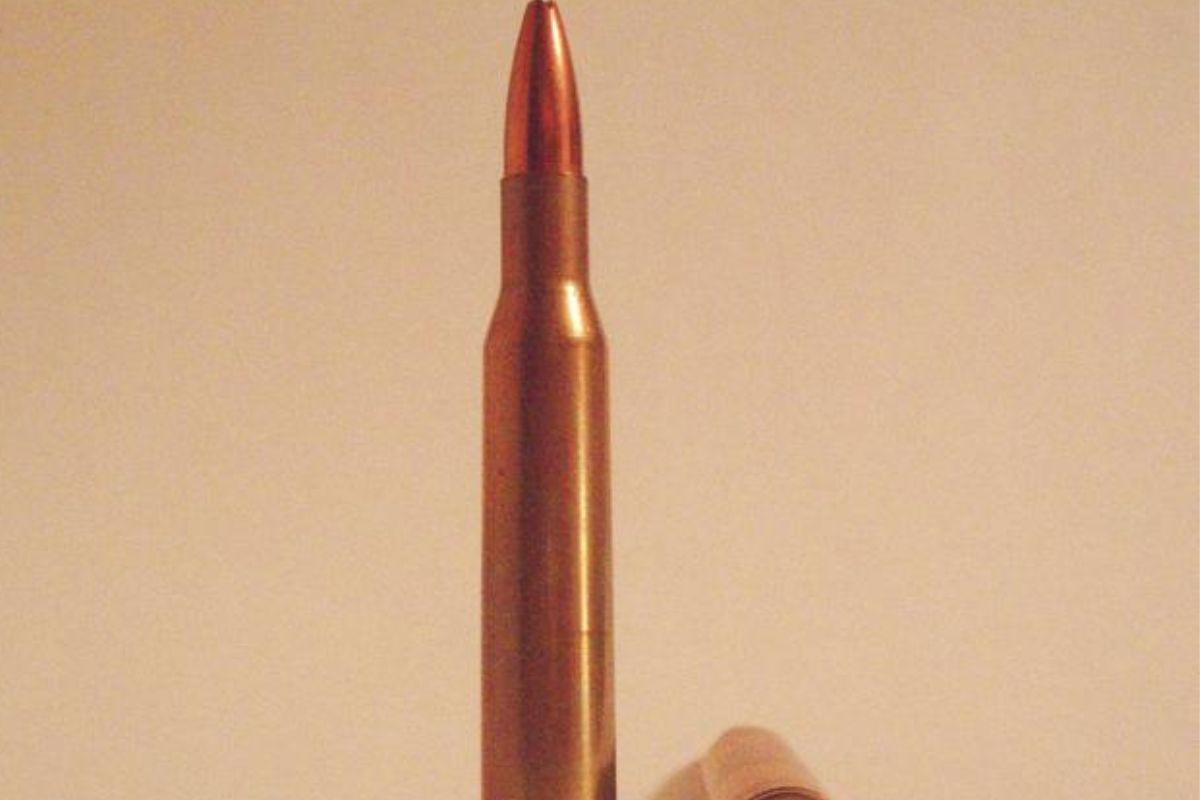
The .270 Winchester occupies a rare place in American hunting history, not because it was the most powerful cartridge of its era, but because it arrived at exactly the right moment. Introduced during a period when hunters were beginning to value reach, accuracy, and efficiency, it offered a different philosophy from traditional heavy calibers. Instead of relying on sheer mass, it emphasized velocity, flatter trajectory, and practical field performance. Over time, this balance reshaped expectations about what a hunting cartridge could accomplish. Its reputation was built slowly through experience rather than hype. Understanding how the .270 Winchester became a legend requires examining its origins, cultural advocates, practical strengths, and the quiet consistency that allowed it to endure for nearly a century.
The Birth of the .270 Winchester
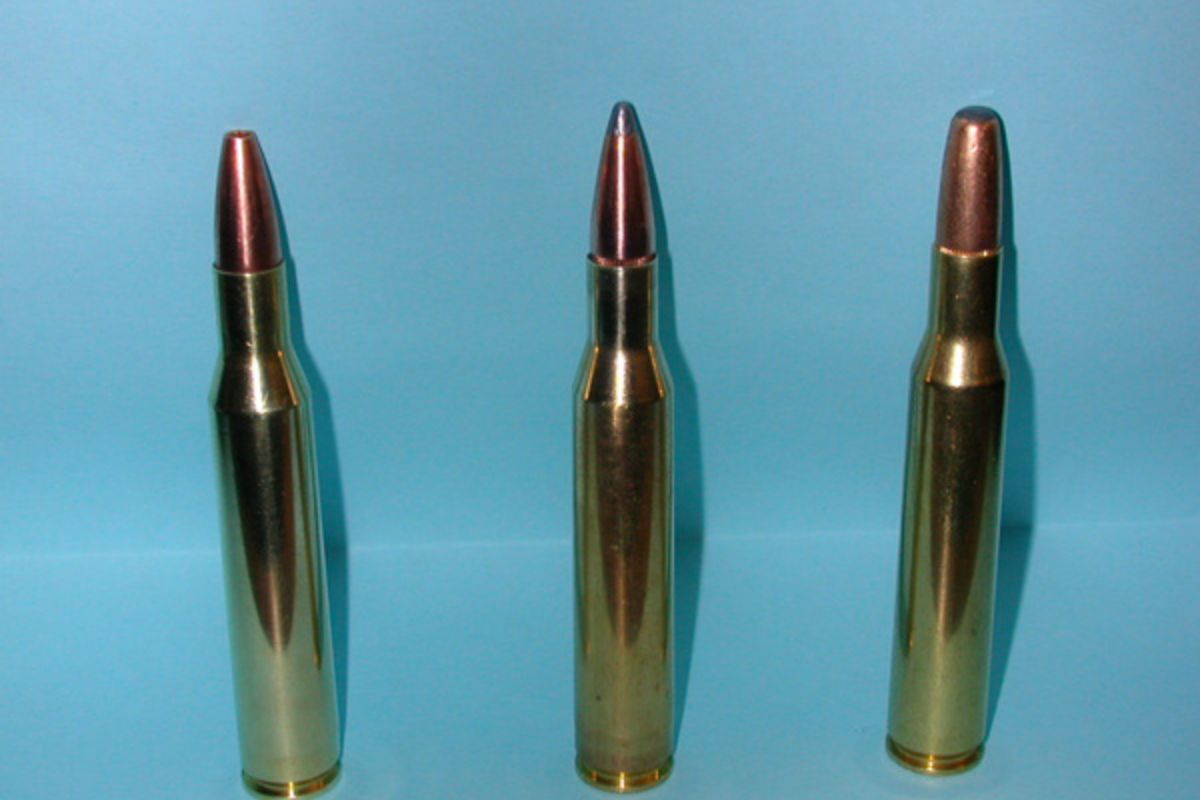
When Winchester introduced the .270 Winchester in 1925, it was derived from the .30-06 Springfield case, necked down to accept a smaller diameter bullet. At the time, this approach challenged prevailing ideas about hunting effectiveness. Many sportsmen believed larger calibers were necessary for dependable results. The .270 offered a different proposition, combining higher velocity with a flatter trajectory. Early factory loads highlighted speed rather than mass, signaling a shift in thinking. Initial adoption was cautious, as hunters tend to trust familiarity. However, the cartridge’s solid engineering and compatibility with existing rifle actions gave it credibility. Its birth marked the beginning of a gradual transition toward modern ballistic philosophy rather than an overnight revolution.
Early Skepticism and Gradual Acceptance
Early reactions to the .270 Winchester were mixed, particularly among experienced hunters accustomed to heavier bullets. Concerns centered on penetration, terminal performance, and suitability for larger game. These doubts were understandable given the cartridge’s relatively light bullet weight compared to established options. Acceptance came slowly through real-world use rather than theoretical debate. Hunters who adopted it reported consistent accuracy and dependable results when shots were placed responsibly. Stories spread through camps, sporting journals, and personal recommendations. Over time, skepticism softened as practical success accumulated. The .270 did not win converts through bold claims, but through steady performance that proved smaller diameter did not mean diminished effectiveness.
Jack O’Connor and Cultural Influence
Jack O’Connor played a decisive role in shaping the .270 Winchester’s public image. As a widely read outdoor writer, he consistently praised the cartridge for its balance of accuracy, reach, and practicality. His advocacy was influential because it was grounded in firsthand experience rather than promotional language. O’Connor emphasized thoughtful hunting, proper shot placement, and confidence in one’s equipment. While critics accused him of favoritism, his long-term consistency gave weight to his opinions. Through decades of writing, he helped associate the .270 with skillful, ethical hunting. His cultural impact elevated the cartridge beyond ballistics, embedding it deeply into American sporting tradition.
Flat Trajectory and Practical Advantage

A defining feature of the .270 Winchester is its relatively flat trajectory, especially compared to cartridges common at the time of its introduction. This characteristic provided a tangible advantage in open terrain where estimating distance accurately could be difficult. A flatter trajectory reduced the consequences of minor range estimation errors, increasing confidence during real hunts. This advantage was practical rather than theoretical, making the cartridge appealing to hunters who valued simplicity. Instead of complex calculations, the .270 allowed straightforward decision-making. Over time, this reliability in varied conditions reinforced trust. Hunters came to associate the cartridge with forgiveness and consistency, traits that strongly contributed to its long-term popularity.
Versatility Across Game and Regions
The .270 Winchester proved its value by performing reliably across diverse environments and hunting conditions. From wooded regions to open plains, it adapted without demanding specialized equipment. This versatility made it attractive to hunters who traveled or pursued different types of game throughout the year. Rather than maintaining multiple rifles, many chose the .270 as an all-purpose option. Its ability to handle varied situations built a reputation for dependability. Hunters valued familiarity, and the cartridge’s consistent behavior across regions reinforced confidence. This adaptability helped transform the .270 from a specific solution into a broadly trusted standard within American hunting culture.
Manageable Recoil and Shooter Confidence

Recoil plays a significant role in long-term cartridge adoption, and the .270 Winchester struck a favorable balance. Compared to larger magnum cartridges, it delivered effective performance without excessive recoil. This made it approachable for a wide range of shooters, including younger hunters and those sensitive to heavier recoil. Reduced recoil encouraged practice, and practice improved proficiency. Confidence grew naturally as shooters became more comfortable with their rifles. Over time, this positive feedback loop strengthened loyalty to the cartridge. Hunters who learned with the .270 often stayed with it, associating it with comfort, accuracy, and dependable results rather than fatigue or intimidation.
Longevity Through Consistency, Not Trends
Unlike many cartridges that surged in popularity before fading, the .270 Winchester maintained relevance through consistency. It did not rely on dramatic redesigns or shifting marketing narratives. While new cartridges promised incremental improvements, the .270 continued delivering familiar results. This stability appealed to hunters who preferred reliability over experimentation. The cartridge’s specifications remained largely unchanged, reinforcing trust. Its endurance demonstrated that long-term success does not require constant reinvention. Instead, steady performance across decades allowed the .270 to outlast trends. This quiet persistence helped solidify its status as a benchmark rather than a passing fashion.
Ammunition Availability and Industry Support
Another key factor in the .270 Winchester’s success is widespread industry support. Ammunition manufacturers consistently produced multiple load options, ensuring availability in both urban and rural areas. Rifle makers chambered it across a broad range of models, from entry-level to premium offerings. This accessibility reduced barriers for new hunters and reassured experienced ones. Knowing ammunition could be found almost anywhere increased confidence in choosing the cartridge. Availability reinforced familiarity, and familiarity reinforced popularity. Over time, the .270 became a default choice not only because of performance, but because it was reliably supported across the entire hunting industry.
Generational Transmission and Tradition
For many hunters, the .270 Winchester entered their lives through family tradition rather than personal research. Rifles were passed down along with stories and lessons, embedding the cartridge within shared experiences. This generational transfer created emotional attachment beyond technical merit. Hunters trusted the .270 because trusted mentors had relied on it before them. These personal connections strengthened loyalty and preserved relevance across decades. Even as new options appeared, tradition carried weight. The cartridge became part of family identity, reinforcing its place in hunting culture. Such continuity cannot be measured ballistically, yet it plays a crucial role in enduring reputation.
Enduring Reputation in a Crowded Field
Today’s hunting market offers countless cartridge choices, yet the .270 Winchester remains respected and widely used. Its continued relevance stems from balance rather than extremes. It delivers dependable performance without demanding specialization. Hunters choose it not because it is new, but because it is proven. Its reputation rests on decades of consistent results, cultural influence, and practical design. While newer cartridges offer refinements, few match the .270’s combination of history and trust. Its legendary status reflects longevity earned through reliability. Nearly a century after its introduction, it remains a standard by which others are measured.