
AR-15 hunting builds generate strong opinions, often shaped by assumptions rather than field experience. Many misunderstandings stem from military associations, media portrayals, or unfamiliarity with modern sporting rifles. In reality, AR platforms offer flexibility that traditional hunting rifles cannot match. Hunters adapt them carefully to legal requirements, game species, and terrain. Weight, caliber choice, and configuration matter more than appearance. Misconceptions persist because builds vary widely. Understanding these misunderstandings helps clarify how hunters actually use AR-15s responsibly. The following points address common beliefs that overlook practical considerations, regulations, and real-world performance involved in building and using AR-15 platforms for ethical, effective hunting across diverse environments and seasons.
AR-15s Are Only For Tactical Use

Many people believe AR-15s exist only for tactical or military purposes, overlooking their widespread lawful hunting use. The platform evolved into a modular sporting rifle decades ago. Hunters use AR-15s for varmints, predators, hogs, and deer where legal calibers allow. Adjustable stocks and ergonomic controls improve comfort and fit. Lightweight hunting configurations reduce fatigue during long days afield. Accuracy, not aggression, defines these builds. The misconception persists because appearance dominates perception, causing many to overlook how frequently AR-15s appear in ethical, regulated hunting contexts nationwide today.
AR-15s Lack Accuracy

A common myth suggests AR-15s lack accuracy compared to bolt-action rifles, yet real-world performance contradicts this belief. Modern AR barrels deliver excellent precision. Free-float handguards improve consistency, while quality triggers enhance shot control. Hunters routinely achieve sub-minute accuracy with properly built rifles. Optics mounting remains stable and straightforward. Cartridge choice influences results significantly. The misconception stems from early models or poorly configured builds. When assembled thoughtfully, AR-15 hunting rifles perform reliably at ethical distances, matching accuracy expectations commonly associated with traditional hunting firearms used in similar field conditions.
AR-15s Are Too Loud For Hunting

Some assume AR-15s produce excessive noise unsuitable for hunting, but sound depends on configuration rather than platform. Barrel length, cartridge selection, and muzzle devices affect report levels significantly. Many bolt-action rifles generate comparable noise. Hunters often avoid muzzle brakes that increase blast. Threaded barrels allow suppressor use where legal. Gas system tuning softens impulse. The misconception arises from exposure to tactical range setups. In hunting configurations, AR-15s manage recoil and sound responsibly, creating no more disturbance than traditional rifles used ethically in similar outdoor environments.
AR-15s Are Too Heavy

Weight concerns frequently discourage hunters from considering AR-15s, despite advancements in modern components. Early builds emphasized durability over portability. Today’s hunting builds use lightweight barrels, slim handguards, and polymer furniture. Balanced weight distribution improves carry comfort across varied terrain. Some AR-15s weigh less than wood-stocked bolt-action rifles. Terrain and hunting style influence configuration choices. The misconception persists due to visual association with heavily accessorized rifles. Properly configured AR-15 hunting builds feel nimble and manageable during long walks, predator stands, or spot-and-stalk pursuits.
AR-15s Cannot Be Used Ethically

Ethical concerns surrounding AR-15 hunting often stem from misunderstanding rather than practice. Ethics depend on cartridge choice, shot placement, and hunter discipline, not firearm appearance. AR-15s chambered in appropriate hunting calibers humanely harvest game. Semi-automatic operation does not reduce responsibility. Hunters follow identical ethical standards regardless of rifle type. Regulations govern magazine limits and legal cartridges. The misconception links rate of fire to recklessness. In reality, responsible AR-15 hunters demonstrate restraint, preparation, and respect for game comparable to traditional rifle users nationwide.
AR-15s Are Illegal For Most Game

Many believe AR-15s are broadly illegal for hunting, but regulations vary widely by state and species. Some states restrict magazine capacity, while others regulate minimum cartridge energy. Many jurisdictions permit AR-15s for specific game animals. Hunters research laws carefully before building rifles. The platform’s adaptability allows legal compliance. This misconception arises from generalized firearm restrictions portrayed without nuance. In practice, AR-15s remain legal for many hunting applications nationwide when configured properly according to local regulations rather than assumptions based on appearance or action type.
AR-15s Only Use Small Calibers
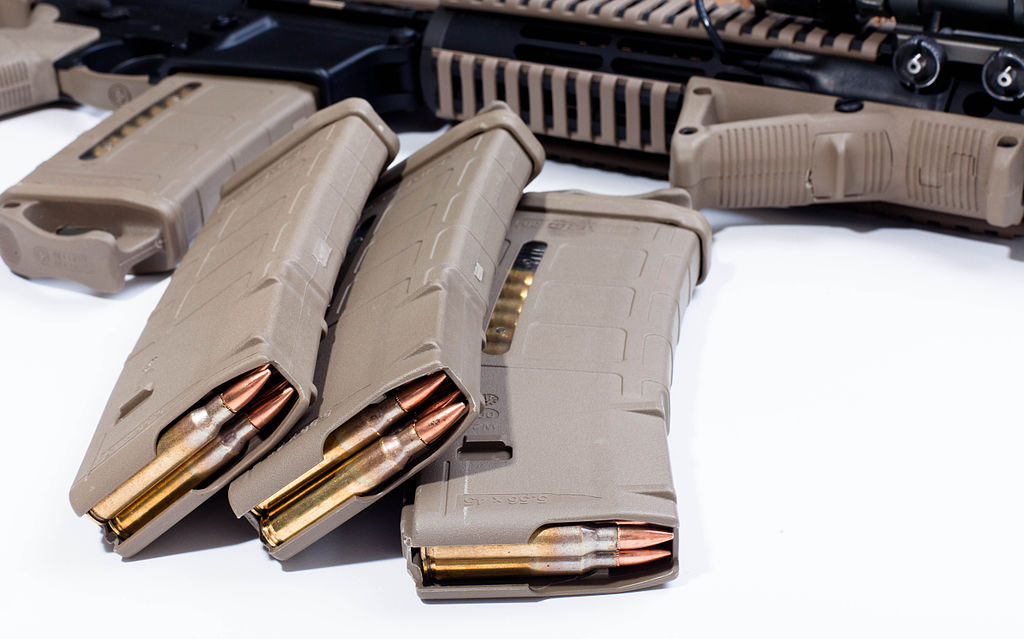
Another misunderstanding suggests AR-15s fire only small, ineffective calibers. While .223 Remington receives attention, the platform supports numerous hunting cartridges. Options include 6.5 Grendel, .224 Valkyrie, .350 Legend, and others. Each serves different game and distances. Hunters select cartridges based on ethical performance. Ballistics rival traditional hunting rounds. The misconception results from focusing solely on entry-level calibers. AR-15 versatility allows hunters to build purpose-driven rifles capable of ethically harvesting varmints through medium game within legal parameters.
AR-15s Are Poor In Cold Weather
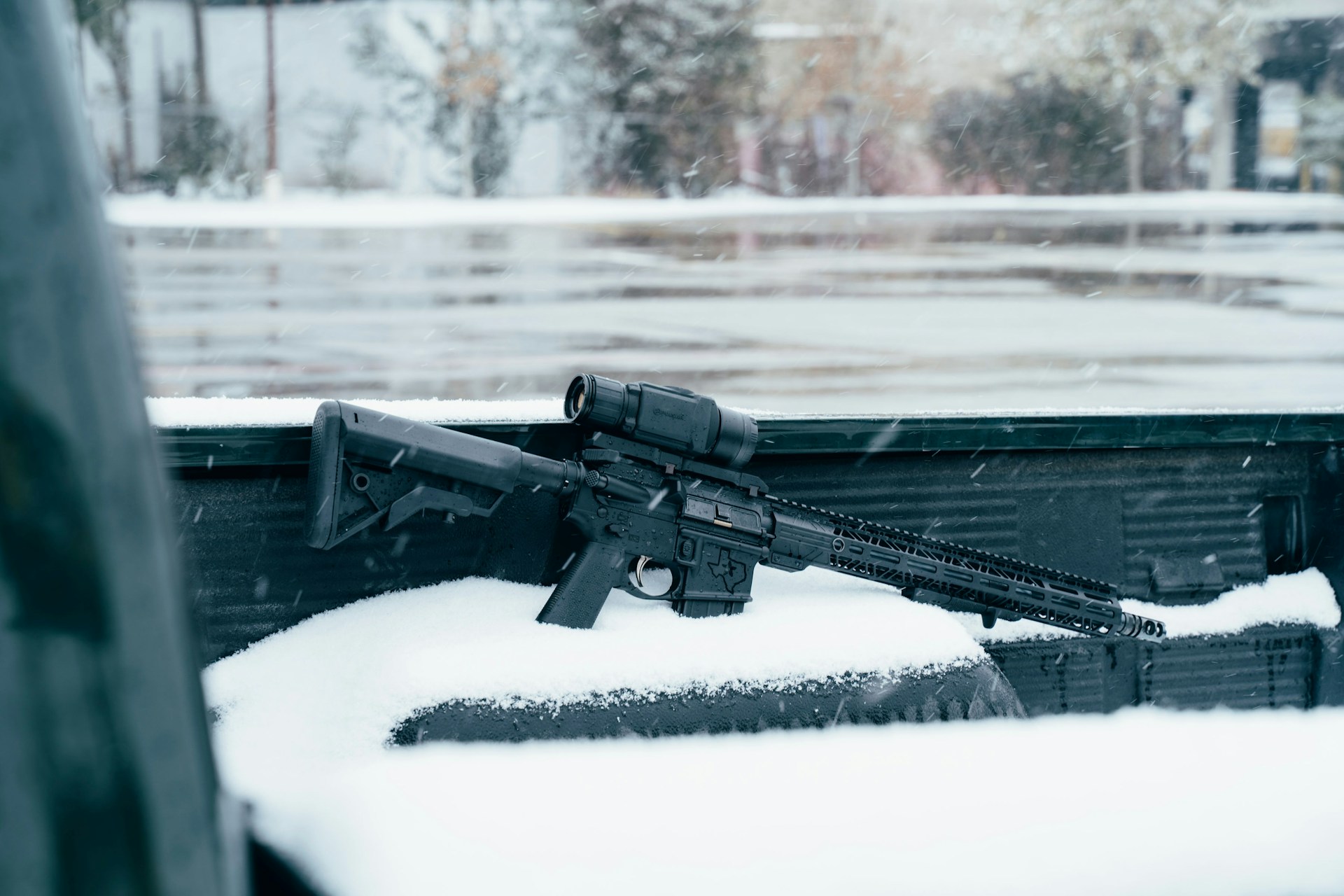
Some believe AR-15s struggle in cold conditions, yet modern designs perform reliably with preparation. Quality lubricants prevent sluggish cycling. Modern coatings resist corrosion. Hunters in northern states use AR platforms successfully during winter seasons. Cold affects all firearms similarly. Maintenance practices matter more than design type. Gas systems function reliably when tuned. The misconception originates from outdated anecdotes. In hunting environments, AR-15s perform dependably in cold weather when users understand lubrication, storage, and maintenance considerations common to modern firearms.
AR-15s Cannot Be Lightweight
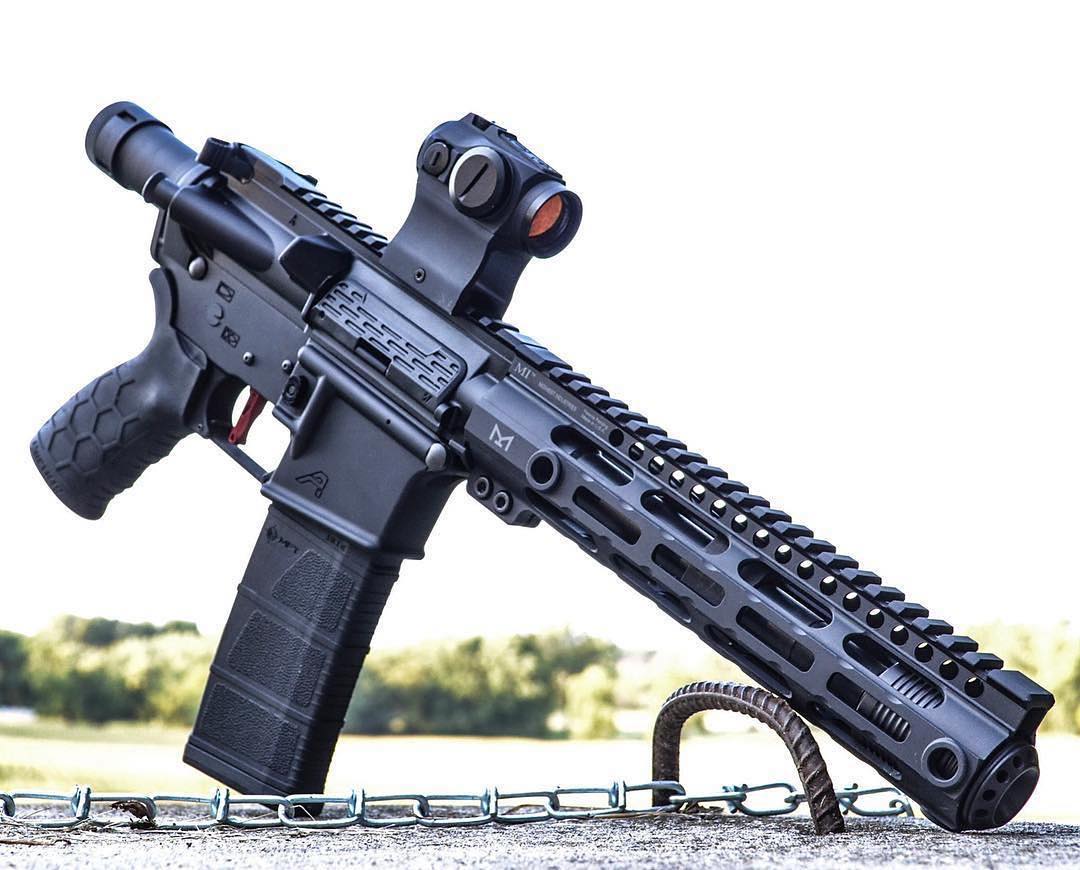
Many assume AR-15s cannot achieve lightweight builds, overlooking modern materials and design options. Carbon fiber handguards, pencil barrels, and minimalist stocks significantly reduce mass. Hunters prioritize mobility and balance in the field. Careful component selection trims unnecessary weight. The misconception arises from fully accessorized rifles commonly seen in media. Hunting builds remove excess features. In practice, AR-15s can rival lightweight bolt-action rifles. Understanding configuration choices dispels the belief that AR platforms must remain heavy, proving they can meet demanding mobility requirements.
AR-15s Are Only For Short Range
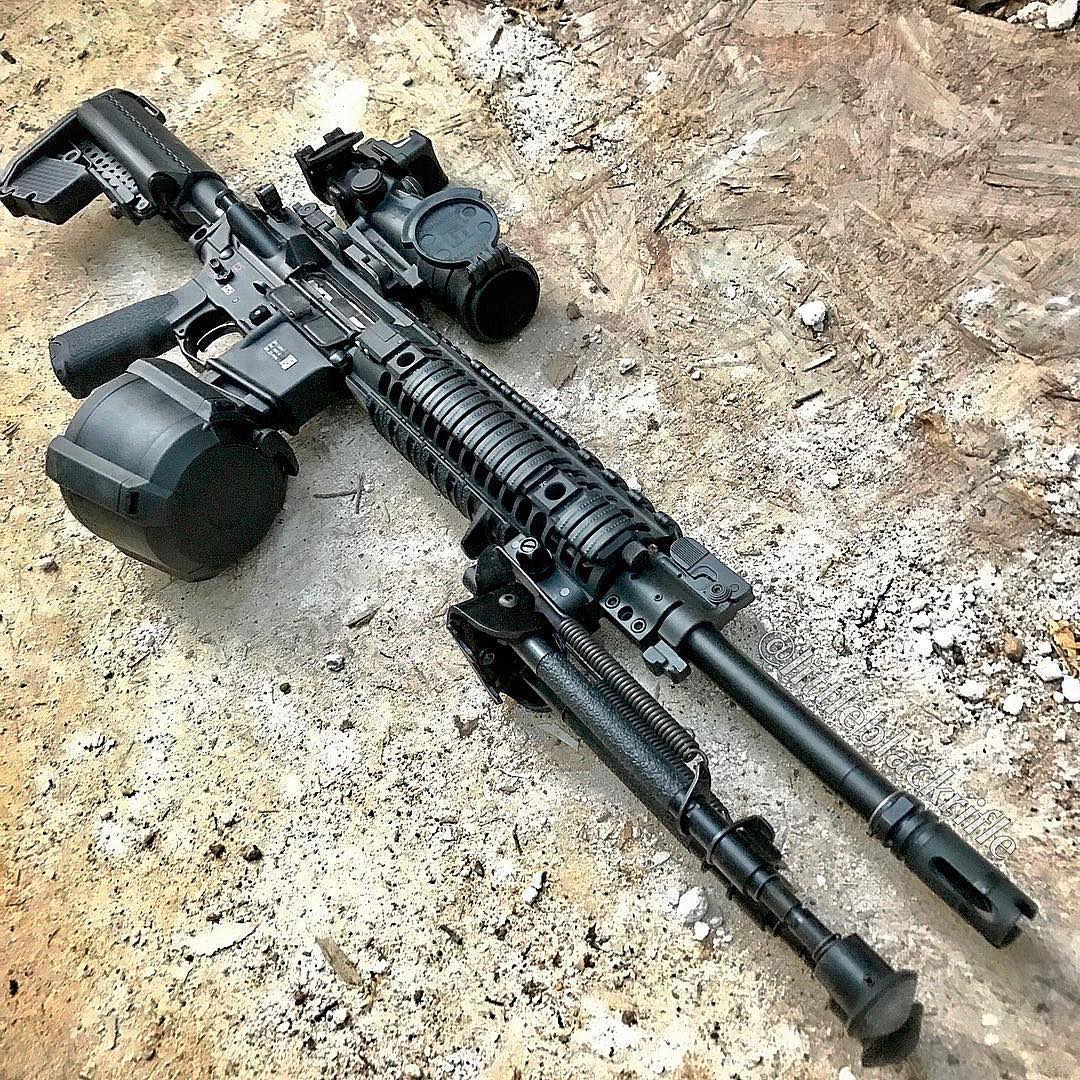
Short-range limitations are often inaccurately attributed to AR-15s rifles. Effective range depends on cartridge choice, barrel length, optics, and shooter skill. Several AR cartridges perform well at medium hunting distances. Accuracy remains consistent when configured properly. Wind drift varies by projectile design. Hunters choose ethical engagement ranges. The misconception stems from military imagery rather than ballistic reality. AR-15 hunting builds support responsible medium-range use comparable to many traditional rifles when matched with appropriate cartridges and realistic expectations.
AR-15s Damage Meat Excessively
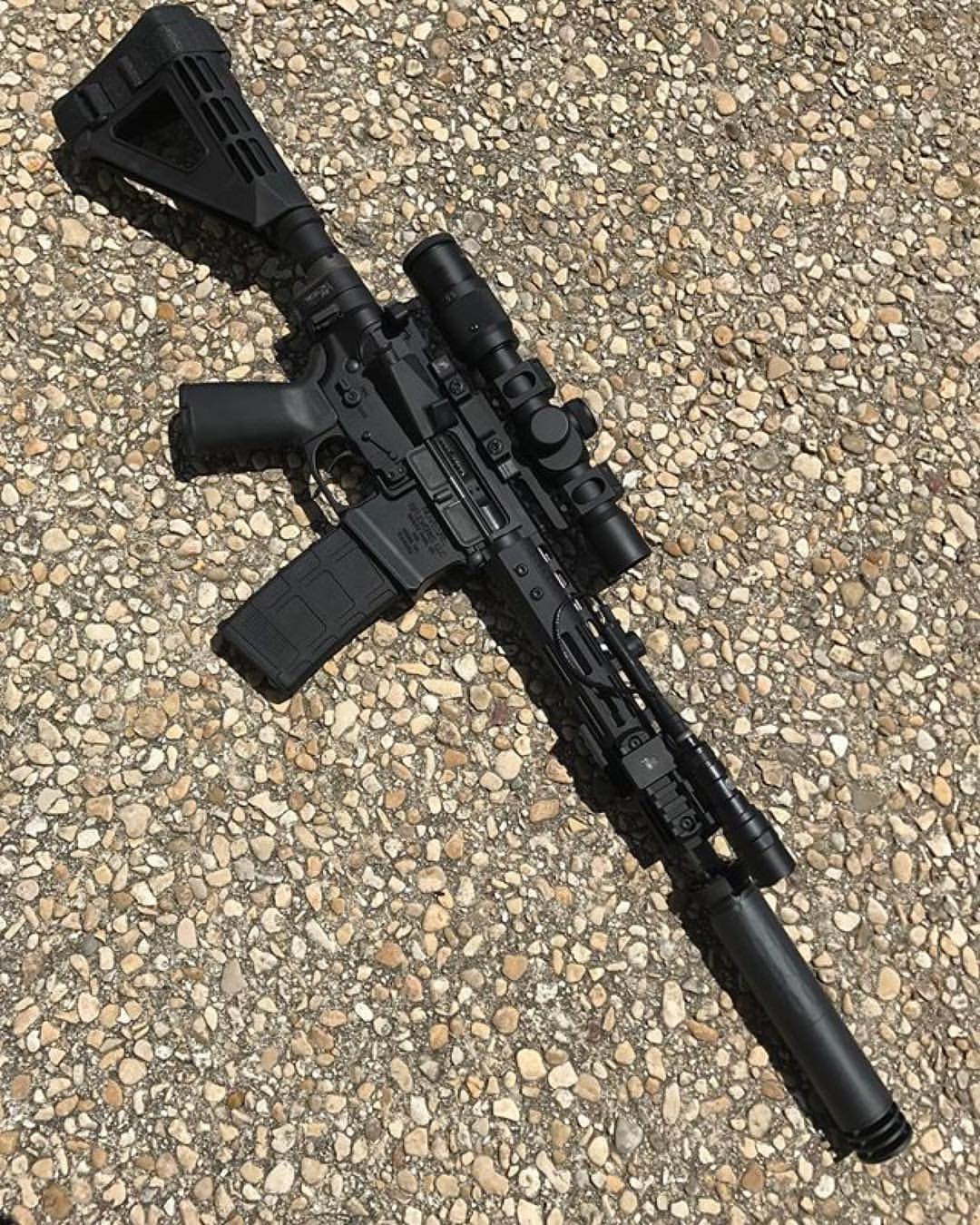
Concerns about excessive meat damage frequently surround AR-15 hunting use. Damage depends on bullet construction, velocity, and shot placement, not rifle type. Proper hunting bullets minimize tissue destruction. Controlled-expansion projectiles preserve meat effectively. Overpowered loads cause damage regardless of platform. The misconception associates velocity with destruction alone. AR-15s firing appropriate cartridges produce clean harvests comparable to traditional rifles. Ethical ammunition selection ensures minimal waste and reinforces responsible hunting practices across different firearm platforms used legally in the field.
AR-15s Require Constant Maintenance
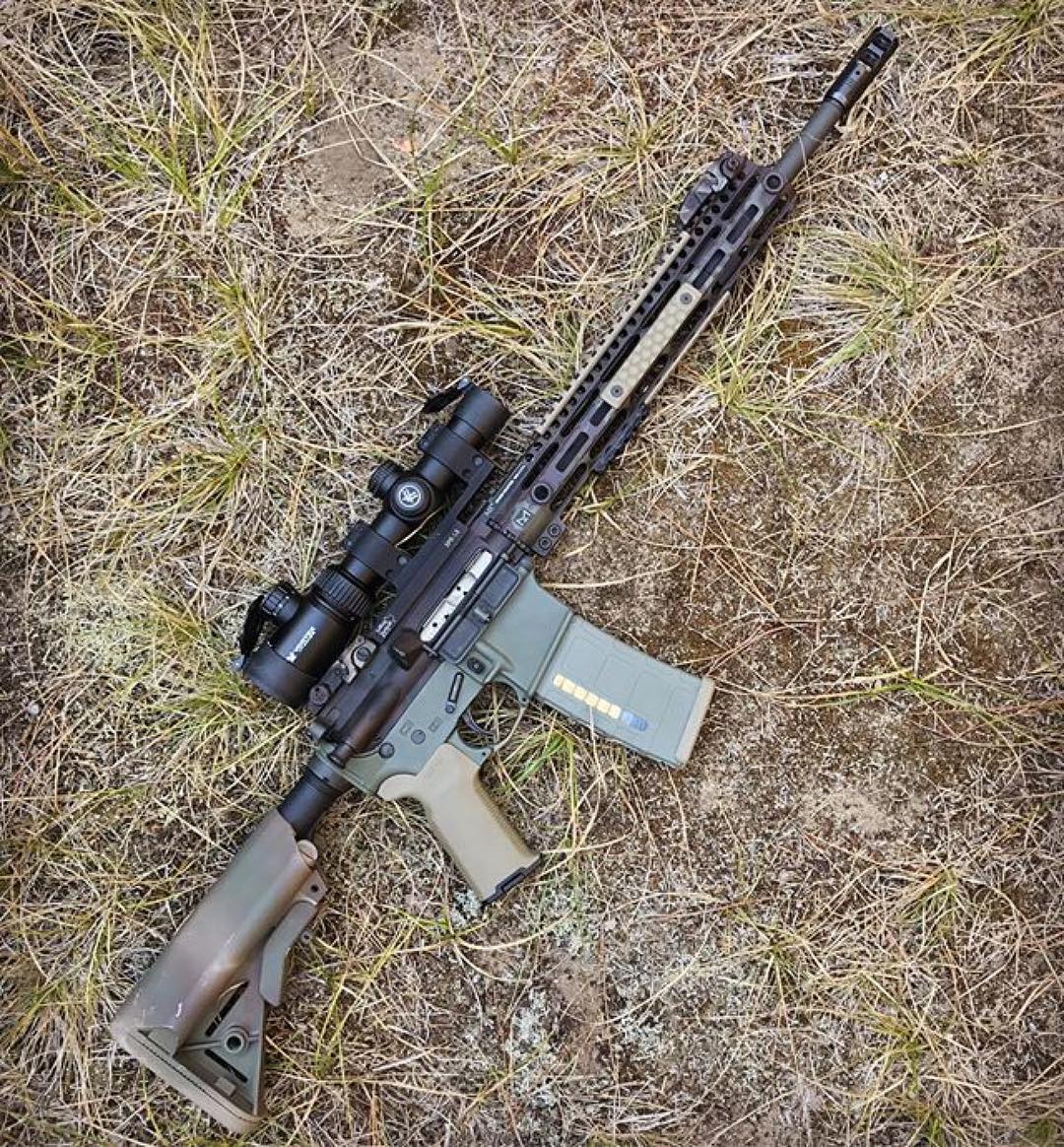
Some believe AR-15s demand excessive maintenance compared to other rifles. In reality, routine care matches most semi-automatic firearms. Modern coatings reduce fouling buildup. Proper assembly prevents reliability issues. Hunting round counts remain relatively low. Seasonal cleaning typically suffices. The misconception arises from competitive shooting environments involving high-volume firing. In hunting applications, AR-15s function reliably with basic maintenance practices. Upkeep aligns with other gas-operated firearms, making them no more demanding when used responsibly in field conditions.
AR-15s Are Not Durable
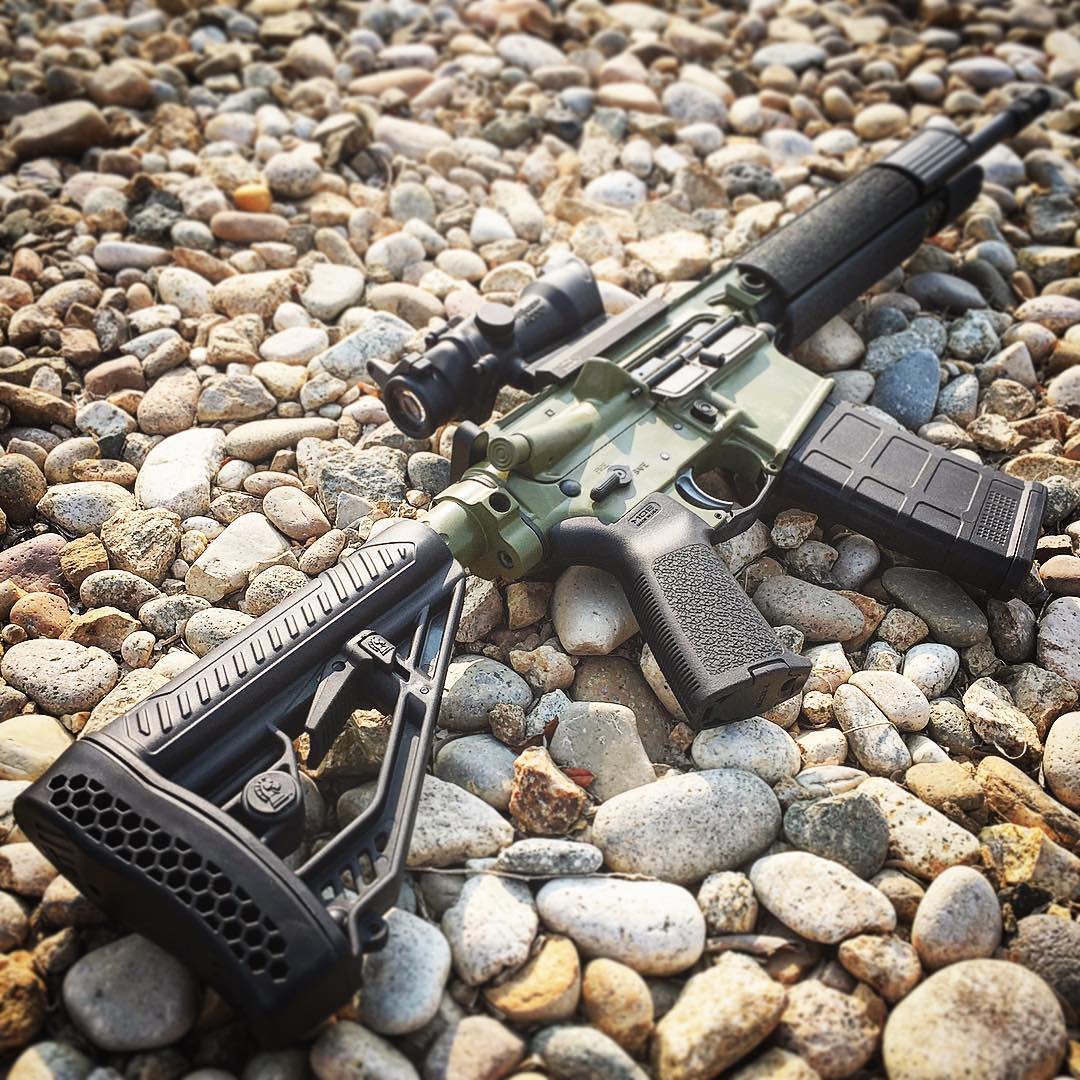
Durability concerns persist around AR-15s, often based on poorly built examples of these guns. Quality components withstand harsh environments. Forged receivers resist impact. Modern finishes protect against corrosion and wear. Hunters use AR platforms successfully in rugged terrain. The misconception stems from budget builds rather than design flaws. Well-constructed AR-15s endure weather, transport, and field handling comparable to traditional rifles. Durability reflects build quality, not inherent weakness, making properly assembled AR-15s reliable long-term hunting tools across demanding conditions.
AR-15s Are Too Complicated
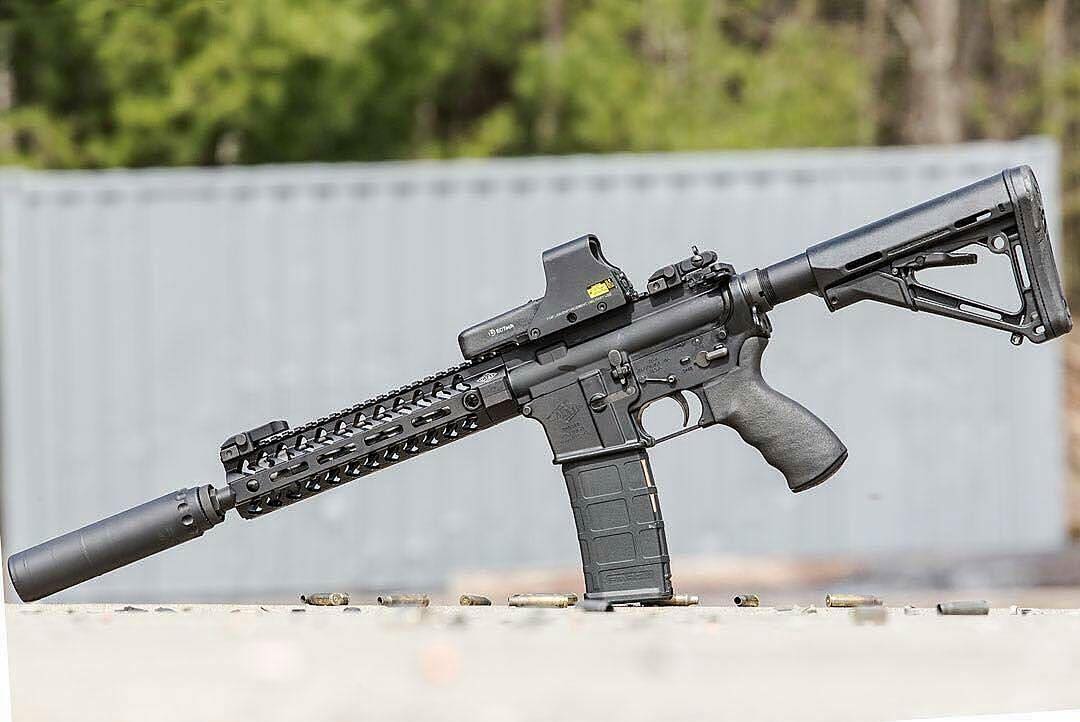
Complexity concerns deter some hunters unnecessarily. Modular design appears intimidating but simplifies customization and fit. Basic operation remains straightforward. Controls resemble other semi-automatic rifles. Adjustability improves ergonomics and comfort. Hunters learn configuration quickly. The misconception arises from optional customization, not difficulty. AR-15s allow incremental changes without gunsmithing. Once configured, operation remains simple. The platform’s adaptability helps hunters achieve proper ergonomics and balance rather than complicating use during real-world hunting scenarios.
AR-15s Replace Traditional Rifles
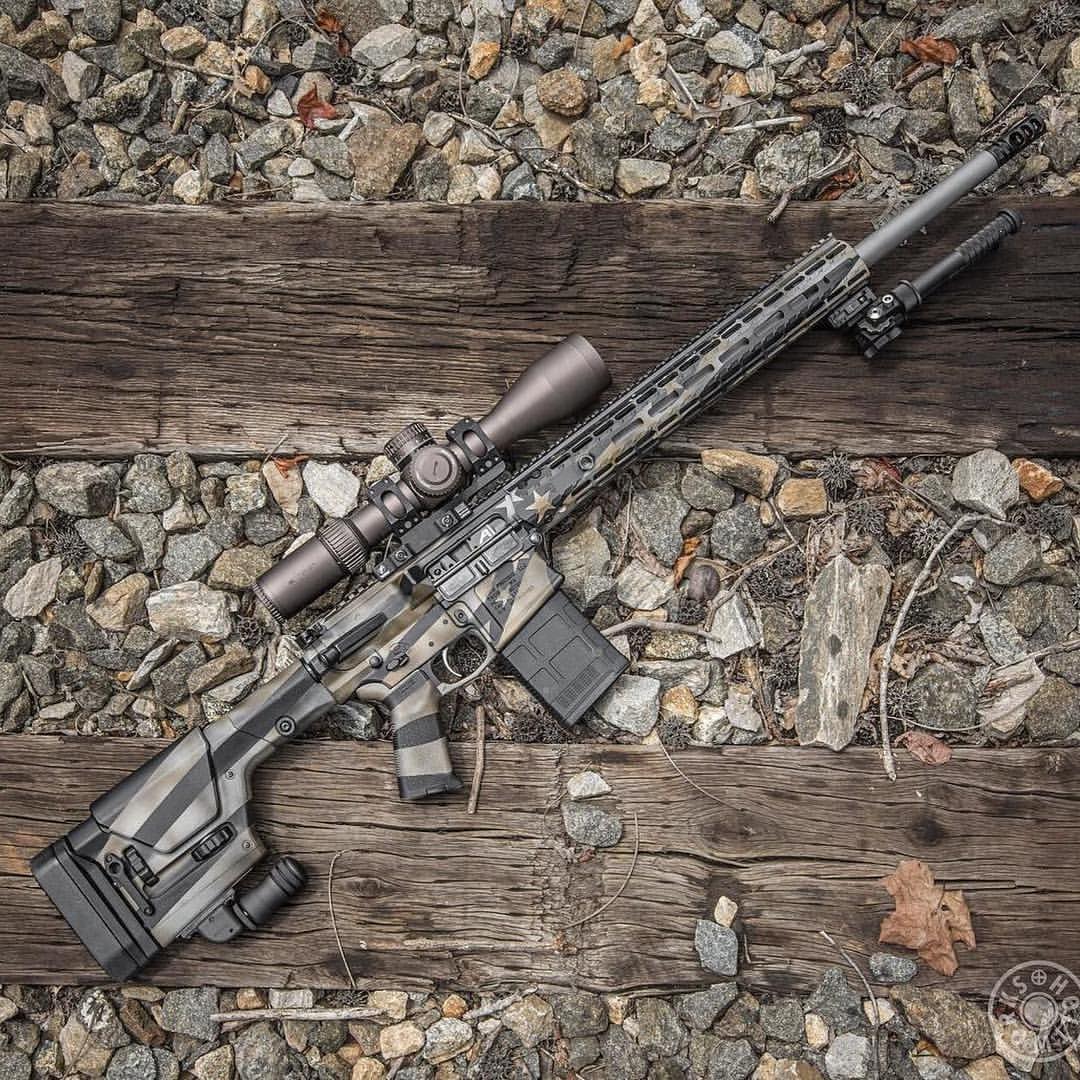
Some fear AR-15s aim to replace traditional hunting rifles. Most hunters own multiple firearm types. AR-15s complement bolt-actions and lever guns rather than replace them. Each serves specific roles. The misconception frames platforms competitively. In reality, hunters select tools based on context, terrain, and game. Traditional rifles remain popular and relevant. AR-15s expand available options. Coexistence reflects evolving preferences rather than displacement, allowing hunters to choose equipment aligned with regulations, comfort, and personal hunting styles. This flexibility supports responsible participation across diverse hunting traditions and modern field conditions nationwide.
AR-15s Encourage Reckless Shooting
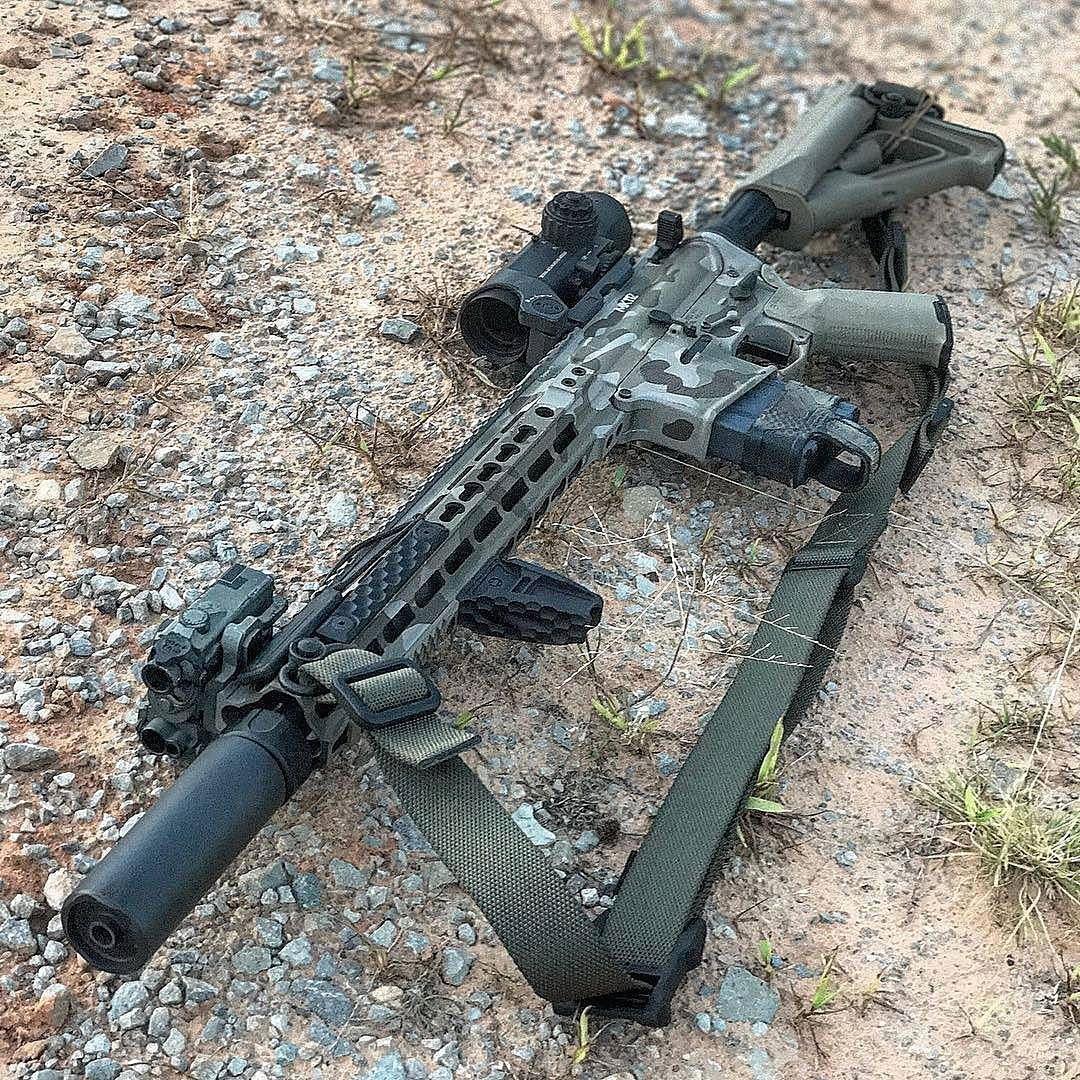
Recklessness is often unfairly attributed to AR-15 use. Responsible behavior depends on training and discipline, not firearm type. Semi-automatic function does not promote carelessness. Regulations limit magazine capacity for hunting. Ethical standards apply universally. The misconception links rate of fire to intent. In hunting contexts, shot discipline governs outcomes. AR-15s do not encourage misuse more than other rifles. Responsible ownership defines behavior, reinforcing safety and ethics across hunting practices regardless of platform choice. Education, experience, and accountability remain the strongest safeguards against unsafe behavior in any hunting environment.