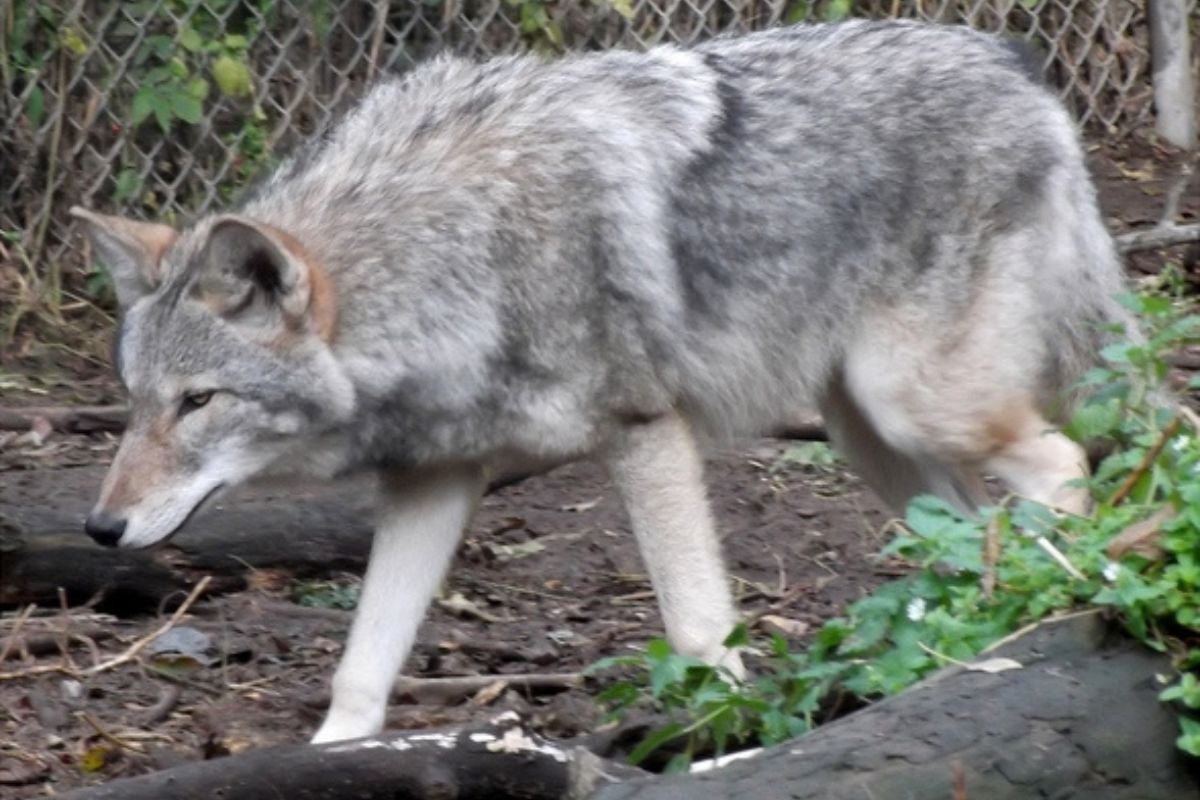
Across parts of North America and Europe, wildlife experts are raising concerns about a growing number of hybrid animals coming into contact with people and livestock. These hybrids are not mythical creatures but real animals formed through crossbreeding between closely related species, often driven by habitat loss and human expansion. Examples include coywolves, wolf-dog crosses, and feral pig hybrids that combine the traits of wild and domestic animals. While attacks remain uncommon, incidents involving livestock injuries and occasional human encounters are increasing. Researchers stress that the issue is not aggression for its own sake, but ecological imbalance. As boundaries between wilderness and developed land blur, hybrid animals are adapting quickly, creating new challenges for communities that were never prepared to coexist with them.
What Scientists Mean by “Hybrid Creatures
In scientific terms, hybrid animals result from the breeding of two closely related species capable of producing viable offspring. This phenomenon occurs naturally but has accelerated due to human influence. Coywolves, for example, emerged from interbreeding between coyotes, wolves, and domestic dogs as forests were fragmented. These hybrids often inherit physical strength from one parent and adaptability from another. Experts emphasize that hybrids are not unnatural monsters but biological responses to environmental pressure. Problems arise when their combined traits allow them to thrive near farms and towns. Their intelligence, size, and lack of fear around humans can increase the likelihood of conflict, particularly when food sources like livestock are easily accessible.
Why Hybrid Encounters Are Increasing Now
The rise in hybrid encounters is closely tied to land use changes over the past century. Expanding suburbs, road networks, and agricultural development have disrupted traditional wildlife territories. As species are forced into smaller overlapping ranges, interbreeding becomes more likely. Climate change further compounds the issue by altering migration patterns and prey availability. Experts note that hybrids often survive better in disturbed environments than pure species. Their flexibility allows them to exploit human-created food sources, including livestock feed and waste. This does not make them more aggressive by nature, but it does increase the chance of interaction with people who may not recognize the risks posed by an animal that looks familiar yet behaves differently.
Documented Attacks on Livestock
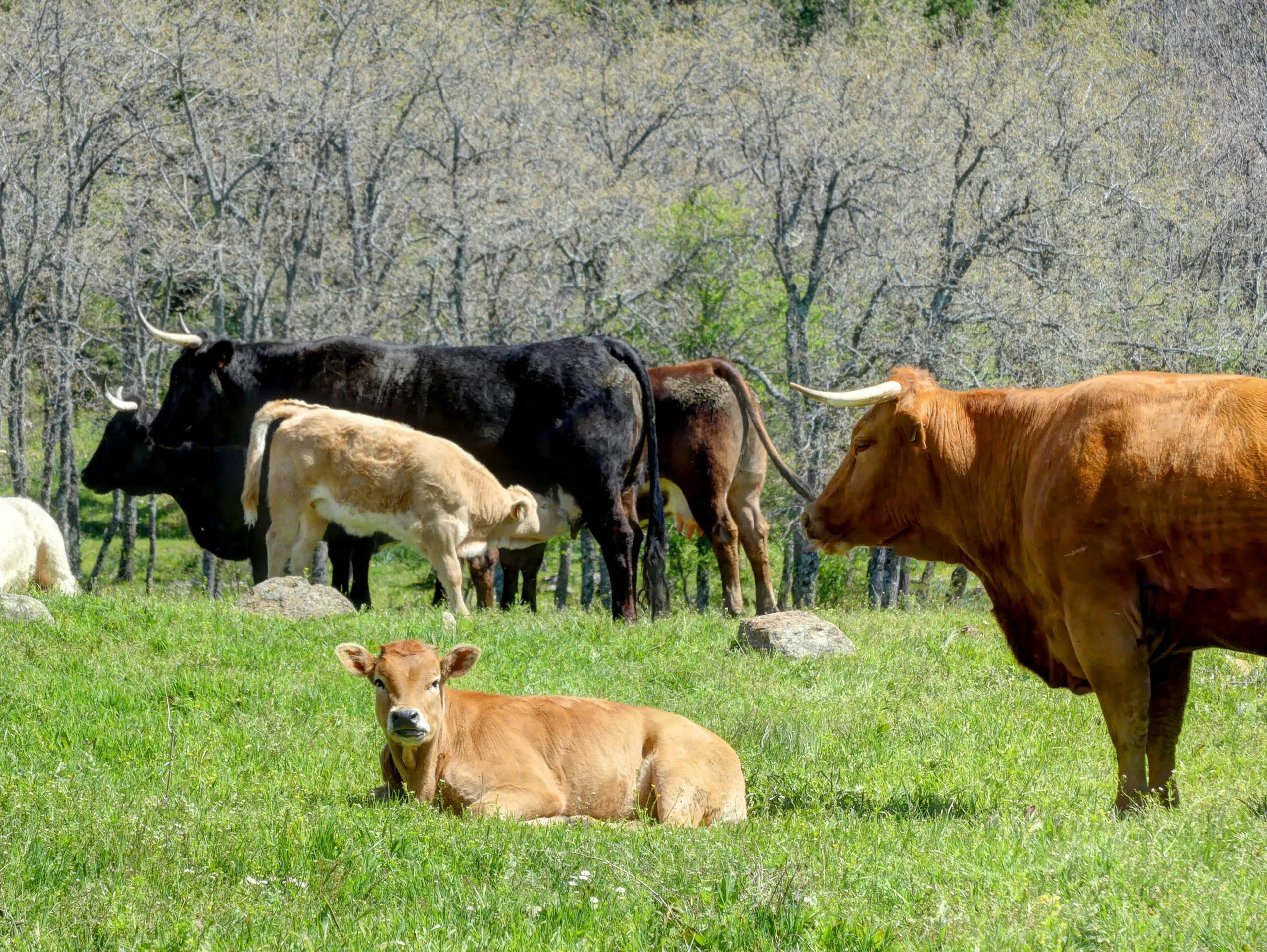
Most confirmed incidents involving hybrids target livestock rather than humans. Sheep, goats, calves, and poultry are particularly vulnerable because they lack natural defenses. Hybrid predators often hunt differently than their parent species, combining pack coordination with opportunistic behavior. Farmers report injuries that do not match known predator patterns, which can complicate identification and response. Wildlife biologists caution against assuming malice or abnormal behavior. Instead, they point to inadequate fencing, poor carcass disposal, and habitat encroachment as contributing factors. Livestock attacks often represent a learned behavior reinforced by easy success, making prevention more effective than reactive control measures.
Human Injuries and Close Encounters
Attacks on people remain rare, but close encounters are becoming more common. Experts note that most human injuries occur when individuals unintentionally corner an animal, attempt to intervene with livestock, or approach hybrids that appear dog-like. Wolf dog hybrids in particular can be misinterpreted as lost pets, leading to dangerous misunderstandings. In several documented cases, injuries occurred during feeding attempts or photo-taking. Researchers stress that hybrid animals lack the social conditioning of domestic dogs despite similar appearances. Treating them as wildlife rather than pets is critical. Awareness and distance remain the most effective tools for preventing human injury.
Behavioral Traits That Increase Risk
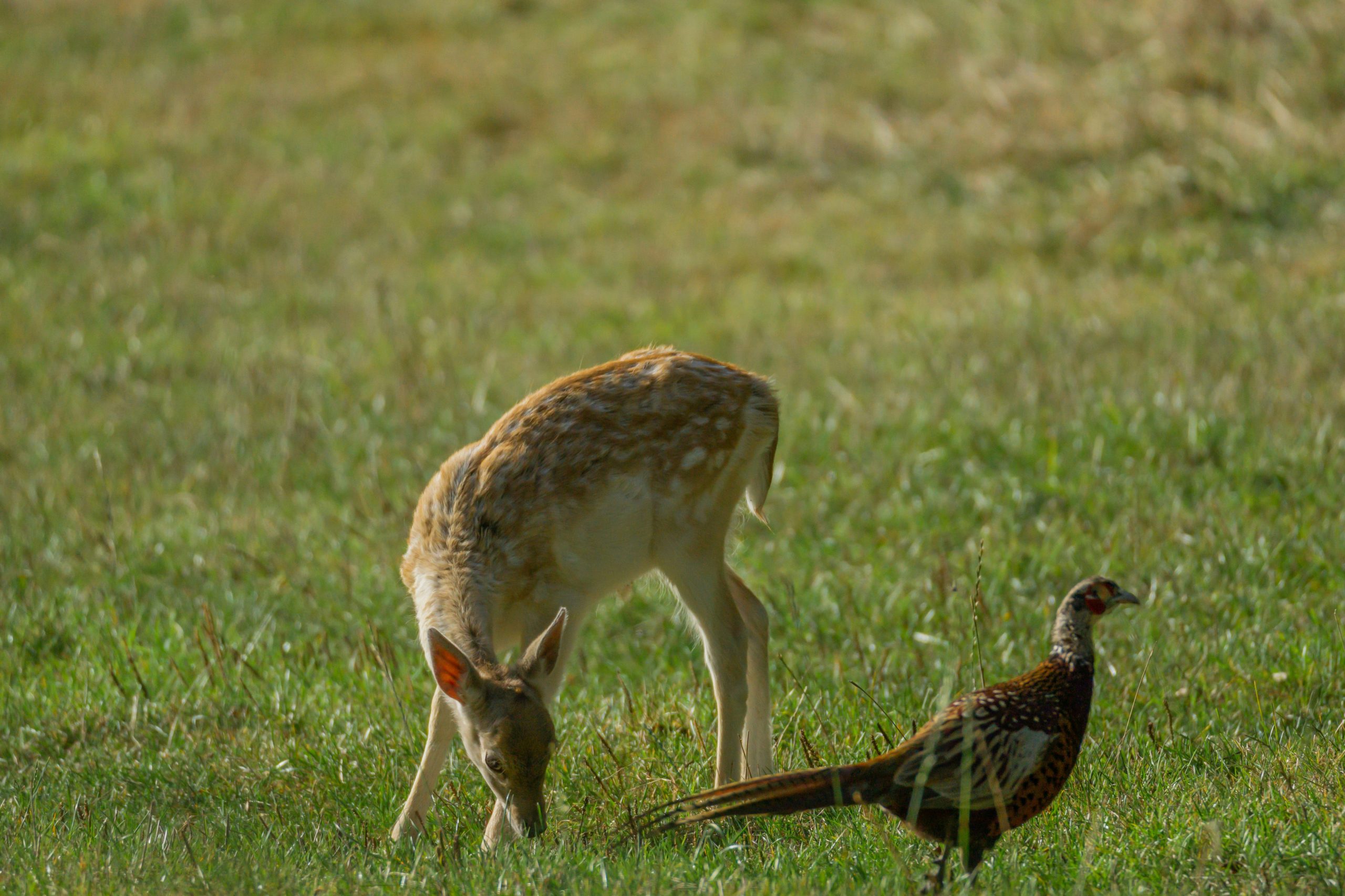
Hybrid animals often display a blend of caution and curiosity that can increase conflict potential. They may be less fearful of human structures than wild species while retaining strong territorial instincts. This combination can lead to defensive behavior when they feel threatened. Experts also note that hybrids raised without stable pack structures may behave unpredictably. Unlike fully wild animals that avoid people, hybrids may linger near barns or homes, increasing opportunities for confrontation. These behaviors are not signs of inherent danger but indicators of adaptation. Understanding these traits helps communities respond appropriately rather than resorting to fear-driven reactions.
The Role of Domestic Animals
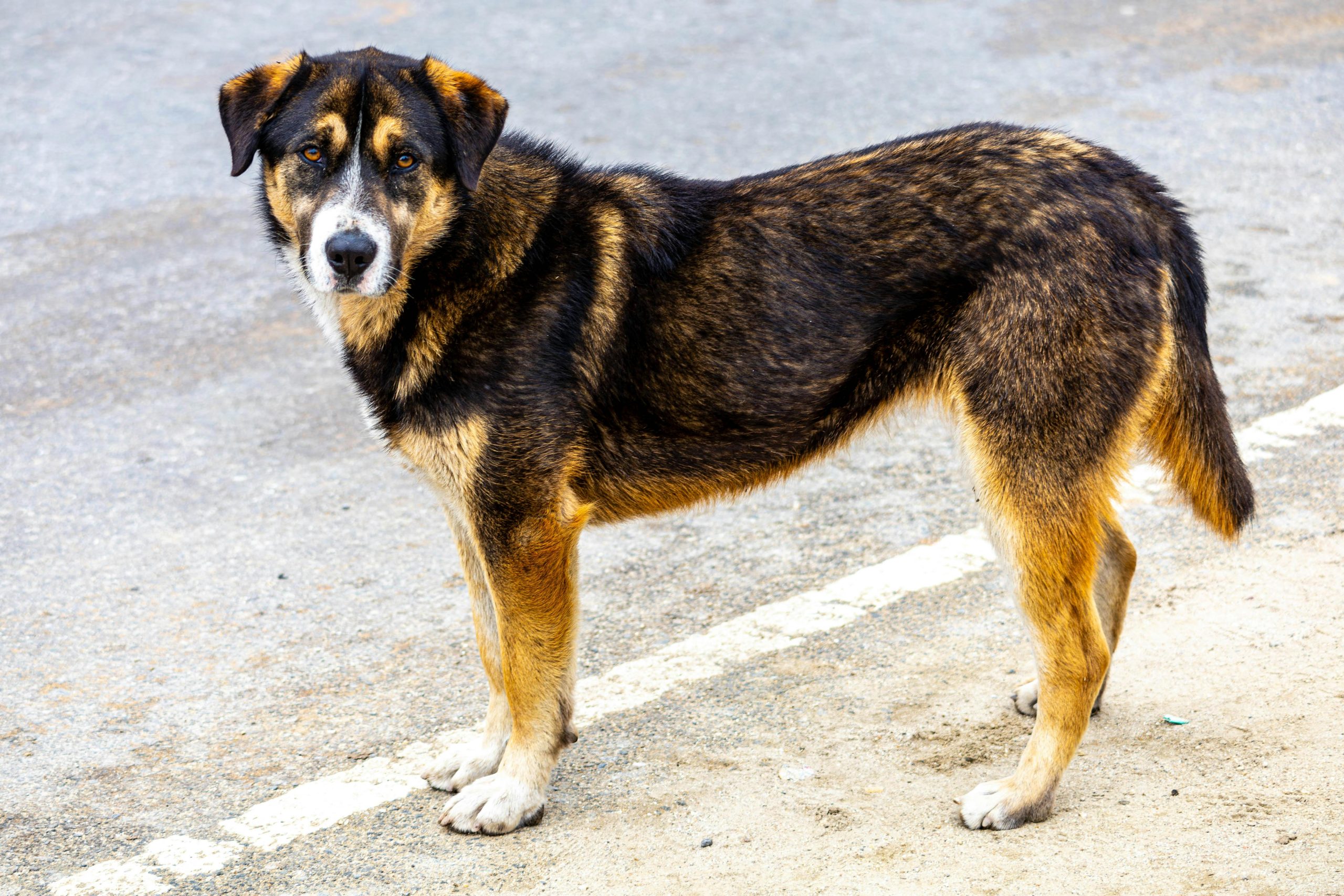
Domestic animals play a significant role in hybridization and subsequent conflict. Free-roaming dogs contribute genetically and behaviorally to hybrid populations. Unsecured livestock attract predators and reinforce hunting behavior near human settlements. Experts emphasize responsible pet ownership, including spaying, neutering, and supervision, as a key prevention strategy. Similarly, livestock management practices such as secure enclosures and guardian animals reduce risk. Hybrid conflicts are rarely caused by a single factor. They emerge from a network of human decisions that unintentionally create favorable conditions for animals capable of exploiting them.
Why Eradication Is Not the Solution
Calls for widespread removal often follow high-profile incidents, but experts warn that eradication efforts can worsen the problem. Removing animals from an area can create ecological vacancies quickly filled by others, sometimes increasing hybridization. Additionally, indiscriminate control measures may harm protected species. Wildlife agencies increasingly favor targeted, science-based interventions focused on specific problem animals. Education and prevention consistently prove more effective than broad population control. Experts stress that coexistence, while challenging, offers more sustainable outcomes than reactionary measures driven by fear rather than data.
How Communities Can Reduce Conflict
Communities facing hybrid animal activity benefit most from proactive planning. Secure waste management, reinforced fencing, and clear reporting channels reduce attractants and allow early intervention. Public education plays a crucial role, particularly in rural and suburban areas where residents may be unfamiliar with hybrid behavior. Experts recommend treating all unknown canids as wildlife and avoiding direct interaction. Cooperative programs between farmers, wildlife agencies, and local governments have shown measurable success. These initiatives focus on prevention, rapid response, and shared responsibility rather than blame.
What Experts Want the Public to Understand
Scientists stress that hybrid animals are symptoms of environmental change, not its cause. Attacks and livestock losses reflect broader ecological disruption driven by human activity. Mislabeling hybrids as monsters distracts from the real issue of habitat pressure and poor land management. Experts urge the public to rely on verified information rather than rumors or social media exaggeration. Understanding the science behind hybridization reduces panic and encourages practical solutions. Respecting wildlife boundaries remains essential even when animals appear familiar or less fearful.
A Warning Rooted in Adaptation, Not Fear

The expert warning surrounding hybrid animal attacks is not meant to alarm but to inform. These animals represent nature’s response to rapidly changing conditions. Their presence signals that ecosystems are adjusting faster than policies and public awareness. Addressing the issue requires acknowledging human responsibility and adapting behaviors accordingly. Hybrid animals are not invaders but indicators. Learning to recognize and respond to that message may determine whether future interactions escalate into conflict or evolve into safer coexistence.