A lot of hunts are won or lost before an animal ever appears. More often than not, the deciding factor is wind.
Wind has always mattered, but now hunters treat it as the first decision

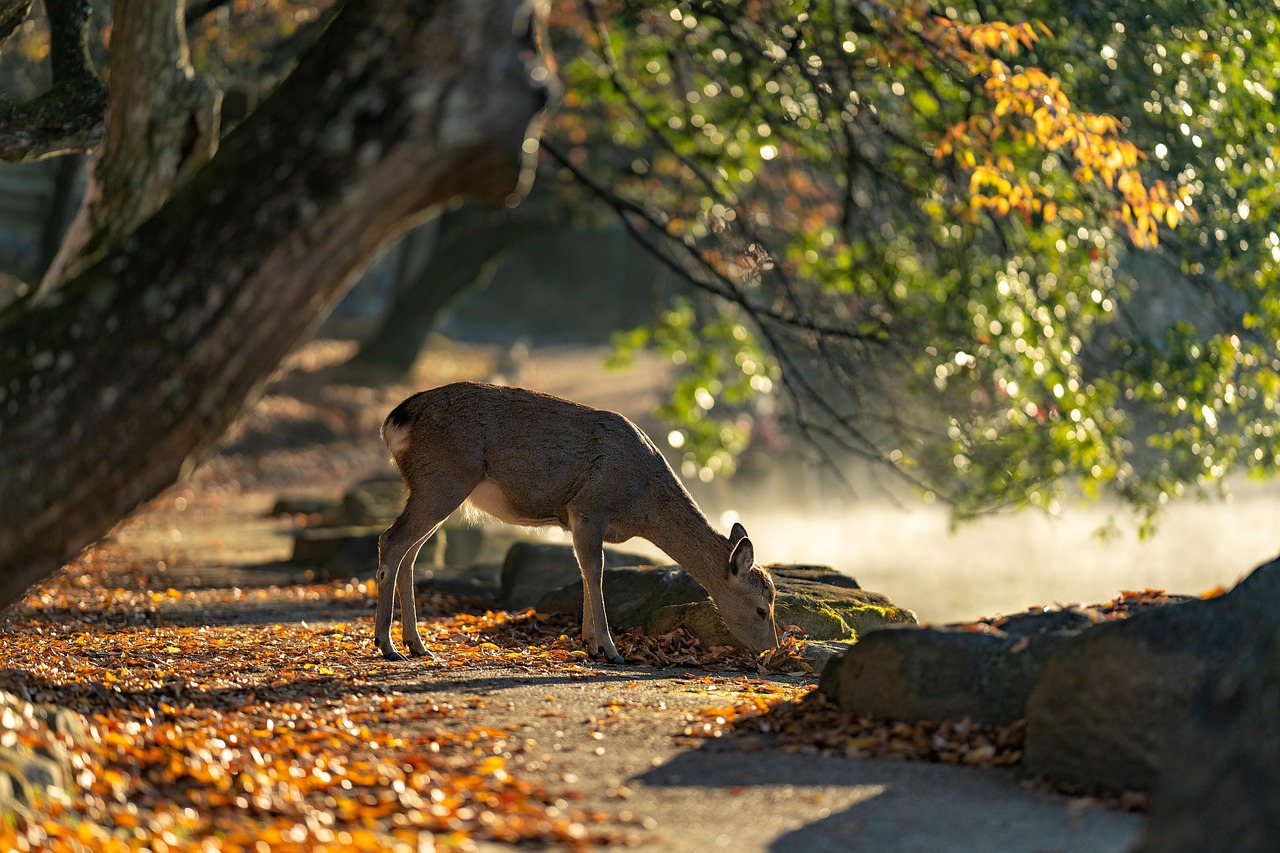
Experienced hunters have long known that deer, elk, and other game often trust their noses before anything else. State wildlife agencies in Illinois, Missouri, Washington, and Massachusetts all emphasize that deer can quickly detect human scent and that a bad wind can ruin an otherwise perfect setup. In practical terms, that means stand location, stalking angle, and even the route into a hunting area have to be built around where scent is drifting, not just where sign looks hottest.
What has changed is the priority hunters give it. Years ago, many treated wind as one factor among several. Now, more veterans are willing to skip a favorite stand completely if the breeze is wrong.
That shift reflects hard-earned experience. Mature animals, especially heavily pressured whitetails, often survive because they use wind intelligently around bedding cover, travel corridors, and feeding edges.
Better science has reinforced how powerful an animal’s nose really is
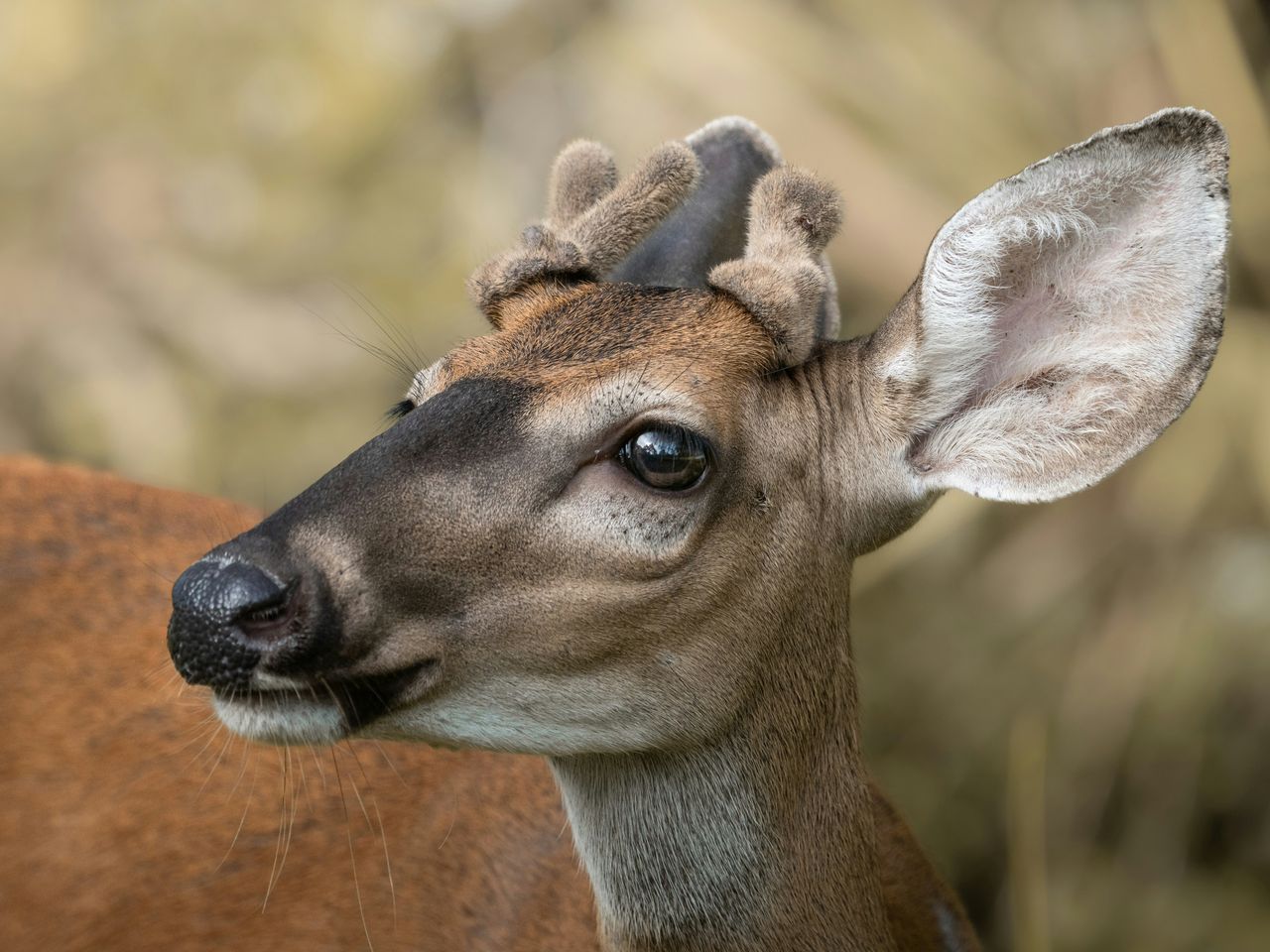
Wildlife agencies and deer-hunting educators consistently describe smell as a deer’s primary defense. Recent genetics research has added weight to that field wisdom by showing evidence of adaptive evolution in olfactory-related genes across cervids, reinforcing the idea that members of the deer family are built to process scent cues with remarkable efficiency.
Researchers are also learning more about how deer behavior changes around odor. Studies on red deer have shown that predator scent can increase vigilance and alter use of feeding sites, which helps explain why even faint human odor can change movement without producing a dramatic, visible reaction.
That matters to hunters because a “blown” setup is not always obvious. Sometimes the animal never steps out, or it shifts 80 yards downwind and becomes unhuntable without the hunter ever knowing why.
Today’s hunters have far better wind data than earlier generations ever had
The other big reason wind matters more now is simple: hunters can monitor it constantly. The National Weather Service now provides hourly point forecasts, graphical forecast maps, and wind direction data for specific locations, giving hunters a much more detailed picture than the old routine of checking a general forecast the night before.
That doesn’t mean forecasts are perfect. Meteorologists have repeatedly warned that small-scale conditions can vary, especially where terrain, timber, creeks, and temperature shifts distort surface wind.
Still, access to better information changes behavior. Hunters can now plan a morning sit around a projected midmorning wind swing, compare ridge-top and valley conditions, and decide whether a stand is huntable for 2 hours or for the full day.
Pressure has made game animals less forgiving of sloppy scent mistakes

In many parts of the country, older animals are living in landscapes shaped by roads, suburbs, trail cameras, and repeated human intrusion. That steady pressure teaches them caution. Virginia wildlife officials note that deer can alter behavior after sensing human presence even once, and many state guides advise hunters to think as much about access routes as the stand itself.
This is where wind direction becomes more than a comfort check. A hunter can choose a perfect tree, glassing knob, or ground ambush, then ruin it by walking in with scent blowing into bedding cover.
That reality has pushed serious hunters toward lower-impact tactics. They hunt fewer sits, wait for favorable wind, and preserve productive locations instead of educating animals with repeated bad entries.
Hunters are paying more attention to thermals, terrain, and micro-winds
Seasoned hunters also know that “west wind at 8 mph” is only the beginning of the story. Missouri’s conservation guidance specifically notes that topography, cloud cover, prevailing wind speed, and thermals can change how air moves through a property over the course of a day.
That is especially important in hill country, broken farm country, canyon ground, and timber with creek bottoms. Cool morning air can sink, warming slopes can create rising thermals, and thick cover can make wind swirl in ways a standard forecast does not capture.
So modern hunters are testing wind on-site more often. They use powder puffs, milkweed floss, dust, and repeated observation to see where scent actually goes, then adjust stand choice, shot window, and exit path in real time.
The smartest hunters now use wind as a full strategy, not just a warning sign

The biggest change is philosophical. Hunters are no longer asking only, “Can I get away with this wind?” They are asking, “How can I use this wind to predict where the animal wants to travel, look, and smell?”
That mindset leads to better decisions. A crosswind may let a bowhunter cover a trail without dumping scent straight into it. A quartering breeze may help a spot-and-stalk hunter stay outside an animal’s scent cone while closing distance.
In other words, wind direction is no longer treated as bad luck or good luck. It is a map of risk, movement, and opportunity, and the hunters who read it best are often the ones still getting chances when everyone else says the woods have gone quiet.