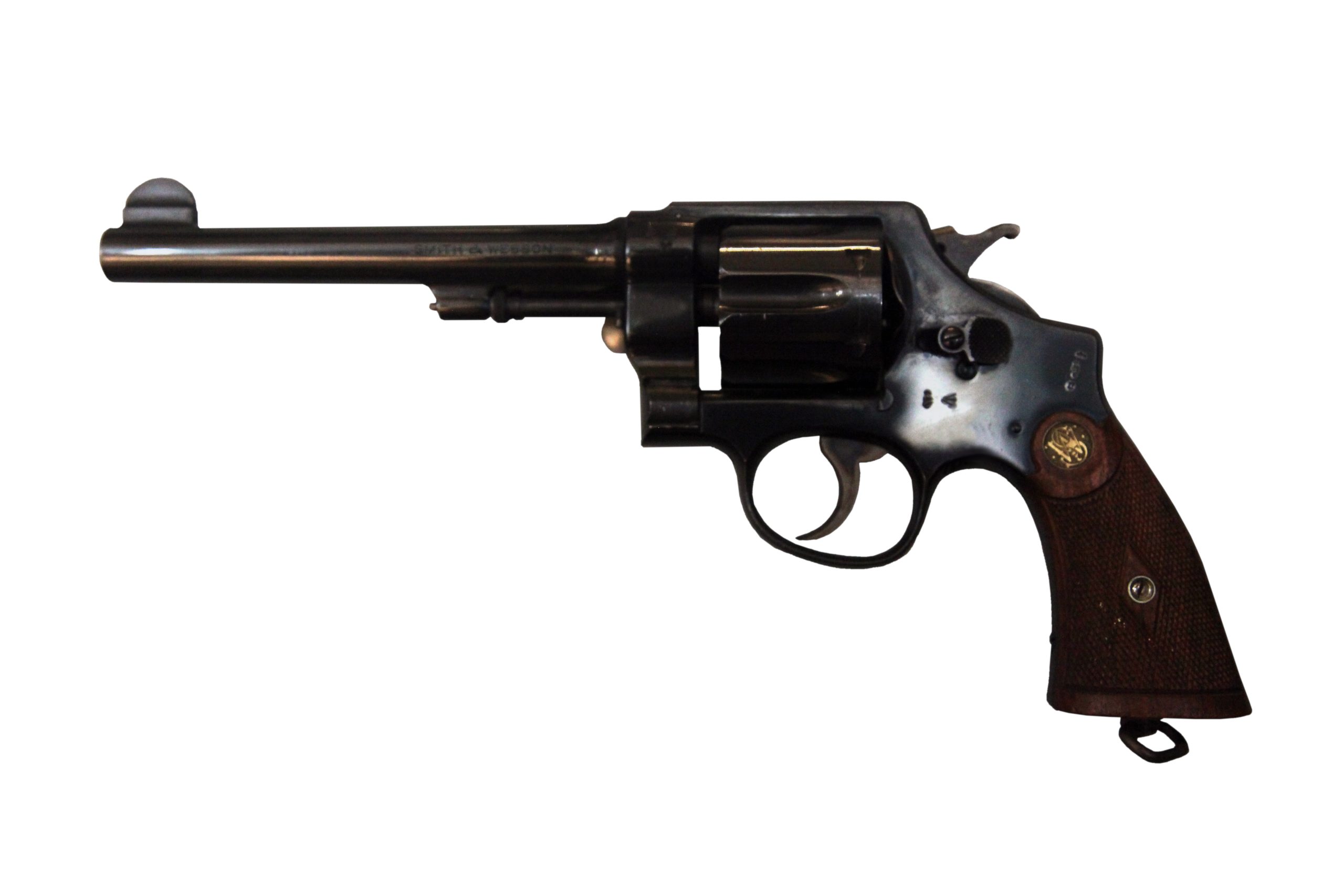
The Smith & Wesson Model 10 is one of the most enduring revolvers in firearms history. Introduced in 1899 as the .38 Hand Ejector Military & Police, it remained in production through generations of changing technologies, military requirements, and police preferences. While semi-automatic pistols gradually replaced revolvers in many professional roles, the Model 10 maintained a reputation built on reliability, practical handling, and straightforward construction. Its success was not the result of one revolutionary feature but a combination of qualities that made it useful across different generations. From its manageable .38 Special chambering to its enormous production history, these seven reasons explain why this revolver outlasted so many competitors.
1. A Design That Proved Its Worth Over Time
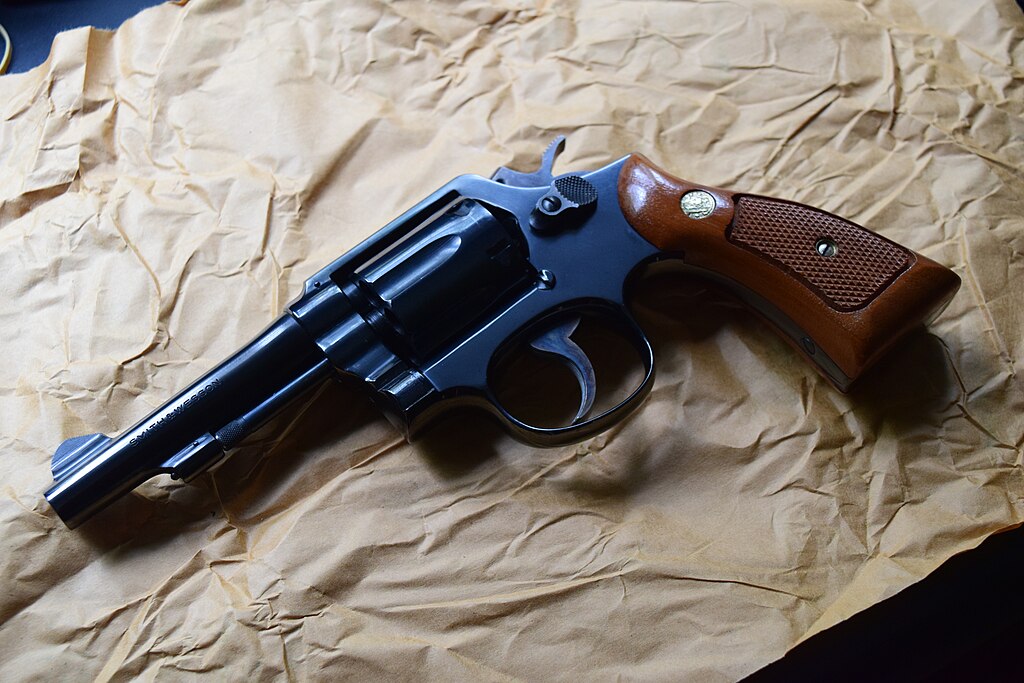
The Model 10 arrived at a moment when American handguns were changing quickly. Smith & Wesson introduced the .38 Hand Ejector Military & Police in 1899, combining a solid-frame design with a swing-out cylinder and a practical service cartridge. The name changed to Model 10 in 1957, but the basic identity remained recognizable. More than six million examples have been made, according to the company, an extraordinary figure for a single revolver family. That long production history gave police departments, civilian owners, and later collectors a familiar platform, while many competing designs disappeared or became specialist products. It was a lasting formula.
2. The Versatility of Its K-Frame Construction
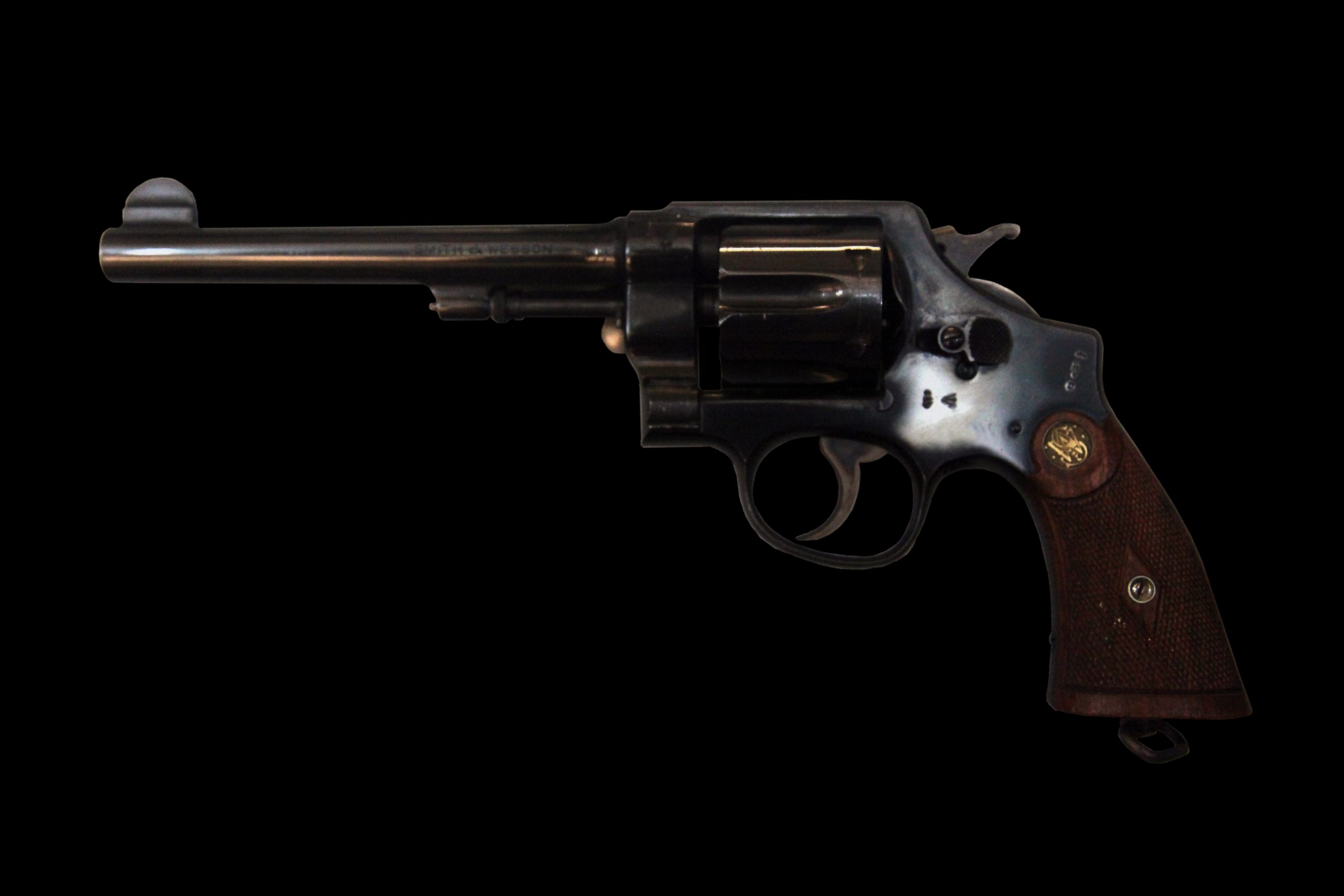
A major strength of the Model 10 was its medium-sized K-frame, positioned between smaller pocket revolvers and heavier large-frame handguns. The balance made it substantial enough for regular service use without becoming unnecessarily bulky for a duty belt. Its proportions also helped explain why the design could be offered with different barrel lengths, commonly including 2-inch, 4-inch, and 6-inch versions across its history. The 4-inch configuration became especially associated with uniformed police work. Rather than chasing extreme size or power, the Model 10 occupied a useful middle ground that suited a broad range of users and roles. It suited many departments.
3. The Popularity of the .38 Special Cartridge
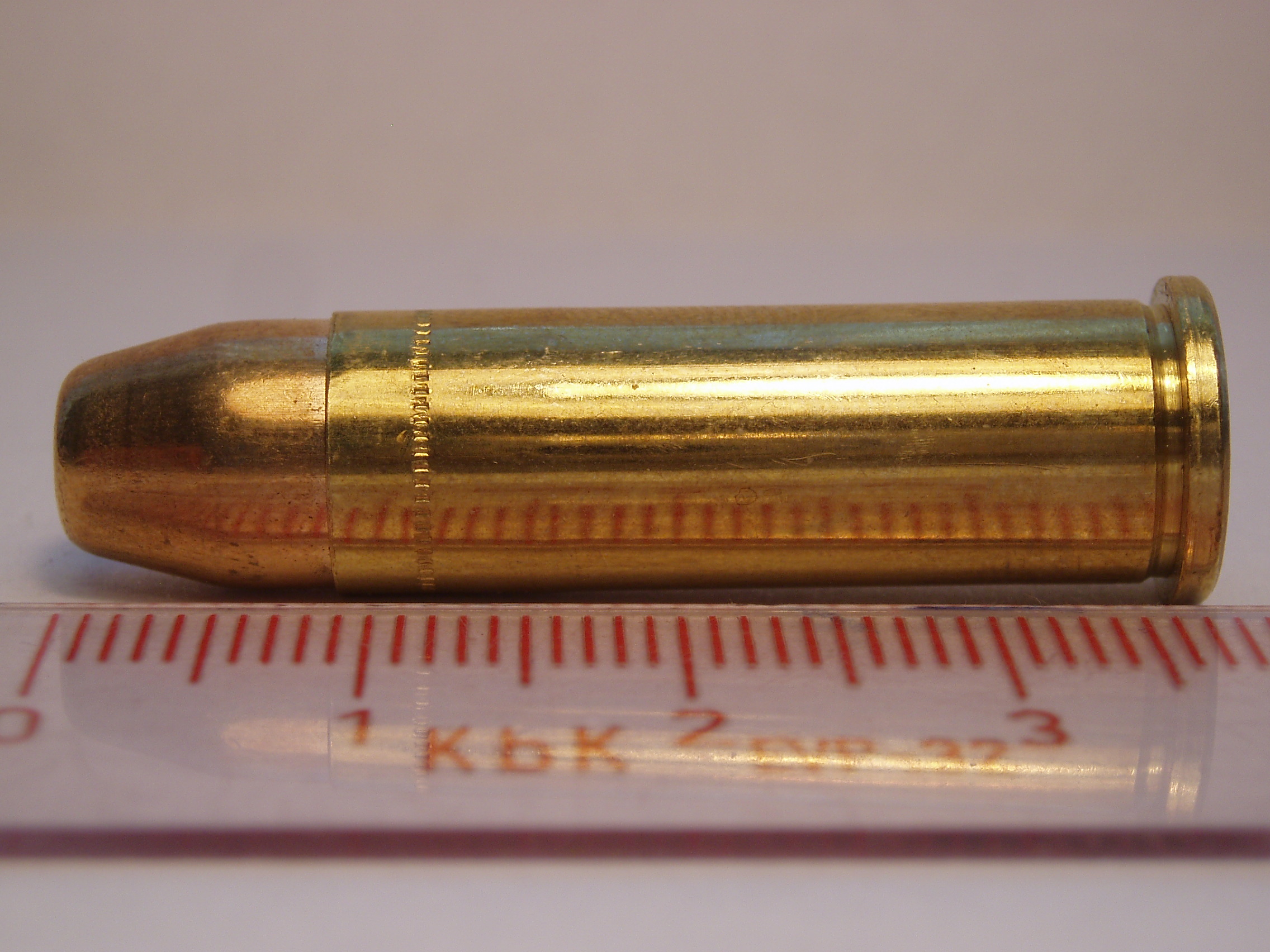
The Model 10 was built around the .38 S&W Special cartridge, introduced alongside the early Military & Police revolver. The cartridge became widely established in police service and civilian shooting, giving the revolver a dependable place in the market for decades. Its moderate recoil, compared with more powerful magnum cartridges, made it approachable for many shooters and practical for routine qualification. The Model 10 was not designed to be the most powerful handgun available; its appeal came from matching a manageable cartridge with a service-sized revolver. That sensible pairing helped keep it relevant long after newer calibers appeared.
4. Its Straightforward and Familiar Operating System
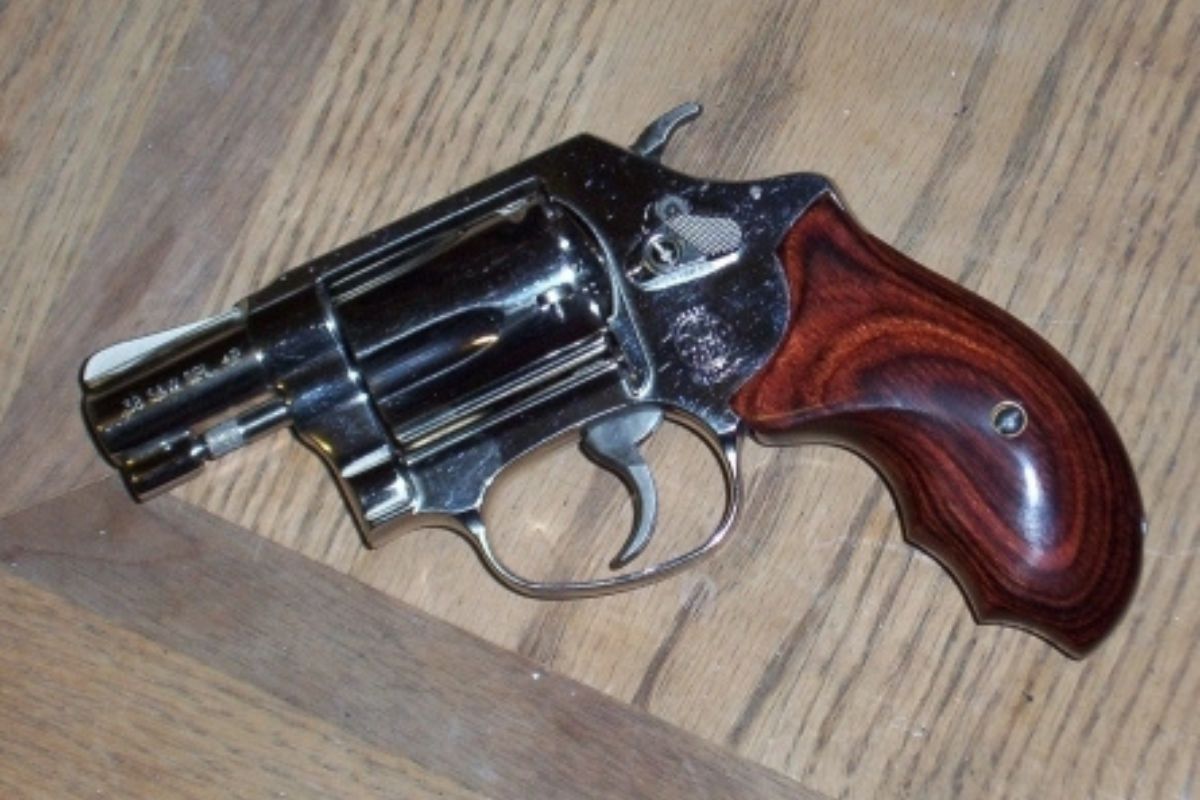
The revolver’s operating system was familiar, direct, and relatively uncomplicated. Its six-shot cylinder swung out to the side for loading and unloading, while the ejector rod helped remove spent cases together. The Model 10 could be fired in double-action mode by pressing the trigger, or single-action after manually cocking the hammer. Those features were not exclusive to Smith & Wesson, but their proven execution made the revolver easy for departments to understand, maintain, and train with. In an era before modern service pistols became dominant, straightforward operation was a major practical advantage. Its controls became familiar to generations of users.
5. Extensive Military and Police Adoption
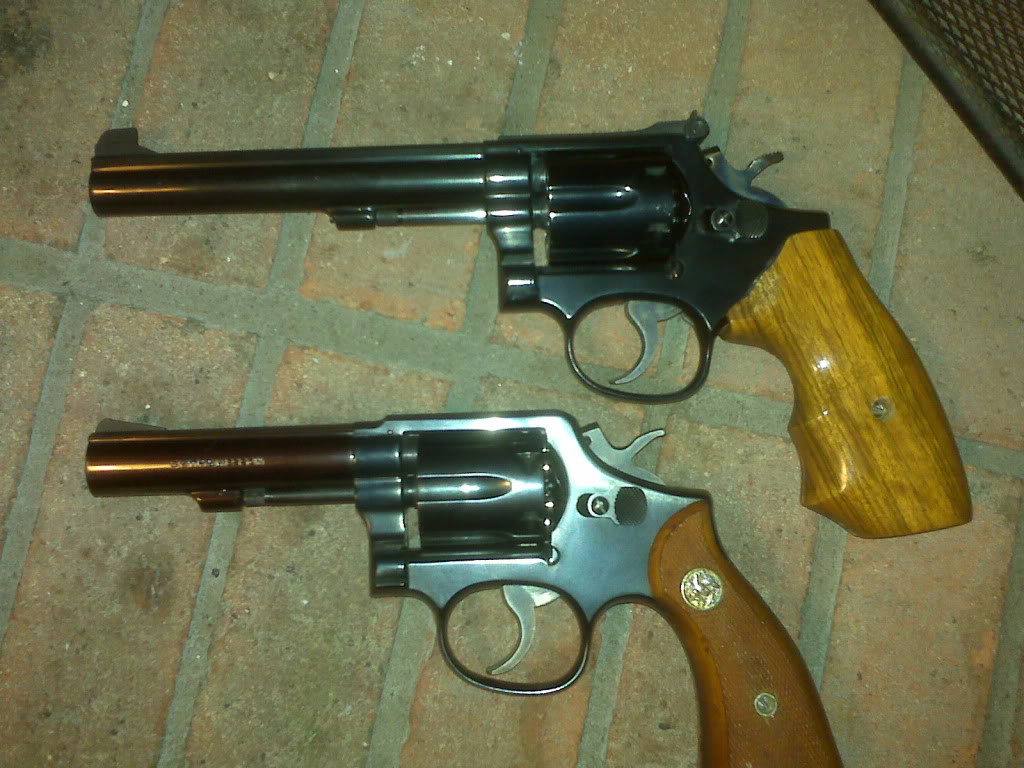
Institutional adoption gave the Model 10 a reach that few rivals could match. It became a familiar American police sidearm during much of the 20th century, and the design also served military users. During World War II, an adapted Military & Police version was supplied to Allied forces as the Victory Model; Smith & Wesson records more than 800,000 revolvers produced for wartime use. The wartime connection expanded its reputation well beyond the United States. Large orders also meant that armourers and officers encountered the same basic design across many years, reinforcing familiarity and confidence. This wartime service made the family internationally recognizable.
6. Continuous Refinement Without Losing Its Identity
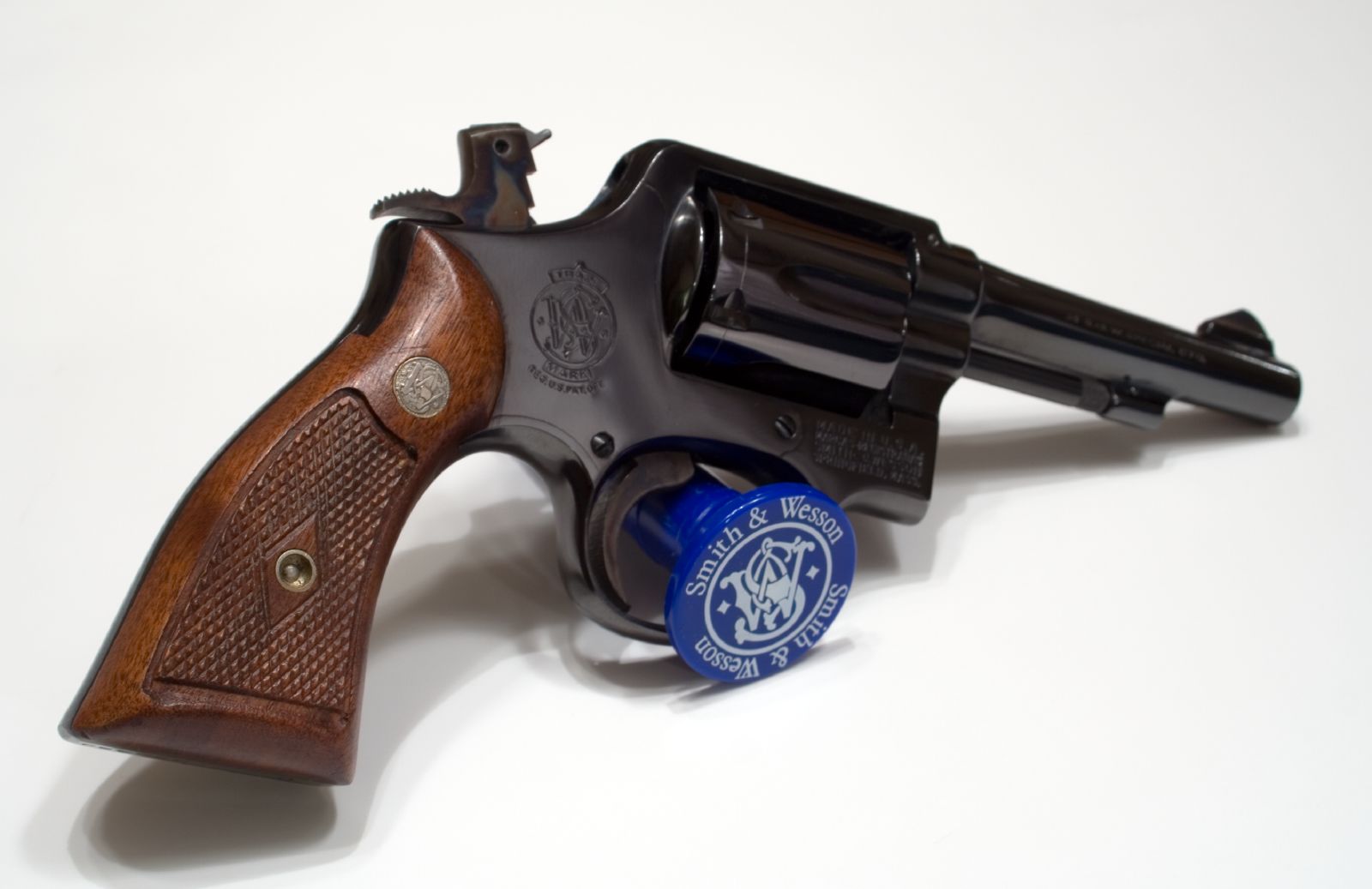
The Model 10 survived because Smith & Wesson refined it without abandoning its central layout. Over its long life, the revolver appeared in numerous engineering variations and finishes, with changes to details such as sights, stocks, and barrel options. In 1957, the company formalized the Model 10 designation as part of its numerical model system. These updates allowed the design to adapt to changing production and user expectations while retaining the recognizable K-frame format. Rivals sometimes offered newer features or greater power, but the Model 10 benefited from continuity, parts familiarity, and an established service record. This steady evolution was central to its staying power.
7. A Legacy That Created Lasting Demand
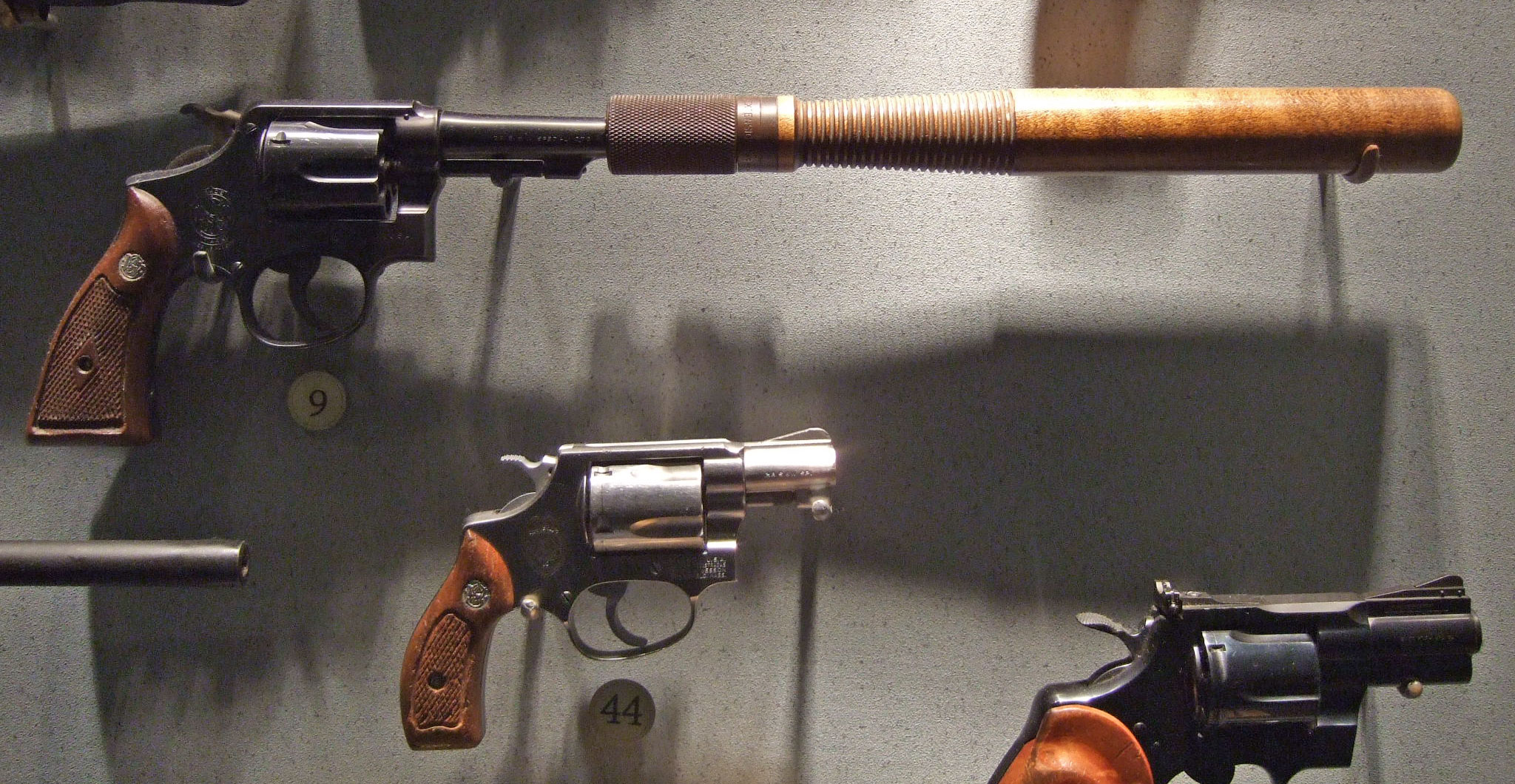
Its legacy also became a commercial advantage. Generations of officers carried the revolver, while civilian owners encountered it through sporting use, family collections, and the surplus market. That broad exposure created a deep pool of historical knowledge, accessories, holster patterns, and gunsmith familiarity. The Model 10’s long production run also made examples available in many configurations and from different periods, attracting collectors interested in both use and history. Semi-automatic pistols eventually displaced revolvers in most major police forces, but the Model 10 remained an important reference point for what a dependable 20th-century service revolver could be.