A rifle can be accurate on paper and still feel wrong the moment you shoulder it. That mismatch is exactly why adjustable cheek rests became so common on scoped and precision-oriented rifles.
Eye alignment is the real job
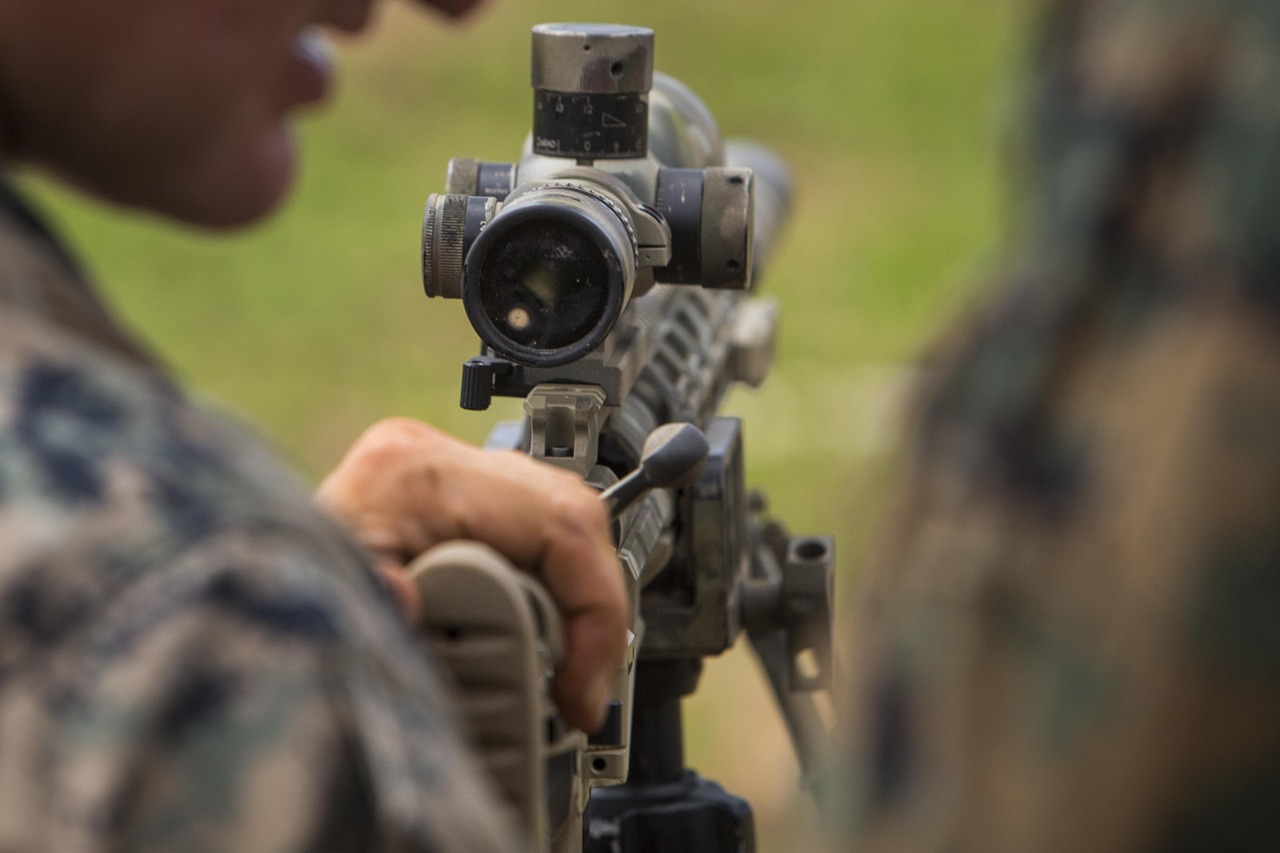
The main purpose of an adjustable cheek rest is to put your eye in the same place every time. That matters because the rifle stock is not just something you hold; it is the platform that lines your eye up with the sights or optic.
Magpul’s stock guidance explains cheek weld and comb height as part of eye alignment and shooter comfort. In plain terms, the comb has to meet your face at the right height, or you end up lifting or rolling your head to find the sight picture.
Outdoor Life has made the same point in scope-mounting guidance, noting that a scope mounted too high makes it harder to line up naturally from prone unless the stock has an adjustable cheek piece. A good setup lets you close your eyes, mount the rifle, open them, and already be centered in the optic.
With a fixed stock, that height is locked in. If the rifle fits you perfectly, great. If it does not, the adjustable version gives you a way to tune the gun to your body instead of forcing your body to adapt.
Modern optics changed stock design
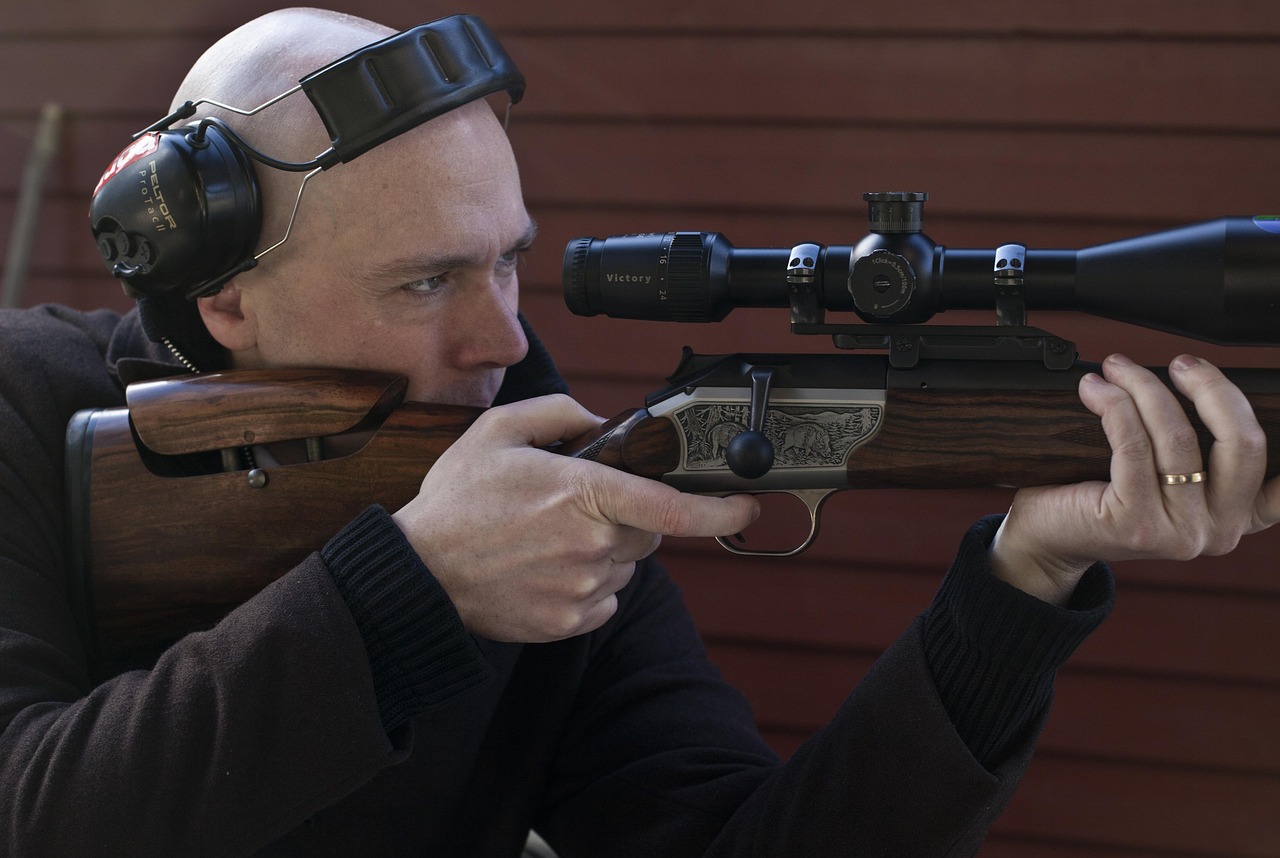
A lot of older rifle stocks were shaped around iron sights. That usually meant more drop at the comb, because the shooter’s eye needed to sit lower relative to the bore.
Once scopes became common, especially larger scopes with bigger objective lenses, taller rings, rails, and night-vision or thermal setups, the old comb height often stopped making sense. Field & Stream has noted that many traditional rifles were compromises that did not perfectly suit either irons or optics.
That is why modern chassis rifles and precision hunting rifles often include an adjustable cheek piece from the factory. Ruger’s Precision Rifle documentation specifically lists adjustable comb height, and Springfield Armory’s Model 2020 manual includes detailed instructions for setting cheek-piece height and position.
In short, the sighting system moved upward, so the stock had to become more adaptable. An adjustable cheek rest is the easiest way to keep the shooter’s eye properly aligned as optics vary from rifle to rifle.
Precision shooting demands repeatability
In precision rifle shooting, tiny inconsistencies matter. If your head position shifts from shot to shot, your sight picture can change, your comfort changes, and your ability to break a clean shot usually gets worse.
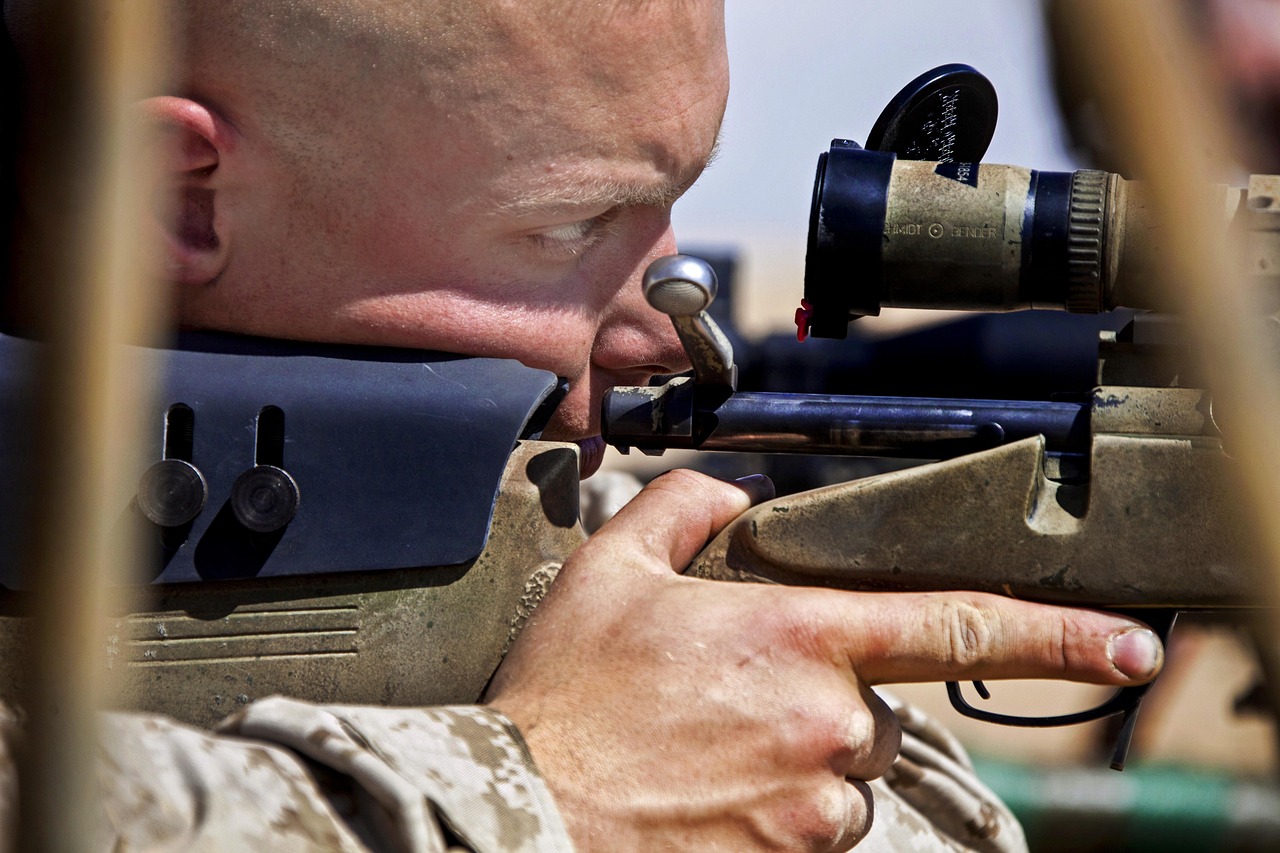
A stable cheek weld helps the shooter settle behind the rifle without muscle tension. Outdoor Life describes the ideal prone setup as one where you rest your cheek naturally on the stock and look straight through the center of the scope, rather than craning your neck into position.
That matters even more at distance. Field & Stream’s discussion of parallax shows how eye position behind the scope can affect what you see, especially as range increases. An adjustable cheek rest does not eliminate parallax by itself, but it helps the shooter return to a centered, repeatable position.
That repeatability is why adjustable combs show up so often on competition rifles, long-range rigs, and dedicated varmint guns. These platforms are built around consistency, and stock fit is part of that equation.
Fit differs from shooter to shooter
Not every face is shaped the same, and not every shooter uses the same clothing or shooting posture. Length of neck, cheekbone shape, shoulder width, and whether someone is wearing a heavy hunting jacket all affect where the head naturally lands on the stock.
Magpul explicitly notes that comb height, cheek weld shape, and stock angle need to accommodate many different facial shapes and personal preferences. That is a practical design reality, not marketing fluff.
Field & Stream has also emphasized that a good hunting rifle should fit the shooter, with the comb positioning the eye correctly behind the sight. A fixed stock can be built to average dimensions, but “average” rarely means perfect for everyone.
Adjustability solves that by making one rifle usable for a wider range of shooters. It is especially helpful on shared rifles, training rifles, and any setup that might alternate between multiple optics or different seasonal clothing layers.
Hunting and field use benefit too
Some people think adjustable cheek rests are only for benchrest or tactical rifles, but hunters benefit too. If you mount a low-power scope one season and a larger optic the next, your head position may need to change.
Outdoor Life has pointed out that keeping a scope as low as practical often helps preserve the relationship between stock and optic, especially on rifles originally shaped around lower sight lines. But low mounting is not always possible, particularly with oversized objectives or specialty optics.
An adjustable cheek rest gives the hunter more flexibility without forcing awkward head lift. That can make fast shots easier because the eye finds the reticle sooner, and it can reduce fatigue during long sits or repeated range sessions before season.
The tradeoff is that adjustable systems add parts, weight, and cost. On a hard-use mountain rifle, a simple fixed stock may still make more sense if the rifle already fits the shooter and optic combination well.
Why fixed stocks still exist
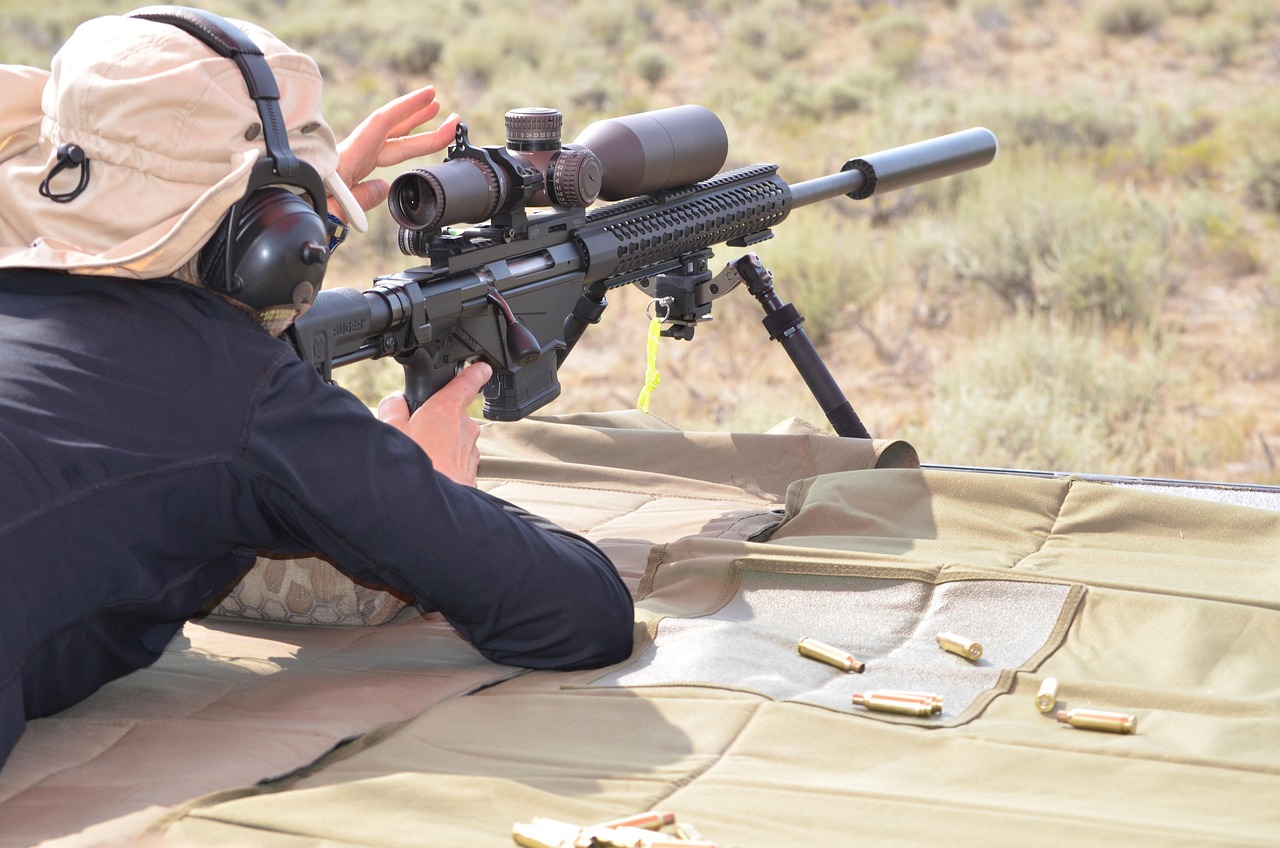
Fixed stocks have not disappeared because they still offer advantages. They are usually lighter, simpler, quieter, and often more durable in rough field conditions because there are fewer moving parts to loosen or break.
They also work very well when the rifle has a narrow mission. A traditional deer rifle with one scope, one shooter, and one established zero may not need any stock adjustment at all if the comb height is already right.
That is really the whole answer: adjustable cheek rests exist because many rifles now need to serve different shooters, optics, and shooting positions. When perfect eye alignment is not guaranteed by a fixed stock, adjustability becomes the cleaner solution.
So the choice is not adjustable versus fixed as a matter of superiority. It is about fit. If the rifle meets your face in exactly the right place every time, fixed is fine. If it does not, an adjustable cheek rest is one of the smartest upgrades you can have.