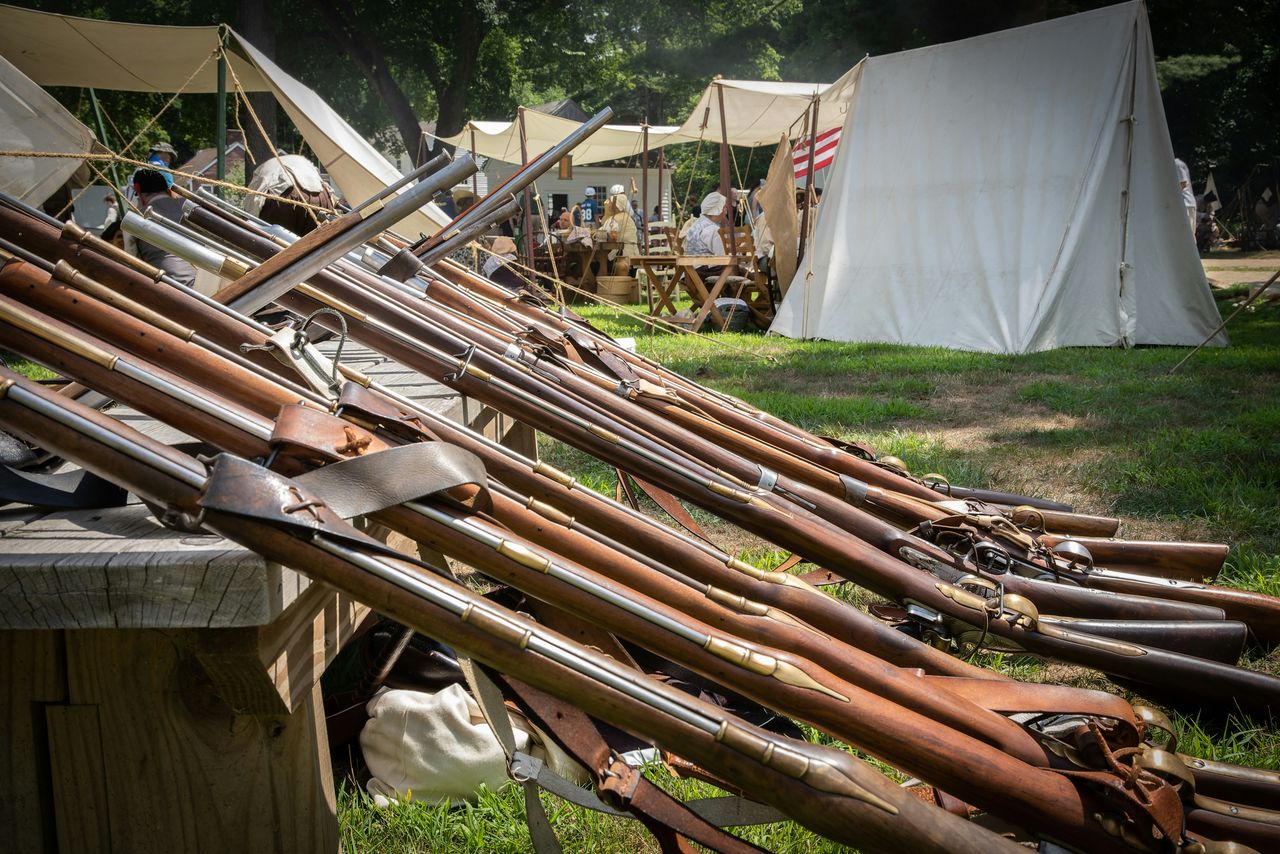
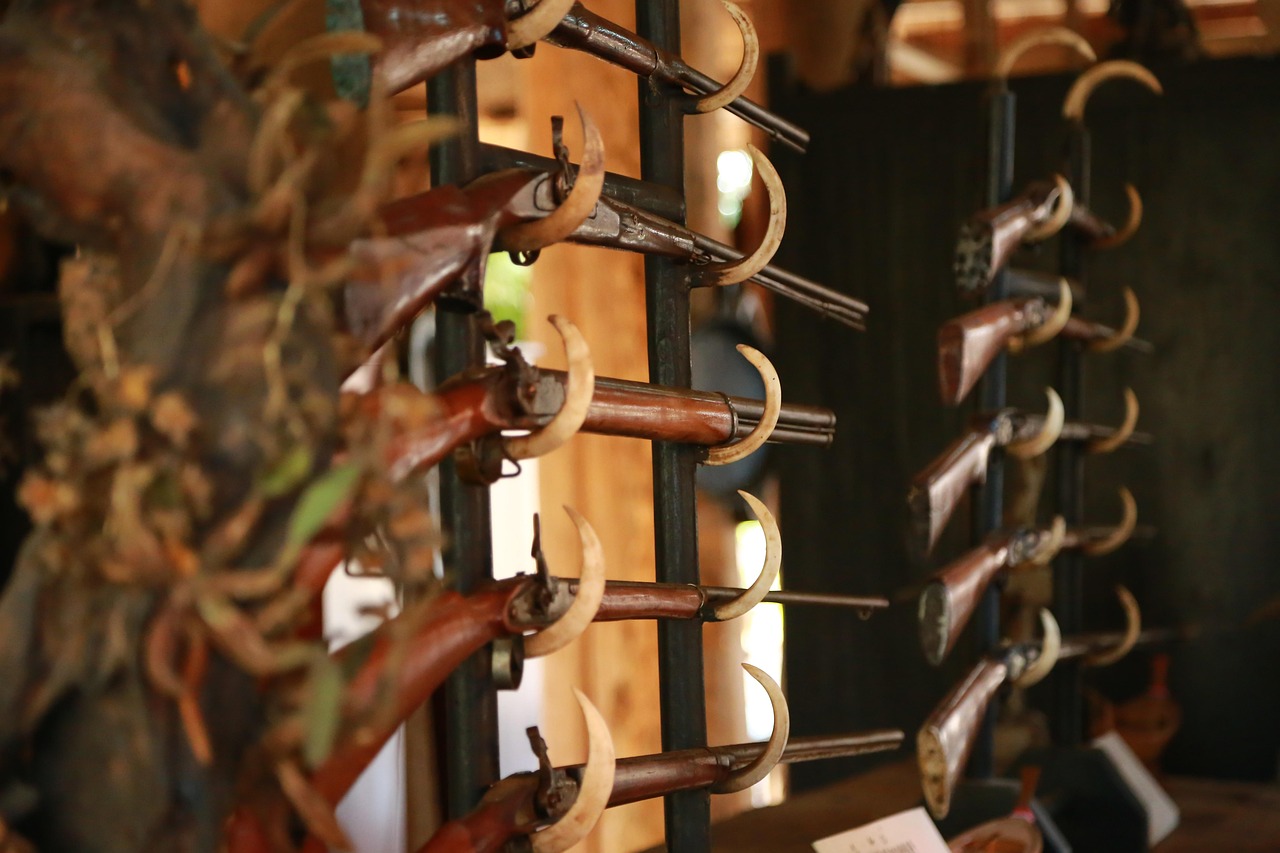
Some rifles age. Others seem to hold memory in the wood. An old hunting rifle can tell you a lot before a single word of family history is spoken.
Wear Marks Are a Biography in Wood and Steel
Look closely at an old deer rifle and the first clues are physical, not sentimental. A stock rubbed smooth at the wrist usually means years of carrying with one hand. Bluing worn thin at the muzzle often points to hard use in truck racks, scabbards, or rough brush.
Small dings on the fore-end matter, too. They suggest the rifle was rested on fence posts, blind windows, and logging-road stumps rather than kept pristine in a safe. A rifle with honest wear usually belonged to someone who hunted often, not someone who only admired it.
Even accessories speak. According to American Rifleman, older hunting arms often reflected practical field habits, and simple details like sling setups, stock modifications, and reused parts frequently told you how a gun was actually carried and maintained in the real world. That kind of evidence survives long after stories fade.
Caliber Choice Usually Reflects Place, Not Fashion
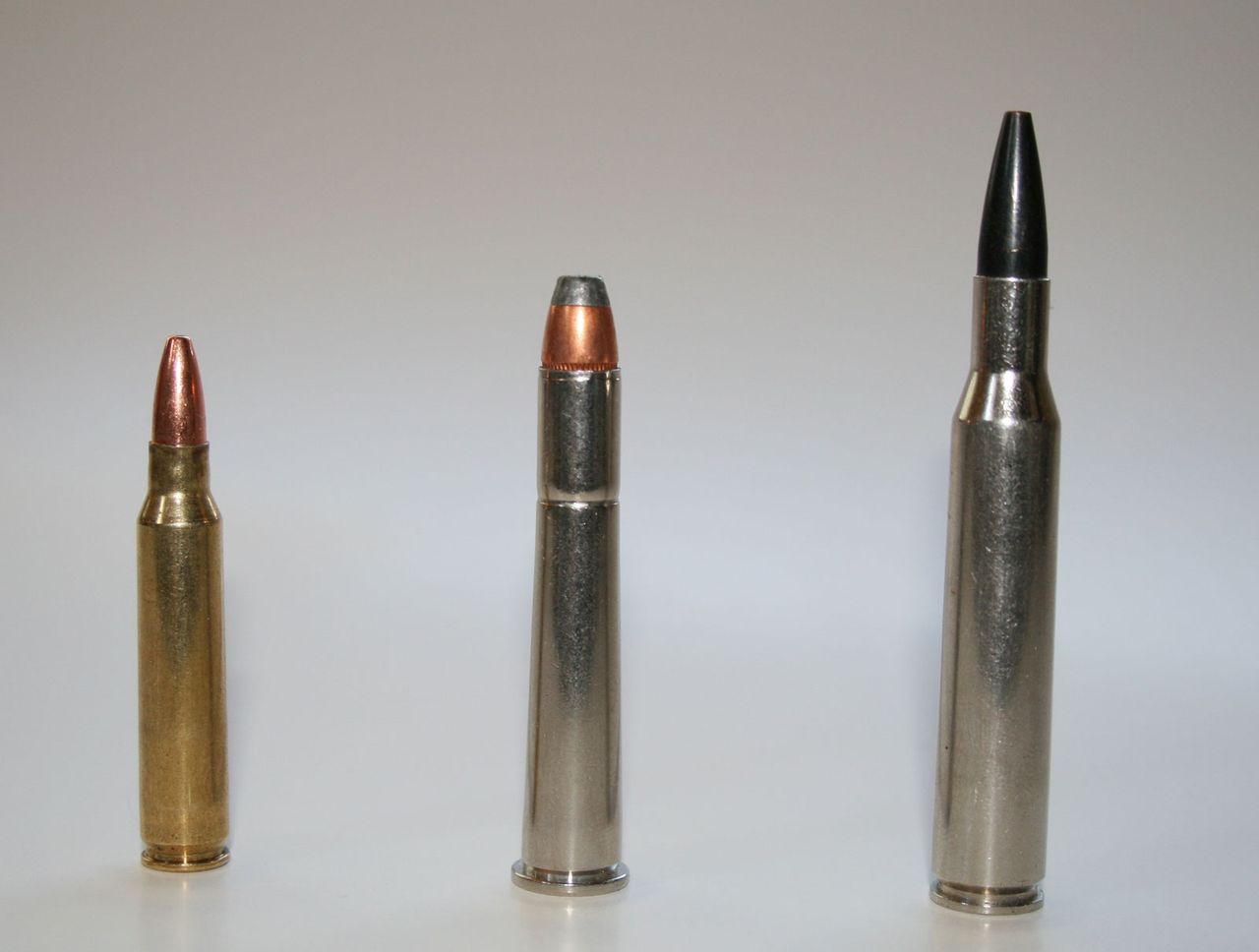
Hunters tend to choose rifles for where they hunt, and older rifles make that obvious. In thick timber, compact lever guns dominated because they handled quickly and pointed naturally. Winchester notes the Model 1894, introduced in 1894, became one of the most famous deer rifles ever made, and more than 7 million Model 94s have been produced.
That popularity was not random. American Hunter has described the Winchester 94 in .30-30 as the king of many Eastern and Upper Midwestern deer camps, where shots were short and fast handling mattered more than long-range ballistics. A rifle like that usually belonged to a practical hunter who valued speed, familiarity, and reliability over novelty.
By contrast, a bolt-action in .270 Win. or .30-06 often hints at more open country or a hunter who wanted one rifle for everything. When the Remington 700 arrived in 1962, Field & Stream noted that it combined mass-producible design with serious accuracy. That kind of rifle often appealed to the hunter who studied trajectory, not just tradition.
Modifications Show Priorities Better Than Brand Names
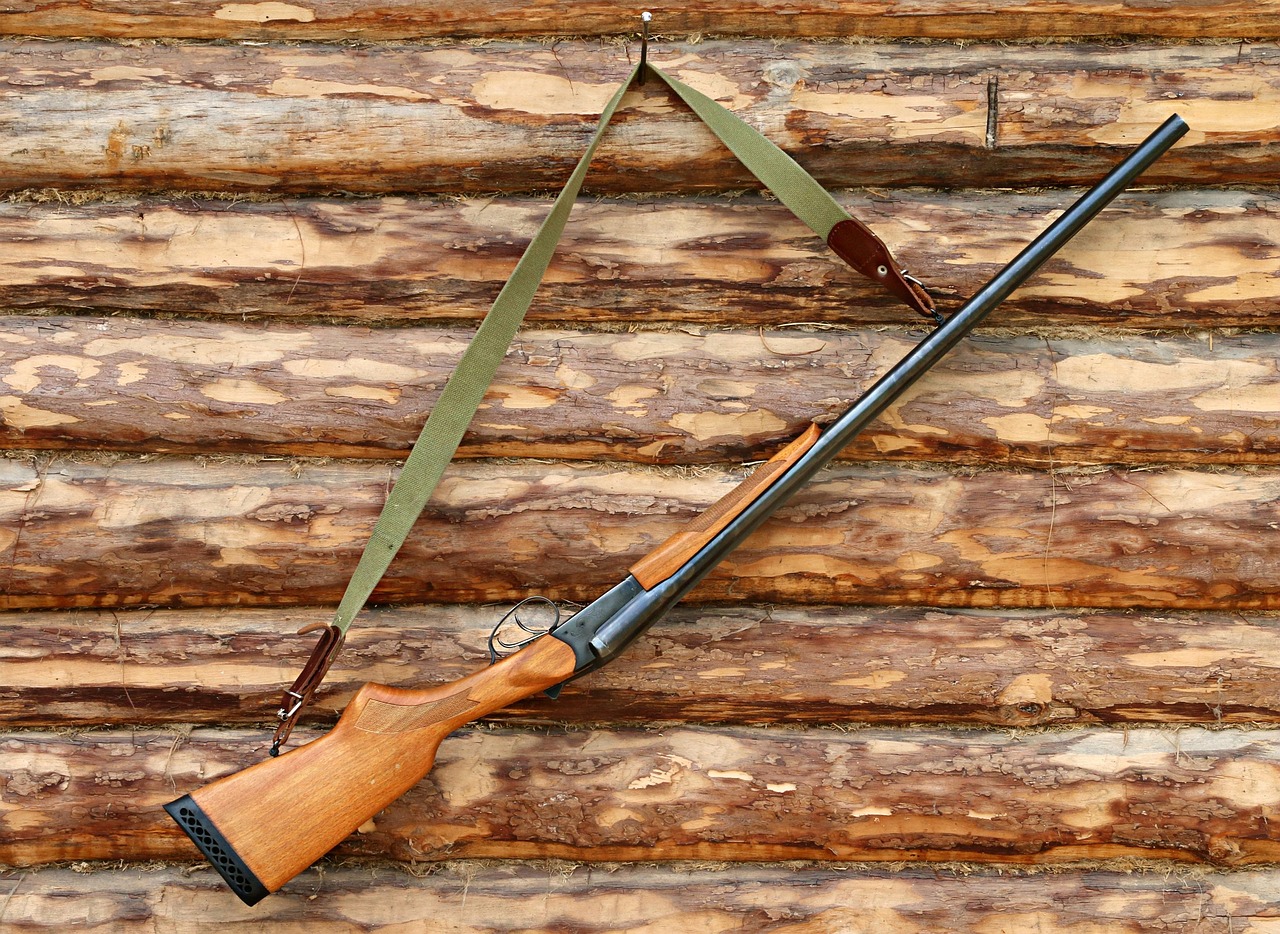
A recoil pad added years after purchase says something important. So does a receiver drilled for a scope, a replacement buttplate, or sling studs installed by a local smith. These are not cosmetic details. They are signs of adaptation.
A hunter who added a low-power scope was likely aging, hunting at dawn more often, or simply trying to stretch effective range. A cut stock may indicate the rifle was handed down to a smaller-framed shooter or repurposed for a teenager entering deer camp for the first time.
Some custom features reveal unusually specific needs. American Rifleman once highlighted a 1960-era hunting rifle built with a near-indestructible laminated stock for tough mountain hunts, showing how equipment choices can mirror terrain, weather, and a hunter’s personality. Old rifles often become more revealing after they stop being factory-original.
The Rifle Often Mirrors an Era’s Values
Every generation leaves its fingerprints on hunting gear. Early American sporting arms were often shaped by local needs, available materials, and a habit of repairing rather than replacing equipment. American Rifleman notes that many early guns used mixed or reused parts and reflected strong regional preferences.
That mindset lasted well into the 20th century. A hunter carrying a lever gun from his father’s time was often expressing thrift, continuity, and confidence in proven tools. He did not need the newest rifle if the old one still hit where he aimed.
Later rifles tell a different story. Postwar bolt actions and semi-autos often suggest a culture increasingly interested in efficiency, optics, factory ammunition, and modern manufacturing. The shift does not mean hunters cared less about tradition. It means tradition started making room for convenience and precision.
Family History Clings to Heirloom Guns
The most revealing rifles are often the ones that stayed in the family. They may come with a handful of old cartridges, a cracked leather sling, or a handwritten tag in a gun cabinet. None of that improves accuracy, but it deepens meaning.
American Hunter has written about deer camp rifles not just as tools, but as heirlooms tied to memory and identity. That rings true for almost anyone who has handled a grandfather’s worn deer rifle. The gun carries habits: how it was cleaned, where it was zeroed, and what kind of mornings it lived through.
In many families, the rifle becomes shorthand for the person. The quiet man who never missed. The uncle who still hunted cedar swamps with iron sights. The parent who saved for one good rifle and used it for 40 seasons. A new rifle can outperform an heirloom, but it cannot replace what that heirloom represents.
Old Rifles Remind Us Hunting Was Always Personal
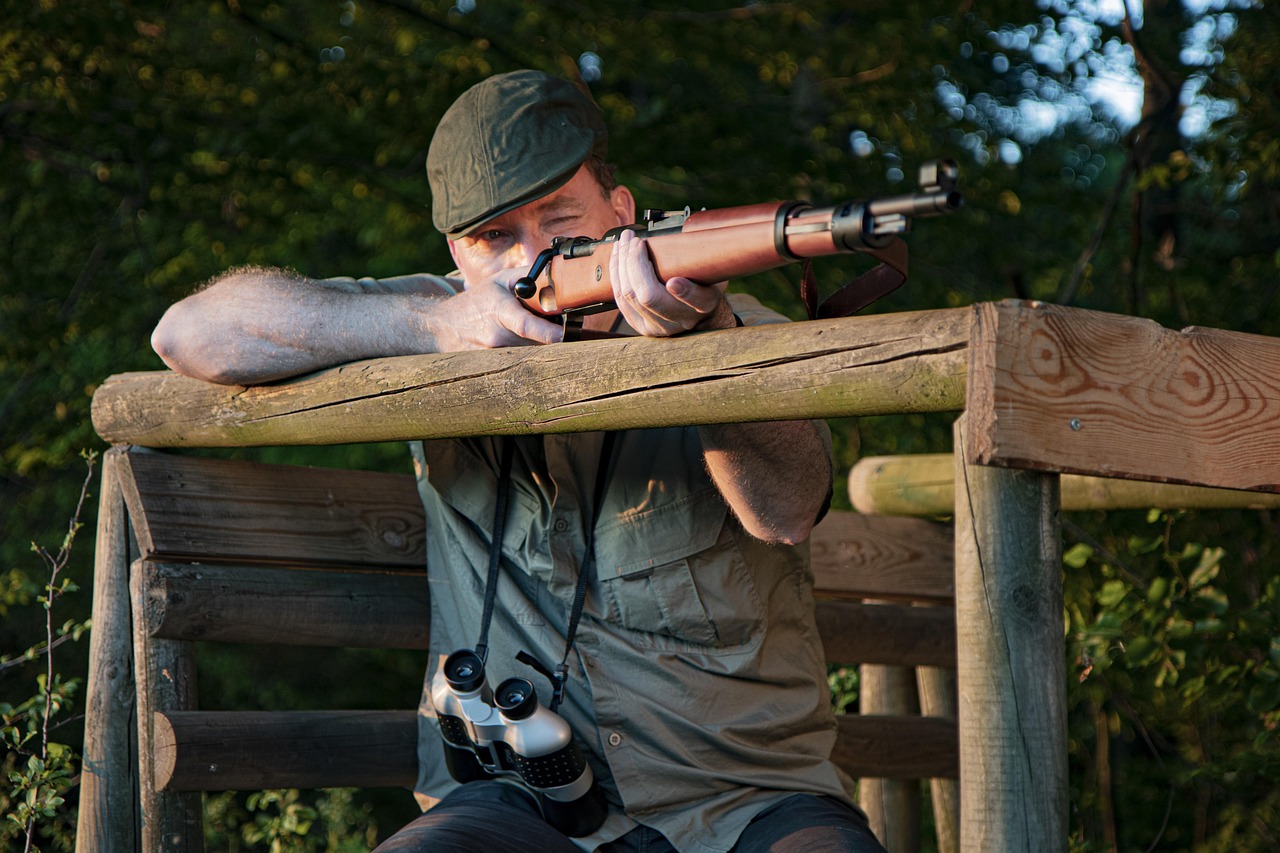
The biggest lesson in an old hunting rifle is that hunting has never been generic. Even common models develop individual character through use. Two Winchester 94s may have left the factory nearly identical, yet decades later they can feel like records of completely different lives.
One may show hard miles in deep woods, another careful seasonal use from a box blind. One hunter prized speed and instinctive shooting. Another valued careful handloads and a 200-yard zero. The rifle preserves those preferences in scratches, repairs, and patina.
That is why old hunting rifles still fascinate people who may never carry them afield. They reveal judgment, geography, economics, age, and temperament all at once. In the end, the best old rifles do more than show how someone hunted. They show how that person moved through the world.