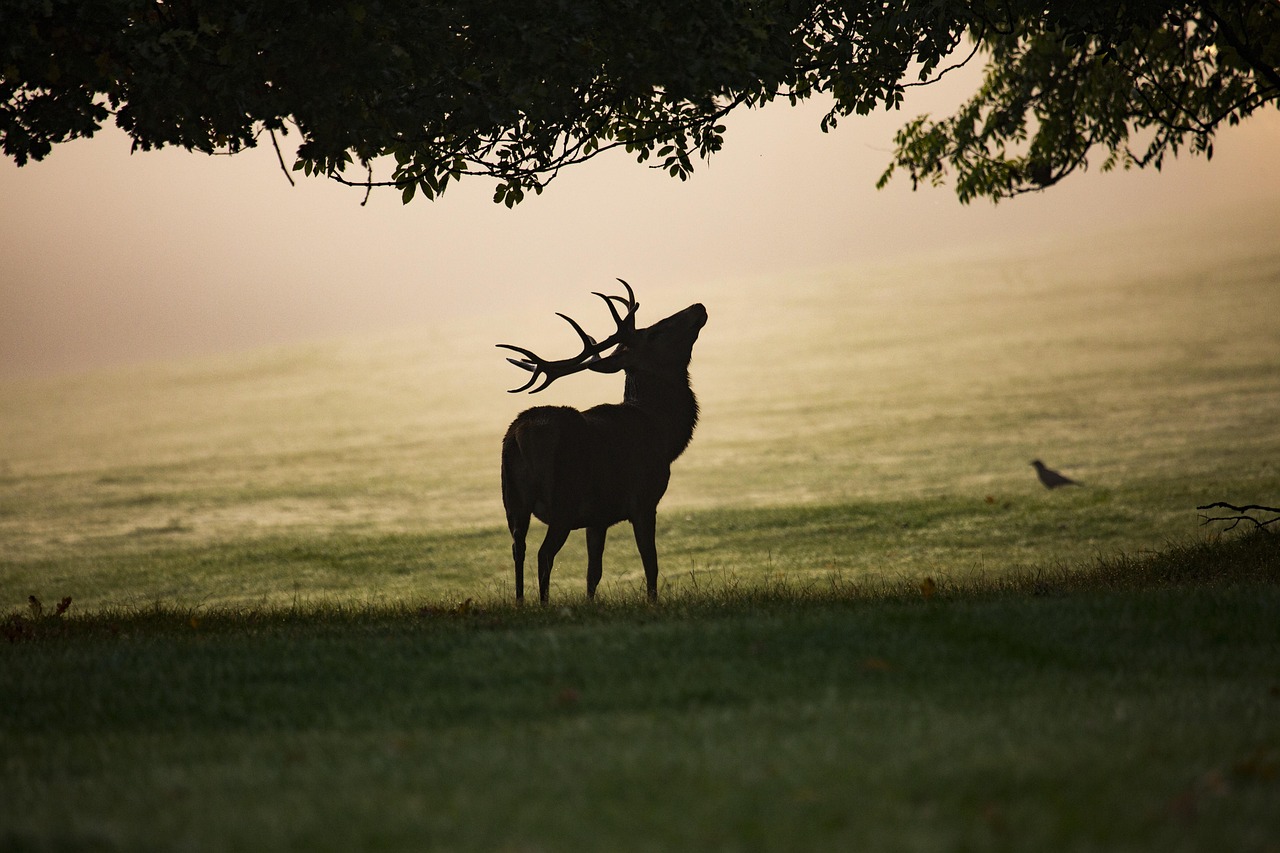
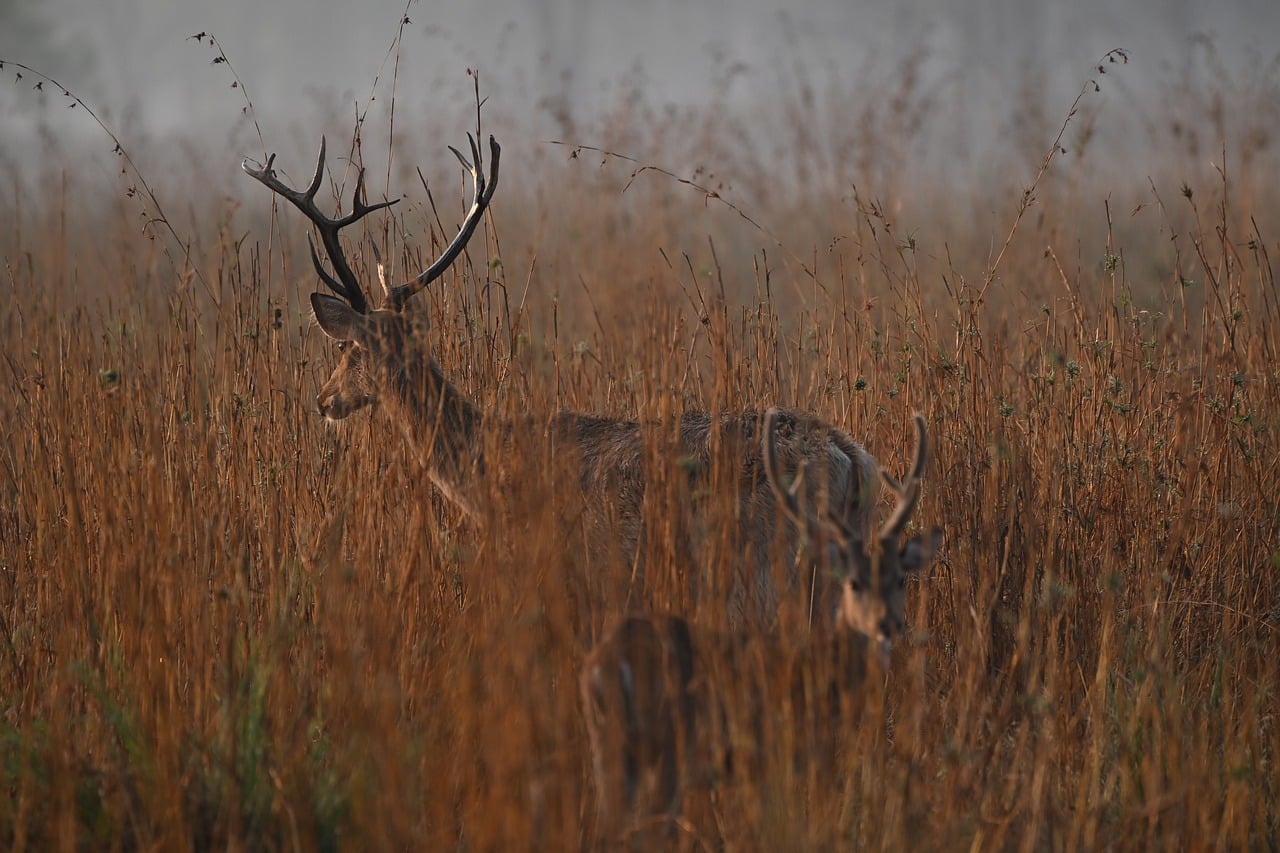
Antlers can seem like pure decoration at first glance, but they often tell a deeper story about the animal wearing them. Shape, symmetry, mass, and spread can hint at age, nutrition, genetics, and even how a deer moves through its habitat. This gallery breaks down six recognizable antler profiles and explains what each one may suggest, while reminding readers that no single rack tells the whole story.
Tall Basket Rack
A tall basket rack rises upward with tines that curl in and create a compact, rounded look. From the front, it can seem neatly framed rather than wide, with the points stacked in a way that gives the antlers height and density.
This shape often suggests a deer that is maturing well but not putting all of its growth into outside spread. Good nutrition and solid genetics may be at work, especially if the beams carry decent mass. In tighter cover, a more vertical rack can also be practical, helping a buck move through brush without constantly catching those antlers on limbs.
Wide Spreading Rack

A wide spreading rack grabs attention fast because it stretches noticeably beyond the ears and gives the buck a bigger visual footprint. Even from a distance, this shape can make an animal appear dominant, especially when the beams sweep outward before turning up.
A broad spread may point to strong genetics, age, and the kind of nutrition that supports extra antler growth. It can also reflect species differences, since some deer naturally carry width better than others. Even so, width alone does not always mean the buck is older than every narrow-racked deer nearby, because body traits and overall antler mass matter too.
Heavy Mass Rack
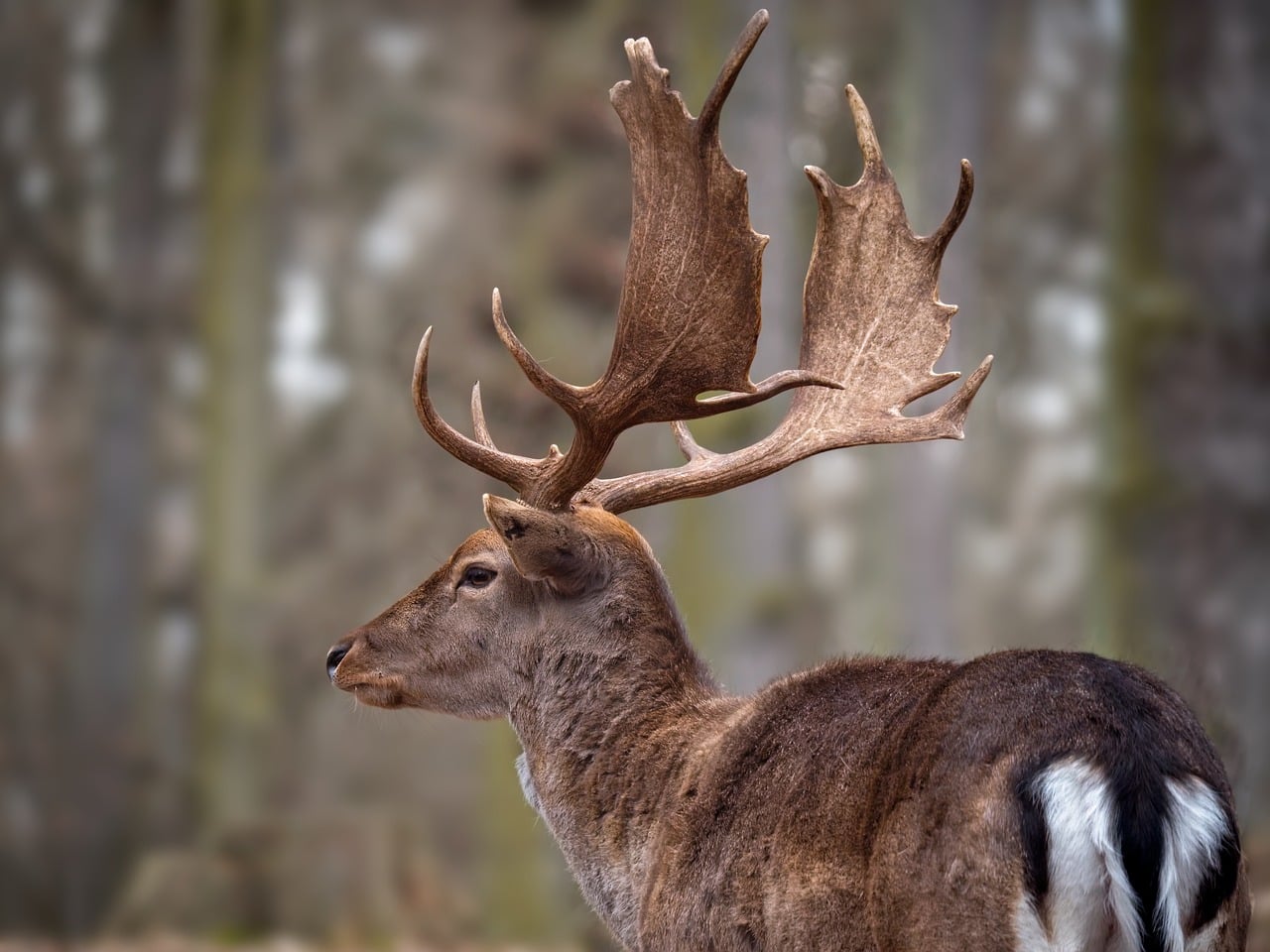
Some antlers are memorable not because they are especially tall or wide, but because they look thick from base to tip. A heavy mass rack has beams and tines that appear stout, with a dense, muscular quality that gives the whole headgear extra presence.
Mass often hints at maturity, since many bucks add thickness as they age and reach their prime. It may also suggest that the deer had consistent access to protein, minerals, and good forage during antler growth. Hunters and wildlife watchers alike tend to notice that heavy antlers can make a rack feel more impressive than sheer point count, because thickness usually signals a well-developed animal.
Narrow Upright Rack

A narrow upright rack keeps most of its growth close to the head, with beams that climb more than they flare. The shape can look tidy and vertical, sometimes giving the impression of extra height even when the overall score is modest.
This profile can show up in younger bucks that are still developing, or in mature deer whose genetics favor height over width. Habitat may play a role as well, since deer living in thick timber often carry antlers that seem built for weaving through cover. It is a useful reminder that antler shape is not just about age, but about the combined influence of bloodlines, food, and environment.
Asymmetrical Rack
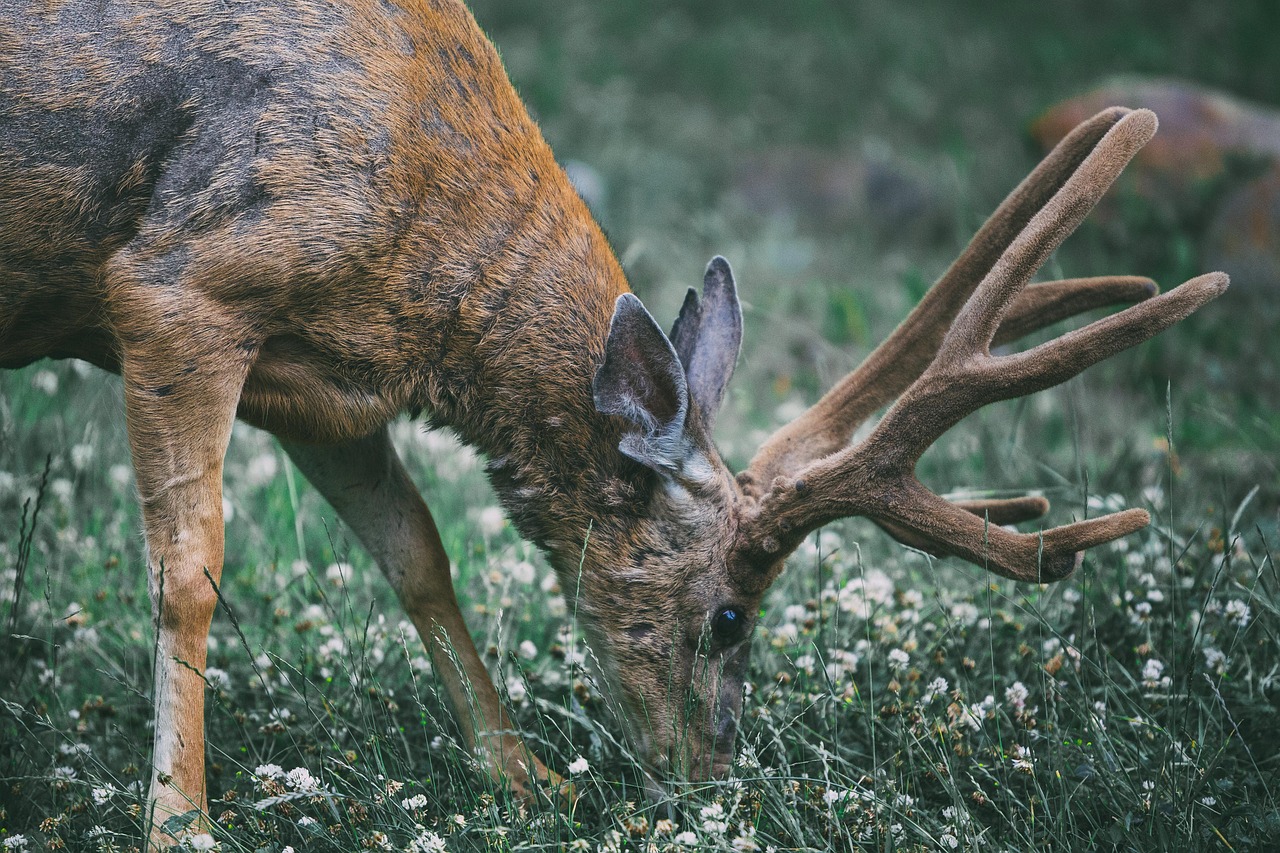
An asymmetrical rack is one where the two sides do not match closely in length, tine count, mass, or shape. One beam may sweep outward while the other stays tight, or one side may carry a missing or underdeveloped point that makes the imbalance obvious.
This can happen for several reasons, and not all of them are dramatic. Injury, past stress, nutrition issues, or simple genetic variation may all leave a mark on antler growth. In some cases the rest of the buck still looks healthy and strong, which is why wildlife biologists often caution against reading too much from a single uneven season. Antlers are rebuilt every year, and the next set may tell a slightly different story.
Non-Typical Rack

A non-typical rack breaks away from the clean, familiar outline many people expect. Extra points, odd angles, drop tines, and unusual growth patterns can make these antlers look dramatic, almost sculptural, and instantly recognizable in photos or in the field.
This shape often reflects unusual genetics, though injury and developmental stress can contribute to the final look. Non-typical does not automatically mean unhealthy. In fact, some bucks carrying wild-looking racks are otherwise mature, well-fed animals in excellent condition. What it really tells you is that antler growth is flexible and complex, shaped by a mix of inherited traits and life history rather than a single neat formula.