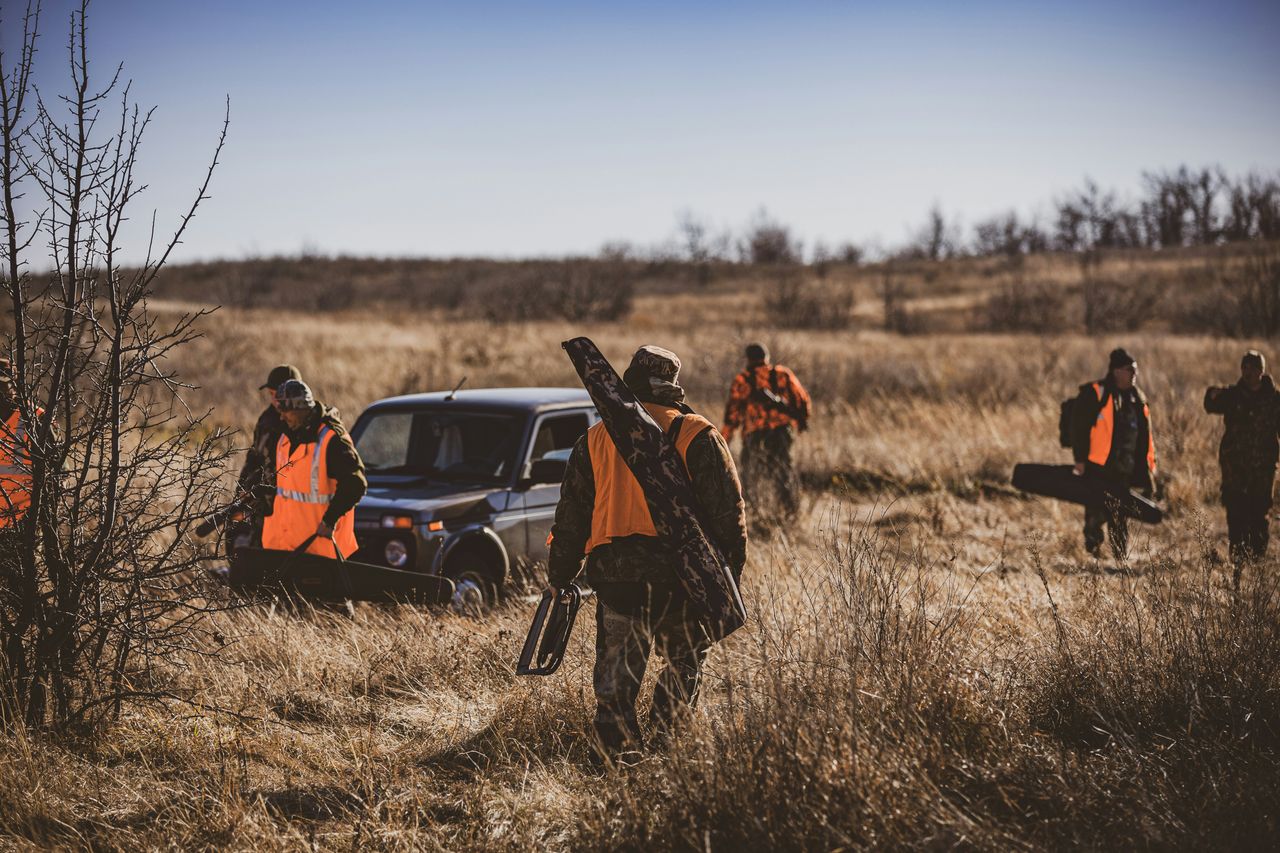
Hunter education covers much more than how to handle a firearm. Many first-time hunters are surprised to learn that some of the most important rules are about judgment, patience, and what not to do in the field. These six lessons stand out because they sound simple at first, but they shape nearly every safe and ethical decision a hunter makes.
Knowing your target is not enough

Beginners often assume the golden rule is simply identifying the animal before taking a shot. Hunter education pushes that idea further. You must also know what is in front of, beside, and beyond the target, because a bullet or arrow can travel into places you never intended.
That means branches, hills, roads, water, and other hunters all matter. In real hunting conditions, a deer-shaped movement is never the whole story. Safe hunters read the entire scene, not just the animal, and they wait when the background is uncertain.
Blaze orange is a safety tool, not a style choice
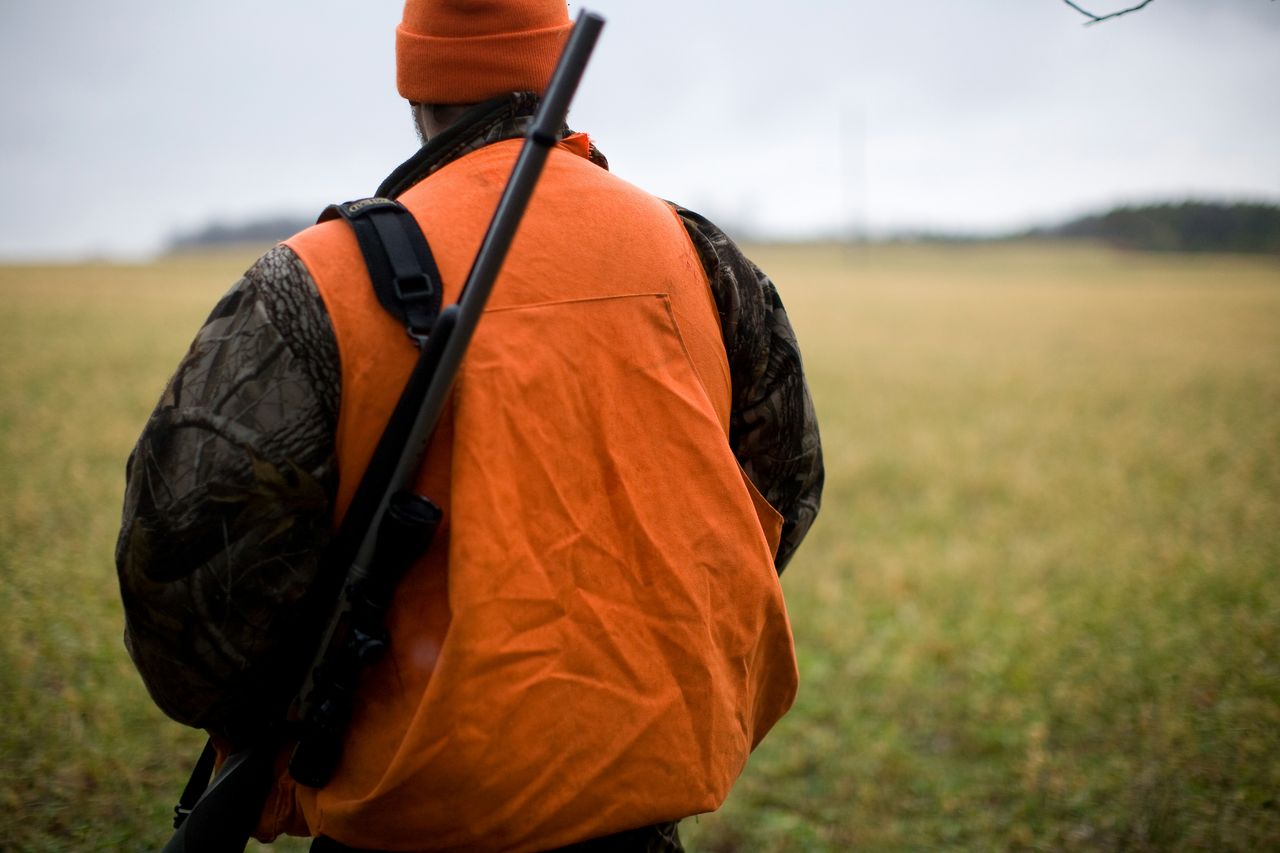
A lot of newcomers are surprised by how seriously hunter education treats visible safety clothing. Blaze orange is not just a recommendation people toss around at camp. In many places, it is legally required during certain seasons, and even where it is not, instructors treat it as basic field discipline.
The point is simple. You want to be instantly recognizable as a person, even in brush, dim light, or moving terrain. New hunters sometimes worry it will scare game away, but many game animals do not see color the way humans do. Other hunters, however, absolutely do.
Crossing a fence with a firearm has a procedure
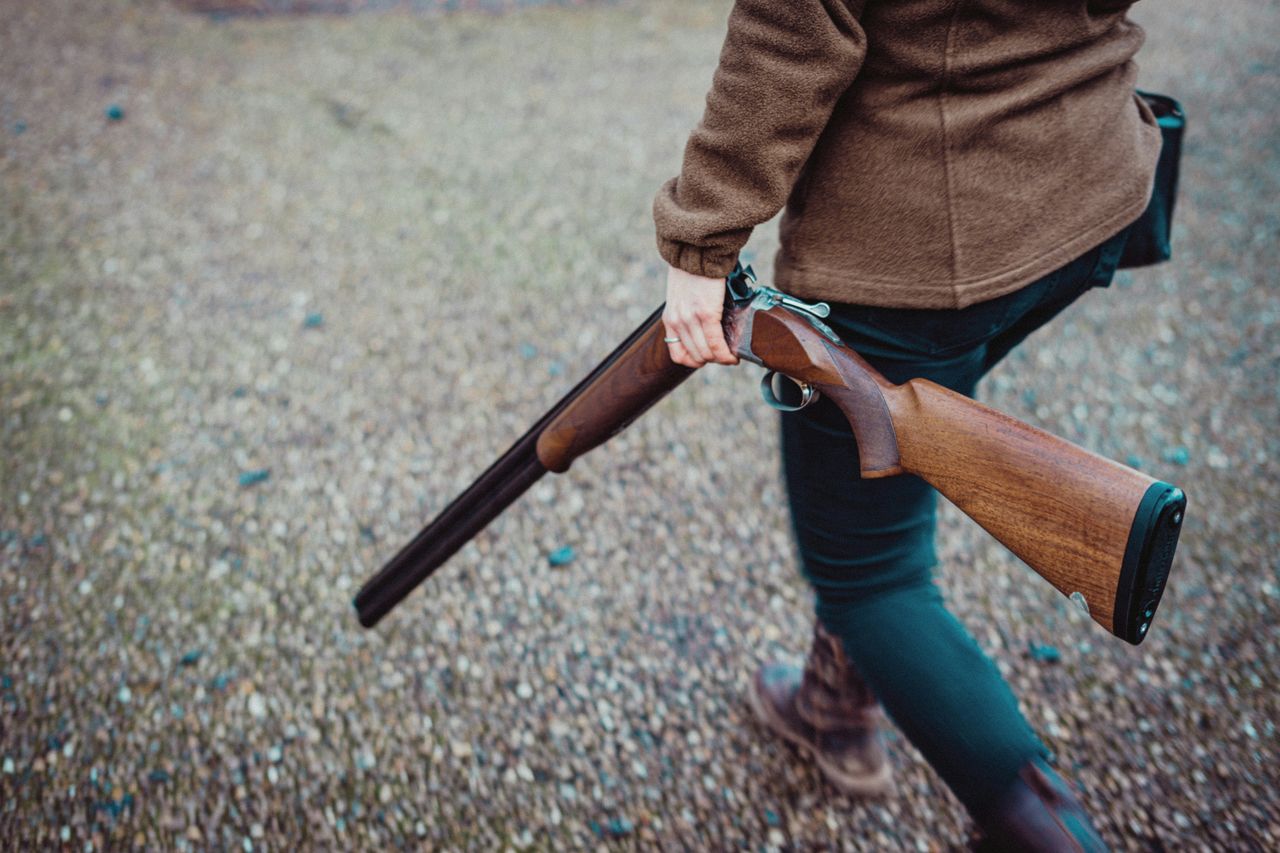
This is one of those rules beginners rarely expect until they hear it in class. You do not casually climb over a fence, log, or ditch with a loaded firearm in hand. Hunter education teaches a careful sequence because awkward footing and tangled gear create exactly the kind of moment when accidents happen.
Typically, the firearm is unloaded first. Then it is placed on the far side or handed across safely before the person crosses. It can feel overly cautious when described indoors, but out in uneven terrain, this routine makes perfect sense and prevents dangerous slips and muzzle mistakes.
A shot is not ethical just because it is legal
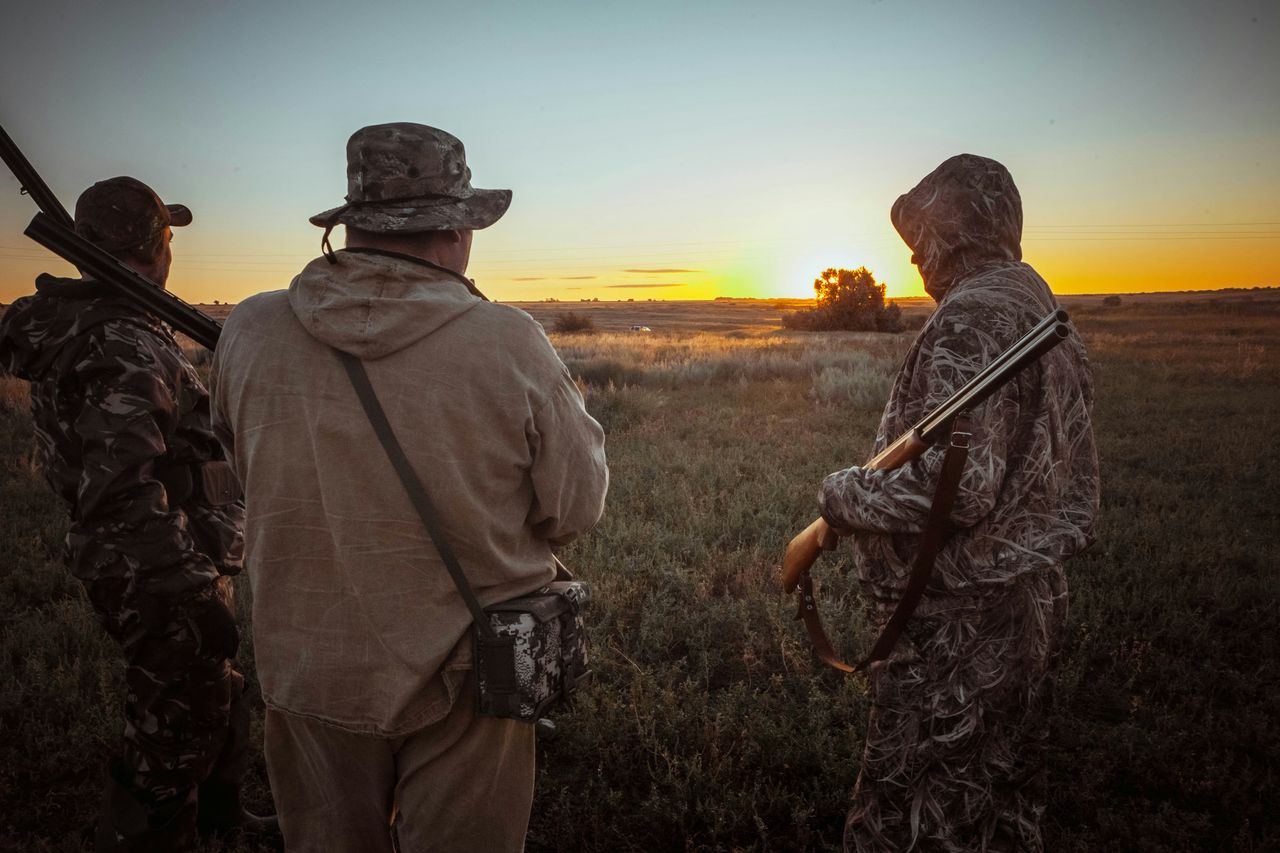
Many beginners enter hunter education thinking the main question is whether a shot is allowed under season dates and licensing rules. Instructors quickly add another layer. A shot also has to be responsible, humane, and within the hunter’s actual ability under those exact conditions.
Distance, angle, wind, brush, animal movement, and your own composure all matter. If the odds of a clean harvest are low, the right answer is to pass. That can be a surprising lesson for people who assume success means taking every legal chance. In hunter education, restraint is treated as real skill.
Permission and boundaries matter more than beginners expect
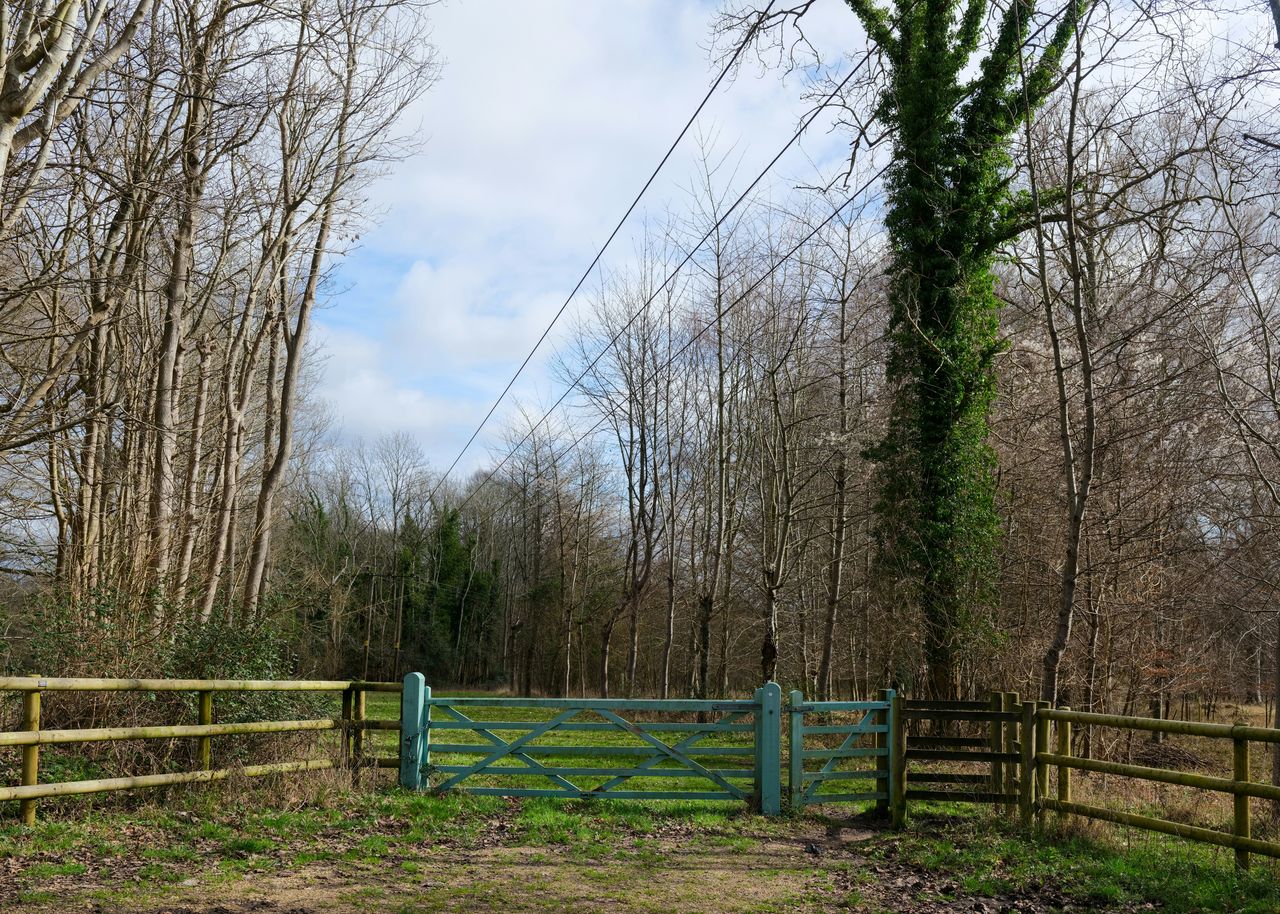
New hunters are often surprised that one of the biggest field mistakes has nothing to do with shooting at all. It is land access. Hunter education stresses that you must know exactly where you are, whose property you are on, and whether you have permission before the hunt begins.
That remains true even if game crosses a fence line or moves onto neighboring land. A wounded animal can create stressful decisions, which is why planning matters ahead of time. Maps, markers, and clear communication are part of ethical hunting, not just paperwork or courtesy.
Tree stand safety starts before your feet leave the ground
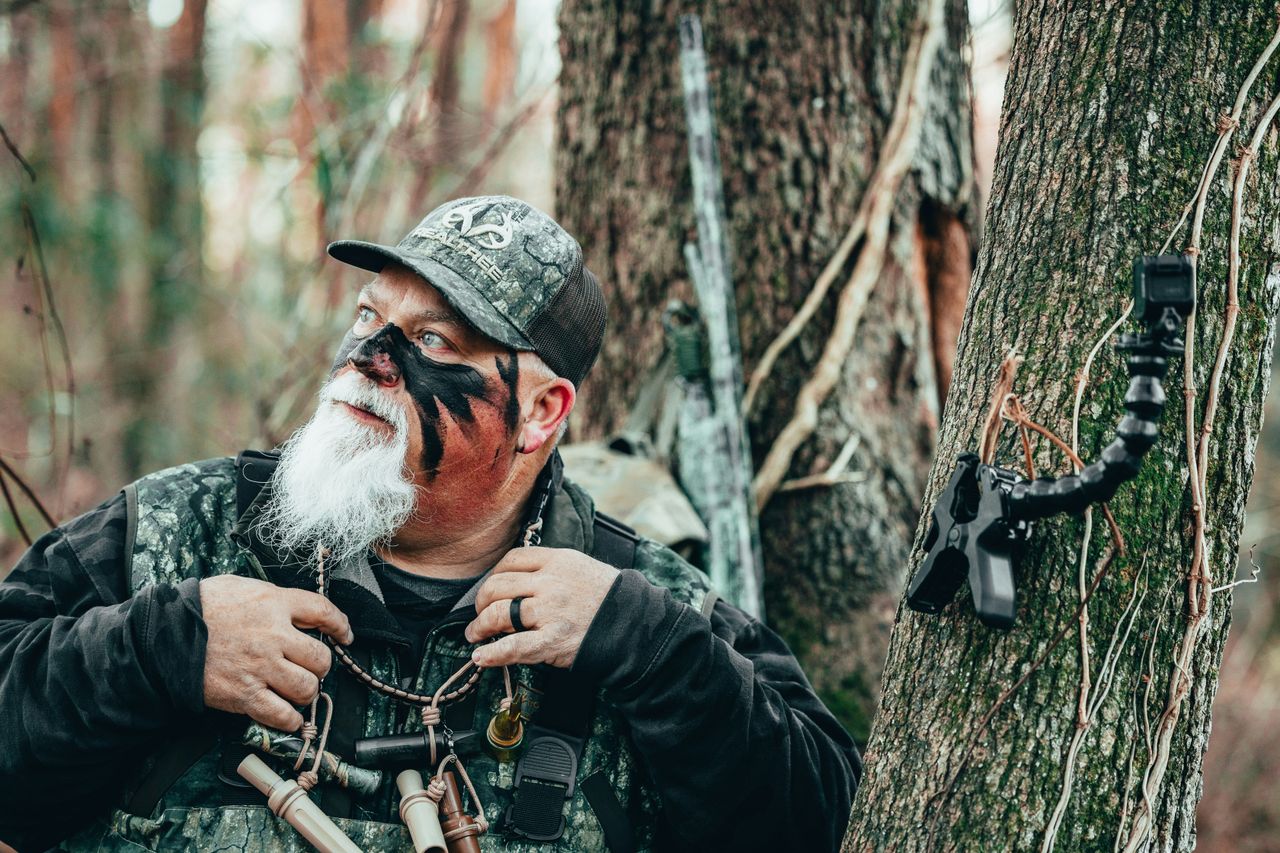
Beginners often think tree stand safety is mainly about being careful once they are up high. Hunter education teaches the opposite. Most of the critical safety steps happen before the climb starts, from inspecting straps and steps to wearing a full-body harness correctly.
The biggest surprise is how often falls happen during ascent and descent, not while sitting in the stand. Instructors stress staying connected to a fall-arrest system the entire time and never hauling up a loaded firearm. It is a methodical process, and that is exactly why it saves lives season after season.