
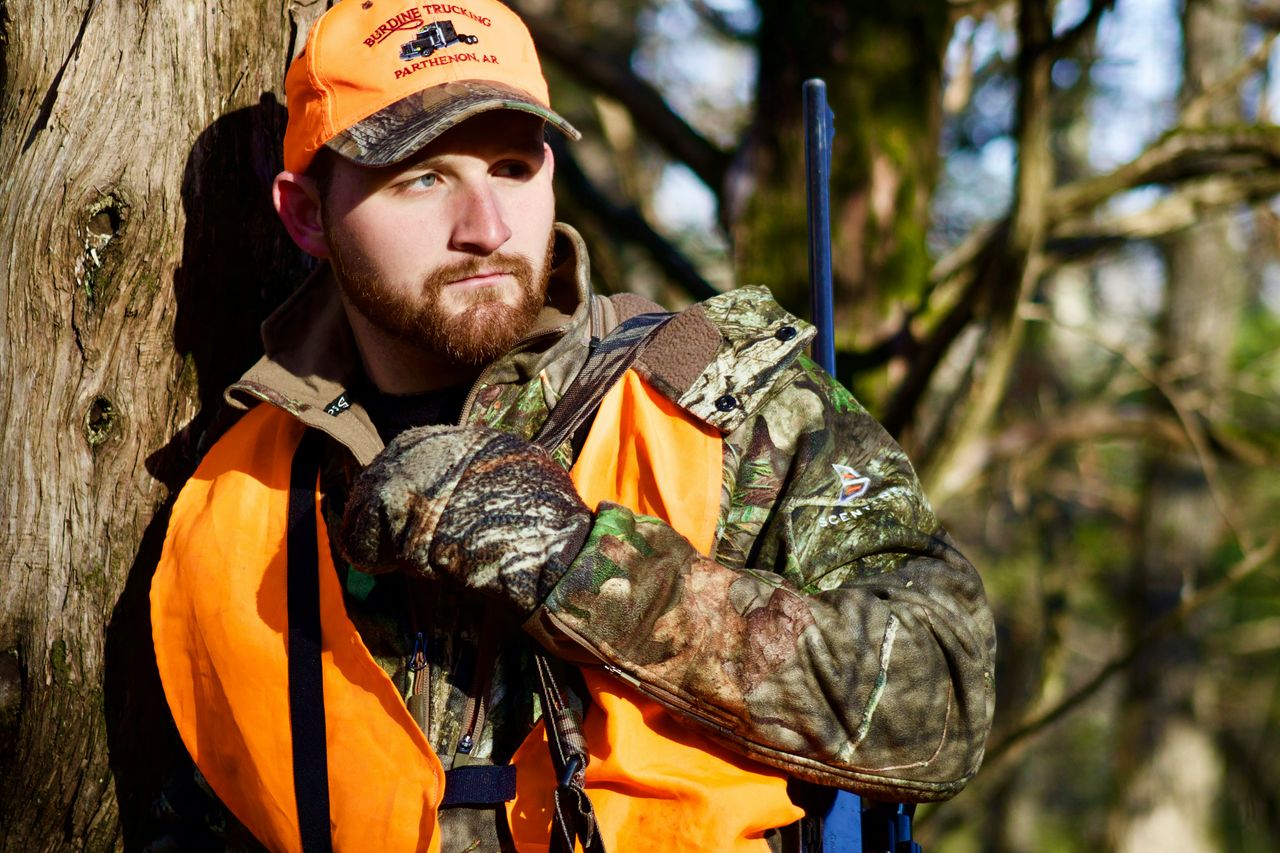
In low light, thick cover, and fast-moving flushes, even experienced hunters can second-guess what just flew by. This gallery looks at seven birds that are often confused in the field and highlights the small details that matter most. A sharper eye not only improves identification, it also supports safer, more ethical decisions outdoors.
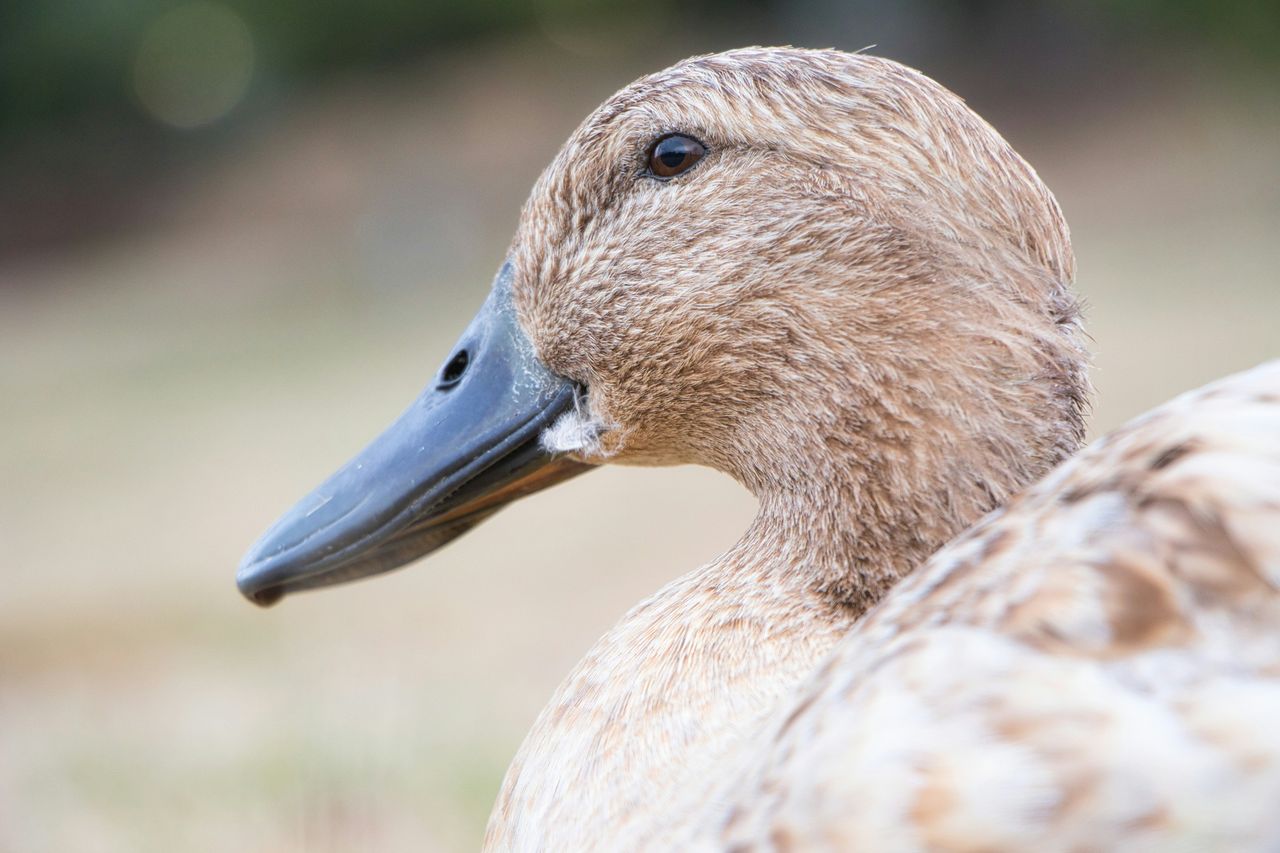
Hen Mallard and Hen Black Duck

At a glance, these two can look almost interchangeable, especially when the light is flat and the birds are banking away. Both are dark brown dabblers, and a quick pass over open water does not always give you much time to study fine detail.
The easiest clue is contrast. Hen mallards usually show a brighter orange bill with dark markings and a more defined pale edge around the tail. American black ducks tend to look overall darker and richer brown, with less contrast in the body. On the wing, the black duck’s purple speculum usually lacks the bold white borders that stand out on many mallards.
Canvasback and Redhead
These diving ducks are famous for causing second looks, particularly at a distance or in choppy water. From far off, both can register as chestnut-headed ducks with grayish bodies, and that first impression often leads hunters astray.
Head shape is the giveaway. A canvasback has a long, sloping profile from forehead to bill, almost like one clean line, while a redhead shows a rounder head and a shorter bill. Body tone helps too. Canvasbacks often appear paler and cleaner gray, whereas redheads can look slightly darker and more mottled. If the birds are relaxed and close enough, that classic canvasback profile becomes much easier to trust.
Greater Scaup and Lesser Scaup
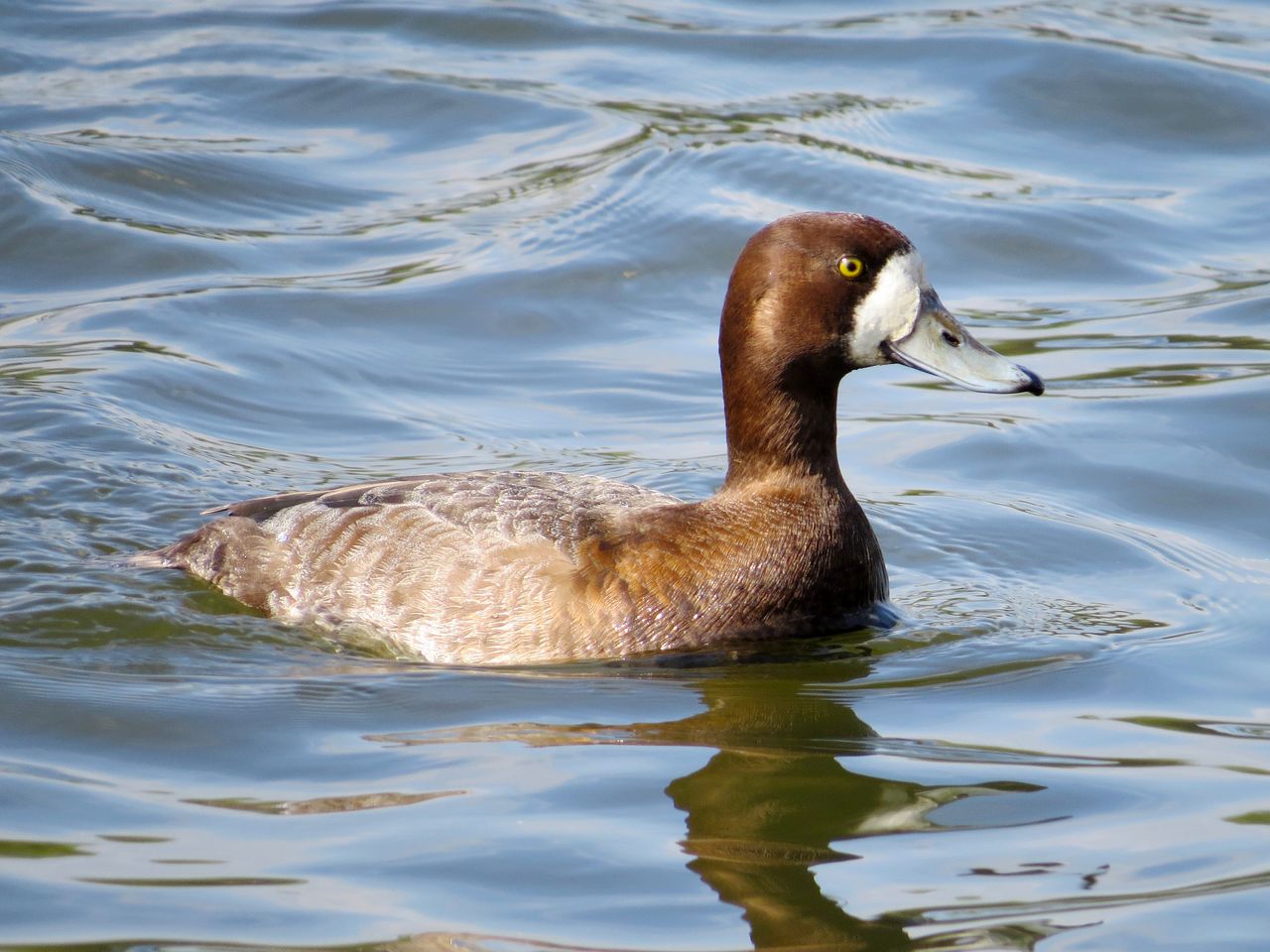
Scaup are a classic identification headache because the two species overlap in habitat, season, and overall look. When birds are rafted far offshore or moving quickly in poor weather, telling greater from lesser can feel like splitting hairs.
Start with the head. Greater scaup often show a rounder, smoother crown, while lesser scaup usually have a subtle peak toward the back of the head. The bill can help as well, with greater scaup often showing a broader bill and a wider black nail at the tip. Flocks also offer clues. Greater scaup are more associated with larger open water, though habitat alone is never enough to make the call.
Snow Goose and Ross’s Goose
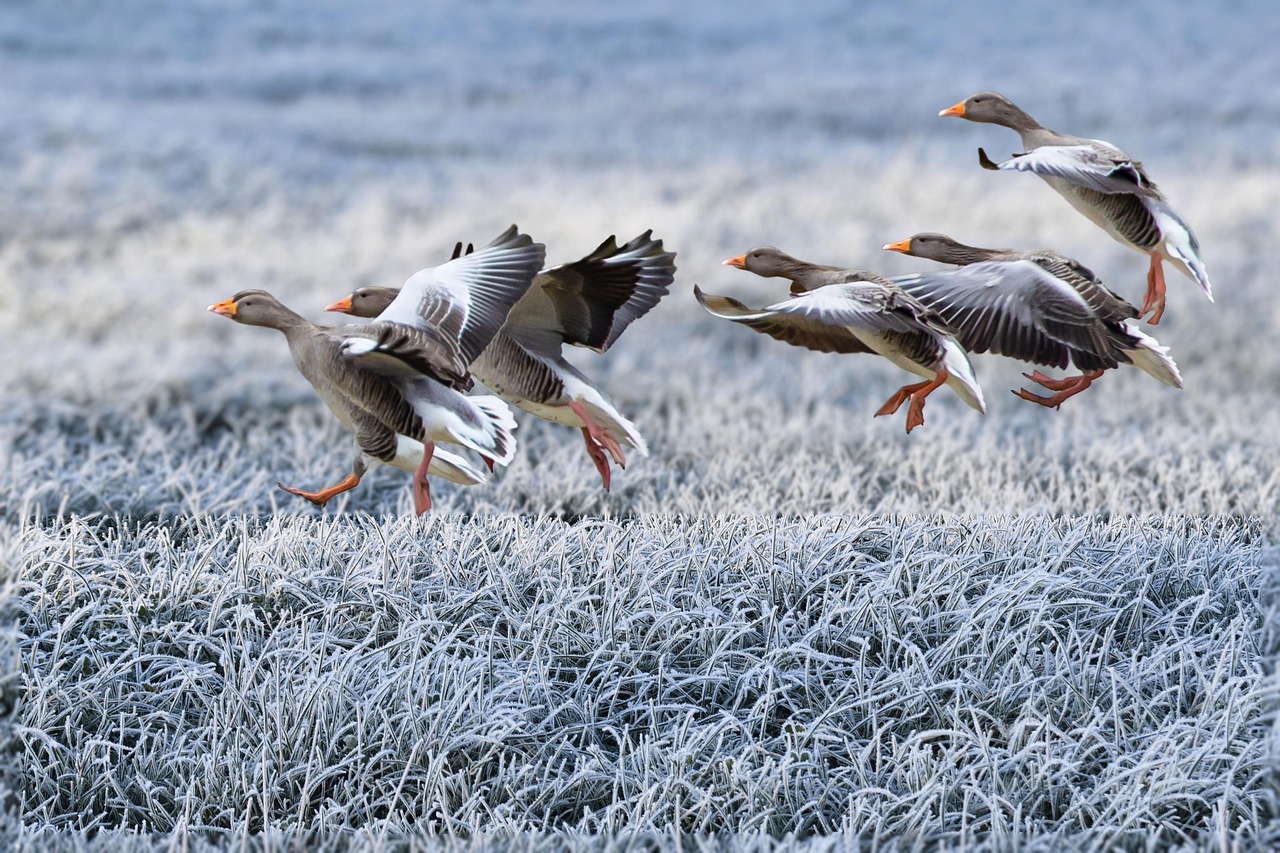
In big migrating flocks, these white geese can turn identification into a blur of wings, noise, and motion. Ross’s geese are smaller, but size becomes hard to judge when hundreds of birds are rising at once.
The bill is the best place to focus. Snow geese have a longer, heavier bill with a more obvious dark grin patch along the mouth line. Ross’s geese carry a shorter, stubbier bill that gives the face a gentler, more compact look. Many hunters also notice that Ross’s appears rounder headed and daintier overall. Once you key in on bill shape instead of body color, the difference starts to come together fast.
Ruffed Grouse and Female Ring-necked Pheasant
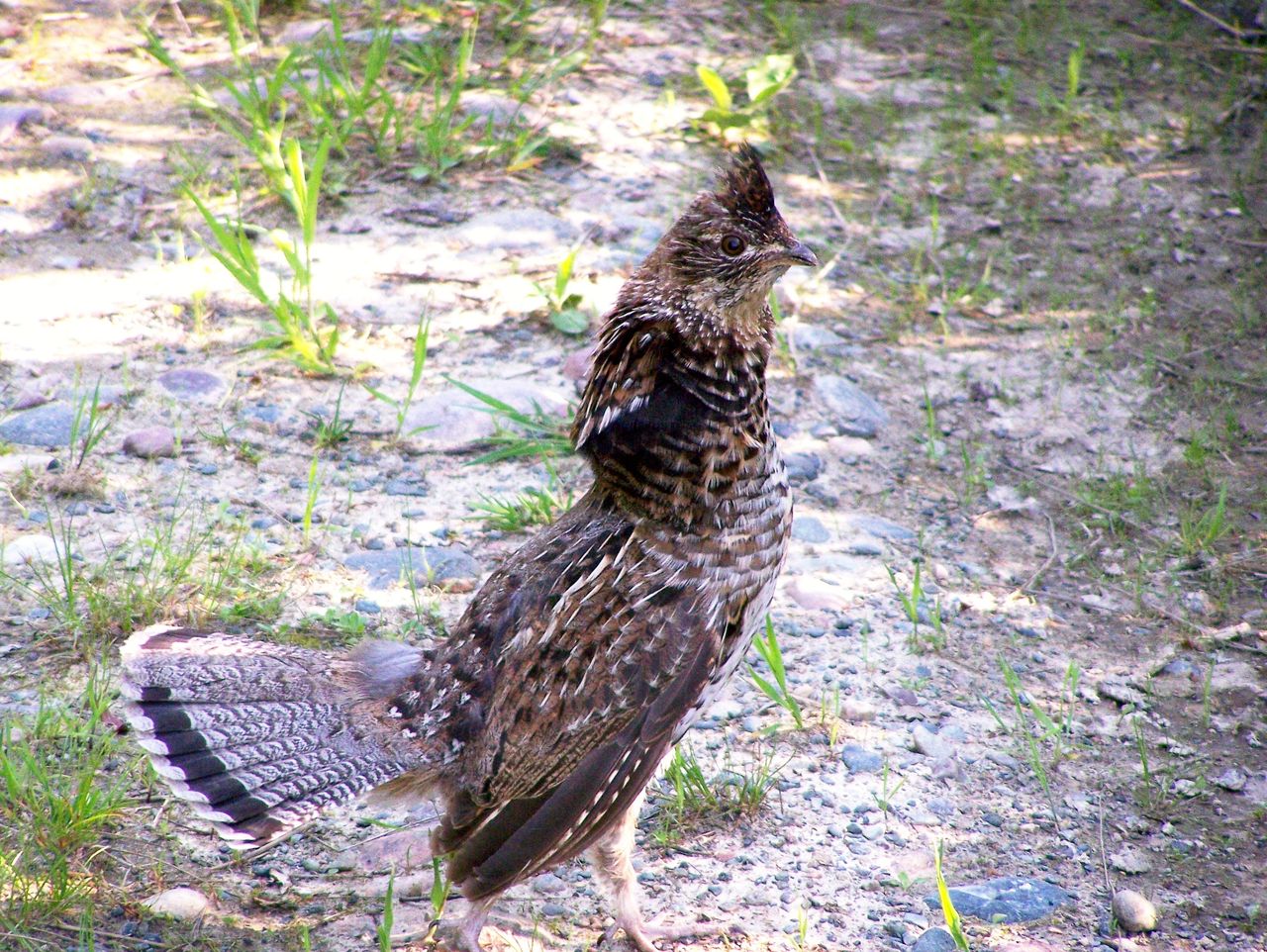
A sudden burst from edge cover can make almost any brown upland bird look like a grouse for a split second. That is why hunters in mixed habitat sometimes hesitate when a bird erupts low and fast from brush or field margin.
Shape and flight style tell the story. A ruffed grouse is compact and chunky, with a fan-shaped tail and explosive wingbeats that feel tight and thunderous. A female pheasant is longer and slimmer, with a pointed tail that is often obvious even in a quick flush. Pheasants also tend to look more stretched out in flight. If you catch the tail clearly, the confusion usually disappears right away.
Mourning Dove and Eurasian Collared-Dove
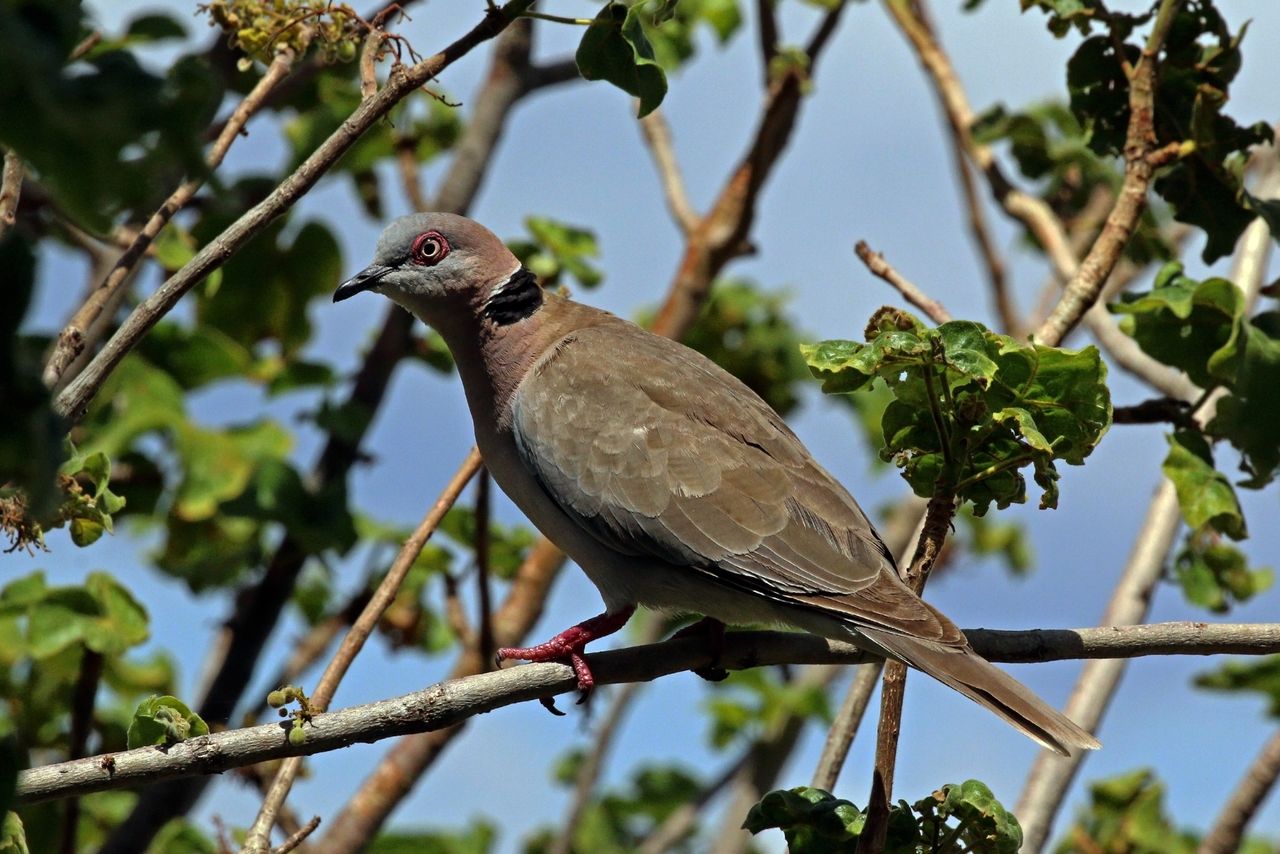
Near agricultural edges, farmsteads, and small towns, these doves can overlap enough to cause quick mistakes. Both are pale, fast flyers, and both may appear in the same general places where hunters are already watching fence lines and field corners.
Mourning doves are slimmer, with a long pointed tail that flashes white on the edges in flight. Eurasian collared-doves look bulkier, paler, and squarer tailed, with a black half-collar at the nape that often stands out when perched. Their wingbeats can seem steadier too. If the bird looks elegant and tapered, think mourning dove. If it looks blockier and more substantial, the collared-dove is a better bet.
Teal in Fast Light
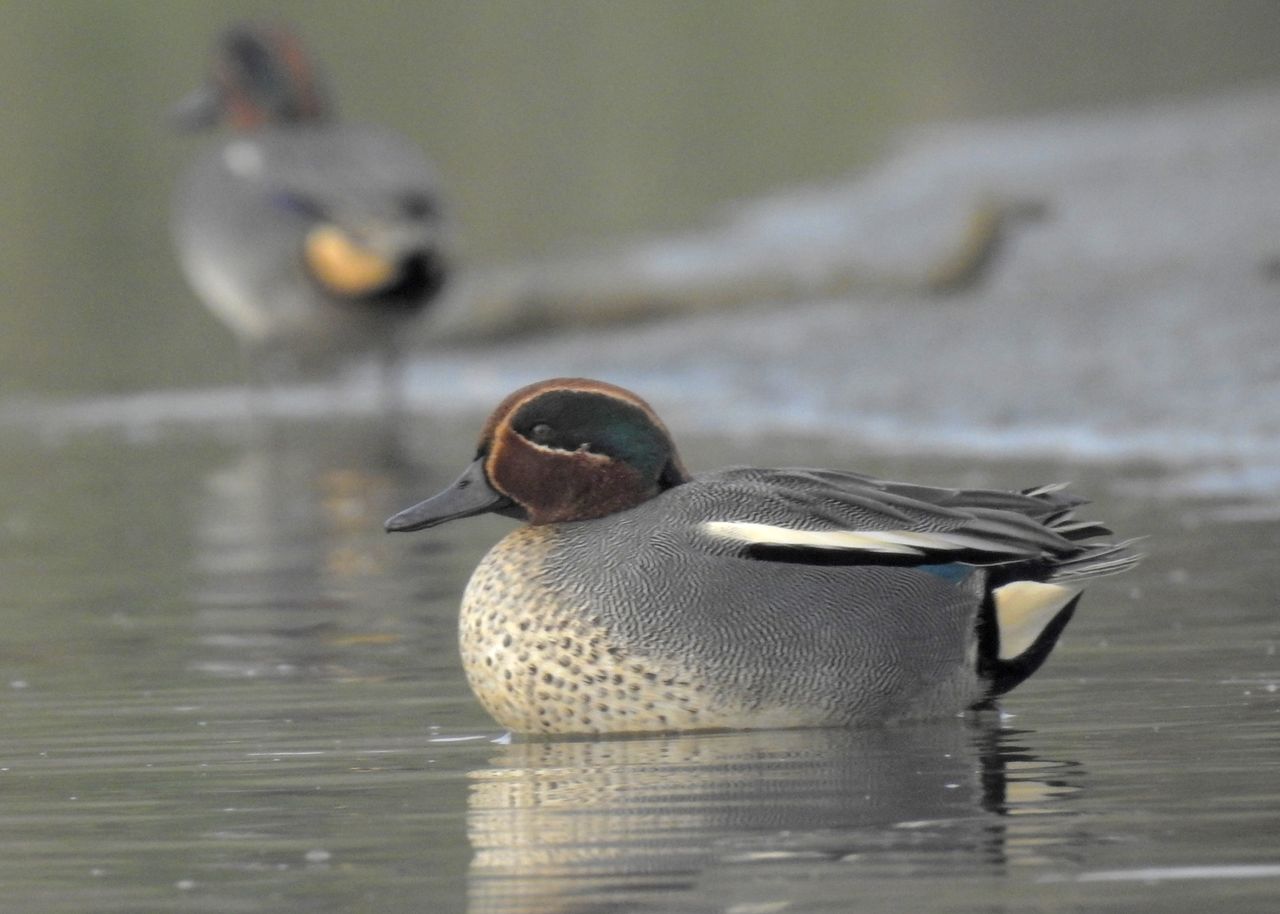
Sometimes the confusion is not one species pair but an entire category. Blue-winged teal, green-winged teal, and cinnamon teal can become a blur when they rocket across a pond at dawn or twist through flooded timber with almost no warning.
The trick is to look for one bold field mark instead of trying to solve the whole bird at once. Blue-winged teal often show the powder-blue shoulder in flight, while green-winged teal are smaller and more compact, with a darker, crisp look. Cinnamon teal bring a warmer reddish cast, especially on drakes. In fleeting conditions, disciplined attention to a single standout mark can be more useful than chasing every detail at once.