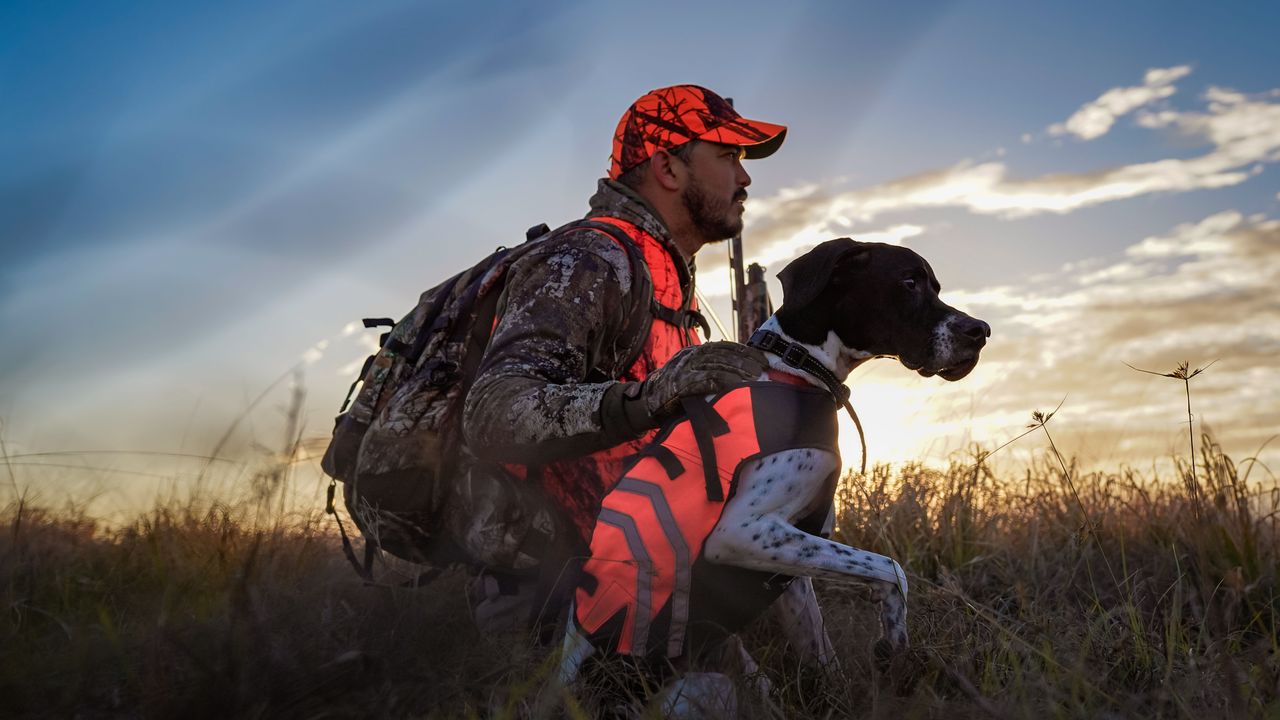
Ask a room full of upland bird hunters about first dogs, and you will hear the same handful of breeds come up again and again. But many experienced hunters say the industry often overlooks several excellent options that bring trainability, versatility, and field savvy to the table. This gallery highlights eight breeds that enthusiasts believe deserve a much louder introduction for newcomers heading into pheasant fields, grouse cover, and quail country.
Brittany
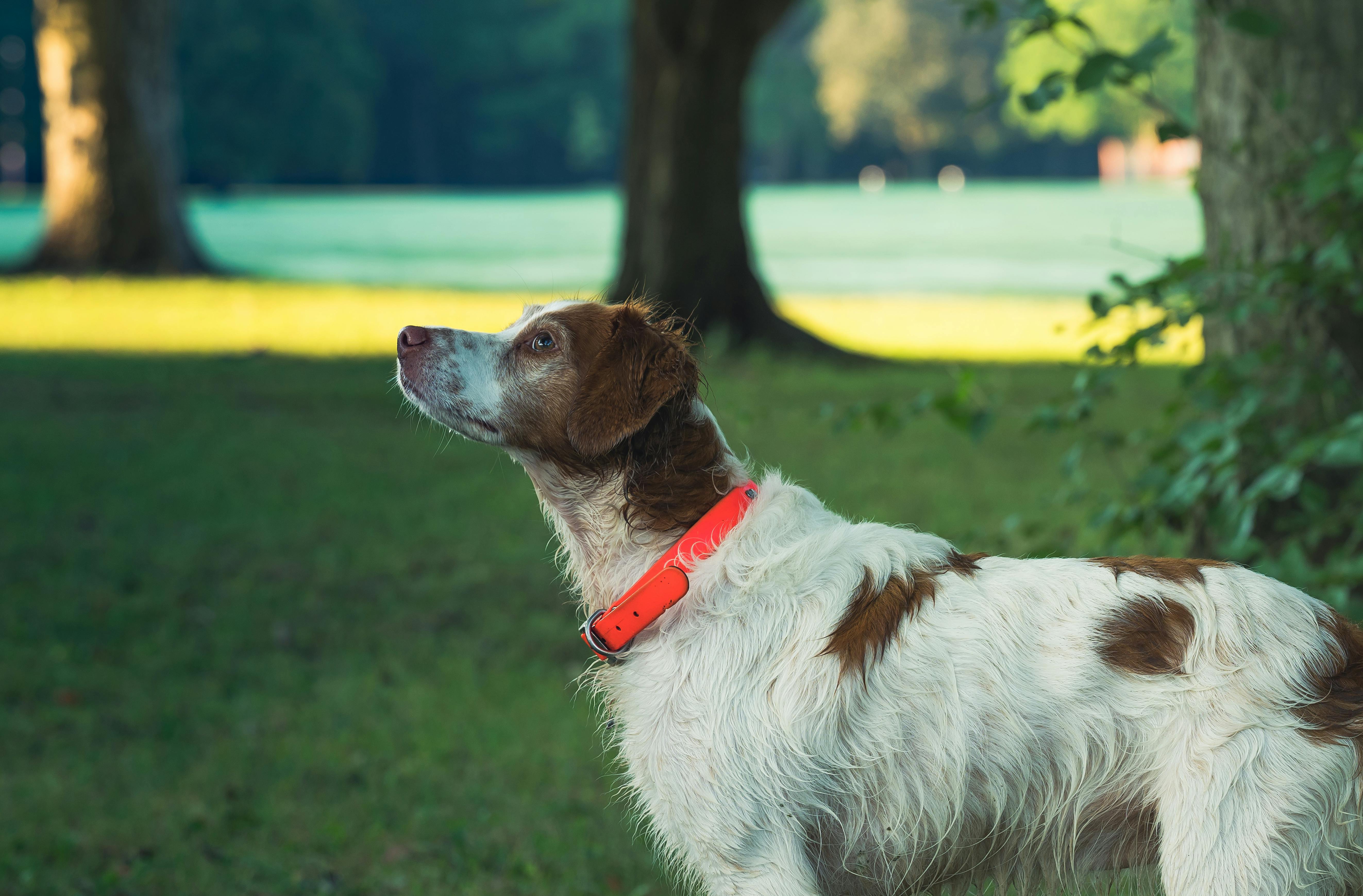
For many upland veterans, the Brittany is not exactly unknown, but it is still strangely underpitched to beginners who want a lighter, more manageable bird dog. The breed brings high drive without the oversized frame that can intimidate first-time owners, and that balance often makes daily life easier than marketing language suggests.
In the field, Brittanys have a reputation for covering ground with purpose while staying naturally connected to the gun. They can point, retrieve, and adapt to quail, grouse, woodcock, and pheasants with impressive flexibility. Hunters who live with them also like that they tend to be affectionate house dogs, which matters more to new owners than breed brochures sometimes admit.
English Setter
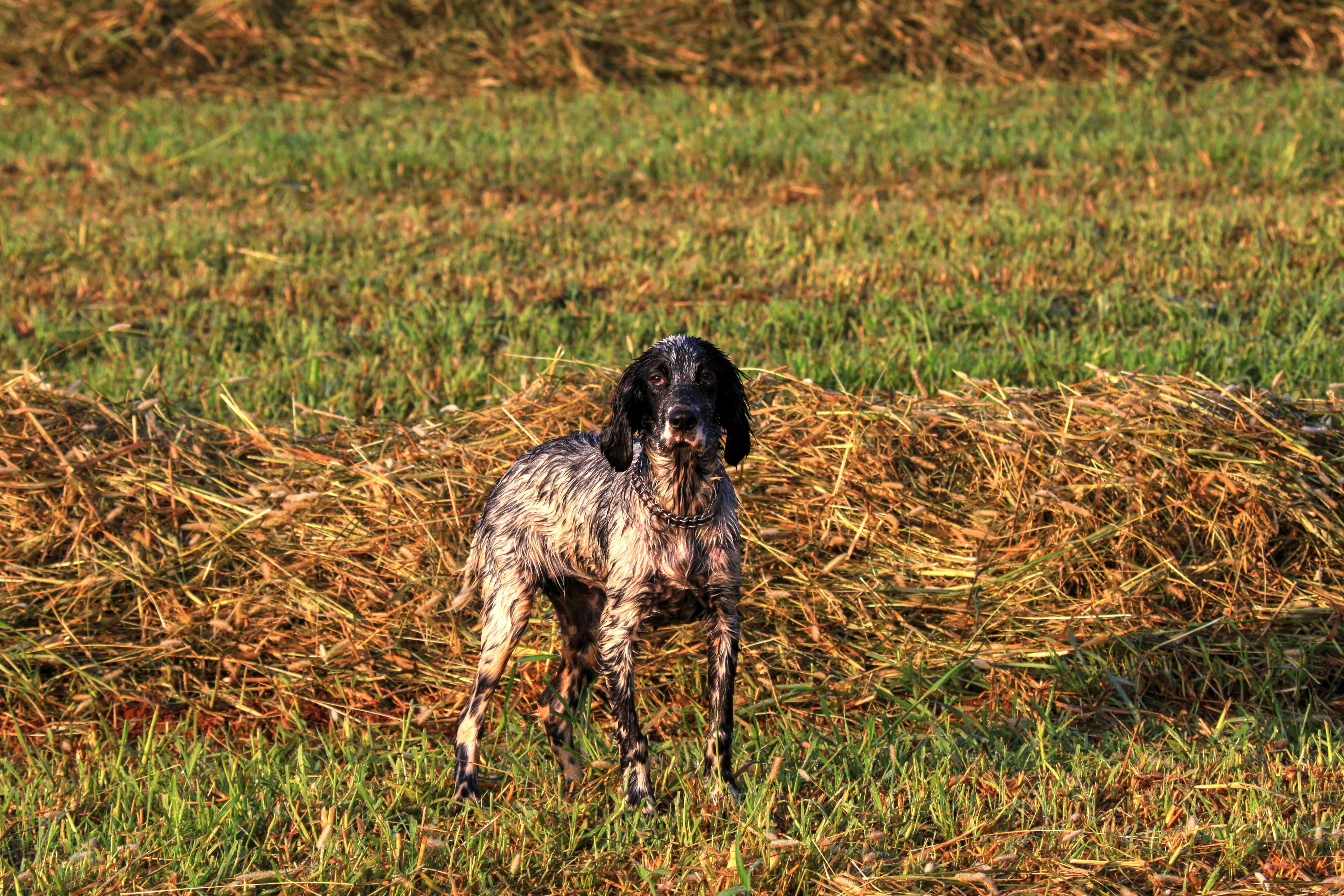
The English Setter often gets framed as a romantic classic, admired for style more than practical value. Hunters who know the breed tend to push back on that idea. They argue that a good setter is not just beautiful in motion, but deeply effective for newcomers who want a cooperative pointing dog with a strong nose and a smooth, readable pace.
Setters shine in country where birds run, hold, and test a dog’s patience. Their gait can be efficient rather than frantic, which helps new hunters keep up and learn what a dog is telling them. Many owners also say the breed’s temperament is a quiet selling point, especially for families looking for a bird dog that can settle at home after a hard day afield.
Wirehaired Pointing Griffon
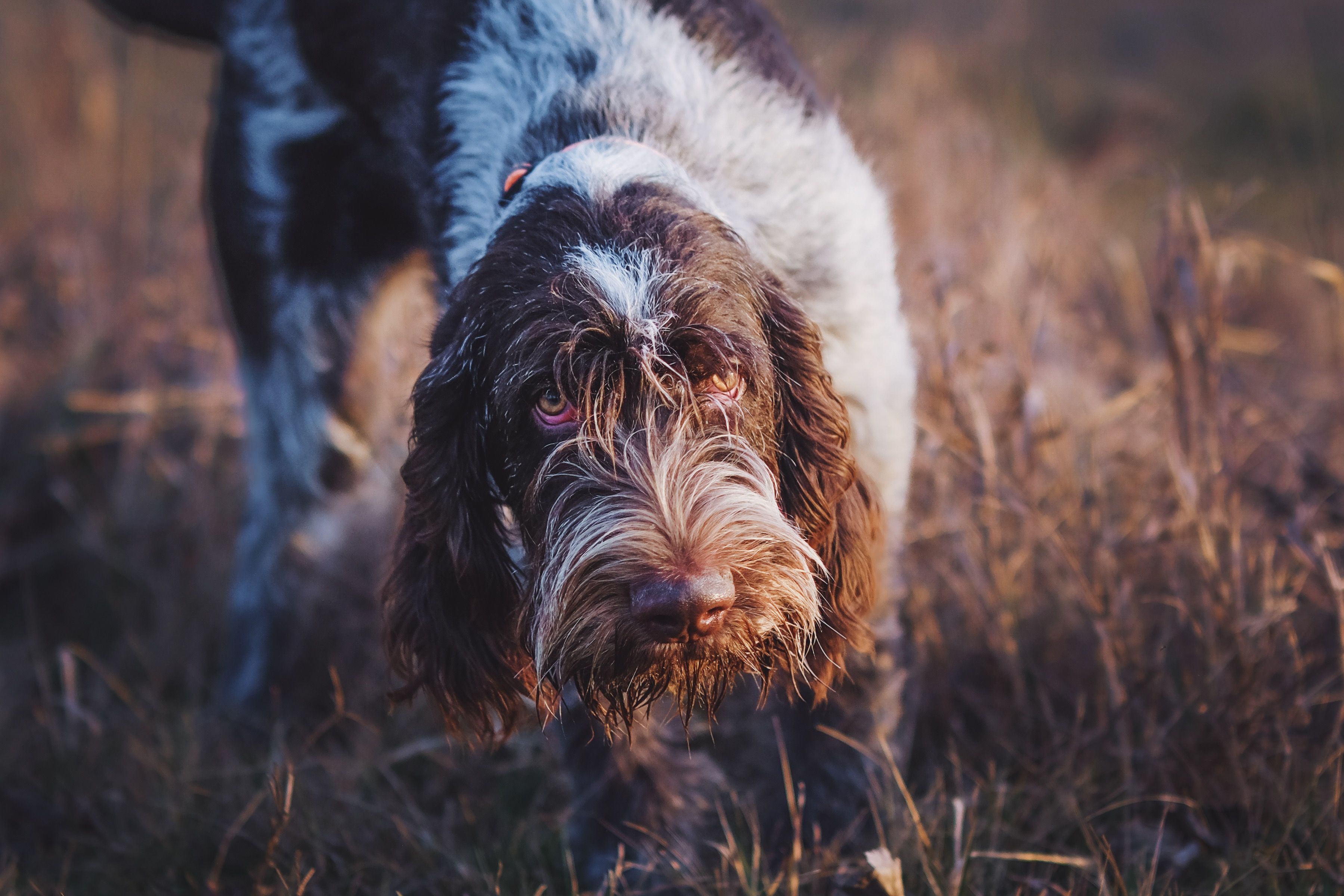
The Wirehaired Pointing Griffon has a loyal following among hunters who think it should be suggested to beginners far more often. Instead, many first-time buyers hear mostly about flashier field trial names or ultra-specialized breeds. Griffon fans say that misses the appeal of a rugged, versatile dog that points naturally and usually wants to work with its person, not for itself.
That cooperative streak can be a real gift for a new handler. A griffon often hunts at a practical range, handles wet conditions well, and can retrieve with enthusiasm when birds hit the ground. Its rough coat and unglamorous look may not dominate marketing campaigns, but in real hunting country, plenty of upland people see the breed as one of the smartest all-around recommendations available.
German Shorthaired Pointer

The German Shorthaired Pointer is popular, yet many hunters still say it gets sold to newcomers in the wrong way. The problem is not lack of attention, but shallow messaging. Too often the breed is marketed as a do-everything superstar without enough emphasis on the structure, training, and exercise it needs to actually become that dog.
When matched with an active owner who wants a true hunting partner, the breed can be outstanding. GSPs are versatile, athletic, and capable of handling a wide range of upland situations. Experienced hunters argue the breed is undersold in a different sense: not as a status dog or generic family pet, but as a serious, trainable bird dog that rewards consistency and daily engagement more than casual buyers may realize.
Boykin Spaniel

The Boykin Spaniel is still too often pigeonholed as a regional favorite instead of a credible upland choice for a broad audience. Hunters who use them on birds say that sells the breed short. A good Boykin brings enthusiasm, compact size, and a practical eagerness that can fit newcomers who want one dog for flushing, retrieving, and everyday companionship.
In thick cover, a Boykin can be especially appealing because it works close and stays engaged. That can make shots safer and bird contacts easier to follow for less experienced hunters. Owners also like the breed’s manageable size in trucks, boats, and homes. It may not dominate the national conversation, but among people who hunt behind them regularly, the Boykin has earned far more respect than it usually gets.
Small Munsterlander
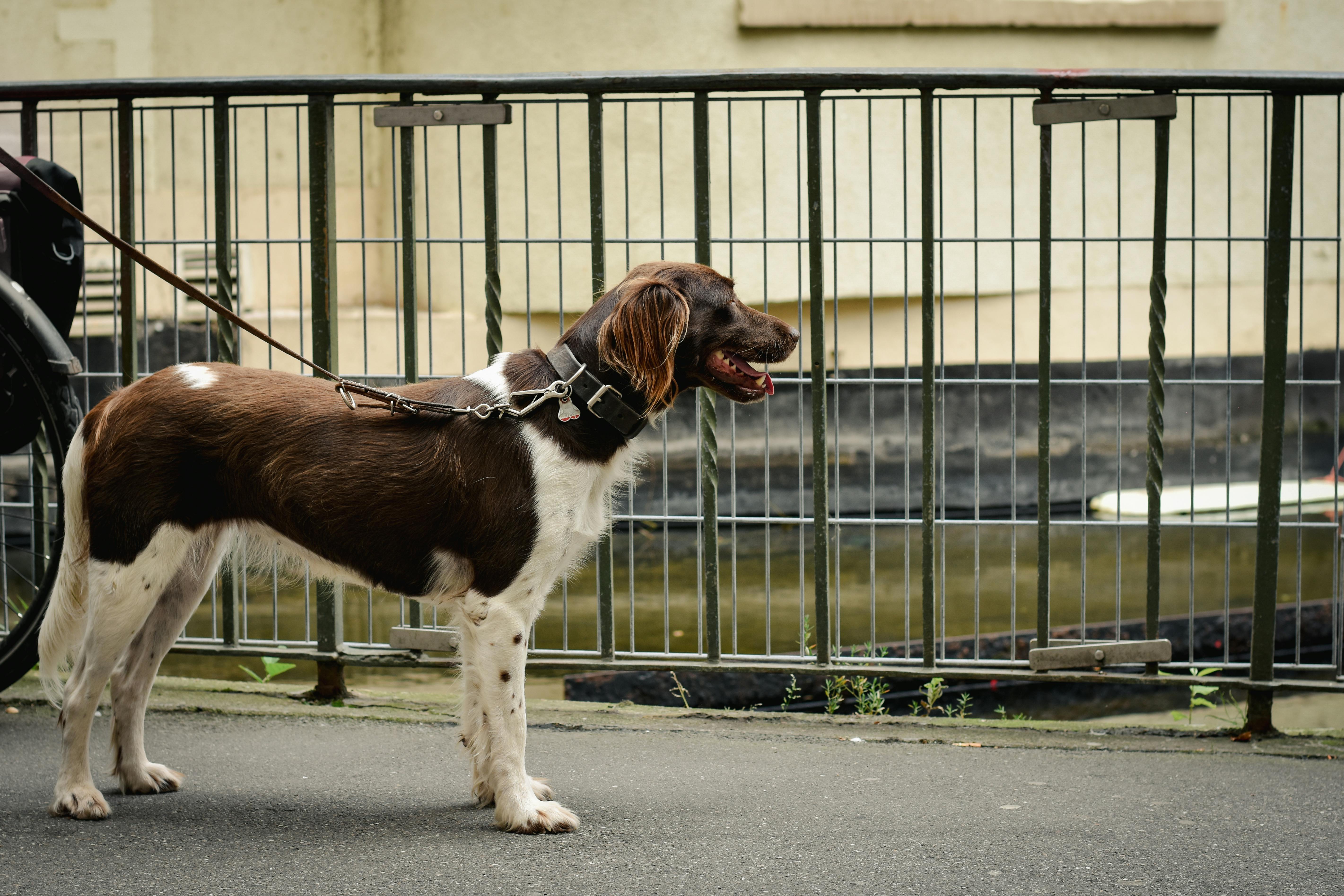
The Small Munsterlander is one of those breeds seasoned bird hunters mention with a kind of knowing enthusiasm. It rarely gets prime shelf space in mainstream hunting culture, yet the people devoted to it often describe a remarkably balanced package. For a newcomer looking for a pointing dog that can also retrieve reliably, the breed checks more boxes than its low profile would suggest.
Hunters appreciate the Munsterlander’s nose, biddability, and willingness to work in partnership. It is often praised for being methodical without feeling dull, energetic without becoming chaotic. That middle ground is exactly what many first-time upland owners need. Because the breed is less common, it can be overlooked by default, but enthusiasts insist that scarcity should not be confused with unsuitability.
Irish Red and White Setter

The Irish Red and White Setter lives in the shadow of more heavily promoted pointing breeds, and fans of the breed think that is a mistake. New hunters often hear about trendier options first, while this setter gets treated like a niche curiosity. In practice, supporters say it offers many of the same field virtues people claim to want, including range, style, and a willing attitude.
The breed also tends to attract people who want a dog with personality but not constant chaos. In upland cover, a good one can be energetic and birdy while still staying mentally available to the handler. That combination matters when someone is learning timing, commands, and reading body language. Its lower visibility may keep it off beginner shortlists, but many hunters believe it deserves a much more serious look.
Llewellyn Setter

The Llewellyn Setter is often discussed in more old-school circles, which may be part of why newcomers do not hear much about it. Hunters who favor the type say that is a shame, because it can offer exactly the kind of bird finding instinct and workable temperament that helps a beginner build confidence quickly. The breed’s quieter profile does not reflect limited ability.
People who hunt behind Llewellyns often praise their nose, flow in the field, and instinctive feel for wild birds. They can be especially appealing to those drawn to grouse, woodcock, and other upland hunting where finesse matters as much as raw speed. While they may not be packaged as the next must-have dog, experienced upland hunters frequently describe them as one of the sport’s best-kept practical secrets.