Some rifles become legends not because they were coddled, but because they kept running after mud, rain, neglect, and years in the field. This gallery looks at 11 long guns with reputations for stubborn durability, from military workhorses to classic sporting arms. If a firearm could tell stories, these would have plenty.
Mosin-Nagant M91/30

Few rifles have a tougher public image than the Mosin-Nagant. Built in huge numbers and dragged through wars, winters, and rough storage, it developed a reputation for firing under conditions that would make gentler designs miserable. Its loose tolerances and simple bolt are part of the story.
It is not a refined rifle, and that is exactly why people still respect it. Cosmoline-soaked surplus examples often looked half asleep when pulled from crates, yet many cleaned up and went right back to work. For collectors and shooters alike, the Mosin feels like a machine designed to outlast arguments, governments, and bad weather.
Lee-Enfield No. 4 Mk I
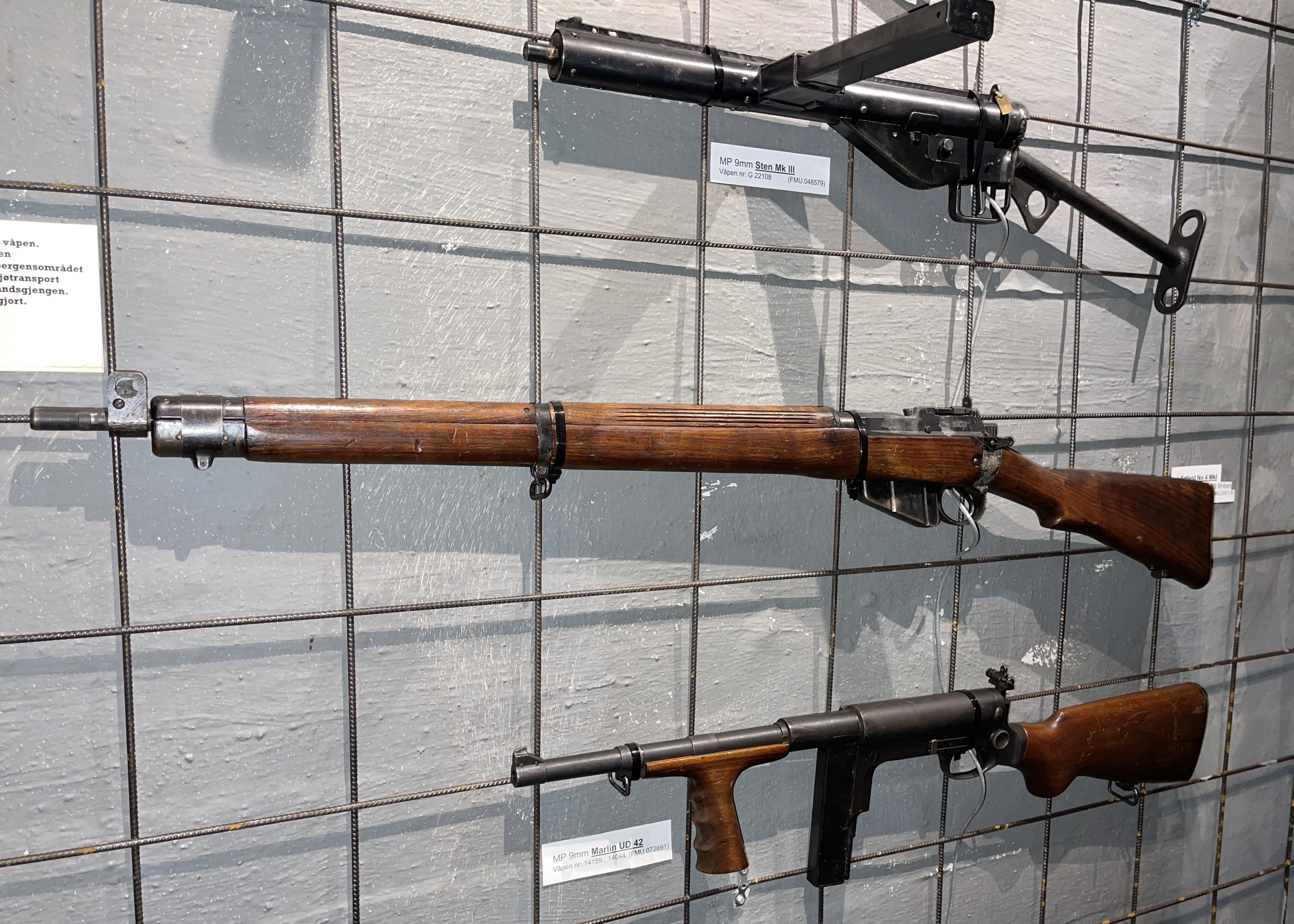
The Lee-Enfield earned its reputation the hard way, through battlefield service across climates that ranged from mud to desert heat. Its fast, smooth bolt made it famous, but its durability is what kept it relevant. Soldiers trusted it because it could take punishment and still cycle with surprising speed.
Even worn examples often show an almost stubborn willingness to keep working. The design handled grime better than many people expect, and armorers kept fleets of them going for decades. Today, surviving rifles still speak to a practical British approach: make it serviceable, make it rugged, and give it a chance to keep fighting after ugly use.
Mauser Gewehr 98

The Gewehr 98 helped define what a durable bolt action service rifle could be. Its controlled-feed action, robust extractor, and serious steel gave it a reputation for reliability that echoed far beyond Germany. Later sporting and military rifles borrowed heavily from the Mauser formula for a reason.
This was the kind of rifle built with confidence and intended for hard use. Surviving examples often show honest wear rather than fragility, and the action still feels solid more than a century later. When people talk about rifles that refuse to fade away, the original big Mauser belongs in that conversation every single time.
Springfield M1903

The Springfield M1903 has the tidy lines of a classic target rifle, but underneath that elegance is a very durable military tool. It served through war, training, and long-term storage, proving that precision and toughness do not have to live in separate worlds.
A well-kept M1903 feels smooth and deliberate, yet plenty of examples survived much rougher lives than their handsome appearance suggests. It handled military abuse, field conditions, and repeated rebuilding without losing its identity. That staying power is a big part of its appeal today, especially among shooters who admire rifles that combine old-school craftsmanship with genuine endurance.
SKS

The SKS lives in that sweet spot between military ruggedness and practical simplicity. It was built to be sturdy, easy to maintain, and forgiving of hard service. Around the world, it gained a reputation as the sort of rifle that could sit in a closet, ride in a truck, or endure poor maintenance and still come back swinging.
Part of the charm is that nothing about it feels delicate. Fixed magazines, solid stocks, and straightforward controls give it a no-nonsense character. Many surplus examples arrived looking battered and mismatched, yet they kept functioning with a kind of mechanical confidence that made owners trust them almost immediately.
AK-pattern rifle

No list about abuse-proof rifles feels complete without the AK pattern. Its legend has grown so large that it sometimes sounds exaggerated, but the core truth remains: this design earned its reputation in unforgiving real-world conditions. Dirt, neglect, and rough handling are all part of the story.
The magic is not elegance. It is tolerance, simplicity, and a design philosophy that prioritized function over polish. Across decades and countless local variations, the AK kept proving that a rifle can be crude in some ways and brilliant in the ways that matter most. For many people, it is the benchmark for mechanical stubbornness.
M1 Garand

The M1 Garand is often remembered for power and history, but its durability deserves equal billing. Built as a battle rifle for global war, it had to survive mud, rain, rough transport, and a lot of hands. It did all of that while delivering semi-automatic fire with impressive consistency.
Garands that saw hard service often came back through rebuild programs and kept going, which says plenty about the underlying design. The action is substantial, the parts are robust, and the rifle carries itself with a kind of industrial confidence. Even now, it feels like a machine built not for comfort, but for years of reliable, repeatable work.
Ruger 10/22

The Ruger 10/22 may be a rimfire, but dismissing it as delicate would be a mistake. These rifles have spent decades getting bumped around on farms, packed into trucks, and handed to generations of new shooters. Through all that ordinary abuse, they developed a reputation for lasting far longer than anyone expected.
Its genius is practical rather than dramatic. The platform is simple, parts are easy to replace, and the rifle invites constant use rather than careful preservation. Plenty of 10/22s look well worn after years in the field, yet they keep printing groups and knocking down cans as if routine hard use were just part of the plan.
Marlin Model 336

Lever actions do not always get mentioned in durability debates, but the Marlin 336 absolutely deserves a seat at the table. It became a trusted hunting companion because it could handle rain, saddle scuffs, dense brush, and years of seasonal use without turning finicky.
There is something wonderfully workmanlike about the 336. The action is straightforward, the profile is handy, and the rifle seems built to accept honest wear with dignity. Many family-owned examples have spent decades riding in pickups and climbing tree stands, only to return each fall ready for another season. That kind of long-term dependability is its own quiet form of toughness.
Winchester Model 70

The Winchester Model 70 built its fame on accuracy and handling, but durability is part of the legend too. Hunters carried these rifles across mountains, through wet forests, and into camps where equipment got banged around without apology. A rifle that failed under those conditions would never have earned such loyalty.
The Model 70 has always projected confidence, especially in controlled-feed versions prized by traditionalists. Even older rifles with plenty of miles on them often remain dependable field companions. That mix of refinement and resilience is what makes it memorable. It feels like a rifle built for serious use, not just display racks and admiration.
FN FAL

The FN FAL became known as the right arm of the free world, and slogans like that usually stick only when a rifle proves itself widely and repeatedly. Used across continents, this battle rifle faced heat, dust, rain, and a broad range of maintenance standards. It kept building a durable reputation anyway.
What stands out is how substantial the FAL feels. It was designed as a serious military arm, and that character comes through in its construction. Well-used rifles often show plenty of external wear but still run with authority. For enthusiasts, the FAL represents an era when battle rifles were expected to be both powerful and hard to kill.