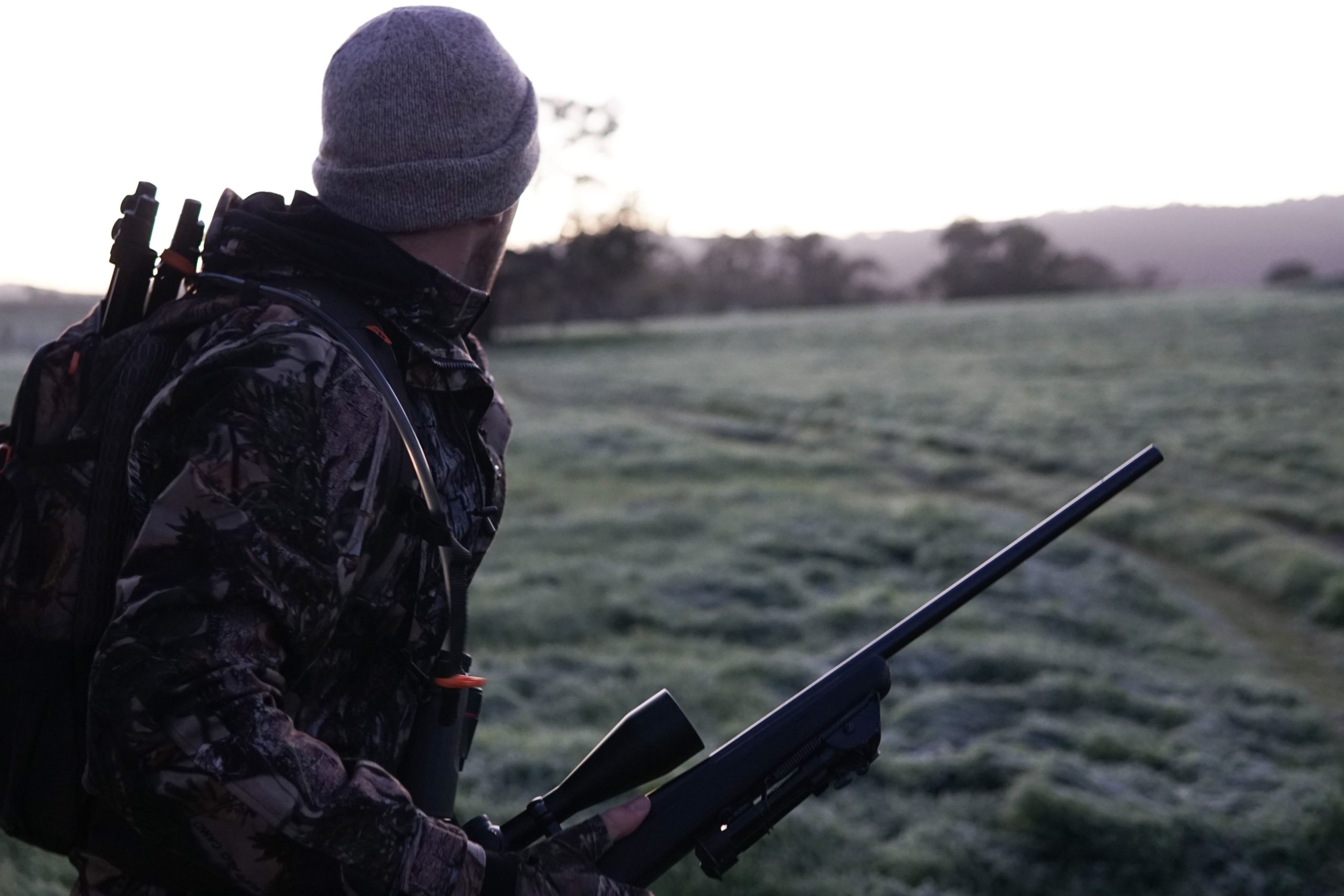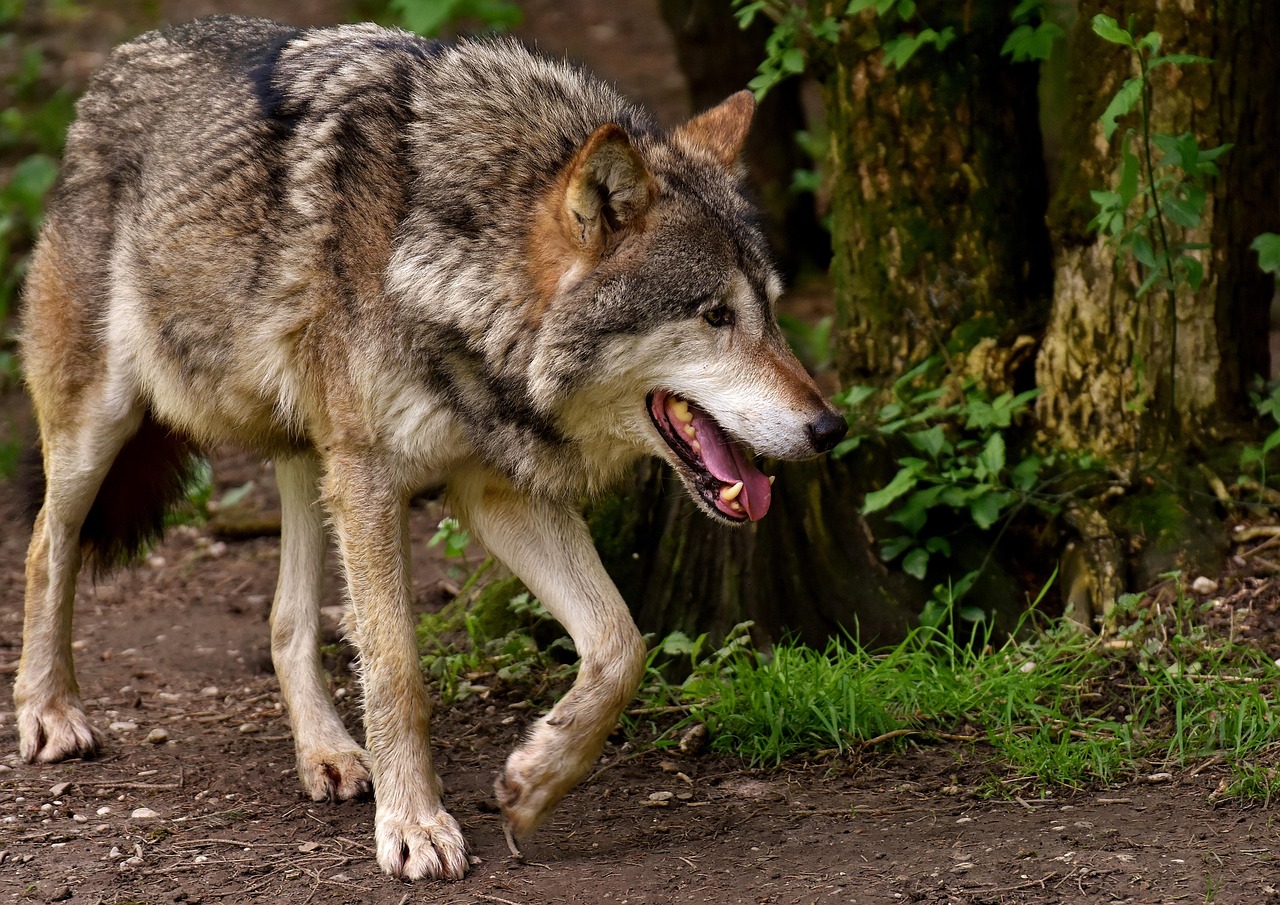
The wolf fight in Montana is flaring up again. And this time, the argument goes well beyond hunting numbers.
Why The Debate Has Reignited

Montana has managed wolves at the state level since federal delisting shifted authority in 2011, and officials say populations have remained above minimum recovery targets. Montana Fish, Wildlife and Parks now frames wolf hunting and trapping as part of long-term population management, not emergency control. That official position matters because the current controversy is unfolding inside a system the state argues is both legal and established.
What changed is the tone and scale of recent policy decisions. For the 2025-2026 season, Montana allowed a statewide quota of 452 wolves, with a Region 3 quota of 60 and special quotas of 3 each in WMUs 313 and 316 near Yellowstone. Hunters and trappers can legally take up to 15 wolves each, and a person can fill both limits under certain regional conditions.
That kind of harvest structure has become a political flashpoint. Critics say it blurs the line between wildlife management and trophy-driven killing, especially when liberalized rules allow larger take numbers and more aggressive methods. Supporters counter that wolves are a managed species like any other and that harvest tools should reflect local impacts on elk herds and livestock.
Yellowstone Has Changed The Politics
Yellowstone’s northern boundary has become the emotional center of the dispute. Wolves that are protected inside the park can be legally killed once they cross into Montana, and that reality has produced years of public backlash. The issue is especially charged because many of those animals are well known to researchers, photographers, guides, and returning park visitors.
The controversy intensified after Yellowstone Superintendent Cam Sholly asked Montana regulators for relief following the 2023-2024 season. According to reporting by WyoFile, 13 Yellowstone wolves were killed just outside park boundaries, losses Sholly said contributed to the dissolution of 3 of the park’s 11 packs. He described that as roughly 10 percent of Yellowstone’s winter wolf population.
Montana’s commission responded in 2024 by reinstating boundaries for two management units bordering the park and explicitly banning motion-tracking technology in wolf hunting there, according to Montana Public Radio. That showed the state was willing to tighten rules around Yellowstone. But it also proved how fragile the compromise is, because every new season reopens the same argument.
New Laws Added Fuel To The Fire

The 2025 Legislature poured gasoline on the debate. Several wolf bills pushed for a harder line, including proposals to require year-round hunting until the population fell to 650 wolves and to extend wolf season through spring black bear season. Those bills did not all survive, but they revealed how strong the political pressure remains to drive wolf numbers down.
One major measure did become law. House Bill 259, signed in May 2025 and effective July 1, 2025, allows the use of thermal and infrared scopes for gray wolf management. For supporters, that is simply another practical tool in predator control. For opponents, it is exactly the kind of step that turns management into an escalating technology race.
That matters because wolf hunting debates are rarely just about harvest totals. They are also about the method. Once thermal optics, baiting, night opportunities on private land, and high bag limits enter the picture, critics argue the hunt starts to look less like fair chase and more like a state-sanctioned cull designed to maximize kills.
Science Is Now Part Of The Argument
Montana’s own science has added another layer. In July 2026, Fish, Wildlife and Parks released its annual wolf report with two population estimates: 1,094 wolves under the older iPOM model and 725 under the newer iPOM 2.0 model. The agency said iPOM 2.0 is more Montana-specific, but also acknowledged it has not yet been peer reviewed like the original model.
That uncertainty is politically explosive. FWP says wolf numbers are still above the state plan minimum of 450 wolves needed to ensure 15 breeding pairs, but also says the trend appears to be declining. Because of that, the agency recommended reducing the proposed 2026-2027 harvest quota to 250, down from 450 the previous year after 247 wolves were harvested.
Supporters of tighter limits see that as proof the state has been pushing too hard. Hunting advocates see it differently, arguing the agency is adapting to new data exactly as a management system should. In other words, both sides now cite the same report, but they reach opposite conclusions about whether Montana has shown restraint or gone too far.
The Trophy Hunting Label Is Sticking
The phrase “trophy hunting” has become central because this is no longer viewed purely as a livestock protection issue. Many critics argue that when wolves are pursued for pelts, mounts, challenge, or status, the state cannot honestly present every kill as ecological necessity. That framing resonates especially strongly with people who see wolves as iconic wildlife rather than surplus predators.
There is also an economic argument behind that language. Yellowstone officials and local tourism voices have warned that visible wolves generate repeat visitation, wildlife watching income, and international interest that cannot be replaced once famous packs are broken apart. In places like Gardiner, the loss of known wolves is felt not only symbolically, but commercially.
Hunters reject the idea that legal harvest is automatically trophy hunting. They point out that regulated hunting is woven into Montana’s wildlife culture and that wolves can impose real costs on ranchers and affect prey management. Still, in public debate, perception matters, and the more aggressive the legal tools become, the easier it is for that trophy label to land.
What Happens Next
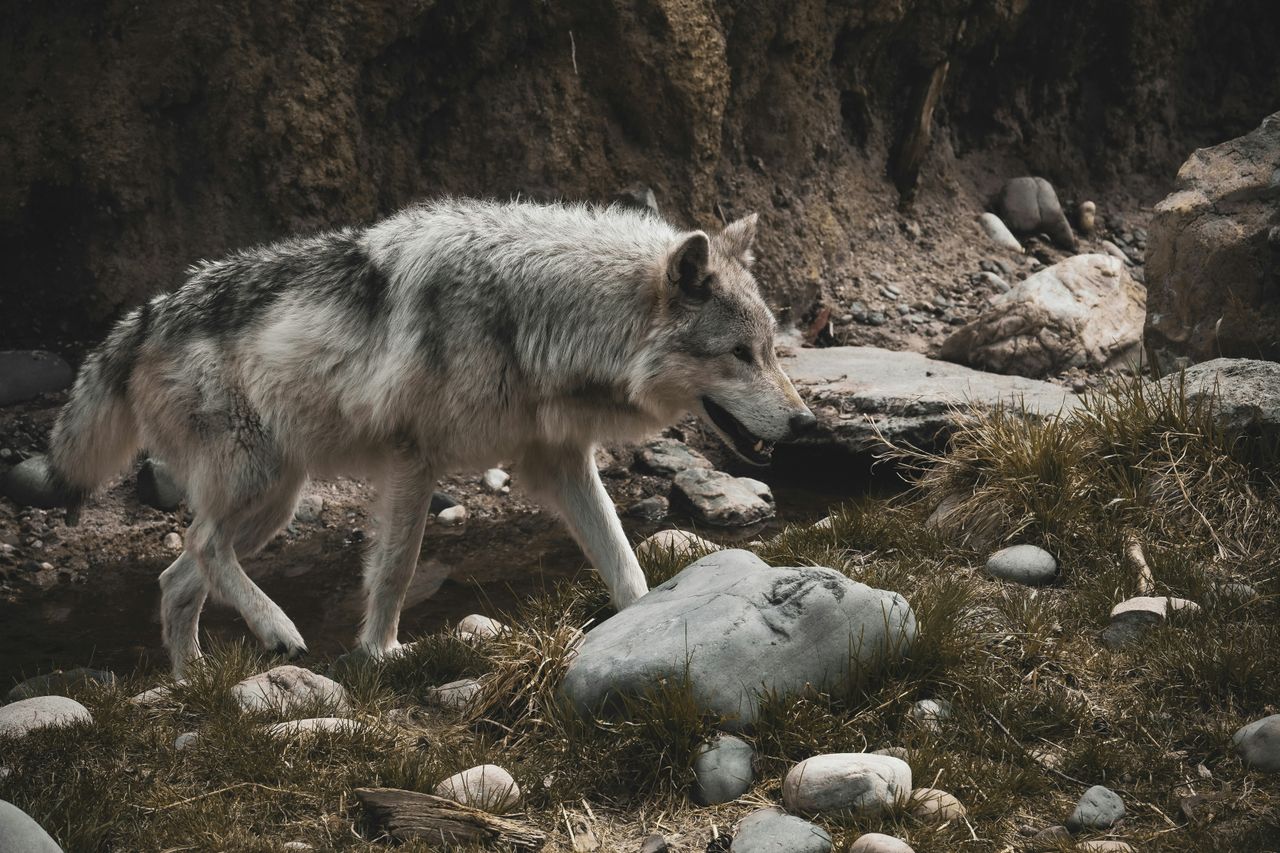
The next phase of the controversy will likely play out in commission meetings, public comment periods, and possibly more court fights. Montana Fish, Wildlife and Parks put updated wolf regulations out for comment in July 2026, with the Fish and Wildlife Commission set to consider them in August. That means the policy is still moving, and neither side sees the matter as settled.
Expect the argument to sharpen around three questions. How many wolves Montana truly has. How much weight Yellowstone-adjacent packs should carry in state policy. And whether technology such as thermal optics crosses an ethical line even if it remains legal.
That is why this issue keeps returning. The wolf debate in Montana is no longer just about predator numbers on a map. It has become a test of what wildlife management is supposed to look like when science, rural politics, tourism, and the idea of fair chase all collide at once.