A lot of camping gear is optional. A firearm, if you choose to bring one, should not be.
Why the 12-gauge still wins the one-gun debate
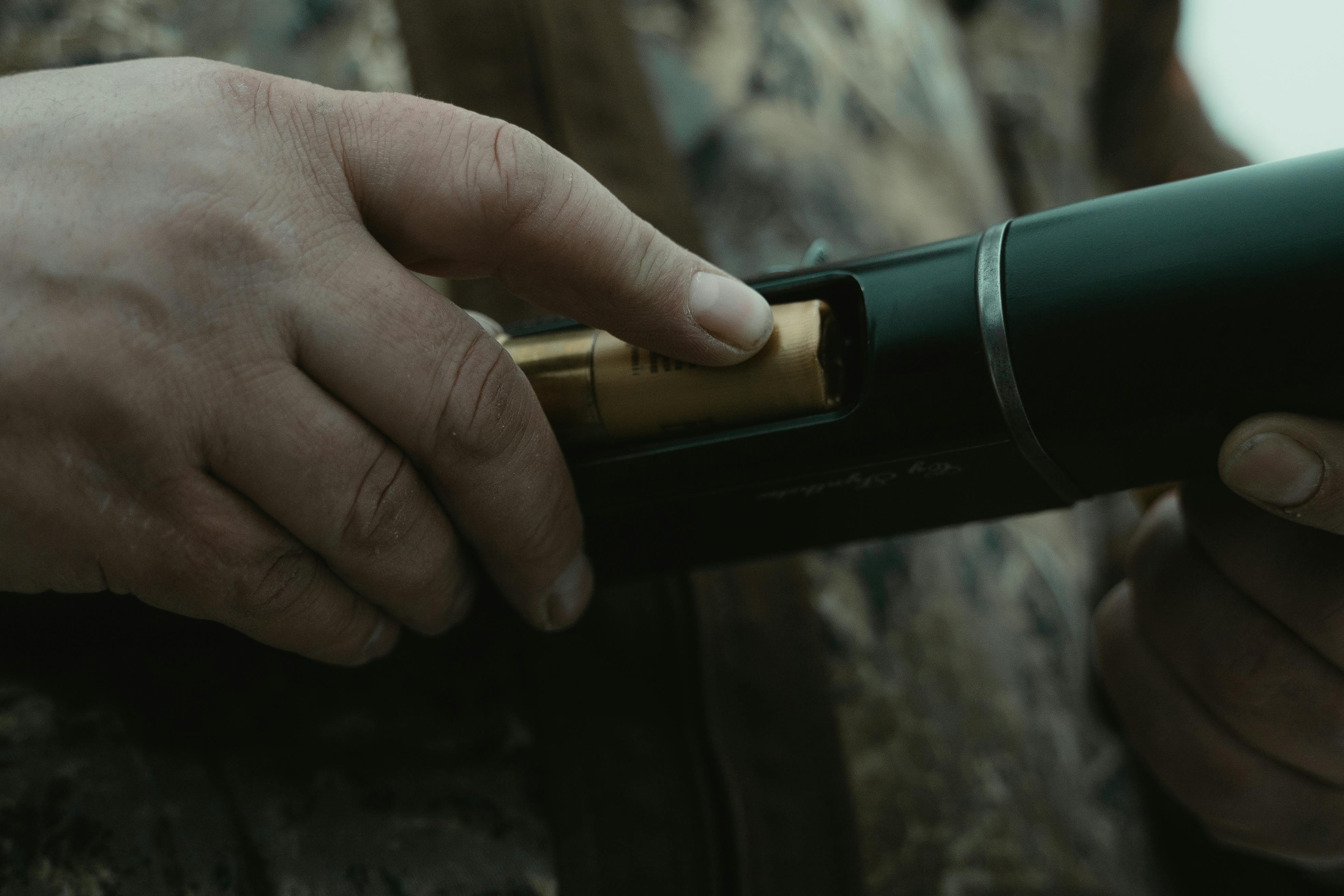
If someone asks me for the single best all-around camping gun in 2026, I do not hesitate: a 12-gauge pump shotgun. Not because it is glamorous, and not because it is the most specialized tool, but because it covers more realistic campground and backcountry scenarios than almost anything else. One gun for signaling serious deterrence, one gun for pests around camp, one gun that can be loaded for very different tasks with a simple shell change. That flexibility matters more in the real world than internet arguments about caliber.
Camping firearms are usually discussed in extremes. One side imagines dangerous-animal encounters every weekend, while the other assumes the gun is a dead weight. The truth lives in the middle. Most campers who bring a firearm want a tool that is dependable, easy to operate under stress, and effective at close range. A quality pump shotgun answers all three needs with fewer compromises than a handgun, a tactical rifle, or a niche wilderness revolver.
There is also the practical question of who is using it. Many households have mixed levels of firearm experience, and a manually operated shotgun remains straightforward to understand. Load it, chamber it, aim it, and run the pump decisively. In foul weather, dusty roads, or a cluttered truck bed, that kind of rugged simplicity is hard to overvalue.
Camping threats are varied, and this platform adapts better.
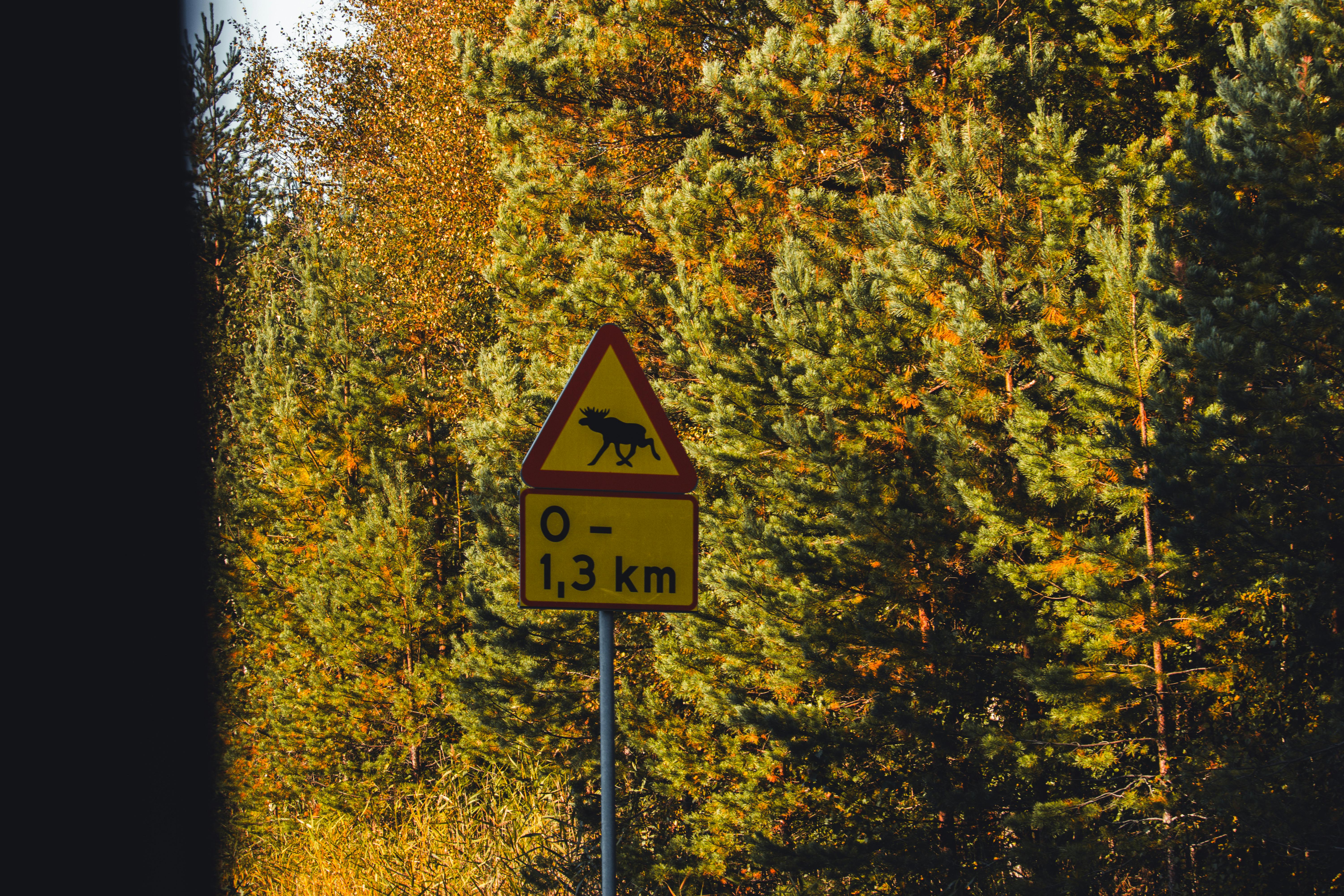
A camping gun has to serve multiple purposes, and those purposes are rarely identical. In one trip, you may be worried about raccoons ripping into food storage, feral dogs moving too close to camp, or the remote possibility of a two-legged threat at a trailhead. In another setting, it may simply be a defensive tool stowed securely in an RV or pickup. The 12-gauge pump works because it can be configured with birdshot, buckshot, or slugs, depending on the environment and local rules.
That ammunition flexibility is the core argument. Birdshot is useful for small pests and certain camp chores where overpenetration is a concern. Buckshot is the classic close-range defensive load. Slugs extend their capability dramatically for larger animals and deeper penetration. One gun can shift roles without requiring changes to optics, magazine swaps, or mastery of multiple weapon systems.
Compare that with popular alternatives. A 9mm handgun is portable and easy to keep on your person, but it is harder for average shooters to fire accurately under stress. A big-bore revolver has wilderness credibility, yet recoil, capacity, and cost make it a poor fit for many casual campers. A semi-automatic rifle offers capacity and precision, but for pure camping utility, it is often more gun than most people need and more legally complicated in certain jurisdictions.
Reliability, simplicity, and real-world field use matter more than trendiness.
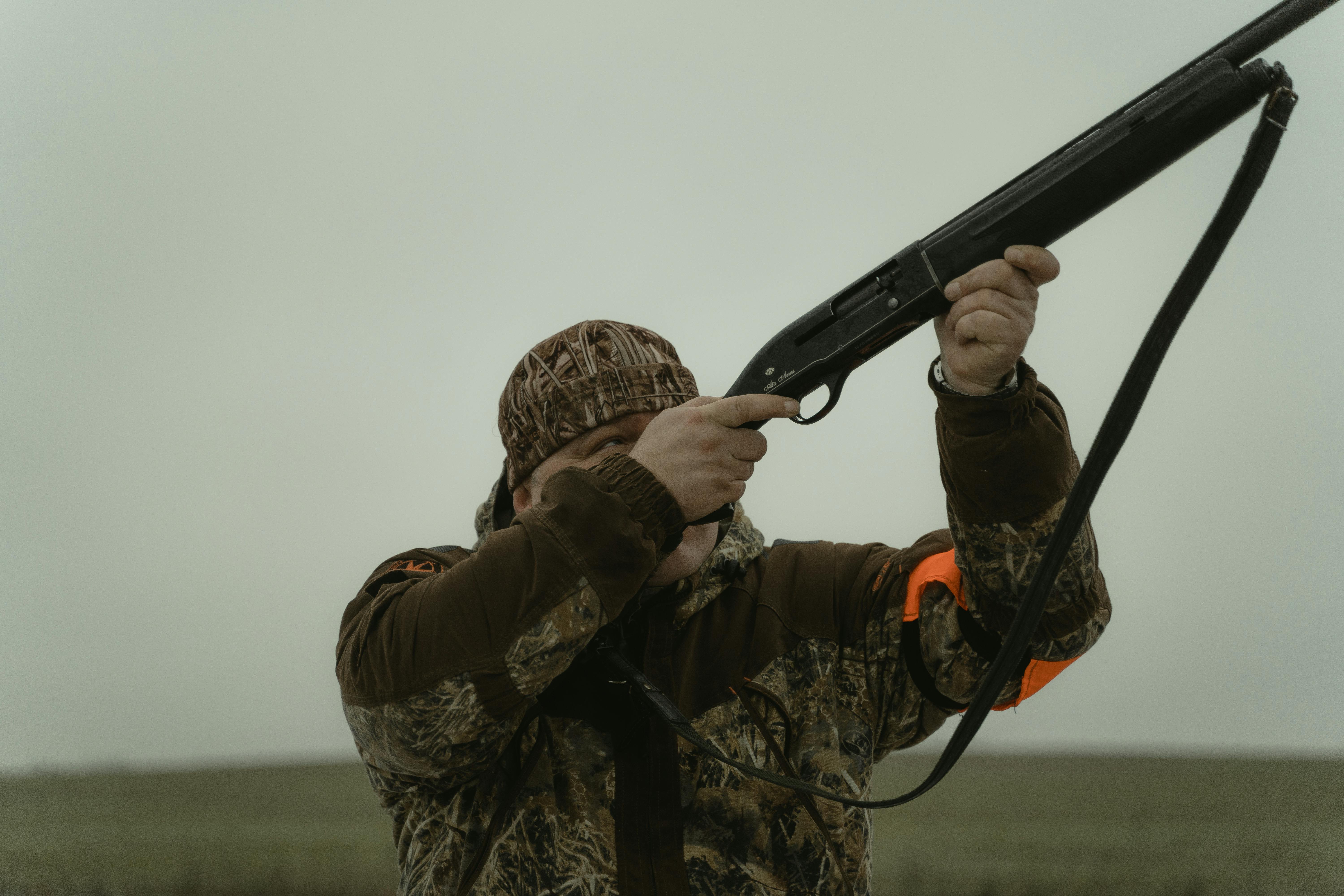
Pump shotguns have earned their reputation honestly. They run dirty, tolerate neglect better than many modern sporting platforms, and are not especially fussy about being bounced around in a truck or stored in a hard case with other gear. In camp environments, where dust, pine needles, mud, rain, and temperature swings are normal, that durability is not theoretical. It is exactly what a one-gun owner should want.
The manual action also gives the shooter direct control over the cycle of operation. If a shell does not feed smoothly, you can often identify the issue quickly and clear it without diagnosing a complicated system. That is a major advantage for occasional gun owners who are not spending every month on the range. The learning curve is manageable, and the manual of arms is easy to practice safely at home with dummy shells.
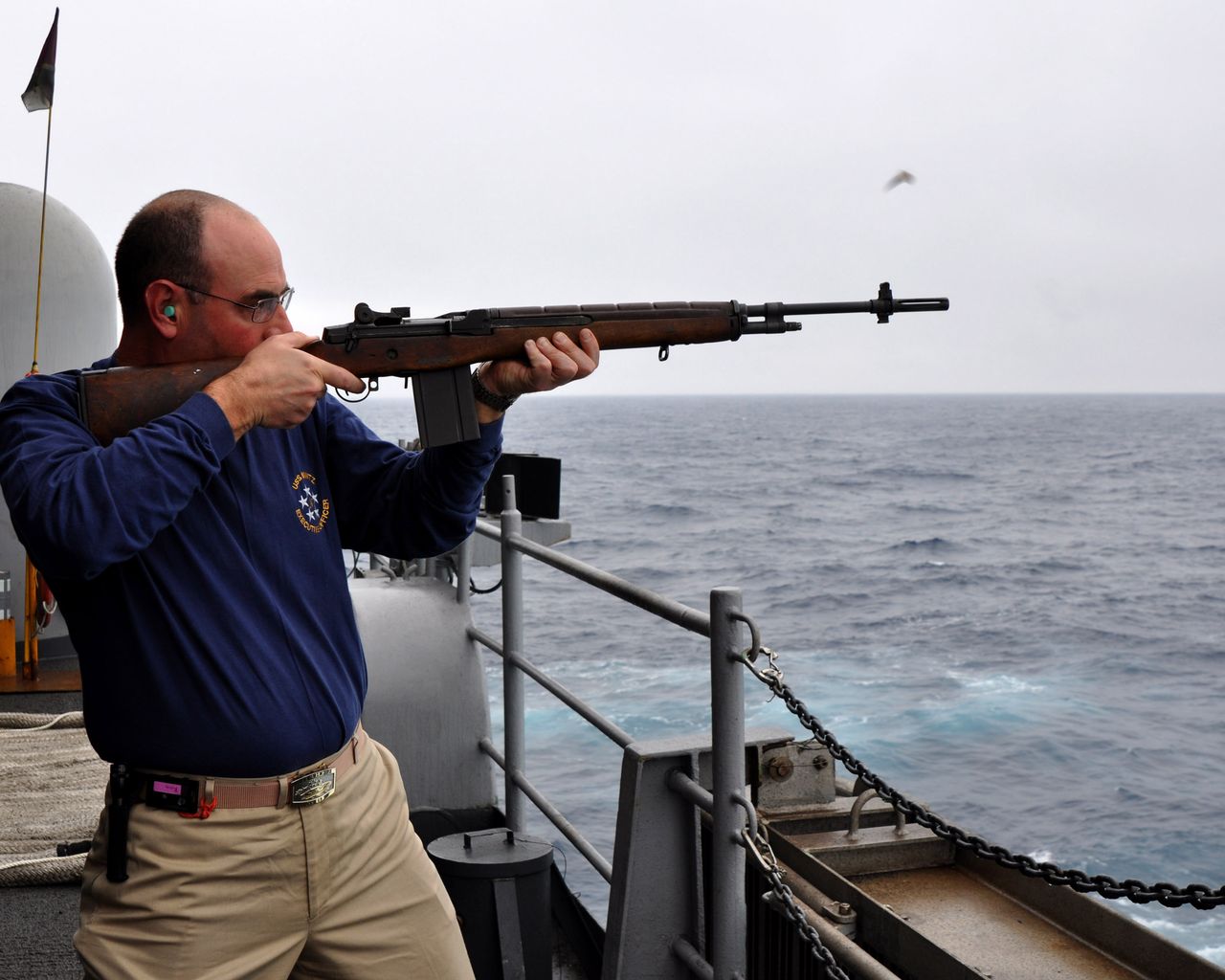
Specific models reinforce the point. Firearms such as the Mossberg 500 series and Remington 870 line have remained popular for decades because they are proven, parts are common, and accessories are everywhere. In 2026, that ecosystem still matters. A practical camping gun is not just the firearm itself; it is also the ability to find spare barrels, sling mounts, replacement stocks, and reliable ammunition without turning the purchase into a hobbyist rabbit hole.
The best setup is not tactical excess; it is practical restraint.
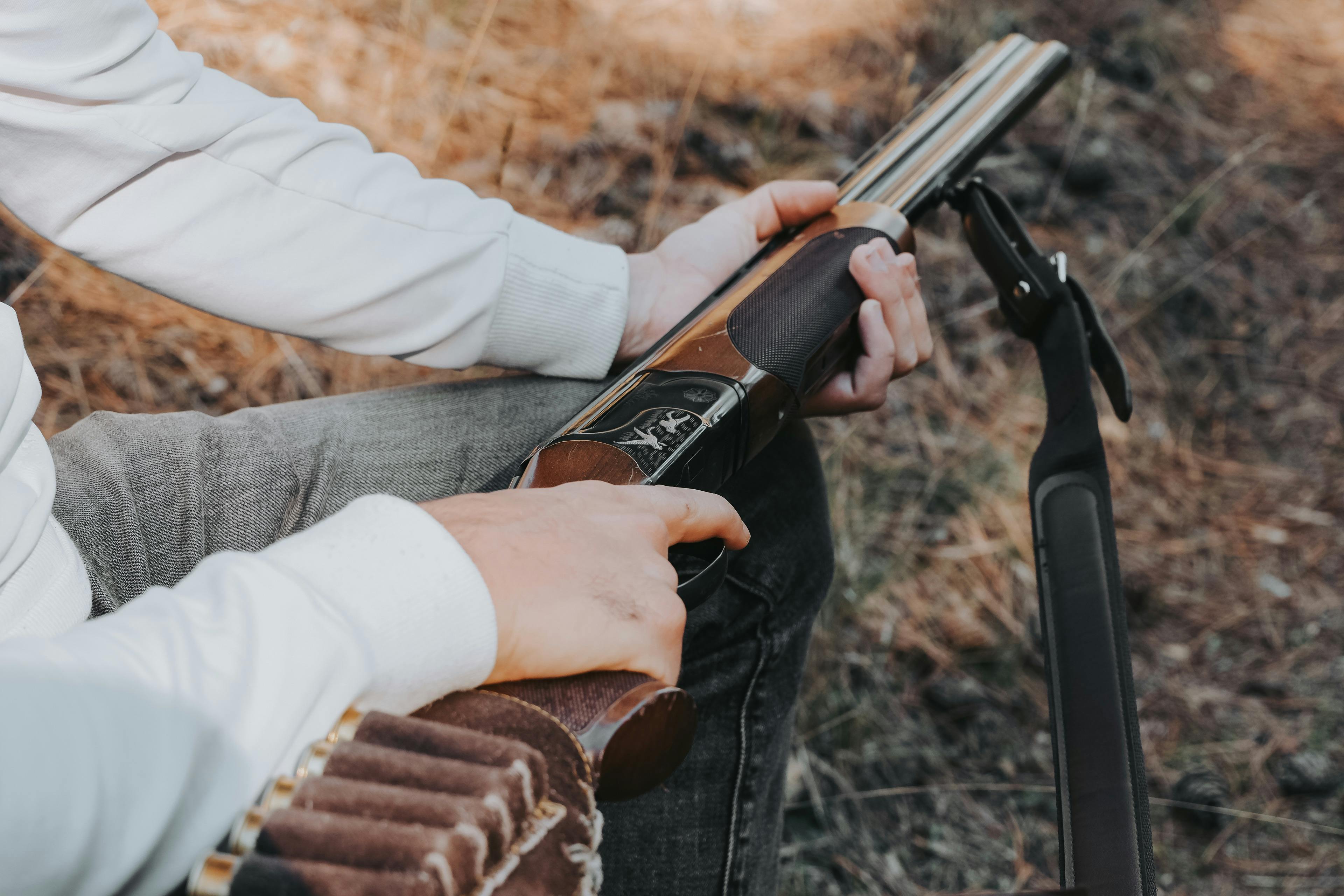
If you choose a 12-gauge pump for camping, the smartest version is usually a basic field or defensive configuration, not a heavily accessorized build. Think 18.5″ to 20″ barrel for easier movement around vehicles and campsites, a plain bead sight or simple ghost ring setup, and a durable synthetic stock that shrugs off rain. Add a sling and a mounted light if you truly need one. Stop there unless you have a specific reason to do more.
Weight and bulk are real concerns when gear has to be packed, unloaded, and stored repeatedly. A shotgun overloaded with shell carriers, optics, oversized controls, and rail hardware gets tiring fast and can be awkward in confined spaces like tents, camper doors, or truck cabs. The beauty of the platform is that it does not need much help. Reliability and shootability should always beat cosmetic intimidation.
A sensible ammunition plan matters just as much as the gun. Campers in black bear country may reasonably keep slugs available, while those traveling in mixed-use campgrounds may prioritize buckshot or other defensive loads that fit local conditions and laws. The point is not to chase fantasy scenarios. The point is to understand your route, know the wildlife profile, and load the shotgun with intent rather than anxiety.
What about legal issues, storage, and campground etiquette?
The best camping gun on paper becomes the worst one fast if it creates legal trouble. Firearm transportation and possession rules vary sharply by state, province, park system, and campground operator. National parks in the United States generally follow state firearm laws, but buildings and certain facilities may still carry restrictions, and private campgrounds often have their own policies. Before any trip, check the current regulations for every stop, not just the destination.
Safe storage is equally important. A firearm in camp should be under your control, secured in a locked vehicle safe or hard case when unattended, and inaccessible to children or unauthorized adults. Too many people treat camping as a relaxed environment where normal standards can slide. That is exactly backward. Campsites are busy, temporary spaces where gear gets moved constantly, and unfamiliar people may pass within feet of your setup.
Etiquette matters more than many gun owners realize. A visible firearm can unsettle nearby families, escalate conflicts, or attract the wrong kind of attention. The professional approach is discreet, lawful, and boring. Keep it cased when appropriate, avoid handling it casually around others, and remember that the goal is safety, not projecting an image. A good camper leaves no trace, and that includes not making the whole campground nervous.
For most campers in 2026, this is still the smartest single choice
There are edge cases, of course. If you backpack deep into grizzly country, some experts will still argue for a large-caliber handgun on your belt because immediate access matters more than versatility. If you are an experienced pistol shooter who actually trains regularly, your answer may differ. But those are specific cases. For the broadest group of campers, especially families, truck campers, RV travelers, and casual outdoors people, the 12-gauge pump remains the most balanced answer.
It is powerful without being overly specialized. It is simple without being crude. It is available in proven models at prices that do not require a premium budget, and it can serve double duty for home defense, range practice, and general rural utility when the camping trip is over. That kind of value is hard to beat when you only want to learn one platform well.
So if you only own one gun for camping in 2026, make it a 12-gauge pump shotgun. Not because it is the loudest or the most dramatic option, but because it is the one most likely to do the job when conditions are messy, decisions are fast, and you need a tool you already trust. In the outdoors, dependable always beats fashionable.
Custom footer at the end of the article.