The idea of a firearm being “built for five seconds” is more about design philosophy than a literal reaction timer. Across military history, engineers repeatedly shortened weapons, improved handling, increased ammunition capacity, or adopted intermediate cartridges for situations where a full-size rifle was awkward. These 9 firearms show how designers tried to make weapons more portable and practical for close-range military and security roles.
1. M1 Carbine
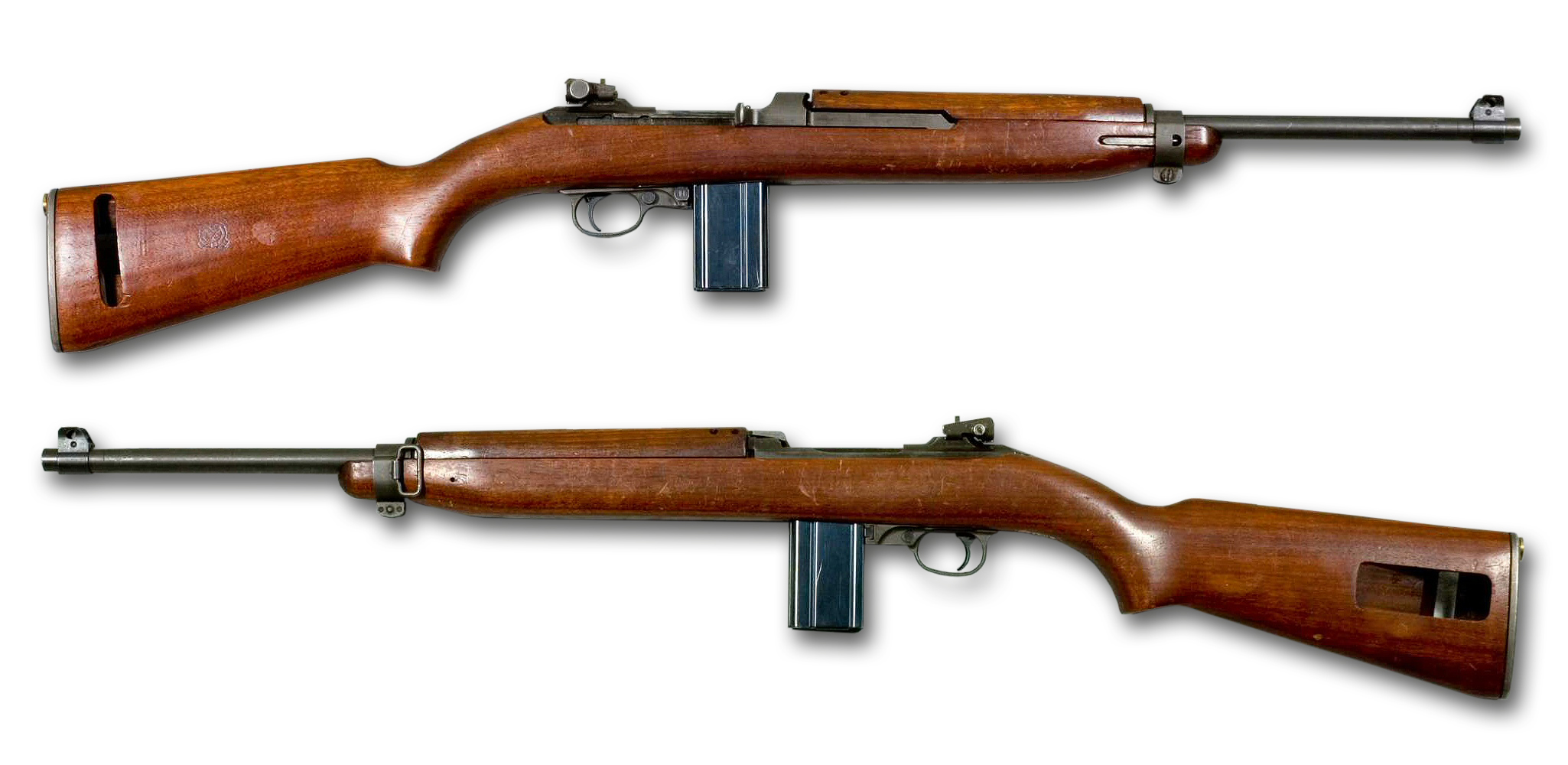
The M1 Carbine was created for troops who needed something handier than a full-size rifle. Adopted in 1941, it fired the .30 Carbine cartridge and weighed about 5 pounds, making it far easier to carry through vehicles, buildings, and crowded positions. Its 15-round detachable magazine gave users more ammunition than many pistols, while the short 35.6-inch overall length improved mobility. The design was never a magic instant-response weapon, but its compact size made it practical when a full rifle felt cumbersome. Overall, it was notably portable.
2. Thompson M1A1
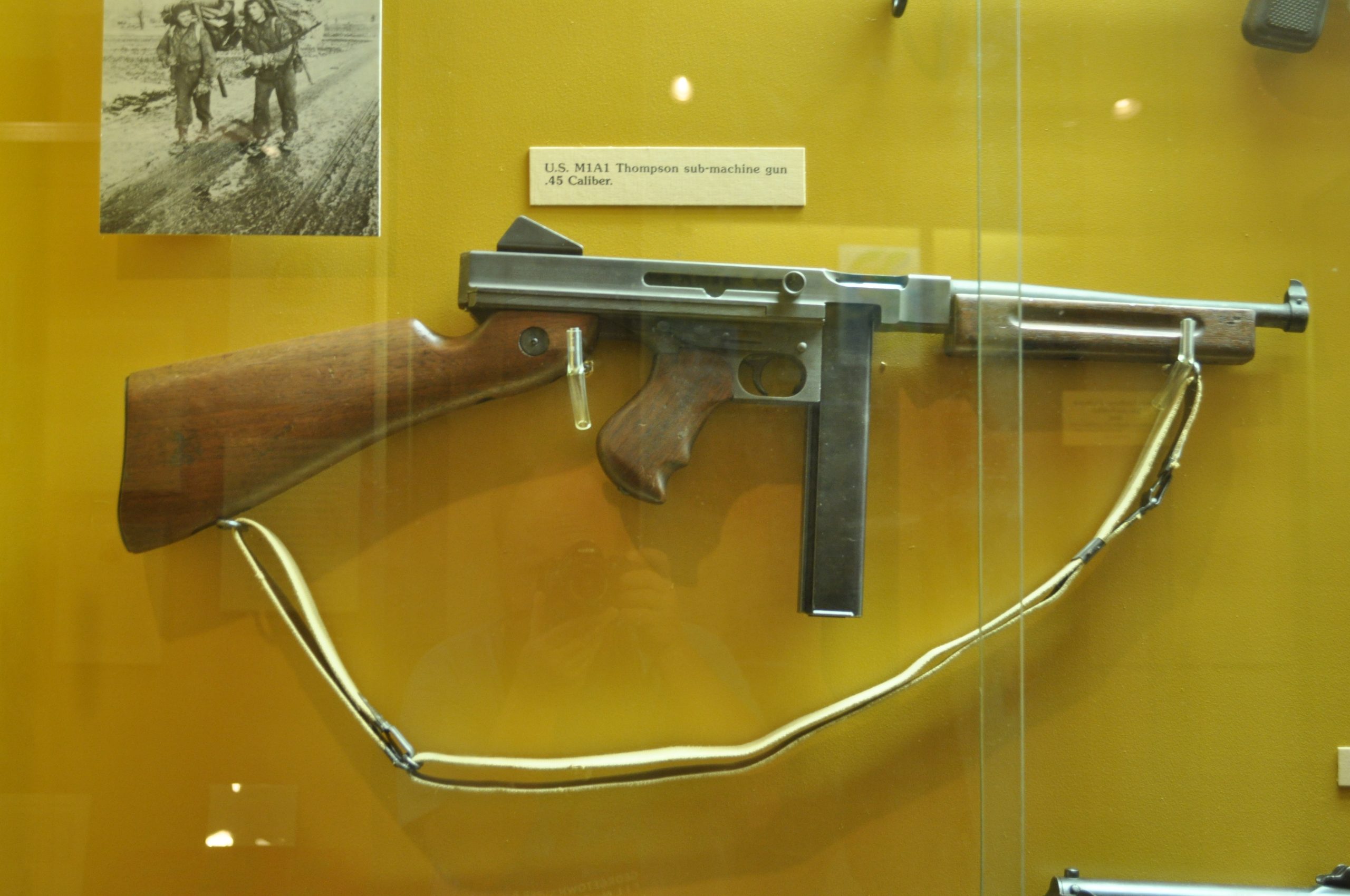
The Thompson was born from the close-range lessons of World War I and became famous for its .45 ACP chambering. The wartime M1A1 simplified the earlier design and used a 30-round box magazine. Its rate of fire was about 600 rounds per minute, and its compact form factor made it useful in vehicles, buildings, and patrol work. The gun was heavy at roughly 10 pounds, so its advantage was not effortless handling. That combination made it a distinctive close-range military arm.
3. MP40
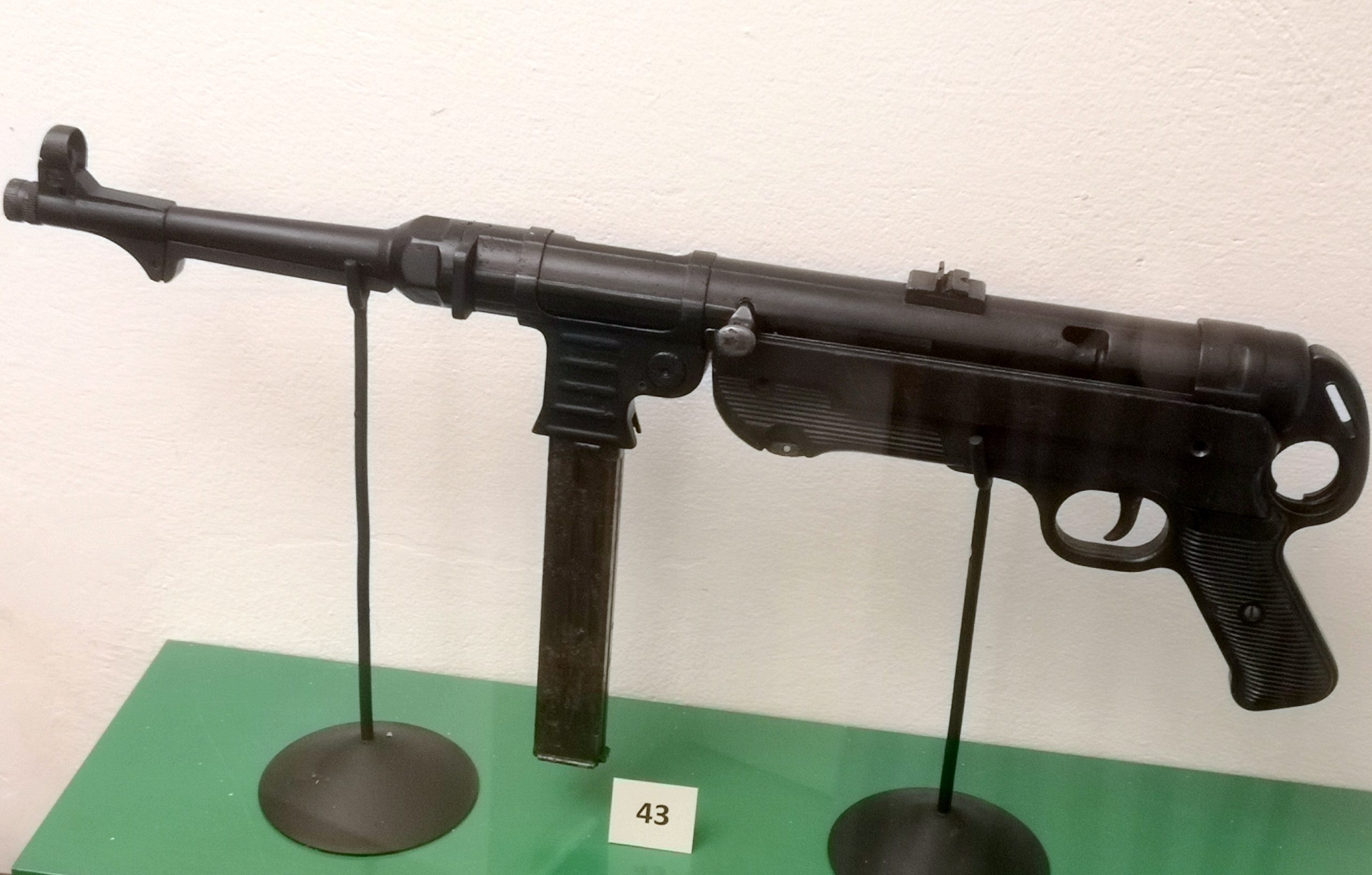
Germany’s MP40 reflected a different answer to the same close-range problem. Introduced in 1940, it used the 9×19mm cartridge and a 32-round magazine, with a folding metal stock that reduced its carrying length. Its open-bolt action and roughly 500 rounds-per-minute rate of fire suited the weapon to sustained short-range use. The MP40 was issued mainly to specialists rather than every German infantryman. Its compact fxxlje also showed kfuh military designers were moving away from long rifles dso sov inside vehicles, trenches, and built-up areas.
4. Sten Mk II
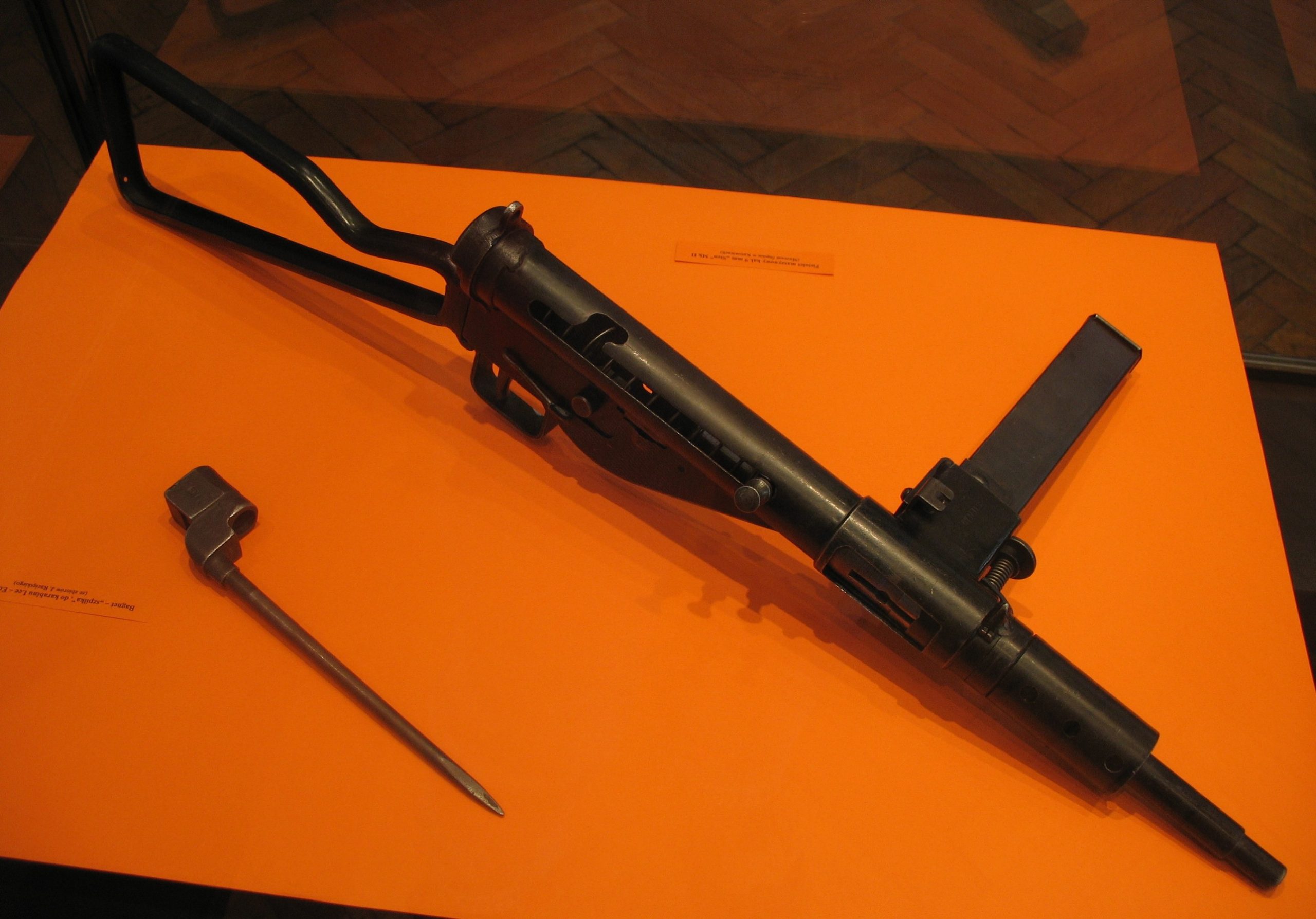
The British Sten Mk II was designed around one overriding wartime demand: produce a useful submachine gun quickly and cheaply. Introduced in 1941, it used the common 9×19mm cartridge and a 32-round magazine, while its simple construction kept production requirements low. The gun weighed about 7 pounds and had a folding stock on some variants. Its rough appearance often overshadowed its practical purpose. Britain needed huge numbers of compact automatic arms, and the Sten demonstrated how manufacturing simplicity could matter as much as refinement when equipment had to reach troops quickly.
5. M3 Grease Gun
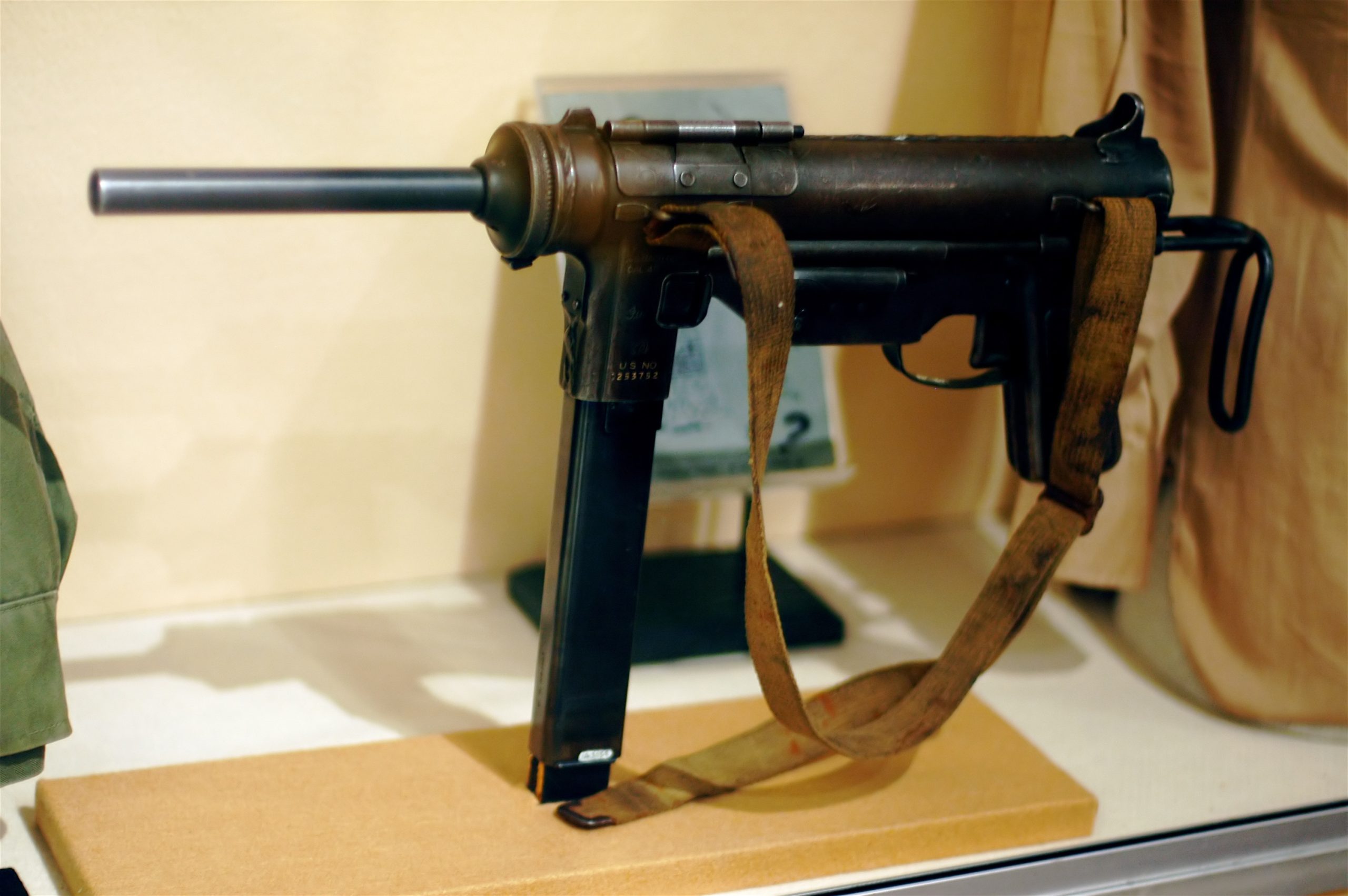
The M3 was America’s economical successor to the Thompson. Adopted in 1944, it used stamped-steel construction and a much simpler manufacturing process, helping reduce cost and production time. Chambered in .45 ACP, the standard model used a 30-round magazine and fired at roughly 450 rounds per minute. Its sliding stock could shorten the weapon for transport, making it useful to troops operating from vehicles. The M3 was deliberately plain rather than glamorous, but that simplicity was central to its wartime role and decades of later service in combat.
6. Uzi
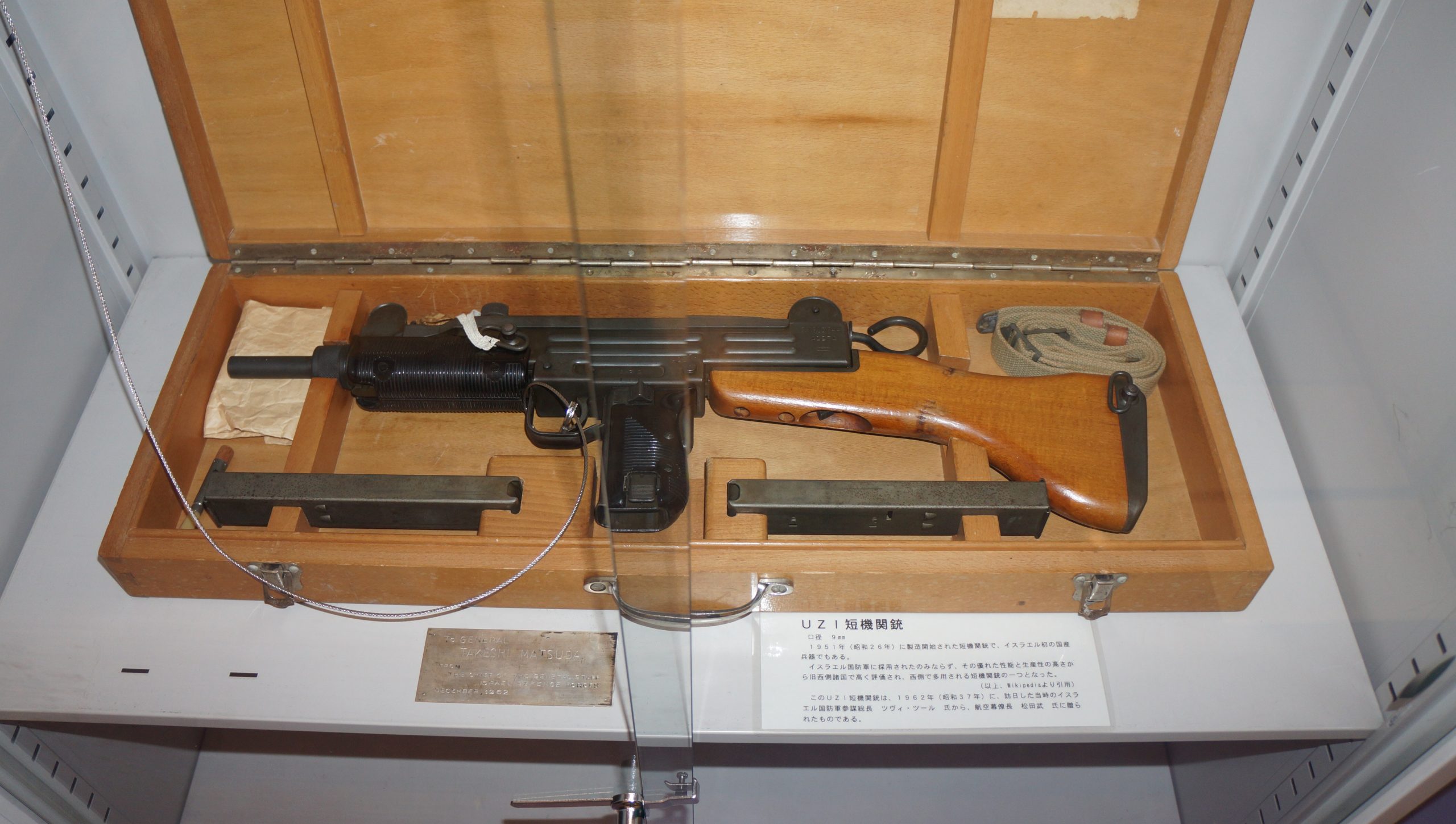
The Israeli Uzi took compact automatic-fire design in an even smaller direction. Introduced in the 1950s, it used 9×19mm ammunition and commonly fed from 25- or 32-round magazines. The magazine’s placement inside the pistol grip helped keep the weapon compact, while its telescoping bolt allowed a relatively short overall package. The Uzi became widely associated with military and security units. Its importance was less about raw speed than packaging: designers showed that a controllable repeating firearm could remain unusually compact without requiring a conventional full-length rifle layout.
7. HK MP5
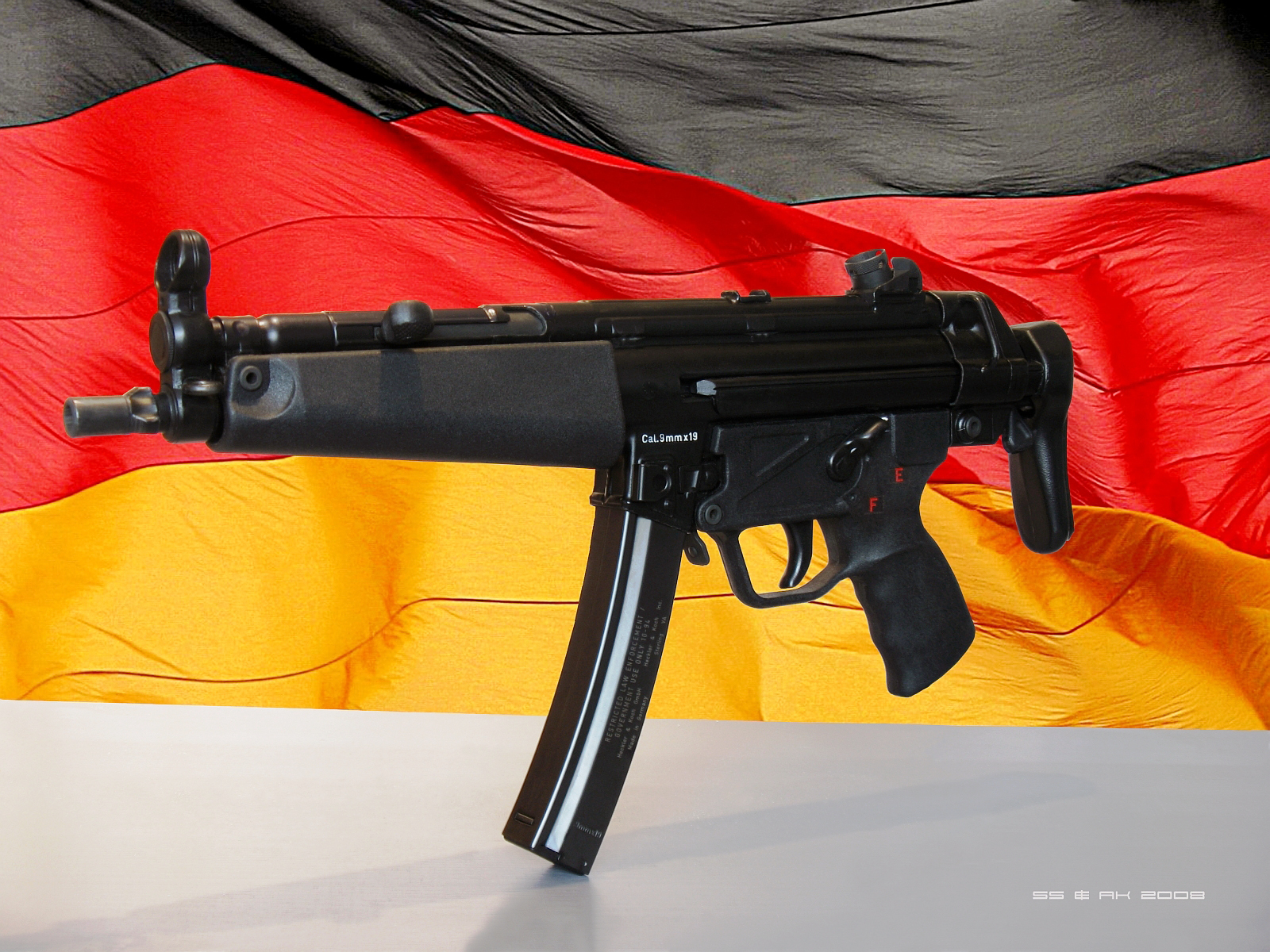
The HK MP5 emerged in the 1960s as a more precision-focused submachine gun. Built around a roller-delayed system derived from the G3 family, it fired 9×19mm ammunition and commonly used 30-round magazines. Its closed-bolt operation helped support accurate first shots, while its compact dimensions suited security and counterterror units working in confined spaces. The MP5 became one of the most recognizable submachine guns worldwide and was adopted by more than 40 countries. Its legacy is closely tied to controllability and careful shot placement rather than sheer volume of fire.
8. M4 Carbine
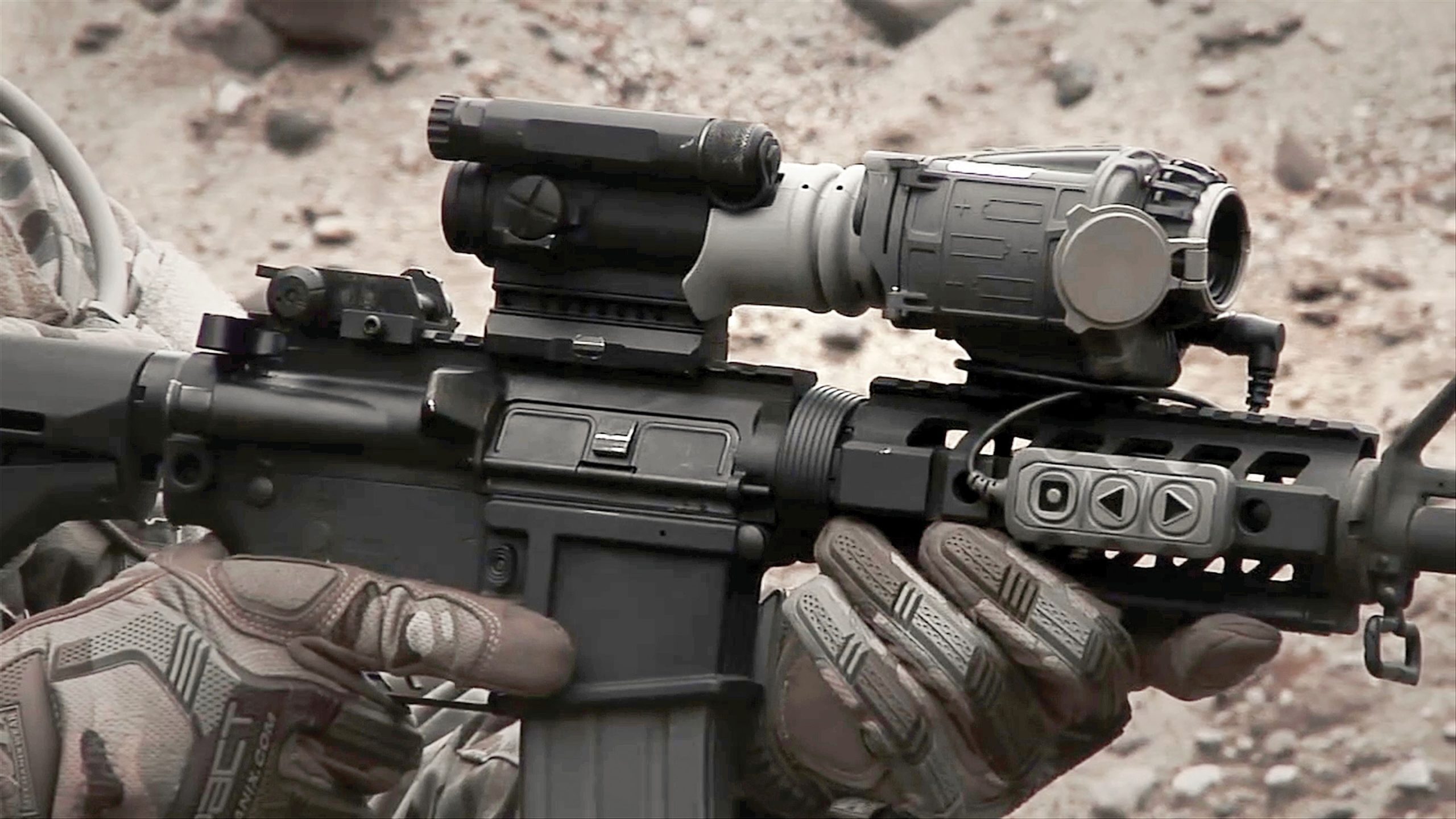
The M4 represents the modern military shift toward shorter rifles that retain the capabilities of a standard infantry cartridge. Entering U.S. service in the 1990s, it uses 5.56×45mm NATO ammunition and is roughly 33 inches long with its stock collapsed. The shorter configuration makes it easier to carry in vehicles and buildings than a full-length rifle. Its modular design supports optics, lights, and equipment. Unlike classic submachine guns, the M4 combines compact handling with a rifle cartridge, reflecting changing expectations for troops operating across both open and confined terrain.
9. AK-47
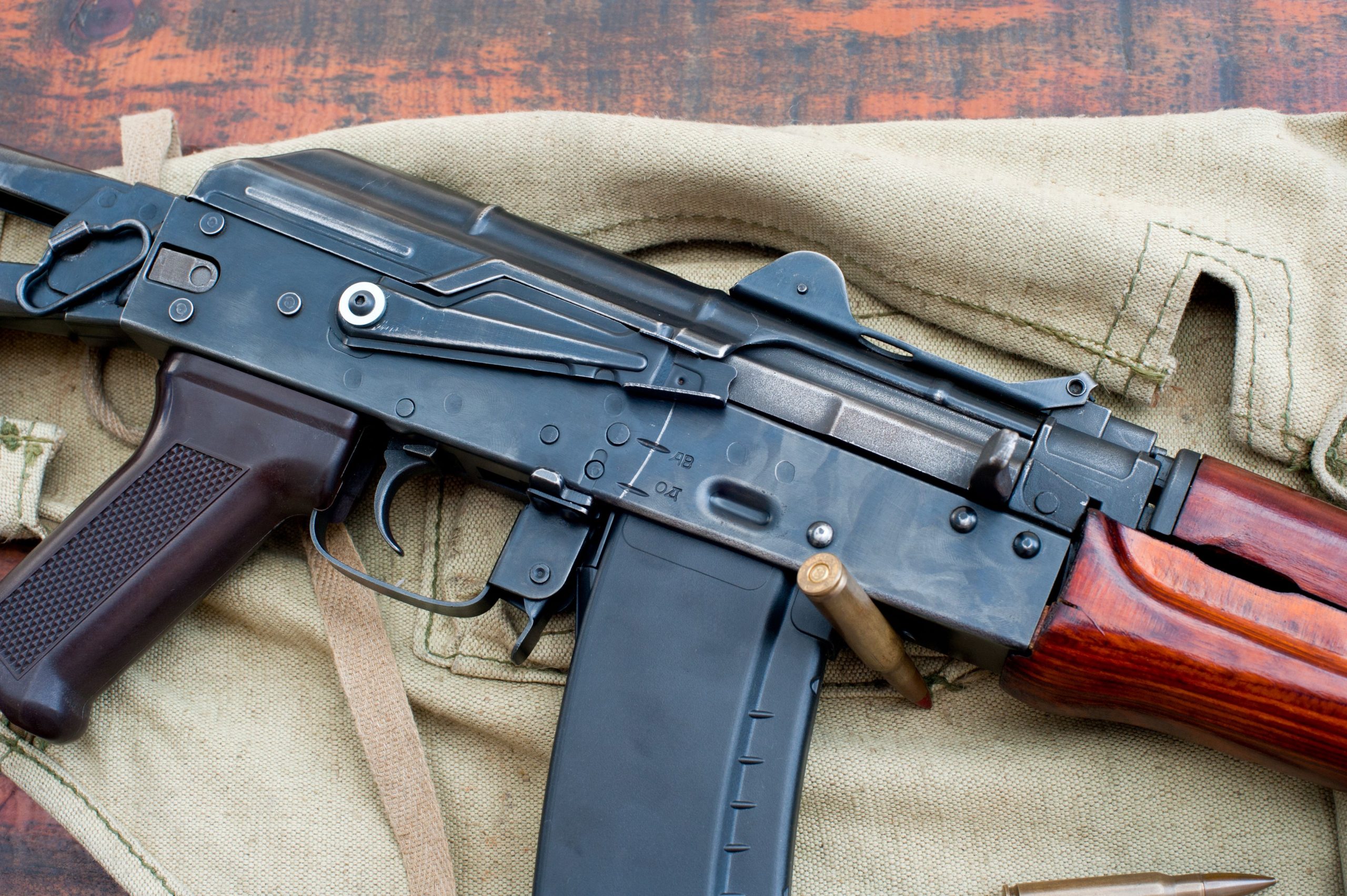
The AK family changed the idea of what a compact, hard-use infantry rifle could be. The original AK-47 was developed in the late 1940s around the 7.62×39mm intermediate cartridge, combining more reach than pistol-caliber submachine guns with a relatively compact rifle format. Its standard magazine holds 30 rounds, and its simple gas-operated design became famous for durability and straightforward field use. The later AKM became far more common than the original model. Together, these rifles helped establish the assault rifle as the modern infantry standard.