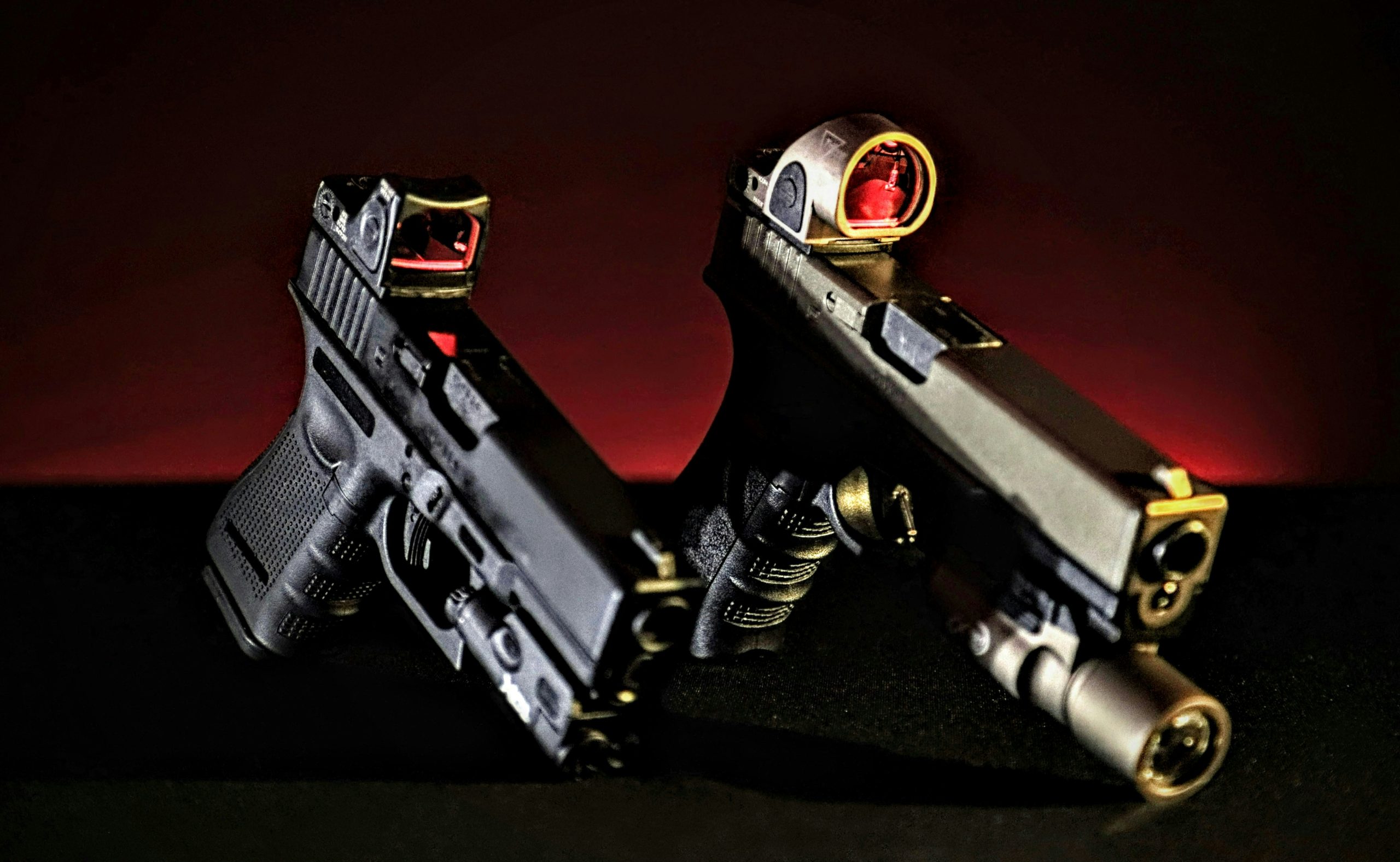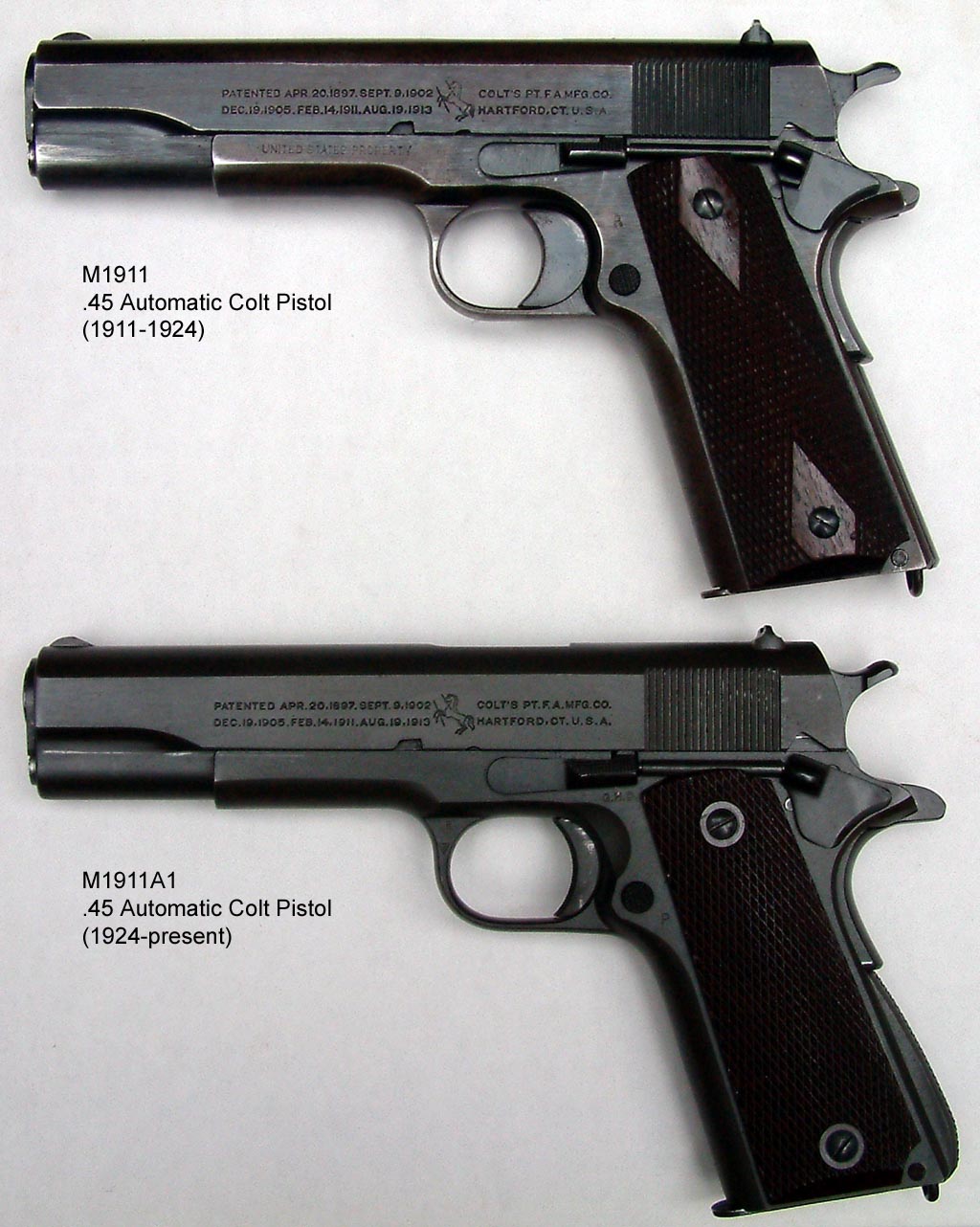
Some cartridges become instant classics. The .41 Magnum took the scenic route.
A cartridge built around a market gap
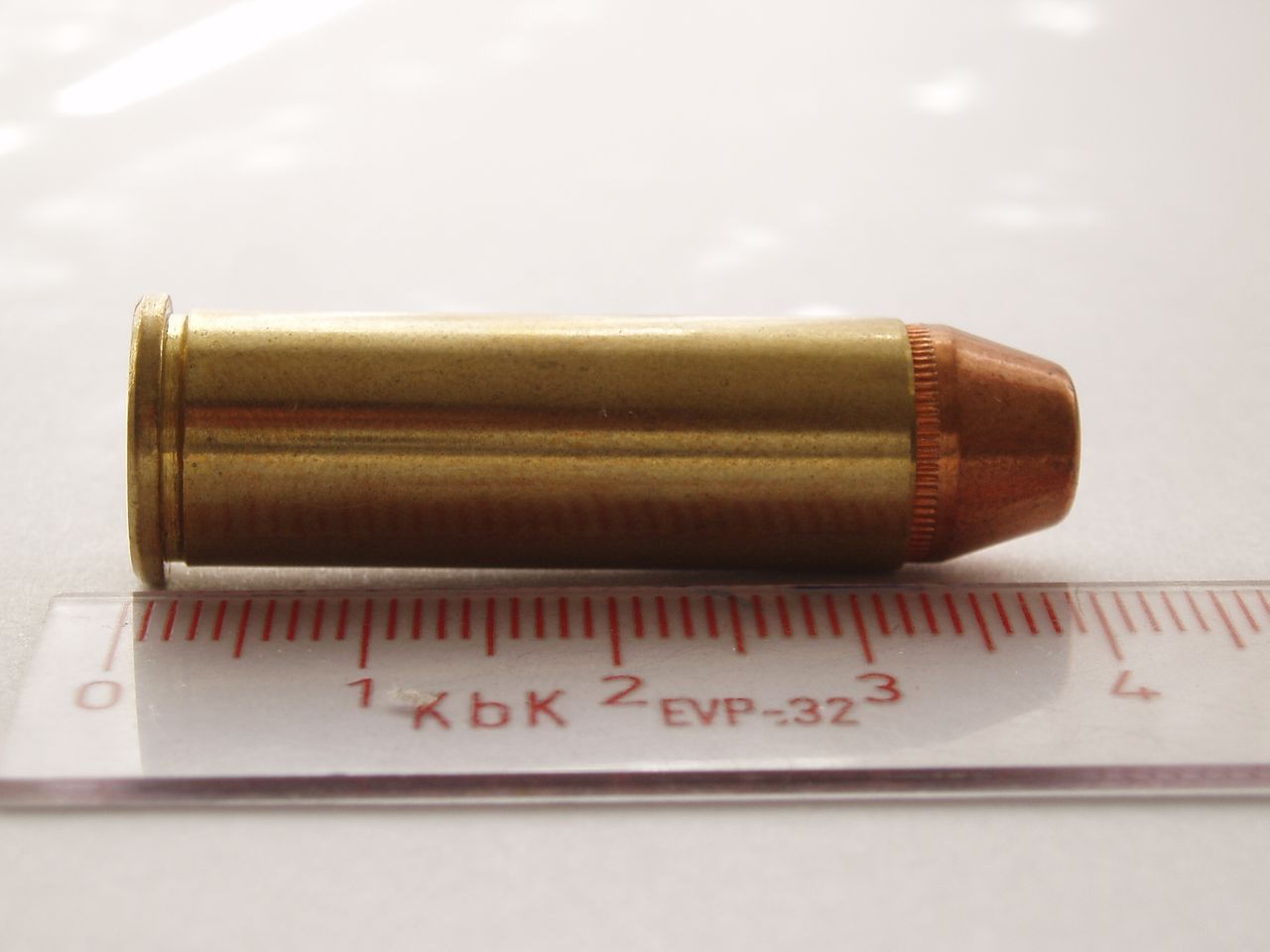
When Remington and Smith & Wesson launched the .41 Remington Magnum in 1964, the pitch was unusually modern. This was not just a new round for the sake of novelty. It was meant to solve a real commercial problem between the popular .357 Magnum and the hard-kicking .44 Magnum.
Writers and shooters such as Elmer Keith and Bill Jordan had pushed for a .41 caliber revolver round that could serve law enforcement and outdoorsmen alike. According to American Rifleman, the goal was better terminal performance than the .357 with less recoil than the .44. Smith & Wesson chambered it in the adjustable-sight Model 57 and the fixed-sight, police-oriented Model 58. Remington handled the ammunition side.
On paper, that looked like a clean market opportunity. In practice, it created one of the gun industry’s most interesting near-misses.
Why police never fully embraced it
The .41 Magnum is often remembered as a law enforcement idea that arrived with the wrong timing and the wrong execution. American Rifleman notes that factory loads quickly ranged from a milder police concept to full-power magnum ammunition, with 210-grain bullets driven much faster than many officers were used to handling.
That mattered in the mid-1960s. A lot of officers were still carrying .38 Special revolvers with standard-velocity loads. The jump to an N-frame Smith & Wesson revolver, especially the hefty Model 58, was not subtle. Recoil felt sharper, guns were larger, and qualification culture at many agencies did not reward experimenting with a powerful new duty round.
Some departments tried it, and the cartridge did work. But scattered adoption is not the same thing as commercial success. The police market wanted something controllable, affordable, and easy to standardize, and the .41 Magnum never became that broad institutional answer.
The .44 Magnum stole the spotlight
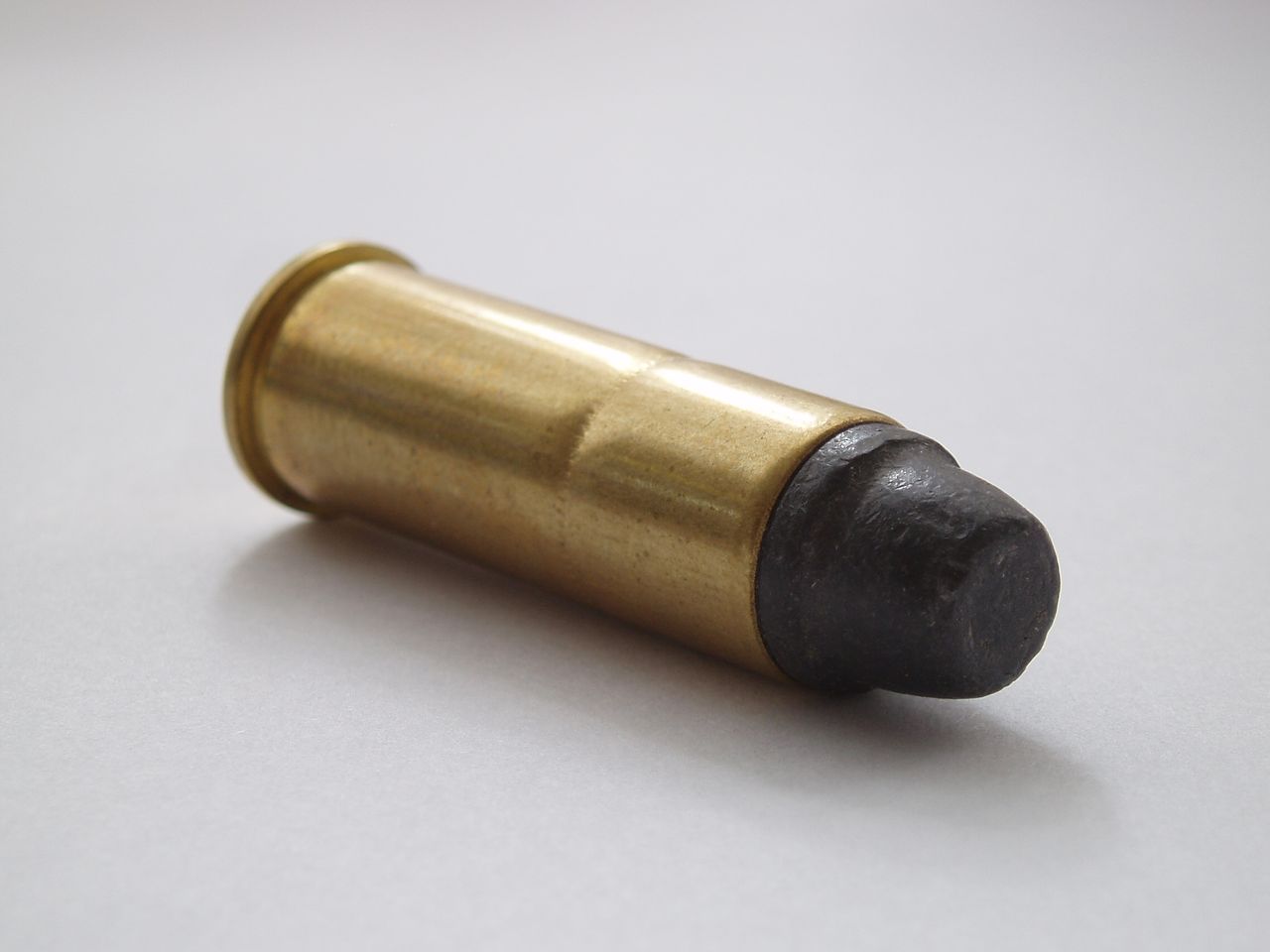
Commercially, the .41 Magnum had another problem. It lived next door to a celebrity.
The .44 Magnum already had a powerful reputation, and in the years ahead that image only grew. The .41 was arguably more balanced, but balance is harder to market than brute force. Consumers who wanted a big revolver often decided that if they were going large, they might as well go all the way.
American Rifleman has noted that the fixed-sight Model 58 faded while the better-finished Model 57 did relatively better. That says a lot about the cartridge’s commercial turn. Instead of becoming a police mainstay, it started shifting toward enthusiasts who appreciated accuracy, handloading flexibility, and a little individuality.
In other words, the .41 did not fail because it was bad. It failed because its clearest practical niche was narrower than its creators hoped.
How it survived in the hunting world

The cartridge’s second life came from hunters and dedicated revolver shooters. That was a more forgiving market, because field use valued penetration, manageable recoil, and accuracy more than badge-friendly standardization.
Over time, the .41 Magnum appeared in guns from more than just Smith & Wesson. American Rifleman has documented chamberings from Ruger, Marlin, Freedom Arms, Dan Wesson, Taurus, Charter Arms, and even Magnum Research. Ruger’s own serial-number history shows .41 Magnum Blackhawks in production beginning in 1965, which helped keep the cartridge visible beyond double-action revolvers.
The lever-gun connection also mattered. Marlin’s 1894 platform later appeared in .41 Magnum, giving hunters a handy carbine option that squeezed more utility from the same cartridge family. That kind of cross-platform life is often what keeps an overlooked round from disappearing.
The handloader’s cartridge never really went away
If the .41 Magnum has a core constituency today, it is probably experienced shooters who like to tune loads and wring the most out of a revolver. American Rifleman has long described the cartridge as something of a cult favorite, especially among handloaders, and that reputation makes sense.
SAAMI still maintains official standards for the .41 Remington Magnum, which is one sign that the round remains part of the mainstream technical ecosystem. Modern load data from Speer and Federal also show the cartridge is still supported in current reloading references. That support matters because obscure cartridges usually disappear first from ammunition shelves, then from data books, then from memory.
The .41 avoided that fate. It stayed alive through competence, not hype.
Its commercial legacy is stranger than failure
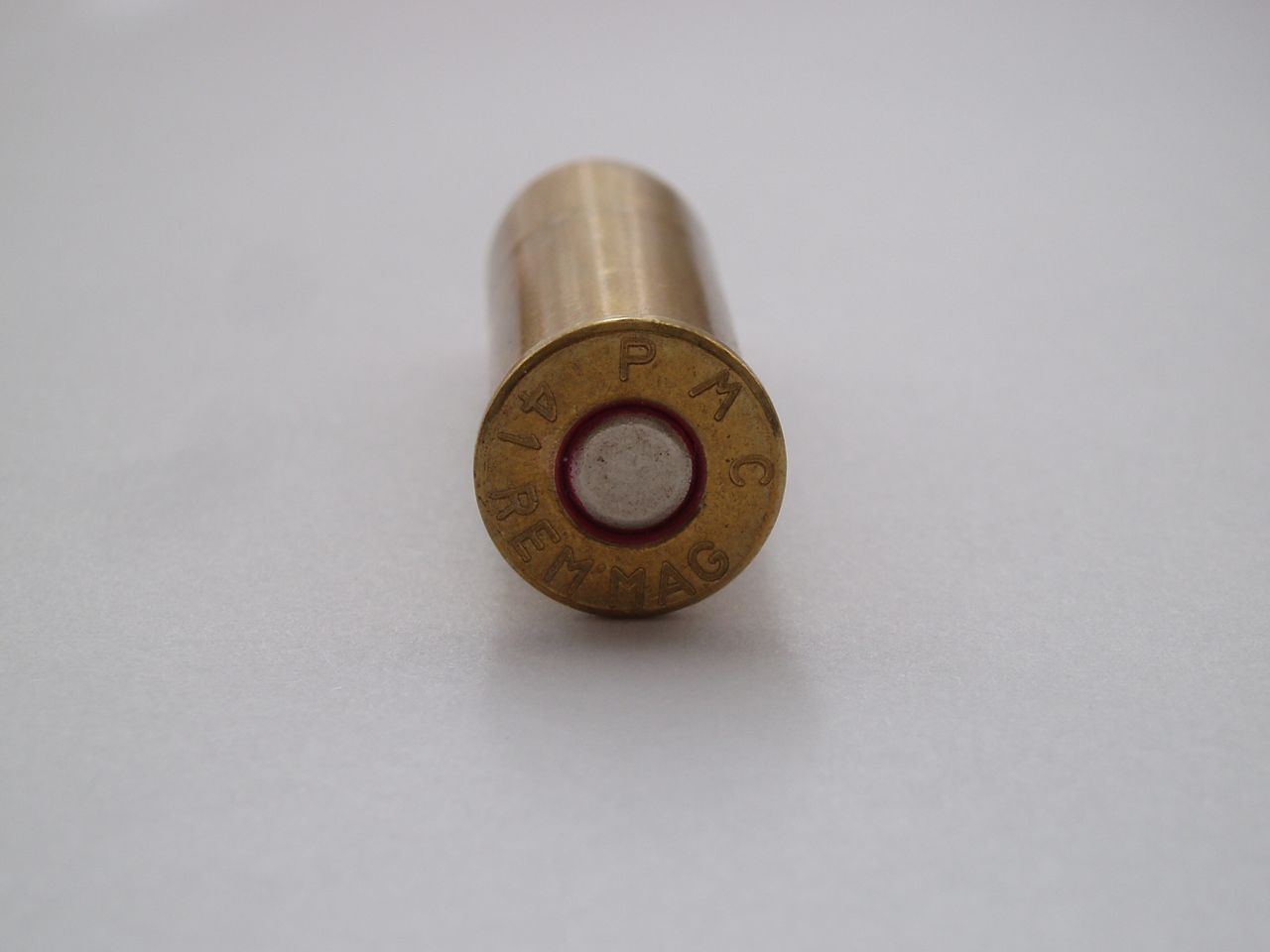
Calling the .41 Magnum a flop is too simple. It missed its original mass-market law enforcement target, yes. But it also carved out a durable place among revolver hunters, reloaders, and people who enjoy cartridges that reward careful shooting more than loud marketing.
There are still signs of life in factory ammunition as well. Remington’s 2024 catalog listed .41 Remington Magnum in its Core-Lokt Handgun line, a reminder that major manufacturers still see enough demand to justify keeping it in the conversation. That is not blockbuster success, but it is real commercial persistence.
So the strange journey of the .41 Magnum is this: it never became what it was supposed to be, yet it never died. In the gun world, that is its own kind of victory.