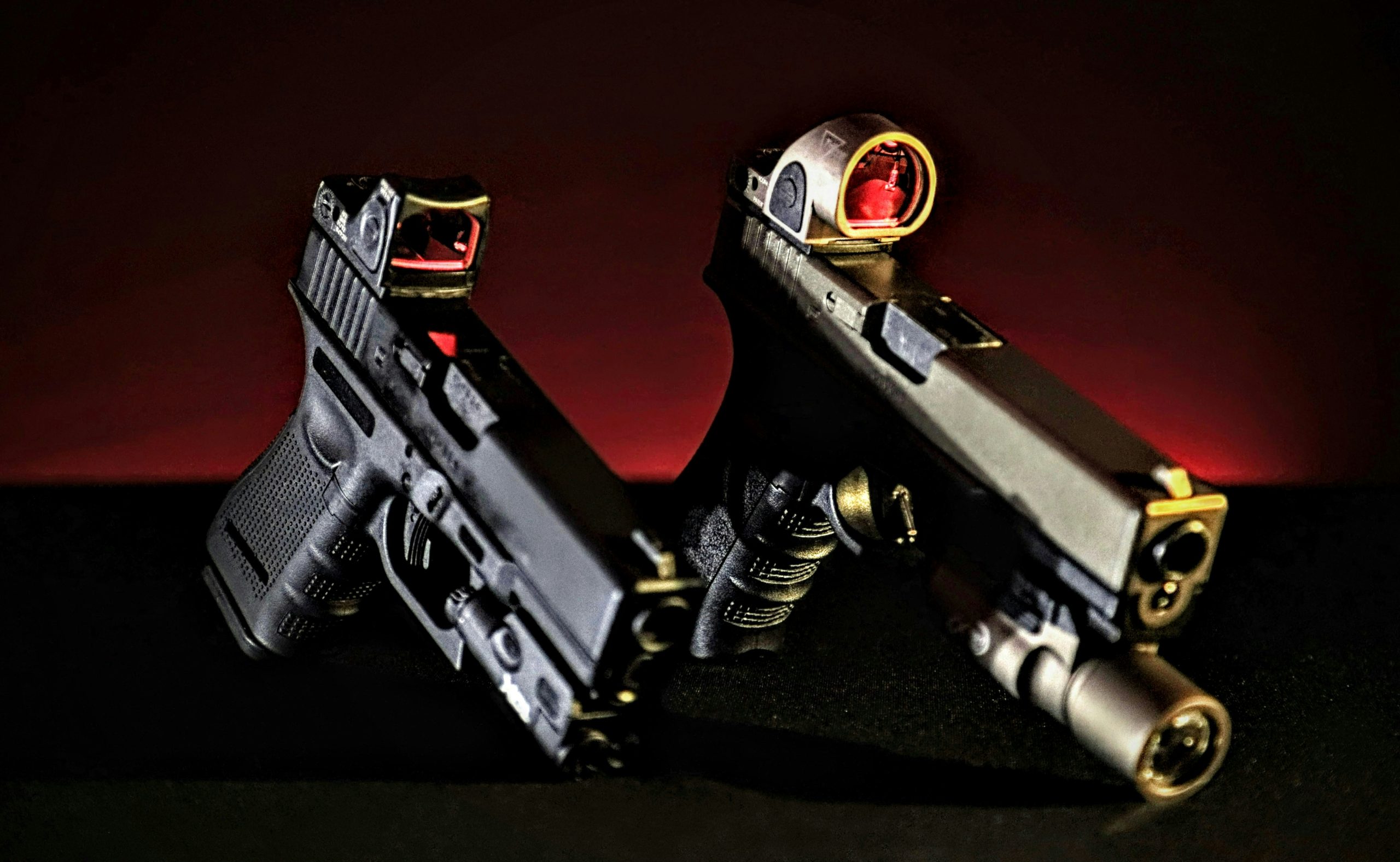
Optic-cut slides have become a familiar feature on modern pistols as manufacturers respond to growing interest in miniature red dot sights. Instead of relying exclusively on traditional iron sights, shooters can use a compact electronic optic mounted directly to the pistol’s slide. This design offers practical advantages, from sighting options to compatibility with different accessories. Improvements in optic durability, mounting systems, and factory production have also made these pistols more accessible. Understanding the five main reasons behind this trend explains why optic-ready models are appearing across more handgun categories.
1. Growing Interest in Red Dot Sights
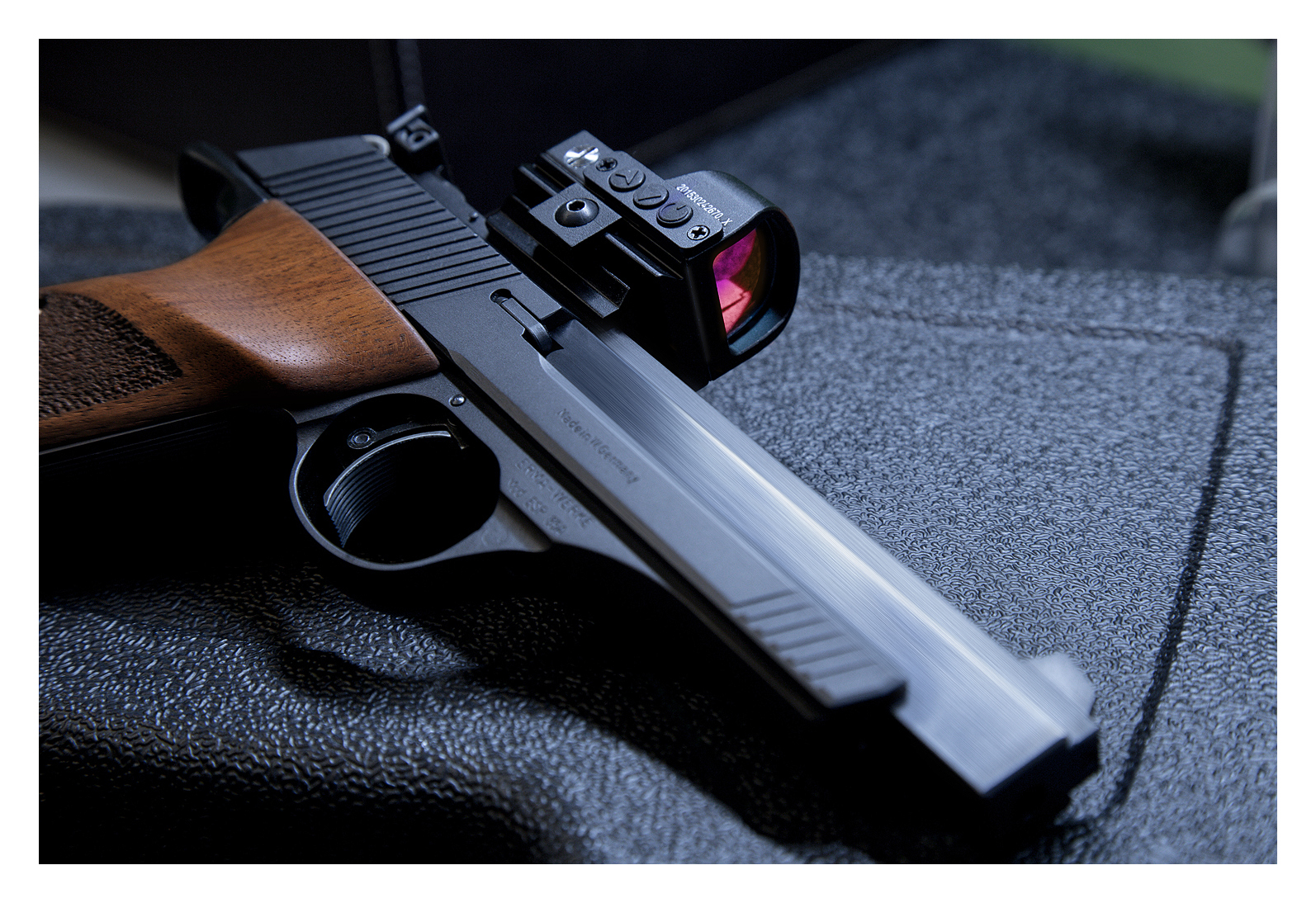
Miniature red dot sights give shooters a single illuminated aiming point instead of requiring them to align a front sight with a rear notch. That simpler sight picture is one reason optic-ready pistols have gained attention among sport shooters and trained professionals. A slide cut provides a dedicated mounting area, often using a plate or footprint matched to the optic. Many models support several sight options, though compatibility varies by pistol and optic. The trend does not make iron sights obsolete; it gives owners another aiming system to consider.
2. Faster, More Intuitive Sight Acquisition
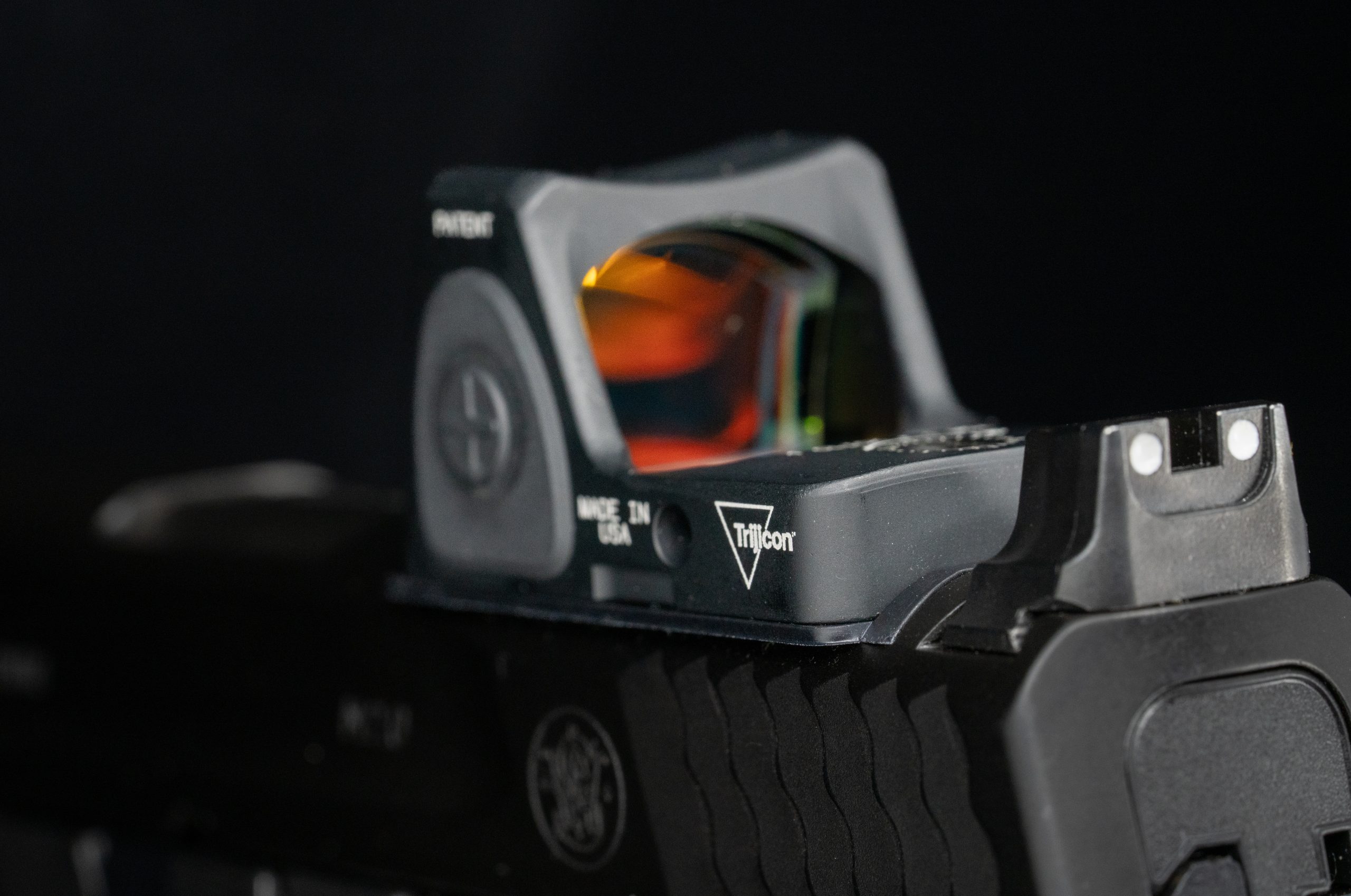
A red dot can be easier for some users to focus on because the aiming point and target appear in the same viewing window. This may feel more natural than shifting attention between two iron sights, especially during structured practice. The benefit depends on training, vision, and a consistent presentation, so an optic is not automatically faster for every shooter. A factory optic cut makes the option easier to adopt without custom slide work. Regular practice and safe handling remain essential, regardless of whether a pistol uses a dot or iron sights.
3. Factory Integration and Better Compatibility

As demand has grown, manufacturers increasingly offer optic-ready versions straight from the factory. A machined slide cut can provide a neater fit than an improvised solution, while specified mounting plates help match different optic footprints. Some pistols include one plate, several plates, or a direct-mount pattern, so buyers should check the exact model before choosing an accessory. For example, a pistol advertised as optic-ready may still require a separate plate or screws. Clearer factory support makes ownership more straightforward, though fit and installation instructions still matter.
4. More Choices Across Pistol Sizes and Prices
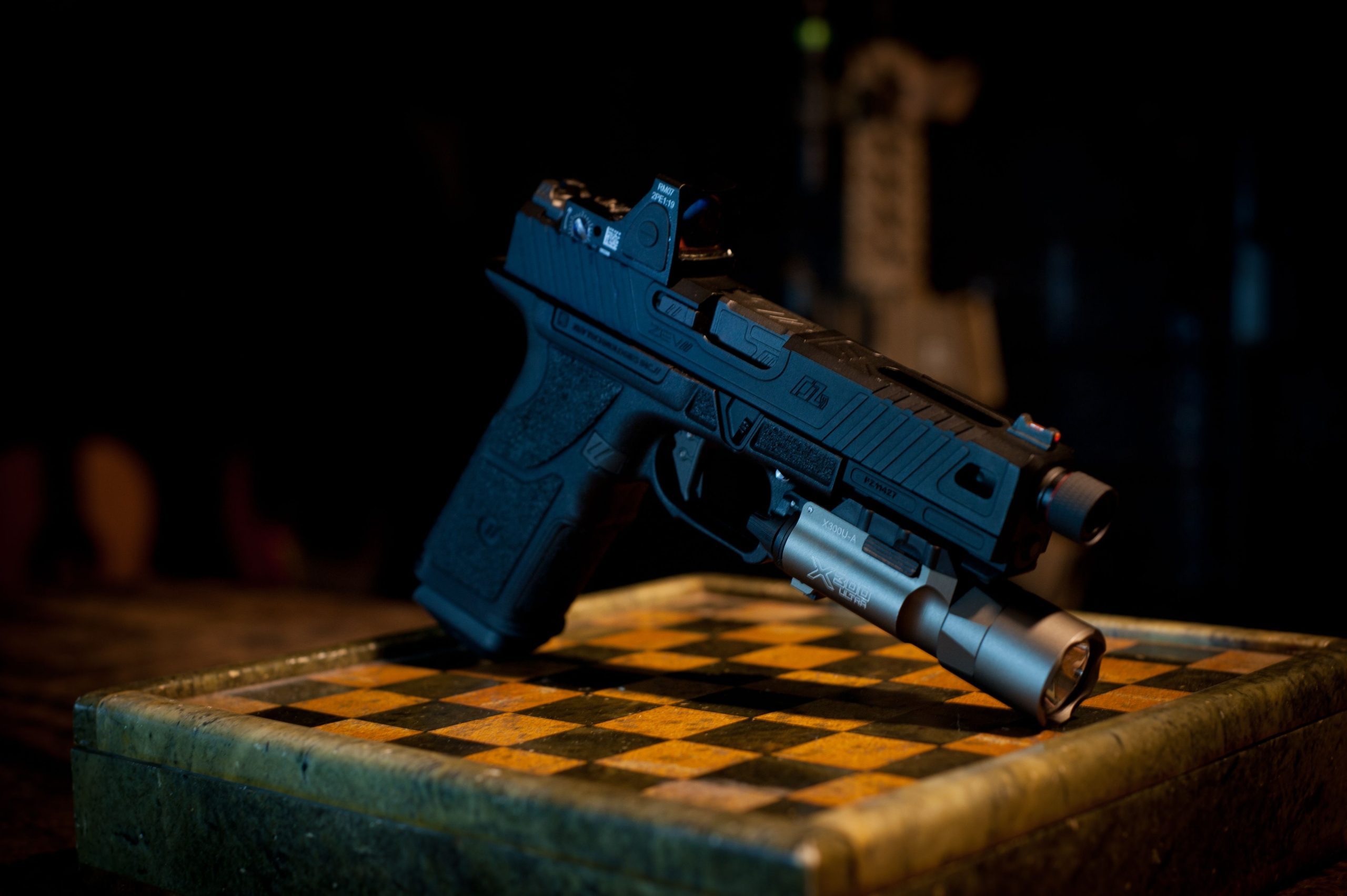
Optic cuts are no longer limited to a small group of competition handguns or premium models. Manufacturers now offer them on some full-size, compact, and subcompact pistols, giving buyers more ways to compare size, weight, capacity, and price. The market remains varied: a budget model may use a different mounting arrangement from a higher-priced pistol, and not every optic fits every slide. Comparing at least 2 or 3 models can reveal differences in included plates, sight height, warranty terms, and cost. Availability still depends on the brand and region.
5. A Platform Built for Future Updates
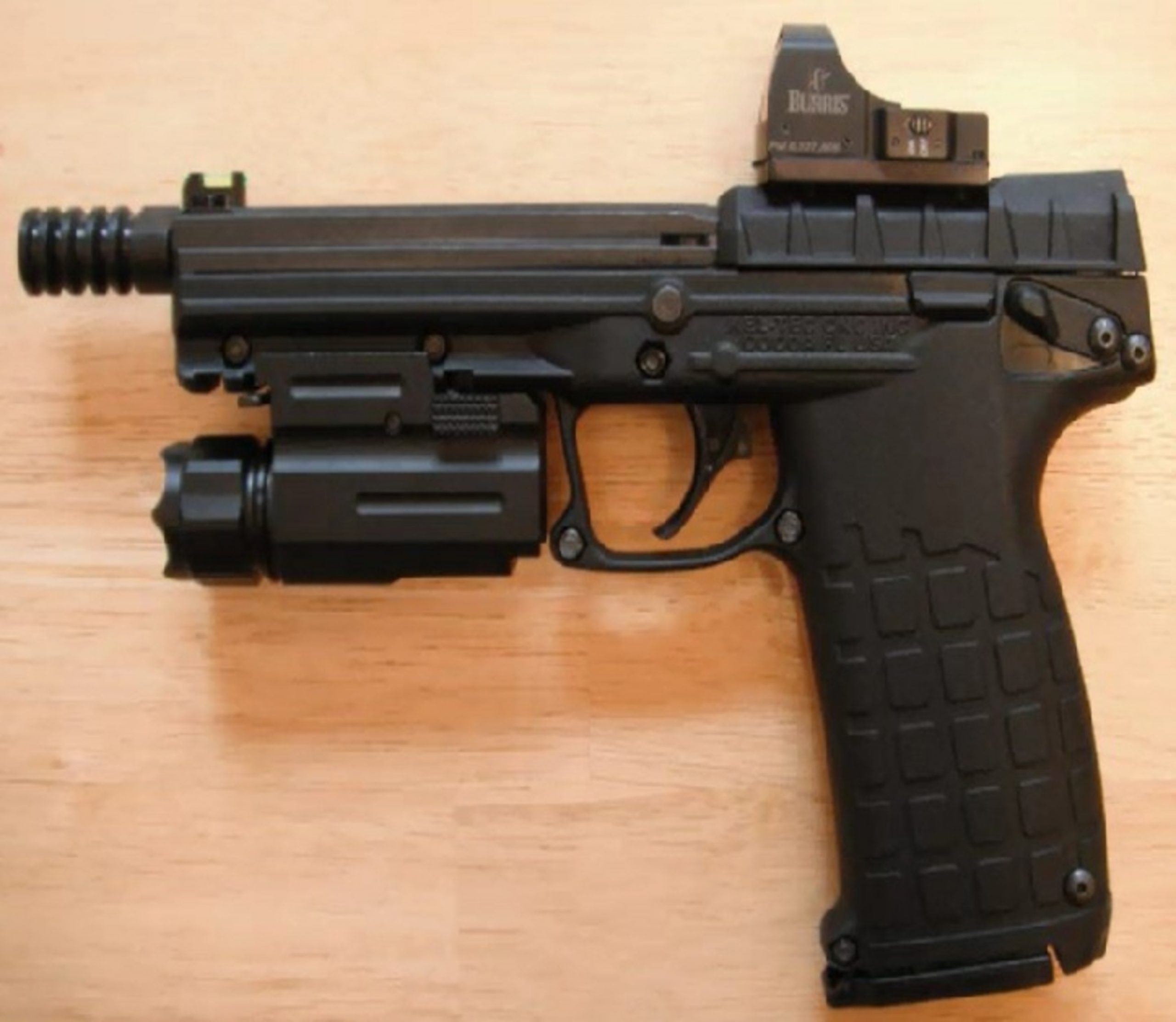
An optic-ready slide can give an owner flexibility if they later decide to try a different compatible red dot, replace a damaged unit, or return to iron sights. That adaptability can be appealing as optic designs and mounting standards continue to evolve. However, a cut alone does not guarantee universal compatibility: footprint dimensions, screw length, plate design, and sight clearance all matter. Some setups also retain backup iron sights, while others may need different-height sights. Checking the maker’s specifications before buying helps avoid mismatched parts and unnecessary expense.