Hunting dogs are famously tough, driven, and eager to work through discomfort, which is exactly why some health problems can fly under the radar. Seasoned owners often say the most serious issues start with small changes in stamina, appetite, gait, or behavior. This gallery breaks down the warning signs that deserve attention before a hard-working dog ends up sidelined.
Ear Infections

A hunting dog that spends hours in water, brush, and mud can develop ear trouble long before an owner notices anything obvious. At first, it may look like a little head shaking after a run or a dog that seems mildly distracted during training.
The problem is that moisture and debris can sit deep in the ear canal, especially in floppy-eared breeds. By the time there is a strong odor, redness, or constant scratching, the irritation may already be painful and advanced.
Owners who catch the early signs usually notice subtle changes first, like sensitivity when the head is touched or a dog that keeps one ear slightly lower. Left untreated, simple irritation can turn into a stubborn infection that affects balance, comfort, and focus in the field.
Joint Wear And Early Arthritis

Hard-running dogs often mask joint pain because their drive to work is so strong. What looks like normal post-hunt stiffness can actually be the beginning of ongoing wear in the hips, elbows, knees, or shoulders.
Experienced owners often spot it in the transitions. A dog is slower getting out of the truck, hesitates before jumping, or takes a few extra steps to loosen up after lying down. Those moments are easy to dismiss when the dog still charges ahead once the action starts.
The trouble is that repeated strain adds up over time, especially in dogs that train hard year after year. Addressing soreness early with veterinary guidance, conditioning, and recovery time can help preserve both comfort and long-term mobility.
Paw Pad Injuries

Feet take a beating in rough cover, icy ground, sharp stubble, and hot terrain, yet pad injuries are often missed until a dog is seriously uncomfortable. A determined hunter may keep going with a cut, abrasion, or embedded thorn that would stop a less driven animal.
Sometimes the only hint is a dog licking one foot at night or shifting weight subtly after a long day. Because the pads are already tough and textured, small tears and punctures can hide under dirt and dried mud.
When those injuries are ignored, they can become infected or alter how the dog moves, which creates stress elsewhere in the body. Regular paw checks after every outing are one of the simplest habits that experienced owners swear by.
Dental Disease And Broken Teeth
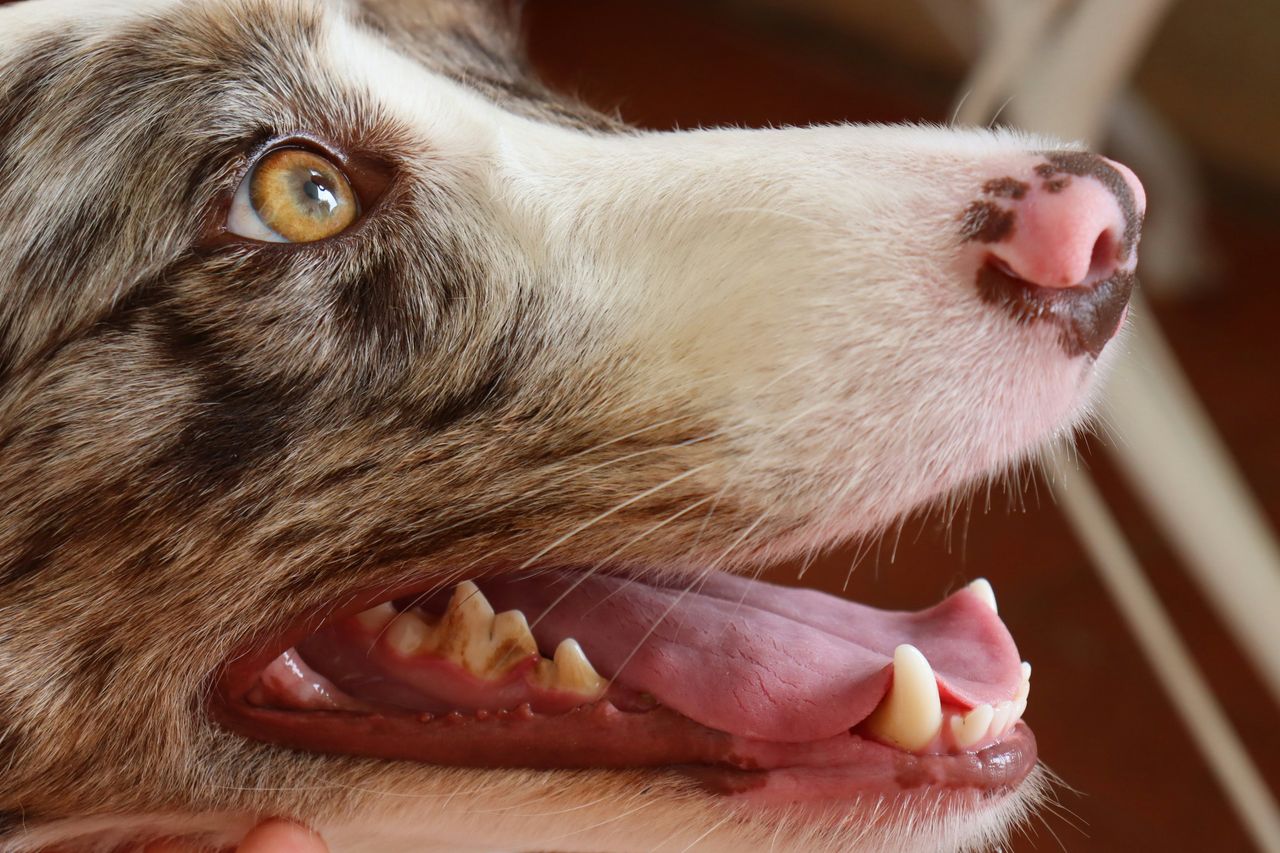
A hunting dog can have significant dental pain and still eat, retrieve, and act enthusiastically, which is why mouth problems are so easy to underestimate. Cracked teeth, gum inflammation, and hidden infection often develop gradually and stay out of sight.
Owners may first notice bad breath, dropping food, chewing on one side, or less interest in hard treats. In retrievers and hard-mouthed dogs, repeated impact and wear can also leave behind fractured teeth that are not obvious without a close look.
What seems like a minor tooth issue can become a deeper infection that affects appetite, energy, and overall health. Regular oral exams matter more than many people realize, especially for dogs that spend years carrying game and training tools.
Tick-Borne Illness

Dogs that work in woods, grasslands, and marsh edges face repeated tick exposure, but tick-borne disease does not always announce itself dramatically. Early signs can be vague, with a dog seeming just a little quieter, stiffer, or less eager than usual.
That is what makes it easy to miss. A low-grade fever, shifting leg soreness, reduced stamina, or a temporary loss of appetite can look like simple fatigue after a demanding weekend outdoors.
Seasoned owners tend to pay attention when a dog does not bounce back on schedule. Tick-borne illness can escalate and affect joints, blood counts, kidneys, and general performance, so prevention, frequent checks, and prompt veterinary testing are all part of smart field care.
Eye Injuries And Irritation

Brush, seeds, dust, and stray stems can do real damage to a working dog’s eyes, yet early irritation often looks minor. A little squinting after a hunt may seem harmless, especially if the dog still wants to eat, play, and head back out.
The concern is that scratches to the cornea, trapped debris, or developing infection can worsen quickly. Watery eyes, blinking, pawing at the face, or avoiding bright light are all signs that deserve a closer look.
Owners with experience know that eye issues can go from subtle to serious in a short window. Fast treatment can prevent prolonged pain and protect vision, while waiting it out can turn a small injury into a much bigger medical problem.
Dehydration And Heat Stress

Because hunting dogs are bred to push through fatigue, they can get into trouble with heat and dehydration before they stop working. Many owners expect collapse or dramatic panting, but the early clues are often much quieter.
A dog may start ranging less, responding more slowly, or returning to the handler more often than normal. Thick saliva, a dark tongue, glassy eyes, and poor recovery after short effort can all signal that the body is struggling to cool itself.
The danger builds fast in warm weather, heavy cover, and repeated retrieves. Experienced handlers know that prevention is everything, with water access, rest breaks, cooling opportunities, and a willingness to call it early when a dog does not look quite right.
Weight Loss And Muscle Decline

In a lean, athletic hunting dog, gradual weight loss can be mistaken for being in peak condition. The difference is that healthy fitness still comes with strength, drive, and solid recovery, while unexplained muscle loss often points to something deeper.
Owners may notice a narrowing over the hips, a more visible spine, or less muscle across the shoulders and thighs. Sometimes appetite seems normal, which makes the change even easier to brush off as seasonal work or aging.
But subtle loss of condition can reflect chronic pain, parasites, metabolic disease, poor nutrient absorption, or other ongoing health problems. When a hard-working dog starts looking sharper in the wrong way, experienced owners know it is time to investigate, not admire the trim silhouette.