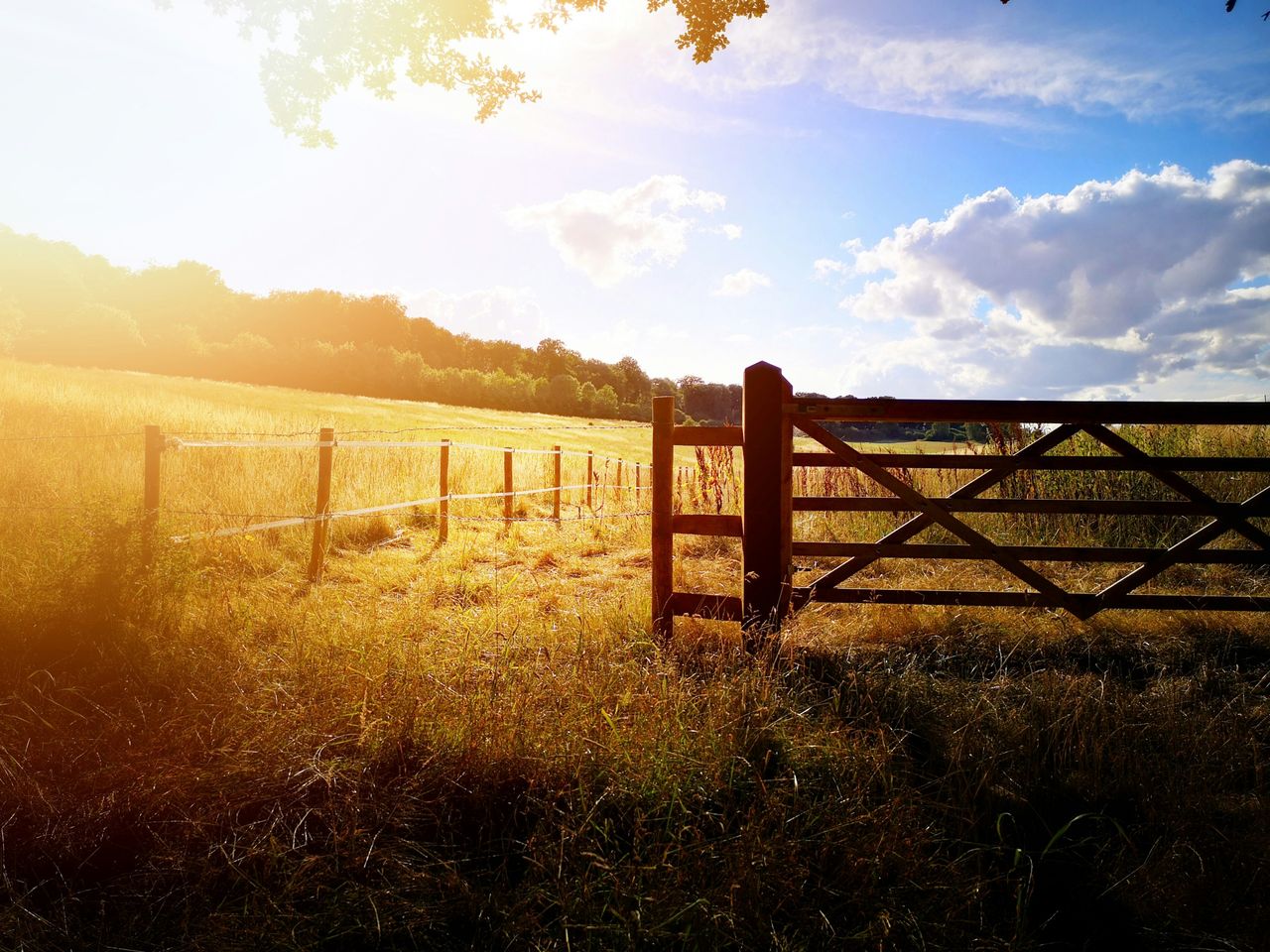
An open gate can look like a small problem, but on rural property it can turn into a costly, stressful situation fast. Livestock can wander, strangers may have entered, and a simple latch failure can signal a bigger issue. This gallery walks through the smartest first moves landowners should make right away to protect animals, property, and peace of mind.
Pause and assess the immediate risk

The first instinct is often to rush straight to the gate, but take a beat and read the scene. Look for animals near the opening, vehicle tracks, damaged fencing, or people still on the property. A quick visual check can tell you whether this is a simple oversight or the start of a larger problem.
What matters most in the first minute is identifying danger. If livestock are already moving toward a road, neighboring land, or wooded areas, your response needs to be fast and focused. Staying calm helps you make better decisions and avoids turning a manageable situation into a chaotic one.
Secure animals before anything else

If you keep cattle, horses, goats, or other livestock, their safety comes first. Even a briefly open gate can give curious animals enough time to drift farther than you expect. Start by checking the nearest pasture or enclosure and move animals away from the opening if you can do it safely.
This is not the moment for rushed movements or loud reactions that could spook a herd. Use the handling routines your animals already know, and call for help if extra hands are needed. Preventing an escape is always easier than trying to recover animals once they scatter.
Close and latch the gate properly

Once immediate safety is under control, close the gate and make sure it is actually secured. That means checking the latch, chain, hinge alignment, and any secondary fastener instead of assuming one quick swing shut will do the job. Gates often reopen because the real problem was never fixed.
Take a few extra seconds to test it with your hand. If it slips, sags, or will not stay shut, you may be dealing with weather wear, bent hardware, or a broken post. A properly fastened gate buys you time and keeps the situation from repeating while you investigate the cause.
Check cameras, neighbors, or recent activity

Once the scene is stable, think about what might explain the open gate. Review any security cameras, trail cams, or driveway footage if you have them. If you do not, consider whether a worker, delivery driver, hunter, utility crew, or neighbor recently had legitimate access to the property.
This step is not about jumping to conclusions. It is about narrowing down whether the cause was accidental, mechanical, weather-related, or intentional. A quick conversation with nearby neighbors can also save time, especially if they saw a vehicle, loose animals, or unusual movement around your property.
Report serious concerns and make a repair plan

If there are signs of trespassing, theft, vandalism, or escaped animals entering roadways, do not shrug it off. Contact the appropriate local authorities, animal control, or your insurer if the situation warrants it. A small rural incident can become a liability issue very quickly when safety is involved.
Then make a practical plan to prevent a repeat. Replace weak latches, reinforce posts, repair fencing, or add a lock where appropriate. Some landowners also add better signage or cameras after a scare. The goal is not just to solve today’s problem, but to reduce the odds of seeing the same gate open again tomorrow.
Review your gate habits and property routine

An open gate is often a reminder that systems matter. Think about who has access, how gates are supposed to be left, and whether family members, workers, or visitors all follow the same routine. Clear expectations can prevent a surprising number of property headaches.
It may be worth creating a simple checklist for daily rounds, especially on larger land parcels. Gates, water, fences, and livestock are easier to manage when someone is intentionally checking them. One open gate can be an accident, but it can also be a warning that your routine needs tightening before a more serious problem shows up.