Czech gunmaking has long produced firearms that professionals, competitors, and collectors admire, even if they rarely dominate mainstream conversation. The appeal is usually the same: practical engineering, dependable performance, and designs that quietly influenced the wider industry. This gallery looks at nine Czech guns that earned respect the old-fashioned way, by working exceptionally well.
CZ 75
The CZ 75 is the handgun that made many shooters look twice at Czechoslovakia. Introduced in the 1970s, it combined excellent ergonomics, all-steel balance, and a slide-in-frame design that gave it a smooth, controlled feel. People who picked one up often understood the appeal immediately.
Its reputation spread globally through competition, police use, and a wave of clones inspired by the original layout. Even in markets where it was once hard to get, the pistol developed near-mythic status. The CZ 75 did not need much hype because the shooting experience made the argument on its own.
CZ 75 SP-01
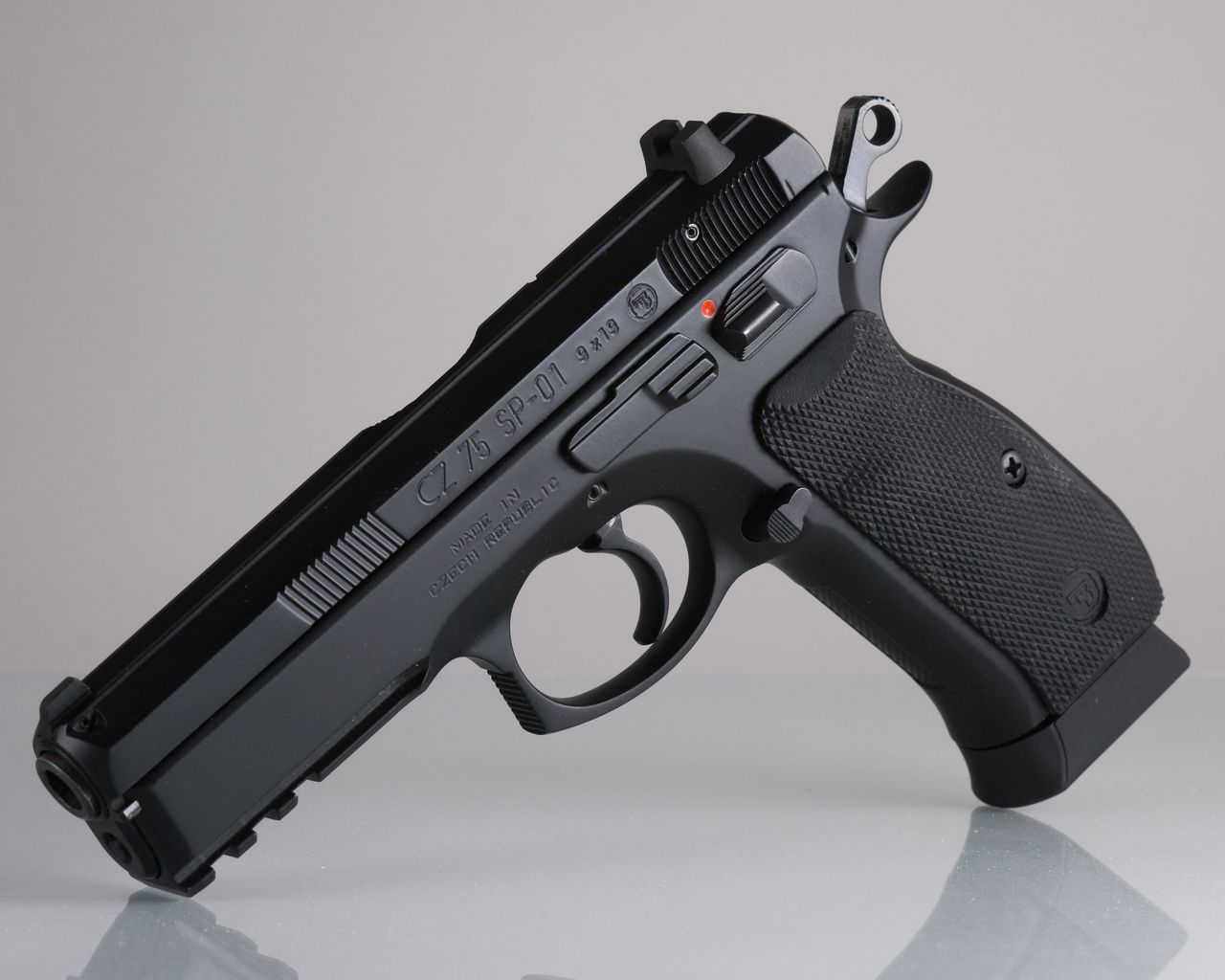
If the original CZ 75 was the elegant all-rounder, the SP-01 became the modern workhorse with extra edge. Its accessory rail, heavier dust cover, and updated controls gave it a steadier presence, especially during rapid fire. Shooters appreciated that it felt refined without losing the family character.
The SP-01 earned serious respect in practical shooting circles, where speed and consistency matter more than brand mythology. It became a familiar sight in IPSC and other action sports because it delivered controllability and accuracy in a very usable package. That kind of credibility is hard to manufacture and easy to recognize.
CZ Shadow 2
The Shadow 2 is one of those pistols that feels purpose-built the moment it is in hand. Developed with competition in mind, it sharpened the CZ formula with better weight distribution, an improved grip shape, and a trigger system that many shooters rate highly straight from the factory.
What makes the Shadow 2 notable is how often it appears in serious match environments without needing theatrical marketing. It became respected because top and everyday competitors alike could see the results on the timer and target. In a category full of bold claims, this pistol built its name through performance that was easy to measure.
CZ P-10 C
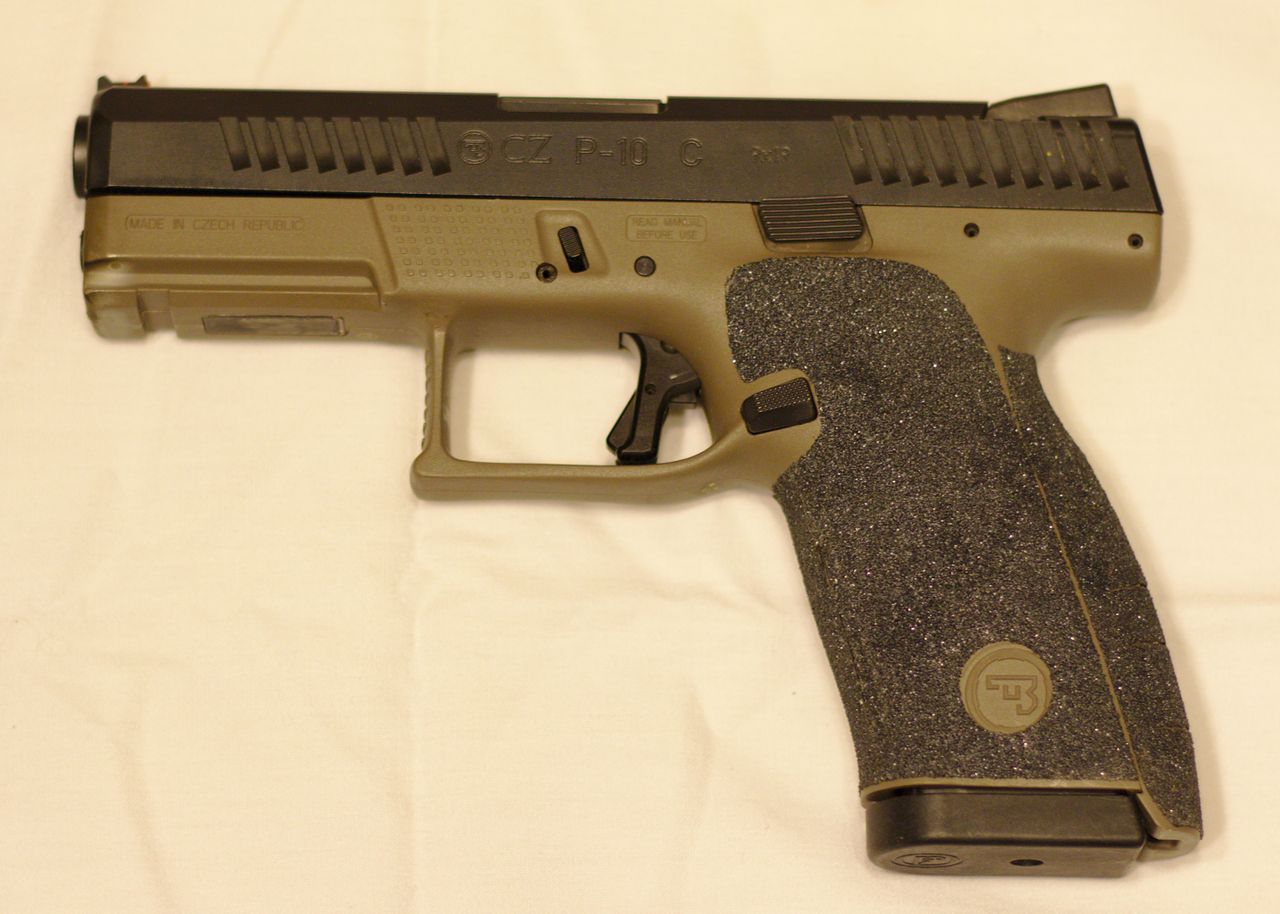
When CZ entered the striker-fired market in a major way, expectations were high and skepticism came with the territory. The P-10 C answered both with a crisp trigger, strong ergonomics, and reliability that quickly made it more than just another polymer compact. It felt like CZ had studied what users wanted and trimmed away the gimmicks.
The pistol won over concealed carriers, duty-minded shooters, and reviewers who tend to be difficult to impress. It did not reinvent the category, but it did prove CZ could compete directly in one of the most crowded segments in the firearms world. Respect came fast because the execution was that solid.
CZ 527
The CZ 527 never chased trends, and that is part of its charm. This compact bolt-action rifle became beloved among hunters and rifle enthusiasts for its mini-Mauser action, controlled-round feed, and classic styling. It looked traditional, but its handling and accuracy kept it relevant in the field year after year.
Owners often praise the 527 for feeling like a serious rifle scaled to practical dimensions. In cartridges such as .223 Remington and 7.62×39, it offered a combination of precision and character that stood apart from mass-market alternatives. The respect it earned was quiet, persistent, and built on genuine user loyalty.
CZ 457
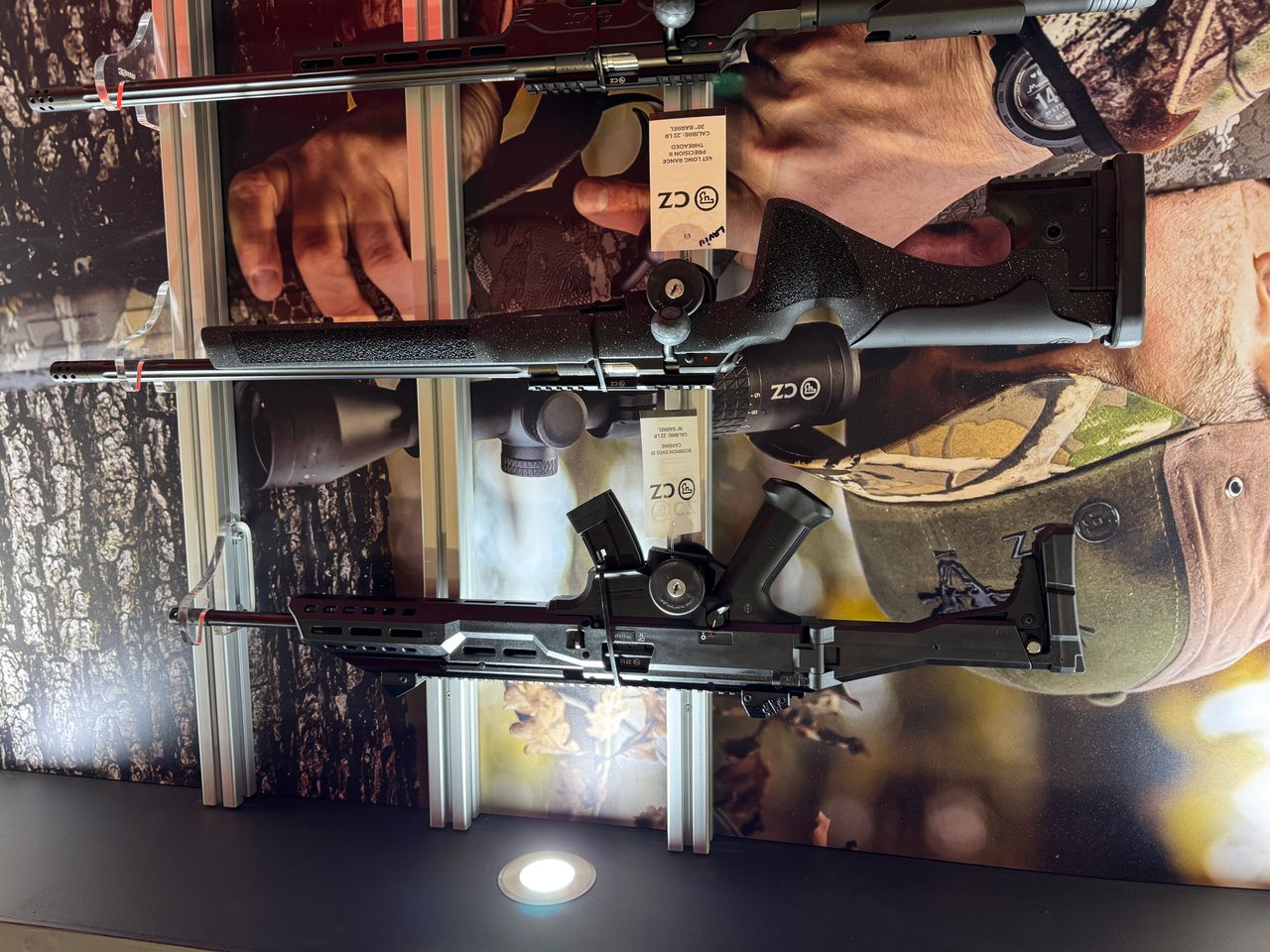
Rimfire rifles do not always get the attention they deserve, but the CZ 457 has become a standout by doing the fundamentals exceptionally well. With improved safety placement, an easy barrel swap system, and excellent out-of-box accuracy, it quickly impressed everyone from backyard plinkers to precision rimfire competitors.
Part of its broad appeal is that it bridges several worlds at once. It can be a training rifle, a small-game gun, or a platform for serious target work depending on the configuration. That flexibility, paired with the kind of fit and finish people expect from CZ, turned the 457 into a benchmark without much fanfare.
vz. 58
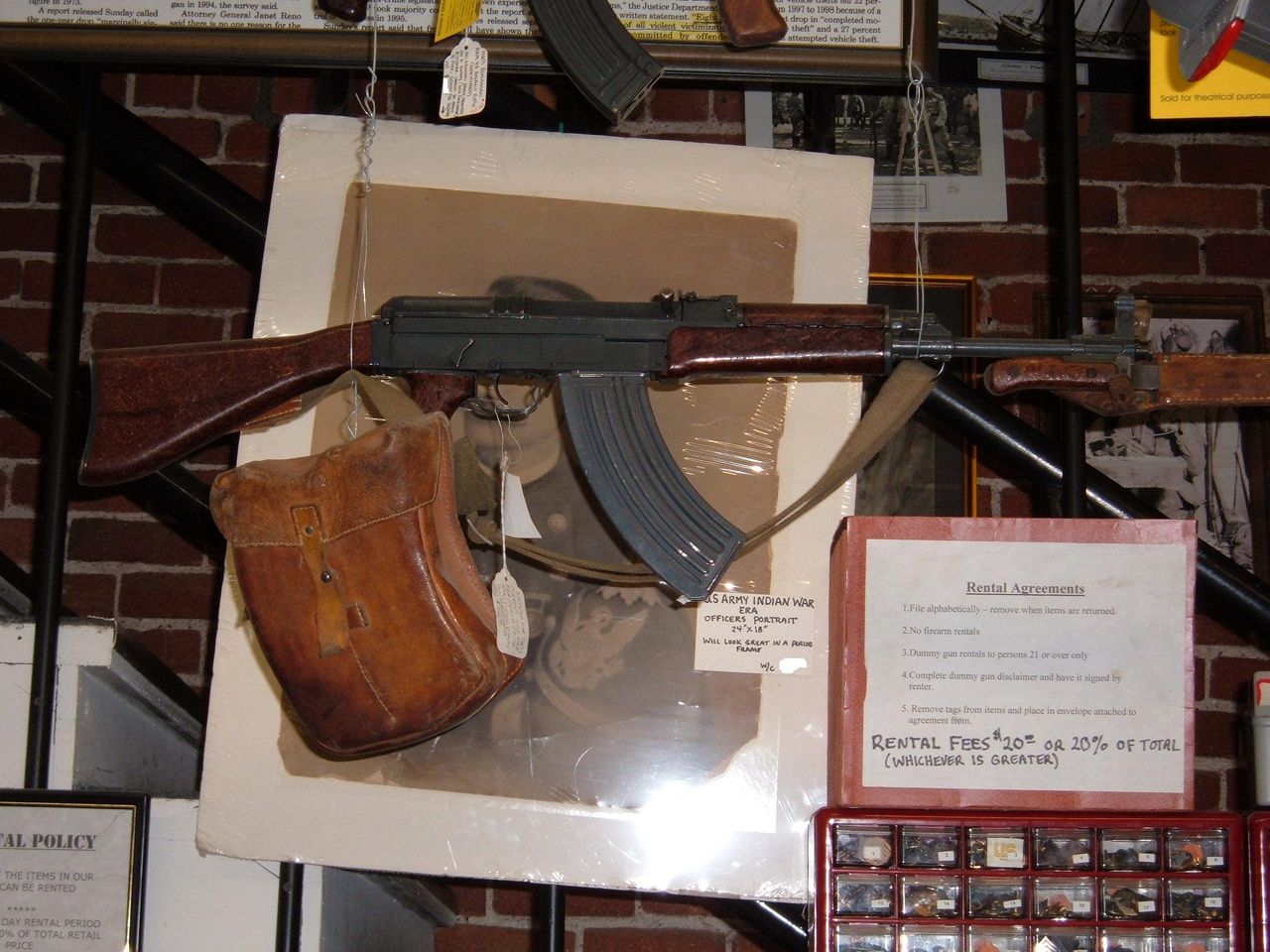
At a glance, the vz. 58 is often mistaken for an AK-pattern rifle, but that comparison hides what makes it special. Though it shares a similar role and cartridge in many versions, it is a distinct design with its own operating system, lighter construction, and a handling character many users find surprisingly lively.
The rifle earned long-term respect through military service and later through civilian appreciation in export markets. Collectors and shooters alike came to value it for being more than an Eastern Bloc footnote. The vz. 58 stood out because it delivered reliability with a uniquely Czech engineering identity.
Bren 2
The Bren 2 represents a newer chapter in Czech firearms design, one aimed squarely at modern military and professional standards. Lighter and more refined than its predecessor, it was built for modularity, improved ergonomics, and adaptability across roles. In a world crowded with contemporary service rifles, that is a demanding brief.
What helped the Bren 2 earn respect is that it has been judged against serious global competition and still held its ground. Users point to its practical controls, balanced handling, and updated design philosophy as reasons it belongs in the conversation. It is a reminder that Czech gunmaking is not only historic, but very much current.
CZ 805 Bren
The CZ 805 Bren did not arrive as a flawless instant classic, but that is part of why its reputation is interesting. It was an ambitious modern service rifle that showed CZ was willing to think beyond legacy designs and compete in a demanding international arena. Early criticism existed, yet the platform still marked an important turning point.
Over time, the 805 gained credit for robustness, modular intent, and for laying the groundwork that would evolve into later success. Not every respected firearm gets there by being perfect on day one. Sometimes respect comes from proving a manufacturer can adapt, improve, and keep pushing forward with confidence.