A bug-out bag can look impressive on the floor and still fall apart the moment you have to carry it, live out of it, and depend on it under stress. The first 48 hours expose every weak assumption, from bad packing to missing basics like water, sleep, and light. This gallery breaks down the most common failure points and shows what actually earns a place in a bag meant to work when life gets messy.
Too much gear, not enough function

Many bug-out bags fail because they are built like fantasy shopping carts. People load them with survival gadgets, oversized knives, and backup versions of everything, then discover the bag is heavy, awkward, and exhausting after just a few miles. Weight is not just uncomfortable. It slows decisions, burns calories, and makes every stop more stressful.
What actually belongs in the bag is gear that solves repeated needs with the fewest items possible. Think water treatment, calories you will really eat, weather protection, a light source, and simple medical basics. If an item sounds impressive but does not clearly support shelter, hydration, movement, warmth, or communication, it is probably stealing space from something better.
Water is treated like an afterthought

The quickest way for a bug-out bag to fail is to assume a couple of bottles will carry you through. Water is heavy, easy to underestimate, and difficult to replace if your route changes. In the first 48 hours, dehydration affects energy, judgment, and mood long before people realize they are in trouble.
A working bag plans for both carried water and water collection. That means at least one sturdy bottle, a backup container, and a reliable way to purify what you find. A compact filter, purification tablets, or both can do far more for survival than another gadget ever will. If your bag cannot help you get safe water after the first day, it is not ready.
Food is packed for fantasy, not reality
A lot of bug-out bags are stocked with whatever looked tough on a store shelf. The result is food that is bulky, hard to digest on the move, or so unappealing that it stays untouched until morale drops. Hunger in an emergency is not just physical. It affects patience, focus, and willingness to keep moving.
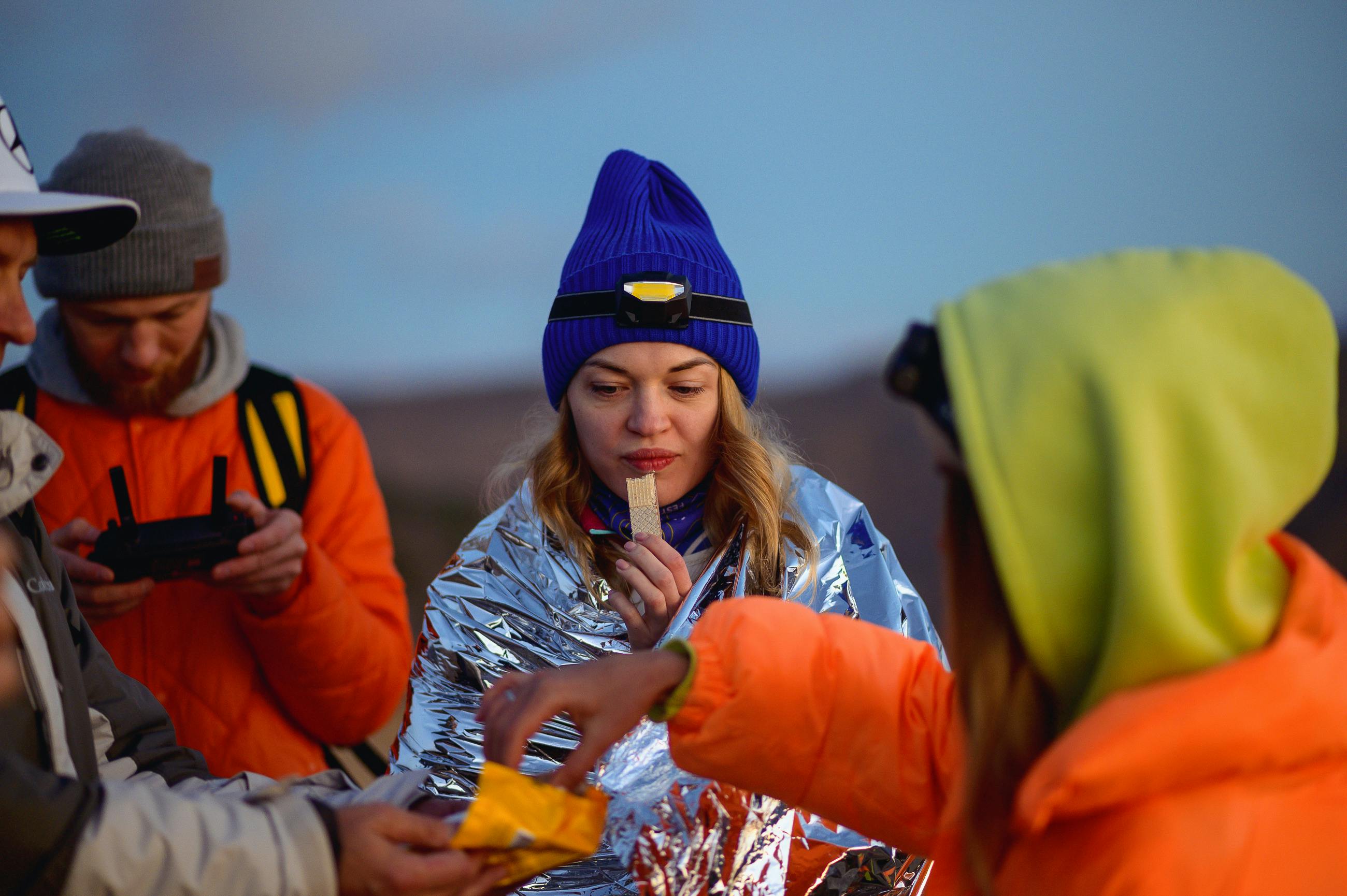
What works better is compact food that needs little or no preparation and delivers dependable calories. Energy bars, nut butter packets, jerky, trail mix, and ready-to-eat items you already know your body handles well are far more useful than novelty rations. In the first 48 hours, convenience and familiarity matter more than a survival label on the packaging.
Shelter and sleep are misunderstood
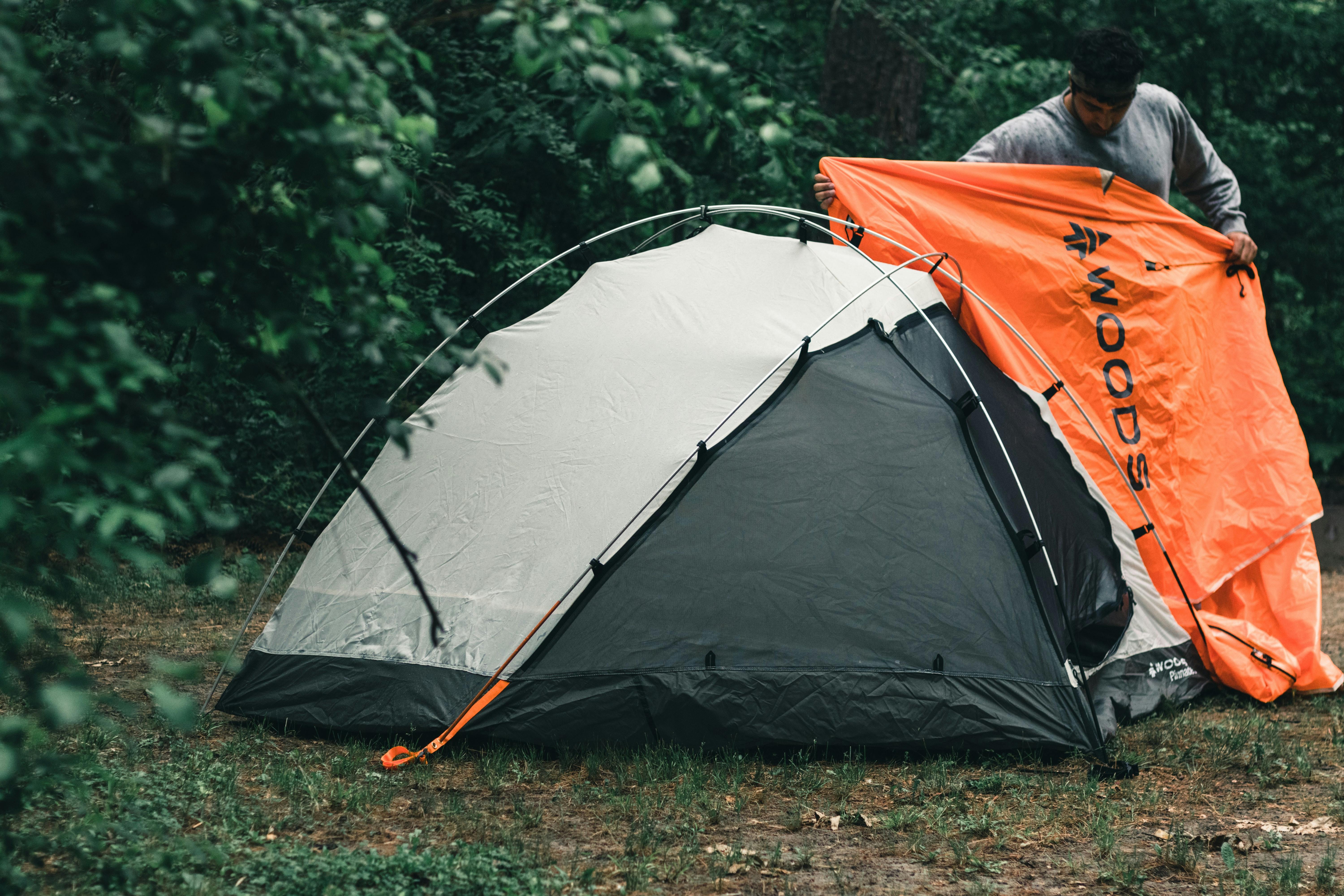
People often imagine they can push through a night outdoors with grit alone. Then temperature drops, rain starts, or wind picks up, and the bag suddenly feels empty. Exposure does not need to be dramatic to become dangerous. Even a miserable night with little sleep can wreck the next day’s movement and decision-making.
The first 48 hours call for simple shelter, not a camping showroom. A compact tarp or bivy, cordage, an emergency blanket that is actually usable, and insulation layers can make a major difference. Dryness and warmth are force multipliers. If your setup cannot help you stay protected while resting for a few hours, your bag is built for display, not use.
Clothing choices are all wrong

A bug-out bag often fails because the clothing inside was chosen as if the weather will stay polite. Cotton hoodies, extra jeans, or random spare shirts add bulk without delivering much protection. Once clothing gets wet or the temperature swings, bad fabric choices become a liability you have to carry.
Better clothing is boring in the best possible way. Dry socks, base layers, a lightweight rain shell, gloves, and a hat can outperform bulkier items that seem more substantial. The point is not to pack a full wardrobe. It is to cover the most likely threats to comfort and body temperature with pieces that layer well and dry quickly.
The medical kit is either tiny or theatrical

Some people toss in a few bandages and call it done. Others build a trauma kit better suited to a movie set than a realistic evacuation. Both approaches miss the middle ground where most problems actually live. In the first 48 hours, blisters, minor cuts, headaches, stomach issues, and prescription gaps are often more disruptive than dramatic injuries.
A useful kit is personal, practical, and easy to access. It should cover wound care, pain relief, any critical medications, and the small issues that become big when you are moving under stress. The best medical gear in a bug-out bag is not the most intimidating. It is the stuff you know how to use and are most likely to need.
There is no reliable way to make light or fire
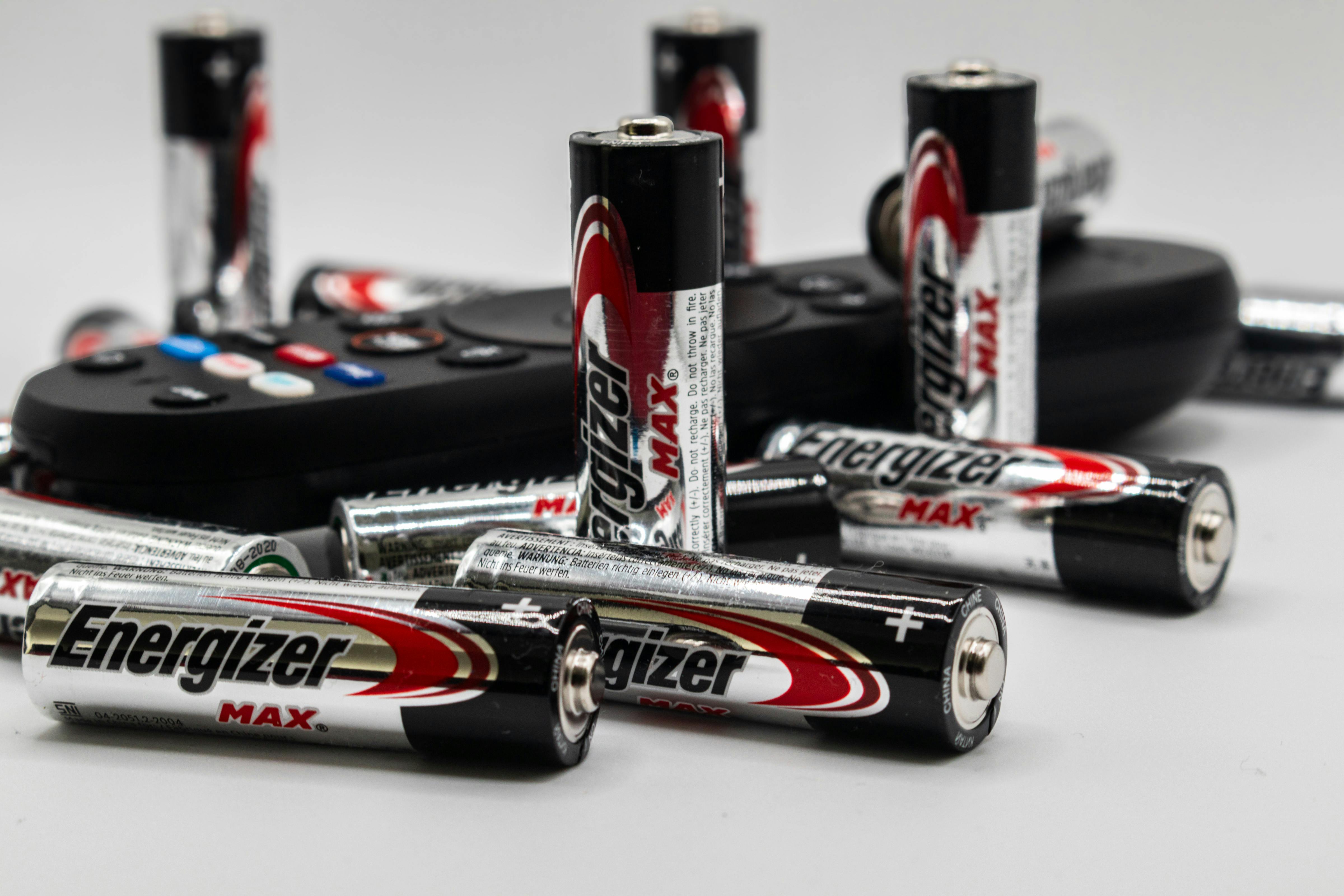
Darkness changes everything. Simple tasks become clumsy, routes become harder to follow, and stress climbs fast when you cannot see your hands. A bug-out bag that relies on one cheap flashlight or a single lighter is gambling with comfort and safety during the exact window when both matter most.
The better approach is redundancy without excess. A headlamp, spare batteries, and a dependable lighter or ferro rod cover most realistic needs. Fire is not always essential in every setting, but the ability to create light and heat can restore control in a hurry. In the first 48 hours, small dependable tools beat oversized survival toys every time.
No one tests the bag under real conditions
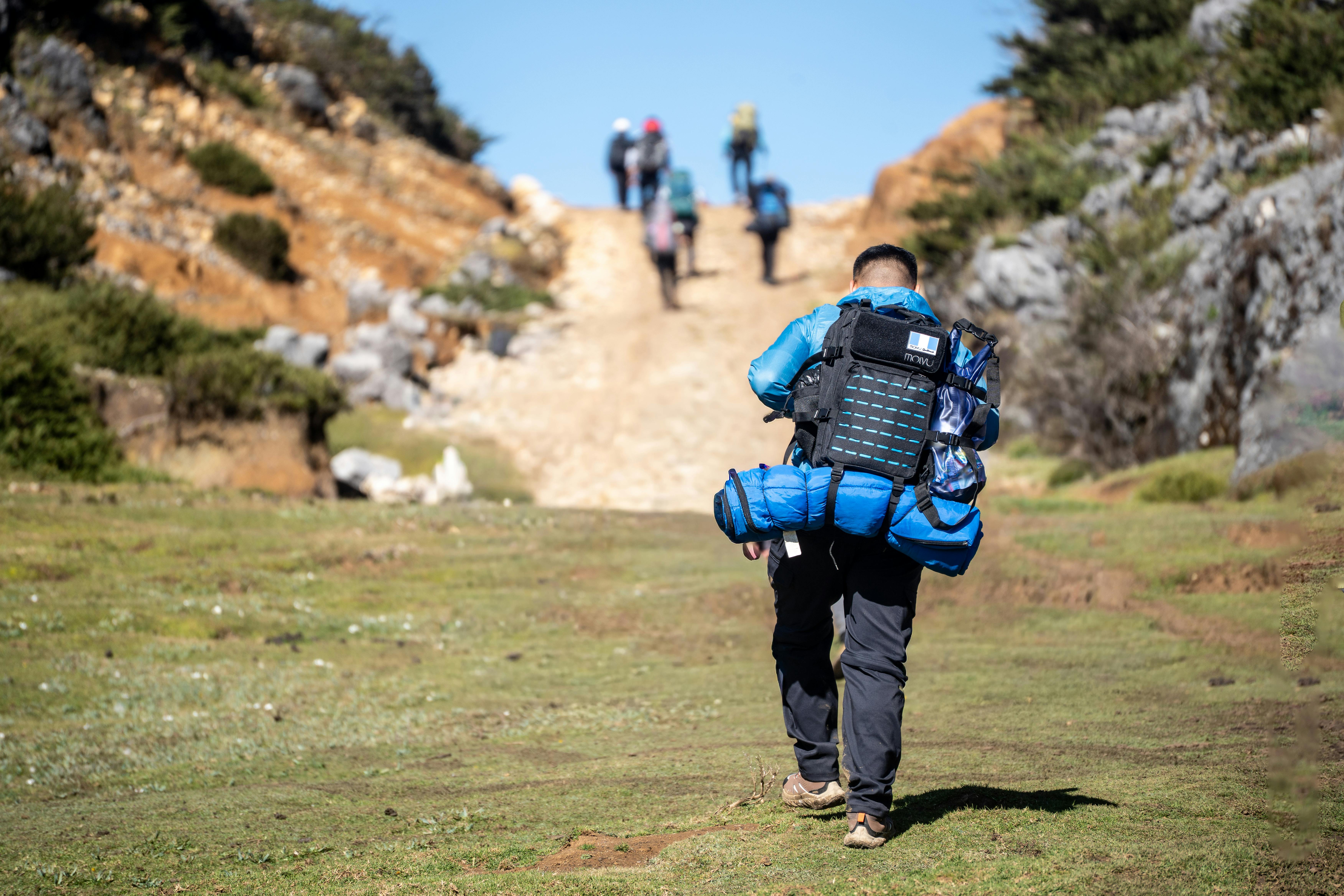
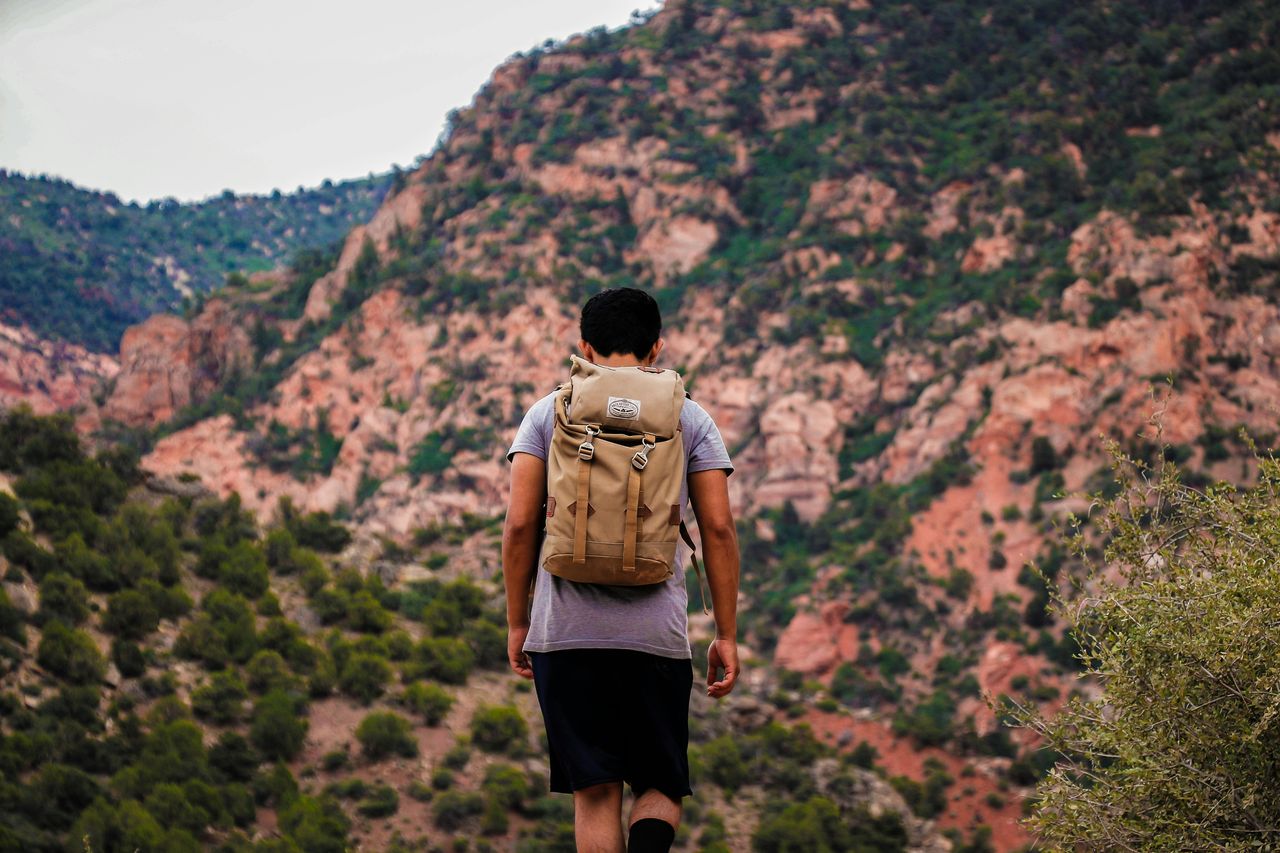
A bug-out bag can seem perfect until it leaves the house. Straps rub, pockets make no sense, food is hard to reach, and the total weight feels very different after twenty minutes of walking. The biggest failure is not always bad gear. It is untested gear paired with untested assumptions.
The fix is simple but frequently skipped. Carry the bag, walk with it, adjust it, and spend a night using what is inside. That process quickly reveals what is dead weight and what is missing. The first 48 hours are not the time to discover your stove is fussy, your pack hurts, or your water system leaks under pressure.
The bag is packed without a clear mission

The final reason most bug-out bags fail is that they were packed for a vague apocalypse instead of a plausible 48-hour problem. A bag for wildfire evacuation, storm displacement, or sudden travel disruption may look similar, but the details matter. Without a clear use case, people pack contradictions and leave out what their actual situation demands.
The best bug-out bag is not the most extreme one. It is the one matched to your climate, routes, health needs, and likely destinations. Start with the first two days, not the end of the world. When the bag is built around real movement, realistic shelter, and dependable basics, it stops being a costume and starts being equipment.