A dependable pistol is built to endure, but routine care mistakes can chip away at that durability faster than many owners realize. From overcleaning to improper storage, small habits often create big problems after months or years of daily use. This gallery breaks down eight common maintenance errors that quietly shorten a pistol’s life and explains why smarter care matters.
Using Too Much Oil

More lubricant does not mean better protection. On a pistol, excess oil tends to migrate into places where it is not especially helpful, collecting burnt powder, lint, and grit that can turn into an abrasive paste over time. That buildup can slow-moving parts and increase wear instead of reducing it.
Over-oiling also creates a false sense of good maintenance because the gun looks glossy and cared for. In reality, pistols usually need only a light film in the right spots. A modest amount on rails and other friction surfaces often does more good than soaking the entire firearm after every range trip.
Cleaning With Harsh or Wrong Solvents

Not every cleaner belongs on every pistol. Strong solvents can strip protective finishes, damage polymer components, and dry out parts that were never meant to be exposed to aggressive chemicals repeatedly. What starts as a good intention can slowly leave metal more vulnerable to corrosion and cosmetic wear.
The wrong product can also attack grips, sights, and internal coatings in ways that are not obvious at first. Many owners notice the damage only after discoloration, brittleness, or rough cycling appears. Using products designed specifically for firearms helps preserve materials and keeps cleaning from becoming its own source of long-term harm.
Neglecting the Recoil Spring

The recoil spring does a quiet but critical job every time the slide cycles. As it weakens with use, the slide can begin moving with less control, which may batter the frame, increase felt recoil, and contribute to premature wear on several parts. It is an easy component to ignore because the decline happens gradually.
Owners who shoot regularly sometimes focus on barrels and magazines while forgetting that springs are wear items. A pistol can keep functioning while still taking more stress than necessary. Replacing the recoil spring at sensible intervals helps maintain timing, protects the gun from extra pounding, and supports the reliability people count on daily.
Scrubbing Too Aggressively

A pistol does not need to be attacked to be cleaned. Hard metal brushes, excessive scraping, and rough tools can wear finishes, nick feed ramps, and scratch internal surfaces that should remain smooth. The damage may seem minor in the moment, but repeated aggressive cleaning can add up over the years.
This mistake often comes from chasing a spotless, factory-fresh look after every session. In truth, a little discoloration is not the same as harmful fouling. Gentle brushes, patches, and proper technique usually remove what matters without grinding away at the gun itself. Thoughtful cleaning protects both appearance and function for the long haul.
Ignoring Magazine Maintenance
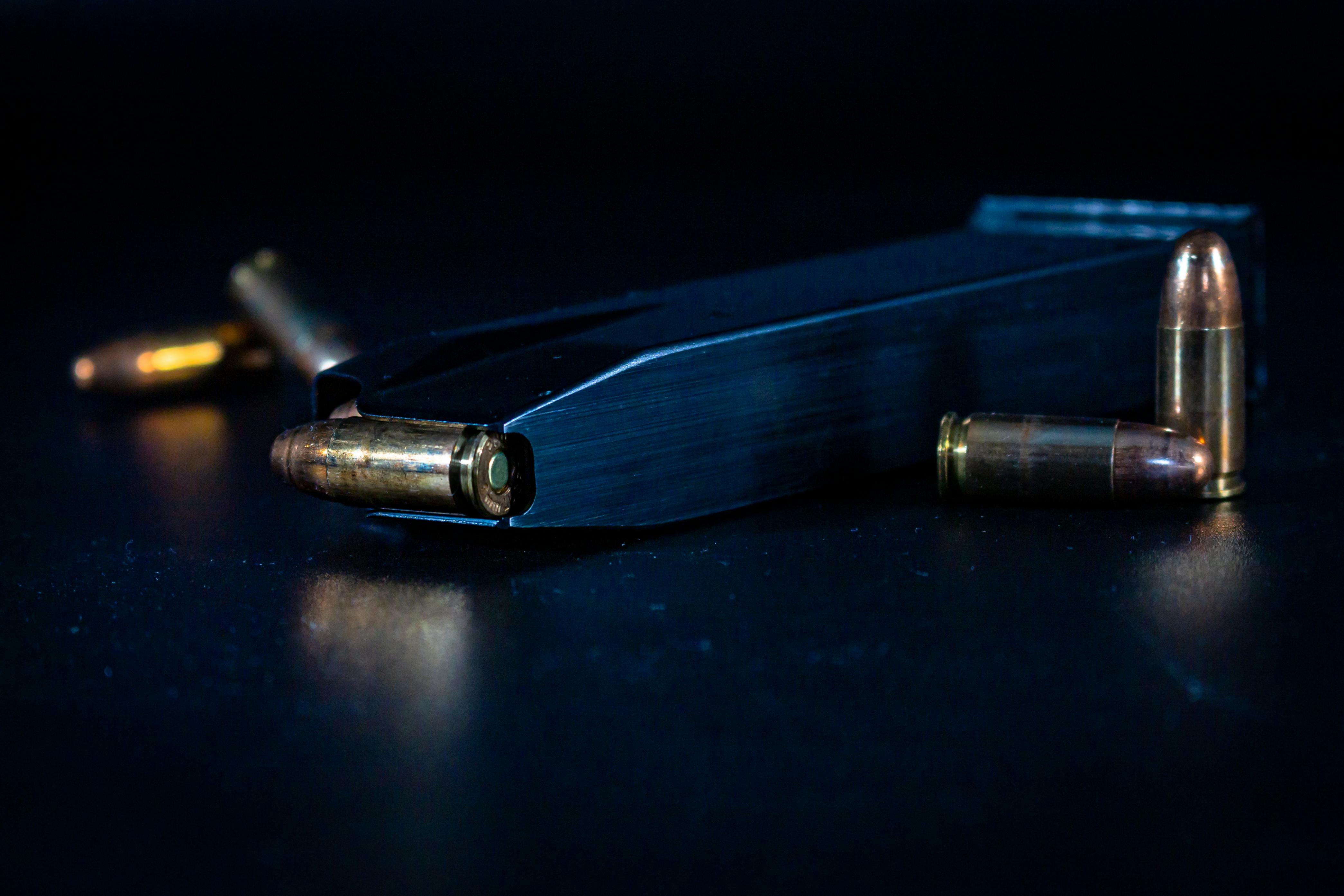
Magazines are often blamed only when malfunctions appear, but neglect can shorten their life well before obvious failures begin. Dirt, pocket lint, rust, and worn springs can affect feeding, lockup, and overall reliability. A perfectly maintained pistol still depends on magazines that are clean and in good working order.
Because magazines seem simple, many owners toss them into bags, glove boxes, or drawers without much thought. Daily carry makes that worse by exposing them to dust, sweat, and debris. Occasional inspection, cleaning, and spring replacement can prevent unnecessary stress on the pistol and help avoid the stoppages that people often mistake for gun problems.
Storing the Pistol in Damp or Dirty Conditions
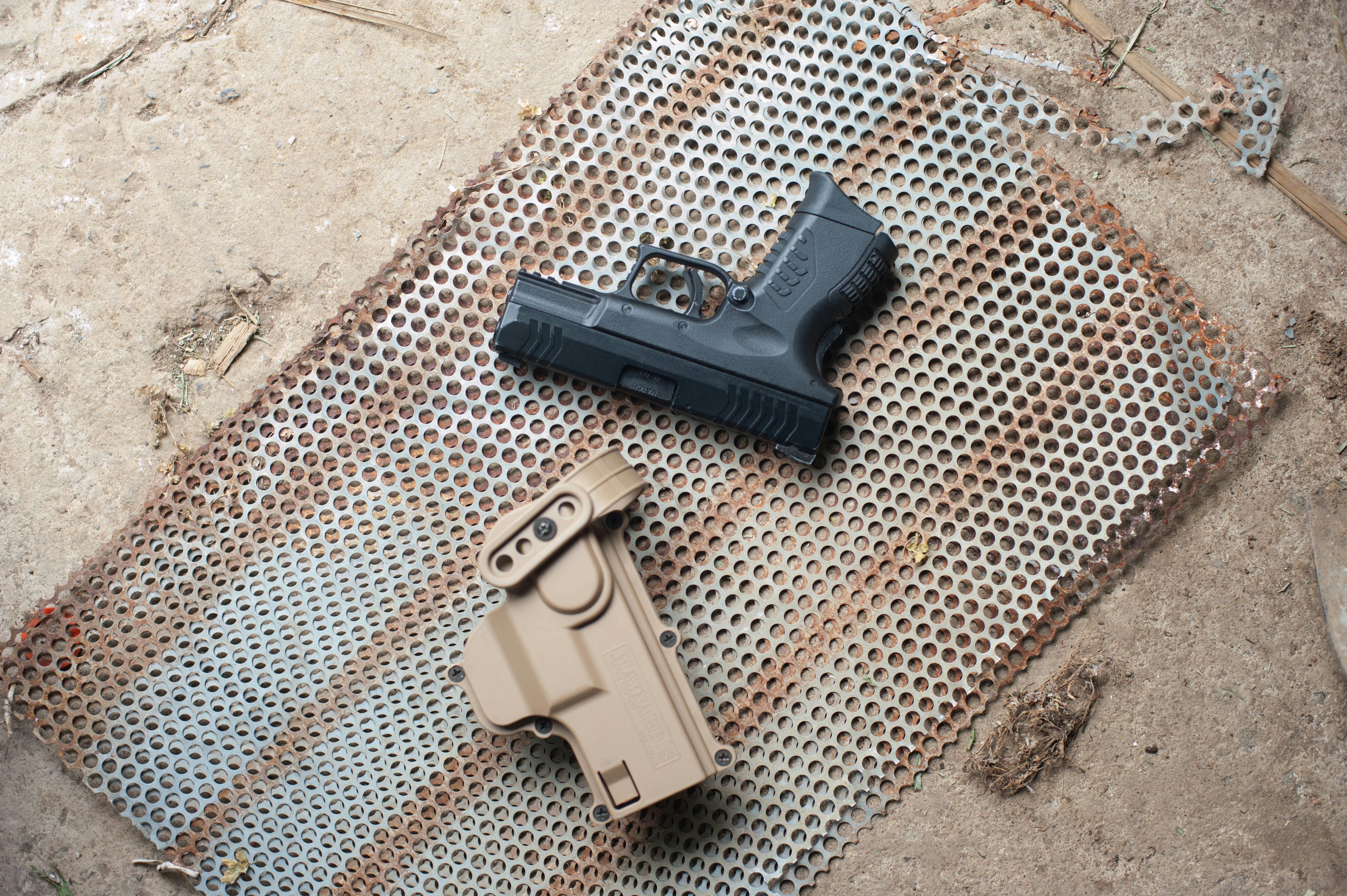
Even a well-made pistol can suffer when storage conditions are poor. Humidity encourages rust in hidden areas, while dust and grit settle into actions and magazines when a firearm is left exposed. Damage from storage often develops quietly, showing up only after corrosion spots or sluggish operation become hard to ignore.
Daily-use firearms are especially vulnerable because they move between environments like vehicles, waistbands, safes, and bedside drawers. Moisture from sweat or weather can linger if the gun is put away without a quick wipe-down. Clean, dry storage and sensible humidity control go a long way toward preserving both reliability and service life.
Skipping Inspection of Small Wear Parts

Pins, extractors, sights, screws, and small springs do not attract much attention, yet they often reveal early signs of trouble. A loose sight, chipped extractor, or drifting pin can change from a minor issue into a reliability problem if it goes unnoticed. Regular inspection catches wear before it starts affecting the whole pistol.
Many owners clean only what is obvious and never really look at the gun closely. That habit misses cracks, peening, unusual finish wear, and parts slowly backing out of place. A careful once-over during routine maintenance takes only a few minutes and can prevent larger repairs, costly replacements, or a failure at the worst moment.
Putting Off Maintenance Until Problems Appear

Waiting for a malfunction before doing meaningful maintenance is one of the easiest ways to shorten a pistol’s useful life. By the time the gun starts showing clear symptoms, wear may already be affecting multiple components. Preventive care is rarely dramatic, but it is what keeps small issues from turning expensive.
Reliable daily-use firearms benefit from a simple rhythm of cleaning, inspection, lubrication, and parts replacement when needed. That does not mean obsessing over every mark or cleaning after every magazine. It means treating maintenance as routine stewardship rather than emergency repair. A pistol that is counted on regularly deserves care before trouble announces itself.