Switzerland is usually shorthand for watches, banking, and Alpine order, but its gunmaking history deserves a closer look too. From straight-pull service rifles to world-class target pistols, Swiss firearms have long reflected the same obsession with fit, finish, and mechanical exactness. This gallery highlights 10 standout models that helped turn Swiss precision into something you could shoulder, sight, and fire.
Schmidt-Rubin 1889
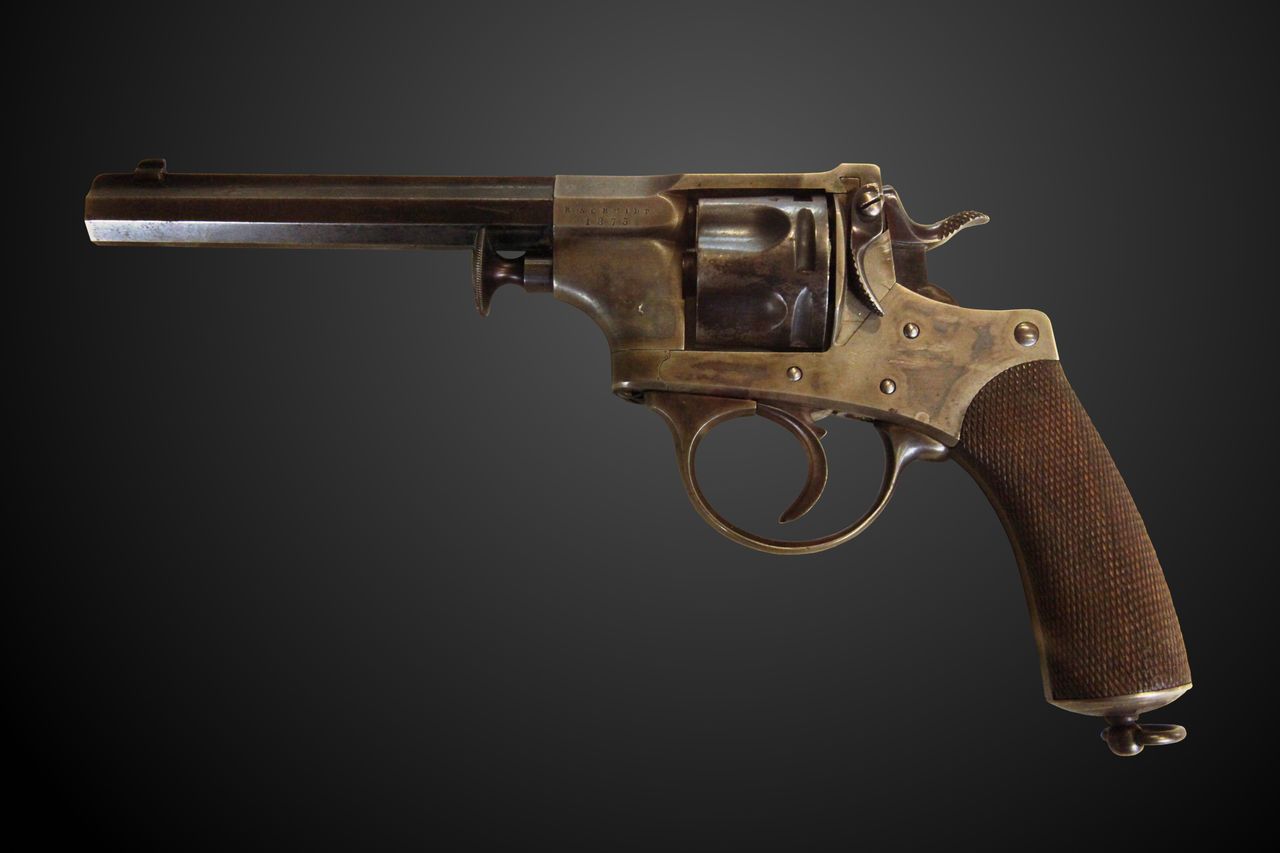
The Schmidt-Rubin 1889 was the rifle that announced Switzerland had its own serious answer to late 19th-century military technology. Designed around Rudolf Schmidt’s straight-pull bolt and Eduard Rubin’s small-caliber smokeless cartridge ideas, it brought speed and modern thinking together in one tidy package.
What made it memorable was not just novelty, but refinement. The straight-pull action let soldiers cycle rounds faster than many turn-bolt rivals, while Swiss manufacturing standards gave the rifle a reputation for unusually careful fit and finish.
By later standards it was a transitional design, but it set the tone for what followed. Swiss service rifles would become known for smooth operation, practical accuracy, and engineering that felt a little more deliberate than average.
Karabiner 1911
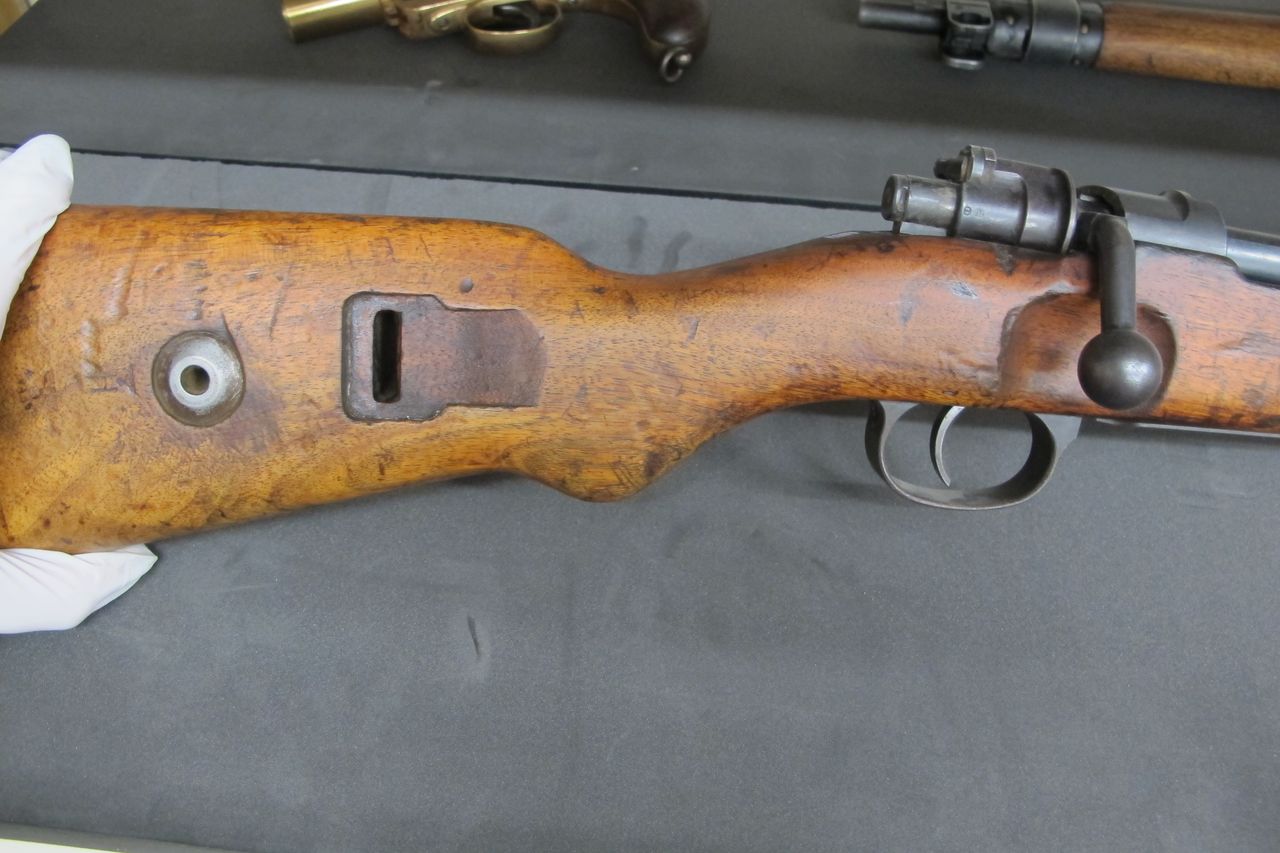
The Karabiner 1911 helped move the Swiss straight-pull idea into a handier and more balanced form. Shorter than the long rifles that came before it, it offered better portability without giving up the accuracy Swiss shooters had come to expect.
Its clean lines and solid construction made it look purposeful, but the real charm was in the handling. The action remained quick and smooth, and the rifle felt like a carefully considered tool rather than a rushed compromise.
Collectors and history fans often see the K11 as a bridge between early Schmidt-Rubin patterns and the legendary K31. That middle-child role undersells it, because on its own merits it showed how Switzerland kept polishing a very good idea.
Karabiner 31

If one Swiss rifle has become the star of surplus racks and range conversations, it is the Karabiner 31. Introduced in the 1930s, the K31 refined the straight-pull concept into a compact, beautifully made service rifle that still impresses modern shooters.
The bolt travel feels fast and direct, and the machining often looks better than what many armies issued in peacetime, let alone in tense years. Paired with excellent barrels and quality GP11 ammunition, the rifle earned a lasting reputation for remarkable accuracy.
That combination of military practicality and near target-grade performance is what keeps the K31 relevant. It is the rifle people bring up when they want proof that Swiss military gear could be both rugged and surprisingly elegant.
Stgw 57
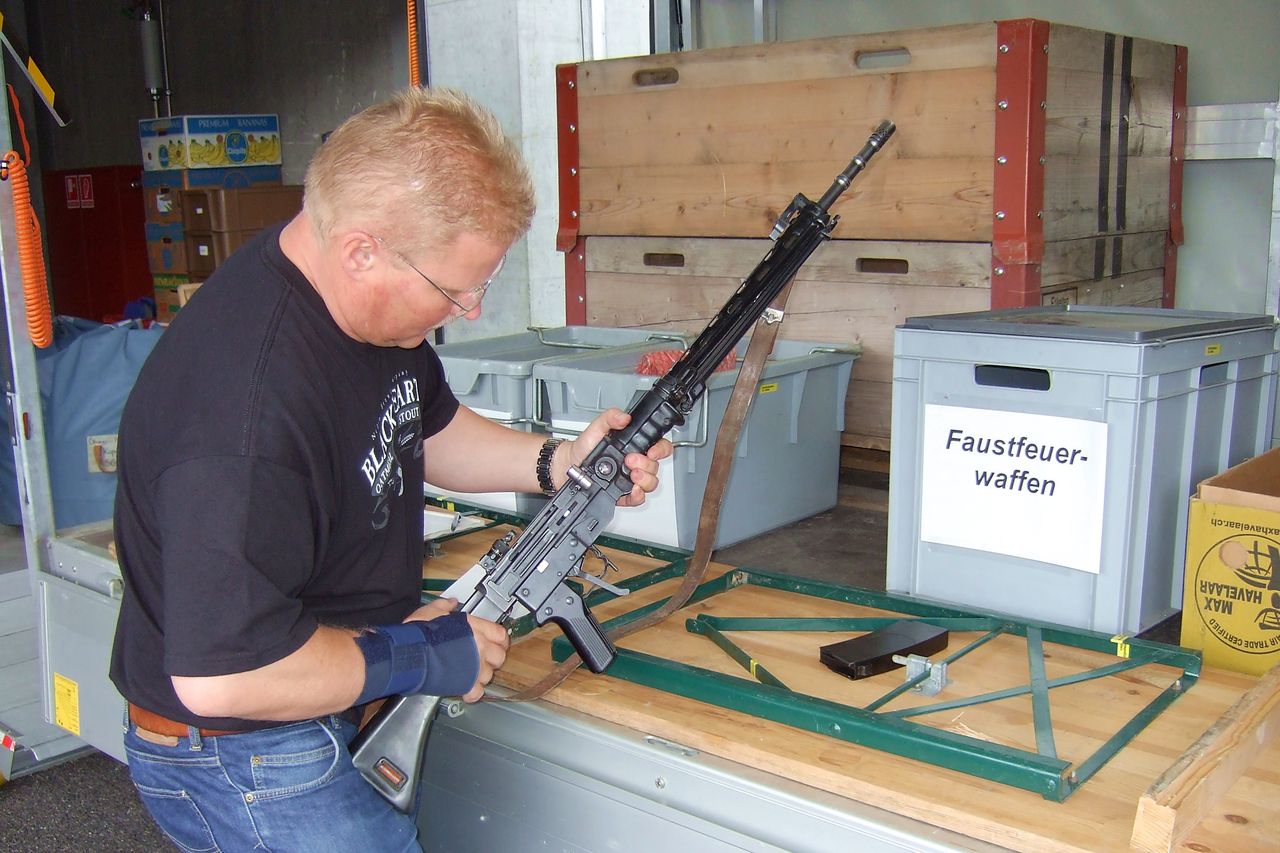
The Stgw 57 looked like Switzerland took a service rifle and engineered it with almost stubborn seriousness. Heavy, robust, and chambered for 7.5×55mm, it was built around a roller-delayed blowback system and felt more like a precision instrument than a lightweight battlefield compromise.
That weight was no accident. It helped tame recoil and supported the rifle’s excellent shooting characteristics, making the Stgw 57 famous for accuracy that could embarrass many rifles intended strictly for combat use.
It was never the most compact thing to carry, and nobody would mistake it for dainty. But in classic Swiss fashion, it delivered confidence through quality, proving that a military rifle could prioritize control, consistency, and long-term durability all at once.
Stgw 90
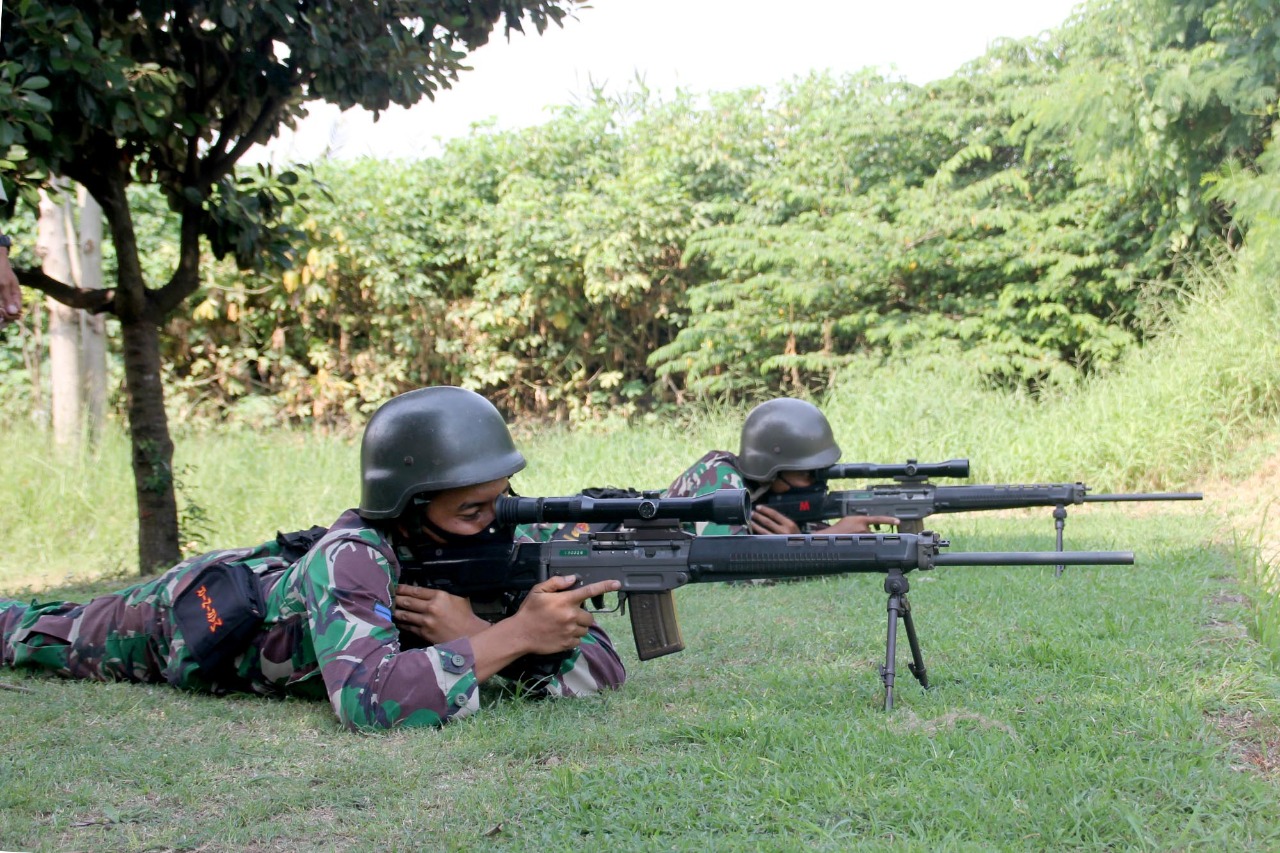
The Stgw 90, known internationally as the SIG SG 550, showed that Swiss precision did not have to come in a heavy steel package. Introduced as a modern 5.56×45mm service rifle, it blended reliability, practical ergonomics, and excellent accuracy in a lighter, more contemporary form.
Swiss attention to detail still showed everywhere, from the diopter sights to the rifle’s famously tidy construction. It was designed for soldiers, not collectors, yet it carried that unmistakable sense that every piece had been thought through carefully.
The result was a rifle that gained admiration well beyond Switzerland’s borders. For many enthusiasts, the SG 550 family remains one of the most refined military rifle platforms of the late 20th century.
SIG P210
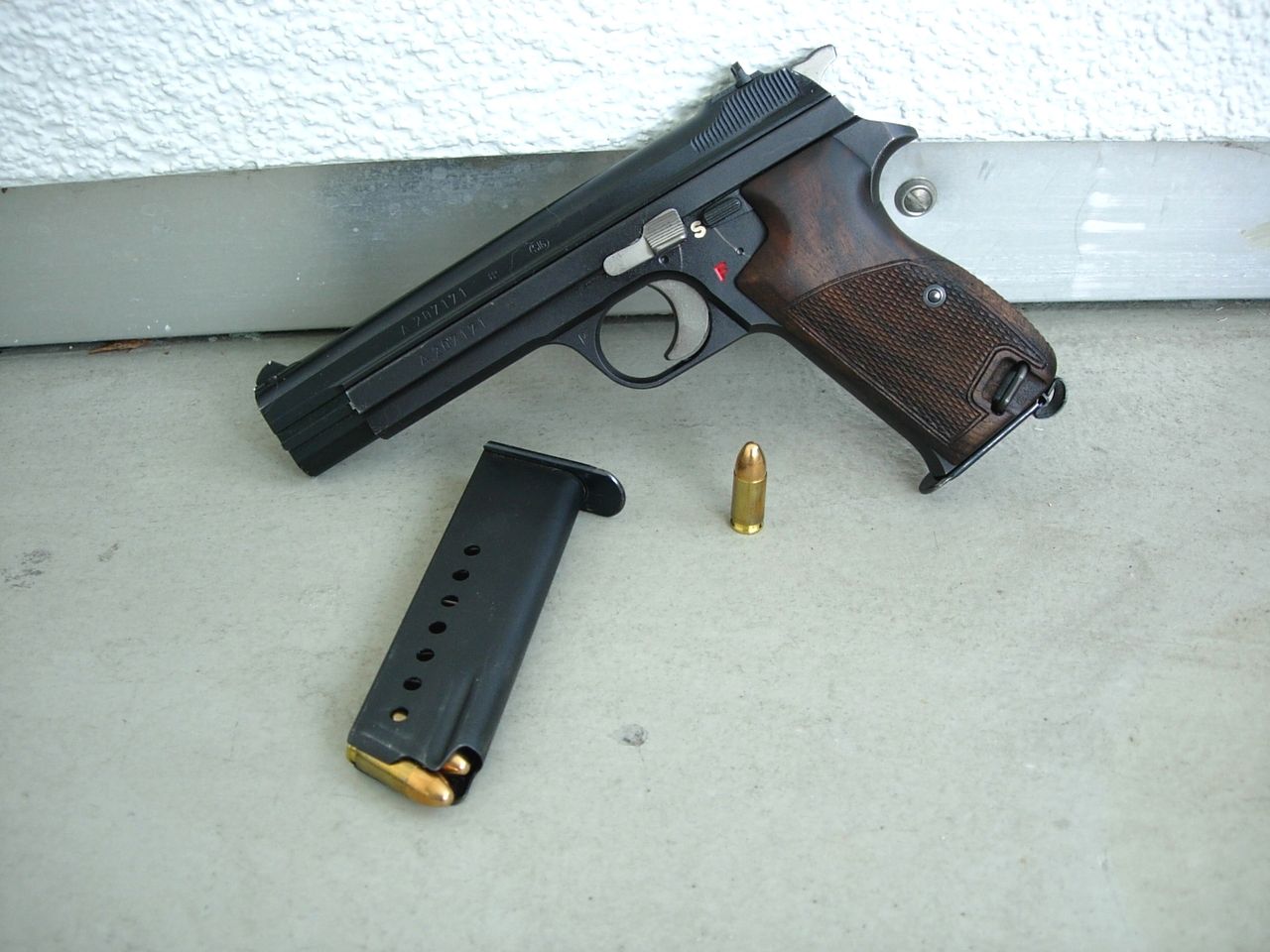
The SIG P210 is one of those pistols that inspires almost reverent language, and for good reason. Originally adopted for military service, it became famous for accuracy, superb trigger quality, and a level of manufacturing care that put it in a class of its own.
Its slide rides inside the frame rails, a design choice that helped create a famously tight and consistent feel. In the hand, the pistol seems to reward calm, deliberate shooting, and on the target it often delivers groups that make owners sound a little smug.
What makes the P210 enduring is that it was never just a luxury object. It proved a service sidearm could be built with target-grade ambition, and that is a very Swiss kind of statement.
SIG P220
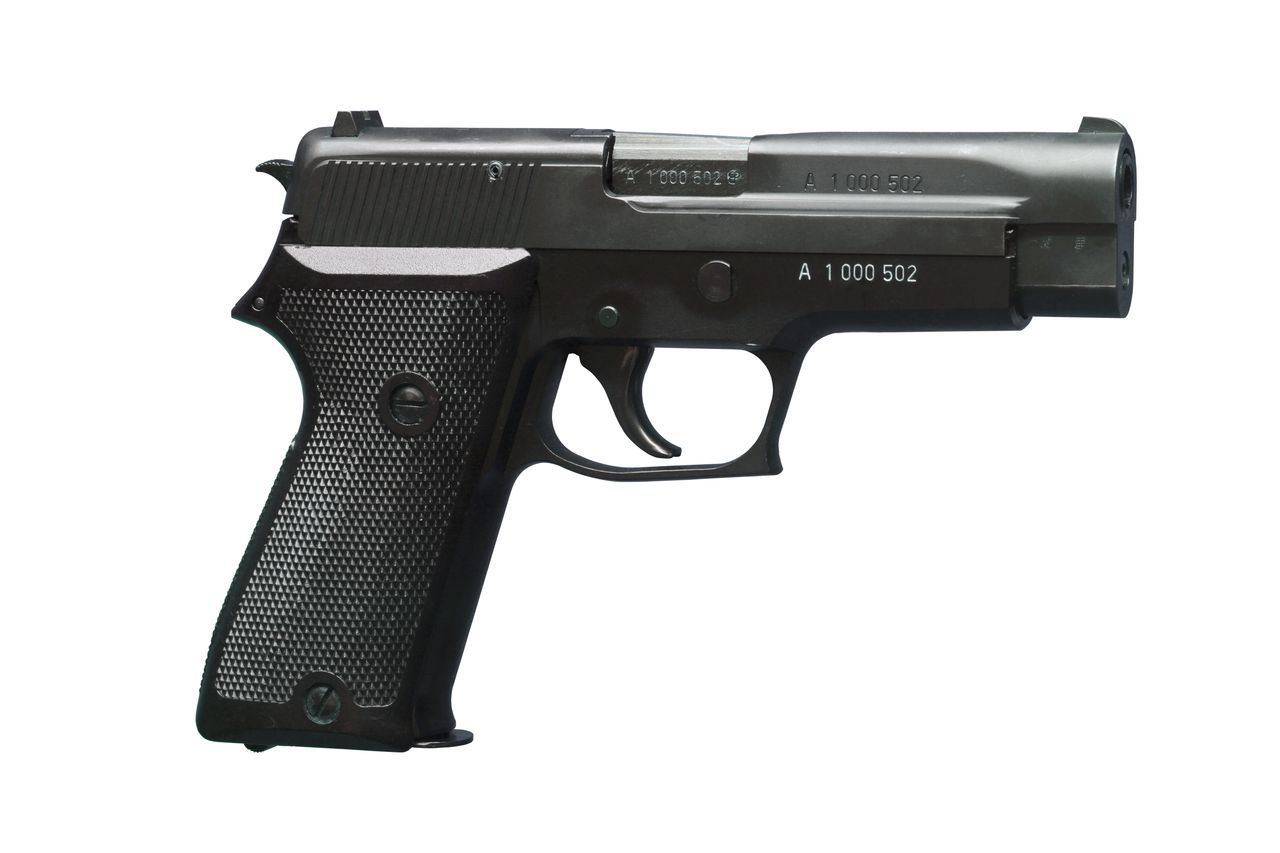
The SIG P220 did not have to mimic the jewel-like aura of the P210 to become a classic. Instead, it brought Swiss and later Swiss-German design thinking into a more modern double-action service pistol that balanced reliability, safety, and shootability extremely well.
Its controls were straightforward, the decocking system was intuitive, and the pistol earned trust with police, military, and civilian shooters alike. It felt practical, but never crude, which is often the sweet spot for enduring sidearm design.
The P220 also helped define the reputation of the broader SIG pistol family. It showed that Swiss precision could adapt to real-world duty needs without becoming fussy, and that kind of disciplined evolution is part of what made the platform so influential.
Hämmerli 208
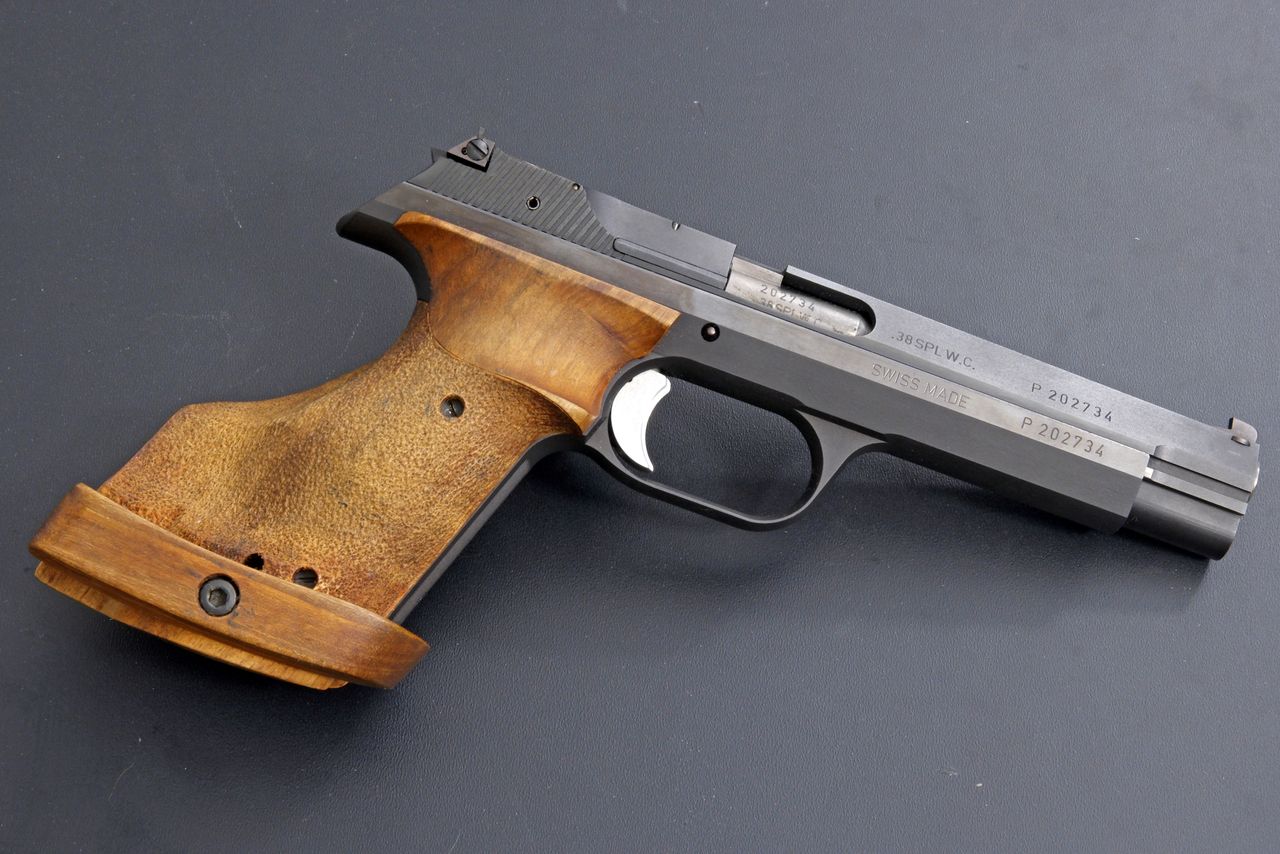
The Hämmerli 208 is the sort of .22 target pistol that makes precision seem almost architectural. Built for competition, it became beloved by serious shooters who wanted a handgun that delivered consistency shot after shot without drama, gimmicks, or unnecessary flash.
Everything about it reflects control. The trigger, balance, and sight picture were designed to help a disciplined shooter do exactly what they intended, which is often the highest compliment you can pay a target firearm.
In a country already associated with exacting standards, the 208 fit right in. It reminded the shooting world that Swiss gunmaking was not only about military arms, but also about the refined tools used to chase tiny groups and medals.
SIG SG 540
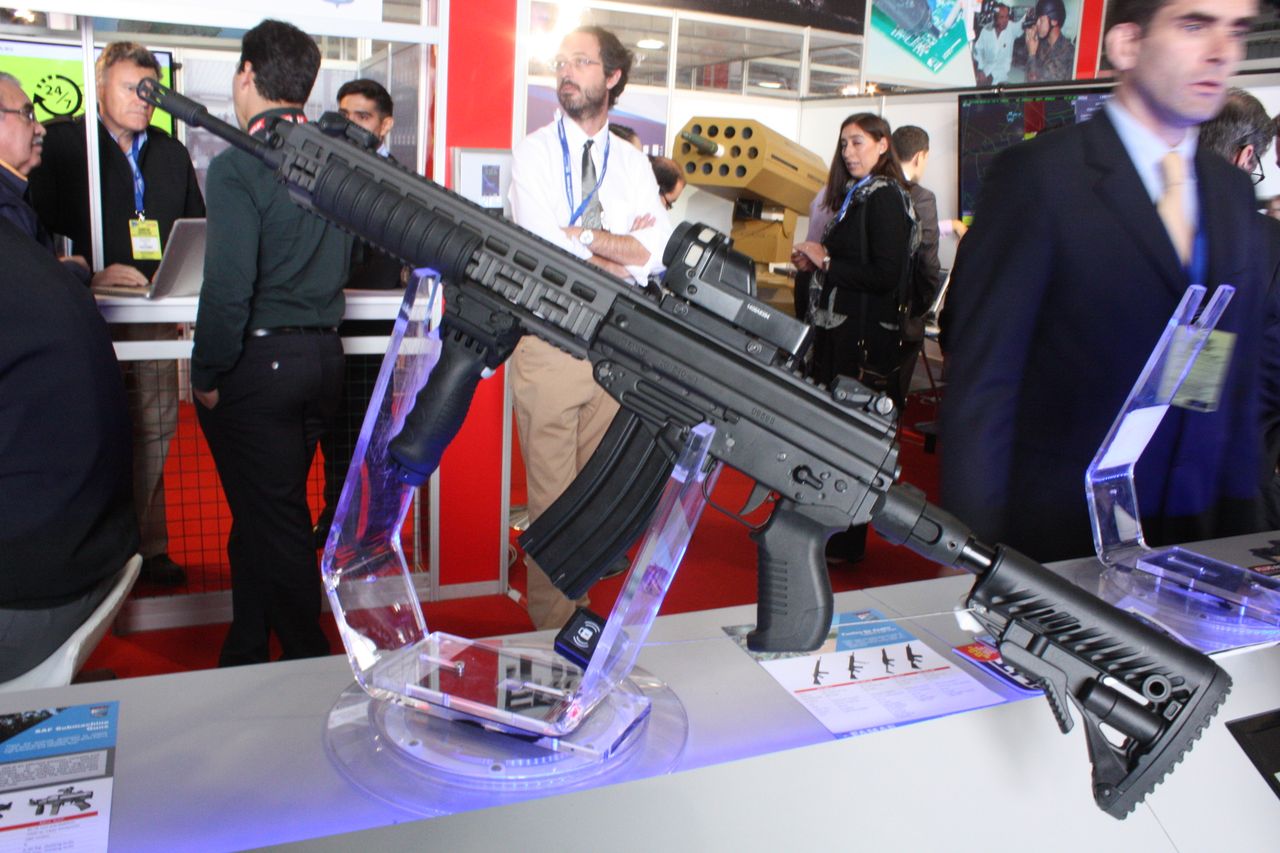
The SIG SG 540 family often gets a little less spotlight than the SG 550 series, but it mattered in a big way. Developed for export and broader international appeal, it combined Swiss design discipline with a lighter, more conventional assault-rifle layout.
It used a gas-operated rotating bolt system and was built to compete in a crowded global market. Even there, the Swiss tendency toward quality control and clean engineering gave it a distinct identity among service rifles of its era.
What makes the SG 540 notable is how clearly it shows adaptation without surrender. Switzerland was not just preserving old strengths, it was translating them into a platform meant for modern military expectations and overseas customers.
B&T APC9

The B&T APC9 brings the Swiss precision story into the present with a firearm built for modern police, security, and civilian markets. Compact, modular, and highly controllable, it reflects a newer generation of Swiss manufacturing that values adaptability as much as traditional fit and finish.
Brugger & Thomet built its reputation on practical excellence, and the APC9 carries that forward with smart ergonomics and a reputation for dependable performance. It feels contemporary, but not disposable, which is a distinction shooters notice quickly.
Its rise also shows how Swiss gunmaking evolved beyond classic wood-and-steel icons. Precision is still the theme, only now it appears in rails, controls, suppressor-ready setups, and compact systems designed for fast-moving real-world roles.