Some rifles become famous because their cartridges are perfectly matched to what shooters already want. Others take the opposite route, pairing a capable bolt-action platform with a cartridge that seems to solve a problem nobody was urgently trying to fix. These combinations can be fascinating precisely because they were unconventional. Some disappeared quickly, while others survived as cult favorites. Here are seven notable examples, with dates, dimensions, bullet weights, and the commercial circumstances that made each pairing unusual.
1. Remington Model 600 and 6.5mm Remington Magnum
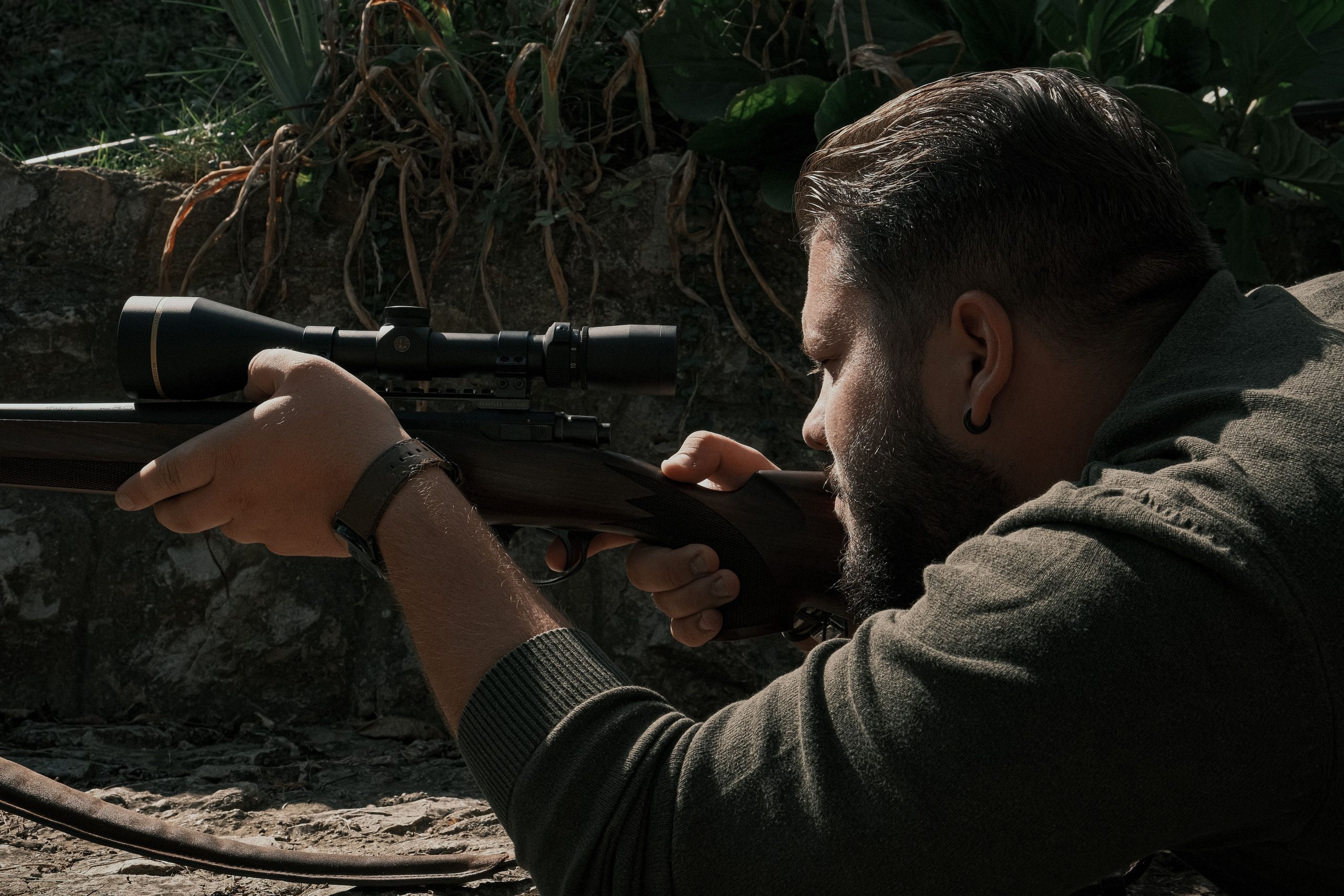
The Remington Model 600 in 6.5mm Remington Magnum arrived in 1966 with an answer to a question few hunters were asking. Its compact 18.5-inch barrel and belted case promised magnum performance in a handy package, but the cartridge never developed a broad commercial following. The 6.5mm bullet measured .264 inches, while factory loads commonly used 120- and 129-grain projectiles. Remington later offered the Model 660, yet production of the chambering remained limited. Today, the pairing is remembered more for its unusual concept than its commercial success.
2. Winchester Model 70 and .264 Winchester Magnum
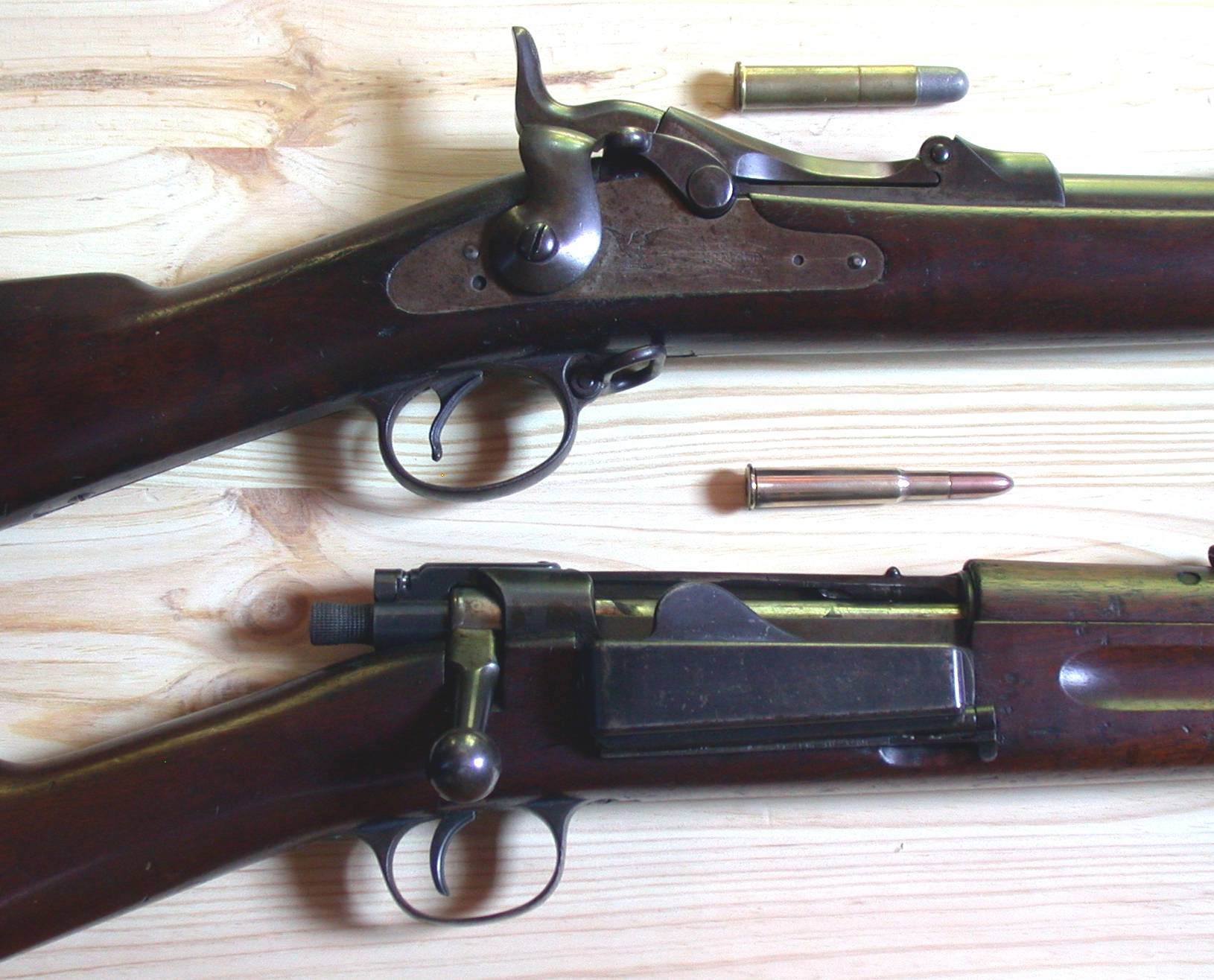
Winchester’s Model 70 briefly carried the .264 Winchester Magnum into a crowded market after its 1958 debut. The cartridge used a 2.500-inch case and a .264-inch bullet, achieving very high velocity from a traditional long action. Its headline figures could exceed 3,000 feet per second with lighter bullets, but barrel wear, ammunition cost, and the established 7mm Remington Magnum eventually worked against it. The Model 70 remains the most recognizable platform associated with the round. It is an intriguing example of a technically ambitious cartridge that arrived before its audience was ready.
3. Remington Model 700 and 7mm Remington Ultra Magnum
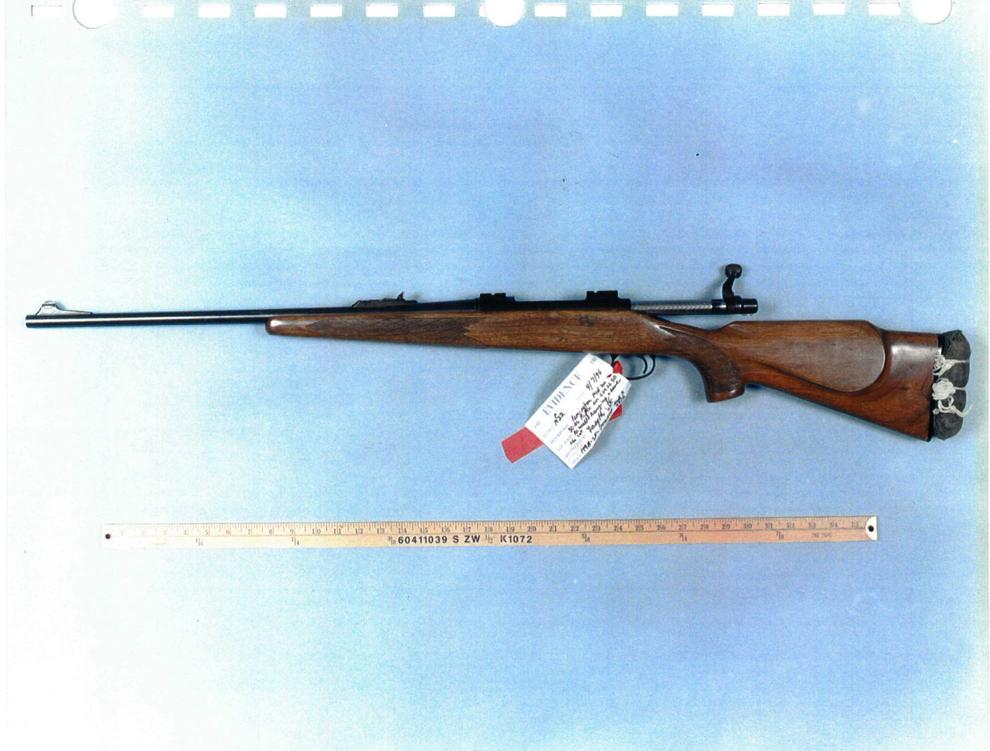
Remington’s Model 700 in 7mm Remington Ultra Magnum was built around a cartridge that pushed long-action limits. Introduced in 2000, the rimless case was notably large, measuring about 2.850 inches, and the overall cartridge length approached 3.600 inches. It offered magnum velocity without a belt, but recoil and bulky ammunition were real costs. Its story shows how a manufacturer can create an impressive ballistic package without creating a universally desirable one. That tradeoff made the Model 700 a specialized choice for hunters chasing reach rather than simplicity.
4. Winchester Rifles and the .284 Winchester
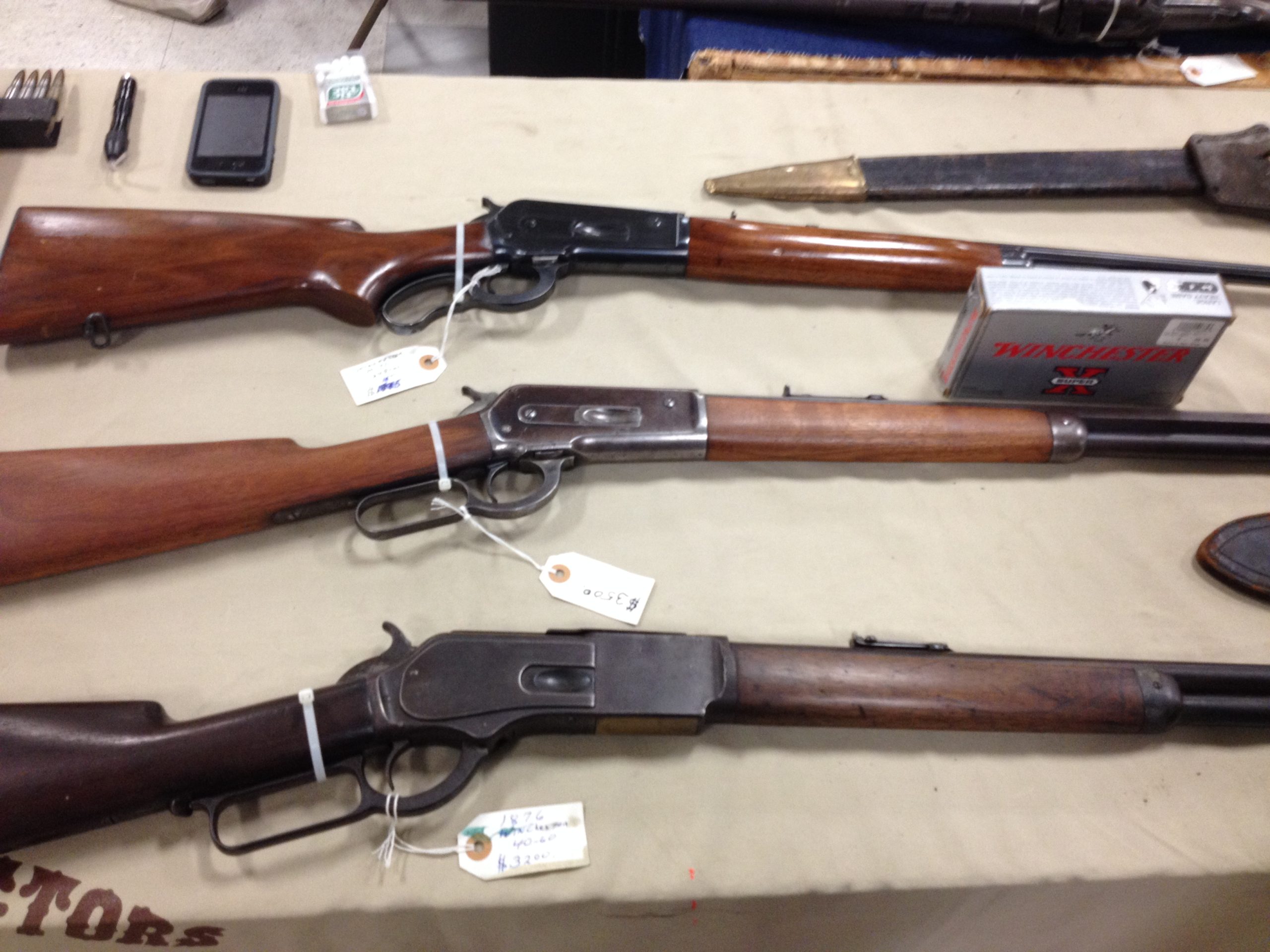
The .284 Winchester was unusual because Winchester designed it to deliver near-.270 and .280 class performance from a short-action rifle. Introduced in 1963, it used a rebated rim and a 2.170-inch case, allowing a relatively compact action while retaining a useful powder capacity. Winchester chambered it in the Model 88 and Model 100, but the cartridge never became a mainstream favorite. Later, hunting rifles revived interest. Its early commercial struggle is a reminder that clever dimensions do not automatically translate into lasting commercial demand.
5. Browning A-Bolt and .25 WSSM
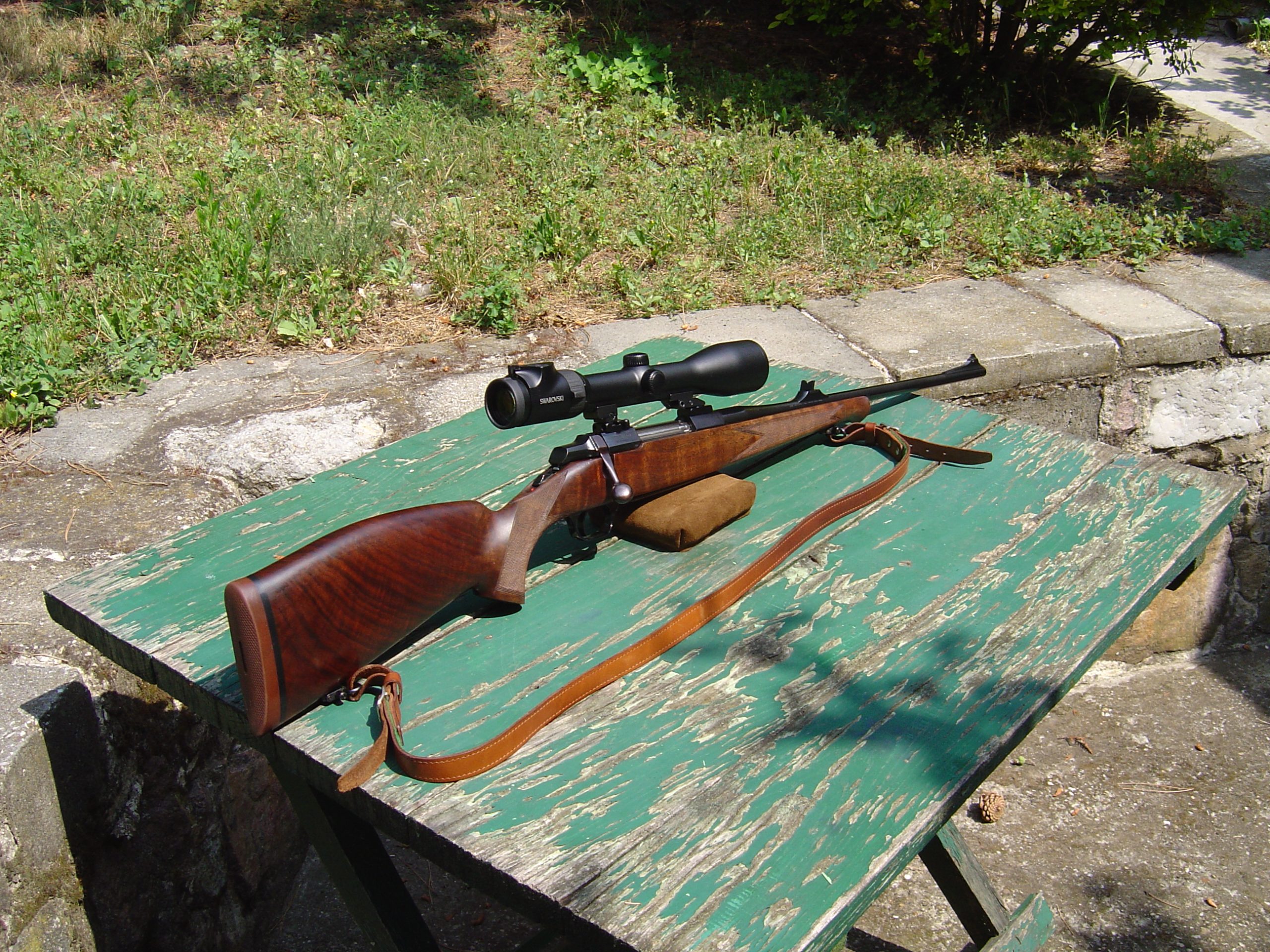
Browning’s A-Bolt helped give the .25 WSSM a modern bolt-action home when the cartridge appeared in 2004. The stubby case measured only about 1.670 inches, yet its fat body was designed to deliver useful .25-caliber performance from a short action. Browning’s approach was compact and distinctive, but the WSSM family arrived during a crowded period of cartridge development. Ammunition and rifle choices remained limited, making it a specialist curiosity. The A-Bolt version is now an interesting snapshot of the short, fat cartridge experiment in rifle design.
6. Custom Bolt Actions and the 6.5mm-06
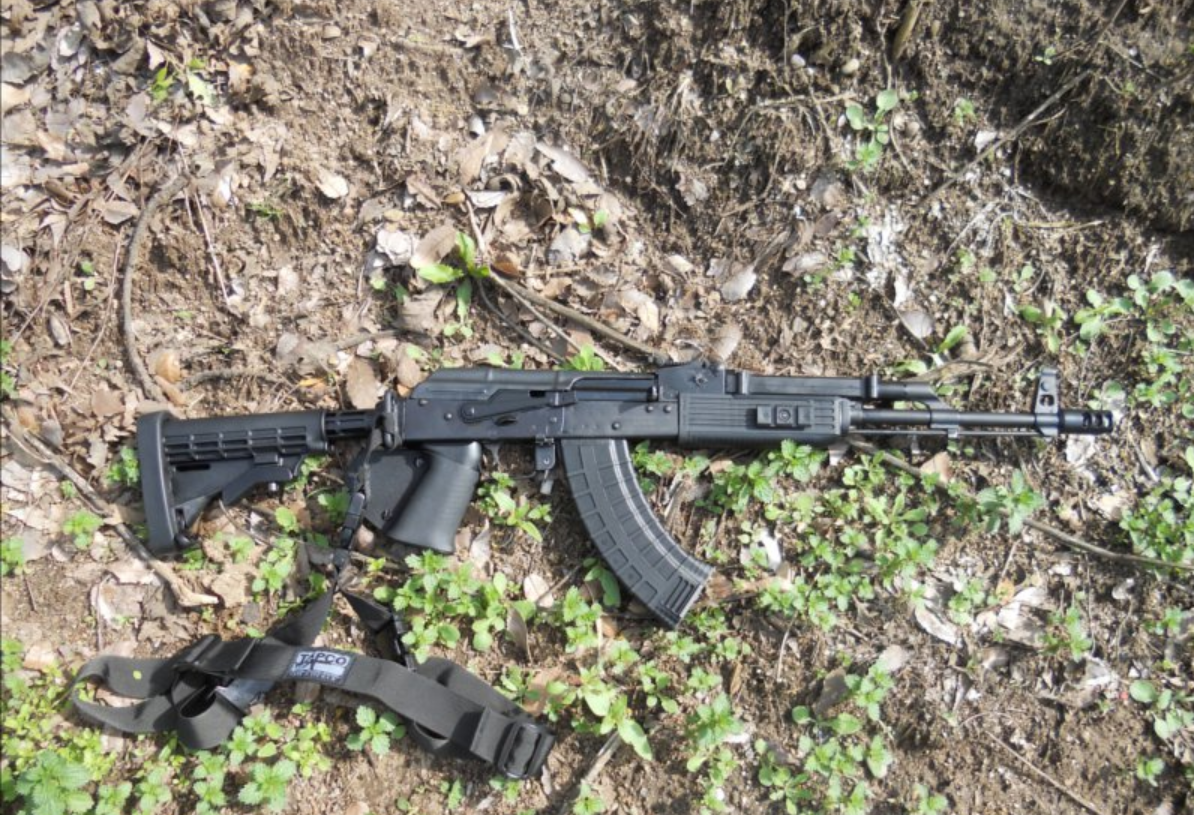
The 6.5mm-06 was never a mainstream factory cartridge, yet custom bolt-action rifles gave this wildcat a devoted following. It simply necked the .30-06 case to accept .264-inch bullets, producing a long-action 6.5mm with considerably more capacity than the 6.5×55 Swedish Mauser. Typical rifles used 22- to 26-inch barrels, reflecting the cartridge’s emphasis on velocity. Its biggest obstacle was obvious: shooters had to rely on handloading and custom chambering. That limited audience made the 6.5mm-06 fascinating, but hardly a mass-market choice.
7. Bolt-Action Rifles and the .35 Whelen
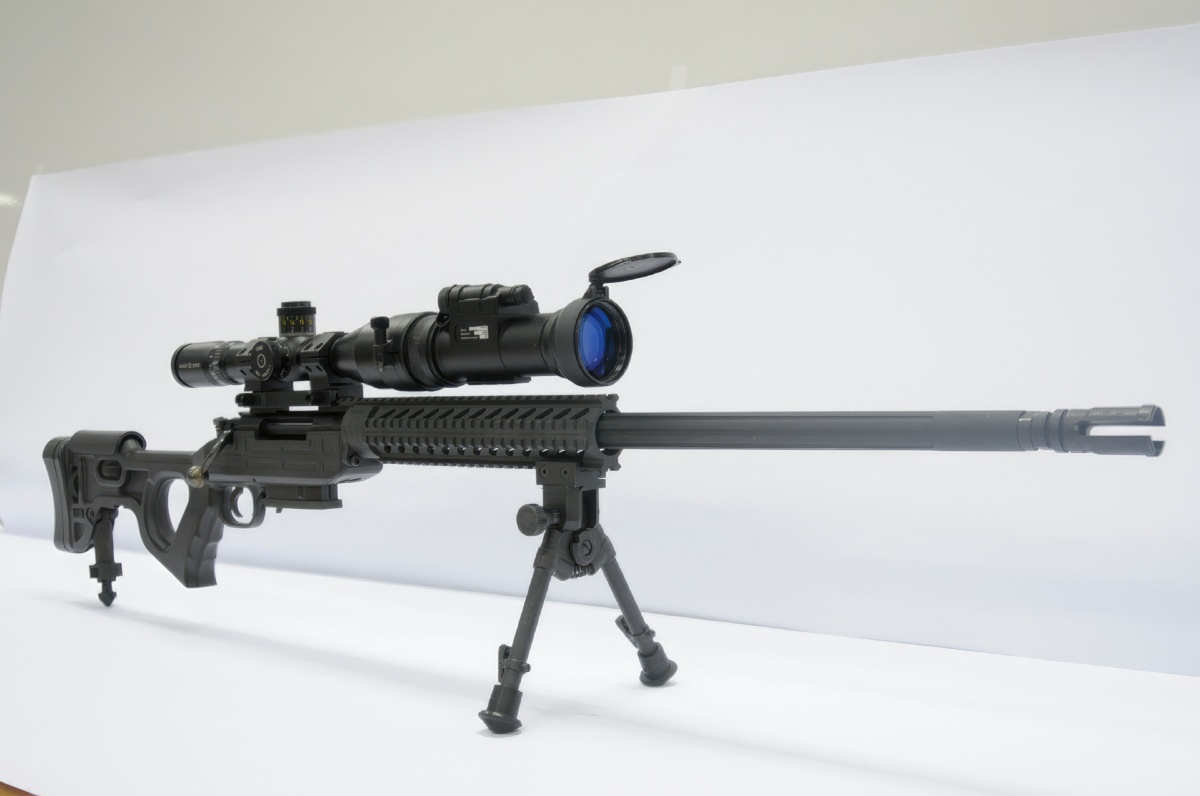
The .35 Whelen began as a wildcat and eventually became a factory cartridge, but its early bolt-action life was hardly a guaranteed commercial win. Based on the .30-06 case necked up to .358 inch, it offered heavy-bullet performance from a familiar long action. Remington standardized it in 1988, decades after its 1920s origins. Loads commonly ranged from about 200 to 250 grains, giving hunters a versatile big-game option. The cartridge’s unusual path from experiment to factory status makes it a better story than its modest sales numbers might suggest.