Break-action shotguns have survived generations of firearm development, even as pump-action and semiautomatic designs became more common. Their appeal comes from a combination of simplicity, two-barrel versatility, easy inspection, compact handling, and a deep connection to sporting tradition. From single-shot field guns to refined over-unders, the basic hinge-action concept continues to find a place with hunters, clay shooters, collectors, and traditionalists.
1. A Simple Action That Still Works
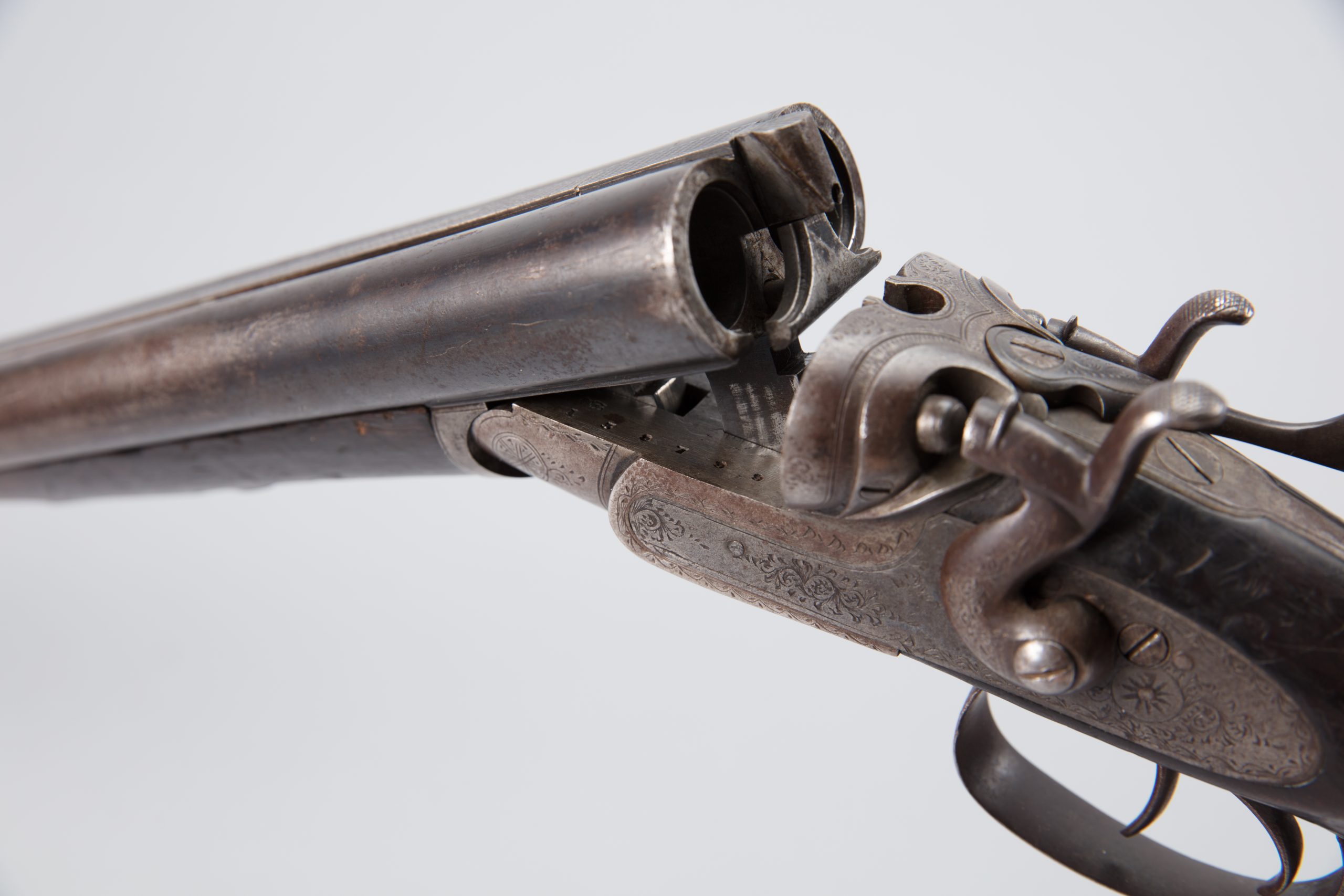
A break-action shotgun does not need a pump stroke, magazine feed, or cycling bolt. Its barrels hinge downward, exposing the chambers so shells can be loaded or removed directly. That basic arrangement has survived because fewer moving parts can mean fewer systems competing for attention. Single-shot versions offer one chamber, while doubles provide two. The design is also easy to inspect when open, which makes its condition immediately visible. After well over a century of development, the mechanism remains familiar, practical, and surprisingly difficult to make obsolete.
2. Two Barrels Offer Useful Flexibility
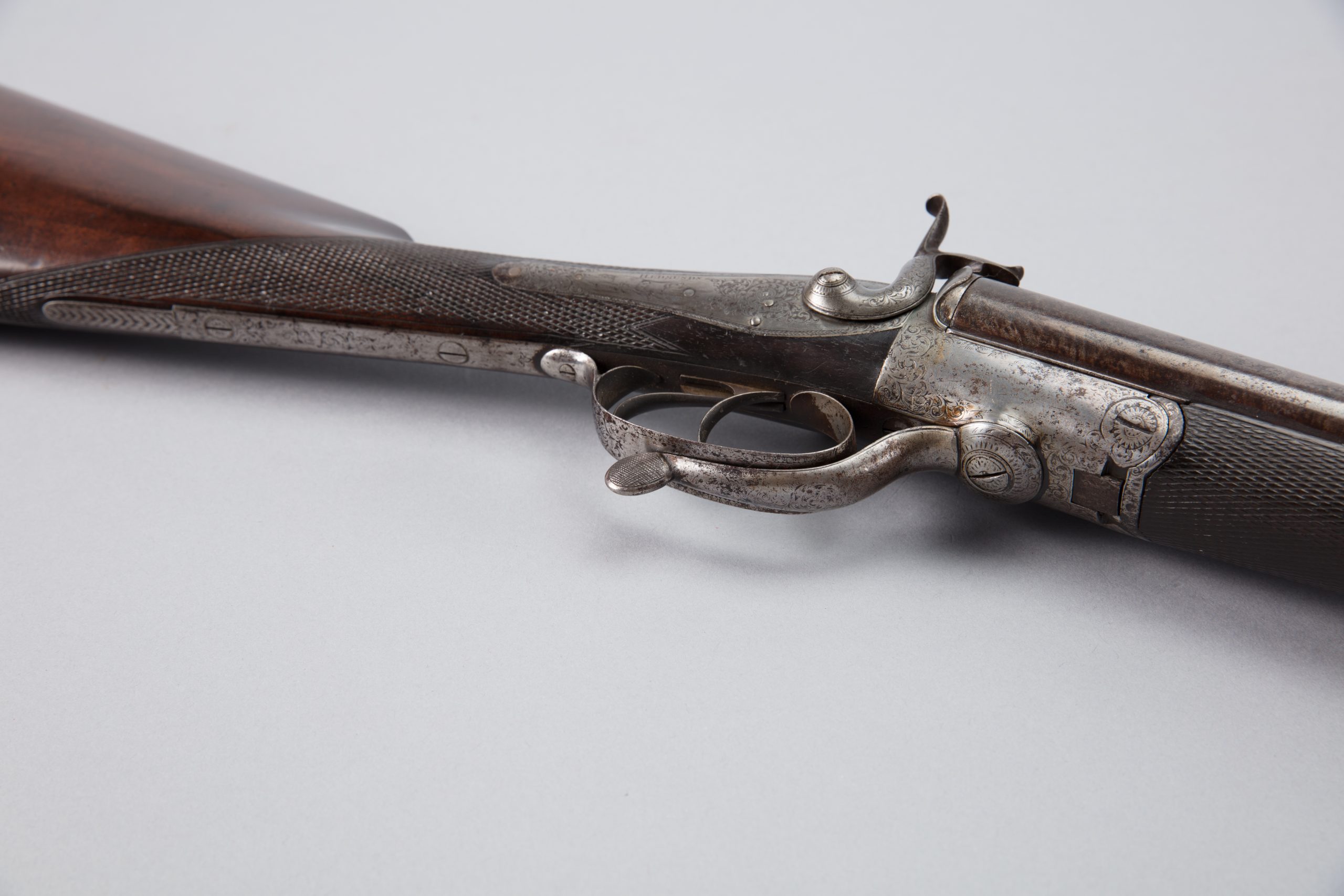
The classic double gives a shooter two barrels without adding a magazine or a complicated feeding system. Side-by-side models place the barrels horizontally, while over-unders stack them vertically. That second barrel can also have a different choke, giving one gun two pattern choices for different target distances. A sporting shooter may value that flexibility, while a hunter may appreciate having a quick second shot available. The arrangement is not about maximum capacity. It is about making two carefully chosen shots available in a compact package.
3. Open Visibility Builds Confidence
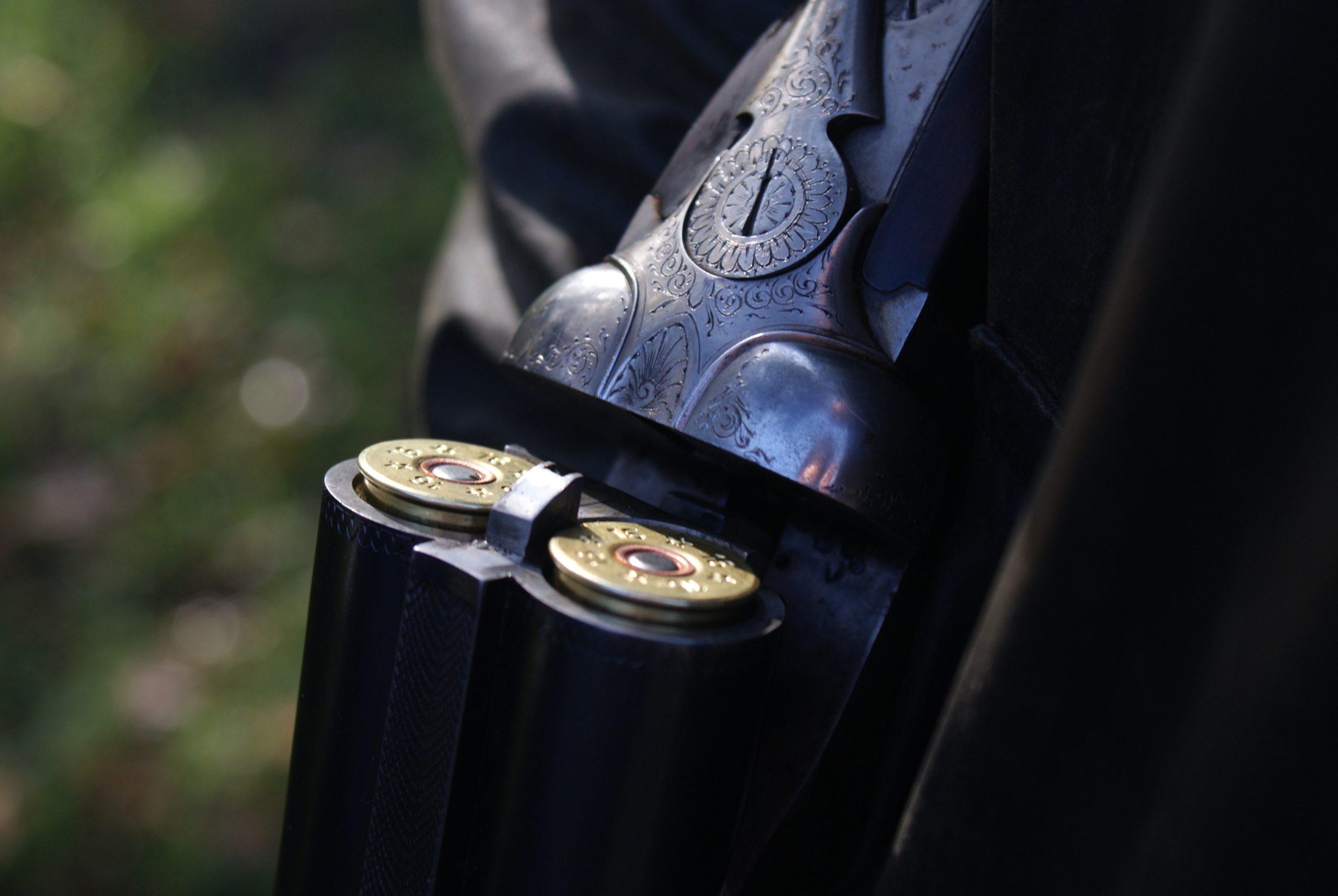
One distinctive feature of a break-action shotgun is the obvious relationship between the action and its ammunition. With the gun opened, the chambers are exposed, and the shells can be seen directly. On many ranges and hunting trips, that visual confirmation is useful when moving between shooting and carrying. Extractors lift fired cases for removal, while ejectors can throw them clear. The mechanism therefore makes loading, unloading, and checking straightforward. It does not replace safe handling or local rules, but its visible status is a major reason the design remains trusted.
4. It Fits Hunting and Clay Sports
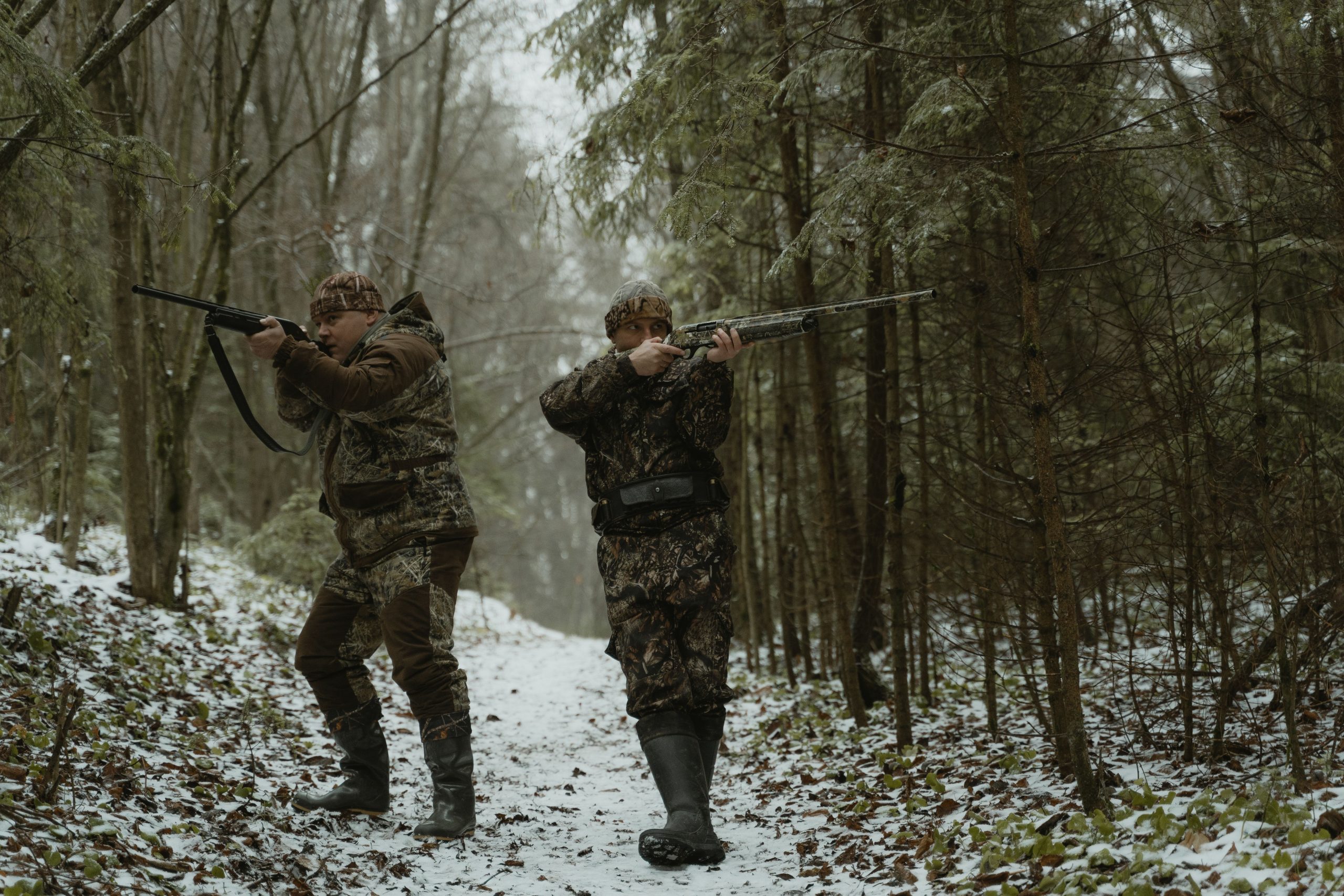
Break-action shotguns have stayed relevant because their strengths match the rhythm of many traditional shotgun sports. Over-under models are especially common in clay shooting, while side-by-sides retain a strong following among hunters and traditionalists. Two barrels can carry different choke constrictions, allowing a shooter to select a pattern suited to the target. Competitive disciplines also commonly limit shooters to two shots, reducing the capacity advantage of repeaters. That makes the double barrel feel less like an old compromise and more like a purpose-built sporting tool.
5. Compactness Keeps It Attractive
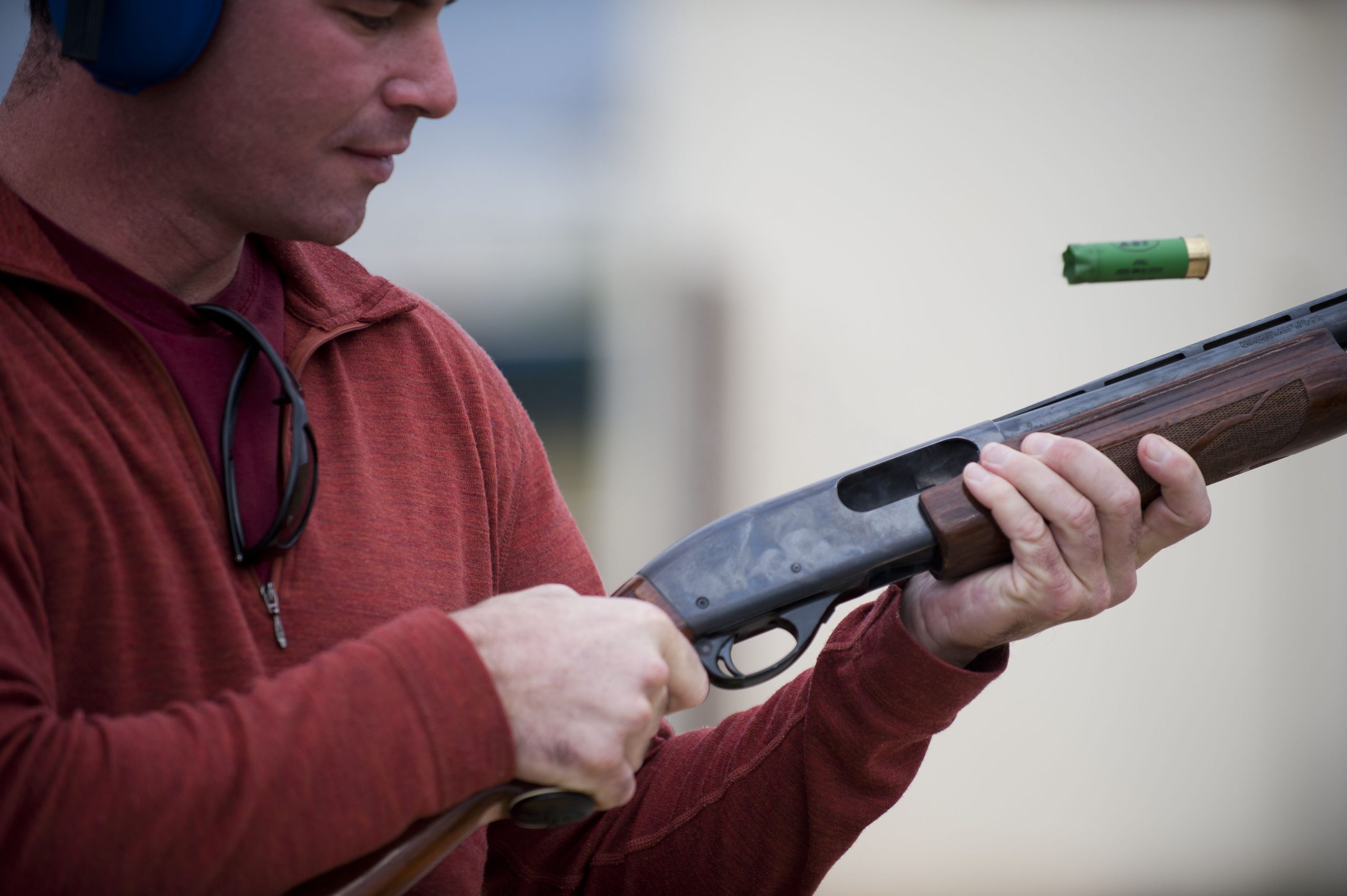
A break-action shotgun does not need a receiver long enough to house a repeating feed and cycling system. The result can be a relatively compact package for its barrel length, an advantage when carrying a shotgun through woodland, fields, or a sporting ground. Two barrels naturally add weight, but the absence of a magazine tube and cycling action can keep the overall layout trim. The same basic principle applies to single-shot guns, which can be exceptionally light. For hunters who value balance and easy handling, that simplicity still has real appeal.
6. Its History Gives It Lasting Character
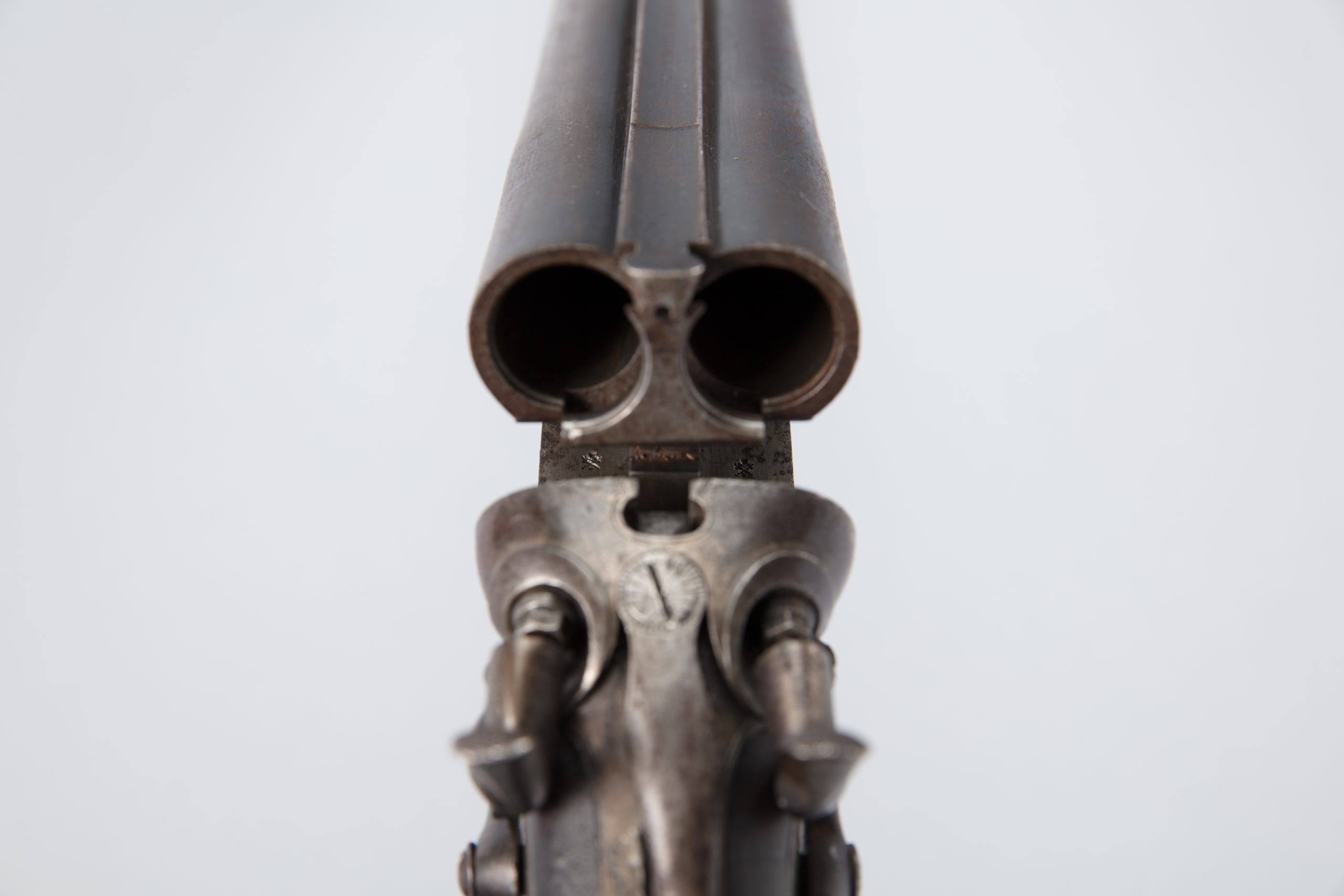
Break-action shotguns are not merely old designs that survived by habit. They became part of sporting culture, rural life, and gunmaking history across generations. Breechloading doubles grew rapidly during the nineteenth century, while hammerless actions and later over-under designs refined the concept. Famous makers built sporting guns around the same hinge principle, from practical field guns to highly finished doubles. That history gives the platform an identity modern repeaters cannot easily reproduce. Owners often value craftsmanship, family history, and tradition alongside function.
7. Modern Versions Keep Evolving
The break-action shotgun has changed without abandoning its central idea. Modern examples can use single or double triggers, automatic safeties, selective barrel systems, interchangeable choke tubes, and lighter construction. Over-under models dominate many sporting applications, while affordable single-shot and side-by-side designs still serve different markets. The platform remains easy to understand because its basic sequence has barely changed: open, load, close, fire, then open again to unload. That blend of old architecture and modern refinement explains