When winter hits, most people retreat indoors, trading their running shoes for the couch. But for those who crave fresh air and a challenge, snowshoeing is an underrated gem. It’s simple, low-impact, and offers an incredible full-body workout that can outshine even summer fitness routines. Best of all, it doesn’t require fancy equipment or elite skills, just the will to explore snowy landscapes at your own pace.
A Surprisingly Intense Full Body Workout
Snowshoeing engages far more muscles than people expect. Every stride through the snow activates the quads, calves, and glutes while your arms and shoulders power your poles. The constant resistance from snow builds strength, stamina, and balance. It’s a perfect blend of cardio and resistance training that feels natural and fluid, offering a rewarding challenge for both beginners and athletes alike.
Burns Calories Faster Than Running
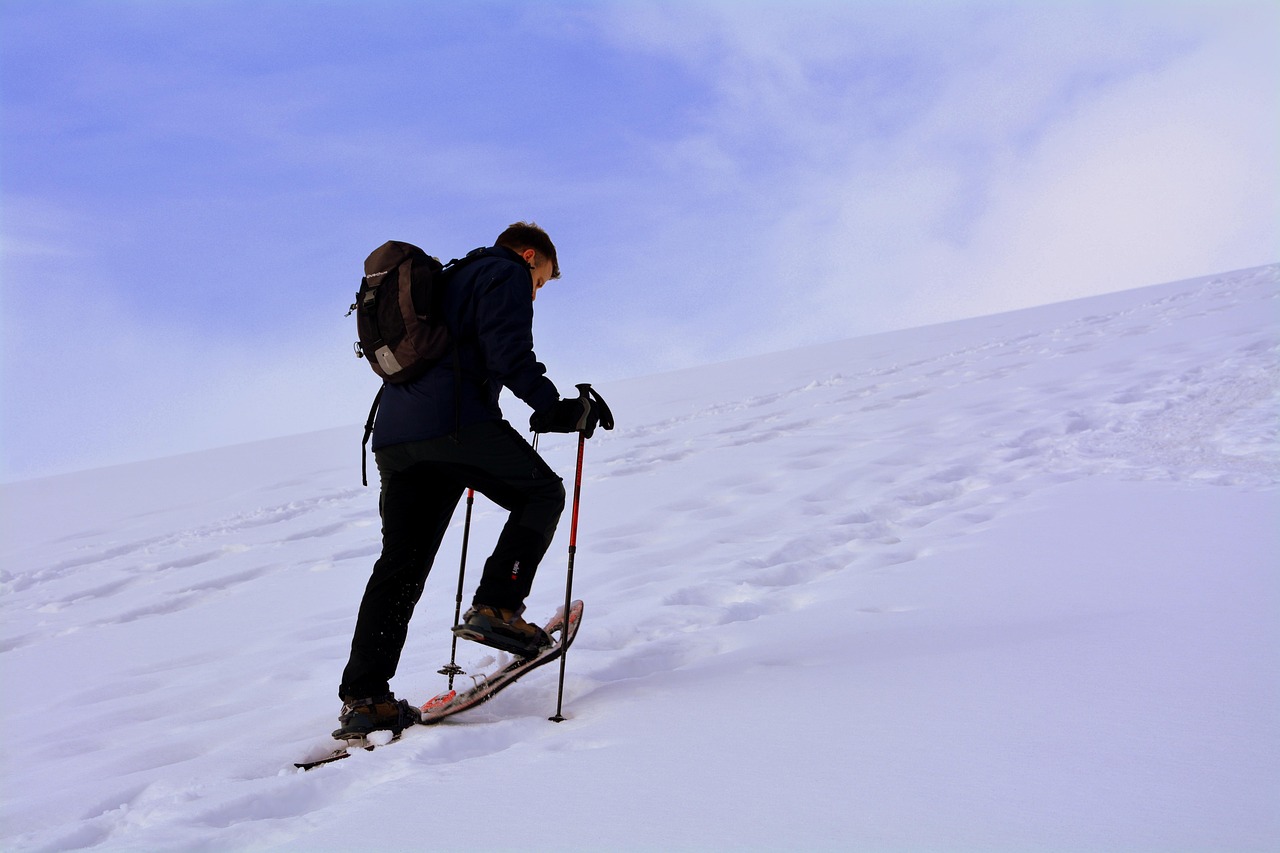
Pushing through snow requires more energy than running on flat ground. A brisk snowshoe hike can burn between 400 and 1,000 calories per hour, depending on terrain and effort. Cold weather also forces your body to work harder to stay warm, further increasing calorie expenditure. It’s one of the best winter workouts for those wanting to stay lean and active during the colder months.
Low Impact on Joints, High on Results
Unlike skiing or running on pavement, snowshoeing distributes your weight evenly across a larger surface, reducing pressure on knees and ankles. The soft cushion of snow absorbs impact, making it perfect for anyone with joint concerns or recovering from injury. You can push hard without fear of pounding stress, making snowshoeing a sustainable, lifelong activity for fitness and endurance.
Boosts Core Strength and Stability
Snowshoeing constantly challenges your balance. Uneven terrain and varying snow depths engage your core muscles to maintain stability with every step. This natural activation improves posture, coordination, and agility over time. Instead of crunches or gym machines, snowshoeing tones your abs through movement and balance, helping develop a stronger midsection without feeling like traditional exercise.
Strengthens Mental Clarity and Focus
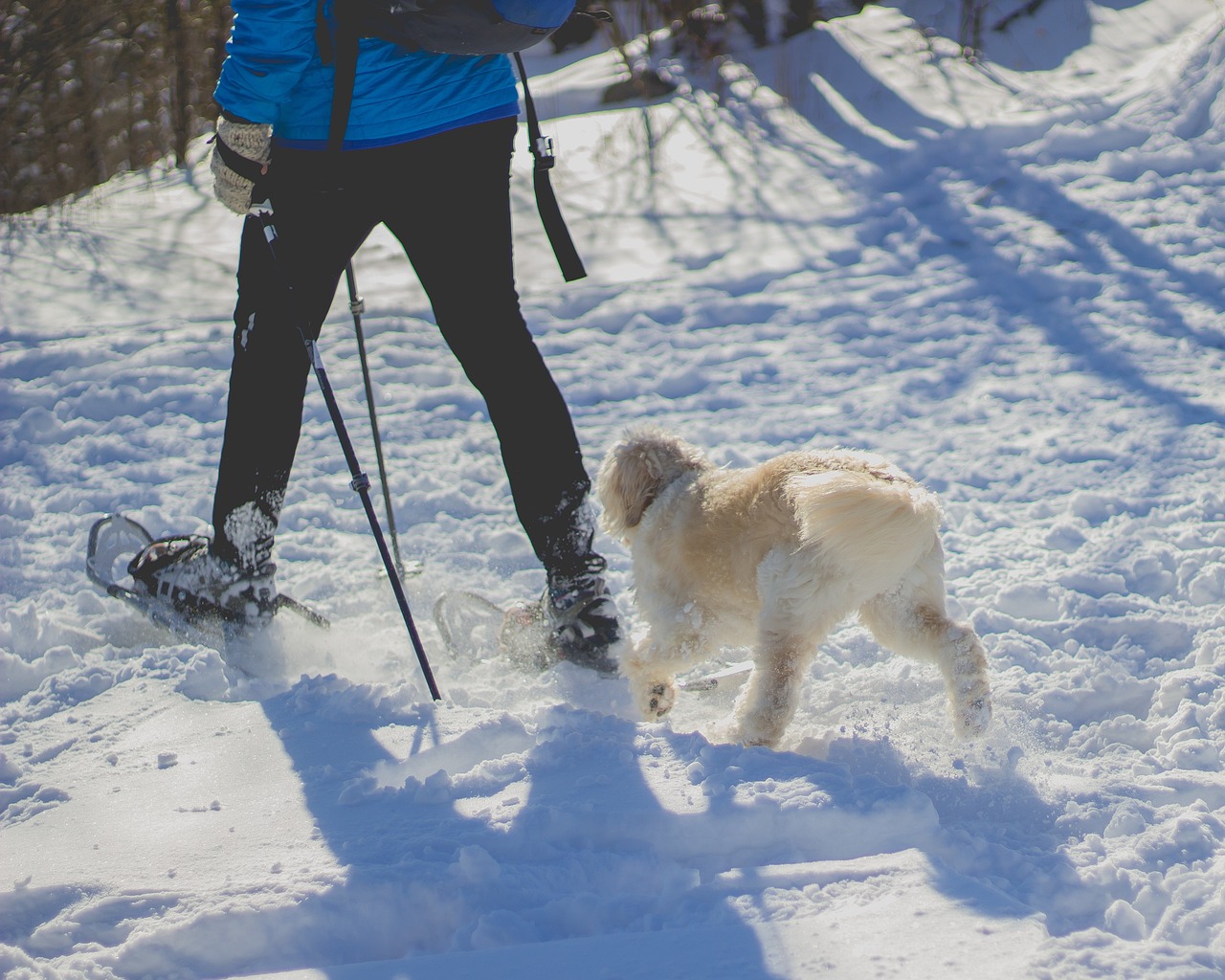
Beyond physical benefits, snowshoeing refreshes the mind. The rhythmic sound of snow underfoot, crisp air, and peaceful winter scenery promote mindfulness and calm. The simplicity of movement allows you to disconnect from daily stress and technology while reconnecting with nature. Many enthusiasts find it meditative, a moving form of therapy that clears the mind while keeping the body active.
Affordable and Easy to Learn
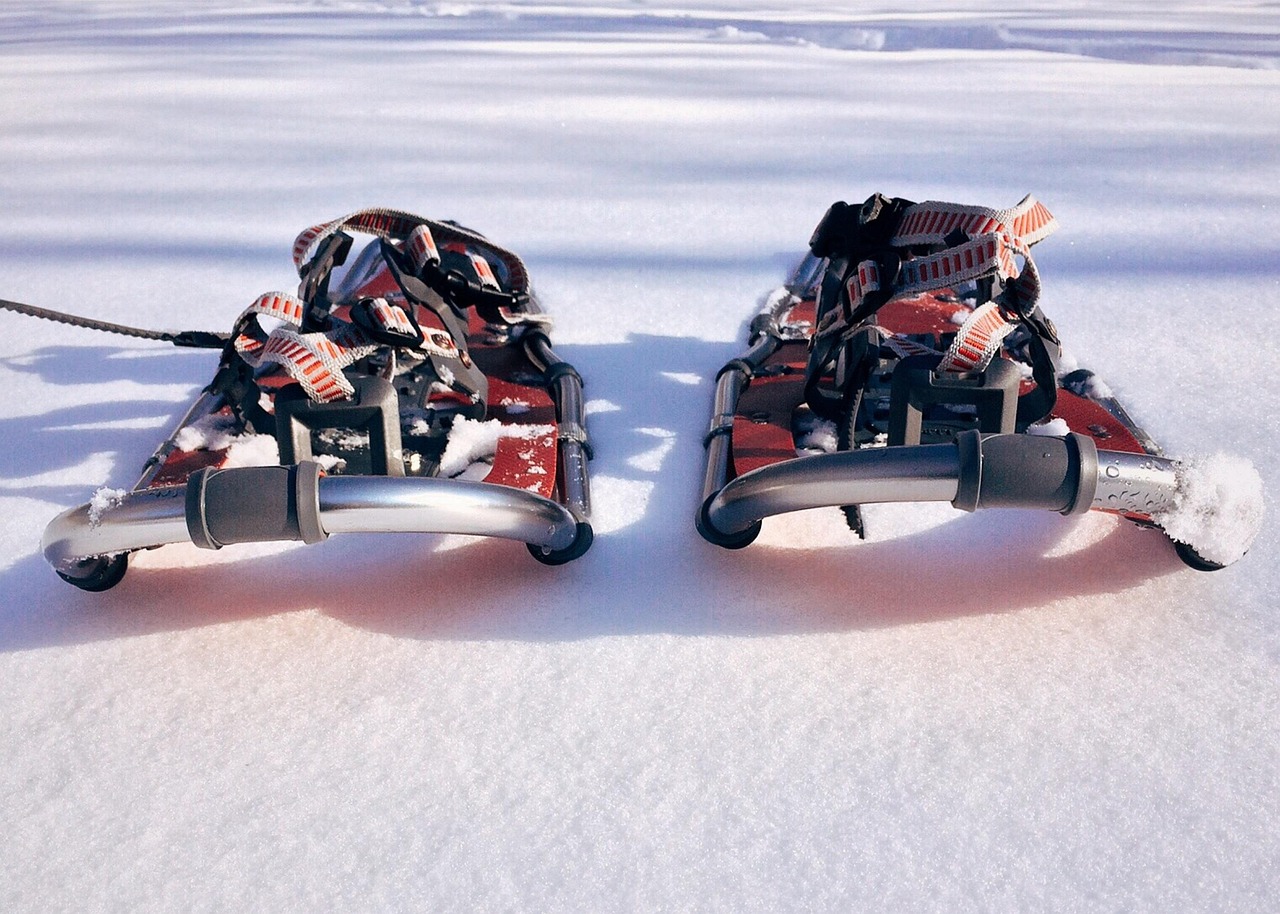
You don’t need expensive gear or specialized lessons to start snowshoeing. A pair of snowshoes, poles, and winter boots is all it takes. Most trails welcome beginners, and the learning curve is minimal; if you can walk, you can snowshoe. This accessibility makes it an excellent choice for families, solo adventurers, or anyone looking to stay fit without breaking the bank during winter.
Perfect for Social or Solo Adventures
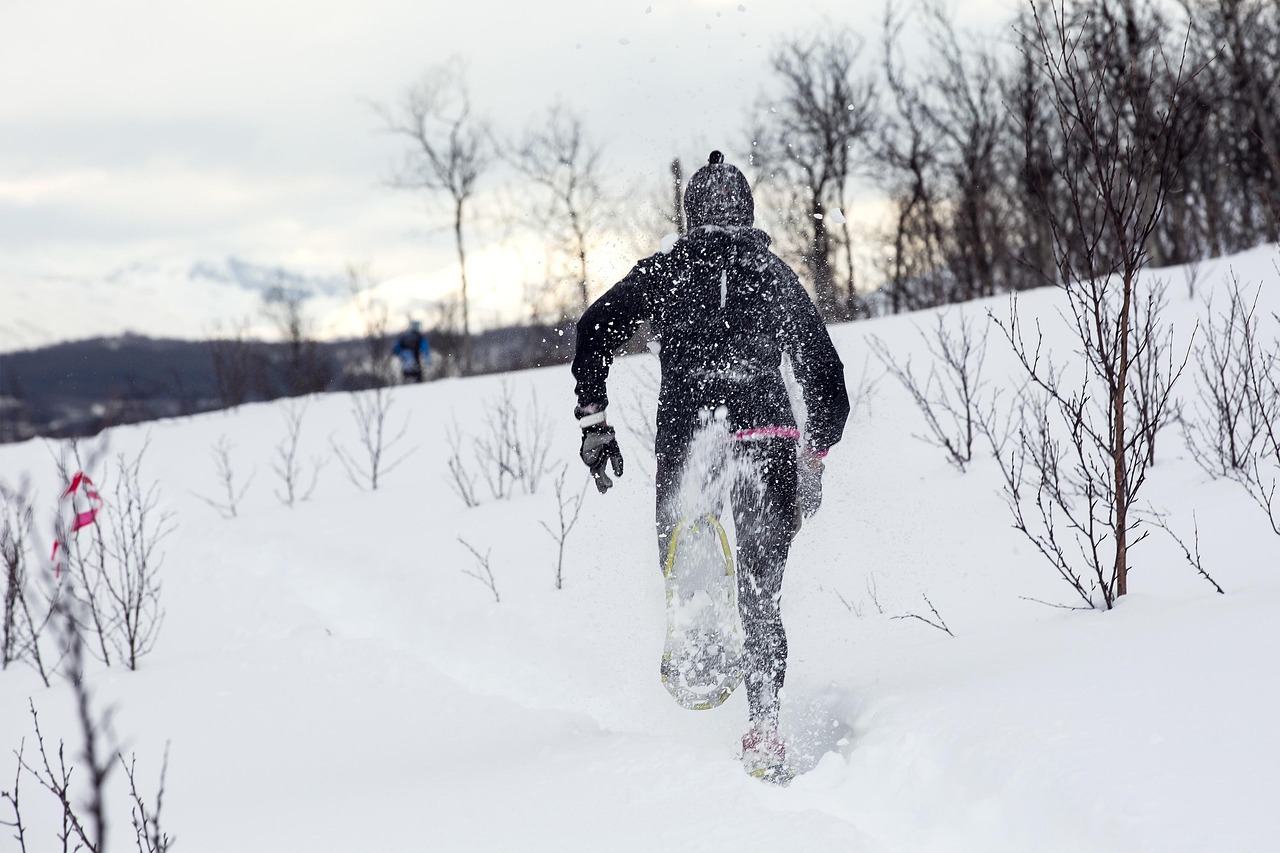
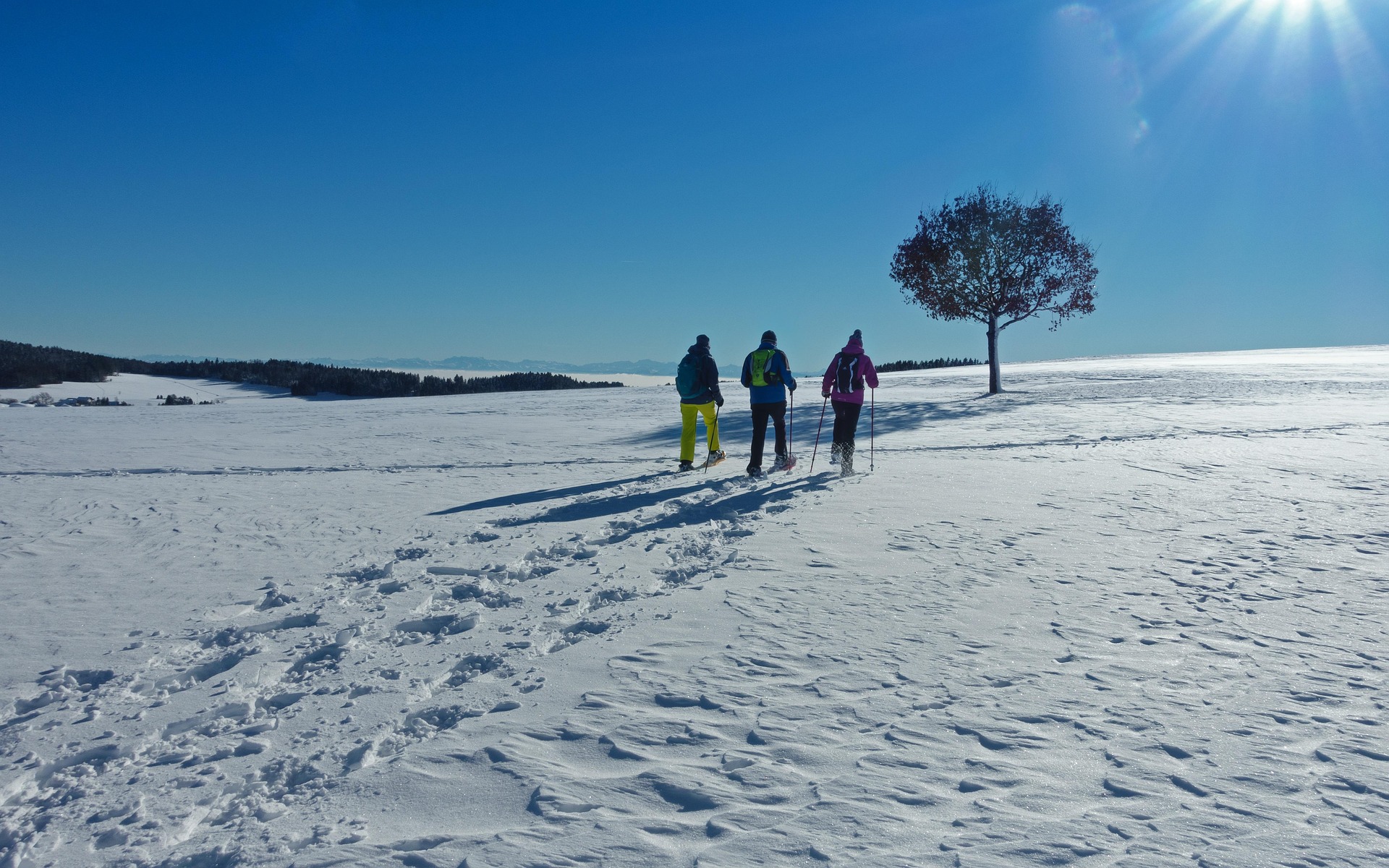
Snowshoeing offers flexibility; you can go solo for peace and reflection or join group hikes for shared adventure. Many outdoor clubs organize snowshoe events that foster camaraderie and fitness motivation. Whether you’re exploring a forest trail with friends or trekking alone across open fields, the experience adapts to your mood while delivering consistent physical and mental benefits.
Expands Access to Winter Wilderness
Unlike skiing, snowshoeing doesn’t require groomed trails or lift tickets. You can explore frozen lakes, mountain paths, or quiet woodlands with ease. Snowshoes allow you to walk where regular boots would sink, opening access to serene winter landscapes untouched by crowds. This freedom to wander deep into nature offers both a sense of discovery and a true appreciation for the season’s stillness.
The Ultimate Cold Weather Cross Training
Athletes often turn to snowshoeing to maintain endurance and strength through winter. It builds aerobic capacity, enhances balance, and keeps leg muscles strong for other sports like hiking, cycling, or running. It’s an excellent off-season workout that transitions seamlessly into other outdoor pursuits. Consistent snowshoeing ensures you stay conditioned, confident, and ready for any adventure year-round.