Animal tracks can reveal where wildlife has traveled, how it moved, and which direction it took, but the ground beneath each print makes a major difference. Soft mud may preserve tiny details, while dry leaves can hide an otherwise clear trail. Sand, snow, gravel, and rocky terrain each present different challenges when identifying footprints and estimating their age. Understanding these differences helps hunters interpret tracks more carefully instead of relying on one impression. By examining the shape, depth, spacing, and surrounding disturbance, it becomes easier to distinguish useful evidence from misleading marks.
1. Soft Mud Preserves Fine Details but Distorts Under Pressure
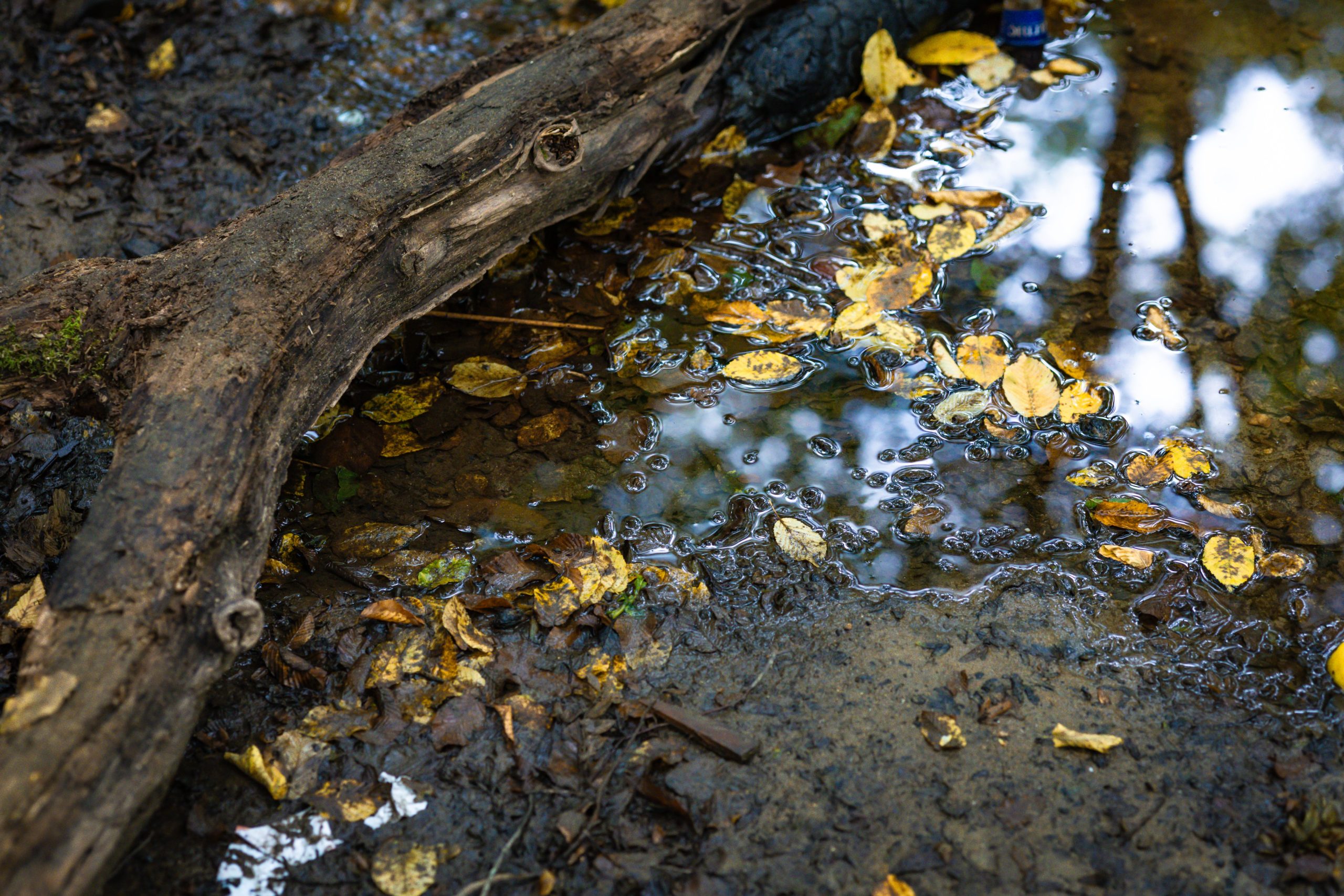
Soft mud can capture the outline of a hoof or paw, including toe shapes and small surface details. However, very wet soil may collapse around a heavy animal’s foot, making the print appear larger than the actual foot. A deer track measuring roughly 2 to 3 inches long might become wider when the surrounding mud slumps inward. Water can also collect inside the impression, hiding its depth and edges. Check several prints along a trail, compare their shapes, and examine nearby soil before estimating an animal’s size or identifying the species.
2. Dry Sand Makes Track Depth Difficult to Interpret
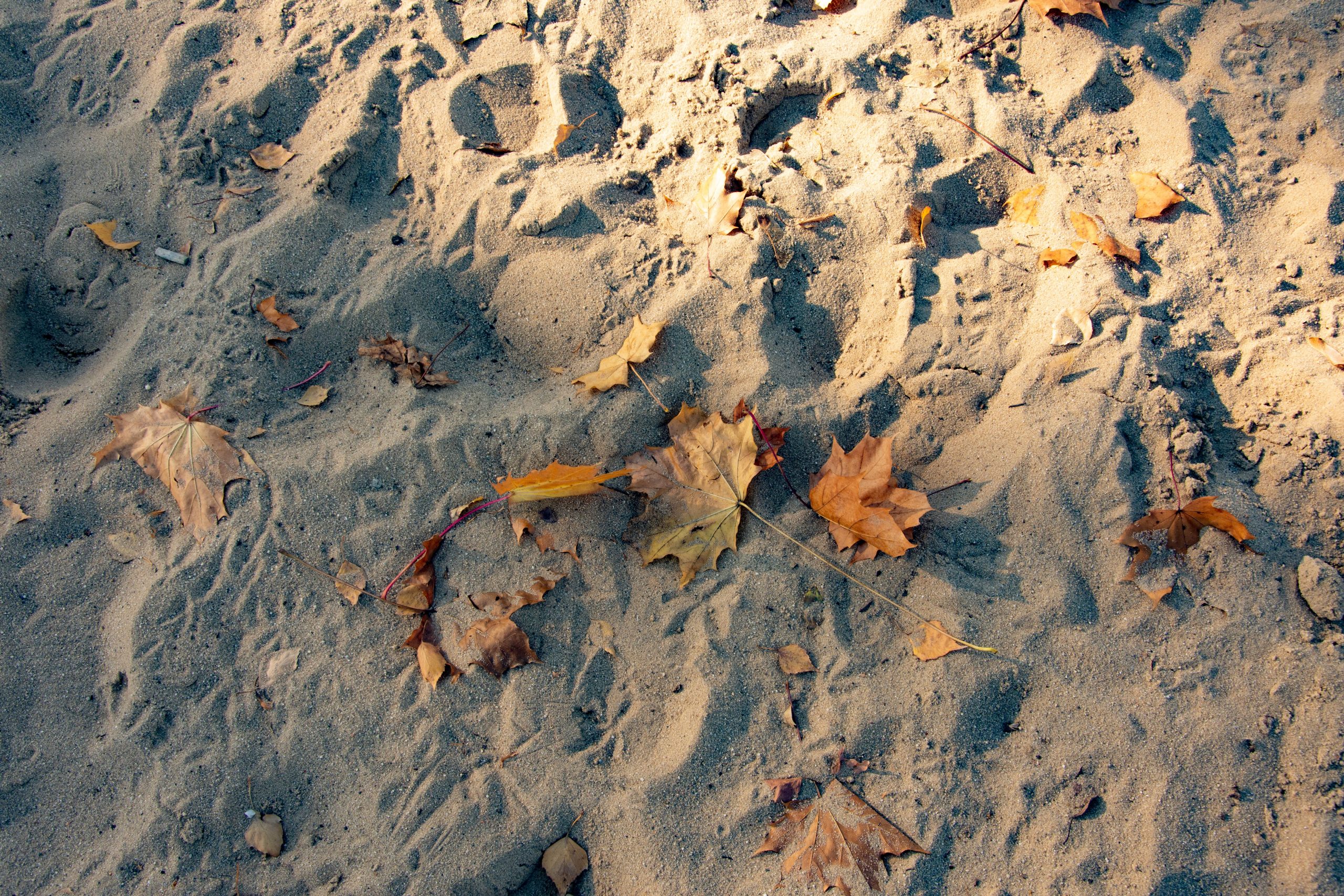
Dry sand often produces clear outlines when conditions are calm, but loose grains quickly slide back into a footprint. Wind can soften a track within minutes, while steep or shifting ground may cause the same animal to leave prints of different depths. A deer hoofprint measuring about 2 to 3 inches may appear shallow on firm sand and much deeper on a loose dune. Depth alone therefore cannot establish an animal’s weight or how recently it passed. Compare at least 3 consecutive impressions and look for consistent shapes, spacing, and direction before drawing conclusions.
3. Fresh Snow Reveals Movement but Can Hide Older Tracks
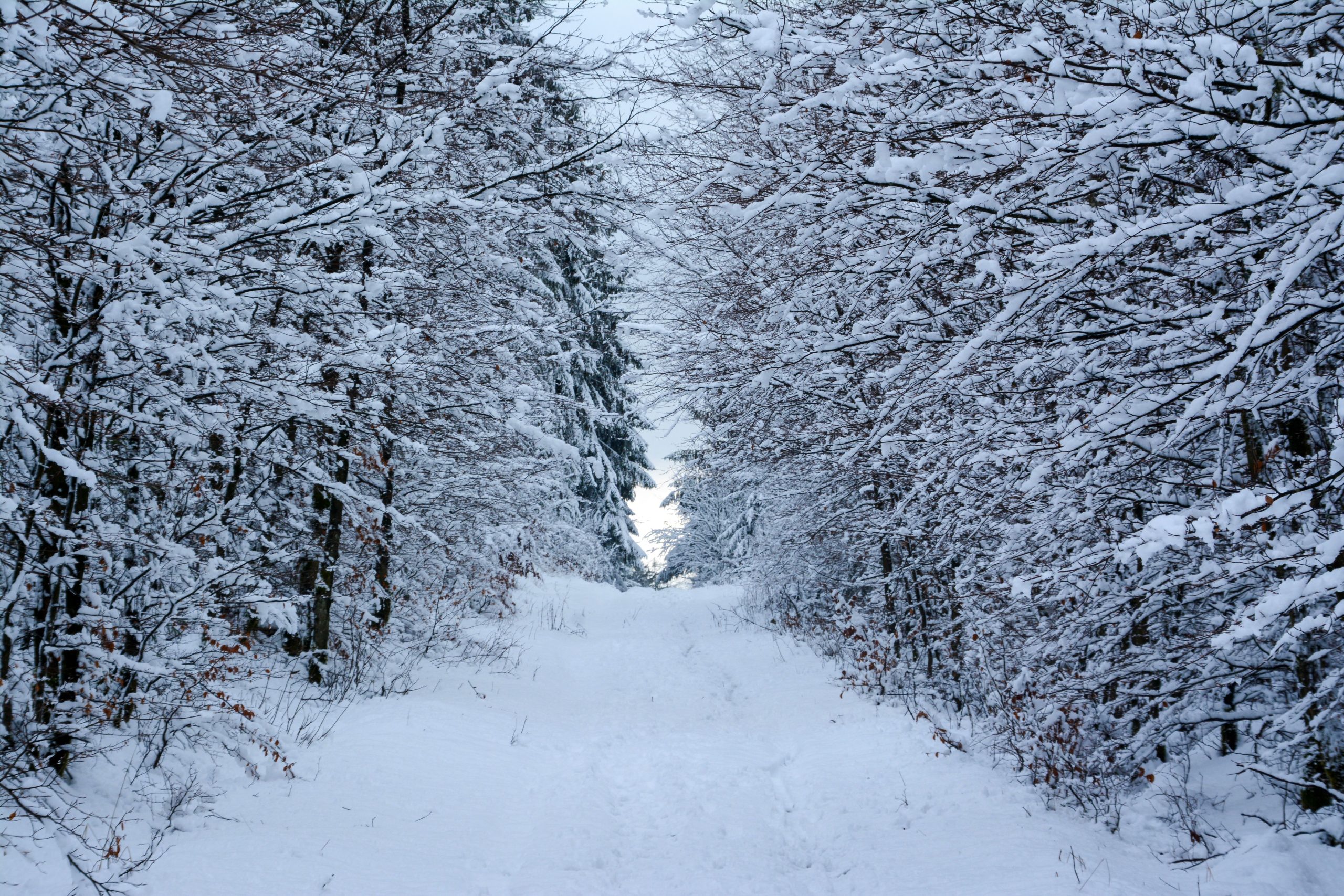
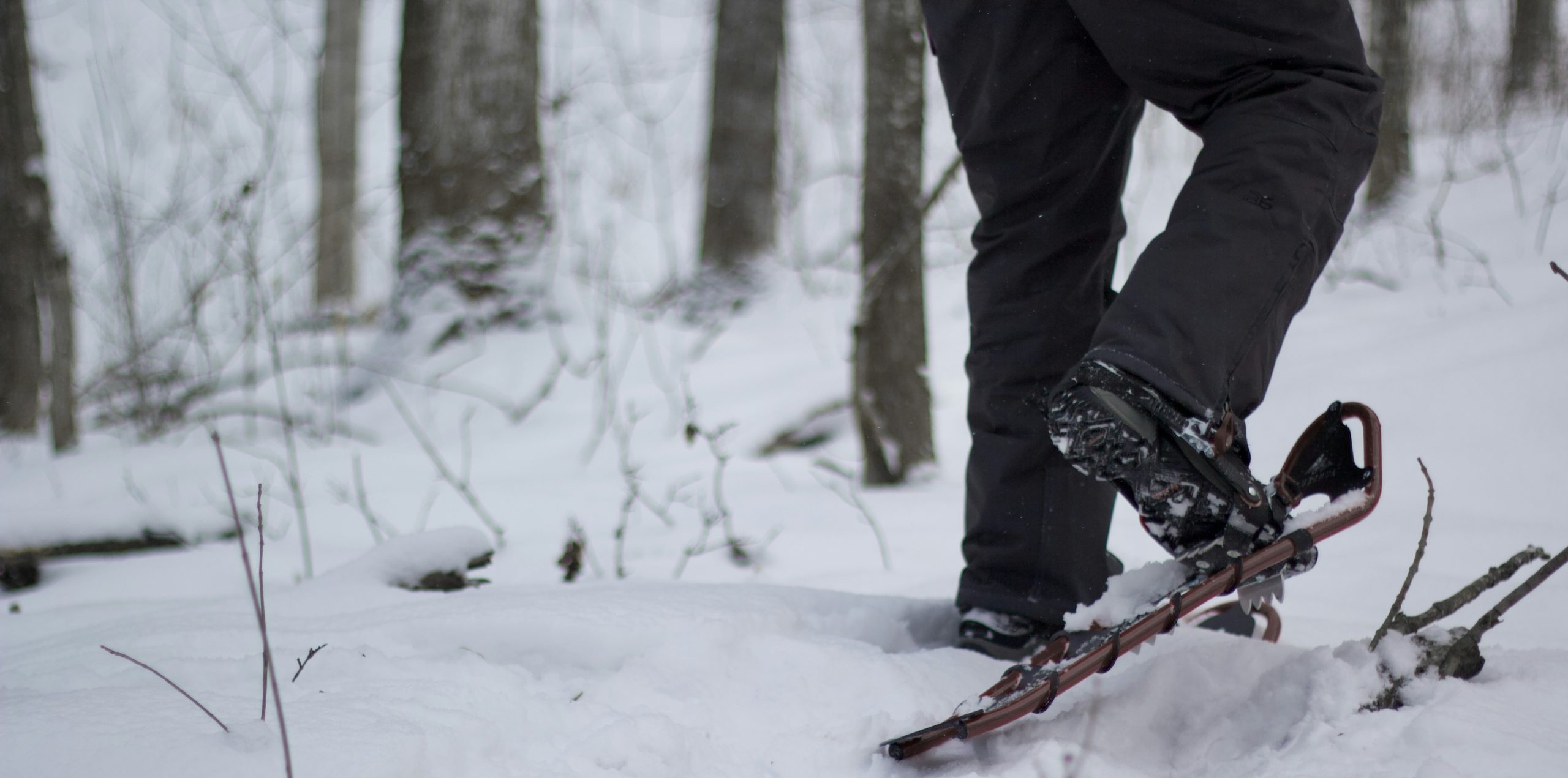
Fresh snow can preserve footprints with impressive clarity, especially when the layer is deep enough to hold a distinct impression. Yet wind, additional snowfall, and melting can quickly change their appearance. A 2-inch snowfall may cover older tracks without completely hiding deeper impressions, creating overlapping evidence from different periods. Snow depth also affects how far an animal sinks, so a deep print does not automatically indicate a heavier animal. Examine the edges, internal texture, and nearby undisturbed snow, then compare several prints to distinguish a continuous trail from separate movements across the same area.
4. Fallen Leaves Break Up Otherwise Clear Trail Patterns
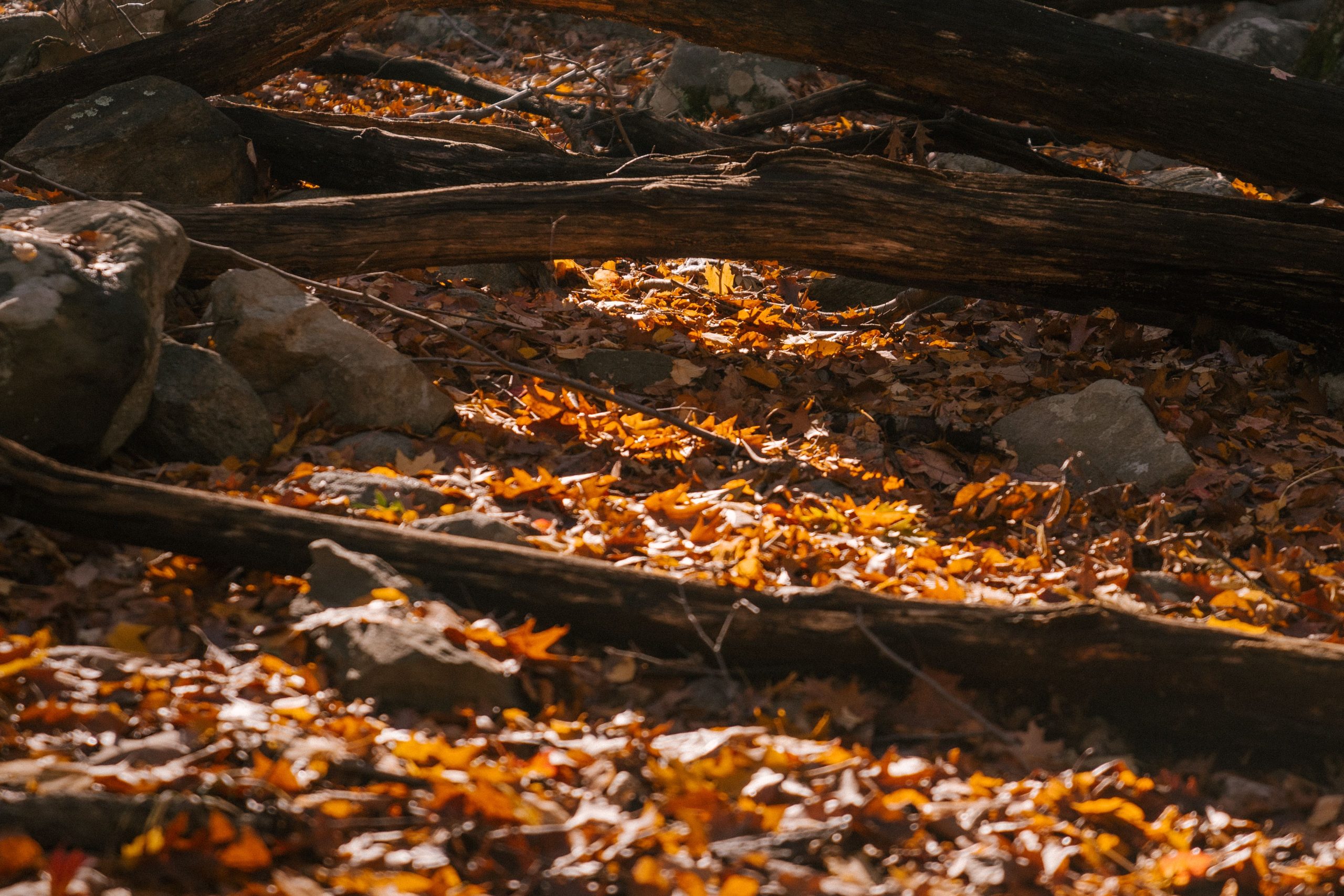
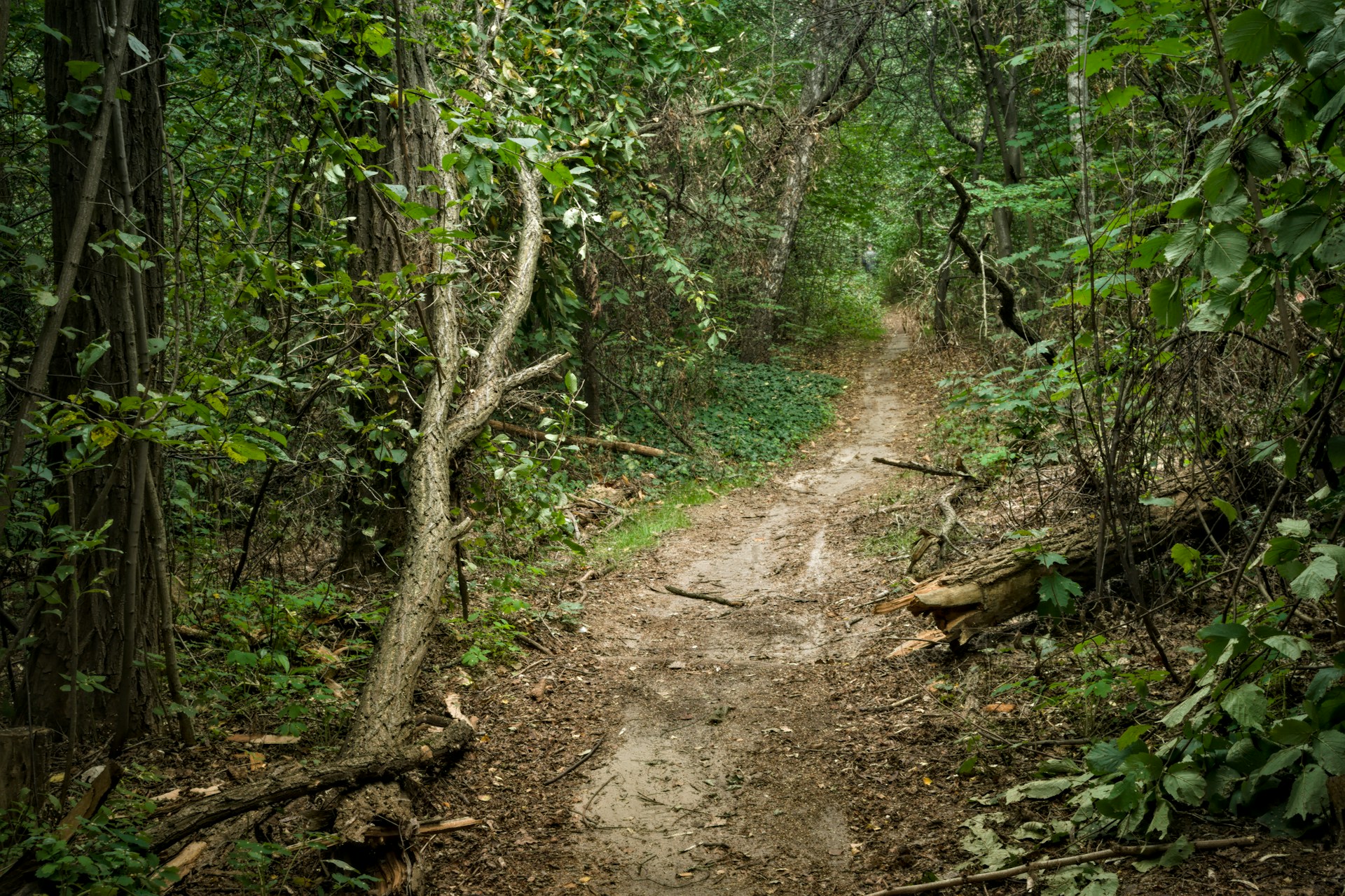
A forest floor covered with dry leaves can make tracking difficult because footprints may leave little visible evidence on the soil below. Animals can push leaves aside, compress them, or drag them into nearby vegetation, producing scattered clues rather than complete impressions. After 1 windy night, fresh leaves may cover tracks that were easy to see the previous evening. Look for repeated disturbances, exposed soil, bent stems, and leaves pressed against the ground. A single displaced leaf proves very little, but a sequence of matching disturbances can help reveal the direction of travel.
5. Gravel and Rocky Ground Often Conceal Complete Footprints
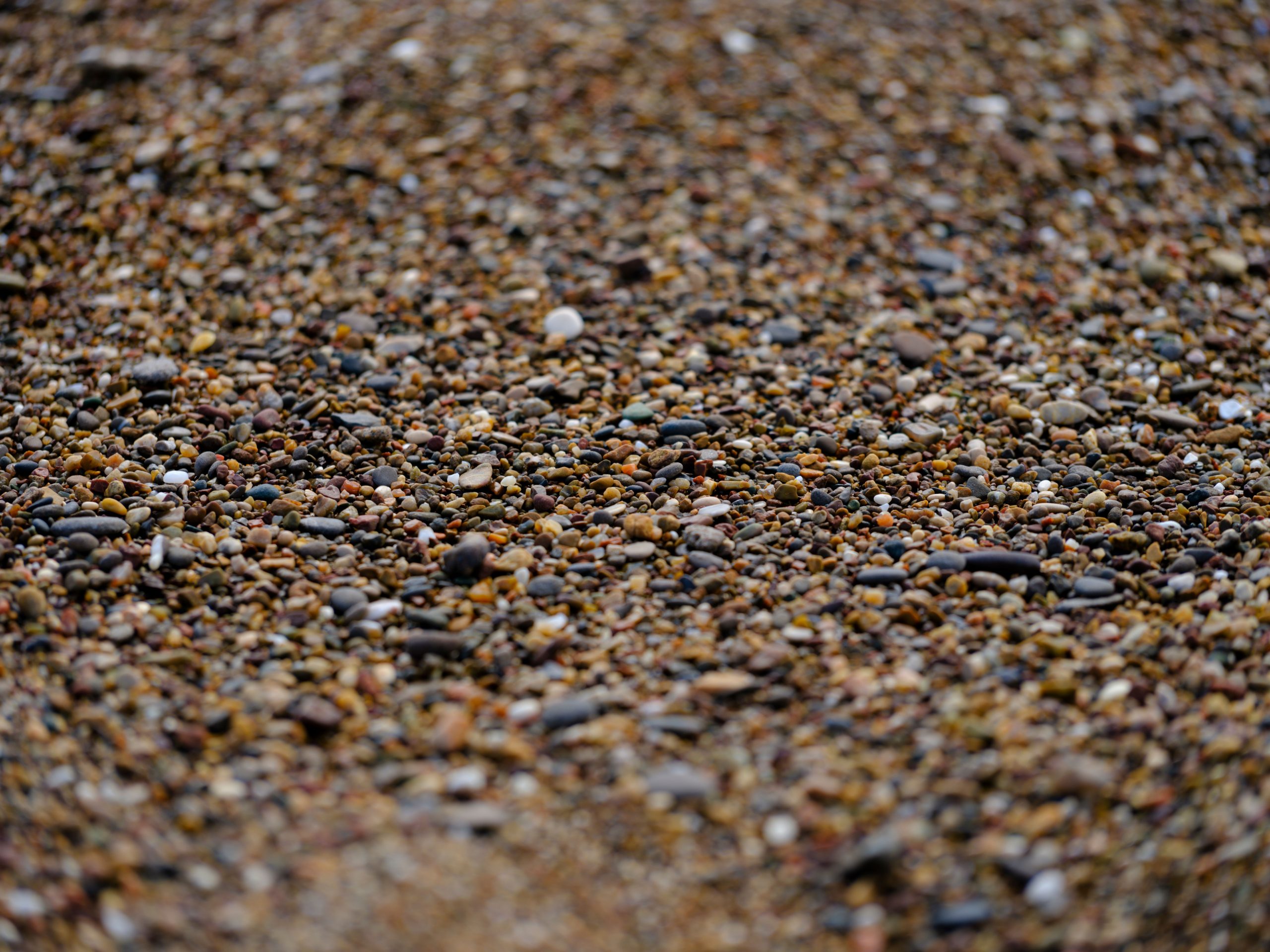
Gravel and exposed rock rarely preserve the clear outlines found in mud or snow. Instead, an animal may leave scattered stones, loose grit, scraped surfaces, or small patches of displaced soil. A hoofprint measuring 3 inches across on soft ground may leave no recognizable outline after crossing a rocky trail. Sharp stones can also create marks that resemble claw scratches or broken edges. Examine a stretch of several feet rather than focusing on one spot, and compare disturbed stones with the surrounding surface. Broken vegetation and impressions in nearby softer patches can help fill gaps in the trail.
6. Firm Clay Creates Shallow Prints That Can Be Misleading
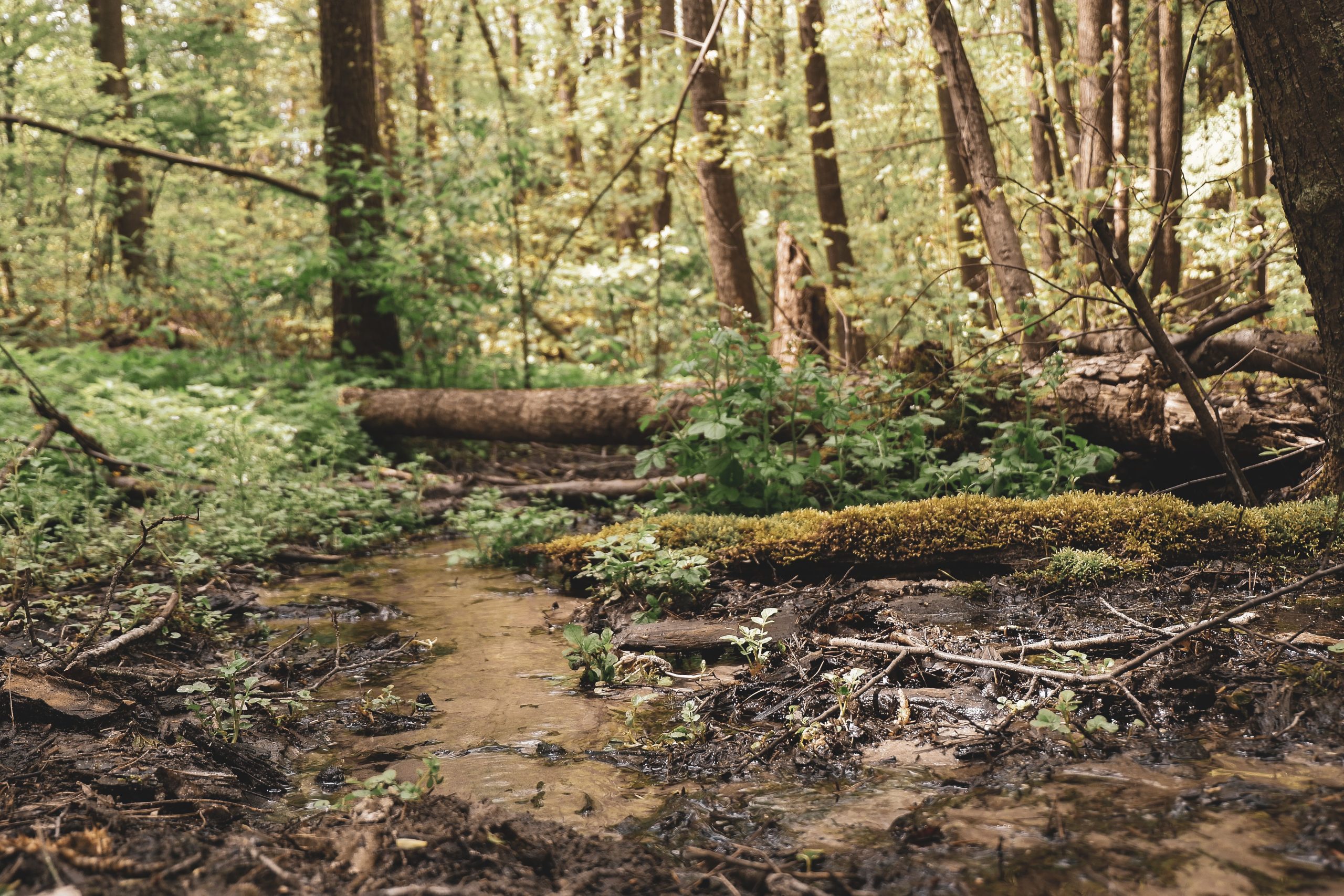
Firm clay can preserve recognizable outlines, but its hard surface often prevents a foot from sinking deeply enough to reveal fine details. When moisture increases, the same clay may soften and produce much clearer impressions. A footprint only 1 inch deep on dry clay may become substantially deeper after rain, even when the animal’s weight has not changed. Cracks in the soil can also cross a track and distort its apparent shape. Compare several impressions in the same section of ground, paying attention to toe placement and outline consistency rather than relying on depth as a measure of animal size.
7. Wet Grass and Moss Hide Tracks Beneath the Surface
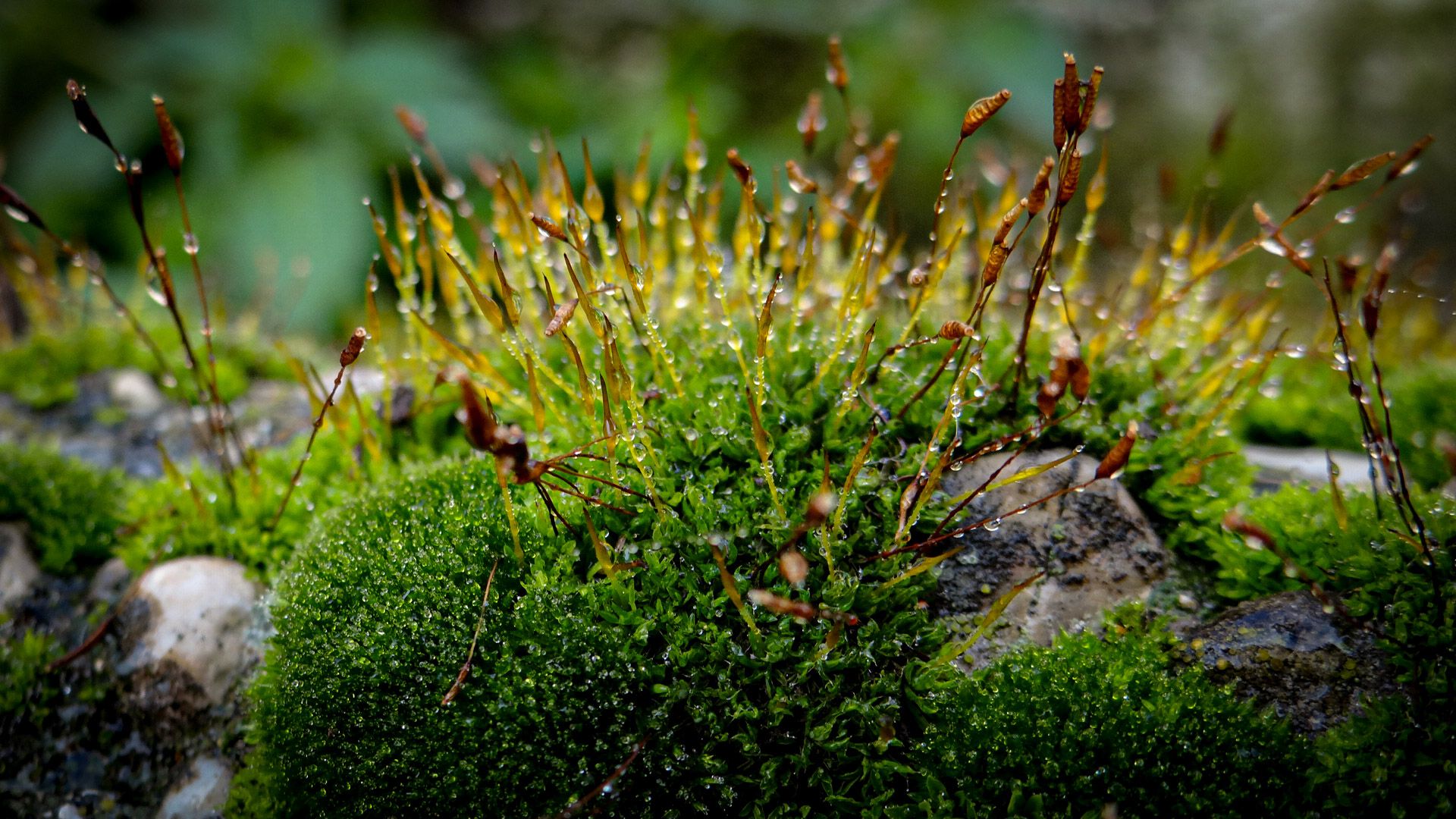
Grass and moss can conceal footprints even when the soil underneath is soft enough to record them. An animal may leave flattened blades, bent stems, compressed moss, or droplets brushed from vegetation instead of a recognizable print. On a damp morning, these signs can stand out, but sunlight and wind may dry the disturbed plants within a few hours. A trail crossing 10 feet of dense grass might show several separate clues rather than one continuous line. Check the direction in which vegetation bends, compare disturbed patches with nearby growth, and look for clear impressions where the trail meets exposed soil.