It looked like the next great American battle rifle. In practice, the M14 arrived with too much old thinking packed into one handsome, hard-kicking package.
A Rifle Meant To Do Everything
The M14 entered U.S. service in 1957 with an unusually ambitious mission. It was meant to replace the M1 Garand, the M2 carbine, and even the submachine gun, according to the National Park Service. That was a huge design brief for any single shoulder-fired weapon.
On paper, the idea made sense. Standardization promised simpler logistics, common ammunition, and one familiar manual of arms across the infantry. In the early Cold War, that kind of efficiency looked smart, especially inside the new 7.62x51mm NATO framework.
But the rifle was also expected to pull double duty as an automatic rifle in the squad. That was the first warning sign. A weapon can be many things, but asking one 9-pound rifle to be a full-power battle rifle and a controllable automatic arm was always going to be a stretch.
Why Weight Became A Real Battlefield Problem
The M14’s weight did not sound outrageous in isolation. Army publications and Army University sources place it at roughly 9 pounds, which was manageable for deliberate shooting on a range or in open terrain. The problem was everything else a rifleman had to carry.
A Vietnam-era infantryman was not carrying only his rifle. He also hauled magazines, water, grenades, radios, rations, and field gear through heat, mud, and dense vegetation. Every extra pound mattered more on a patrol than it did in a procurement meeting.
The ammunition added to the burden. The 7.62mm NATO round was powerful, but it was also heavier and bulkier than the 5.56mm ammunition that followed. A soldier armed with an M14 simply could not carry the same ready ammunition load as a later rifleman with an M16.
The M14 Was Powerful But Hard To Tame

The M14 was never a bad rifle in the basic sense. It hit hard, reached farther than lighter rifles, and benefited from the Garand lineage that many American shooters already respected. In semiautomatic fire, it could be accurate, dependable, and extremely effective.
Its trouble started when doctrine asked for more than semiautomatic precision. Army sources note that the 7.62mm cartridge gave the rifle a tendency to climb during automatic fire, making it difficult to keep on target. That meant the very role it was partly designed to fill was the role it handled worst.
This is the central irony of the M14 story. It was not too heavy in the way a museum piece is heavy. It was too heavy, and too forceful in recoil, for the mobile, close-range, high-volume fighting environment that was increasingly defining modern infantry combat.
Vietnam Exposed The Mismatch
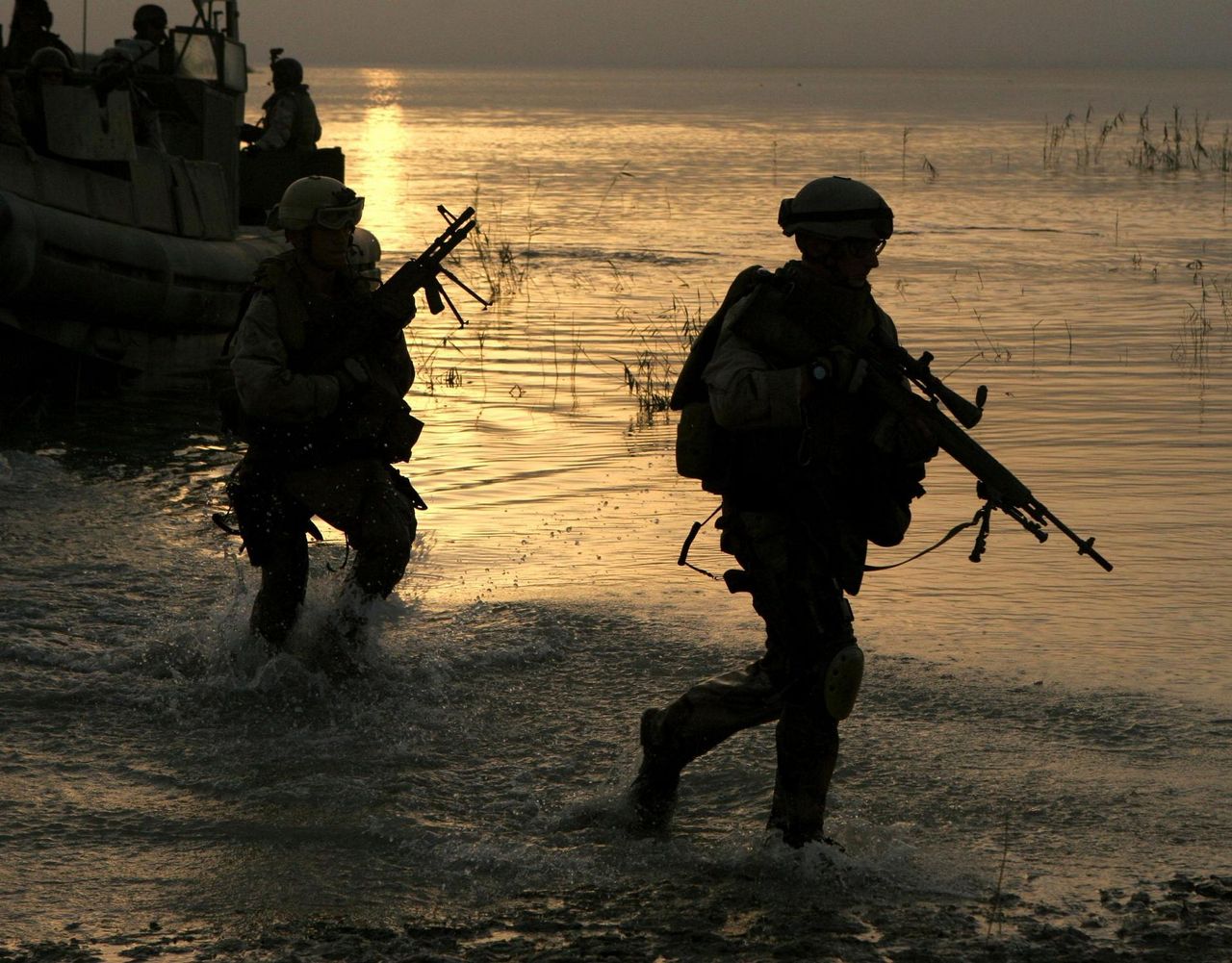
Vietnam punished every weakness a rifle could have. Patrols were long, visibility was short, and contact often came fast at close range. According to Army histories, the Defense Department adopted the lighter M16 in 1963 for jungle warfare, where volume of fire mattered more than long-range reach.
The M14 still served in Vietnam, and not without strengths. Army museum material notes that its powerful cartridge could penetrate jungle cover and perform well at extended range. But those advantages did not erase the daily burden of carrying a longer, heavier rifle through wet, tangled terrain.
There were also environmental headaches. The National Park Service and Army museum sources describe how wooden stocks could swell in heavy jungle moisture, leading to fiberglass replacements. That detail captures the larger story: the rifle could work, but the battlefield kept revealing that it belonged to an older set of assumptions.
Why The M16 Took Its Place

The M16 did not replace the M14 because the older rifle was useless. It replaced it because the Army and the Pentagon were rethinking what infantry combat actually demanded. Lighter weight, reduced recoil, and a smaller cartridge made the newer rifle better suited to fast-moving engagements and heavier ammunition loads.
Army histories are blunt on this point. The M16 was lighter than the M14, and by 1967 nearly all U.S. soldiers in Vietnam were using it. That was not just a change in hardware. It was a change in philosophy about range, controllability, and how a rifle squad should fight.
In that sense, the M14 became an interim answer almost as soon as it arrived. Military Review has described it as a limited weapon shaped by institutional compromise. The rifle was asked to solve yesterday’s problems just as tomorrow’s battlefield was coming into view.
The Rifle’s Legacy Is Better Than Its Original Mission
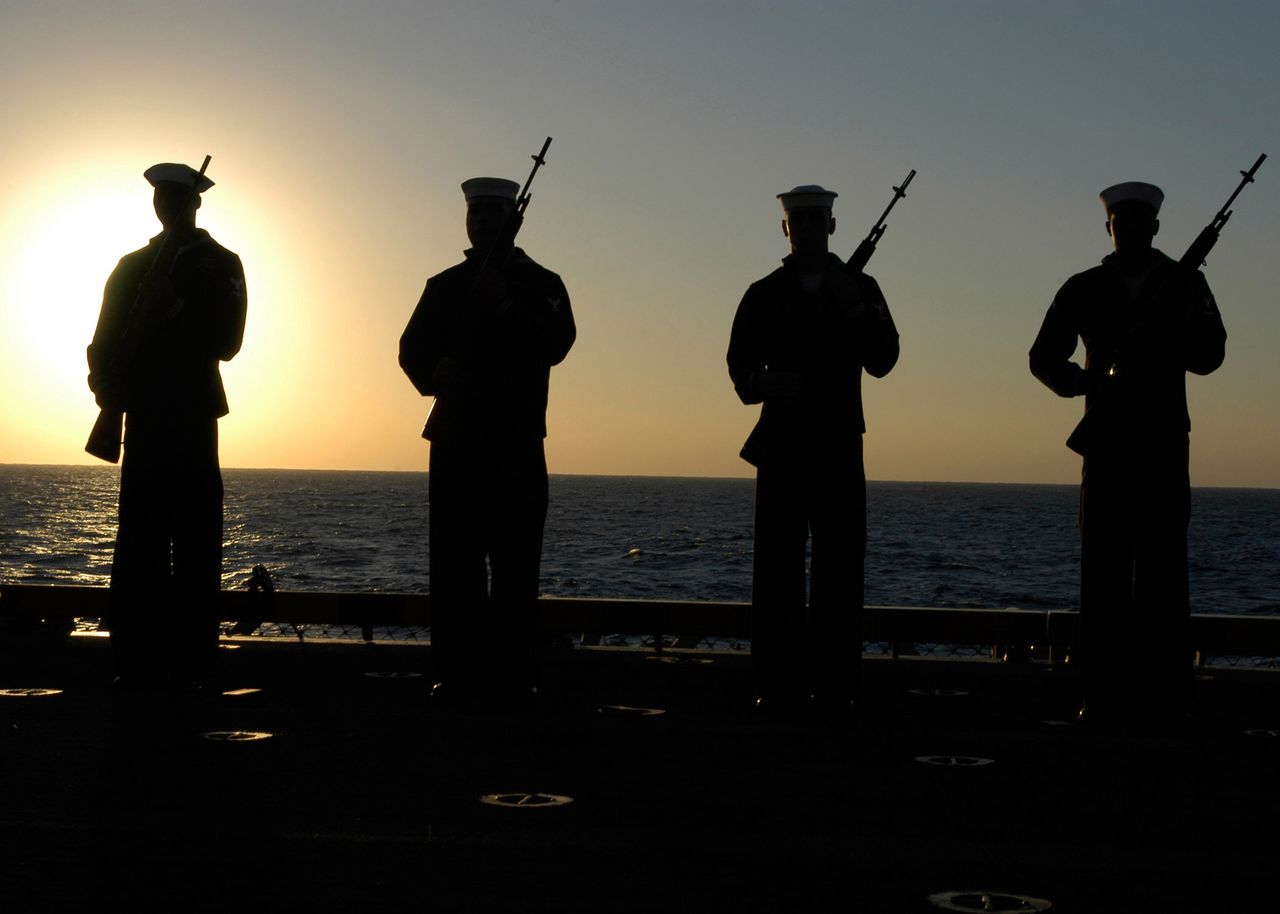
None of this means the M14 was a failure in every role. In fact, its accuracy and power helped it survive long after its brief run as the standard service rifle. Variants and updated examples continued to appear in match shooting, ceremonial use, and designated marksman roles.
That afterlife makes perfect sense. The traits that hurt the M14 as a universal infantry rifle could still help it in specialized jobs. A heavy, full-power rifle is a burden on long patrols, but it can be an asset when range, stability, and harder-hitting ballistics matter more than sheer portability.
So the M14’s real story is not that it was badly built. It is that it was built for a mission no rifle of its size and cartridge could truly master. The weapon was strong, handsome, and capable, but the job it was handed had already outgrown it.